

OBD-II Code C1126: A Manufacturer-Specific Chassis Fault
The Ultimate Guide to What C1126 Means, Why It Triggers, and How to Fix It
- Code C1126 has no universal meaning; you must use a professional scanner to pull the manufacturer-specific definition, as a Nissan ABS fault requires a completely different repair than a Hyundai TPMS voltage drop.
- Over 80% of ABS-related C1126 codes stem from a faulty wheel speed sensor, a corroded wiring harness, or rust buildup on the magnetic tone ring.
- While conventional brakes remain functional, driving with a C1126 code disables your Anti-lock Braking System (ABS) and traction control, increasing stopping distances by up to 20% on wet or icy roads.
- Repair costs range from $15 for a DIY sensor cleaning to over $2,000 for a dealership ABS module replacement, making an accurate initial diagnosis critical to avoid unnecessary parts swapping.
What Does C1126 Mean?
Code C1126 is a manufacturer-specific Diagnostic Trouble Code (DTC) most commonly indicating an Anti-lock Braking System (ABS) fault. The vehicle's control module detected an abnormal signal or open circuit from a component like a wheel speed sensor or ABS pump solenoid. The system disables ABS as a fail-safe and illuminates the dashboard warning light.
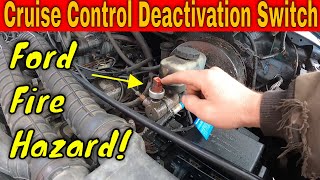
Technical definition: Code C1126 lacks a universal SAE/ISO definition; its meaning varies dramatically by manufacturer. On a Nissan, it indicates 'Right Rear Inlet ABS Solenoid Failure'. On a Ford, it means 'Cruise Control Command Switch Assembly Circuit Failure 🎬 Watch: Replacing the cruise control deactivation switch on Ford models.'. For Hyundai and Kia, it signifies unrelated issues like 'TPMS ECU Battery Voltage Low' or 'Low Speed Radiator Fan Relay Circuit Malfunction'. You must use a professional-grade scan tool to read the exact manufacturer-specific definition for your vehicle before attempting diagnosis.
Can I Drive With C1126?
Yes, but with extreme caution Yes, your conventional brakes remain functional, allowing you to stop. However, C1126 disables critical safety systems—Anti-lock Brakes (ABS) and Traction/Stability Control. This dramatically increases the risk of wheel lock-up and loss of steering control during panic stops or on slippery surfaces like rain or ice. If the red 'BRAKE' warning light also illuminates, stop driving immediately due to a potential hydraulic failure. Ignoring underlying causes like a failing wheel bearing causes catastrophic wheel assembly failure, adding thousands to repair costs.
Common Causes
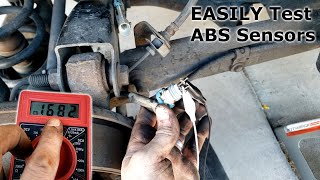
- Faulty ABS Wheel Speed Sensor (Very Common) — Wheel speed sensors measure the rotational speed of each wheel. They fail electronically, become coated in metallic brake debris, or suffer physical damage, resulting in an incorrect or missing signal. 🎬 Watch: How to test ABS wheel speed sensors for resistance.
- Damaged or Corroded Wiring/Connectors (Very Common) — The wiring harnesses for wheel speed sensors are exposed to harsh conditions. Corrosion in the connectors, chafing against suspension components, or breaks from road debris cause the intermittent signals that trigger this code.
- Contaminated or Damaged ABS Tone Ring (Common) — The sensor reads a toothed or magnetic ring (tone ring) on the wheel hub or axle. Rust and debris build up between the teeth or on the magnetic surface, causing an erratic signal. This is a well-documented issue on certain Nissan models covered by a Technical Service Bulletin (TSB).
- Failing Wheel Hub Bearing (Uncommon) — A worn-out wheel bearing introduces excessive play or 'wobble' in the hub assembly. This changes the gap between the wheel speed sensor and the tone ring, causing an erratic signal and triggering an ABS fault code. Grinding noises from a wheel confirm this cause.
- Low System Voltage / Failing Battery (Uncommon) — On certain makes like Hyundai, C1126 specifically means 'TPMS ECU Battery Voltage Low'. This triggers if the main vehicle battery voltage drops below 9.0V for more than a few seconds, causing the Tire Pressure Monitoring System module to report a fault.
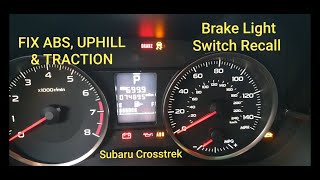
- Faulty Brake Light Switch (Uncommon) — On Subaru models, a failing or improperly adjusted brake light switch sends an erratic signal to the ECU. The computer interprets this as a brake system fault and disables the ABS, VDC, and Hill Assist systems as a precaution.
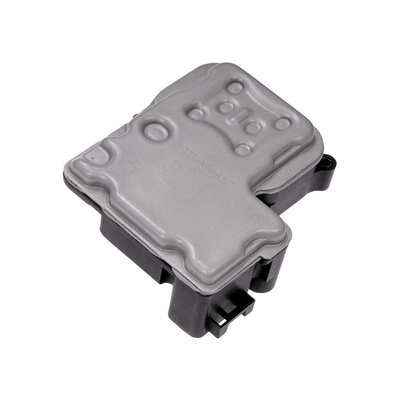
- Failing ABS Control Module or Hydraulic Actuator (Less Common) — The ABS module is the electronic brain and hydraulic pump for the system. Internal failures, such as broken solder joints on the circuit board, failed solenoid coils, or a faulty pump motor, trigger C1126. This is the most expensive component to replace.
- Aftermarket Accessory Interference (Rare) — Poorly installed high-powered aftermarket electronics, like audio amplifiers, introduce electrical noise or cause voltage drops that interfere with sensitive modules, triggering a C1126 code, especially the TPMS-related variant on Hyundai vehicles.
Symptoms
- ABS Warning Light is On — This is the primary and most common symptom. The amber 'ABS' light on the instrument cluster illuminates permanently.
- Traction Control or Stability Control Light is On — The traction (TCS) and stability control (VSC/ESC) systems rely on the same wheel speed sensors as the ABS. A fault in the ABS system disables these systems and turns on their respective warning lights.
- Brake Pedal Pulsates or Grinds at Low Speeds — A faulty sensor sends an incorrect signal, making the ABS module think a wheel is locking up during a slow stop. This causes the ABS pump to activate unnecessarily, resulting in a grinding noise and a pulsing sensation in the brake pedal.
- Loss of ABS and Traction Control Function — During a hard stop or on a slippery surface, the wheels lock up and skid because the anti-lock function is disabled. The wheels also spin more easily on acceleration.
- Inconsistent or Non-Functional Speedometer — On some vehicles, the vehicle's speed is calculated using data from one or more of the ABS wheel speed sensors. A faulty sensor causes the speedometer to read erratically or drop to zero while driving.
Diagnostic Flowchart
Tap your situation to follow the diagnostic path that matches what you're seeing on this code.
Common Fixes & Costs
- Replacing an ABS Wheel Speed Sensor
— Parts: $40-$150, Labor: $100-$200, ~1 hr book time
(DIY)
: OEM 47900-7Y000 (Alt: {'Dorman': '970-099', 'Standard Motor Products': 'ALS349'}) - Cleaning the Wheel Speed Sensor and Tone Ring — Parts: $5-$15, Labor: $75-$150, ~0.5 hr book time (DIY)
- Repairing Damaged ABS Wiring or Connectors — Parts: $10-$50, Labor: $150-$300, ~2 hr book time (Intermediate)
- Replacing a Wheel Hub Assembly — Parts: $120-$400, Labor: $200-$500, ~2 hr book time (Intermediate)
- Sending ABS Module for Repair/Remanufacturing — Parts: $150-$400, Labor: $150-$300, ~2 hr book time (Professional)
- Replacing the ABS Control Module/Actuator
— Parts: $900-$2,500+, Labor: $150-$300, ~2 hr book time
(Professional)
: OEM 2L1Z-2B373-AB
: OEM 95800-3Q000
DIY vs Professional
- Cleaning the Wheel Speed Sensor and Tone Ring 🟢 Beginner
Tools: Jack, jack stands, socket set, brake cleaner, wire brush, flashlight. - Replacing an ABS Wheel Speed Sensor 🟢 Beginner
Tools: Jack, jack stands, socket set, torque wrench, penetrating oil. - Repairing Damaged ABS Wiring 🟢 Beginner
Tools: Multimeter, soldering iron, heat shrink tubing, wire strippers. - Replacing a Wheel Hub Assembly 🟢 Beginner
Tools: Large breaker bar, hub puller tool, torque wrench (high ft-lbs), full socket set. - Replacing the ABS Control Module/Actuator 🟢 Beginner
Tools: Professional scan tool (for bleeding/programming), flare nut wrenches, torque wrench.
Used vs. New Parts: Buying Guide
When a used part is worth it: For expensive ABS control module/actuator assemblies, a tested, guaranteed part from a low-mileage donor vehicle saves over 75% compared to a new OEM part. Do not buy used wheel speed sensors, as new ones are affordable and sensors are wear items.
Donor-vehicle mileage cap: roughly under 100000 miles for the part to have meaningful remaining life.
Donor quality checklist:
- Verify the part number matches exactly; modules are vehicle-specific.
- Purchase from a reputable auto recycler that offers a warranty (90 days or more) and a return policy.
- Inspect the part for physical damage, cracks, or heavy corrosion before installation.
- Be aware that a used ABS module requires programming to your vehicle's VIN by a shop with the appropriate scan tool.
Decision logic:
- If The failed part is a wheel speed sensor → Buy new (OEM or quality aftermarket). The cost savings on a used sensor are minimal and not worth the risk.
- If The failed part is the ABS module and a new OEM part costs >$1,000 → A used or remanufactured module is a financially sound choice, provided it comes with a warranty.
- If Vehicle is older (>10 years) and budget is the primary concern → A used module from a trusted source is the most practical option to restore safety features.
Warranty tradeoff: Used parts typically have a 30-90 day warranty. New aftermarket parts often carry a 1-year to limited lifetime warranty. New OEM parts have a 1-year warranty.
Worst-case if a used part fails: $300-$600 if a used ABS module fails after installation, representing repeat labor for removal/reinstallation and potential shipping costs for a warranty replacement.
What Happens If You Wait — Timeline
- 0-1 month: A faint humming or growling noise begins, typically noticeable above 40 mph. The ABS light flickers on intermittently as the wheel bearing play begins to affect the sensor gap. (MPG impact: 0-1%% · Added cost: $0)
- 1-3 months: The humming becomes a distinct grinding noise that is constant and gets louder with speed. The ABS light is permanently on with code C1126 stored. The steering feels slightly loose. (MPG impact: 1-3%% · Added cost: $50-$200 (for uneven tire wear))
- 3-6 months: The grinding is loud and accompanied by clicking or snapping sounds, especially when turning. The steering wheel vibrates, and the vehicle pulls to one side. Excessive heat and play damage the ABS sensor and the wheel hub itself. (MPG impact: 3-8%% · Added cost: $300-$800 (cost of a new tire, plus damage to the hub and ABS sensor))
- 6+ months / Immediate Risk: Catastrophic failure. The bearing seizes or collapses, causing the wheel to wobble violently or detach from the vehicle. This leads to a complete loss of control and a high risk of a serious accident. (MPG impact: N/A% · Added cost: $2,000-$5,000+ (for extensive repairs to the axle, suspension, brakes, and body, plus accident liability))
Cost of Not Fixing It
- Immediate: Loss of ABS, traction control, and stability control. This creates a significant safety risk, especially in panic braking or poor weather, as wheels lock up, causing a skid and loss of steering control. (Added cost: N/A)
- 1-6 months: If the root cause is a failing wheel bearing, continued driving causes uneven tire wear and damages the wheel hub and axle shaft. (Added cost: $200-$800 (for a new tire and potential hub/axle damage on top of the original repair))
- 6+ months / Long-Term: Catastrophic failure of a worn wheel bearing. The wheel seizes up or completely detaches from the vehicle while driving, leading to a total loss of control and a severe accident. (Added cost: $2,000-$5,000+ (for extensive suspension, body, and brake system repairs, not including accident liability))
Diagnosis Steps
- Retrieve the Manufacturer-Specific Code Definition
Use a professional OBD-II scanner capable of reading Chassis (C-prefix) codes to get the full manufacturer-specific definition (e.g., 'Nissan: RR RH IN ABS SOL' vs. 'Hyundai: TPMS ECU Battery Voltage Low'). This dictates your entire diagnostic path. Check for any Technical Service Bulletins (TSBs) related to the code for your vehicle.
Tools: OBD-II Scanner (with ABS/Chassis code capability) (Beginner) - Analyze Live Data PIDs with a Scan Tool
Access the live data stream with your ABS-capable scanner. Select the PIDs for all four wheel speed sensors. Have a helper drive the vehicle slowly in a straight line. All four sensors must read within 1-2 MPH of each other. A sensor that reads 0 MPH, drops out intermittently, or shows a wildly different speed isolates the fault immediately.
Tools: OBD-II Scanner (with live data capability) (Beginner) - Visually Inspect the Relevant Area
Based on the code's definition, inspect the associated components. If it points to a wheel, raise and secure the vehicle, then inspect the wheel speed sensor wiring for chafing, melting, or corrosion. If it points to a module (ABS, TPMS), check its main electrical connector for corrosion or loose pins.
Tools: Flashlight, Jack and Jack Stands (Intermediate) - Inspect the Wheel Speed Sensor and Tone Ring
Remove the wheel where the fault is indicated. Unbolt and remove the ABS sensor. Inspect its tip for metallic debris. Shine a light into the mounting hole to inspect the tone ring on the hub or axle. Look for packed-in rust, debris, or broken/damaged teeth.
Tools: Socket Set, Jack and Jack Stands, Brake Cleaner, Wire Brush (Intermediate) - Test the Sensor with a Multimeter
For a passive (2-wire) sensor, measure resistance across the pins (typically 1,000-2,500 Ohms). An open circuit (OL) or short indicates a bad sensor. Next, set the multimeter to AC Volts, back-probe the wires, and spin the wheel; you should see 0.1-0.2 VAC increasing with speed. For an active (3-wire) sensor, verify 5V/12V reference power and ground at the harness, then check the signal wire for a toggling DC voltage as the wheel turns.
Tools: Multimeter with back-probe pins, Jack and Jack Stands (Intermediate) - Check Power and Ground at the Control Module
If sensors and wiring test good, the problem lies in the module's power supply. Using a wiring diagram, identify the main power and ground pins on the ABS (or TPMS) module connector. Verify the module receives full battery voltage (12.0V+) and has a solid ground connection (less than 0.1 Ohms). For Hyundai's TPMS-related C1126, voltage below 9.0V confirms a charging system or battery fault.
Tools: Multimeter, Vehicle-Specific Wiring Diagram (Advanced) - Actuate Solenoids with a Bidirectional Scanner
If the code points to a specific solenoid (e.g., Nissan's C1126), use a bidirectional scan tool to command the ABS pump and individual solenoids to activate. If the pump runs but a specific solenoid doesn't 'click' when commanded, and its wiring is good, the ABS module/actuator assembly has an internal fault.
Tools: Bidirectional Scan Tool (Professional) - Analyze the Sensor Signal with an Oscilloscope
For intermittent faults or suspected tone ring issues, an oscilloscope is the definitive tool. Back-probe the sensor's signal and ground wires. As you spin the wheel, you must see a clean, consistent waveform. Gaps, noise, or an erratic pattern indicate a problem with the sensor, tone ring, or wiring that a multimeter misses.
Tools: Automotive Oscilloscope (e.g., PicoScope), Back-probe leads (Professional)
When This Code Triggers (Freeze-Frame Conditions)
- Vehicle Speed: 15-45 mph (The fault logs when the vehicle is moving, as this is when the ABS module compares signals from all four wheels. A fault sets above a threshold speed (e.g., 10 mph).)
- System Voltage: 12.5-14.5V (For most ABS faults, voltage remains normal. However, for the Hyundai/Kia definition 'TPMS ECU Battery Voltage Low', the code triggers when module voltage drops below 9.0V, often during engine cranking in cold weather.)
- Brake Pedal Status: Off / Not Applied (A wheel speed sensor fault is detected during steady-state driving without any brake application, as the module continuously monitors for rational signals.)
- Engine RPM: 1200-2500 RPM (The code sets during normal driving conditions, not necessarily during high-RPM or aggressive maneuvers.)
Related Codes
- C1124 — On Nissan vehicles, C1124 ('RR LH IN ABS SOL') often appears alongside C1126 ('RR RH IN ABS SOL'). When both codes are present, it strongly suggests a failure of the ABS actuator/control unit that houses both solenoids, rather than two independent faults. The TSB for rust buildup also lists both codes.
- C1110 — This code, meaning 'Controller Failure' on Nissans, is a critical companion code. If you fix a C1126 fault (e.g., replace a sensor) but the C1110 code remains or returns after a test drive, it confirms that the ABS control module itself has an internal failure and must be repaired or replaced.
- C1226 — On Ford trucks, C1226 ('Brake Warning Lamp Output Circuit Short To Ground') is the root cause of the illuminated ABS light. It indicates a short in the warning light circuit itself, which the system interprets as a major brake fault, disabling the ABS as a precaution.
- C0035 - C0050 — These are standardized SAE codes for wheel speed sensor circuits (e.g., C0040 for Right Front). They are more direct and less ambiguous than the manufacturer-specific C1126. If you see one of these, it points directly to a specific wheel sensor circuit, whereas C1126 requires further definition lookup.
Climate & Environmental Factors
- Road Salt & High Humidity (Rust Belt): Significantly increases the likelihood of C1126. Salt and moisture accelerate corrosion of wiring connectors and ground points. For Nissan, it directly causes the rust buildup behind the tone ring detailed in TSB NTB07-016b.
- Cold Weather: Triggers the Hyundai/Kia 'TPMS ECU Battery Voltage Low' variant. Cold temperatures reduce a car battery's cranking power, causing system voltage to drop below the 9.0V threshold during startup, logging the code.
How to Talk to a Mechanic About This Code
Say this: "I have an ABS light on and my scanner is showing code C1126. I know this code is manufacturer-specific, so I'd like to schedule a diagnostic. Can you please make sure your technician first pulls the specific definition for my [Your Year, Make, Model] and checks for any related TSBs before recommending parts?"
This signals that you're an informed customer. It directs the shop to perform the most critical first step (getting the specific definition) and prevents them from guessing or starting with a generic, expensive repair like replacing the ABS module.
Avoid saying:
- 'My ABS light is on, can you just fix it?' (This is too vague and invites a parts-swapping approach instead of diagnosis).
- 'I think I need a new wheel speed sensor.' (Don't diagnose it for them; describe the symptoms and provide the code).
- 'Just do whatever you think is best.' (This gives up your right to approve the specific repair and cost).
Questions to ask before authorizing the repair:
- What was the specific manufacturer's definition of the C1126 code for my car?
- If it's a wheel speed sensor issue, did you see the failure in the live data from the scan tool?
- If you are recommending an ABS module, why have you ruled out a sensor, wiring, or power supply issue?
- Can you provide a detailed estimate with a breakdown of parts and labor costs?
- What is the warranty on this specific repair and the parts used?
Where to Take It: Dealer vs Independent vs Chain
- Dealer:
Necessary for module programming or complex, known TSBs. Otherwise, a costly option for what is often a sensor or wiring issue.
Best for: Vehicles under warranty., Complex manufacturer-specific issues, like the Nissan TSB for rust or when a new ABS module requires factory programming., When you've received a confusing diagnosis from another shop and need a definitive answer.
Downsides: Highest labor rates and part costs, often 1.5-2x more than an independent shop., Defaults to replacing an entire expensive assembly (like the ABS module) when a repair or cleaning is possible. (Typical cost: +50% vs. baseline) - Independent Shop:
Best choice for most C1126 scenarios, offering a balance of expertise and value. Vet the shop by asking if they are comfortable diagnosing manufacturer-specific ABS codes.
Best for: Out-of-warranty vehicles where cost is a factor., Diagnosing and repairing common C1126 causes like wheel speed sensors, wiring, or wheel bearings., Vehicles with well-documented issues (e.g., Subaru brake light switch).
Downsides: Shop quality and diagnostic equipment vary greatly. Ensure they have a modern, ABS-capable scan tool., Lacks the specific tools to program a new ABS module, requiring a sublet to the dealer anyway. (Typical cost: +0% vs. baseline) - Chain Shop:
High risk for initial diagnosis. Only use if the problem has already been identified by a more capable shop and you are just having a simple part (like a sensor) replaced.
Best for: Simple, clear-cut repairs where the diagnosis is already certain (e.g., 'I need a new right front ABS sensor').
Downsides: Technician skill varies dramatically; lacks the experience for nuanced C1126 diagnostics., High pressure to upsell services. Lacks advanced scanners to get the specific code definition, leading to misdiagnosis., Should be avoided for diagnosing ambiguous ABS faults or any work involving the ABS module. (Typical cost: -10% vs. baseline)
When to Walk Away From the Repair
If the estimated repair cost for the C1126 fault exceeds 50% of your car's current private-party value, it's time to seriously consider alternatives to repair.
- Car worth $4000, fix is $2200: Walk away. A $2,200 repair for a new ABS module on a $4,000 car is a poor investment. The repair cost is 55% of the car's value.
- Car worth $12000, fix is $450: Fix it. A $450 repair for a wheel speed sensor is only 4% of the car's value and restores a critical safety system.
- Car worth $2500, fix is $300: Fix it. This repair is well below the threshold and makes the car safer and easier to sell.
What Scan Tool You Need for This Code
Minimum: A scanner that reads and clears manufacturer-specific Chassis (ABS) trouble codes and displays live data for wheel speed sensors.
A basic $20 engine code reader cannot access the ABS module. It won't see the C1126 code at all, making it useless for this problem. You need a tool that specifically queries the brake control system.
Budget: BlueDriver Pro (~$99) — Connects to your smartphone and reads/clears enhanced codes (ABS, Airbag, TPMS) for most major brands. It provides live data graphing, which is essential for watching wheel speed sensor performance while driving to pinpoint a faulty sensor.
Mid-range: Foxwell NT630 Plus / NT510 Elite (~$150) — A dedicated handheld unit that provides robust ABS diagnostics. The key feature at this price is bidirectional control, allowing you to perform an 'auto bleed' of the ABS pump after replacement, a function budget scanners lack.
Professional: Autel MaxiCOM MK808 / MK808S (~$450) — A professional-level tablet scanner that offers full bidirectional control, ABS bleeding, and some module coding/programming functions. It provides dealership-level depth for diagnosing communication issues or internal module faults that other scanners miss.
Rent vs buy: AutoZone's Loan-A-Tool program allows you to put down a deposit for an ABS-capable scanner (like an Innova or Autel model), use it for your diagnosis, and get a full refund upon return. This is the most cost-effective option for a one-time fix.
How to Clear the Code After You Fix It
- Use an ABS-capable OBD-II scan tool to clear the code from the Chassis Control Module.
- Perform the ABS drive cycle to allow the system to self-test.
- Re-scan the module to confirm the code has not returned.
Drive cycle (~15 minutes): After clearing the code, start the vehicle and drive it in a straight line, accelerating to a speed above 20 mph. Maintain this speed for several minutes. The ABS light turns off after its initial self-test if the repair was successful. Driving in a mix of conditions (straight, turning, stopping) for 10-15 minutes is sufficient for the ABS module to verify the repair.
Readiness monitors affected: Comprehensive Component Monitor
Before emissions retest: drive at least 50 miles to fully set monitors.
Watch out for:
- Using a basic code reader that cannot access or clear Chassis (C) codes.
- Simply disconnecting the battery, which fails to clear the code from the ABS module's memory and resets all other vehicle memory and emissions readiness monitors.
- The code returning immediately because the underlying issue (e.g., a bad wheel bearing causing sensor signal variation) was not fixed.
Will This Fail Emissions / State Inspection?
No — by itself this code doesn't fail OBD inspection (but it can keep readiness monitors from setting, which causes a separate fail).
- California: An illuminated ABS light does NOT cause a failure of a standard biennial smog check. However, for a vehicle requiring a 'Brake and Lamp Inspection' (typically for revived salvage titles), a non-functional ABS system causes failure.
- New York: An illuminated ABS warning light is considered a safety defect and causes the vehicle to fail the annual state safety inspection.
- Texas: An illuminated amber ABS light does NOT cause a failure of the state safety inspection. However, if the red 'BRAKE' warning light is on, it is an automatic failure.
Most Commonly Affected Vehicles
- Nissan Maxima, Altima, Murano, Quest (2004-2009) — A widely known issue covered by TSB NTB07-016b affects 2004-2007 Maximas. Rust buildup in the rear hub assembly causes a false signal from the sensor, triggering C1126 and C1124. The official fix involves cleaning the knuckle, grinding a drainage notch, and replacing the sensor and hub cap.
- Hyundai / Kia Veloster, Sonata, Ioniq 5, Optima, Sorento (2011-Present) — This code has multiple, unrelated definitions. On a 2012 Veloster or Sonata, it means 'TPMS ECU Battery Voltage Low', triggered when system voltage drops below 9.0V. On other models, it means 'Low Speed Radiator Fan Relay Circuit Malfunction' or 'Collision Detection' fault. Diagnosis without the specific definition is impossible.
- Ford Expedition, F-250/F-350 Super Duty, E-Series Van (1999-2006) — On Expeditions, C1126 points to internal corrosion on the ABS module's solenoid coils. On F-250/F-350 trucks from 1999-2003, a related code, C1226, is caused by a short in a brake light socket or chafed wiring near the master cylinder, which illuminates the ABS light.
- Subaru Impreza, WRX, Forester, Outback (2008-2017) — A common cause for a trio of ABS, Vehicle Dynamics Control (VDC), and Hill Assist warning lights is not a wheel speed sensor but a faulty or misadjusted brake light switch. This is an inexpensive part located behind the brake pedal and is a frequent point of failure.
- Jaguar XK8/XKR, S-Type, X-Type (1998-2009) — On many Jaguar models, ABS codes are notoriously caused by cracked or 'cold' solder joints on the circuit board inside the ABS control module. This is often repaired by a specialist for a fraction of the cost of a new module.
- Land Rover Range Rover, Discovery 2/3 (1999-2012) — These vehicles are prone to wheel speed sensor failures and wiring issues due to the stress from suspension articulation and exposure to off-road elements. The wiring harness leading to the sensor is a common failure point.
- Jeep Wrangler (JK/JL), Grand Cherokee (WK/WK2) (2007-Present) — These models feature complex wiring harnesses where a fault in one sensor circuit triggers multiple, seemingly unrelated ABS and stability control faults. A thorough wiring inspection is crucial before replacing expensive components.
- Mazda 3, 6, CX-5 (2010-Present) — On some Mazda models, C1126 points towards a wheel speed sensor circuit fault, similar to the generic ABS definitions. Diagnosis follows the standard path of checking sensors and wiring.
Manufacturer-Specific Notes
- Nissan: Definition is 'RR RH IN ABS SOL' (Right Rear Right Hand Inlet ABS Solenoid). Very commonly caused by rust buildup in the rear wheel hub assembly, which disrupts the sensor signal. This is detailed in TSB NTB07-016b for 2004-2007 Maximas.
- Ford: Defined as 'Cruise Control Command Switch Assembly Circuit Failure'. However, on older trucks, it is seen with C1226, pointing to a short in the brake warning light circuit or wiring near the master cylinder.
- Hyundai: Has multiple, unrelated definitions. The most common are 'TPMS ECU Battery Voltage Low', indicating a vehicle power supply issue where voltage drops below 9.0V, and 'Low Speed Radiator Fan Relay Circuit Malfunction'. The definition must be confirmed.
- GMC: The definition is 'Relay Control Module Lost Communication with MICU'. This is a network communication error between modules, not a direct brake system fault, and requires diagnosing the vehicle's data bus network.
- Kia: Similar to Hyundai, definitions vary. It means 'Collision Detection', indicating a fault in the supplemental restraint (airbag) system's wiring or control unit, completely unrelated to the braking system.
Real Owner Stories
2005 Nissan Maxima with ABS/SLIP/TCS lights on
ABS, SLIP, and TCS OFF lights illuminated as soon as the car started moving. The owner noted this was a very common issue on forums for this model.
Outcome: Replacing the rear hubs and sensors and cleaning the knuckle area resolved the issue. The lights stayed off. The owner noted that if this didn't work, the next step involved replacing the expensive ABS actuator module, which fails from erratic signals.
Lesson: On 2004-2007 Nissan Maximas, C1126 is almost always caused by the rust issue described in TSB NTB07-016b. Address the root cause (cleaning the hub and creating a drainage notch) before replacing the ABS module, which costs over $1,500.
2025 Hyundai Ioniq 5 with TPMS warning
A persistent TPMS warning light appeared on the dashboard, and the tire pressure values were no longer displayed in the instrument cluster.
Outcome: Following advice from an online forum, the owner performed a simple reset by disconnecting the vehicle's 12V battery for about 20 seconds. This cleared the code and restored normal TPMS function.
Lesson: For Hyundai/Kia vehicles, C1126 often points to a voltage issue, not a faulty brake part. Before attempting expensive repairs, check the vehicle's main battery health and try a 12V system reset, as a temporary voltage drop triggers this code.
2011 Subaru Outback with ABS/VDC/Hill Assist lights
The ABS and Vehicle Dynamics Control (VDC) warning lights came on simultaneously. A forum search revealed this is a common issue on Subarus.
Outcome: For many owners, the fix was replacing the inexpensive brake light switch (a $25 part) or a related fuse. This is a well-documented quirk where a fault in the brake light circuit causes the ABS computer to disable itself as a precaution.
Lesson: On many Subaru models, a combination of ABS and VDC lights is frequently caused by a faulty brake light switch or its circuit, not a primary ABS component. Always check this simple, cheap component before diagnosing sensors or modules.
How to Prevent This Code From Triggering
- Perform a brake fluid flush every 2 years or 30,000 miles (Every 2 years) — Brake fluid is hygroscopic, meaning it absorbs moisture. Old, water-contaminated fluid corrodes the delicate internal components of the ABS module and calipers, leading to seized solenoid valves and expensive failures.
- Regularly clean and apply dielectric grease to exposed connectors (Every 1-2 years, or during brake service) — The wheel speed sensor and ABS module connectors are exposed to moisture and road salt. Applying a non-conductive dielectric grease seals the connection, preventing the corrosion that causes intermittent signals and open circuits.
- Wash the vehicle's undercarriage regularly, especially in winter (Monthly in 'Rust Belt' areas) — Road salt is a primary cause of corrosion for wiring, ground points, and the hub assemblies (as seen in the Nissan TSB). Regularly washing it away slows this degradation process significantly.
- Address failing wheel bearings at the first sign of noise (As needed) — A noisy wheel bearing indicates it has started to fail. Allowing it to develop excessive play not only triggers ABS codes but also damages the hub and ABS sensor, turning a single part replacement into a multi-part repair.
Frequently Asked Questions
What is the most common mistake when diagnosing code C1126?
The biggest mistake is assuming C1126 means the same thing on all cars. A technician wastes hours diagnosing the ABS on a Hyundai when the code actually refers to low voltage in the TPMS module. Always verify the code's specific definition for your vehicle before starting repairs.
Can I fix code C1126 myself?
Simple fixes like replacing a wheel speed sensor, cleaning a tone ring, or replacing a brake light switch are manageable for a DIYer with basic tools. However, stop DIY and go to a shop if the ABS module requires replacement, as this involves special hydraulic bleeding procedures and VIN programming.
My scanner shows C1126 and C1124 together. What does that mean?
On makes like Nissan, seeing codes for both the right (C1126) and left (C1124) rear solenoids simultaneously strongly indicates a failure of the ABS actuator/module. It is highly unlikely two separate solenoids failed independently at the exact same time.
Will clearing the code fix the problem?
Clearing the code turns the light off temporarily, but the control module runs a self-test as soon as you drive. If the underlying mechanical or electrical fault remains, the code re-logs immediately and the warning light returns.
Why did my traction control and stability control lights also turn on?
The Anti-lock Braking System (ABS), Traction Control System (TCS), and Electronic Stability Control (ESC) all rely on the same wheel speed sensors. When the ABS module detects a fault and shuts down, it automatically disables TCS and ESC because they lack reliable wheel speed data.
The shop quoted me $2,000 to fix this. Is that a rip-off?
It depends entirely on the required fix. A dealership ABS module replacement realistically costs $1,500 to $2,500, but a simple sensor replacement averages $150 to $350. Always ask for a detailed breakdown and inquire about using a remanufactured module to save over a thousand dollars.
Can driving with the ABS light on cause more damage?
The disabled ABS system itself does not cause further damage, but the root cause often does. For example, driving on a failing wheel bearing that triggered the code causes catastrophic hub failure, potentially detaching the wheel from the vehicle.
Key Takeaways
- Code C1126 has no universal meaning; you must use a professional scanner to pull the manufacturer-specific definition, as a Nissan ABS fault requires a completely different repair than a Hyundai TPMS voltage drop.
- Over 80% of ABS-related C1126 codes stem from a faulty wheel speed sensor, a corroded wiring harness, or rust buildup on the magnetic tone ring.
- While conventional brakes remain functional, driving with a C1126 code disables your Anti-lock Braking System (ABS) and traction control, increasing stopping distances by up to 20% on wet or icy roads.
- Repair costs range from $15 for a DIY sensor cleaning to over $2,000 for a dealership ABS module replacement, making an accurate initial diagnosis critical to avoid unnecessary parts swapping.
Helpful Videos
Shop the Parts Behind C1126
Below are the parts most often responsible for code C1126, ranked by how frequently each one is the actual culprit (per the diagnosis above). Tap any to see what we have for your vehicle.



The information in this article is provided for general reference and educational purposes only. Vehicle specifications, procedures, and part compatibility can vary by production date, trim level, and region. Always consult your vehicle's factory service manual and verify part numbers before purchasing or performing repairs. Safety-critical components such as airbags, seat belts, and braking systems should be installed by a qualified professional.
- 🧭 Diagnostic Flowchart
- 🎬 Helpful Videos
- 🛍️ Shop This Part
- What Does C1126 Mean?
- Can I Drive With C1126?
- Common Causes
- Symptoms
- Common Fixes & Costs
- DIY vs Professional
- Used vs. New Parts: Buying Guide
- What Happens If You Wait — Timeline
- Cost of Not Fixing It
- Diagnosis Steps
- When This Code Triggers (Freeze-Frame Conditions)
- Related Codes
- Climate & Environmental Factors
- How to Talk to a Mechanic About This Code
- Where to Take It: Dealer vs Independent vs Chain
- When to Walk Away From the Repair
- What Scan Tool You Need for This Code
- How to Clear the Code After You Fix It
- Will This Fail Emissions / State Inspection?
- Most Commonly Affected Vehicles
- Manufacturer-Specific Notes
- Real Owner Stories
- 2005 Nissan Maxima with ABS/SLIP/TCS lights on
- 2025 Hyundai Ioniq 5 with TPMS warning
- 2011 Subaru Outback with ABS/VDC/Hill Assist lights
- How to Prevent This Code From Triggering
- Frequently Asked Questions
- What is the most common mistake when diagnosing code C1126?
- Can I fix code C1126 myself?
- My scanner shows C1126 and C1124 together. What does that mean?
- Will clearing the code fix the problem?
- Why did my traction control and stability control lights also turn on?
- The shop quoted me $2,000 to fix this. Is that a rip-off?
- Can driving with the ABS light on cause more damage?
- Key Takeaways
- 🎟️ Get 5% Off