

OBD-II Code C1132: Air Suspension Solenoid Circuit Failure / Engine Signal Malfunction
What C1132 means, why it triggers, and how to fix it
- Code C1132 has three distinct meanings: an air suspension fault on Ford/Lincoln, a clogged DPF pipe on Nissan diesels, or a wheel speed sensor failure on German makes.
- On Ford and Lincoln vehicles, fix the leaking air spring first; replacing the solenoid without fixing the $200-$400 air leak guarantees a repeat failure.
- On 2010+ Nissan 1.5L/1.6L diesels, codes C1132 and C1130 together confirm a soot-clogged DPF pressure sensor pipe, requiring a $200 physical cleaning or replacement.
- For BMW and Mercedes-Benz, swap the suspected faulty ABS wheel speed sensor to the opposite side of the axle to definitively test it before buying a $100 replacement.
- Never blindly replace the component named in a generic scanner definition; C1132 is almost always a secondary symptom of a mechanical failure like an air leak or carbon blockage.
What Does C1132 Mean?
Code C1132 is a manufacturer-specific chassis code with distinct meanings depending on your vehicle. For Ford, Lincoln, and Mercury, it indicates an electrical circuit failure related to an air suspension solenoid, which controls airflow to the air springs. For Nissan and Infiniti, it signifies the ABS/Traction Control module received an invalid signal from the Engine Control Module (ECM). For BMW, Mercedes-Benz, and Audi, it points to a fault within the ABS/DSC/ESP system, usually a wheel speed sensor signal error. On Honda and Mazda models, it indicates a CAN bus communication error between control modules.
Technical definition: The SAE/ISO definition for C1132 is manufacturer-specific. For Ford/Lincoln, it is defined as "Air Spring Solenoid Circuit Failure." For Nissan/Infiniti, it translates to "Engine Signal 3" or "CAN Communication Malfunction," indicating the ABS module received an implausible signal from the ECM. On BMW and Mercedes-Benz, it points to an ABS/ESP system fault, such as a wheel speed sensor plausibility error. On Honda hybrids, it indicates an 'IMA-CAN Malfunction' with the Motor Control Module. On Mazda vehicles, it points to an internal malfunction in the instrument cluster's active driving display.
Can I Drive With C1132?
Yes, But With Caution. You can drive, but use extreme caution and avoid long distances. If the cause is air suspension failure, the vehicle suffers from poor handling, reduced braking effectiveness, and a harsh ride; avoid heavy loads or high speeds. If the code disables your ABS and Traction Control (common in Nissan, BMW, Mercedes), your wheels will lock during hard braking, increasing stopping distances and the risk of skidding. In an emergency maneuver or adverse weather, this significantly increases the chance of losing control. Continued driving with a failed air suspension causes catastrophic failure of the air springs or damages other suspension components, adding $500-$1,500 in collateral repairs.
🎬 Watch: Step-by-step guide to replacing a leaking air spring.Common Causes
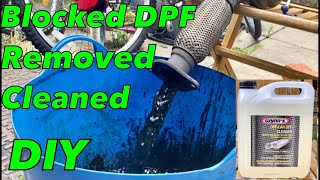
- Clogged DPF Pressure Sensor Pipe (Nissan Diesels) (Very Common) — On Nissan 1.5L and 1.6L diesel engines (2010+ Euro 5/6), a small metal pipe from the exhaust manifold to the DPF pressure sensor clogs with soot. This sends an incorrect signal to the ECM, which broadcasts a fault signal to the ABS module, triggering C1130 and C1132. 🎬 See how to clean a blocked Nissan DPF pipe.
- Leaking Air Spring (Ford/Lincoln) (Very Common) — Rubber air springs develop age-related cracks, causing air leaks. This forces the compressor and solenoids to overwork to maintain ride height, leading to electrical failure and triggering C1132.
- Faulty ABS Wheel Speed Sensor (German Makes) (Very Common) — On BMW, Mercedes-Benz, and Audi, active wheel speed sensors fail internally or provide erratic signals due to damaged wiring or a corroded reluctor ring on the wheel bearing. 🎬 Watch: How to replace a faulty BMW wheel speed sensor.
- Faulty Air Suspension Solenoid (Common) — The solenoid valve fails electrically (open or shorted coil) or mechanically (stuck open or closed). Moisture ingress from system leaks causes corrosion and failure.
- Failing Air Suspension Compressor (Common) — The compressor motor wears out from excessive run time caused by leaks. A saturated internal dryer fails to remove moisture, contaminating solenoids and triggering circuit faults.
- Damaged Wiring or Corroded Connector (Common) — Wiring to the air suspension solenoid, ABS wheel speed sensor, or DPF pressure sensor sustains damage from road debris, heat, or moisture. Corroded connectors cause high resistance or open circuits.
- Faulty ABS/DSC Control Module or Pump (Less Common) — The control module managing the ABS/DSC system fails internally due to broken solder joints or degraded electronic components, especially on older BMW (E90, E60) and Mercedes models.
- Defective Ride Height Sensor (Less Common) — A broken, disconnected, or malfunctioning ride height sensor sends incorrect voltage signals to the suspension module, setting a fault code and disabling the system.
Symptoms
- Suspension, ABS, or Traction Control Warning Light On — The 'Check Suspension', 'ABS', 'DSC', 'ESP', or 'Traction Control OFF' warning light illuminates on the dashboard. This is the universal symptom across all makes.
- Vehicle Sagging or Hissing Noises (Air Suspension) — One corner or axle sits noticeably lower than normal, especially after parking overnight. You may also hear a distinct hissing sound near a wheel well, indicating escaping air.
- Compressor Runs Constantly or Not At All — The air compressor motor runs continuously to fight a leak, or never turns on due to a failed relay, burned-out motor, or module command.
- Vehicle in Limp Mode (Nissan) — On Nissan diesels with a clogged DPF pipe, the engine enters a reduced power 'limp mode' to prevent damage from incorrect exhaust pressure readings.
- Brake Pedal Feels Spongy or ABS Activates Incorrectly — A faulty wheel speed sensor causes the ABS pump to activate at low speeds or makes the brake pedal feel soft, as the system incorrectly believes a wheel is locking up.
- Implausible Sensor Data in Live Scan (scan-tool only — no driver-felt sign) — A scan tool reveals erratic wheel speed sensor readings, or a DPF pressure sensor reading that remains high when the engine is off.
Diagnostic Flowchart
Tap your situation to follow the diagnostic path that matches what you're seeing on this code.
Common Fixes & Costs
- Clean or Replace DPF Pressure Sensor Pipe (Nissan) — Parts: $30-$70, Labor: $150-$250, ~1.5 hr book time (Intermediate)
- Replace Leaking Air Spring(s) (Ford/Lincoln) — Parts: $200-$1,200, Labor: $150-$250, ~1.5 hr book time (Intermediate)
- Replace ABS Wheel Speed Sensor (BMW/Mercedes) — Parts: $40-$250, Labor: $100-$200, ~1.0 hr book time (DIY)
- Replace Air Suspension Solenoid — Parts: $60-$480, Labor: $100-$200, ~1.0 hr book time (DIY)
- Replace Air Suspension Compressor and Dryer Assembly — Parts: $250-$1,200, Labor: $150-$300, ~1.5 hr book time (Intermediate)
- Repair Damaged Wiring or Replace Connector Pigtail — Parts: $20-$50, Labor: $150-$300, ~2.0 hr book time (Intermediate)
- Replace ABS/DSC Control Module — Parts: $300-$2,500, Labor: $150-$400, ~2.5 hr book time (Advanced)
DIY vs Professional
- Replace ABS Wheel Speed Sensor (BMW/Mercedes) — Beginner: Yes
Tools: Jack and stands, wheel chocks, socket set, 5mm hex bit/socket, torque wrench, flathead screwdriver. - Replace Leaking Air Spring(s) (Ford/Lincoln) — Beginner: No, intermediate skill recommended.
Tools: Jack and stands, socket/wrench set, pry bar, torque wrench, scan tool (optional, to vent system), silicone paste. - Clean or Replace DPF Pressure Sensor Pipe (Nissan) — Beginner: No, intermediate skill recommended.
Tools: Wrench set, stiff wire or cleaning tool, compressed air, penetrating oil. - Replace ABS/DSC Control Module — Beginner: No, advanced skill required.
Tools: Socket set, flare nut wrenches, scan tool with programming capabilities, pressure bleeder.
Used vs. New Parts: Buying Guide
When a used part is worth it: Used parts make sense for high-cost electronic modules like an ABS/DSC controller, saving over 75% compared to new OEM. Do not buy used wear items like air springs or ABS sensors.
Donor-vehicle mileage cap: roughly under 80000 miles for the part to have meaningful remaining life.
Donor quality checklist:
- Match the part number exactly; modules look identical but have different internal programming.
- Ensure the seller offers a warranty (30-90 days is typical).
- Verify the donor vehicle was not involved in a flood or fire.
- Be aware that used ABS modules often need reprogramming to your vehicle's VIN.
Decision logic:
- If The part is a wear item like an air spring or ABS sensor → Buy new. Used versions have limited remaining life and offer minimal savings after labor costs.
- If The part is an expensive electronic module (ABS/DSC) and the vehicle is over 10 years old → A warrantied used part is a cost-effective option, provided you can have it reprogrammed.
- If The part is a simple mechanical item like a DPF pipe → Used is acceptable if it is verified to be clean, clear, and free of corrosion.
Warranty tradeoff: Used parts typically have a 30-90 day warranty covering the part only. New aftermarket parts offer 1-year to lifetime warranties. New OEM parts offer a 1-2 year warranty.
Worst-case if a used part fails: $300-$600 if a used electronic module is faulty or cannot be programmed, requiring you to pay diagnostic and programming labor twice.
What Happens If You Wait — Timeline
- 0-1 month: Ford/Lincoln: Compressor runs slightly longer (45-90 seconds). Nissan: Intermittent ABS/Traction light. BMW: Occasional ABS light flash during a sharp turn. (MPG impact: 0%% · Added cost: $0)
- 1-3 months: Ford/Lincoln: Vehicle sags slightly overnight. Compressor runs for 1-2 minutes. Nissan: ABS light is permanent; slight drop in fuel economy. BMW: ABS activates incorrectly at low speeds. (MPG impact: 0-5%% · Added cost: $50 in wasted fuel. High risk of compressor burnout on Ford/Lincoln ($250-$500).)
- 3-6 months: Ford/Lincoln: Compressor burns out. Vehicle rides on bump stops. Nissan: Engine enters 'limp mode'. BMW: Swollen reluctor ring physically damages the ABS sensor tip. (MPG impact: 5-15%% · Added cost: $400-$1200. Ford needs a new compressor. BMW needs a sensor AND a reluctor ring.)
- 6+ months: Ford/Lincoln: Driving on sagged suspension destroys shocks. Nissan: DPF completely blocks with soot, creating extreme exhaust backpressure. BMW: Fault is permanent. (MPG impact: 10-25%% · Added cost: $1500-$4000+. Major collateral damage turns a simple fix into a major overhaul.)
Cost of Not Fixing It
- 0-3 months: Air suspension compressors overwork and burn out. ABS faults create a constant safety risk of skidding. Nissan DPF faults drop fuel economy by 5-15%. (Added cost: $250-$1,200 (for a new air compressor), or increased fuel costs.)
- 3-12 months: Continued driving on a deflated air spring destroys the spring and damages shocks. A clogged DPF pipe completely blocks the DPF, requiring expensive replacement. (Added cost: $500-$2,500 (for suspension components or DPF replacement).)
- 12+ months: Catastrophic failure of suspension components leads to loss of control. A completely failed DPF system causes severe engine backpressure, damaging the turbocharger. (Added cost: $1,500-$4,000+ (for major suspension overhaul or turbo/engine repairs).)
Diagnosis Steps
- Read All Trouble Codes from All Modules
Use an advanced OBD-II scanner capable of reading codes from the Suspension, ABS/DSC, and Engine control modules. Note C1132 and any accompanying codes (e.g., C1130, U1000, C1725) to determine the correct diagnostic path.
Tools: OBD-II Scanner with ABS/Chassis capabilities (Beginner) - Perform a Thorough Visual Inspection
For air suspension: Park on level ground and check for sagging. Inspect air springs for visible cracks. For Nissan/BMW: Visually inspect wiring harnesses to ABS sensors and the DPF pressure sensor for damage, corrosion, or loose connections.
Tools: Flashlight, Jack and Jack Stands (Beginner) - The Soapy Water Leak Test (Air Suspension)
Fill a spray bottle with soap and water. With the vehicle running and the suspension inflating, generously spray the air springs, solenoids, and air line fittings. Persistent bubbles indicate the exact location of an air leak.
Tools: Spray bottle, soapy water (Intermediate) - Check DPF Pressure Pipe (Nissan Diesel)
Locate the small metal pipe running from the exhaust manifold to the DPF pressure sensor. Disconnect it and attempt to pass a thin, stiff wire through it. If blocked, thoroughly clean it with solvent and compressed air, or replace it.
Tools: Wrenches, Stiff Wire, Carb Cleaner, Compressed Air (Advanced) - Test Active ABS Sensor via Swap (BMW/Mercedes)
Active wheel speed sensors cannot be reliably tested with a resistance check. Swap the sensor from the faulting wheel with the one on the opposite side of the same axle. Clear codes and drive. If the fault moves, the sensor is bad. If it stays, the problem is wiring or the reluctor ring.
Tools: Basic hand tools to access sensors (Intermediate) - Manually Test Ride Height Sensors (Ford/Lincoln)
With the ignition on, disconnect a ride height sensor linkage arm and manually move it up and down. Moving it up commands the compressor to fill the springs; moving it down opens the vent solenoid. This verifies the sensor, module, and compressor are responding.
Tools: Basic hand tools (to disconnect linkage) (Intermediate) - Test Component Circuit with a Multimeter
For Ford Solenoids: Check for 12V at the connector with the system activated and check solenoid resistance (5-20 ohms). For Nissan DPF Sensor: Back-probe the 3-pin connector for a 5V reference, ground, and signal wire voltage (~0.5V KOEO).
Tools: Multimeter with back-probe pins (Advanced) - Live Data PID Monitoring (Nissan DPF)
Using an advanced scan tool, monitor the 'DPF Differential Pressure' PID. With Key On, Engine Off (KOEO), pressure should read 0 kPa. At idle, it should read under 1.5 kPa. High KOEO or idle readings confirm a pipe blockage or faulty sensor.
Tools: Advanced OBD-II Scanner with Live Data (Advanced) - Active Sensor Test with Oscilloscope/mA Reading (BMW)
Use an oscilloscope to view the sensor's square wave pattern while spinning the wheel; dropouts indicate a sensor or reluctor ring problem. Alternatively, wire a multimeter in series on the signal wire set to milliamps (mA). A healthy sensor toggles between ~7mA and 14mA.
Tools: Oscilloscope or Multimeter with mA function, back-probe pins (Advanced)
When This Code Triggers (Freeze-Frame Conditions)
- Vehicle Speed: 15-70 mph (25-115 km/h) (The fault logs at various speeds. ABS sensor issues occur during initial acceleration or braking. Air suspension faults happen while driving as the system attempts to adjust.)
- System Voltage: 13.5-14.5 V (The code sets when the engine is running and the charging system operates normally. Low voltage is a separate issue.)
- Engine RPM: 800-2500 RPM (Occurs during normal driving conditions. Nissan DPF issues are often logged under steady-state highway driving.)
- Fault Status: Present / Active (This is a 'hard fault,' triggering the warning light immediately on startup or during the initial self-test.)
Related Codes
- C1130 — On Nissan vehicles, this code for 'Engine Signal 1' almost always appears alongside C1132. Seeing them together confirms the clogged DPF pressure sensor pipe.
- C1725 / C1726 — Ford codes for 'Air Suspension Pneumatic Failure.' They indicate a mechanical air leak. The constant effort to compensate for the leak overheats the solenoid circuit, causing C1132 as a secondary fault.
- U1000 — A generic CAN Communication code. C1132 suggests the ABS module received an implausible signal, while U1000 indicates a complete loss of communication, pointing to a severe wiring or module failure.
- 5DF0 / 5DF1 — BMW-specific fault codes for the DSC module indicating internal failure of the ABS hydraulic pump motor. If present, the ABS/DSC unit requires a specialized rebuild.
Climate & Environmental Factors
- Cold Weather: Low temperatures cause the rubber in air springs to become stiff and brittle, significantly increasing the likelihood of cracks and leaks. Moisture in compressed air freezes within lines, causing blockages.
- Humidity and Road Salt: In regions with high humidity or road salt usage, corrosion destroys electrical connectors for solenoids and sensors. On BMWs, the metal reluctor ring rusts and delaminates, destroying the ABS sensor.
How to Talk to a Mechanic About This Code
Say this: "I have a C1132 code on my [Vehicle Make] and I'd like to schedule a diagnostic. For my [Ford/Lincoln], can you start by checking for air suspension leaks? For my [Nissan Diesel], can you inspect the DPF pressure sensor pipe for blockage? For my [BMW/Mercedes], can you test the wheel speed sensors and check the reluctor rings before diagnosing the ABS module itself?"
This signals you are an informed customer. It directs the shop to the most probable cause, saving diagnostic time and preventing them from starting with expensive, unlikely solutions.
Avoid saying:
- 'My ABS light is on, can you fix it?' (Too vague, invites a lengthy diagnostic process)
- 'Just replace the C1132 part.' (The code's name is not the cause; this leads to wasted money)
- 'Do whatever you think is best.' (Gives a blank check for unnecessary repairs)
Questions to ask before authorizing the repair:
- For Ford/Lincoln: 'Did you perform a soapy water test? Can you show me exactly where the air leak is?'
- For Nissan Diesel: 'Was the DPF pipe blocked with carbon? Are you cleaning it or replacing it?'
- For BMW/Mercedes: 'Did the fault code follow the sensor when you swapped it? Is there physical damage on the sensor tip or rust on the reluctor ring?'
- Can you provide a detailed breakdown of parts and labor costs?
- What is the warranty on this specific repair, covering both parts and labor?
Where to Take It: Dealer vs Independent vs Chain
- Dealer:
Recommended for BMW/Mercedes/Honda if a trusted brand-specialist independent is not available. Otherwise, an expensive choice for a known issue.
Best for: Vehicles under warranty., Complex diagnostics on German makes where proprietary software and specialist experience are key., Recalls and manufacturer-specific software updates., Honda hybrid CAN bus communication faults.
Downsides: Highest labor rates, often 1.5-2x more than independent shops., More likely to recommend replacing an entire assembly rather than performing a targeted repair. (Typical cost: +50% vs. baseline) - Independent Shop:
The best choice for most C1132 repairs on Ford and Nissan models. For German makes, a brand-specialist independent is ideal.
Best for: Out-of-warranty vehicles where cost is a factor., Common, well-documented C1132 issues like Ford air suspension leaks and Nissan DPF pipe blockages., Owners who want more repair options (e.g., using aftermarket parts or rebuilding a component).
Downsides: Quality varies widely. A general mechanic may lack specific tools for German ABS/DSC systems., Vetting is crucial – look for shops that specialize in your vehicle's brand. (Typical cost: +0% vs. baseline) - Chain Shop:
Avoid. Chain shops lack the advanced diagnostic training and manufacturer-specific scan tools required for complex chassis codes like C1132.
Best for: Simple, unrelated maintenance like oil changes or tire rotations.
Downsides: Technicians lack advanced diagnostic training for complex chassis codes., High pressure to upsell and a tendency to 'throw parts' at a problem., Unlikely to have the manufacturer-specific scan tools required for proper diagnosis. (Typical cost: -10% vs. baseline)
When to Walk Away From the Repair
If the total estimated repair cost for the C1132 fault and related issues exceeds 50% of your car's current private-party market value, seriously consider your alternatives.
- Car worth $3000, fix is $1800: Walk away. The repair cost is 60% of the car's value. Sell it 'as-is' to a mechanic or part it out.
- Car worth $15000, fix is $450: Fix it. The repair is only 3% of the car's value and restores a critical safety system.
- Car worth $8000, fix is $3500: Borderline. The repair is 44% of the car's value. Get a second opinion and explore cost-saving options like rebuilt modules or conversion kits.
What Scan Tool You Need for This Code
Minimum: A scanner that reads and clears codes from the ABS/Chassis ('C') module. A basic engine-only ('P') code reader will not see this fault.
A $20 engine code reader is blind to the ABS, traction control, and suspension modules where C1132 lives. Without the ability to see the code from the correct module, you cannot diagnose the problem.
Budget: BlueDriver Pro (~$100) — Reads and clears ABS/Chassis codes on most major brands. Provides freeze-frame data and offers 'Repair Reports' to confirm the common fix for your specific vehicle.
Mid-range: Foxwell NT510 Elite (~$180) — Excellent choice. Comes with one free manufacturer-specific software. Reads manufacturer-specific codes, views live sensor data, and performs bi-directional controls like activating ABS pump components.
Professional: Autel MaxiCOM MK808 / MK808BT Pro (~$450-600) — A full-featured diagnostic tablet. For Nissan, it reads live DPF pressure data. For BMW/Mercedes, it offers advanced bi-directional controls to test ABS solenoids and perform automated ABS bleeds.
Rent vs buy: Auto parts stores offer free code reading, but their tools may not read ABS codes. Buying a capable scanner like the Foxwell NT510 Elite pays for itself by avoiding a single diagnostic fee.
How to Clear the Code After You Fix It
- Reconnect any disconnected components (e.g., battery).
- Use an OBD-II scanner to access the specific module (ABS, VSM) and select the 'Clear/Erase Codes' function.
- Turn the ignition off for 30 seconds, then restart the vehicle to see if the warning light returns.
Drive cycle (~20 minutes): Drive above 15 mph and make several turns to allow the ABS module to receive valid data from all wheel speed sensors. For air suspension, allow the compressor to cycle and adjust height.
Readiness monitors affected: This is a chassis code (C-code), so it does not directly affect emissions readiness monitors.
Watch out for:
- Using a basic scanner that only reads 'P' (Powertrain) codes cannot clear 'C' (Chassis) codes.
- The code returns immediately if the root cause (air leak, bad sensor, clogged pipe) is not resolved.
- Some vehicles require a steering angle sensor or DSC calibration after ABS repairs.
Will This Fail Emissions / State Inspection?
No — by itself this code doesn't fail OBD inspection (but it can keep readiness monitors from setting, which causes a separate fail).
- California: An illuminated ABS light will NOT fail the emissions (smog) inspection. However, 'salvage' vehicles must pass a Vehicle Safety Systems Inspection (VSSI), which fails for a brake warning light.
- New York: An illuminated ABS warning light IS grounds for failure of the annual safety inspection.
- Texas: An illuminated ABS light is NOT a cause for rejection in the annual safety inspection, but the primary red 'Brake' warning light is a failure.
Most Commonly Affected Vehicles
- Nissan Qashqai (1.5L/1.6L Diesel) (2007-2017) — Extremely common. On Euro 5/6 models (Oct 2010+), C1132 is famously caused by a soot-clogged DPF pressure sensor pipe. On earlier Euro 4 models, it points to ABS sensor or brake pressure issues.
- Ford Expedition (1997-2006) — Highly prone to air spring leaks, which overworks and destroys the compressor and solenoids, triggering this code. The 2003-2006 generation is particularly susceptible.
- Lincoln Navigator (1998-2006) — Shares the failure-prone air suspension system with the Ford Expedition. Diagnosing leaks is mandatory before replacing electrical components.
- Lincoln Town Car (1990-2011) — The rear-only air suspension is a known weak point. Dry-rotted air springs are the primary cause of system failure, leading to a C1132 code when a solenoid burns out.
- BMW 3-Series (E90/E92), 5-Series (E60) (2004-2013) — C1132 indicates a DSC/ABS fault. It is most commonly caused by a failed rear wheel speed sensor, its wiring, or a corroded reluctor ring on the axle shaft.
- Mercedes-Benz C-Class (W204), E-Class (W211) (2002-2014) — Points to a problem within the ABS/ESP system, often a wheel speed sensor or the ABS pump module itself.
- Ford Explorer (2002-2010) — Models equipped with optional air ride suspension suffer from leaking rear air springs and subsequent compressor failure.
- Honda Hybrid Models (Insight, Civic Hybrid) (2003-2014) — Indicates an 'IMA-CAN Malfunction,' a communication failure between the Powertrain Control Module (PCM) and the hybrid Motor Control Module (MCM).
- Mazda Various with Active Driving Display (2014-2021) — Code C1132:41 indicates an internal malfunction within the instrument cluster related to the pop-up 'Active Driving Display'.
Manufacturer-Specific Notes
- Ford / Lincoln / Mercury: This code almost exclusively points to the air ride suspension. The root cause is rarely the solenoid itself but rather a leaking air spring that overworked the system. Always fix leaks before replacing electrical parts.
- Nissan / Infiniti: C1132 means the ABS module has an issue with a signal from the ECM. On diesel models, this is famously caused by a soot-clogged DPF pressure sensor pipe. On non-DPF models, it points to faulty ABS sensors or low brake fluid.
- BMW / Mercedes-Benz: C1132 is a general chassis fault pointing to the ABS/ESP/DSC system. The most common causes are failed wheel speed sensors or reluctor rings. Active sensors cannot be tested with a simple ohmmeter.
- Honda: On hybrid models, C1132 is not related to suspension or brakes but indicates a communication breakdown on the IMA-CAN bus between the main engine computer and the hybrid Motor Control Module.
Real Owner Stories
2013 Nissan Qashqai 1.5 dCi with ABS/Traction lights and limp mode
While driving on the motorway, the ABS and Traction Control warning lights illuminated, and the engine entered reduced power 'limp mode'.
What they tried:
- A breakdown service cleared fault codes C1131 and C1132, but the problem returned an hour later.
- A dealer read the codes and warned of an underlying mechanical issue.
- The owner researched online and found the common cause was a soot-clogged DPF pressure sensor pipe.
Outcome: The owner removed the thin metal pipe running from the exhaust manifold to the DPF pressure sensor. It was completely blocked with carbon. They cleaned it using a steel wire, solvent, and a heat gun. After reinstallation, the codes cleared permanently, restoring full engine power.
Lesson: On a Nissan diesel with codes C1130/C1132 and limp mode, the DPF pressure sensor pipe is the primary suspect. Clearing codes is temporary; the pipe must be physically cleaned or replaced.
2004 Ford Expedition with rear suspension sagging overnight
The rear of the vehicle sagged completely overnight, but the air compressor lifted it back to normal height after starting the engine. A 'Check Air Suspension' message appeared.
What they tried:
- The owner suspected a major leak in the air springs or a failed compressor.
- Using soapy water with the system aired up, they found small bubbles coming from the solenoid valve where it enters the air spring, not the spring itself.
Outcome: The owner replaced the air suspension solenoid, which included new O-rings. The new solenoid created a tight seal. The system held pressure perfectly, resolving the sagging issue for under $100.
Lesson: While leaking air springs are common on Fords, always check the solenoid O-rings. Use the soapy water test to pinpoint the exact leak location before buying expensive parts.
2007 BMW E90 3-Series with intermittent ABS/DSC warning lights
The dashboard lit up with ABS, DSC, and tire pressure warning lights, often when turning. The fault became more frequent over time.
What they tried:
- A garage diagnosed a faulty rear wheel speed sensor. The owner removed the sensor and saw physical scrape marks on the tip.
- The actual cause was the ABS reluctor ring on the driveshaft. Rust formed under the ring, causing it to swell and rub against the sensor, destroying it.
Outcome: The owner replaced both the damaged ABS sensor and the rusted reluctor ring. The old ring was cut off, the driveshaft cleaned, and a new $20 ring fitted. This permanently fixed the problem.
Lesson: On a BMW with a wheel speed sensor fault, inspect the sensor's tip for physical damage. If scraped, the reluctor ring is the true culprit. Replacing only the sensor guarantees repeat failure.
How to Prevent This Code From Triggering
- Periodically wash wheel wells and suspension components (Every few months, especially after winter) — Removes road salt that accelerates dry-rotting of Ford air springs and causes BMW reluctor rings to swell and destroy ABS sensors.
- Listen for your air compressor's run time (Ford/Lincoln) (Weekly) — A healthy compressor runs for under 60 seconds. Running for several minutes indicates a small air leak that will destroy the $400 compressor if ignored.
- Perform regular highway drives (Nissan Diesels) (At least once every few weeks) — Sustained highway driving (20+ minutes at over 2000 RPM) burns off soot, reducing load on the DPF system and slowing the rate at which the sensor pipe clogs.
- Perform a brake fluid flush every 2 years (All with ABS) (Every 24 months) — Brake fluid absorbs moisture. Water-contaminated fluid corrodes sensitive internal components and solenoid valves of the ABS hydraulic control unit.
- Inspect air lines and sensor wiring during tire rotations (Every 6 months / 5,000 miles) — Spots problems early. Look for air lines rubbing against the frame, brittle rubber on air springs, and ensure ABS sensor wires are securely clipped.
Frequently Asked Questions
Can I just replace the C1132 solenoid to fix my Ford/Lincoln?
You can, but it will fail again quickly. The solenoid fails because an air leak elsewhere forces it and the compressor to run constantly. You must find and fix the air leak first for a lasting repair.
My Nissan has C1132 but it's an older model without a DPF. What could be the cause?
On pre-2010 Euro 4 Nissan models without a DPF, C1132 indicates a different 'Engine Signal' fault. The cause is likely a faulty ABS wheel speed sensor, a failing brake fluid pressure sensor, or low brake fluid. You need an advanced, Nissan-compatible scan tool to read the ABS sub-codes and pinpoint the exact culprit.
Is it safe to drive with the ABS/Traction Control light on?
It is not safe in emergency situations. The ABS and traction control systems are disabled, meaning your wheels will lock up during a panic stop. The risk of skidding in rain, snow, or during an evasive maneuver is significantly higher.
My mechanic suggested converting my Lincoln to traditional coil springs. Is this a good idea?
For older Ford and Lincoln vehicles, this is a highly recommended, cost-effective long-term solution. A conversion kit replaces failure-prone air suspension components with reliable struts and coil springs. You lose automatic load-leveling, but permanently eliminate expensive air suspension failures.
How does a clogged DPF pipe on my Nissan cause an ABS light?
The ABS system needs engine torque data from the Engine Control Module (ECM) to function correctly. When the DPF pressure sensor pipe clogs with soot, it sends a bad signal to the ECM. The ECM broadcasts this faulty status, triggering codes C1130 and C1132 and disabling the ABS.
Can I clear the C1132 code myself?
You can clear it with an OBD-II scanner, but it returns immediately if the underlying fault remains. C1132 is a 'hard' fault that requires the control module to verify the component is functioning correctly.
Will a C1132 code cause me to fail an inspection?
Yes. An illuminated ABS, traction control, or brake warning light is an automatic failure for safety inspections in most regions. The fault must be repaired before the vehicle passes.
Key Takeaways
- Code C1132 has three distinct meanings: an air suspension fault on Ford/Lincoln, a clogged DPF pipe on Nissan diesels, or a wheel speed sensor failure on German makes.
- On Ford and Lincoln vehicles, fix the leaking air spring first; replacing the solenoid without fixing the $200-$400 air leak guarantees a repeat failure.
- On 2010+ Nissan 1.5L/1.6L diesels, codes C1132 and C1130 together confirm a soot-clogged DPF pressure sensor pipe, requiring a $200 physical cleaning or replacement.
- For BMW and Mercedes-Benz, swap the suspected faulty ABS wheel speed sensor to the opposite side of the axle to definitively test it before buying a $100 replacement.
- Never blindly replace the component named in a generic scanner definition; C1132 is almost always a secondary symptom of a mechanical failure like an air leak or carbon blockage.
Helpful Videos
Shop the Parts Behind C1132
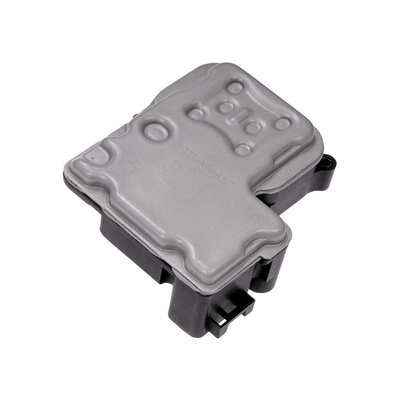
Below are the parts most often responsible for code C1132, ranked by how frequently each one is the actual culprit (per the diagnosis above). Tap any to see what we have for your vehicle.





The information in this article is provided for general reference and educational purposes only. Vehicle specifications, procedures, and part compatibility can vary by production date, trim level, and region. Always consult your vehicle's factory service manual and verify part numbers before purchasing or performing repairs. Safety-critical components such as airbags, seat belts, and braking systems should be installed by a qualified professional.
- 🧭 Diagnostic Flowchart
- 🎬 Helpful Videos
- 🛍️ Shop This Part
- What Does C1132 Mean?
- Can I Drive With C1132?
- Common Causes
- Symptoms
- Common Fixes & Costs
- DIY vs Professional
- Used vs. New Parts: Buying Guide
- What Happens If You Wait — Timeline
- Cost of Not Fixing It
- Diagnosis Steps
- When This Code Triggers (Freeze-Frame Conditions)
- Related Codes
- Climate & Environmental Factors
- How to Talk to a Mechanic About This Code
- Where to Take It: Dealer vs Independent vs Chain
- When to Walk Away From the Repair
- What Scan Tool You Need for This Code
- How to Clear the Code After You Fix It
- Will This Fail Emissions / State Inspection?
- Most Commonly Affected Vehicles
- Manufacturer-Specific Notes
- Real Owner Stories
- 2013 Nissan Qashqai 1.5 dCi with ABS/Traction lights and limp mode
- 2004 Ford Expedition with rear suspension sagging overnight
- 2007 BMW E90 3-Series with intermittent ABS/DSC warning lights
- How to Prevent This Code From Triggering
- Frequently Asked Questions
- Can I just replace the C1132 solenoid to fix my Ford/Lincoln?
- My Nissan has C1132 but it's an older model without a DPF. What could be the cause?
- Is it safe to drive with the ABS/Traction Control light on?
- My mechanic suggested converting my Lincoln to traditional coil springs. Is this a good idea?
- How does a clogged DPF pipe on my Nissan cause an ABS light?
- Can I clear the C1132 code myself?
- Will a C1132 code cause me to fail an inspection?
- Key Takeaways
- 🎟️ Get 5% Off