

OBD-II Code C1137: Manufacturer-Specific Fault Guide
What C1137 means, why it triggers, and how to fix it on Jaguar, Ford, and more
- Code C1137 requires a manufacturer-specific scanner, as it means an ABS module failure on Jaguars but a reverse gear switch fault on Fords.
- For Jaguar vehicles, sending your original ABS module to a mail-in rebuild service saves over $1,500 compared to buying a new dealer replacement.
- Always test the 5A ABS fuse and verify module ground connections with a multimeter before condemning any expensive electronic control units.
- Do not confuse the C1137 chassis code with the P1137 powertrain code, which indicates an oxygen sensor failure on Subaru and Chevrolet vehicles.
What Does C1137 Mean?
C1137 is a manufacturer-specific code, meaning its definition depends on your car's make. On Jaguars, it almost always signals an internal failure within the Dynamic Stability Control Control Module (DSCCM). On Fords, it commonly points to a faulty reverse gear switch, a network communication issue, or a heated seat system fault. For Nissan, Infiniti, and Honda, it serves as a generic code for a defective ABS Electronic Control Unit (ECU).
Technical definition: The SAE/ISO definition for C1137 varies by manufacturer. Jaguar defines it as 'DSCCM Malfunction' or 'ABS Electronic Control Unit failure'. Ford defines it as 'Reverse Gear Switch', 'Passenger Seat Back Heater Sensor Circuit' (C1137:64), or 'CAN-B Bus Off Performance' (C1137:24). Nissan and Honda generically define it as 'ECU is Defective' or 'RAS Circuit'.
Can I Drive With C1137?
Yes, But With Caution. You can drive, but exercise extreme caution. The primary risk is the deactivation of the Anti-lock Braking System (ABS) and stability/traction control. Without ABS, wheels lock during panic stops, increasing stopping distances by 30-50% on wet surfaces and causing a loss of steering control. Do not continue driving long-term without these key safety features.
Common Causes
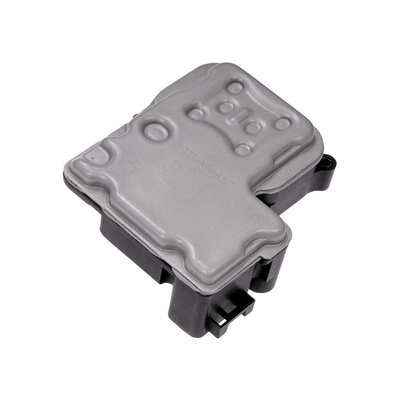
- Internal ABS/DSC Module Failure (Jaguar) (Very Common) — On Jaguars, the most frequent cause is a failed Dynamic Stability Control (ABS) module due to cracked internal solder joints. This heat-related failure breaks the electrical connection as the module warms up.
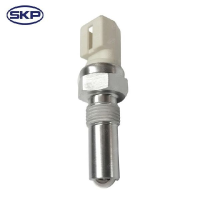
- Faulty Reverse Gear Switch (Ford) (Common) — On Ford Explorers and Transits, a malfunctioning reverse gear switch (Transmission Range Sensor) triggers this code.
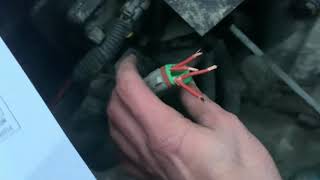
- Damaged Wiring or Connectors (Common) — Corroded or broken wiring disrupts signals to the ABS module or reverse switch. This frequently occurs on Ford Transits where the rear axle wiring harness is exposed to the elements.
- Poor Module or Chassis Ground (Common) — A corroded or loose ground connection starves the ABS module of stable voltage, causing intermittent electrical faults and triggering C1137.
- Blown Fuse (Less Common) — A blown fuse interrupts power to the control module. Jaguars often blow the 5A ABS module fuse in the under-hood fuse box.
- CAN Bus Communication Failure (Less Common) — The code indicates a module is 'off' the Controller Area Network (CAN) bus, unable to communicate with other computers due to an internal fault or broken network wire.
- Faulty Heated Seat Element or Sensor (Ford) (Less Common) — Specific to Fords, the passenger seat module detects a voltage out of range (above 4.94V or below 0.07V) or fails to reach the target temperature.
- Low Battery Voltage (Uncommon) — Low battery voltage disrupts module communication, triggering C1137 in sensitive systems like Jaguar's DSC.
Symptoms
- ABS Light On — The Anti-lock Braking System (ABS) warning light illuminates on the dashboard. This is the most common symptom.
- Traction/Stability Control Light On — The Traction Control System (TCS) or Dynamic Stability Control (DSC) warning light illuminates, often accompanied by a 'Traction Unavailable' message. 🎬 Watch: How to fix Jaguar ABS and traction control warnings.
- Reverse Lights Inoperative — The backup lights fail to turn on when shifted into reverse. 🎬 See how to diagnose Ford reverse light and switch issues. This is the primary symptom for Fords with a reverse gear switch fault.
- Heated Seats Inoperative — The passenger heated seat fails to function. This is specific to Ford models logging code C1137:64.
- Hill Start Assist Unavailable — A dashboard warning indicates hill start assist is disabled, commonly linked to ABS faults on vehicles like the Ford Transit.
- No Communication with ABS Module (scan-tool only — no driver-felt sign) — A diagnostic scanner cannot establish communication with the ABS control module, indicating a power, ground, or network failure.
Diagnostic Flowchart
Tap your situation to follow the diagnostic path that matches what you're seeing on this code.
Common Fixes & Costs
- Repair or Rebuild ABS/DSCCM Module — Parts: $0 (sent for repair), Labor: $150-$300 (mail-in repair service + shipping), ~2.5 hr book time (Professional)
- Replace Reverse Gear Switch — Parts: $30-$80, Labor: $150-$225, ~1.2 hr book time (Intermediate)
- Repair Damaged Wiring or Ground Connection — Parts: $10-$50, Labor: $100-$400, ~2.5 hr book time (Intermediate)
- Replace ABS/DSCCM Module (New) — Parts: $1500-$3000+, Labor: $200-$400 (plus potential programming costs), ~2 hr book time (Professional)
- Replace Heated Seat Element/Sensor — Parts: $50-$150, Labor: $100-$250, ~2.5 hr book time (Intermediate)
DIY vs Professional
- Repair or Rebuild ABS/DSCCM Module — Beginner: False
Tools: E5 Torx socket, basic hand tools, flare nut wrenches, diagnostic scanner. - Replace Reverse Gear Switch — Beginner: False
Tools: Socket set, wrenches, jack and jack stands, drain pan. - Repair Damaged Wiring or Ground Connection — Beginner: True
Tools: Multimeter, wire strippers, crimpers, heat shrink tubing, socket set. - Replace ABS/DSCCM Module (New) — Beginner: False
Tools: Professional diagnostic scanner with programming capabilities, flare nut wrenches, brake bleeding equipment.
Used vs. New Parts: Buying Guide
When a used part is worth it: For the Jaguar ABS module, a professionally rebuilt unit is the industry standard. A used salvage yard module carries the same risk of failure as the original part. Rebuilt modules have common failure points preemptively fixed.
Donor-vehicle mileage cap: roughly under 50000 miles for the part to have meaningful remaining life.
Donor quality checklist:
- Choose a reputable rebuild service with a long warranty.
- Verify the part number exactly; modules are specific to year, model, and features.
- Using your original module for a 'repair and return' service avoids VIN programming.
Decision logic:
- If The fault is the common Jaguar internal module failure → Use a 'repair and return' service for your original module. This is the most cost-effective solution.
- If Your original module is physically damaged → Purchase a rebuilt module from a reputable supplier with a warranty.
- If The vehicle is under warranty or cost is no object → Buy a new OEM module from a dealer, but expect costs exceeding $1,500.
Warranty tradeoff: Used/Salvage: 30-90 day warranty. Rebuilt/Remanufactured: 1-year to lifetime warranty. New OEM: 1-2 year parts warranty.
Worst-case if a used part fails: $300-600 if a salvage-yard part fails shortly after installation, requiring repeat labor.
What Happens If You Wait — Timeline
- 0-1 month: Fault occurs intermittently. The Jaguar ABS light illuminates when hot, then resets. Ford reverse lights flicker. The code is stored in memory. (MPG impact: 0%% · Added cost: $0)
- 1-3 months: The fault becomes frequent. The Jaguar ABS light illuminates on most drives. The Ford reverse switch fails consistently, triggering 'Hill Start Assist Unavailable'. (MPG impact: 0%% · Added cost: $0 - $200 (Potential traffic citation for inoperative reverse lights).)
- 3-6 months: The fault is permanent. Jaguar ABS/DSC lights stay on constantly, disabling safety systems. A failing module may cause the ABS pump to run continuously, draining the battery. Ford reverse lights are completely inoperative. (MPG impact: 0%% · Added cost: $150 - $500 (Cost of a new battery, plus increased collision risk).)
- 6+ months: Underlying wiring issues worsen and affect other modules on the CAN bus network. This causes multiple warning lights, no-start conditions, and complex electrical behavior. (MPG impact: 0%% · Added cost: $500 - $2000+)
Cost of Not Fixing It
- Immediate: Loss of ABS and stability/traction control increases collision risk in emergency braking. Inoperative reverse lights create a safety hazard when backing up. (Added cost: Potential for accident-related costs ($500 - $10,000+).)
- 1-6 months: A failing Jaguar ABS module causes the pump to run continuously, draining the battery. Driving without reverse lights results in traffic citations. (Added cost: $150 - $400 (new battery and potential fines).)
- 6+ months: Wiring issues worsen, affecting other vehicle systems on the CAN bus network, leading to complex electrical diagnostics. (Added cost: $400 - $2000+)
Diagnosis Steps
- Identify Your Vehicle's Specific Definition
Use an advanced OBD-II scanner capable of reading manufacturer 'C' (Chassis) codes and sub-codes (e.g., C1137:24) to confirm the exact definition for your vehicle. Basic code readers will not provide this detail.
Tools: Advanced OBD-II Scanner (Beginner) - Check for Blown Fuses
Locate and inspect all fuses related to the ABS, transmission, and body control modules. Jaguars with this code frequently blow the 5A ABS system fuse. Replace any blown fuses.
Tools: Fuse puller, multimeter (Beginner) - Inspect Wiring and Connectors
Visually inspect the wiring harness and connectors for the affected component (ABS module, reverse switch, or under-seat connectors). Look for damage, corrosion, or loose connections. On Ford Transits, scrutinize the rear axle wiring harness.
Tools: Flashlight, mirror (Intermediate) - Test the Reverse Gear Switch (Ford)
If the code indicates a reverse switch fault, disconnect the switch and use a jumper wire to bridge the connector terminals. If the reverse lights turn on, the switch is faulty. Alternatively, test for resistance over 5 Ohms across the switch pins.
Tools: Multimeter, jumper wire (Intermediate) - [Pro Tip] Test Power and Ground at the ABS Module (Jaguar)
Verify power and ground at the main ABS connector before condemning the module. On XJ and XK models, look for 12V+ at pins 9, 20, and 25, and less than 1 ohm resistance to ground at pins 8 and 24. Missing power or ground indicates a wiring issue.
Tools: Multimeter, vehicle-specific wiring diagram (Advanced) - [Pro Tip] Test CAN Bus Network Integrity
With the battery disconnected, measure resistance between Pin 6 (CAN High) and Pin 14 (CAN Low) of the OBD-II port. A healthy network reads ~60 Ohms. 120 Ohms indicates a broken wire or missing terminating resistor. 0 Ohms indicates a short.
Tools: Multimeter (Advanced) - [Pro Tip] Test CAN Bus Live Voltage
With the ignition on (engine off), check DC voltage at the OBD-II port. CAN High (Pin 6) to ground should read ~2.6V. CAN Low (Pin 14) to ground should read ~2.4V. Significant deviations indicate a faulty module transceiver or a short.
Tools: Multimeter (Advanced) - Test Heated Seat Sensor Circuit (Ford C1137:64)
Measure the voltage on the passenger seat back heater sensor signal circuit. The code sets if voltage exceeds 4.94V or drops below 0.07V for 30 seconds. This confirms a failed sensor or wiring short.
Tools: Multimeter, vehicle-specific wiring diagram (Advanced) - Send Module for Testing & Repair
If wiring, fuses, and power/ground connections test good, the control module has failed internally. Remove the module and send it to an electronics repair service for rebuilding.
Tools: Basic hand tools, Torx sockets (Intermediate)
When This Code Triggers (Freeze-Frame Conditions)
- Engine State: Running > 10 minutes (Triggers when engine bay is hot (Jaguar).)
- Vehicle Speed: Greater than 25 mph (For Ford reverse switch fault, code sets if reverse is indicated at speed.)
- Battery Voltage: 9-16 Volts (Module self-test runs within this normal voltage range.)
- Time After Event: > 30 seconds (For Ford heated seat fault, an out-of-range voltage must be present for at least 30 seconds.)
Related Codes
- C1095 — On Jaguars, this code for 'ABS Pump Motor Circuit Failure' is a common companion to C1137. Seeing both together strongly confirms the classic internal solder joint failure in the ABS module. They are symptoms of the same root cause.
- P0812 — On Fords, this code for 'Reverse Input Circuit' is stored by the PCM along with C1137 from the ABS/BCM. Seeing both codes from different modules increases diagnostic confidence that the reverse gear switch or its circuit is the problem.
- C1145 / C1155 / C1165 / C1175 — These wheel speed sensor circuit faults appear with C1137 on Jaguars if the ABS module is failing. A failing module cannot interpret signals from good sensors, causing false sensor codes. Address C1137 first.
- U0073 / U0121 — These codes mean 'Control Module Communication Bus A Off' and 'Lost Communication With ABS'. If you have U0121 and C1137, the fault is isolated to the ABS module or its direct wiring. If you have U0073 and many other 'U' codes, it points to a system-wide bus failure.
Climate & Environmental Factors
- High Heat: Engine bay heat causes thermal expansion, making cracked solder joints on the Jaguar ABS module lose contact. The fault appears when hot and disappears when cool.
- Humidity / Water Ingress: On Ford Transits, high humidity or driving through water causes moisture intrusion in wiring harnesses, especially near the rear axle. This corrosion causes shorts that trigger C1137.
- Cold Weather: Extreme cold causes materials to contract, worsening existing cracks in solder joints or making old wiring insulation brittle. Ford owners report reverse switch issues are more prevalent in cold weather.
How to Talk to a Mechanic About This Code
Say this: "I have a C1137 code and an ABS light on my [Jaguar/Ford]. For a Jaguar, say: 'I suspect it's the common heat-related ABS module failure. Can you quote me to verify power and ground at the module before condemning it? I want to use a module repair service rather than buying new.' For a Ford, say: 'I need a diagnostic for a C1137 code. Can you use a scanner that reads Ford-specific sub-codes to determine if it's the reverse switch or a wiring issue?'"
This language guides the technician toward an efficient diagnostic path. For Jaguar, it avoids an immediate, expensive module replacement quote. For Ford, it requests the necessary detail to avoid replacing the wrong part.
Avoid saying:
- 'My ABS light is on, can you fix it?' (Too vague, invites expensive diagnostics).
- 'Just replace the ABS module.' (Assumes an unproven diagnosis, wasting money).
- 'I read online it's probably just a sensor.' (C1137 is rarely a wheel speed sensor issue, misdirecting the technician).
Questions to ask before authorizing the repair:
- For Jaguar: Did you confirm the module has proper power and ground? What is the cost to remove and reinstall the module if I have it rebuilt?
- For Ford: What specific sub-code did your scanner find? Did you test the component and wiring, or are you recommending replacement based only on the code?
- What is your warranty on this specific repair, including parts and labor?
Where to Take It: Dealer vs Independent vs Chain
- Dealer:
A necessary but expensive option if a new module and programming are required. Use for diagnostics if an independent specialist is unavailable.
Best for: Vehicles under warranty., Complex CAN bus diagnostics requiring proprietary software., When you require a brand new, programmed OEM module.
Downsides: Highest labor rates, often 1.5-2x an independent shop., Will replace the entire expensive ABS module rather than recommend a cost-effective rebuild. (Typical cost: +75% vs. baseline) - Independent Shop:
Best overall fit. An independent specialist offers the best balance of expertise and cost-effectiveness.
Best for: Out-of-warranty vehicles where cost is a factor., Diagnosing common C1137 faults like the Jaguar module or Ford reverse switch., Shops specializing in European brands are familiar with the Jaguar module failure and open to rebuild services.
Downsides: Diagnostic tool capability varies; ensure they have a scanner that reads manufacturer-specific 'C' codes. (Typical cost: +0% vs. baseline) - Chain Shop:
AVOID for diagnosing C1137. They lack specialized tools, increasing the risk of a costly misdiagnosis.
Best for: Simple maintenance like oil changes or tires.
Downsides: Technicians lack the advanced diagnostic scanners needed for chassis codes like C1137., High pressure to upsell leads to misdiagnosis and unnecessary part replacement. (Typical cost: -10% vs. baseline)
When to Walk Away From the Repair
If the estimated repair cost exceeds 50% of the car's current private-party value, seriously consider selling the vehicle as-is rather than repairing it.
- Car worth $4500, fix is $2800: Walk away. A quote for a new dealer-installed ABS module on an older Jaguar XK8 easily reaches this level. The repair cost is over 60% of the car's value.
- Car worth $8000, fix is $750: Fix it. This represents a typical cost for a shop to diagnose, remove, and reinstall a rebuilt Jaguar ABS module, or handle a Ford wiring repair. The cost is less than 10% of the vehicle's value.
- Car worth $9000, fix is $350: Fix it. This is a typical all-in cost for a Ford Explorer reverse switch replacement. It's a minor repair relative to the car's value.
What Scan Tool You Need for This Code
Minimum: A scanner that reads and clears manufacturer-specific 'C' (Chassis/ABS) codes. For Ford, it must read sub-codes.
A basic $20 'P' (Powertrain) code reader will not see 'C' codes and falsely reports 'No Codes Found'. It is completely ineffective for diagnosing an ABS light.
Budget: BlueDriver Pro or Autel AutoLink AL619 (~$99) — Reads and clears ABS codes, displays live data from wheel speed sensors, and retrieves the fault code definition for initial diagnosis.
Mid-range: Foxwell NT510 Elite (with Jaguar/Ford software) (~$180) — Offers OE-level diagnostics. Provides bidirectional control to test the ABS pump motor and performs ABS bleeding, crucial after replacing a hydraulic unit.
Professional: Autel MaxiCOM MK808 / MK808BT (~$450-600) — Provides full-system, bidirectional diagnostics. Reliably reads manufacturer sub-codes, performs ABS automated bleeding, and offers advanced data graphing for complex wiring faults.
Rent vs buy: For a one-time check, AutoZone lends scanners capable of reading ABS codes for free with a deposit. If the fault is intermittent, buying a budget or mid-range pick is a worthwhile investment.
How to Clear the Code After You Fix It
- Use an OBD-II scan tool to clear the 'C' (Chassis) fault codes.
- Perform the specific system self-test or drive cycle required for the repaired component.
- For Jaguar ABS faults, a short drive with several braking applications above 15 mph allows the system to self-test.
Drive cycle (~15 minutes): After clearing the code, drive for 10-15 minutes. For a Ford reverse switch fix, cycle the gear selector through all positions, pausing in reverse. For a Jaguar ABS repair, drive above 20 mph and apply the brakes moderately to verify wheel speed sensor and pump function.
Readiness monitors affected: None
Watch out for:
- Using a basic code reader that cannot clear manufacturer-specific 'C' codes.
- Disconnecting the battery fails to clear the code from the ABS module's memory.
- The code returns immediately if the underlying electrical fault is not fixed.
Will This Fail Emissions / State Inspection?
No — by itself this code doesn't fail OBD inspection (but it can keep readiness monitors from setting, which causes a separate fail).
- California: An illuminated ABS light will NOT cause a smog check failure. California focuses on 'P' (Powertrain) codes, not 'C' (Chassis) codes.
- New York: While C1137 won't fail the OBD-II emissions scan, an illuminated ABS warning light fails the mandatory NYS safety inspection.
- Texas: Texas performs a safety inspection. An illuminated ABS warning light is a cause for rejection.
Most Commonly Affected Vehicles
- Jaguar XK8/XKR (1997-2006) — Highly prone to internal ABS/DSCCM failure. Modules on 1997-2002 models use 4 bolts, while 2003-2006 models use 3 bolts; they are not interchangeable.
- Jaguar S-Type (2000-2008) — Commonly experiences C1137 due to heat-related DSCCM internal faults. Module compatibility must be matched to the VIN.
- Jaguar XJ8/XJR (1998-2003) — This code almost always points directly to an ABS module internal fault. Repairing the original module avoids programming issues.
- Ford Explorer (2011-2019) — Frequently logs C1137 related to a faulty reverse gear switch. TSB 13-5-27 addresses high resistance in the TR sensor.
- Ford Transit (2013-Present) — Often reports C1137 for a reverse gear switch issue. Highly susceptible to wiring harness damage near the rear axle. Recalls (e.g., 17S34) address water intrusion.
- Nissan / Infiniti Various (e.g., M45) (2003-2010) — C1137 is a generic code defined as 'ECU is Defective' or 'RAS Circuit', pointing to an internal fault in the ABS or Rear Active Steer control unit.
- Honda Various (2003-2012) — C1137 indicates 'ECU is Defective', suggesting the ABS control module has failed and requires testing and replacement.
- Subaru Forester, Impreza, Legacy (2000-2008) — Often confused with the chassis code, Subaru vehicles show a P1137 code relating to an Oxygen Sensor issue, not the ABS system.
- Chevrolet S-10 (1998-2004) — Owners encounter P1137, a powertrain code indicating an Oxygen Sensor issue, completely unrelated to the C1137 chassis code.
Manufacturer-Specific Notes
- Jaguar: C1137 exclusively indicates an internal failure of the ABS/DSC control module. The failure is heat-sensitive, causing warning lights to appear only after the car is hot. Re-soldering two specific power pins on the circuit board is a highly effective fix.
- Ford: The meaning of C1137 requires a sophisticated scanner to read the specific sub-code. It points to issues as different as a reverse gear switch, a heated seat sensor (C1137:64), or a network error (C1137:24). Always check for model-specific TSBs.
- Nissan / Honda: C1137 is a generic 'ECU is Defective' code. This indicates the ABS/VSA control unit failed an internal self-test. While wiring checks are necessary, this code often directly condemns the module.
- Subaru / Chevrolet: Owners frequently confuse chassis code C1137 with powertrain code P1137. P1137 relates to an Air/Fuel Ratio or Oxygen Sensor problem, completely unrelated to the braking system.
Real Owner Stories
2003 Jaguar S-Type with intermittent ABS/DSC lights
After 30 minutes of driving, the ABS, Brake, and DSC warning lights illuminated. The power steering felt heavy. After cooling down, the lights disappeared on the next startup.
What they tried:
- Replaced the battery (did not solve the issue).
- Checked all related grounds.
- Read codes P1638 (CAN Network Malfunction) and C1137.
Outcome: The issue was a classic heat-related failure of the ABS module's internal solder joints. The owner sent the module for a professional rebuild, which resolved the issue.
Lesson: Intermittent warning lights that appear only when the engine bay is hot are the hallmark symptom of a failing Jaguar ABS module. A mail-in module rebuild is the most cost-effective solution.
2013 Ford Explorer XLT with 193k miles and C1137
The Check Engine Light illuminated, and a scanner reported C1137 ('Reverse Gear Switch'). The owner noticed no performance issues and the reverse lights still worked.
What they tried:
- Cleared the code, but it returned immediately.
- Sought advice online due to a lack of noticeable symptoms.
Outcome: The Transmission Range Sensor (reverse gear switch) was failing. Even with working reverse lights, the sensor sent an out-of-spec signal that triggered the fault. Replacing the sensor fixed the code.
Lesson: A 'Reverse Gear Switch' code does not guarantee your reverse lights will be out. The sensor can fail intermittently. Do not ignore the code just because you don't perceive a symptom.
2016 Ford Transit Minibus after clutch change
Immediately after a clutch replacement, the 'Hill Start Assist Not Available' warning appeared and parking sensors failed. A scan revealed C1137:23-48.
What they tried:
- Suspected a connector was left unplugged during the clutch repair.
Outcome: Forum members advised checking wiring around the gearbox. The shop had disturbed the wiring harness during the clutch replacement, causing an electrical fault.
Lesson: If a new fault code appears immediately after a major repair, it is almost certainly related to the work performed. Inspect wiring harnesses and connectors near the repaired area.
1997 Jaguar XK8 with recurring ABS light
The owner experienced an intermittent ABS light. After rebuilding the module, the light returned and the speedometer failed. The code was C1137.
What they tried:
- Rebuilt the ABS module.
- Replaced all three ABS-related fuses.
- Performed hard battery resets.
Outcome: The issue was a secondary problem in the CAN bus wiring between the ABS module and the instrument cluster. Testing the CAN bus resistance at the OBD-II port verified a network integrity issue.
Lesson: If a rebuilt part doesn't fix the issue, the problem is likely in the wiring TO or FROM the module. Verify power, ground, and CAN bus resistance before condemning the part again.
How to Prevent This Code From Triggering
- Perform regular brake fluid flushes (Every 2-3 years) — Brake fluid absorbs moisture over time. This moisture causes internal corrosion within the ABS hydraulic unit and control module, leading to premature failure.
- Protect wiring harnesses from moisture and damage (Ford Transit) (Once, or during underbody service) — Ford Transit wiring looms near the rear axle and driver's stepwell are vulnerable to water ingress. Applying protective conduit prevents shorts and corrosion that trigger C1137.
- Keep battery terminals and ground points clean (Annually) — ABS controllers require stable voltage and solid grounds. Corrosion causes voltage drops and electrical noise, tricking the module into setting fault codes.
- Clean the transmission range sensor (Every 60,000 miles) — On externally mounted sensors, dirt builds up and internal contacts oxidize. Cleaning the contacts with electrical cleaner restores function and prevents intermittent faults.
Frequently Asked Questions
What's the difference between code C1137 and P1137?
C1137 is a Chassis code for ABS or stability control systems. P1137 is a Powertrain code for engine and emissions systems, like an oxygen sensor on a Subaru. Always use a scanner that identifies the code's prefix to avoid misdiagnosis.
What are the most common mistakes when diagnosing C1137?
The biggest mistake is replacing the expensive ABS module without testing basics first. Always check for blown fuses, test for solid power and ground, and inspect the wiring harness. On Fords, check the wiring harness for damage before replacing the reverse switch.
Can I fix a C1137 code myself?
You can easily check fuses, clean ground points, or repair visible wiring breaks yourself. Replacing a Ford reverse switch is a moderate DIY job requiring basic hand tools. However, internal Jaguar ABS module soldering or programming a new module requires professional service.
Is it safe to drive with a C1137 code?
You can drive, but exercise extreme caution and head straight to a repair shop. C1137 disables your ABS and traction control, significantly increasing stopping distances in emergencies. Wet or slippery roads amplify this danger.
Why do my ABS and Traction Control lights only come on when the car is hot?
This is the hallmark symptom of a failing Jaguar ABS module. Engine heat causes microscopic cracks in the module's internal solder joints to expand and break the electrical connection. When the car cools, the metal contracts, restoring the connection until the next drive.
My code reader says C1137 is 'Reverse Gear Switch' but my reverse lights work. What's wrong?
The switch is likely sending an unstable voltage signal that the computer flags as a fault, even if it still triggers the lights. This indicates the switch is in the early stages of failure. It will likely stop working completely in the near future.
How much does it cost to fix a Jaguar ABS module for code C1137?
Sending your original module to a mail-in rebuild service costs between $150 and $300. A shop will charge $400-$800 total to handle the removal, shipping, and reinstallation. Buying a brand new module from a dealer exceeds $2,000.
Can a bad ground wire really cause code C1137?
Yes. ABS modules require a perfectly stable ground reference to interpret sensor data. A corroded ground introduces voltage drops that the module interprets as an internal failure, triggering the C1137 code.
Key Takeaways
- Code C1137 requires a manufacturer-specific scanner, as it means an ABS module failure on Jaguars but a reverse gear switch fault on Fords.
- For Jaguar vehicles, sending your original ABS module to a mail-in rebuild service saves over $1,500 compared to buying a new dealer replacement.
- Always test the 5A ABS fuse and verify module ground connections with a multimeter before condemning any expensive electronic control units.
- Do not confuse the C1137 chassis code with the P1137 powertrain code, which indicates an oxygen sensor failure on Subaru and Chevrolet vehicles.
Helpful Videos


Shop the Parts Behind C1137
Below are the parts most often responsible for code C1137, ranked by how frequently each one is the actual culprit (per the diagnosis above). Tap any to see what we have for your vehicle.

The information in this article is provided for general reference and educational purposes only. Vehicle specifications, procedures, and part compatibility can vary by production date, trim level, and region. Always consult your vehicle's factory service manual and verify part numbers before purchasing or performing repairs. Safety-critical components such as airbags, seat belts, and braking systems should be installed by a qualified professional.
- 🧭 Diagnostic Flowchart
- 🎬 Helpful Videos
- 🛍️ Shop This Part
- What Does C1137 Mean?
- Can I Drive With C1137?
- Common Causes
- Symptoms
- Common Fixes & Costs
- DIY vs Professional
- Used vs. New Parts: Buying Guide
- What Happens If You Wait — Timeline
- Cost of Not Fixing It
- Diagnosis Steps
- When This Code Triggers (Freeze-Frame Conditions)
- Related Codes
- Climate & Environmental Factors
- How to Talk to a Mechanic About This Code
- Where to Take It: Dealer vs Independent vs Chain
- When to Walk Away From the Repair
- What Scan Tool You Need for This Code
- How to Clear the Code After You Fix It
- Will This Fail Emissions / State Inspection?
- Most Commonly Affected Vehicles
- Manufacturer-Specific Notes
- Real Owner Stories
- 2003 Jaguar S-Type with intermittent ABS/DSC lights
- 2013 Ford Explorer XLT with 193k miles and C1137
- 2016 Ford Transit Minibus after clutch change
- 1997 Jaguar XK8 with recurring ABS light
- How to Prevent This Code From Triggering
- Frequently Asked Questions
- What's the difference between code C1137 and P1137?
- What are the most common mistakes when diagnosing C1137?
- Can I fix a C1137 code myself?
- Is it safe to drive with a C1137 code?
- Why do my ABS and Traction Control lights only come on when the car is hot?
- My code reader says C1137 is 'Reverse Gear Switch' but my reverse lights work. What's wrong?
- How much does it cost to fix a Jaguar ABS module for code C1137?
- Can a bad ground wire really cause code C1137?
- Key Takeaways
- 🎟️ Get 5% Off