

Ultimate Guide to OBD-II Code C1138: Steering System Communication Failure
Everything you need to know to diagnose and fix a C1138 error, from causes and symptoms to pro-level diagnostic tips and real-world repair costs.
- Code C1138 is a secondary alert from the ABS module indicating a communication failure with an advanced steering system, most commonly Infiniti's Direct Adaptive Steering (DAS).
- You must use a professional bidirectional scanner to read the primary fault codes stored in the steering control module; a basic $50 code reader leaves you blind to the root cause.
- Always test the battery and perform a Steering Angle Sensor (SAS) calibration (costing $100-$250) before replacing expensive steering racks or control modules.
- Driving with C1138 is dangerous because it disables critical safety systems like ABS and stability control, and causes steering to become extremely heavy at low speeds.
What Does C1138 Mean?
C1138 is a chassis-related diagnostic trouble code (DTC) indicating the Anti-lock Brake System (ABS) control module lost communication with, or detected a critical fault within, an advanced steering system. These systems are typically brand-specific, such as Infiniti's Direct Adaptive Steering (DAS) or 4-Wheel Active Steer (4WAS). The ABS module relies on steering angle data to function correctly and flags when the steering system stops reporting its status or enters a fail-safe mode. This code is a general alert; the specific root problem is almost always stored as a different primary code within the dedicated steering control module.
Technical definition: The official SAE/ISO definition for C1138 translates to "4WAS Circuit" or "When a malfunction is detected in direct adaptive steering system." The ABS actuator and electric unit identifies a fault via the Controller Area Network (CAN) communication line with the steering control unit. The ABS module sets this code when it stops receiving valid signals from the steering system required for stability and traction control functions.
Can I Drive With C1138?
Yes, But With Caution. You can physically drive the vehicle, but do so only for a short trip to a repair shop. The primary danger is the loss of power steering assist, making the steering extremely heavy and difficult to turn at parking speeds. This makes emergency maneuvers nearly impossible. More critically, the C1138 code deactivates essential safety systems like the Anti-lock Braking System (ABS) and Vehicle Dynamic Control (VDC). Without ABS, your wheels lock up during hard braking, significantly increasing stopping distances. Without VDC, the car is susceptible to skidding or spinning out in slippery conditions. Driving for an extended period is unsafe.
Common Causes
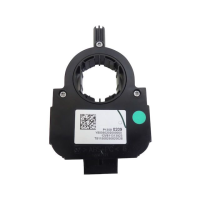
- Uncalibrated or Faulty Steering Angle Sensor (SAS) (Very Common) — The SAS informs the car's computers of the steering wheel's exact position. It frequently loses its 'zero point' calibration after a wheel alignment, battery replacement, or aftermarket suspension modifications. 🎬 See how to recalibrate your steering angle sensor using a scanner. If the sensor provides erratic data or fails entirely, the system sets a fault.
- Low Battery Voltage or Charging System Problems (Common) — Advanced electronic steering systems are extremely sensitive to voltage. A weak battery, failing alternator, or poor ground connection causes modules to malfunction, lose their memory or calibration, and set communication error codes during engine start-up.
- Faulty 4WAS/DAS Control Unit (Common) — The dedicated computer module controlling the advanced steering system is a frequent point of failure. It malfunctions internally due to component failure or loses communication with other modules, making it the primary suspect in Infiniti/Nissan cases.
- Wiring or Connector Issues (Common) — The complex wiring harnesses connecting the ABS module, steering control units, and sensors are susceptible to damage. Corrosion in connectors, chafed wires from vibrations, or loose pins interrupt CAN communication and trigger the code.
- Faulty Rear Steering Actuator (4WAS Models) (Less Common) — On vehicles equipped with 4-Wheel Active Steer, the electric motor on the rear subframe that turns the rear wheels fails. This is a well-documented issue on Infiniti G37 and M-series models, immediately putting the system into fail-safe.
- Software Glitches / Outdated Calibration (Less Common) — The issue is sometimes a software bug rather than a failed part. Manufacturers release Technical Service Bulletins (TSBs) with updated software for steering control modules to fix communication errors or improve system stability in cold weather.
- Faulty ABS Actuator and Electric Unit (Rare) — The ABS unit itself rarely fails, but an internal fault causes it to falsely report a communication loss with the steering system.
Symptoms
- Multiple Warning Lights on Dashboard — The illumination of multiple warning lights, including the ABS, VDC (Vehicle Dynamic Control), Slip, and the power steering warning light (a steering wheel icon with an exclamation mark).
- Heavy or Difficult Steering — The power steering assist is completely disabled as a fail-safe, making the steering wheel very hard to turn, especially at low speeds or when parking.
- Disabled Safety and Driver-Assist Systems — Systems relying on steering angle and wheel speed data turn off. This includes traction control, stability control, hill start assist, active trace control, and intelligent cruise control.
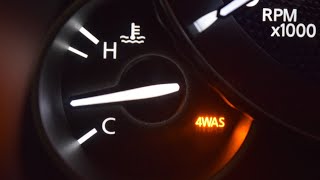
- Steering Wheel Off-Center — The steering wheel is not straight when the car drives straight, indicating a problem with the steering angle sensor's calibration or a fault in the steering rack. 🎬 Watch: Diagnosing a crooked steering wheel and 4WAS warning light.
- Intermittent or Jerky Steering Assist — Before a complete failure, the steering assist feels inconsistent. It feels heavy one moment and light the next, or feels 'notchy' when turning, signaling a failing motor or control module.
Diagnostic Flowchart
Tap your situation to follow the diagnostic path that matches what you're seeing on this code.
Common Fixes & Costs
- Steering Angle Sensor Calibration/Reset — Parts: $0, Labor: $100-$250, ~1 hr book time (Professional)
- Wiring Harness or Connector Repair — Parts: $10-$50, Labor: $150-$500, ~2.5 hr book time (Intermediate)
- Steering Angle Sensor Replacement
— Parts: $150-$450, Labor: $150-$300, ~1.5 hr book time
(Intermediate)
Infiniti Q50 (2014-2018): OEM 47945-5BC1A (Alt: Carquest Premium SBC3945 ($199.99), Duralast SU17000 ($549.99))
Infiniti G37 (2009-2013): OEM 47945-JK00A (Alt: Dorman and Standard Motor Products offer alternatives.) - 4WAS/DAS Control Module Replacement
— Parts: $800-$1,700, Labor: $200-$400, ~2 hr book time
(Professional)
Infiniti Q50 (2014-2015, DAS): OEM 285H0-4GA5B, 28505-4GA6B, 28500-4GA0A (Alt: Primarily available as used/recycled OEM parts.)
Infiniti G35 (2007-2008, 4WAS): OEM 47850-JK000 (Rear Steer Control Unit) (Alt: Very rare; OEM or used parts are the most likely source.) - Direct Adaptive Steering (DAS) Rack Replacement
— Parts: $2,500-$4,000, Labor: $600-$1,000, ~5.5 hr book time
(Professional)
Infiniti Q50 (2014-2018): OEM 49001-4GA1D (Alt: Not typically available due to complexity; OEM is the standard.)
DIY vs Professional
- Steering Angle Sensor Calibration/Reset 🟢 Beginner
Tools: Professional-grade bidirectional OBD-II scanner with manufacturer-specific software (e.g., CONSULT for Infiniti, Autel/Launch higher-end models). - Wiring Harness or Connector Repair 🟢 Beginner
Tools: Multimeter, trim removal tools, flashlight, contact cleaner, dielectric grease. - Steering Angle Sensor Replacement 🟢 Beginner
Tools: Steering wheel puller, torque wrench, socket set, and a professional scan tool for mandatory post-replacement calibration. - 4WAS/DAS Control Module Replacement 🟢 Beginner
Tools: Basic hand tools, professional scan tool for programming and configuration. - Direct Adaptive Steering (DAS) Rack Replacement 🟢 Beginner
Tools: Full professional mechanic's toolset, vehicle lift, engine support, fluid handling equipment, professional scan tool.
Used vs. New Parts: Buying Guide
When a used part is worth it: For high-cost electronic modules like the DAS/4WAS control unit, a used part from a reputable salvage yard is a viable option, especially on older vehicles where the car's value doesn't justify a new OEM part.
Donor-vehicle mileage cap: roughly under 100000 miles for the part to have meaningful remaining life.
Donor quality checklist:
- For control modules, get a set of all related modules from the SAME donor car to ensure internal software and Type IDs match.
- Verify the donor vehicle was not involved in a flood or front-end collision that damaged the electronics.
- Match part numbers exactly. For Infiniti DAS, even a slightly different part number cannot be programmed to your vehicle.
Decision logic:
- If A recall or service campaign for the part is active for your VIN → Always use the dealer for a new, free replacement.
- If The part is a steering rack on a car with less than 80k miles → Favor a new OEM part. The labor to replace a rack is so high that it's not worth the risk of a used part failing prematurely.
- If The part is a control module and the vehicle is over 10 years old → A matched set of used modules is a reasonable choice, provided you have access to a shop that can perform the necessary post-installation programming.
Warranty tradeoff: Used parts typically come with a 30-90 day warranty, which does not cover the extensive labor costs for installation. New OEM parts installed by a dealer carry a 12-month/12,000-mile warranty on both parts and labor.
Worst-case if a used part fails: $800-$1500 if a used steering rack or module fails after installation. This cost is almost entirely for repeat labor and reprogramming.
What Happens If You Wait — Timeline
- Immediate: Multiple warning lights illuminate. Critical safety systems like ABS, traction control, and stability control are disabled. Steering becomes intermittently or permanently heavy. (MPG impact: 0%% · Added cost: $0)
- 1-4 weeks of continued driving: If the root cause is a bad steering angle calibration, continued driving with a slightly off-center wheel causes uneven tire wear as the driver makes constant minor corrections. (MPG impact: 0-2%% · Added cost: $50-$400 in premature tire wear.)
- 1-6 months: An ignored intermittent wiring issue worsens, leading to a permanent short to ground or power. This overloads the circuit and damages the delicate transceiver inside a control module. (MPG impact: 0%% · Added cost: $1,500-$2,500. A simple wiring repair becomes a module replacement.)
- 6+ months / Catastrophic Failure: A complete failure of a critical component (like a DAS steering rack motor) occurs while driving, leading to a sudden loss of steering control in a critical moment, resulting in an accident. (MPG impact: N/A% · Added cost: $5,000 - $20,000+. This represents the cost of major accident repair or total loss of the vehicle.)
Cost of Not Fixing It
- Immediate: Loss of ABS, traction control, and stability control. Steering becomes extremely heavy without warning. This creates a significant safety hazard, dramatically increasing the risk of a crash. (Added cost: Potential for total loss of vehicle and severe injury.)
- 0-3 months: Continued driving with a misaligned steering angle sensor causes uneven and accelerated tire wear as the driver constantly corrects the steering. (Added cost: $300-$1,200 for a new set of tires.)
- 3+ months: Ignoring a wiring issue leads to a short circuit that damages expensive control modules. A $300 wiring repair becomes a $2,500+ module replacement. (Added cost: $1,800-$4,000)
Diagnosis Steps
- Scan All System Modules for DTCs
C1138 is a secondary code. Use an advanced OBD-II scanner capable of reading manufacturer-specific codes from ALL modules (ABS, 4WAS/DAS, BCM, etc.). Look for primary codes like C1930, C1B90, or U-codes to pinpoint the actual faulty system.
Tools: Advanced OBD-II Scanner (Manufacturer-Specific, e.g., CONSULT for Nissan/Infiniti) (Beginner) - Check Battery Health and Charging System
Verify the battery is fully charged (above 12.4V at rest) and the charging system functions correctly (13.5-14.5V with the engine running). Clean corrosion from battery terminals and check main ground connections. Low voltage causes communication errors.
Tools: Multimeter, Battery Terminal Brush (Beginner) - Analyze Steering Angle Sensor Live Data
Using your advanced scanner, view the live data stream from the steering angle sensor. With the wheels pointing perfectly straight ahead, the sensor must read 0 degrees (+/- 2.5 degrees). Turn the wheel lock-to-lock and ensure the reading is smooth. If it is off-center or jumps erratically, it requires calibration or replacement.
Tools: Advanced OBD-II Scanner (Intermediate) - Perform Steering Angle Sensor Neutral Position Calibration
If the sensor data is off, or after any alignment or suspension work, perform the steering angle sensor neutral position adjustment. This procedure tells the system the new 'straight-ahead' position.
Tools: Advanced OBD-II Scanner (Intermediate) - Inspect All Related Wiring and Connectors
Visually inspect the wiring harnesses going to the ABS module, steering rack motors, and control modules. Look for physical damage, chafing, corrosion, or loose connections. Pay close attention to connectors at the steering rack exposed to the elements.
Tools: Flashlight, Trim Removal Tools (Intermediate) - Run System Self-Diagnosis and Actuation Tests
Use a manufacturer-specific scanner to initiate a self-test of the 4WAS/DAS and ABS systems. Command specific components, like the rear steering actuator, to move, verifying their mechanical operation without driving the vehicle.
Tools: Advanced OBD-II Scanner (Advanced) - PRO TIP: CAN Bus Network Integrity Test
If a general communication code like U1000 is present, test the CAN network. Disconnect the battery, then measure the resistance between CAN High (Pin 6) and CAN Low (Pin 14) on the OBD-II port. A healthy network reads approximately 60 ohms. A reading of 120 ohms indicates a terminating resistor is offline. An open circuit (OL) points to a wiring fault.
Tools: Multimeter, OBD-II Breakout Box (optional) (Advanced) - PRO TIP: Advanced CAN Bus Voltage Analysis
With the key on and engine off, measure the DC voltage on the CAN bus at the OBD-II port. CAN High (Pin 6) to ground should be 2.5V to 3.5V. CAN Low (Pin 14) to ground should be 2.5V to 1.5V. If either line is stuck at 0V, 5V, or 12V, it indicates a short to ground or power.
Tools: Multimeter or Oscilloscope (Advanced) - PRO TIP: Steering Angle Sensor Voltage Check
For analog-style sensors, back-probe the sensor's signal wires. With the key on and wheels straight, you see readings like 2.8V and 0.4V. These voltages change smoothly as the steering wheel turns. A stuck or missing voltage indicates a faulty sensor or wiring.
Tools: Multimeter, Back-Probe Pins, Service Manual (Advanced) - PRO TIP: Oscilloscope Analysis of DAS Motor Signals
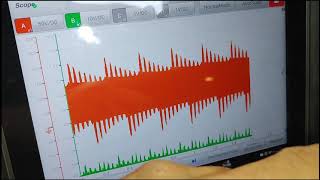
For Infiniti DAS systems, back-probe the three wires going to one of the steering rack motors. Using a 3-channel oscilloscope, have an assistant turn the steering wheel with the engine running. You should see a clean, three-phase AC waveform. A missing or erratic waveform points to a failed motor within the rack assembly.
Tools: 3-Channel Automotive Oscilloscope, Back-Probe Pins (Advanced)
When This Code Triggers (Freeze-Frame Conditions)
- Vehicle Speed: 0 mph (At startup or very low speed. The fault is detected during the initial system self-check right after turning the ignition on.)
- System Voltage: 11.5V - 12.5V (During engine cranking. A momentary voltage drop from a weak battery causes modules to initialize incorrectly and lose communication.)
- Steering Angle: Any (During a turn, especially on rough surfaces. A physical jolt interrupts a poor connection in the wiring to the steering rack, causing a momentary communication loss.)
- Time Since Ignition On: < 10 seconds (Immediately after starting the car. The ABS module expects to receive a status signal from the steering system and sets the code if the signal is missing during startup.)
Related Codes
- U1000 — A generic CAN Communication Circuit code. It frequently appears alongside C1138 and indicates a general network problem. Diagnose the CAN network's integrity before focusing on individual modules.
- C1930 — Specific to 4WAS/RAS/HICAS systems, pointing to a fault in the front 4WAS ECU. If you see C1930 with C1138, C1930 is the primary code. Focus diagnosis entirely on the 4WAS front control unit.
- C1B90 — The primary fault code for the Direct Adaptive Steering (DAS) system. Seeing this confirms the fault lies within the DAS system. Diagnose C1B90 first, as C1138 is merely the secondary report.
- U0428 — Means 'Invalid Data Received From Steering Angle Sensor Module.' It specifies that the data from the SAS is present but nonsensical, pointing directly to a faulty or uncalibrated sensor.
Climate & Environmental Factors
- High Humidity / Road Salt: These conditions significantly accelerate corrosion on wiring harnesses and connector pins, especially for components exposed to the elements like steering rack actuators. This corrosion interrupts sensitive CAN bus signals, leading to communication faults.
- Cold Weather: Extremely cold temperatures lower a battery's effective voltage. Advanced steering systems are highly sensitive to voltage drops during engine startup. A weak battery in cold weather causes modules to boot up improperly, leading to communication errors.
How to Talk to a Mechanic About This Code
Say this: "I have a C1138 code on my vehicle and need a diagnostic appointment. I understand this is a secondary communication code from the ABS module. Please scan all other control modules, especially the steering system, to find the primary fault code before recommending repairs. Also, check if there are any open recalls or TSBs for the steering system on my VIN."
This signals to the service advisor that you understand the complexity of the code. It directs the technician to perform a proper diagnosis instead of guessing or replacing the wrong part (like the ABS module). It prevents them from starting with the most expensive repair.
Avoid saying:
- 'My steering feels heavy and there are lights on.'
- 'Just fix whatever's wrong with the steering.'
- 'I think I need a new ABS module.'
Questions to ask before authorizing the repair:
- What was the primary fault code found in the steering control module (e.g., C1B90, C1930)?
- What were the results of the battery, charging system, and CAN bus resistance tests?
- If you are recommending a module or steering rack replacement, can you explain the specific tests that confirmed the part failed?
- Does the quoted price include the mandatory steering angle sensor calibration and any other necessary programming?
- What is the warranty on both the parts and the labor for this specific repair?
Where to Take It: Dealer vs Independent vs Chain
- Dealer:
Recommended for initial diagnosis on DAS/4WAS systems and for any required module programming. If the diagnosis points to a simple wiring repair, take that information to a trusted independent shop to save on labor costs.
Best for: Vehicles under warranty or with an active recall/service campaign for the steering system., Complex programming and calibration of new Direct Adaptive Steering (DAS) or 4-Wheel Active Steer (4WAS) modules, requiring the proprietary CONSULT scan tool., First-time, complex diagnosis where factory-level support is needed.
Downsides: Highest labor rates, often 50-100% more than independent shops., Defaults to replacing an entire expensive assembly (like the steering rack) when a smaller component or wiring is the issue. (Typical cost: +75% vs. baseline) - Independent Shop:
A good option ONLY if it is a high-end independent shop specializing in your vehicle's brand or complex electronics. Ask specifically if they have tools and experience with Infiniti DAS/4WAS systems before booking.
Best for: Out-of-warranty vehicles where cost is a major factor., Simpler causes like a steering angle sensor calibration, battery issue, or a visible wiring repair., Vehicles like Ford or Mazda where C1138 is commonly a calibration issue.
Downsides: A general mechanic lacks the expensive, manufacturer-specific scan tools needed to read primary codes from the steering module or program a new one., High risk of misdiagnosis if the shop is not a specialist in advanced electronics. (Typical cost: +0% vs. baseline) - Chain Shop:
AVOID. These shops lack the equipment to properly diagnose or repair the root cause of a C1138 code, especially on Infiniti models. The risk of paying for an incorrect repair is extremely high.
Best for: Simple maintenance like oil changes and tire rotations.
Downsides: Technicians lack the specialized training and tools for complex electronic diagnostics like C1138., Very high likelihood of misdiagnosis, leading to unnecessary replacement of parts like the steering angle sensor or ABS module. (Typical cost: -10% vs. baseline)
When to Walk Away From the Repair
If the estimated repair cost for the C1138 fault exceeds 50% of the car's current private-party market value, sell the car as-is or trade it in rather than repairing it.
- Car worth $9000, fix is $5500: Walk away. The repair cost is over 60% of the car's value. It is not economically sensible to proceed.
- Car worth $15000, fix is $2200: Fix it. The repair cost is well under the 50% threshold and restores significant value and safety to the vehicle.
- Car worth $7000, fix is $3800: Borderline. The cost is over 50% of the vehicle's value. Get a second opinion from a specialist independent shop to see if a cheaper repair is possible before making a final decision.
What Scan Tool You Need for This Code
Minimum: A scanner that reads manufacturer-specific codes from ALL modules, including ABS, SRS, BCM, and the steering system (DAS/4WAS). It must perform a Steering Angle Sensor (SAS) calibration.
A basic $50 code reader only sees the generic C1138 code from the ABS module. It CANNOT see the primary codes stored in the steering control module, leaving you completely blind to the real problem.
Budget: Innova 1000 / BlueDriver Pro (~$100) — These read codes from the ABS and other modules, which is a step up from basic readers. However, they lack the ability to perform the critical SAS calibration.
Mid-range: Foxwell NT510 Elite (with Nissan/Infiniti software) / Autel MaxiDAS DS808S-BT (~$180-380) — These tools offer full system scanning, live data viewing, and the bidirectional control needed to perform the Steering Angle Sensor (SAS) calibration and other resets.
Professional: Autel MaxiSys MS906 Pro / MaxiCOM MK906BT (~$900-1500) — These professional-grade tools provide OE-level diagnostics rivaling the dealership's CONSULT tool. They offer full bidirectional control, advanced coding, and programming capabilities needed for complex jobs like replacing DAS modules.
Rent vs buy: Rental tools from auto parts stores are almost always inadequate as they are basic readers. If you are serious about diagnosing this issue yourself, you must buy a capable mid-range scanner. Otherwise, pay the diagnostic fee to a qualified shop.
How to Clear the Code After You Fix It
- Perform the specific repair (e.g., replace module, repair wiring).
- For component replacements (module, sensor, rack), perform all required calibration and programming steps with a manufacturer-specific scan tool.
- With the repair and calibration complete, use the scan tool to clear DTCs from ALL system modules (ABS, DAS, BCM, etc.).
- Perform a drive cycle to confirm the fix and allow readiness monitors to run.
Drive cycle (~20 minutes): A specific drive cycle is not required for C1138 itself, as it is a hard fault that reappears immediately if not fixed. After repair, a general drive cycle resets emissions readiness monitors: a cold start, 2-3 minutes of idling, 5-10 minutes of city driving, and 10 minutes of steady highway driving (55-60 mph).
Readiness monitors affected: This is a chassis code (C-code) and does not directly affect emissions readiness monitors., However, clearing all codes resets all readiness monitors, requiring a full drive cycle before an emissions test.
Before emissions retest: drive at least 50 miles to fully set monitors.
Watch out for:
- Simply clearing the C1138 code without a repair is useless; it returns instantly.
- Forgetting to perform the mandatory steering angle sensor calibration after an alignment or component replacement causes the code to return.
- Disconnecting the battery clears the code from some modules but does not fix the root cause and resets all other vehicle adaptations.
Will This Fail Emissions / State Inspection?
Yes — this code typically fails an OBD-II emissions inspection.
- California: An active C1138 code causes an automatic failure of the OBD-II portion of the smog check. All readiness monitors must also be set to 'Ready'.
- New York: New York's safety inspection includes a scan for trouble codes. The presence of ABS and stability control warning lights on the dash results in an immediate failure.
- Texas: In counties requiring emissions testing, an illuminated Check Engine Light or ABS light related to a system fault causes the vehicle to fail the inspection.
Most Commonly Affected Vehicles
- Infiniti Q50 (2014-2018) — Extremely common on models with Direct Adaptive Steering (DAS). Voluntary service campaigns (P4204) and recalls (R1610-R1613) addressed module reprogramming and replacement.
- Infiniti G37 (2009-2013) — Primarily affects Sport models with 4-Wheel Active Steer (4WAS). The rear steering actuator and front 4WAS control unit are common failure points.
- Infiniti G35 Sedan (2007-2008) — Occurs on models with the optional 4-Wheel Active Steer (4WAS) package. Often related to faults in the front actuator on the steering shaft.
- Infiniti M37 / M56 (Q70) (2011-2013) — Affects Sport models with the 4WAS system. TSB ITB11-035 advises replacing the 4WAS control unit to address this code.
- Nissan Skyline (2014-2018) — As the Japanese market equivalent to the Infiniti Q50, it shares the same Direct Adaptive Steering system and is prone to the exact same issues.
- Ford Focus, Fusion, Edge (2012-2018) — On Ford models, C1138 points to a fault with the Steering Angle Sensor itself or a communication error. A calibration or sensor replacement is the standard fix.
- Mazda 3, 6, CX-5 (2014-2019) — C1138 on Mazda vehicles is typically related to the steering angle sensor needing a reset or calibration, often after a battery change.
- Lancia Thesis (2002-2009) — IMPORTANT: On Lancia vehicles, C1138 refers to a short circuit in the gear selector position sensor and is entirely unrelated to the steering system.
Manufacturer-Specific Notes
- Infiniti / Nissan: C1138 is almost always a 'secondary' code. The ABS module sets it because it lost communication with the 4WAS or DAS system. The primary fault code is stored in the steering system's own control module (e.g., DAST1, DAST2) and requires an advanced scanner to read.
- Infiniti: Several service campaigns and recalls exist for DAS and 4WAS systems. Check with an Infiniti dealer or the NHTSA website for open campaigns on your specific VIN before starting any repair, as a free software update or module replacement may be available.
- Ford / Mazda: The code is highly likely caused by a simple calibration issue triggered by disconnecting the battery or getting a wheel alignment. A steering angle sensor reset procedure is the mandatory first step.
- All: Do not replace the ABS module. The C1138 code is logged *by* the ABS module, but it is almost never the *cause* of the problem. The ABS module is simply the messenger reporting a missing signal.
Real Owner Stories
2015 Infiniti Q50 with DAS at 206K miles
Started the car to find the dashboard lit up with ABS, Steering, and Traction lights. The steering was extremely hard to turn. Codes C1138 and others were present.
What they tried:
- Checked the three DAS-related fuses, which were all good.
- Drove at highway speeds to resolve the issue; the problem temporarily went away after a 20-minute drive.
- The issue returned, and further investigation revealed the negative battery terminal was not tight.
Outcome: After properly tightening the loose negative battery terminal, the codes cleared and did not return. The root cause was a simple poor electrical connection.
Lesson: Always start with the simplest and cheapest checks. Before suspecting expensive modules, verify battery health, terminal cleanliness, and connection tightness.
2018 Infiniti Q50 with DAS
Multiple warning lights appeared, and the steering wheel turned all the way to the right on its own. The dealer was unable to recalibrate the system.
What they tried:
- Took the car to the Infiniti dealership for diagnosis.
- The dealer attempted a DAS recalibration, which failed.
- The dealer diagnosed an internal failure in the steering rack and quoted over $5,000 for a replacement.
Outcome: The owner sought a second opinion. Another shop suggested a used steering rack (around $500) could be an option but emphasized the complexity of the required programming.
Lesson: C1138 leads to very expensive steering rack replacement diagnoses. Given the cost, getting a second opinion from a trusted independent specialist is wise to avoid misdiagnosis.
Infiniti Q50 with multiple warning lights
The 'Chassis Control System Error' warning appeared, along with code C1138, resulting in extremely heavy steering.
What they tried:
- The issue first appeared and resolved itself after a highway drive.
- When the issue persisted, the owner took it to an Infiniti dealer.
- Dealer technicians determined all three DAS modules needed replacement.
Outcome: The dealership quoted an astonishing $8,000 to replace the three DAST modules. The owner was left with a car that was nearly impossible to drive and a prohibitively expensive repair estimate.
Lesson: On DAS-equipped vehicles, a C1138 code can result in an extremely expensive module replacement diagnosis. Ensure all recalls and TSBs are checked and cheaper causes are ruled out first.
Ford Focus after a battery change
Immediately after replacing the car battery, the power steering warning light came on and code C1138 was stored. The steering felt normal.
What they tried:
- The owner tried clearing the code, but it returned immediately.
- Research indicated a steering angle sensor (SAS) reset is needed after power loss.
- The owner attempted a manual reset procedure found online, which did not work.
Outcome: The owner took the vehicle to a shop that performed a steering angle sensor calibration using a professional scan tool. The procedure cost $120 and permanently cleared the code.
Lesson: On Ford and Mazda vehicles, C1138 is most commonly a calibration issue triggered by disconnecting the battery. A professional SAS calibration is the standard fix.
How to Prevent This Code From Triggering
- Periodically Clean and Protect Battery Terminals (Every 6 months or during oil change) — Corrosion on battery terminals increases electrical resistance, causing voltage drops during engine startup. These voltage drops cause sensitive modules like the DAS/4WAS controllers to initialize improperly, triggering communication faults.
- Inspect and Clean Exposed Electrical Connectors (Annually, especially in rust-belt areas) — Connectors for the steering rack and ABS module are exposed to road salt and moisture. Proactively cleaning and applying dielectric grease prevents corrosion that interrupts CAN bus signals.
- Ensure Battery is Securely Mounted (Every 6 months) — A loose battery vibrates excessively, leading to premature internal plate damage and stressing wiring connections. A poor ground connection causes floating voltages and communication errors.
- Perform SAS Calibration After Every Alignment (After any wheel alignment or suspension component replacement) — Changing the vehicle's alignment alters the 'straight-ahead' position of the steering. Failing to recalibrate the steering angle sensor causes a data mismatch, forcing the ABS/VDC system to set a fault.
- Use a Battery Maintainer for Stored Vehicles (Whenever the vehicle is stored for more than 2-3 weeks) — Modern cars have a constant parasitic draw that drains a battery over time. A battery maintainer keeps the battery at an optimal charge, preventing deep voltage drops that corrupt module memory.
Frequently Asked Questions
What is 4WAS or DAS?
4WAS (4-Wheel Active Steer) adds a rear steering actuator for improved stability. DAS (Direct Adaptive Steering) is Infiniti's 'steer-by-wire' system with no direct mechanical connection between the steering wheel and tires. Both are complex electronic systems that trigger C1138 when a fault occurs.
My C1138 code appeared after installing new suspension/wheels. Why?
Advanced steering systems are extremely sensitive to changes in vehicle ride height and steering geometry. Installing coilovers or different wheels alters the steering angle relative to what the system expects. A four-wheel alignment followed by a mandatory steering angle sensor recalibration fixes this.
Can I fix code C1138 by just clearing it?
No. Clearing the code only turns off the warning lights for a few seconds. Because C1138 indicates a persistent hardware or communication fault, the code and symptoms return immediately upon the next system self-check.
Why did this code appear after I replaced my battery?
Advanced steering control modules are sensitive to voltage drops and power disconnections. Replacing the battery erases the modules' volatile memory, including the steering angle sensor's calibration data. A professional steering angle sensor recalibration restores the system.
Can a bad wheel alignment cause code C1138?
Yes. If an alignment is performed but the steering angle sensor is not recalibrated, the sensor reports a non-zero angle when driving straight. The ABS system sees a conflict between the sensor data and wheel speed sensors, triggering the fault.
The shop quoted me thousands of dollars to fix this. Is that right?
It can be, as replacing a Direct Adaptive Steering rack costs $4,000-$6,000 and a control module runs $1,800-$2,500. However, thorough diagnosis is critical before authorizing these repairs. Always rule out cheaper causes like a bad battery connection or a $150 sensor calibration first.
What are the most common misdiagnoses for C1138?
The most common mistake is replacing the ABS module, which only reports the fault but rarely causes it. Another frequent error is replacing the Steering Angle Sensor when the actual issue is a bad wiring connection or a needed software update.
Key Takeaways
- Code C1138 is a secondary alert from the ABS module indicating a communication failure with an advanced steering system, most commonly Infiniti's Direct Adaptive Steering (DAS).
- You must use a professional bidirectional scanner to read the primary fault codes stored in the steering control module; a basic $50 code reader leaves you blind to the root cause.
- Always test the battery and perform a Steering Angle Sensor (SAS) calibration (costing $100-$250) before replacing expensive steering racks or control modules.
- Driving with C1138 is dangerous because it disables critical safety systems like ABS and stability control, and causes steering to become extremely heavy at low speeds.
Helpful Videos
![Hard To Turn Steering? [How to Diagnose Lower Universal Joint (U-Joint) // G35 Build]](https://img.youtube.com/vi/_gSfEvCRRzM/mqdefault.jpg)
Shop the Parts Behind C1138
Below are the parts most often responsible for code C1138, ranked by how frequently each one is the actual culprit (per the diagnosis above). Tap any to see what we have for your vehicle.

The information in this article is provided for general reference and educational purposes only. Vehicle specifications, procedures, and part compatibility can vary by production date, trim level, and region. Always consult your vehicle's factory service manual and verify part numbers before purchasing or performing repairs. Safety-critical components such as airbags, seat belts, and braking systems should be installed by a qualified professional.
- 🧭 Diagnostic Flowchart
- 🎬 Helpful Videos
- 🛍️ Shop This Part
- What Does C1138 Mean?
- Can I Drive With C1138?
- Common Causes
- Symptoms
- Common Fixes & Costs
- DIY vs Professional
- Used vs. New Parts: Buying Guide
- What Happens If You Wait — Timeline
- Cost of Not Fixing It
- Diagnosis Steps
- When This Code Triggers (Freeze-Frame Conditions)
- Related Codes
- Climate & Environmental Factors
- How to Talk to a Mechanic About This Code
- Where to Take It: Dealer vs Independent vs Chain
- When to Walk Away From the Repair
- What Scan Tool You Need for This Code
- How to Clear the Code After You Fix It
- Will This Fail Emissions / State Inspection?
- Most Commonly Affected Vehicles
- Manufacturer-Specific Notes
- Real Owner Stories
- 2015 Infiniti Q50 with DAS at 206K miles
- 2018 Infiniti Q50 with DAS
- Infiniti Q50 with multiple warning lights
- Ford Focus after a battery change
- How to Prevent This Code From Triggering
- Frequently Asked Questions
- What is 4WAS or DAS?
- My C1138 code appeared after installing new suspension/wheels. Why?
- Can I fix code C1138 by just clearing it?
- Why did this code appear after I replaced my battery?
- Can a bad wheel alignment cause code C1138?
- The shop quoted me thousands of dollars to fix this. Is that right?
- What are the most common misdiagnoses for C1138?
- Key Takeaways
- 🎟️ Get 5% Off