

OBD-II Code C1151: Right Front Wheel Speed Sensor Signal Failure
The Ultimate Guide to What C1151 Means, Why It Triggers, and How to Fix It for Good
- Code C1151 disables your ABS and traction control systems, increasing your risk of skidding during panic stops or wet conditions.
- Replacing the right front wheel speed sensor costs between $140 and $300 and resolves the issue in the majority of cases.
- Before buying parts, use an ABS-capable scanner to view live data at 5-10 mph to verify the right front sensor reads 0 MPH while the others show accurate speeds.
- A loud humming or grinding noise from the front right wheel indicates a failing wheel hub bearing, which requires a $300-$650 replacement rather than just a new sensor.
- On Ford F-150s (2004-2008) and Explorers, inspect the wiring harness for chafing against the frame before replacing the sensor, as wire damage is a primary culprit.
What Does C1151 Mean?
Code C1151 means your car's Anti-lock Brake System (ABS) control module detects a problem with the right front wheel speed sensor signal. The computer isn't getting a clear, consistent signal about how fast that wheel is spinning. As a safety measure, the car disables the ABS and traction control systems, illuminating their warning lights on the dashboard.
Technical definition: C1151 is a manufacturer-specific code used primarily by Ford, Lincoln, Jaguar, and Mazda indicating a Right Front Wheel Speed Sensor Input Signal Failure. The ABS control module detects the signal is missing, invalid, mismatched, or out of resistance specification when the vehicle exceeds 5-10 mph.
Can I Drive With C1151?
Yes, But With Caution. Yes, but drive directly to a repair shop. Your Anti-lock Braking System (ABS) and traction/stability control are disabled. In a panic stop or on wet/icy roads, your wheels will lock up, leading to an uncontrolled skid. Standard brakes still function, but the loss of ABS compromises a critical safety system.
Common Causes
- Failed Right Front Wheel Speed Sensor (Very Common) — Internal electronics break down over time due to heat cycles, vibration, and moisture intrusion, causing the sensor to stop sending a signal or send an erratic one.
- Damaged or Corroded Wiring Harness/Connector (Very Common) — Exposed to water, salt, and debris, wires break from suspension movement, chafe against the frame, or melt from brake heat. Corroded connector pins cause a poor or intermittent signal.
- Worn or Damaged Wheel Hub Bearing Assembly (Common) — The tone ring is often integrated into the wheel hub bearing. A loose or worn bearing alters the critical air gap between the sensor and the ring, causing bad readings. Usually accompanied by a grinding noise.
- Debris or Rust on Sensor Tip or Tone Ring (Common) — Metallic brake dust or rust builds up on the magnetic sensor tip or clogs the tone ring teeth, physically blocking the sensor's ability to read the wheel's rotation.
- Faulty ABS Control Module or Power/Ground Issue (Rare) — The ABS module itself fails, or suffers from a corroded ground wire, misinterpreting voltage drops as sensor failures. This is a known issue on Jaguar and Mazda models.
- Low Vehicle Battery Voltage (Rare) — A weak battery causes low system voltage, triggering unpredictable behavior and false sensor codes from the ABS controller.
Symptoms
- ABS and Traction Control Lights Illuminated — The ABS and Traction/Stability Control warning lights illuminate immediately on the dashboard. On some GM vehicles, this appears as a 'Service StabiliTrak' message.
- ABS and Traction Control Disabled — Wheels lock up during hard braking, and traction control does not intervene on slippery surfaces. This is the primary safety implication of the code.
- Brake Pedal Pulsates at Low Speeds — An erratic signal tricks the ABS module into thinking a wheel is locking up during normal, low-speed braking (<10 mph). The ABS pump activates unnecessarily, creating a pulsing or grinding sensation in the brake pedal.
- Erratic Speedometer or Cruise Control Failure (also visible on scanner) — If the primary vehicle speed signal is calculated using data from the right front wheel speed sensor, a fault causes the speedometer to behave erratically, drop to zero, or prevent cruise control engagement.
Diagnostic Flowchart
Tap your situation to follow the diagnostic path that matches what you're seeing on this code.
Common Fixes & Costs
- Replace Right Front Wheel Speed Sensor — Parts: $40-$150, Labor: $100-$150, ~1.2 hr book time (DIY)
- Repair Damaged Wiring or Connector — Parts: $15-$70, Labor: $100-$200, ~1.5 hr book time (Intermediate)
- Replace Right Front Wheel Hub Bearing Assembly — Parts: $150-$350, Labor: $150-$300, ~2.5 hr book time (Professional)
- Clean Sensor Tip and Tone Ring — Parts: $0-$15, Labor: $75-$125, ~0.8 hr book time (DIY)
- Replace ABS Control Module — Parts: $500-$1200, Labor: $150-$300, ~1.8 hr book time (Professional)
Used vs. New Parts: Buying Guide
When a used part is worth it: For a simple wheel speed sensor or a wiring pigtail, buying used never makes sense due to the low cost of new aftermarket parts and the high risk of corrosion. A used wheel hub assembly from a verified low-mileage vehicle is a significant gamble but an option on a strict budget.
Donor-vehicle mileage cap: roughly under 50000 miles for the part to have meaningful remaining life.
Donor quality checklist:
- Verify donor vehicle was not involved in a front-end collision.
- Avoid parts from regions with heavy road salt usage (Rust Belt) due to corrosion risk.
- Match part numbers exactly; visual similarities do not guarantee electronic compatibility.
Decision logic:
- If The part is an electronic sensor or a wiring pigtail → Buy new. The small cost savings of a used part are not worth the risk of premature failure and repeated labor.
- If The part is a wheel hub bearing assembly → Strongly favor new. The bearing is a wear item. A used bearing has unknown remaining life and incorrect installation causes immediate failure.
- If The part is an ABS control module → A used module from a reputable recycler is a viable option, but verify it does not require VIN programming. If programming is needed, cost savings vanish after dealer labor.
Warranty tradeoff: Used parts typically have a 30-90 day warranty at best. New aftermarket parts often carry a 1-year to limited lifetime warranty. OEM parts offer a 1-2 year warranty.
Worst-case if a used part fails: $200-$400 if a used sensor or hub fails shortly after installation, as you pay for labor a second time.
What Happens If You Wait — Timeline
- 0-2 Weeks: ABS and Traction Control lights are on. Safety systems are disabled, increasing skid risk in panic stops or bad weather. No other symptoms are likely present. (MPG impact: 0%% · Added cost: $0)
- 2 Weeks - 3 Months: If the vehicle uses the sensor for transmission data, you experience occasional harsh shifts or delayed shifting, causing a slight drop in fuel economy. If the cause is a failing bearing, a faint humming noise begins. (MPG impact: 1-3%% · Added cost: $20-$75 in wasted fuel)
- 3-6 Months: If caused by a bad wheel bearing, the humming/grinding noise becomes constant and clearly audible. Bearing wear accelerates, increasing friction and heat. Looseness causes uneven tire wear and strain on suspension components. (MPG impact: 3-5%% · Added cost: $350-$850 (The cost of replacing the hub bearing is now unavoidable))
- 6+ Months: Catastrophic failure stage for a neglected wheel bearing. The bearing seizes or disintegrates, causing severe vibration, loss of steering control, or the wheel and hub assembly separates from the vehicle. (MPG impact: N/A% · Added cost: $2000-$5000+ (Repair costs include the hub, spindle, axle, brake components, and body damage from a wheel separation event))
Cost of Not Fixing It
- Immediate: Disabled Anti-lock Brakes (ABS) and Traction/Stability Control, increasing the risk of skidding and accidents, especially in poor weather or emergency braking. (Added cost: 0)
- Weeks to Months: An erratic signal causes incorrect transmission shift points, leading to poor performance, reduced fuel economy, and long-term transmission strain. (Added cost: $200-$500 in potential fuel costs and accelerated transmission wear)
- 6+ Months: Continued driving with a bad wheel bearing leads to catastrophic failure of the hub, causing the wheel to detach from the vehicle. This is an extreme safety hazard. (Added cost: $2000-$5000+ for repairs to suspension, axle, and body damage if the wheel separates)
Diagnosis Steps
- Read Codes and Note Freeze Frame Data
Use an OBD-II scanner capable of reading Chassis (C) codes to confirm C1151. Note any other codes and Freeze Frame data. Clear the codes and drive above 10 mph to see if C1151 returns immediately, indicating a hard fault.
Tools: OBD-II Scanner (with ABS/Chassis capability) (Beginner) - Check Live Data
Using your ABS-capable scanner, view the live data stream for all four wheel speed sensors. Drive slowly (over 5 mph) in a straight line. If the right front sensor reads 0, is erratic, or lags significantly behind the others, it confirms the problem is isolated to that corner.
Tools: OBD-II Scanner (with ABS live data) (Intermediate) - Visual Inspection
Safely lift and support the front right corner. Visually inspect the wheel speed sensor and its wiring harness from the wheel well into the engine bay. Look for broken wires, chafing, melting, or green/white corrosion in the connector.
Tools: Jack, Jack Stands, Flashlight (Beginner) - Check for Wheel Bearing Play
With the wheel off the ground, grab the tire at 12 and 6 o'clock and wiggle it. Repeat at 3 and 9 o'clock. Any noticeable play, looseness, or a grinding noise when spinning the wheel points to a bad wheel bearing.
Tools: Jack, Jack Stands (Beginner) - Inspect Sensor and Tone Ring
Remove the wheel and the wheel speed sensor. Check the magnetic tip for metal shavings or caked-on brake dust. Look at the tone ring for damage, heavy rust, or missing teeth. Clean both with brake cleaner.
Tools: Socket Set, Brake Cleaner, Rags (Intermediate) - Test the Wiring Harness
Disconnect the sensor and the ABS module. Using a multimeter and a wiring diagram, check for continuity on both wires running to the right front sensor. Check for a short to ground. Wiggle the harness while testing to find intermittent breaks.
Tools: Multimeter, Vehicle-Specific Wiring Diagram (Advanced) - Test Passive Sensor Resistance
For older 2-wire 'passive' sensors, disconnect the sensor and measure resistance between the two pins. Most Ford/Jaguar sensors read between 800 and 2,500 Ohms. Infinity (OL) indicates an open internal coil; 0 Ohms indicates a short circuit. Both mean the sensor is bad.
Tools: Multimeter (Advanced) - Test Passive Sensor AC Voltage Output
For a 2-wire passive sensor, set your multimeter to AC Volts. Back-probe the two wires and spin the wheel by hand. You should see a small AC voltage (0.5V - 1.0V) that increases with wheel speed. No voltage indicates a failed sensor or tone ring issue.
Tools: Multimeter, Back-probe Pins (Advanced) - Test Active Sensor Voltage
For a 3-wire 'active' sensor, turn the key on. One wire has 5V or 12V reference voltage, one is ground, and the third is the signal. The signal wire shows a fluctuating DC voltage as the wheel spins. A high-impedance multimeter shows the voltage change.
Tools: Multimeter, Back-probe Pins, Vehicle-Specific Wiring Diagram (Advanced) - Analyze Waveform with an Oscilloscope
Connect an oscilloscope to the sensor's signal and ground wires. A passive sensor shows a clean AC sine wave; an active sensor shows a clean digital square wave. Dropouts or noise point conclusively to a bad sensor, damaged tone ring, or excessive wheel bearing play.
Tools: Automotive Oscilloscope (Professional)
When This Code Triggers (Freeze-Frame Conditions)
- Vehicle Speed: 10-25 mph (Initial acceleration from a stop)
- System Voltage: 12.0-14.5V (Normal operating voltage)
- ABS/TCS Status: Active, then Disabled (System attempts to initialize, fails, and then is disabled by the control module)
- Steering Angle: 0° (or near zero) (Often triggers when driving straight, as mismatched signals are easier to detect)
Related Codes
- C1145 — A Ford-specific code for 'Right Front Wheel Speed Sensor Input Circuit Failure'. Functionally identical to C1151. The diagnostic and repair procedure is exactly the same.
- C0040 — The generic SAE code for 'Right Front Wheel Speed Sensor Circuit'. A vehicle shows either C1151 or C0040, but not both. The cause and diagnosis are identical.
- C1155 — Indicates the same failure but for the Left Front wheel speed sensor. If present with C1151, a dual failure is unlikely. Focus on a common failure point like the ABS module or a shared power/ground wire.
- U0121 — Means 'Lost Communication With ABS Control Module'. If present with C1151, it takes diagnostic priority. C1151 is a symptom of the entire ABS module being offline.
- P1151 — A Powertrain code meaning 'Lack of HO2S21 Switch - Sensor Indicates Lean'. Completely unrelated to the C1151 ABS code. Do not confuse the two.
Climate & Environmental Factors
- Cold Climates / Road Salt: Road salt and brine are highly corrosive and accelerate the degradation of wiring insulation and connector pins. Water seeps into cracked wiring, freezes, and expands, causing wires to break. This makes wiring failure a primary cause of C1151 in 'rust belt' regions.
- High Humidity: Sustained high humidity promotes corrosion at connector pins and breaks in the wiring harness, leading to intermittent signal issues that are difficult to track down.
- Extreme Heat: High ambient temperatures, combined with heat from the brakes, make wire insulation brittle and prone to cracking over time, especially in older vehicles.
How to Talk to a Mechanic About This Code
Say this: "I have an ABS light on and my scanner shows code C1151 for the right front wheel speed sensor. I'd like to schedule a diagnostic. Can you please check the live data from all four wheel sensors and perform a visual inspection of the wiring harness and connector for that sensor before recommending a repair?"
This signals that you are an informed customer. It directs the mechanic to the most common, simple diagnostic steps first (live data, visual check) and prevents them from immediately quoting an expensive part like a wheel hub or ABS module without proper diagnosis.
Avoid saying:
- 'My ABS light is on, just fix it.'
- 'My car is making a funny noise.' (Too vague, invites a broad and expensive inspection).
- 'I think I need a new wheel bearing.' (Avoid diagnosing the problem yourself; describe the symptoms instead).
Questions to ask before authorizing the repair:
- Did the live data show the right front sensor reading 0 MPH or an erratic speed compared to the others?
- Did you find any physical damage, chafing, or corrosion on the sensor's wiring or connector?
- Did you check the wheel bearing for any looseness or play?
- If the sensor needs to be replaced, what is the brand of the new part and what is the warranty on the part and labor?
Where to Take It: Dealer vs Independent vs Chain
- Dealer:
Best for: Vehicles still under warranty., Complex cases where the sensor and wiring are confirmed good, pointing to a possible ABS module failure., Vehicles with known manufacturer quirks, like Land Rover or Jaguar, where the code has a unique meaning.
Downsides: Highest labor rates., Defaults to replacing an entire hub assembly when only the sensor is needed. (Typical cost: +50% vs. baseline) - Independent Shop:
Excellent fit. This is a routine repair for most competent independent shops. They provide a cost-effective diagnosis and fix.
Best for: Out-of-warranty vehicles where cost is a primary concern., Diagnosing and repairing the most common causes: the sensor, wiring, or wheel bearing.
Downsides: Quality and diagnostic capabilities vary widely. Vet the shop by checking reviews and ASE certifications. (Typical cost: +0% vs. baseline) - Chain Shop:
Use with caution. Acceptable for a simple, confirmed sensor swap, but AVOID for initial diagnosis, as they misdiagnose wiring or bearing issues.
Best for: If you are certain it is a simple sensor replacement and nothing more.
Downsides: Technician skill varies greatly., Lacks advanced diagnostic tools or experience to trace wiring faults or diagnose module issues., High pressure to upsell parts; recommends a new hub assembly by default. (Typical cost: -10% vs. baseline)
When to Walk Away From the Repair
If the estimated repair cost exceeds 50% of your car's private-party value (check Kelley Blue Book or Edmunds), consider selling or trading it in.
- Car worth $3000, fix is $1800: Walk away. The repair cost is over 50% of the car's value.
- Car worth $8000, fix is $650: Fix it. This repair (likely a wheel bearing) is well below the 50% threshold and restores a critical safety feature.
- Car worth $4000, fix is $250: Fix it. A simple sensor or wiring repair is a minor cost to maintain a safe, functional vehicle.
What Scan Tool You Need for This Code
Minimum: A scanner that reads and clears Anti-lock Brake System (ABS) or Chassis ('C') trouble codes and displays live data for wheel speed sensors.
A basic $20 scanner only reads engine ('P') codes and cannot communicate with the ABS module. It will not see the C1151 code or show live wheel speed data, which is critical for diagnosing the problem without guessing.
Budget: Autel MaxiCheck ML629 / BlueDriver Pro (~$80-120) — Reads and clears engine, transmission, ABS, and SRS codes. Displays live data for all four wheel speed sensors, allowing you to see which one is failing.
Mid-range: Foxwell NT630 Plus / Innova 5610 (~$150-350) — Includes all budget features plus bidirectional controls to perform active tests on the ABS system, such as cycling the ABS pump and valves after a repair.
Professional: Autel MaxiCOM MK808 / Launch X431 CRP919E BT (~$450-600) — Provides full, professional-level diagnostics, including advanced bidirectional controls, topology mapping, and potential ECU coding functions for module replacement.
Rent vs buy: Auto parts stores like AutoZone offer a free code scanning service or a loaner tool program. Verify their specific scanner reads ABS codes, as not all do. Buy a scanner if you plan to do your own repairs or diagnostics more than once a year.
How to Clear the Code After You Fix It
- Use an ABS-capable OBD-II scan tool to clear the code.
- Perform a short drive cycle including speeds above 10 mph to allow the ABS module to verify the repair.
- If lights return, a hard reset may be attempted by disconnecting the battery terminals and touching them together for 10 minutes to drain capacitors.
Drive cycle (~10 minutes): After clearing the code, start the vehicle. Drive in a straight line and accelerate to at least 15-20 mph. Maintain this speed for a few minutes, making gentle turns. The ABS light extinguishes on its own if the repair was successful and the sensor provides a valid signal.
Readiness monitors affected: This is a Chassis code, so it does not directly affect powertrain emissions readiness monitors.
Watch out for:
- Disconnecting the battery will not reliably clear a 'hard' C1151 fault code from the ABS module's memory.
- The code returns immediately upon the next drive cycle if the root cause (bad sensor, wiring, or hub) is not fixed.
- Using a basic scanner that only reads 'P' codes will not clear the 'C' code.
Will This Fail Emissions / State Inspection?
No — by itself this code doesn't fail OBD inspection (but it can keep readiness monitors from setting, which causes a separate fail).
- California: An illuminated ABS light causes a failure of the mandatory vehicle safety systems inspection required for revived salvage vehicles. For a standard biennial smog check, it is not a cause for failure.
- New York: An illuminated ABS warning light is a cause for rejection during the annual safety inspection. The system must be functional.
- Texas: An illuminated ABS light will NOT cause a failure of the annual safety inspection. A non-functional ABS system is not a rejection criterion.
Most Commonly Affected Vehicles
- Ford Explorer (2002-2010) — Highly prone to wheel hub bearing failures containing the ABS tone ring. A grinding noise from the front is a key indicator.
- Ford F-150 (2004-2008) — Wiring harness damage from chafing and exposure is a primary cause. Issues with hub-integrated sensors are frequent across this generation.
- Jaguar S-Type (1999-2008) — Shares the Ford DEW98 platform. Notorious for ABS module failures and wiring harness problems in addition to sensor failures.
- Lincoln LS (2000-2006) — Shares its platform and ABS system with the Jaguar S-Type, suffering from identical sensor, wiring, and module faults.
- Mazda 3 (2004-2009) — Known for experiencing failures of both the ABS sensors and the ABS control module, requiring module repair to clear the code.
- Land Rover Freelander (1997-2006) — CRITICAL: C1151 often indicates 'CAN: communication gearbox - permanent'. This points to a data network communication problem between the ABS and transmission modules, NOT a wheel speed sensor fault.
- Suzuki Ignis (2000-2008) — C1151 means 'Clutch Circuit Failure', related to the power steering system, completely unrelated to the ABS. Verify the code definition for your specific make.
- Ford Ranger (1998-2011) — Susceptible to sensor failure due to exposure, wiring damage from suspension flex, and eventual wheel bearing wear.
Manufacturer-Specific Notes
- Land Rover: On the Freelander, C1151 means 'CAN: communication gearbox - permanent'. This indicates a data network communication problem between the ABS and transmission modules, not a wheel speed sensor issue.
- Ford/Lincoln: On the Explorer and Aviator, a bad wheel bearing is an extremely common cause, as the bearing's movement damages the integrated ABS tone ring. A humming or grinding noise is a strong indicator.
- Jaguar: On S-Type and LS models, the ABS module itself is a known failure point. If the sensor and wiring test good, the module is the next logical suspect.
- Ford: On F-150s (2004-2008), the speed sensor wire is routed poorly from the factory, rubbing against the frame or suspension components. A careful inspection of the entire harness path is crucial.
Real Owner Stories
2006 Ford F-150 at 145K miles - The Misdiagnosis
ABS light came on intermittently, then stayed on. Code C1151 present. No other symptoms.
What they tried:
- Replaced the right front wheel speed sensor with a new aftermarket part. Cleared code, but it returned within two drive cycles.
- Assumed the new sensor was faulty and exchanged it for another one. Code still returned.
Outcome: Traced the wiring harness from the sensor up into the engine bay. Found a section where the harness rubbed against the frame, wearing through the insulation and causing an intermittent short. Repaired the broken wires using a weatherproof butt connector kit and secured the harness with zip ties. Code cleared and has not returned.
Lesson: Don't assume a new part fixes it. If a sensor replacement fails, the wiring harness is the next logical suspect, especially on trucks where harnesses rub against the frame. Inspect the full length of the wire.
2008 Ford Explorer at 110K miles - The Easy Fix
ABS and Traction Control lights came on after driving on a dusty gravel road. Code C1151.
What they tried:
- Initially planned to replace the sensor.
Outcome: Removed the wheel and sensor to inspect the area. The magnetic tip of the sensor was covered in a thick paste of metallic brake dust. The tone ring inside the hub was clogged with debris. Cleaned the sensor tip with brake cleaner and used compressed air to blow debris out of the tone ring. Re-installed the original sensor, cleared the code, and the light stayed off.
Lesson: The simplest fix is often overlooked. Before spending money on parts, clean the sensor and tone ring, especially if the fault appeared after driving in dirty conditions. This costs almost nothing and takes less than an hour.
2005 Jaguar S-Type at 85K miles - The Unusual Cause
ABS, TCS, and DSC lights all on, with code C1151. No grinding noises or other symptoms.
What they tried:
- Tested the right front wheel speed sensor with a multimeter; showed correct resistance.
- Tested wiring from the sensor to the ABS module for continuity and shorts; found in perfect condition.
- Checked wheel bearing for play; was solid.
Outcome: Diagnosed a failed ABS control module, a known issue on this platform. Sent the module to a specialized electronics repair service for $250 instead of buying a new one for $1500. Reinstalled the repaired module, cleared codes, and the system worked perfectly.
Lesson: If the sensor, wiring, and hub/bearing are confirmed good, the module itself is the next logical culprit on known problematic models like the Jaguar S-Type/Lincoln LS. A repair service is a cost-effective alternative to a new module.
How to Prevent This Code From Triggering
- Inspect and Clean During Brake Service (Whenever brakes are replaced) — Take an extra 5 minutes to remove the speed sensor. Clean metallic debris from its magnetic tip and the tone ring. This removes buildup that weakens or blocks the sensor's signal.
- Apply Dielectric Grease to Connector (During sensor replacement or inspection) — In areas with road salt or high humidity, moisture gets into the electrical connector and corrodes the pins. Applying dielectric grease to the connector seal keeps moisture out and prevents future corrosion.
- Secure the Wiring Harness (Once, or during any under-vehicle service) — On many trucks and SUVs, the sensor harness rubs against suspension components or the frame. Use zip ties to secure the harness, ensuring it has enough slack for suspension travel but cannot make contact with sharp edges.
- Address Wheel Bearing Noise Immediately (As needed) — A humming or grinding noise from a wheel is the first sign of a failing wheel bearing. Since the tone ring is part of the bearing, letting it go eventually causes the C1151 code and leads to catastrophic failure.
Frequently Asked Questions
Can I just replace the sensor to fix C1151?
Yes, but a damaged wire or bad wheel bearing also causes this code. Use a scanner with live data to confirm the sensor is the problem before buying parts to avoid wasting money.
Is it safe to drive with the C1151 code?
You can drive, but your anti-lock brakes and stability control are disabled. This increases your risk of losing control during a hard stop or on slippery roads. Drive directly to a repair shop.
Why are my ABS and traction control lights on?
The C1151 code indicates a fault in the right front wheel speed sensor circuit. The ABS and traction control systems need accurate speed data from all four wheels to work. The computer disables them as a safety precaution and turns on the warning lights.
I replaced the sensor, but code C1151 came back. What's next?
Meticulously inspect the wiring harness for breaks, chafing, or corrosion at the connector. Next, check the wheel bearing for any looseness or play. Finally, ensure the replacement sensor is a high-quality OEM part, as cheap aftermarket sensors often fail out of the box.
Can a weak battery cause a C1151 code?
Yes, a failing battery causes low system voltage, leading to erratic behavior and false codes from the ABS controller. Test the battery and charging system before beginning expensive repairs.
My scanner doesn't show any 'C' codes. Why can't I see C1151?
Basic OBD-II scanners only read 'P' (Powertrain) codes from the engine computer. C1151 is a 'C' (Chassis) code stored in the ABS module. You need an advanced scanner that specifically reads ABS or Chassis codes.
What is a tone ring and how do I check it?
The tone ring is a toothed wheel the speed sensor reads to determine wheel speed, usually mounted on the CV axle or integrated into the wheel hub. Remove the sensor and visually inspect the ring through the hole with a flashlight. Look for broken teeth, heavy rust, or packed-in debris blocking the sensor.
Can a bad alignment cause a C1151 code?
No, a bad wheel alignment does not directly cause a C1151 code. The code is triggered by an electrical or magnetic signal failure. However, severely worn suspension components affecting alignment contribute to wheel bearing failure, which triggers the code.
Key Takeaways
- Code C1151 disables your ABS and traction control systems, increasing your risk of skidding during panic stops or wet conditions.
- Replacing the right front wheel speed sensor costs between $140 and $300 and resolves the issue in the majority of cases.
- Before buying parts, use an ABS-capable scanner to view live data at 5-10 mph to verify the right front sensor reads 0 MPH while the others show accurate speeds.
- A loud humming or grinding noise from the front right wheel indicates a failing wheel hub bearing, which requires a $300-$650 replacement rather than just a new sensor.
- On Ford F-150s (2004-2008) and Explorers, inspect the wiring harness for chafing against the frame before replacing the sensor, as wire damage is a primary culprit.
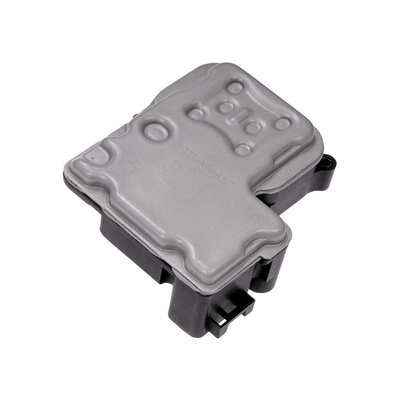
Shop the Parts Behind C1151
Below are the parts most often responsible for code C1151, ranked by how frequently each one is the actual culprit (per the diagnosis above). Tap any to see what we have for your vehicle.



The information in this article is provided for general reference and educational purposes only. Vehicle specifications, procedures, and part compatibility can vary by production date, trim level, and region. Always consult your vehicle's factory service manual and verify part numbers before purchasing or performing repairs. Safety-critical components such as airbags, seat belts, and braking systems should be installed by a qualified professional.
- 🧭 Diagnostic Flowchart
- 🛍️ Shop This Part
- What Does C1151 Mean?
- Can I Drive With C1151?
- Common Causes
- Symptoms
- Common Fixes & Costs
- Used vs. New Parts: Buying Guide
- What Happens If You Wait — Timeline
- Cost of Not Fixing It
- Diagnosis Steps
- When This Code Triggers (Freeze-Frame Conditions)
- Related Codes
- Climate & Environmental Factors
- How to Talk to a Mechanic About This Code
- Where to Take It: Dealer vs Independent vs Chain
- When to Walk Away From the Repair
- What Scan Tool You Need for This Code
- How to Clear the Code After You Fix It
- Will This Fail Emissions / State Inspection?
- Most Commonly Affected Vehicles
- Manufacturer-Specific Notes
- Real Owner Stories
- 2006 Ford F-150 at 145K miles - The Misdiagnosis
- 2008 Ford Explorer at 110K miles - The Easy Fix
- 2005 Jaguar S-Type at 85K miles - The Unusual Cause
- How to Prevent This Code From Triggering
- Frequently Asked Questions
- Can I just replace the sensor to fix C1151?
- Is it safe to drive with the C1151 code?
- Why are my ABS and traction control lights on?
- I replaced the sensor, but code C1151 came back. What's next?
- Can a weak battery cause a C1151 code?
- My scanner doesn't show any 'C' codes. Why can't I see C1151?
- What is a tone ring and how do I check it?
- Can a bad alignment cause a C1151 code?
- Key Takeaways
- 🎟️ Get 5% Off