

OBD-II Code C1162: Brake System Signal Fault
What C1162 means, why it triggers, and how to fix it
- Code C1162 indicates an ABS fault, but its exact definition varies by brand, meaning 'Park Brake Switch' on Fords and 'Pressure Sensor Calibration' on Nissans.
- Driving with C1162 disables your ABS and stability control, increasing emergency stopping distances by 15-30% and causing a complete loss of steering if wheels lock.
- Before replacing a $1,500 ABS module, test the $30 brake light switch and inspect the wiring harness, as these are frequent and inexpensive culprits.
- Nissan and Infiniti owners should check TSB NTB10-113a, as the fix is almost always a $200 dealer software update rather than a physical part replacement.
- Subaru and VW owners can often fix this code using manufacturer-issued repair kits, such as a $10 Subaru EPB connector clip or a $60 VW shifter microswitch.
What Does C1162 Mean?

Code C1162 means the vehicle's main computer detects an abnormal or missing signal from a chassis control component, usually the Anti-lock Braking System (ABS). The computer expects a specific signal from a sensor—like a brake pressure sensor or parking brake switch—and receives an incorrect one, disabling related safety features.
Technical definition: The official SAE/ISO definition for C1162 varies significantly between manufacturers. For Ford, it means 'Park Brake Switch #2 Released Circuit Failure'. For Nissan and Infiniti, it translates to 'Incomplete Pressure Sensor Calibration', indicating the ABS module's pressure sensor requires software calibration.
Can I Drive With C1162?

Yes, But With Caution. Your primary hydraulic brakes still work, but the Anti-lock Braking System (ABS) and stability control are disabled. In panic situations, your wheels lock, increasing stopping distances by 15-30% and causing a loss of steering control. Braking from 60 mph takes an extra 50 feet or more. Drive with extreme caution, avoid hard braking, and have the vehicle serviced immediately.
Common Causes

- ABS Module Software/Calibration Issue (Very Common) — On certain vehicles, particularly Nissan and Infiniti, this code triggers due to a software glitch. The fix is reprogramming the existing ABS module and recalibrating its sensors, not replacing physical parts.
- Faulty Brake Light Switch or Park Brake Switch (Very Common) — This small switch tells the computer when you press the brake pedal or engage the parking brake. It is a high-use part that wears out or corrodes, sending an incorrect signal to the ABS module.
- Damaged Wiring, Connectors, or Grounds (Common) — The wiring harness leading to the ABS module or brake switches is exposed to the elements. Broken wires, corroded connectors, or a loose chassis ground cause open or short circuits that trigger the code.
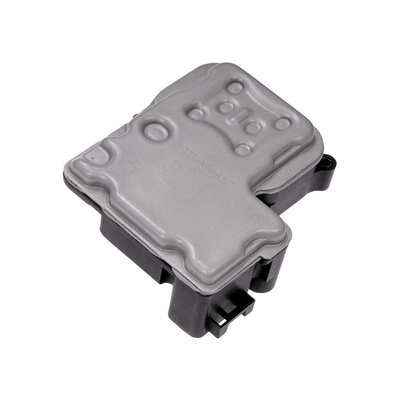
- Faulty ABS Control Module or Integrated Sensor (Common) — The ABS module controls the entire anti-lock brake system and fails internally. The brake pressure sensor is often built into this module, requiring the entire unit to be repaired or replaced when it fails.
- Low or Failing Battery Voltage (Less Common) — Modern vehicles are highly sensitive to battery voltage. A weak battery supplies insufficient power to modules during startup, leading to spurious communication errors and fault codes like C1162.
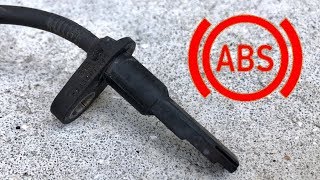
- Faulty Wheel Speed Sensor (Less Common) — While a faulty wheel speed sensor typically sets its own specific code, it sometimes provides erratic data to the ABS module. The module sets C1162 as it struggles to interpret conflicting signals.
- Low or Contaminated Brake Fluid (Rare) — Extremely low brake fluid levels or contaminated fluid cause the brake pressure sensor to read incorrectly. This points to a hydraulic leak or severe lack of maintenance.
Symptoms

- ABS Warning Light On — The ABS light on your dashboard illuminates and stays on.
- Traction or Stability Control Light On — Since traction and stability control systems rely on the ABS, their warning lights (VDC, ESC, TCS) also turn on.
- Cruise Control Won't Engage — As a safety measure, the cruise control system disables when there is a fault in the braking system.
- Cannot Shift Out of Park — The brake-shift interlock requires a signal from the brake switch to allow the gear shifter to move. A faulty switch leaves your vehicle stuck in Park.
- Parking Brake Light Flashing or Stays On — If the fault relates to the park brake switch circuit, the red 'BRAKE' light on the dash flashes or stays illuminated incorrectly.
Diagnostic Flowchart

Tap your situation to follow the diagnostic path that matches what you're seeing on this code.
Common Fixes & Costs
- Reprogram and Recalibrate ABS Module — Parts: $0, Labor: $150-$250, ~1.0 hr book time (Professional)
- Replace Brake Light/Park Brake Switch — Parts: $15-$70, Labor: $60-$100, ~0.5 hr book time (DIY)
- Repair Damaged Wiring or Connector — Parts: $10-$50, Labor: $100-$300, ~1.5 hr book time (Intermediate)
- Repair/Rebuild ABS Control Module — Parts: $150-$300, Labor: $150-$300, ~1.5 hr book time (Professional)
- Replace ABS Control Module — Parts: $600-$2,800+, Labor: $150-$300, ~2.0 hr book time (Professional)
DIY vs Professional
- Reprogram and Recalibrate ABS Module 🟢 Beginner
Tools: Manufacturer-specific diagnostic tool or high-end bi-directional scanner with programming capabilities. - Replace Brake Light/Park Brake Switch 🟢 Beginner
Tools: Basic hand tools (socket set, screwdrivers), trim removal tools. - Repair Damaged Wiring or Connector 🟢 Beginner
Tools: Multimeter, wire strippers, crimpers, heat shrink tubing, soldering iron, dielectric grease. - Repair/Rebuild ABS Control Module 🟢 Beginner
Tools: Basic hand tools for removal. - Replace ABS Control Module 🟢 Beginner
Tools: Socket set, flare nut wrenches, bi-directional scan tool for programming and brake bleeding.
Used vs. New Parts: Buying Guide
When a used part is worth it: A used ABS module is a viable option when a new OEM part is prohibitively expensive (over $1,000) or discontinued, especially on vehicles older than 10 years. It reduces the part cost by 70-90%.
Donor-vehicle mileage cap: roughly under 100000 miles for the part to have meaningful remaining life.
Donor quality checklist:
- Match the part number EXACTLY. Do not rely on year/make/model alone.
- Buy from a reputable salvage yard that offers at least a 90-day warranty.
- Avoid modules from vehicles with flood or heavy collision damage.
- Ask for the donor vehicle's VIN to help with potential programming needs.
Decision logic:
- If The fix is reprogramming or a simple part like a switch/clip → Do not buy an ABS module. Follow the specific repair procedure.
- If A reputable repair/rebuild service is available for your specific module → Favor rebuilding your original module. This is the best value and avoids all programming issues.
- If Vehicle is >10 years old and a new module costs >$1,500 → A used module is a reasonable choice, but budget for professional programming.
- If A used module requires programming and you don't have a trusted shop with the right tools → Buy a new module or have the original rebuilt to avoid installation headaches.
Warranty tradeoff: Used parts typically have a 30-90 day part-only warranty. Rebuilt modules often come with a 1-year or lifetime warranty. New OEM parts carry a 1-year warranty.
Worst-case if a used part fails: $300-$600. This represents the cost of programming and labor if a used part is defective after installation, requiring you to repeat the process.
What Happens If You Wait — Timeline
- Immediate: ABS, Traction Control, and Stability Control warning lights illuminate. The safety systems are disabled. The vehicle's primary hydraulic brakes still function. (MPG impact: 0%% · Added cost: $0)
- First emergency braking event: Wheels lock up under hard braking, increasing stopping distance by 15-30% and causing a loss of steering control. The risk of an accident is significantly higher. (MPG impact: 0%% · Added cost: $5,000 - $50,000+ (Potential cost of an at-fault collision).)
- 1-12 months (model dependent): A secondary failure mode develops. On some Fords, a related switch fault causes the ABS module to cycle constantly, draining the battery. On some Hyundais, an internal module short becomes a fire risk. (MPG impact: 0%% · Added cost: $250 (New battery) to $25,000+ (Vehicle loss due to fire).)
- Next state safety inspection: If the main 'BRAKE' warning light is on (in addition to the ABS light), the vehicle fails its safety inspection in most jurisdictions, preventing legal registration. (MPG impact: 0%% · Added cost: $100-$200 (Wasted inspection fees and time).)
Cost of Not Fixing It
- Immediate: Significantly increased risk of accident. Stopping distances in panic situations increase by 15-30%, and steering control is lost if wheels lock. (Added cost: Potential for total vehicle loss, injury, and liability costs.)
- 0-6 months: On some vehicles (e.g., certain Hyundai/Kia models), a faulty ABS module is a fire risk due to internal electrical shorts, even when parked. (Added cost: $20,000+ (Cost of vehicle replacement if it catches fire).)
- Ongoing: Failure of state safety inspection. In many states, an illuminated ABS or BRAKE warning light is an automatic failure. (Added cost: $50-$200+ in re-inspection fees and wasted time.)
- Long-term: A faulty ABS module causes the ABS pump to run continuously, draining the battery and leading to premature battery failure. (Added cost: $150-$300 (Cost of a new battery).)
Diagnosis Steps
- Read the Codes and Check for TSBs
Use an OBD-II scanner capable of reading 'C' (Chassis) codes to confirm C1162. Search for Technical Service Bulletins (TSBs) for your specific vehicle, as a known software update or repair kit is often the exact fix.
Tools: Advanced OBD-II Scanner (Beginner) - Inspect Battery and Brake Fluid
Test the vehicle's battery. A healthy battery reads approximately 12.6 volts with the engine off. A weak battery causes numerous electronic faults. Check the brake fluid level in the master cylinder reservoir and top it off if low.
Tools: Multimeter, Battery Tester (Beginner) - Visually Inspect Wiring and Connectors
Examine the wiring harness going to the ABS control module, brake light switch, and park brake switch. Look for frayed wires, melted plastic, or green/white corrosion on the connector pins.
Tools: Flashlight (Beginner) - Perform Brake Switch Live Data Test
Use an advanced scan tool to monitor live data PIDs for the brake pedal switch and park brake switch. The status must change instantly from 'Off' to 'On' when operated. A delay or no change indicates a faulty switch or circuit.
Tools: Bi-directional OBD-II Scanner (Intermediate) - Test Brake Light/Park Brake Switch with Multimeter
Disconnect the switch and use a multimeter in continuity mode. The reading must change from open (OL) to near-zero ohms (less than 1 ohm) when activated. High resistance indicates a bad switch.
Tools: Multimeter (Intermediate) - Test ABS Module Power and Ground Circuits
Check for proper voltage and ground at the ABS module's electrical connector. With the key on, power pins must read battery voltage (~12.6V). Ground pins must have less than 0.5 ohms of resistance to a clean chassis ground.
Tools: Multimeter, Vehicle-specific wiring diagram (Advanced) - Monitor Brake Pressure Sensor Live Data
Use a bi-directional scanner to view the live data PID for the 'Brake Fluid Pressure Sensor'. With the key on and engine off, pressure reads 0 PSI. As you press the brake pedal, pressure rises smoothly. Erratic readings point to a faulty internal sensor.
Tools: Bi-directional OBD-II Scanner (Advanced) - Scope Test Park Brake Switch Signal
Use an oscilloscope to back-probe the signal wire at the ABS module. Operating the park brake produces a clean square wave. A noisy signal with voltage spikes indicates a failing switch or poor connection.
Tools: Oscilloscope, Wiring diagram (Advanced) - Perform Advanced Diagnostics & Calibration
If wiring and switches are good, the ABS module requires calibration or replacement. Attempt to perform the sensor calibration procedure specified by the manufacturer. If calibration fails, the module is the culprit.
Tools: Bi-directional OBD-II Scanner (Advanced)
When This Code Triggers (Freeze-Frame Conditions)
- Vehicle Speed: 0 mph (During initial startup self-test (Key On, Engine Off).)
- Brake Pedal Status: On / Off (During application or release of the brake or parking brake.)
- Battery Voltage: < 11.5V (During engine cranking, especially with a weak battery.)
- System Uptime: 0-5 seconds (Immediately after the ignition is turned on when the ABS module performs its self-check.)
Related Codes
- C1161 / C1160 — On Nissan vehicles, these codes for 'Incomplete Side G Sensor Calibration' often appear with C1162. They indicate a calibration procedure is needed. The fix is reprogramming the ABS module per TSB NTB10-113a.
- U0121 — Means 'Lost Communication With Anti-Lock Brake System (ABS) Control Module'. If seen with C1162, the ABS module is unplugged, lost power/ground, or failed internally. Diagnose U0121 first.
- C0040 — Means 'Brake Pedal Switch 'A' Circuit'. If the switch status doesn't change when you press the pedal, the fault is C0040. If the switch works but you still have a brake code, the issue is C1162.
- C0037 — Points to a fault in a wheel speed sensor circuit. Diagnose the wheel speed sensor fault first, as it disrupts the entire ABS system and causes other codes like C1162.
Climate & Environmental Factors
- High Humidity / Road Salt: Moisture and salt significantly accelerate corrosion on ABS module connectors, ground points, and wheel speed sensor wiring. This is a leading cause of intermittent signal faults in regions with wet climates or harsh winters.
- Extreme Cold: Low temperatures reduce a battery's cranking power. A significant voltage drop during startup causes communication glitches between modules, leading to spurious fault codes like C1162.
How to Talk to a Mechanic About This Code
Say this: "I have an ABS light on and my scanner shows code C1162. I'd like to schedule a diagnostic. Based on my vehicle, I know this is anything from a simple park brake switch to a module calibration issue. I'd like you to start by checking for TSBs and testing the relevant switch and wiring circuits before recommending a full module replacement."
This signals you are an informed customer. It directs the technician toward a logical, cost-effective diagnostic path and makes it clear you don't want them to immediately jump to replacing the expensive ABS module without proper evidence.
Avoid saying:
- 'My ABS light is on, can you fix it?'
- 'Just do whatever it takes to get the light off.'
- 'A friend told me I need a new ABS computer.'
Questions to ask before authorizing the repair:
- What specific tests did you perform to confirm this was the cause?
- Did you check the live data from the brake/park switch to see if it was sending a signal?
- If you are recommending an ABS module replacement, can you confirm you've ruled out a wiring/ground issue and that a software re-flash won't fix it?
- If a new module is needed, does it require programming to my vehicle's VIN, and is that included in the quote?
Where to Take It: Dealer vs Independent vs Chain
- Dealer:
Recommended for Nissan/Infiniti software fixes or if the issue requires advanced programming that independent shops cannot perform.
Best for: Vehicles under warranty., Nissan/Infiniti models where a software reprogram is the most likely fix., Complex electronic issues where manufacturer-specific diagnostic tools are required.
Downsides: Highest labor rates., Less willing to install used parts or recommend a module rebuild service. (Typical cost: +50% vs. baseline) - Independent Shop:
Best overall fit for most C1162 scenarios, especially on Ford, GM, or Subaru models. Vet the shop to ensure they have advanced diagnostic tools capable of reading ABS codes and live data.
Best for: Out-of-warranty vehicles., Diagnosing and repairing common causes like faulty brake switches, wiring issues, or wheel speed sensors., More likely to work with customer-supplied parts (like a used or rebuilt ABS module).
Downsides: Quality and diagnostic capabilities vary greatly., May not have the expensive, manufacturer-specific tools needed for module programming or calibration. (Typical cost: +0% vs. baseline) - Chain Shop:
Use with caution. Acceptable for a basic code scan or a simple switch replacement, but AVOID for comprehensive diagnosis of intermittent or complex C1162 faults.
Best for: Simple, clear-cut repairs like a brake light switch replacement.
Downsides: Technicians lack the advanced diagnostic skills for complex electrical faults., Often incentivized to sell parts rather than perform detailed diagnostics, leading to recommendations for unnecessary module replacements. (Typical cost: -10% vs. baseline)
When to Walk Away From the Repair
If the estimated repair cost exceeds 50% of the car's private-party market value, seriously consider selling the car as-is or trading it in rather than fixing it.
- Car worth $5000, fix is $2500: Walk away. The repair cost is 50% of the car's value. It is not a financially sound investment.
- Car worth $15000, fix is $2200: Fix it. The repair cost is well below the 50% threshold and restores a critical safety feature.
- Car worth $3000, fix is $400: Fix it. A low-cost repair on a lower-value car is almost always worthwhile, especially for a safety system.
What Scan Tool You Need for This Code
Minimum: A scanner that reads and clears 'C' (Chassis/ABS) codes. A basic engine-only code reader will not see C1162.
A basic $20 scanner only reads 'P' (Powertrain) codes and shows 'No Codes Found' even with the ABS light on. You need a tool that accesses the ABS module to see the C1162 code and its related data.
Budget: BlueDriver Pro (~$100) — Reads and clears ABS codes, displays freeze-frame data, and graphs live data for components like wheel speed sensors. It helps you confirm if a switch is working or if a sensor is reading incorrectly.
Mid-range: Foxwell NT630 Plus / Autel MaxiCOM MK808S (~$150-360) — Offers bi-directional control, which is critical for C1162. It allows you to command the ABS pump and valves to cycle for bleeding brakes and perform system tests. It also performs sensor calibrations required after some repairs.
Professional: Autel MaxiSys MS906Pro / Launch X431 Series (~$900-1500) — Provides full, OE-level diagnostics. These tools perform advanced functions like ABS module programming and coding, which is required when replacing a module, especially on newer vehicles.
Rent vs buy: For a one-time diagnosis, auto parts stores like AutoZone scan ABS codes for free. However, if the fix requires calibration or bleeding, you need to buy a bi-directional tool or go to a shop. If you plan to do your own car repairs regularly, a mid-range scanner is a worthwhile investment.
How to Clear the Code After You Fix It
- Use a compatible OBD-II scan tool to clear the 'C' (Chassis) fault codes.
- Perform any required calibration procedures (e.g., Steering Angle Sensor, Decel G-Sensor) as specified by the manufacturer.
- Perform a test drive that includes several braking events to allow the system to self-verify.
Drive cycle (~15 minutes): An ABS-specific drive cycle is not required. After clearing the code, start the vehicle and drive for 10-15 minutes, including speeds above 25 mph. The ABS light remains off if the repair was successful. The system performs self-tests upon startup and during initial driving.
Readiness monitors affected: No emissions readiness monitors are directly affected by a C1162 code.
Watch out for:
- Simply disconnecting the battery does not clear the code from the ABS module's memory; a scan tool is required.
- Forgetting to perform mandatory sensor calibrations after replacing or reprogramming the ABS module causes the code to return immediately.
- If the code returns, the root cause was not fixed or the repair was incomplete.
Will This Fail Emissions / State Inspection?
No — by itself this code doesn't fail OBD inspection (but it can keep readiness monitors from setting, which causes a separate fail).
- California: An ABS light does not fail the smog check itself. However, if the red 'BRAKE' light is also on, it fails the basic safety portion of the inspection.
- New York: An illuminated ABS warning light is an advisory item and not grounds for failing the annual safety inspection, though pending legislation may change this.
- Texas: An illuminated ABS light does not cause a failure of the safety inspection. However, an illuminated red 'BRAKE' warning light causes an automatic failure.
Most Commonly Affected Vehicles
- Nissan Murano (2009) — TSB NTB10-113a exists for 2009 AWD models built through June 17, 2009. The fix for C1162 is reprogramming the ABS module and recalibrating sensors.
- Ford Explorer, F-150 (2002-2010) — On many Ford trucks and SUVs, this code points directly to a failure in the parking brake switch circuit, either the switch itself or its wiring.
- Infiniti QX56 (2004-2010) — Shares a platform with the Nissan Titan and Armada, making it susceptible to the same pressure sensor calibration issues that require reprogramming.
- Hyundai Sonata, Tucson, Santa Fe (2011-2018) — Multiple recalls (e.g., NHTSA 22V-056) exist for internal ABS module failures that cause an electrical short and fire, indicating a history of module problems.
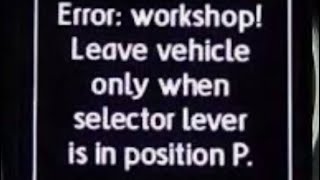
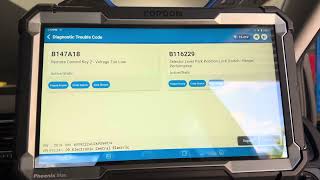
- Volkswagen Golf, Passat, Jetta (2013-2021) — A similar code (B116229) points to a known failure of the microswitch in the gear selector assembly. A repair kit is available to fix this without replacing the entire shifter.
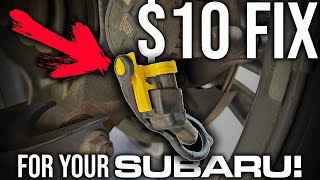
- Subaru Outback, Legacy, WRX (2015-2018) — A warranty extension (WI22-015) was issued for a broken locking tab on the EPB actuator connector. The fix is an inexpensive retaining clip kit (X9904AL110).
- Chevrolet Silverado 1500 (2019-2021) — This code appears on late-model GM trucks, often related to the ABS module or its wiring harness.
Manufacturer-Specific Notes
- Nissan / Infiniti: C1162 almost always means 'Incomplete Pressure Sensor Calibration'. Before replacing parts, check TSB NTB10-113a. The fix is reprogramming the ABS control unit and performing sensor calibration.
- Ford: The code definition is typically 'Park Brake Switch #2 Released Circuit Failure'. Diagnosis focuses on the parking brake switch, its adjustment, and the wiring circuit connected to it.
- Hyundai / Kia: Be aware of numerous safety recalls for ABS modules that short circuit and cause engine compartment fires. The remedy involves replacing an ABS multi-fuse.
- Volkswagen / Audi: A common issue is a fault with the park position lock switch inside the gear selector mechanism, setting a B116229 code. VW offers a specific microswitch repair kit that bypasses the internal switch.
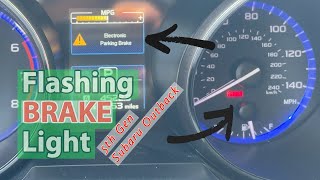
- Subaru: On 2015-2018 models, a flashing parking brake light is often a broken locking tab on the rear wheel EPB actuators. Subaru issued a warranty extension providing a simple clip kit for the repair.
Real Owner Stories
2009 Nissan Murano at 115K miles
ABS, VDC, and SLIP lights all came on simultaneously. No other symptoms were present.
Outcome: The owner found Nissan TSB NTB10-113a, which described the exact issue. They took the vehicle to a Nissan dealer who confirmed the TSB applied. The dealer reprogrammed the ABS module and calibrated the sensors for $210. The lights went away and did not return.
Lesson: For Nissan/Infiniti, C1162 is very often a software issue. Always check for TSBs before agreeing to a costly ABS module replacement. A $200 reprogram saves you over $1,500.
2016 Subaru Outback at 75K miles
ABS, Hill Assist, and EyeSight warning lights came on, with the parking brake light flashing. The electronic parking brake was functional.
Outcome: Upon inspecting the rear driver's side wheel, the owner found the EPB connector was loose. The plastic locking tab had broken. They secured the connector with a zip tie as a temporary fix, and all warning lights turned off. They later ordered the official Subaru clip kit (Part # X9904AL110) for under $10 for a permanent repair.
Lesson: On modern Subarus, a cluster of brake-related warning lights is caused by a simple, inexpensive loose connector at the rear EPB actuator. Check this before assuming a major electronic failure.
2018 Ford F-150 at 60K miles
The battery was repeatedly dying overnight. The owner noticed a faint clicking sound from the engine bay every minute or so after the truck was parked.
Outcome: Further diagnosis revealed that a short circuit within the electronic parking brake (EPB) switch on the dashboard caused the ABS module to constantly 'wake up', causing the drain. Replacing the $40 EPB switch completely resolved the parasitic draw and the clicking noise.
Lesson: A parasitic battery drain related to the ABS system is not always the module itself. A fault in a related component, like the parking brake switch, sends a constant signal that keeps the main module from going to sleep.
How to Prevent This Code From Triggering
- Flush brake fluid every 2-3 years. (Every 24-36 months) — Brake fluid absorbs moisture from the air. This moisture corrodes the sensitive internal valves and electronic components of the ABS module from the inside out, leading to failure.
- Clean and protect battery terminals. (Annually) — Corrosion on battery terminals increases electrical resistance, causing voltage drops during startup and triggering spurious electronic fault codes. Clean with a baking soda solution and apply dielectric grease.
- Apply dielectric grease to critical connectors. (When exposed during other repairs) — When working on brakes or suspension, apply dielectric grease to exposed connectors like wheel speed sensors and the main ABS module harness. This seals out moisture and salt, preventing corrosion.
- Drive the vehicle regularly for at least 20-30 minutes. (Weekly) — Regular driving ensures the alternator fully charges the battery. Short trips slowly drain the battery over time, leading to low voltage conditions that cause electronic modules to set fault codes.
Frequently Asked Questions
Why are my ABS and traction control lights on at the same time?
Traction and stability control systems use the same wheel speed sensors and brake pressure data as the ABS. When the ABS controller detects a fault like C1162, it shuts down as a precaution. This forces the other systems to turn off because they lack reliable data.
Is it safe to drive with code C1162?
No. While the car still moves and basic brakes work, your anti-lock brakes, traction control, and stability control are disabled. Your wheels will lock during a hard stop, increasing stopping distance by over 15% and causing a loss of steering.
Can a low battery cause code C1162?
Yes. A weak battery causes voltage drops during engine cranking, disrupting communication between modules. The ABS module interprets this as a fault and sets a code. Always ensure you have a fully charged, healthy battery reading ~12.6V engine-off before starting complex diagnostics.
I replaced the ABS module but the code is still there. What now?
If the code returns, the actual fault is likely a software issue requiring reprogramming (common on Nissan/Infiniti). It could also be a persistent wiring problem, like a poor ground, or the replacement module needs VIN programming and calibration. Check TSBs and wiring before replacing more parts.
What is the difference between C1162 and B116229?
C1162 is a generic Chassis code with different meanings by manufacturer. B116229 is a Body code specific to Volkswagen/Audi vehicles pointing to a fault in the gear selector's park position switch. They cause similar dashboard warnings but require completely different diagnostic paths.
Can a cheap brake light switch really cause all these warning lights?
Yes. Modern cars use the brake switch signal for the ABS, stability control, cruise control, and push-button start. If that one signal fails, it creates a domino effect of warning lights and system failures.
Why is the repair cost so different, from under $100 to over $2,000?
Cost varies wildly based on the root cause. A broken connector tab on a Subaru requires a $10 clip, and a bad brake switch costs under $150. However, a failed ABS control module requiring a new OEM part from a dealer costs over $2,000.
Do I have to go to the dealer to fix this?
Not necessarily, but it depends on the cause. Any qualified independent shop can replace a brake switch or repair wiring. However, if the fix requires reprogramming the ABS module (common for Nissan), you need a dealer or a highly-equipped specialty shop.
Key Takeaways
- Code C1162 indicates an ABS fault, but its exact definition varies by brand, meaning 'Park Brake Switch' on Fords and 'Pressure Sensor Calibration' on Nissans.
- Driving with C1162 disables your ABS and stability control, increasing emergency stopping distances by 15-30% and causing a complete loss of steering if wheels lock.
- Before replacing a $1,500 ABS module, test the $30 brake light switch and inspect the wiring harness, as these are frequent and inexpensive culprits.
- Nissan and Infiniti owners should check TSB NTB10-113a, as the fix is almost always a $200 dealer software update rather than a physical part replacement.
- Subaru and VW owners can often fix this code using manufacturer-issued repair kits, such as a $10 Subaru EPB connector clip or a $60 VW shifter microswitch.
Helpful Videos
Shop the Parts Behind C1162
Below are the parts most often responsible for code C1162, ranked by how frequently each one is the actual culprit (per the diagnosis above). Tap any to see what we have for your vehicle.


The information in this article is provided for general reference and educational purposes only. Vehicle specifications, procedures, and part compatibility can vary by production date, trim level, and region. Always consult your vehicle's factory service manual and verify part numbers before purchasing or performing repairs. Safety-critical components such as airbags, seat belts, and braking systems should be installed by a qualified professional.
- 🧭 Diagnostic Flowchart
- 🎬 Helpful Videos
- 🛍️ Shop This Part
- What Does C1162 Mean?
- Can I Drive With C1162?
- Common Causes
- Symptoms
- Common Fixes & Costs
- DIY vs Professional
- Used vs. New Parts: Buying Guide
- What Happens If You Wait — Timeline
- Cost of Not Fixing It
- Diagnosis Steps
- When This Code Triggers (Freeze-Frame Conditions)
- Related Codes
- Climate & Environmental Factors
- How to Talk to a Mechanic About This Code
- Where to Take It: Dealer vs Independent vs Chain
- When to Walk Away From the Repair
- What Scan Tool You Need for This Code
- How to Clear the Code After You Fix It
- Will This Fail Emissions / State Inspection?
- Most Commonly Affected Vehicles
- Manufacturer-Specific Notes
- Real Owner Stories
- 2009 Nissan Murano at 115K miles
- 2016 Subaru Outback at 75K miles
- 2018 Ford F-150 at 60K miles
- How to Prevent This Code From Triggering
- Frequently Asked Questions
- Why are my ABS and traction control lights on at the same time?
- Is it safe to drive with code C1162?
- Can a low battery cause code C1162?
- I replaced the ABS module but the code is still there. What now?
- What is the difference between C1162 and B116229?
- Can a cheap brake light switch really cause all these warning lights?
- Why is the repair cost so different, from under $100 to over $2,000?
- Do I have to go to the dealer to fix this?
- Key Takeaways
- 🎟️ Get 5% Off