

OBD-II Code C1170: Steering Angle or Wheel Speed Sensor Fault
What C1170 means, why it triggers, and how to fix it
- Code C1170 disables your vehicle's ABS and Electronic Stability Program (ESP) by flagging a fault in the chassis control system.
- Over 80% of C1170 codes stem from a faulty steering angle sensor, a damaged wheel speed sensor, or a misaligned steering wheel.
- Because C1170 definitions vary by brand—meaning 'Zero Point Variation' on a Mercedes but 'Variant Coding' on a Nissan—always read live scanner data before replacing parts.
- While you can physically drive the car, braking distances increase by up to 20% on wet roads; fix this immediately to restore emergency handling.
What Does C1170 Mean?
Code C1170 means the vehicle's computer detects a problem in the chassis control system, specifically with a sensor monitoring steering wheel position or wheel speed. This fault disables safety features like the Anti-lock Braking System (ABS) and Electronic Stability Program (ESP). The exact meaning changes depending on your car's manufacturer, pointing to different specific sensors or software configuration issues.
Technical definition: The official SAE/OBD-II definition for C1170 varies significantly by manufacturer. Common definitions include: "Steering Angle Sensor - Zero Point Variation" (Mercedes-Benz), "Right Rear Wheel Speed Sensor Circuit Fault" (European makes), "Variant Coding" (Nissan), "PRNDL Switch Circuit Failure," or "5-Volt Reference 3 Circuit Low Voltage."
Can I Drive With C1170?
Yes, But With Caution. Driving is possible, but your Anti-lock Braking (ABS) and Electronic Stability Program (ESP) systems are disabled. This significantly reduces your vehicle's stability and increases braking distances during emergency maneuvers or on slippery surfaces. Stop driving in rain or snow immediately, and schedule a repair to restore these critical safety features. There is no risk of direct mechanical damage, but the increased risk of an accident is the primary concern.
Common Causes
- Faulty Steering Angle Sensor (SAS) (Very Common) — This sensor, located in the steering column, fails internally from wear or electrical issues. It is a frequent cause of C1170, especially on brands like Mercedes-Benz, often triggered after a battery replacement or voltage fluctuation.
- Incorrect Wheel Alignment (Common) — If the steering wheel is not perfectly straight when the car drives straight, the steering angle sensor sends conflicting data to the ESP/ABS module, triggering the code. This happens frequently after a poor alignment job or hitting a curb.
- Faulty Wheel Speed Sensor (Common) — The wheel speed sensor, typically the right rear for this code, gets damaged or fails. It also fails when covered in brake dust or metal shavings, which disrupts its magnetic signal.
- Damaged Reluctor Ring or Sensor During Service (Common) — The toothed reluctor ring that the wheel speed sensor reads cracks or rusts over time. Wheel speed sensors and their wiring are fragile and frequently sustain damage during unrelated service like brake jobs or alignments.
- ABS Module Not Configured (Variant Coding) (Common) — On certain vehicles, notably Nissan, this code appears if a replacement ABS module is not correctly configured (programmed) to the vehicle using a manufacturer-specific scan tool.
- Damaged Wiring or Corroded Connectors (Less Common) — The wires leading to the steering angle sensor or a wheel speed sensor fray, stretch, or break. Connectors also become loose or corroded, interrupting the signal.
- Low System Voltage (Rare) — A failing battery or alternator causes undervoltage spikes that disrupt the sensitive electronics in the steering angle sensor, leading to a fault code, particularly after the engine starts.
- Faulty ABS/ESP Control Module (Rare) — The main control module for the ABS and stability systems fails internally, causing it to misinterpret sensor data or stop communicating altogether.
Symptoms
- ABS Warning Light On — The Anti-lock Braking System (ABS) light on your dashboard is illuminated.
- ESP/ESC/Traction Control Light On — The Electronic Stability Program or Traction Control light is on, indicating the system is disabled.
- Cruise Control Inoperative — Because the system cannot verify vehicle stability, cruise control is disabled as a safety precaution.
- Reduced Driving Stability — The vehicle feels less stable during hard braking or on slippery surfaces because the safety systems are offline.
- Pulsating Brake Pedal or Unusual Noises — The brake pedal feels different or makes unusual noises when braking as the ABS system malfunctions.
Diagnostic Flowchart
Tap your situation to follow the diagnostic path that matches what you're seeing on this code.
Common Fixes & Costs
- Perform Wheel Alignment and Sensor Calibration — Parts: $0, Labor: $100-$250, ~1.5 hr book time (Professional)
- Clean Wheel Speed Sensor and Reluctor Ring — Parts: $5, Labor: $50-$100, ~0.8 hr book time (DIY)
- Replace Wheel Speed Sensor — Parts: $20-$80, Labor: $80-$150, ~1 hr book time (DIY)
- Replace Steering Angle Sensor — Parts: $150-$400, Labor: $150-$500, ~2 hr book time (Professional)
- Repair Damaged Wiring or Connectors — Parts: $10-$50, Labor: $100-$250, ~1.5 hr book time (Intermediate)
Used vs. New Parts: Buying Guide
When a used part is worth it: For a Steering Angle Sensor, a used OEM part from a low-mileage vehicle (under 80k miles) that was not in a major front-end collision is a cost-effective alternative to a new OEM unit. For a Wheel Speed Sensor, new aftermarket parts are inexpensive and generally a better choice than used due to their exposure to the elements.
Donor-vehicle mileage cap: roughly under 80000 miles for the part to have meaningful remaining life.
Donor quality checklist:
- Verify the donor vehicle's VIN to ensure part number compatibility; superseded numbers may not work.
- Avoid parts from flood-damaged or high-rust vehicles.
- For a Steering Angle Sensor, ensure the clock spring is intact and has not been spun.
- Ask for a functional warranty (30-90 days is standard for used parts).
Decision logic:
- If The part is a Wheel Speed Sensor → Buy a new aftermarket part with a lifetime warranty; the cost is low and it is a common wear item.
- If The part is a Steering Angle Sensor and the vehicle is over 100K miles → A used OEM part is a reasonable choice to save money, provided you verify the part number and donor history.
- If The part is a Steering Angle Sensor and budget allows → Buy a new OEM part for maximum reliability and to avoid potential compatibility issues with aftermarket electronics.
Warranty tradeoff: Used parts typically offer a 30-90 day warranty. New aftermarket parts range from 1-year to limited lifetime warranties. New OEM parts carry a 1-2 year warranty.
Worst-case if a used part fails: $250-$600 if a used or cheap aftermarket sensor fails post-install, requiring repeat labor for diagnosis and replacement.
What Happens If You Wait — Timeline
- 0-1 month: Code is set, ABS and ESP/Traction Control warning lights are on. Safety systems are disabled, but there are no other drivability symptoms during normal driving. (MPG impact: 0-1%% · Added cost: $0)
- 1-4 months: If the root cause is a bad alignment, a slight decrease in fuel economy is noticed. Uneven wear patterns begin to develop on the inner or outer edges of the tires. (MPG impact: 1-3%% · Added cost: $25-75 in wasted fuel and accelerated tire wear.)
- 4-12 months: Continued driving on a misaligned vehicle causes significant, irreversible wear on tires, potentially reducing their lifespan by 25% or more. The car feels unstable or 'wanders' on the highway. (MPG impact: 3-5%% · Added cost: $200-$800 for premature replacement of a set of tires.)
- 12+ months: Severe misalignment places chronic stress on suspension parts like tie rods, ball joints, and wheel bearings, causing them to wear out prematurely. The risk of an accident due to disabled safety systems remains constant throughout. (MPG impact: 3-5%% · Added cost: $500-$1500+ to replace worn suspension components in addition to the cost of new tires and alignment.)
Cost of Not Fixing It
- Immediate: ABS and ESP systems are disabled, significantly increasing the risk of skidding or loss of control in an emergency stop or on slippery surfaces. (Added cost: N/A (Safety Risk))
- 1-6 months: If caused by bad alignment, uneven and accelerated tire wear occurs, potentially reducing tire lifespan by 25% or more. This also reduces fuel economy. (Added cost: $200-$800 (premature tire replacement))
- 6+ months: Continued driving with a bad alignment causes secondary wear on suspension components like ball joints and tie rods. Increased risk of an at-fault accident raises insurance premiums. (Added cost: $500-$1500+ (Suspension repairs or insurance deductible/premium increase))
Diagnosis Steps
- Read Codes and Analyze Live Data
Use an advanced OBD-II scanner to confirm C1170 and access the live data stream. While driving straight, the steering angle sensor must read 0° ± 2.5°. Next, drive slowly and verify all four wheel speed sensors read the exact same speed; an erratic or 0 MPH reading isolates the faulty corner.
Tools: Advanced OBD-II Scanner (Intermediate) - Perform a Steering Angle Sensor (SAS) Reset
A simple calibration often resolves the issue. With the engine running on level ground, slowly turn the steering wheel all the way to the left, then all the way to the right, and finally back to the center. Clear the codes and see if the light returns.
Tools: OBD-II Scanner (Beginner) - Visually Inspect Wiring, Sensors, and Reluctor Rings
Inspect the wiring going to the suspect wheel speed sensor for damage, fraying, or corrosion. Check the sensor itself for dirt or damage, and inspect the axle's reluctor ring for rust, debris, or cracks. Corrosion buildup under the sensor lifts it, increasing the air gap and causing a fault.
Tools: Flashlight, Jack and Jack Stands (Intermediate) - Check Wheel Alignment
If the steering angle sensor reads a non-zero value when driving straight, the wheel alignment is off. Have a professional alignment performed, ensuring they center the steering wheel correctly before calibrating the sensor.
Tools: Professional Alignment Rack (Professional) - Test Wheel Speed Sensor with a Multimeter
Disconnect the suspect sensor and measure resistance across its pins (typically 800-2,500 Ohms; 'OL' indicates failure). Next, switch to AC volts and spin the wheel by hand; a good passive sensor generates a small AC voltage (0.1V to 1V) that increases with speed.
Tools: Multimeter, Jack and Jack Stands (Advanced) - Test Steering Angle Sensor Power and Ground
Back-probe the steering angle sensor connector. With the ignition on, verify it receives the correct reference voltage (usually 5V or 12V) and has a solid ground connection (near 0V). Missing power or ground points to a wiring or module issue.
Tools: Multimeter, Back-probe Kit (Advanced) - Check Sensor Signal with an Oscilloscope (Pro Tip)
For intermittent issues, an oscilloscope is best. A good wheel speed sensor produces a clean square-wave or sine-wave pattern that increases in frequency as the wheel spins, while a faulty sensor or damaged reluctor ring shows a messy or missing pattern.
Tools: Oscilloscope (Professional)
When This Code Triggers (Freeze-Frame Conditions)
- Vehicle Speed: 15-45 mph (Steady driving or during a turn)
- Steering Angle: > 5° or 0° (Code sets if angle is non-zero while driving straight, or if angle is zero during a turn)
- Wheel Speeds: Mismatch detected (One wheel speed sensor reports a different speed than the others)
- System Voltage: 11.5V - 14.5V (Fault is triggered by voltage spikes or drops outside the normal operating range, especially during startup)
Related Codes
- C1172 — This is a manufacturer-specific code (e.g., Mercedes-Benz) that translates to 'Steering Angle Sensor (SAS) Fault.' If you see C1170 and C1172 together, the problem is almost certainly the SAS itself or its calibration.
- C1175 — This code specifically points to 'Speed Wheel Sensor LR Input Circuit Failure.' If logged with C1170 (which often defaults to the right rear), it indicates a problem with the left rear wheel speed sensor, suggesting a more widespread issue or a faulty ABS module.
- C1179 — C1179 indicates a 'Speed Control Actuator Assembly Cable Slack Failure,' which is a cruise control issue. If logged with C1170, it suggests a wider electrical fault or a problem with the clock spring, through which both the SAS and cruise control signals pass.
- U-codes (e.g., U0121, U0126) — Communication codes ('U' codes) like U0121 or U0126 indicate a complete communication breakdown. A C1170 code means the module is communicating but receiving bad data. A U-code is more severe and points to a wiring, power, ground, or module failure that must be fixed first.
Climate & Environmental Factors
- Road Salt and Humidity: In regions with high humidity or where road salt is used in winter, wheel speed sensors and their wiring connectors are highly susceptible to corrosion. Rust builds up under the sensor, physically pushing it away from the reluctor ring, which increases the air gap and causes signal failure.
- Cold Weather: Extreme cold makes wiring harnesses brittle and more prone to cracking or breaking, especially if disturbed. While not a direct cause, it exacerbates existing weaknesses in the wiring to wheel speed or steering angle sensors.
How to Talk to a Mechanic About This Code
Say this: "I have an ABS/ESP light on and my scanner shows a C1170 code. I'd like to book a diagnostic appointment. Please check the live data from the steering angle sensor and all four wheel speed sensors to pinpoint the fault before recommending any part replacements."
This signals that you understand the code's complexity and that the first step is data analysis, not just replacing parts. It directs the technician to the most efficient diagnostic path and discourages them from simply guessing at the most common fix.
Avoid saying:
- 'My ABS light is on, can you fix it?' (too vague, invites expensive guesses)
- 'Just replace the sensor, I read online that's the problem.' (It might not be, leading to wasted money)
- 'My traction control is acting up.' (This is a symptom, not the core problem)
Questions to ask before authorizing the repair:
- What was the steering angle sensor reading when the wheels were straight?
- Did one of the wheel speed sensors show an incorrect or missing reading compared to the others?
- If you're recommending an alignment, can you confirm you will also perform the steering angle sensor reset/calibration?
- If a part needs replacement, is it the sensor, the wiring, or the control module, and how did you determine that?
Where to Take It: Dealer vs Independent vs Chain
- Dealer:
Recommended for German luxury brands or Nissan 'Variant Coding' issues where specialized tools are mandatory. Otherwise, it is an expensive option.
Best for: Vehicles under warranty., Manufacturer-specific quirks like Nissan 'Variant Coding' or complex Mercedes/BMW diagnostics., If you suspect a faulty control module that requires brand-specific programming.
Downsides: Highest labor rates, typically 1.5-2x more than an independent shop., May recommend expensive module replacement when a simpler fix (like a wiring repair) is possible. (Typical cost: +50% vs. baseline) - Independent Shop:
Best fit for most C1170 repairs, especially if the cause is a wheel speed sensor, wiring, or alignment. Ask if they are equipped for ABS/ESP diagnostics.
Best for: Out-of-warranty vehicles with common C1170 causes like a bad wheel speed sensor or alignment issue., Cost-effective diagnosis and repair for most makes (Ford, GM, Toyota, Honda).
Downsides: Shop quality and diagnostic capabilities vary. Ensure they have a scanner that can read ABS live data and perform SAS calibrations., May not have the tools for brand-specific module programming. (Typical cost: +0% vs. baseline) - Chain Shop:
High risk. Acceptable for a standalone wheel alignment, but you MUST insist they also perform the steering angle sensor calibration. AVOID for initial diagnosis of the C1170 code itself, as they are likely to guess and replace the wrong part.
Best for: Wheel alignment service, but with a major caveat., Simple wheel speed sensor replacement if they correctly diagnosed it.
Downsides: Technician skill varies dramatically. They misdiagnose the complex interaction between sensors., Often lack the advanced scan tools needed for proper SAS calibration or module-level diagnostics., High pressure to sell parts and services leads to unnecessary replacements. (Typical cost: -10% vs. baseline)
When to Walk Away From the Repair
If the estimated repair cost exceeds 40-50% of the car's private-party value (e.g., from Kelley Blue Book), you should pause and reconsider the repair.
- Car worth $4000, fix is $2000: Walk away. The repair cost is 50% of the car's value, and for an older vehicle, other issues are likely to arise soon.
- Car worth $12000, fix is $900: Fix it. The repair is only 7.5% of the vehicle's value and restores critical safety systems.
- Car worth $2500, fix is $250: Fix it. A $250 repair for a wheel speed sensor or alignment is a good investment to keep the car safe and operational.
What Scan Tool You Need for This Code
Minimum: A scanner that can read and clear ABS/Chassis codes and display live data for wheel speed and steering angle sensors.
A basic $20 code reader only checks for engine codes (P-codes). It cannot see chassis codes (C-codes) like C1170, making it useless for this problem. You need a tool that can access the ABS module.
Budget: BlueDriver Pro Bluetooth Scanner (~$100) — Connects to your smartphone and can read/clear ABS codes and display live data for steering angle and wheel speeds on many makes and models. It is an excellent first step for DIY diagnosis.
Mid-range: Foxwell NT510 Elite / NT630 Plus (~$150) — A handheld device that not only reads ABS live data but can also perform Steering Angle Sensor (SAS) calibration/reset functions after an alignment or part replacement. This is a crucial function for completing the repair.
Professional: Autel MaxiCOM MK808 / MK808S (~$500-800) — A professional-grade tablet scanner with full bidirectional control. It performs advanced functions like ABS brake bleeding, SAS calibration, and module programming (like Nissan's 'Variant Coding'). This is the level of tool a professional shop uses.
Rent vs buy: AutoZone's free in-store scanner often reads and clears ABS codes, but it cannot show live data or perform calibrations. If you just want to confirm the code, their service is useful. For actual diagnosis or repair, you need to buy at least a budget-level scanner with live data capabilities.
How to Clear the Code After You Fix It
- Use an OBD-II scan tool to clear the C1170 fault code.
- Perform a Steering Angle Sensor (SAS) reset/calibration, either manually (lock-to-lock) or with the scan tool.
- Perform a short test drive that includes speeds above 15 mph and several left and right turns to allow the system to self-check.
Drive cycle (~10 minutes): After clearing the code, start the engine. Perform the SAS reset. Drive the vehicle for at least 5-10 minutes, ensuring speed exceeds 15 mph. Include several turns. The ABS/ESP light remains off if the repair was successful.
Readiness monitors affected: None
Watch out for:
- Forgetting to perform the Steering Angle Sensor calibration after the repair or alignment.
- Simply clearing the code without fixing the root cause (e.g., bad sensor, poor alignment), which causes the light to return promptly.
- On some makes like Nissan, failing to perform 'Variant Coding' after replacing the ABS module prevents the code from clearing.
Will This Fail Emissions / State Inspection?
No — by itself this code doesn't fail OBD inspection (but it can keep readiness monitors from setting, which causes a separate fail).
- California: An ABS light will not cause a failure of the smog check itself. However, a technician may refuse to test the vehicle on a dynamometer for safety reasons, and it will fail any separate safety inspection.
- New York: The NYS Vehicle Safety Inspection checks for illuminated ABS warning lights. An active ABS light is a cause for inspection failure.
- Texas: According to the Texas Department of Public Safety, an illuminated ABS warning lamp is explicitly listed as NOT a cause for rejection in a standard safety inspection. However, the main red 'Brake' warning light is a failure.
Most Commonly Affected Vehicles
- Mercedes-Benz C-Class (W203), E-Class (W211) (2001-2012) — This code very commonly points to a 'Zero point variation' of the steering angle sensor (N49), often triggered by a bad alignment or battery issues. A common OEM part number is A1694641118.
- Nissan Altima, Murano, Rogue (2013-2015) — On these models, C1170 means 'VARIANT CODING' and appears after the ABS control unit is replaced but not configured with a Nissan-specific scan tool (CONSULT-III plus) as per bulletin NTB14-115a.
- BMW 3 Series (E46/E90), 5 Series (E39/E60) (2000-2010) — Frequently indicates a problem with the right rear wheel speed sensor or its wiring. The sensor is sensitive and sustains damage during unrelated rear suspension or brake work.
- Ford Focus, Mondeo (2004-2014) — On these vehicles, the code typically relates to a fault in the ABS system, pointing to a wheel speed sensor issue. Resetting the SAS requires a capable scan tool.
- Audi / Volkswagen A4, Golf, Passat (1999-2013) — Commonly associated with a right rear wheel speed sensor circuit fault. Causes range from a failed sensor to a corroded connector or damaged wiring harness.
- Toyota Prius, Corolla, Camry (2009-2022) — Often relates to a steering angle sensor that needs calibration (zero-point reset), especially after a battery disconnect, alignment, or clock spring replacement. A scan tool is usually required.
- Hyundai / Kia Sonata, Elantra, Sportage (2011-2016) — On many models, the steering angle sensor is internal to the electronic power steering column and requires calibration with a scan tool after related steering work.
- Honda Civic, Accord, CR-V (2012-2022) — A steering angle sensor reset is a common requirement after disconnecting the battery or replacing a wheel speed sensor to clear ABS/VSA lights. This is often done without a scan tool.
Manufacturer-Specific Notes
- Mercedes-Benz: The code almost always means 'Steering Angle Sensor: Zero Point Variation.' It is set by a bad wheel alignment, a dead battery, or a faulty sensor. A reset procedure (turning the wheel lock-to-lock) or a new alignment often fixes it without replacing parts.
- Nissan: C1170 means 'VARIANT CODING.' This happens when an ABS control unit is replaced but not programmed to the vehicle. The fix is a software configuration using a Nissan-specific tool (CONSULT-III plus) as outlined in Technical Service Bulletin NTB14-115a.
- Ford / BMW / VW / Audi: On these brands, the code is most often a straightforward 'Right Rear Wheel Speed Sensor' fault. The cause is usually a bad sensor, a dirty reluctor ring, or damaged wiring to that corner of the car.
- Toyota / Honda: On these makes, the code frequently appears after a battery is disconnected or replaced. The fix is typically a simple steering angle sensor reset procedure, which is often done without any special tools.
Real Owner Stories
2002 Mercedes C230 after battery/alternator failure
After the alternator failed and the battery died, the owner replaced them. Afterward, an 'ESP not available' message appeared with code C1170 'Steering angle sensor N49 zero point variation'.
What they tried:
- Tried clearing the code multiple times with a scanner, but it returned immediately.
- Performed the manual SAS reset procedure (turning steering wheel lock-to-lock 5-7 times with the engine running) multiple times without success.
Outcome: The likely cause was determined to be a faulty Steering Angle Sensor (SAS), potentially damaged by the voltage fluctuations during the alternator failure. Another user in a similar situation successfully fixed the issue by replacing the SAS with a used part for $100 and performing a DIY installation.
Lesson: Voltage spikes from a failing alternator or battery replacement damage sensitive electronics like the SAS. If a manual reset doesn't work, the sensor itself is the next likely culprit.
Mercedes W203 C-Class after a bad wheel alignment
Immediately after a wheel alignment, the 'ESP malfunction' light came on, and the car pulled hard to the right. A scan showed code C1170 for a bad steering angle.
What they tried:
- Returned to the mechanic to have the alignment redone correctly. The car then drove straight.
- Tried to clear the C1170 code, but it remained immediately after the second alignment.
Outcome: Two days after the correct alignment was performed, the ESP light turned off by itself without any further intervention. The system needed a few drive cycles to verify the steering angle was correct.
Lesson: A bad alignment is a very common cause for C1170. Even after fixing the alignment, the light may not go out immediately. Allow for a few drive cycles before assuming another part has failed.
2015 Nissan Murano with C1170 after ABS module replacement
The ABS warning light was on, and the dealership replaced the ABS control unit. After the replacement, the light was still on, and the code was C1170 'VARIANT CODING'.
What they tried:
- The owner initially thought the new part was defective or that there was another fault in the system.
Outcome: The dealership technician realized the new ABS module had not been programmed to the vehicle. Using the Nissan CONSULT-III plus scan tool, they performed the 'Variant Coding' procedure as described in Nissan's Technical Service Bulletin NTB14-115a. This configured the new module to the car's specific options, and the code was successfully cleared.
Lesson: On certain makes like Nissan, C1170 does not indicate a hardware fault but a software configuration issue. Replacing parts without the manufacturer-specific programming tools will not fix the problem.
BMW E90 with intermittent ABS/DTC lights
The ABS and traction control lights came on intermittently, especially after hitting a bump or during a turn. A scan revealed a code for the right rear wheel speed sensor.
What they tried:
- The owner first tried cleaning the sensor, but the light returned.
- They inspected the wiring leading to the sensor and found it was stretched and the insulation was cracked near the suspension, causing an intermittent short.
Outcome: The owner repaired the damaged section of the wire using a weatherproof butt connector and heat shrink tubing. The total cost was under $20 for materials. The code did not return.
Lesson: For intermittent faults, wiring is a prime suspect. A visual inspection is key, especially at points where the harness flexes or is exposed to the elements.
How to Prevent This Code From Triggering
- Perform regular wheel alignments (Every 1-2 years or 12,000-15,000 miles) — Prevents the steering angle sensor from sending conflicting data due to an off-center steering wheel, a common trigger for C1170. It also reduces tire wear and stress on suspension components.
- Apply dielectric grease to sensor connectors (During any brake, suspension, or wheel-end service) — Seals electrical connectors (like those for wheel speed sensors) from moisture, road salt, and dirt, which prevents the corrosion that causes signal loss and wiring failures.
- Regularly flush brake fluid (Every 2-3 years, or as per manufacturer recommendation) — Brake fluid absorbs moisture over time, which leads to internal corrosion of the ABS hydraulic unit and control module. Keeping the fluid clean and dry protects these expensive components.
- Periodically inspect sensor wiring (During tire rotations or oil changes) — Allows for early detection of cracked, frayed, or stretched wires leading to the wheel speed sensors before they fail completely, which is common in areas with suspension travel.
- Wash the vehicle's undercarriage regularly in winter (After driving on salted roads) — Removes corrosive road salt and de-icing agents that accelerate rust on sensor bodies, reluctor rings, and wiring connectors, especially in the 'Rust Belt'.
Frequently Asked Questions
Can I fix code C1170 myself?
Simple fixes like cleaning a wheel speed sensor or performing a steering angle sensor reset are highly accessible for a DIYer. However, replacing a steering angle sensor or diagnosing a module fault requires professional scan tools and expertise.
Can a bad alignment really cause this code?
Yes. If your steering wheel isn't centered when driving straight, the steering angle sensor sends a signal conflicting with the wheel speed sensors. The computer flags this disagreement as a fault.
The warning light is still on after I got an alignment. What now?
First, ensure the steering angle sensor was reset after the alignment. The system often needs a few drive cycles to verify the repair, so the light may turn off after a day of normal driving. If it persists, the sensor itself is likely faulty.
I replaced a part and now C1170 is on. What happened?
Many modern parts like ABS modules or clock springs require electronic calibration after installation. For example, replacing a Nissan ABS module without programming it triggers a C1170 'VARIANT CODING' fault. Always perform post-replacement calibration procedures using a capable scan tool.
What is a steering angle sensor reset?
It is a procedure to recalibrate the steering angle sensor's 'zero point.' On many cars, you do this by starting the engine and turning the steering wheel fully left, fully right, and back to center.
Why does the code definition change for different cars?
While OBD-II codes are standardized, manufacturers have freedom with non-engine chassis codes. They use the same code number to refer to different, but related, faults within their specific system designs.
Will replacing my battery cause code C1170?
Yes, disconnecting the battery erases the memory for the steering angle sensor's calibration. After replacing a battery, it is common to see the ESP/ABS light and a C1170 code. You can usually clear this by performing the steering angle sensor reset procedure.
Can dirt cause the C1170 code?
Yes, an accumulation of metallic brake dust, dirt, or rust on the wheel speed sensor or its reluctor ring disrupts the magnetic signal, triggering a fault.
Key Takeaways
- Code C1170 disables your vehicle's ABS and Electronic Stability Program (ESP) by flagging a fault in the chassis control system.
- Over 80% of C1170 codes stem from a faulty steering angle sensor, a damaged wheel speed sensor, or a misaligned steering wheel.
- Because C1170 definitions vary by brand—meaning 'Zero Point Variation' on a Mercedes but 'Variant Coding' on a Nissan—always read live scanner data before replacing parts.
- While you can physically drive the car, braking distances increase by up to 20% on wet roads; fix this immediately to restore emergency handling.
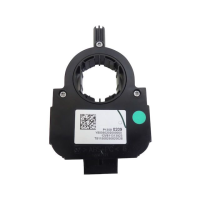
Shop the Parts Behind C1170
Below are the parts most often responsible for code C1170, ranked by how frequently each one is the actual culprit (per the diagnosis above). Tap any to see what we have for your vehicle.


The information in this article is provided for general reference and educational purposes only. Vehicle specifications, procedures, and part compatibility can vary by production date, trim level, and region. Always consult your vehicle's factory service manual and verify part numbers before purchasing or performing repairs. Safety-critical components such as airbags, seat belts, and braking systems should be installed by a qualified professional.
- 🧭 Diagnostic Flowchart
- 🛍️ Shop This Part
- What Does C1170 Mean?
- Can I Drive With C1170?
- Common Causes
- Symptoms
- Common Fixes & Costs
- Used vs. New Parts: Buying Guide
- What Happens If You Wait — Timeline
- Cost of Not Fixing It
- Diagnosis Steps
- When This Code Triggers (Freeze-Frame Conditions)
- Related Codes
- Climate & Environmental Factors
- How to Talk to a Mechanic About This Code
- Where to Take It: Dealer vs Independent vs Chain
- When to Walk Away From the Repair
- What Scan Tool You Need for This Code
- How to Clear the Code After You Fix It
- Will This Fail Emissions / State Inspection?
- Most Commonly Affected Vehicles
- Manufacturer-Specific Notes
- Real Owner Stories
- 2002 Mercedes C230 after battery/alternator failure
- Mercedes W203 C-Class after a bad wheel alignment
- 2015 Nissan Murano with C1170 after ABS module replacement
- BMW E90 with intermittent ABS/DTC lights
- How to Prevent This Code From Triggering
- Frequently Asked Questions
- Can I fix code C1170 myself?
- Can a bad alignment really cause this code?
- The warning light is still on after I got an alignment. What now?
- I replaced a part and now C1170 is on. What happened?
- What is a steering angle sensor reset?
- Why does the code definition change for different cars?
- Will replacing my battery cause code C1170?
- Can dirt cause the C1170 code?
- Key Takeaways
- 🎟️ Get 5% Off