

OBD-II Code C1215: A Manufacturer-Dependent Fault in the ABS/ESC System
What C1215 means, its many definitions, and how to fix it on your specific vehicle
What Does C1215 Mean?
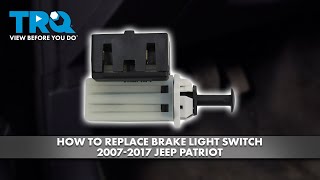
Trouble code C1215 indicates the Anti-lock Braking System (ABS) control module detected a critical electrical fault. The specific meaning varies dramatically by manufacturer. It refers to a 'Lateral Acceleration Sensor Circuit Malfunction' on GM and Toyota, an 'ABS Inlet Valve Coil RF Circuit Open' on Fords, a faulty 'Brake Light Switch' on Jeeps 🎬 Watch: How to replace the brake light switch on a Jeep. and Fiats, and a 'Rear Left Wheel Speed Sensor' issue 🎬 See this walkthrough for replacing a Mitsubishi ABS wheel speed sensor. on Mitsubishis. You must use a scanner that provides the manufacturer-specific definition to diagnose this code correctly.
Technical definition: C1215 lacks a universal SAE/ISO definition. Common manufacturer definitions include 'Lateral Accelerometer Sensor Circuit Malfunction,' 'ABS Inlet Valve Coil RF Circuit Open' (Ford), 'Rear Left Wheel Speed Sensor Circuit Open/Short' (Mitsubishi), or C1215-86 indicating 'Brake Light Switch - Signal Invalid' (Jeep/Fiat). The root cause is always an electrical fault detected by the ABS control module that compromises the stability or braking system.
Can I Drive With C1215?
Yes, But With Caution. You can drive the vehicle, but do so with significant caution. Your Anti-lock Braking (ABS) and Electronic Stability Control (ESC) systems are disabled, increasing stopping distances in slippery conditions and removing the vehicle's ability to correct a skid. If the code is caused by a faulty brake light switch, your brake lights will not work, making it extremely unsafe as other drivers will not know you are slowing down. Diagnose and repair this issue promptly.
Used vs. New Parts: Buying Guide
When a used part is worth it: For expensive components like an ABS Control Module/Hydraulic Unit, a used or remanufactured part from a reputable supplier is a sensible, cost-effective option. For a simple brake light switch, the low cost of a new aftermarket part makes buying used impractical.
Donor-vehicle mileage cap: roughly under 100000 miles for the part to have meaningful remaining life.
Donor quality checklist:
- Verify the part number matches exactly.
- Purchase from a seller that tests parts and offers a warranty (90 days to 1 year is common).
- For ABS modules, confirm if it needs to be reprogrammed to your vehicle's VIN, as this adds cost and complexity.
- Sending your original module to be remanufactured 🎬 Watch this guide on how to repair a Ford ABS module. is the best choice as it avoids VIN programming issues entirely.
Decision logic:
- If The failed part is a brake light switch or fuse → Always buy new; the cost is minimal.
- If The failed part is an ABS module and the vehicle is over 10 years old or has high mileage → A used or remanufactured module offers the best value.
- If The failed part is an ABS module on a newer vehicle and budget allows → A new OEM part from a dealer provides the longest-term peace of mind but is the most expensive option.
Warranty tradeoff: Used parts typically have a 30-90 day warranty. Remanufactured parts often come with a 1-year to lifetime warranty. New OEM parts carry the manufacturer's warranty, which is typically 1 year.
Worst-case if a used part fails: $300-$600 if a used/reman module fails after installation, covering repeat labor costs and potentially shipping for a warranty replacement.
Cost of Not Fixing It
- Immediate: ABS and Electronic Stability Control (ESC) systems are disabled. This increases the risk of skidding during emergency braking. If caused by a bad brake light switch, brake lights fail, creating a severe rear-end collision hazard. (Added cost: 0)
- Short-Term (0-3 months): Continued driving without ABS causes uneven tire wear or flat spots if wheels lock up during hard braking. A stuck brake light switch drains the battery overnight. (Added cost: $50-$400 (for a new tire or battery))
- Long-Term (6+ months): Ignoring the warning normalizes driving without safety systems, increasing accident likelihood. There is no progressive mechanical damage to other systems, but the safety risk remains high. (Added cost: Potential cost of an accident.)
When This Code Triggers (Freeze-Frame Conditions)
- Vehicle Speed: 10-45 mph (The fault is detected during the initial self-test after startup or during low- to mid-speed driving when the system actively monitors sensors.)
- Brake Pedal Status: On or Off (For brake switch-related faults (Jeep, Fiat), the code sets the instant the pedal is pressed or released if the two internal switch signals conflict.)
- System Voltage: 11.5V - 14.5V (The code triggers if system voltage is stable, but on some vehicles (Toyota, VW), a momentary drop during engine cranking sets the code.)
- Time Since Engine Start: 1-10 minutes (The fault logs shortly after starting the vehicle as the ABS module performs its self-checks.)
How to Clear the Code After You Fix It
- Reconnect any disconnected components (e.g., battery, sensors).
- Use an OBD-II scan tool to clear the Chassis fault codes. A standard engine code reader cannot clear 'C' codes.
- Perform Zero Point Calibration if a lateral, yaw, or steering angle sensor was replaced.
- Perform a short test drive that includes speeds above 15 mph to allow the ABS system to run its self-test and confirm the light stays off.
Drive cycle (~15 minutes): A complex drive cycle is unnecessary. Start the vehicle, idle for one minute, then drive for 10-15 minutes at speeds over 15 mph. The ABS light extinguishes after the self-test if the repair succeeds.
Readiness monitors affected: Chassis (C) codes like C1215 do not directly affect engine emissions readiness monitors (e.g., Catalyst, O2 sensor)., If the fault disables other systems and triggers a Check Engine Light, those monitors will be affected.
Watch out for:
- Using a basic OBD-II reader that cannot access or clear Chassis ('C') codes.
- Forgetting to perform the mandatory Zero Point Calibration after replacing a steering, yaw, or lateral acceleration sensor.
- Clearing the code without fixing the underlying hardware fault causes the code to return immediately.
Will This Fail Emissions / State Inspection?
No — by itself this code doesn't fail OBD inspection (but it can keep readiness monitors from setting, which causes a separate fail).
- California: An illuminated ABS light will not cause a failure of the California Smog Check. The inspection focuses on emissions-related systems, and ABS is considered a safety system.
- New York: An ABS warning light is noted during the safety inspection but is not grounds for failure. Proposed legislation (S6334) aims to make an active ABS light an automatic failure, so this may change.
- Texas: An illuminated ABS light is not a cause for rejection in the Texas safety inspection. As of 2025, safety inspections are eliminated for most non-commercial vehicles, though emissions testing remains in 17 populous counties.
Helpful Videos

Shop the Parts Behind C1215
Below are the parts most often responsible for code C1215, ranked by how frequently each one is the actual culprit (per the diagnosis above). Tap any to see what we have for your vehicle.


The information in this article is provided for general reference and educational purposes only. Vehicle specifications, procedures, and part compatibility can vary by production date, trim level, and region. Always consult your vehicle's factory service manual and verify part numbers before purchasing or performing repairs. Safety-critical components such as airbags, seat belts, and braking systems should be installed by a qualified professional.