

Ultimate Guide to OBD-II Code C1238: A Comprehensive Analysis
Beyond the basics: what C1238 means, why it triggers, and how to diagnose and fix it like a pro.
- Code C1238 means 'Foreign Object on Right Rear Sensor' on Toyota/Lexus vehicles, which is almost always caused by a failing wheel bearing shedding metal debris.
- On Ford and GM vehicles, C1238 indicates an 'ABS Hydraulic Pressure Differential Switch Circuit Failure', requiring a multimeter test of the switch on the ABS hydraulic unit.
- Do not just replace the wheel speed sensor on a Toyota; the code returns immediately unless you replace the entire rear wheel hub assembly (costing $300-$800).
- For Honda vehicles, fix C1238 by removing the sensor and sanding the rusted mounting surface down to bare metal to eliminate the 'rust jacking' air gap.
- Driving with C1238 disables your ABS and traction control, increasing emergency stopping distances by up to 20% in wet or icy conditions.
What Does C1238 Mean?
OBD-II code C1238 indicates an ABS control module fault, but its exact definition depends on the manufacturer. For Ford and GM, it means 'ABS Hydraulic Pressure Differential Switch Input Circuit Failure'. For Toyota, Lexus, and Scion, it specifically means 'Foreign Object is Attached on Tip of Rear Speed Sensor RH', pointing to metallic debris from a failing wheel bearing contaminating the right rear sensor.
Technical definition: The Society of Automotive Engineers (SAE) defines C1238 generically as "ABS Hydraulic Pressure Differential Switch Input Circuit Failure". For Toyota and related brands, the official definition is "Foreign Object is Attached on Tip of Rear Speed Sensor RH". The code sets when the ABS module detects an abnormal signal waveform, excessive signal noise for over 5 seconds above 12 mph, or a complete loss of signal from the specified component.
Can I Drive With C1238?
Yes, But With Caution. Yes, but your Anti-Lock Braking System (ABS), traction control, and stability control are disabled. Standard hydraulic brakes still function, but you lose critical safety features. In wet or icy conditions, lacking ABS increases stopping distance by 20% or more and eliminates steering control during a panic stop. The potential $1,500+ cost of a low-speed collision far outweighs the cost of fixing C1238.
Common Causes
- Failing Wheel Hub Bearing (Creating Sensor Debris) (Very Common) — On Toyota, Lexus, and Scion vehicles, a worn right rear wheel hub bearing grinds itself down, shedding metal dust. This debris sticks to the magnetic tip of the wheel speed sensor, disrupting the signal. Cleaning the sensor is a temporary fix; the bearing must be replaced.
- Faulty ABS Hydraulic Pressure Differential Switch (Common) — On Ford and GM vehicles, this switch monitors pressure between brake circuits. Old, moisture-contaminated brake fluid corrodes the internal contacts, causing the switch to fail and send an incorrect signal to the ABS module.
- Rust Buildup Under Sensor Mounting Surface ('Rust Jacking') (Common) — Common on Honda and some GM vehicles, rust accumulates on the knuckle where the wheel speed sensor mounts. This buildup physically pushes the sensor away from its magnetic tone ring, increasing the air gap and causing a weak or lost signal.
- Corroded or Damaged Wiring/Connectors (Common) — Wiring for ABS components is exposed to harsh conditions. Moisture and road salt cause corrosion, while vibrations break or chafe wires. This creates high resistance or an open circuit. The Toyota Yaris is particularly known for a poorly protected rear sensor harness.
- Faulty ABS Control Module (Less Common) — The ABS computer itself fails due to internal issues like broken solder joints, water damage, or voltage regulator failure. This prevents it from correctly processing sensor signals, erroneously setting a C1238 code.
- Incorrectly Installed Wheel Bearing (Uncommon) — Modern wheel bearings have an integrated magnetic encoder on one side for the ABS sensor. If installed backward during a repair, the sensor has nothing to read, causing an immediate fault code.
- Low System Voltage (Uncommon) — A weak battery or failing alternator drops voltage across the vehicle. Sensitive modules like the ABS unit misinterpret this as a specific circuit fault, often setting a C1241 (Low Voltage) code alongside C1238.
Symptoms
- ABS, Traction Control, and Stability Control Lights Illuminated — The ABS module shuts down when it detects a fault, simultaneously disabling Traction Control (TCS) and Vehicle Stability Control (VSC). All three warning lights illuminate and stay on.
- Cruise Control is Disabled — Vehicles use wheel speed data to regulate cruise control. An ABS fault disables the cruise control system entirely or prevents it from engaging.
- Loss of Regenerative Braking (Hybrid/EV) — On hybrids like the Toyota Prius, an ABS fault disables the regenerative braking system. This results in less efficient battery charging and a noticeably firmer braking feel.
- Abnormal Brake Pedal Feel or Noises — You lose the characteristic pulsing from the brake pedal during a panic stop. Some drivers report unwanted, brief ABS activation or a 'clicking' noise from the pedal during normal braking just before the warning lights appear.
Diagnostic Flowchart
Tap your situation to follow the diagnostic path that matches what you're seeing on this code.
Common Fixes & Costs
- Replace Rear Wheel Hub Assembly — Parts: $150-$450, Labor: $150-$350, ~1.5 hr book time (Intermediate)
- Replace ABS Hydraulic Pressure Differential Switch — Parts: $40-$150, Labor: $75-$150, ~1.2 hr book time (Intermediate)
- Clean Sensor and Hub Mounting Surface — Parts: $10, Labor: $75-$150, ~0.8 hr book time (DIY)
- Replace Wheel Speed Sensor — Parts: $50-$250, Labor: $100-$200, ~1.0 hr book time (Intermediate)
- Repair Damaged Wiring or Connector — Parts: $20-$100, Labor: $150-$400, ~2.5 hr book time (Intermediate)
- Replace ABS Control Module — Parts: $600-$2200, Labor: $200-$400, ~2.0 hr book time (Professional)
DIY vs Professional
- Clean Sensor and Hub Mounting Surface 🟢 Beginner
Tools: Jack, jack stands, basic hand tools, wire brush, sandpaper, brake cleaner. - Replace Wheel Speed Sensor 🟢 Beginner
Tools: Jack, jack stands, socket set, torque wrench, penetrating oil. - Replace Rear Wheel Hub Assembly 🟢 Beginner
Tools: Jack, jack stands, socket set, large breaker bar, torque wrench (high ft-lbs). - Repair Damaged Wiring or Connector 🟢 Beginner
Tools: Multimeter, wire strippers, soldering iron or quality crimp tools, heat shrink tubing. - Replace ABS Control Module 🟢 Beginner
Tools: Professional scan tool for programming and brake bleeding, flare nut wrenches.
Used vs. New Parts: Buying Guide
When a used part is worth it: For the most common fix (Toyota wheel hub bearing), buying a used OEM part from a low-mileage, non-accident vehicle is a viable budget option. Used parts are not recommended for the electronic ABS module or pressure switch.
Donor-vehicle mileage cap: roughly under 60000 miles for the part to have meaningful remaining life.
Donor quality checklist:
- Verify donor vehicle mileage and that it was not scrapped due to a collision involving the wheel in question.
- Check for signs of excessive rust or corrosion on the part.
- Ensure the part number is an exact match for your vehicle's year and model.
Decision logic:
- If The part is a wheel hub bearing and the budget is very tight → A used OEM part is preferable to a low-quality new aftermarket part.
- If The part is electronic (ABS Module, Sensor) → Buy new (OEM or reputable aftermarket) or a professionally remanufactured unit with a warranty.
- If The vehicle is a daily driver and reliability is critical → Buy a new OEM or high-quality aftermarket (e.g., Timken, SKF) wheel bearing.
Warranty tradeoff: Used parts typically have a 30-90 day warranty. New aftermarket parts offer a 1-year to limited lifetime warranty. New OEM parts carry a 1-year warranty.
Worst-case if a used part fails: $300-$500 (If a used or cheap new bearing fails prematurely, you pay for labor again, plus another part.)
What Happens If You Wait — Timeline
- 0-4 weeks: Code C1238 is set, and ABS/Traction Control lights illuminate. On a Toyota, this is caused by the first metal particles from the bearing hitting the sensor. (MPG impact: 0%% · Added cost: $0)
- 1-3 months: The failing wheel bearing begins to generate a faint, audible humming or growling noise from the corner of the car, most noticeable at speeds above 30 mph. (MPG impact: 0%% · Added cost: $0 (Cost is still limited to the bearing replacement))
- 3-6 months: The bearing noise intensifies to a loud roar or grinding sound. The bearing develops significant play, felt as a slight vibration or instability in the steering. (MPG impact: 0-1%% · Added cost: $50-$150 (Increased wear on the tire due to wheel play begins))
- 6+ months: Catastrophic bearing failure. The wheel develops severe wobble, damaging the suspension knuckle, brake caliper, and rotor. Wheel separation occurs in worst-case scenarios. (MPG impact: N/A% · Added cost: $1000-$2500 (Cost to replace the hub plus collateral damage to the knuckle, axle, and brake components))
Cost of Not Fixing It
- Immediate: ABS, traction control, and stability control are disabled. Increased risk of skidding and longer stopping distances in emergency or slippery conditions. (Added cost: $1500+ (Potential insurance deductible from a preventable low-speed collision))
- 1-6 months (Toyota-specific): The failing wheel bearing degrades further, leading to a loud grinding or roaring noise from the wheel that worsens with speed. (Added cost: $0 (Noise is a symptom, not an additional cost))
- 6+ months (Toyota-specific): Catastrophic failure of the wheel bearing. This causes excessive play, damage to the hub and knuckle, or wheel separation, leading to a total loss of vehicle control. (Added cost: $1000-$2500 (Cost to repair collateral damage to the suspension knuckle, axle, and brake components))
Diagnosis Steps
- Read Codes with an ABS-Capable Scanner
Use an OBD-II scanner that accesses the ABS module. Confirm C1238 is present and note the specific definition provided (e.g., 'Foreign Object' vs. 'Pressure Switch Circuit').
Tools: OBD-II Scanner (with ABS capability) (Beginner) - Inspect the Relevant Component Visually
Based on the code definition, inspect the component. For Toyota/Lexus, raise the vehicle, remove the right rear wheel, and inspect the ABS sensor tip for metallic debris. For Ford/GM, locate the ABS hydraulic unit and inspect the pressure differential switch connector for brake fluid leaks or corrosion.
Tools: Jack, Jack Stands, Lug Wrench, Flashlight (Intermediate) - Check for a Bad Wheel Bearing
With the suspect wheel off the ground, grasp the tire at 12 and 6 o'clock and attempt to wiggle it. Noticeable play or a grinding/rumbling noise when spinning the wheel confirms a failed bearing, the primary source of debris on Toyota models.
Tools: Jack, Jack Stands (Intermediate) - Inspect Wiring Harness and Connectors
Examine the wiring leading to the sensor or switch. Pull gently on wires at the back of the connector to check for loose pins. Look for chafing, melting, or green/white corrosion.
Tools: Flashlight, Pick Tool (Intermediate) - PRO TIP: Analyze Live Wheel Speed Data
Using your scanner, view live data for all four wheel speed sensors while driving in a straight line. A sensor that reads 0 mph, drops out intermittently, or shows a speed wildly different from the others is the source of the fault.
Tools: OBD-II Scanner (with ABS live data) (Advanced) - PRO TIP: Test Wheel Speed Sensor Electrically
For passive 2-wire sensors, check resistance (typically 800-2000 Ohms) and AC voltage output when spinning the wheel. For active 3-wire sensors (common on Toyota), use an oscilloscope to verify a clean 0.7V to 1.4V square wave. Debris or failure shows as waveform noise or dropouts.
Tools: Multimeter, Oscilloscope, Backprobe Pins (Advanced) - PRO TIP: Test Pressure Differential Switch (Ford/GM)
With the brake system depressurized, disconnect the switch and measure its resistance. The expected value is typically between 200 Ω and 500 Ω. A reading of 'OL' (over-limit or >10 kΩ) confirms a faulty, open switch that must be replaced.
Tools: Multimeter, Vehicle-Specific Repair Manual (Advanced) - PRO TIP: Perform a Voltage Drop Test
A standard resistance test misses corrosion-related faults. Apply battery voltage to one end of the power or ground wire at the ABS module connector and measure the voltage at the sensor end. A drop of more than 0.5 volts indicates excessive resistance requiring repair.
Tools: Multimeter, Jumper Wires (Advanced) - Check Technical Service Bulletins (TSBs)
Before replacing an expensive module, check a TSB database for your specific vehicle. Manufacturers release software updates to fix issues that cause false codes.
Tools: Access to TSB Database (Professional)
When This Code Triggers (Freeze-Frame Conditions)
- Vehicle Speed: 12-55 mph (The code sets when driving at a steady speed. For Toyota, the fault is logged if noise is detected for over 5 seconds while driving above 12 mph.)
- Engine RPM: 1200-2500 (Occurs during normal city or highway driving, not during high-RPM acceleration.)
- Engine Coolant Temp: 170-210°F (The fault occurs when the engine is at full operating temperature, as this is when most driving occurs.)
- Brake Pedal Status: Off (For wheel speed sensor faults, the code sets during steady-state driving. For pressure switch faults, it sets after a hard stop.)
Related Codes
- C0210 — Stands for 'Right Rear Wheel Speed Sensor Circuit Malfunction'. C1238 points to the specific cause (foreign debris), while C0210 indicates the resulting circuit performance problem. Seeing both confirms the issue is at the right rear wheel.
- C1239 — The direct counterpart for the left side of the vehicle ('Foreign Object on Tip of Rear Speed Sensor LH'). The causes and diagnostic steps are identical to C1238.
- C1241 — Indicates 'Low or High Power Supply Voltage'. If present with C1238, diagnose the battery and charging system first. Fixing the voltage supply often clears all codes.
- C1466 — Relates to the ABS/VSC master cylinder pressure sensor. If both are present on a Toyota, it indicates a complex issue within the ABS actuator assembly, though the wheel speed sensor fault must be investigated first.
Climate & Environmental Factors
- Cold Weather, Snow, and Ice: Ice or slush packs around the wheel speed sensor and its tone ring, physically blocking the signal. This sets a temporary fault code that clears once the vehicle thaws.
- High Humidity and Road Salt (Rust Belt): Moisture and de-icing agents dramatically accelerate corrosion. This causes 'rust jacking' on Hondas and degrades wiring connectors, leading to open or short circuits.
- Temperature Fluctuations: Cycles of freezing and thawing allow moisture to seep into wiring connectors. When this moisture re-freezes, it expands and interrupts the electrical connection, causing intermittent signal loss.
How to Talk to a Mechanic About This Code
Say this: "I have an ABS light on and my scanner shows code C1238. For my [Toyota/Honda/Ford], I know this means different things, so I'd like you to confirm the cause before any repairs are authorized."
This signals that you are an informed customer. It specifies the code, shows you understand it's manufacturer-dependent, and sets a clear expectation for a 'diagnose first' approach.
Avoid saying:
- 'My ABS light is on, can you fix it?'
- 'Just do whatever it takes to get the light off.'
- 'My car is making a weird noise, I think it's the brakes.'
Questions to ask before authorizing the repair:
- For a Toyota: Did you find metallic debris on the right rear sensor, and did you check the wheel bearing for noise or play?
- For a Honda: Did you check for rust buildup under the sensor mounting surface?
- For a Ford/GM: What was the resistance reading on the pressure differential switch? Was there evidence of brake fluid leakage at the connector?
- Can you show me the failed part or the debris/corrosion you found?
- What is the warranty on the recommended parts and labor?
Where to Take It: Dealer vs Independent vs Chain
- Dealer:
A safe but expensive choice. Best if you suspect a complex wiring or ABS module issue, or if the vehicle is still under warranty.
Best for: Vehicles under warranty, Complex electrical or module programming issues, Recalls or known TSB-related repairs
Downsides: Highest labor rates and parts costs., Less flexible, preferring full assembly replacement over targeted repairs. (Typical cost: +50% vs. baseline) - Independent Shop:
Best fit for most C1238 scenarios. An experienced independent mechanic easily handles the common causes (wheel bearing, rust jacking, pressure switch) for a much lower cost than the dealer.
Best for: Out-of-warranty vehicles., Common, well-documented repairs like wheel bearings and sensors., Building a long-term relationship with a trusted mechanic.
Downsides: Quality and expertise vary greatly; vetting is crucial., Lacks the very latest specialized tools for brand-new models. (Typical cost: +0% vs. baseline) - Chain Shop:
Use with caution. Acceptable if you have already diagnosed the problem and just need a simple part replaced. Avoid for initial diagnosis.
Best for: Simple, routine maintenance like tire rotations or oil changes.
Downsides: Technician skill and experience are highly variable., Business model creates pressure for upselling unnecessary services., Lacks advanced diagnostic equipment for non-obvious C1238 causes. (Typical cost: -10% vs. baseline)
When to Walk Away From the Repair
If the estimated repair cost exceeds 40-50% of the car's private-party market value, seriously consider selling or trading in the vehicle instead of repairing it.
- Car worth $3500, fix is $2200: Walk away. A $2200 repair for a new ABS module on a car worth $3500 is not a sound investment.
- Car worth $8000, fix is $750: Fix it. A $750 repair for a wheel hub assembly is well below the threshold and restores a critical safety system.
- Car worth $2000, fix is $1200: Walk away. The repair cost is 60% of the vehicle's value. That money is better put towards a more reliable replacement vehicle.
What Scan Tool You Need for This Code
Minimum: A scanner that reads and clears ABS/SRS codes. A basic engine-only code reader will NOT see or clear a C1238 code.
A standard $20 OBD-II reader only communicates with the Engine Control Unit (ECU). ABS codes are stored in a separate module. Without an ABS-capable scanner, you won't know the code is there.
Budget: BlueDriver Bluetooth Pro (~$100) — Reads and clears ABS codes, provides live data graphing for wheel speed sensors, and offers repair reports based on your specific vehicle and code.
Mid-range: Innova 5610 / Foxwell NT630 Plus (~$200-350) — Offers advanced functions like ABS brake bleeding, views manufacturer-specific data, and provides bi-directional control to test components directly.
Professional: Autel MaxiCOM MK808 / MaxiSys MS906Pro (~$500-1200) — Provides full, dealership-level diagnostics. Performs bi-directional control, advanced coding and programming for module replacement, and offers extensive vehicle coverage.
Rent vs buy: Auto parts stores offer free loaner tools, but basic in-store readers do not read ABS codes. Request their advanced loaner scanner (e.g., Innova models). Buying a budget pick like the BlueDriver is a worthwhile investment.
How to Clear the Code After You Fix It
- Use an OBD-II scan tool with ABS capability to clear the code.
- Perform a short test drive, exceeding 15 mph to allow the ABS module to self-check the sensor.
- If the light does not return, proceed with a full drive cycle to reset emissions monitors.
Drive cycle (~30 minutes): 1) Cold start and idle for 2-3 minutes. 2) Drive a mix of city streets (25-35 mph) with stops for 10-15 minutes. 3) Drive at a steady highway speed (55-60 mph) for 10-15 minutes. 4) Allow the vehicle to cool completely (8 hours) for the EVAP monitor.
Readiness monitors affected: An ABS fault does not affect emissions readiness monitors., Clearing the C1238 code with a generic scanner resets all ECU memory, changing emissions monitors to 'Not Ready'.
Before emissions retest: drive at least 50 miles to fully set monitors.
Watch out for:
- Disconnecting the battery does not reliably clear ABS codes.
- The ABS light turns off after repair but returns immediately upon the first self-test (around 15 mph) if the root cause is not fixed.
- A basic code reader that cannot access the ABS module will not clear the code.
Will This Fail Emissions / State Inspection?
Yes — this code typically fails an OBD-II emissions inspection.
- California: An illuminated ABS light is not an automatic failure for the emissions test itself, but technicians refuse to test the vehicle on a dynamometer for safety reasons. The code causes a failure of the separate safety inspection.
- New York: An illuminated ABS warning light causes the vehicle to fail the annual safety inspection. The vehicle cannot be legally driven without passing.
- Texas: An illuminated ABS light is a reason for failure during the annual safety inspection. The light must be off to pass.
Most Commonly Affected Vehicles
- Toyota Prius (2004-2015) — Extremely common on Gen 2 and Gen 3 models. The code is almost always caused by a failing rear wheel hub bearing shedding metal onto the sensor.
- Toyota Yaris (2006-2018) — The 2nd generation Yaris is notorious for its rear ABS sensor wiring harness lacking sufficient protection, leading to corrosion and wire failure.
- Honda Civic (2006-2011) — Highly susceptible to 'rust jacking', where corrosion builds up under the ABS sensor's mounting point on the knuckle, increasing the air gap.
- Toyota Corolla (2009-2013) — Frequently experiences this code due to failing rear wheel speed sensors or the underlying wheel bearing.
- Hyundai Ioniq (2017-2022) — Often points to a failed rear wheel speed sensor, which is integrated into the hub assembly (Part # 52730-G2000).
- Ford Windstar (1999-2003) — C1238 typically refers to the generic 'ABS Hydraulic Pressure Differential Switch Input Circuit Failure' and diagnosis must focus there.
- Toyota Tundra/Sequoia (2007-2007) — These models had a TSB (BO001-07) for similar ABS faults caused by sensor issues, indicating a sensitivity in the system design.
- Chevrolet Cavalier (1998-2005) — Sets this code due to wiring faults or issues with the pressure differential switch in the ABS hydraulic unit.
- Subaru Outback / Legacy (2005-2014) — When C1238 appears, it points to a fault within the ABS hydraulic control unit or its associated pressure switch.
Manufacturer-Specific Notes
- Toyota/Lexus/Scion: C1238 is a highly specific code meaning 'Foreign Object on Right Rear Sensor'. The cause is almost always a failing wheel bearing. The definitive fix is replacing the entire rear wheel hub/bearing assembly. Cleaning the sensor is a temporary measure.
- Honda: ABS faults are frequently caused by 'rust jacking'. Corrosion builds up on the steering knuckle under the sensor's mounting flange, pushing the sensor away from the tone ring. The fix is to remove the sensor and clean the mounting surface down to bare metal.
- General Motors (GM): C1238 typically aligns with the generic 'Hydraulic Pressure Differential Switch' definition. However, some front-wheel-drive models are susceptible to rust buildup under the front wheel speed sensors causing similar symptoms.
- Toyota Yaris Specific: While C1238 follows the standard Toyota definition, the Yaris has a well-documented issue with wiring harness corrosion. Safety Recall 19V-319 highlights a systemic vulnerability to corrosion in the vehicle's wiring design.
- Chrysler/Dodge/Jeep: C1238 is sometimes defined as 'Drive Test: Unsuccessful'. This means that after a repair or code clear, the ABS module performed a self-test while driving and detected a fault with one of its inputs, logging this code.
Real Owner Stories
2011 Toyota Prius at 130K miles with intermittent ABS lights
Owner experienced ABS, BRAKE, and traction control lights coming on and off for several weeks. The car threw codes C1238, C1239, C0210, and C0215, pointing to issues on both rear wheels.
Outcome: The owner sought a second opinion due to the high cost. The diagnosis was correct: multiple rear wheel speed codes on a Prius almost always point to failing wheel bearings.
Lesson: On a Prius, multiple rear wheel speed codes (C1238/C1239) point to failing wheel bearings, even if they don't seem noisy or loose yet. Full hub replacement is the permanent solution.
2014 Toyota Prius C at 75K miles with recurring C1238
The ABS and traction lights came on intermittently. The right rear sensor had been replaced just 6,000 miles prior, but code C1238 returned.
Outcome: The recurring failure confirmed the root cause was not addressed. The failing wheel bearing was shedding metal debris, causing the new sensor to fail. The correct fix was replacing the wheel hub assembly.
Lesson: If an ABS sensor fault returns shortly after replacement, investigate the root cause. On a Toyota, this is almost always the wheel bearing.
2000 Ford Windstar with ABS light and no cruise control
The ABS light was on, and the cruise control would not engage. This is a common symptom set for the non-Toyota definition of C1238.
Outcome: The owner replaced the faulty switch and cleaned the connector. This resolved both the ABS light and the cruise control issue.
Lesson: Code definitions are critical. On a Ford, C1238 points to the hydraulic pressure switch, not wheel speed sensors. Brake fluid leaking from the switch is definitive confirmation of failure.
How to Prevent This Code From Triggering
- Perform a brake fluid flush every 2-3 years or 30,000 miles. (Every 2-3 years) — Brake fluid absorbs moisture, which corrodes internal ABS hydraulic unit components like the pressure differential switch, causing it to fail (common on Ford/GM).
- Apply dielectric grease to ABS sensor connectors. (During any brake or suspension work) — Applying non-conductive dielectric grease to the inside of electrical connectors seals out moisture and road salt, preventing corrosion that leads to wiring failures.
- Clean ABS sensor mounting surfaces during brake jobs. (Every time brakes are replaced) — On Hondas, removing the sensor and cleaning rust from the mounting surface prevents 'rust jacking' and the increased air gap that causes sensor signal loss.
- Use high-quality wheel bearings for replacements. (When a bearing fails) — Using premium OEM or top-tier aftermarket wheel bearings ensures proper metallurgy and sealing, extending life and preventing premature failure that leads to C1238 on Toyota models.
- Regularly wash the vehicle's undercarriage. (Monthly, especially in winter) — Washing away road salt and grime reduces the corrosive environment that attacks wiring harnesses, connectors, and sensor mounting points.
Frequently Asked Questions
What is the most common misdiagnosis for C1238 on a Toyota?
The most frequent mistake is replacing only the wheel speed sensor. The C1238 code is triggered by metal debris from a failing wheel bearing. The correct, permanent repair is replacing the entire wheel hub bearing assembly.
Can I just clean the ABS sensor to fix code C1238?
On a Honda with 'rust jacking', cleaning the knuckle mounting surface is the correct permanent fix. On a Toyota, cleaning metallic debris off the sensor is only a temporary fix. The debris returns rapidly if the failing wheel bearing isn't replaced.
Can hitting a pothole cause a C1238 code?
Yes. A severe impact damages the delicate internals of a wheel bearing, causing premature failure and debris shedding. The impact also breaks sensor wiring or connectors, leading to an immediate circuit fault.
I replaced the wheel bearing and sensor, but the C1238 code came back. What now?
First, verify the new wheel bearing was installed correctly, as installing a magnetic encoder backward causes an immediate fault. If installation is correct, the fault lies in the wiring harness. Perform a voltage drop test on the wiring to locate hidden resistance.
Why did my ABS, brake, and traction control lights all come on at once?
These systems are interconnected and rely on the ABS module for wheel speed data. When the module detects a critical fault like C1238, it enters fail-safe mode. This shuts down ABS, traction control, and stability control, triggering all warning lights simultaneously.
Is it safe to drive in rain or snow with a C1238 code?
No. Without ABS, your wheels lock up during a hard stop on slippery surfaces. This causes a complete loss of steering control and increases stopping distances by 20% or more.
My scanner shows C1238 on my Ford. Does it still mean 'foreign object'?
No. On Ford and GM vehicles, C1238 means 'ABS Hydraulic Pressure Differential Switch Input Circuit Failure'. Your diagnosis must focus on testing the pressure switch on the ABS hydraulic unit, not the wheel speed sensors.
Do I need to bleed the brakes after fixing a C1238 code?
Only if the repair involved opening the hydraulic brake system. Replacing a wheel speed sensor, hub, or wiring requires no bleeding. Replacing the ABS hydraulic pressure differential switch or the entire ABS module requires a full system bleed.
Key Takeaways
- Code C1238 means 'Foreign Object on Right Rear Sensor' on Toyota/Lexus vehicles, which is almost always caused by a failing wheel bearing shedding metal debris.
- On Ford and GM vehicles, C1238 indicates an 'ABS Hydraulic Pressure Differential Switch Circuit Failure', requiring a multimeter test of the switch on the ABS hydraulic unit.
- Do not just replace the wheel speed sensor on a Toyota; the code returns immediately unless you replace the entire rear wheel hub assembly (costing $300-$800).
- For Honda vehicles, fix C1238 by removing the sensor and sanding the rusted mounting surface down to bare metal to eliminate the 'rust jacking' air gap.
- Driving with C1238 disables your ABS and traction control, increasing emergency stopping distances by up to 20% in wet or icy conditions.
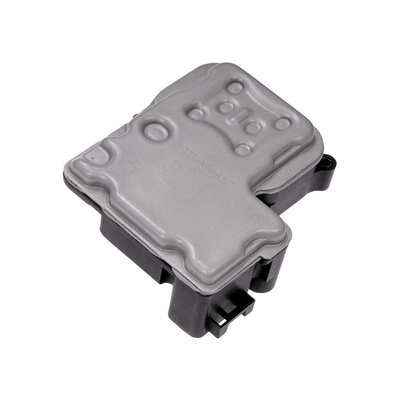
Shop the Parts Behind C1238
Below are the parts most often responsible for code C1238, ranked by how frequently each one is the actual culprit (per the diagnosis above). Tap any to see what we have for your vehicle.



The information in this article is provided for general reference and educational purposes only. Vehicle specifications, procedures, and part compatibility can vary by production date, trim level, and region. Always consult your vehicle's factory service manual and verify part numbers before purchasing or performing repairs. Safety-critical components such as airbags, seat belts, and braking systems should be installed by a qualified professional.
- 🧭 Diagnostic Flowchart
- 🛍️ Shop This Part
- What Does C1238 Mean?
- Can I Drive With C1238?
- Common Causes
- Symptoms
- Common Fixes & Costs
- DIY vs Professional
- Used vs. New Parts: Buying Guide
- What Happens If You Wait — Timeline
- Cost of Not Fixing It
- Diagnosis Steps
- When This Code Triggers (Freeze-Frame Conditions)
- Related Codes
- Climate & Environmental Factors
- How to Talk to a Mechanic About This Code
- Where to Take It: Dealer vs Independent vs Chain
- When to Walk Away From the Repair
- What Scan Tool You Need for This Code
- How to Clear the Code After You Fix It
- Will This Fail Emissions / State Inspection?
- Most Commonly Affected Vehicles
- Manufacturer-Specific Notes
- Real Owner Stories
- 2011 Toyota Prius at 130K miles with intermittent ABS lights
- 2014 Toyota Prius C at 75K miles with recurring C1238
- 2000 Ford Windstar with ABS light and no cruise control
- How to Prevent This Code From Triggering
- Frequently Asked Questions
- What is the most common misdiagnosis for C1238 on a Toyota?
- Can I just clean the ABS sensor to fix code C1238?
- Can hitting a pothole cause a C1238 code?
- I replaced the wheel bearing and sensor, but the C1238 code came back. What now?
- Why did my ABS, brake, and traction control lights all come on at once?
- Is it safe to drive in rain or snow with a C1238 code?
- My scanner shows C1238 on my Ford. Does it still mean 'foreign object'?
- Do I need to bleed the brakes after fixing a C1238 code?
- Key Takeaways
- 🎟️ Get 5% Off