

OBD-II Code C1272: Front Left Wheel Speed Sensor Signal Problem
What C1272 means, why it triggers, and how to fix it
- Code C1272 disables your ABS and traction control, increasing emergency stopping distances by up to 30% on slick surfaces.
- On 2010-2015 Hyundai and Kia models, C1272 indicates an Electronic Power Steering (EPS) failure requiring ECM diagnosis, not a wheel speed sensor fault.
- Corroded wiring connectors cause C1272 just as often as a failed sensor; always verify 12V power and ground at the harness before buying a $100 replacement part.
- For 2007-2014 GM trucks displaying a 'Service Stabilitrak' message, clean the main chassis ground under the driver's door before replacing any ABS components.
What Does C1272 Mean?
Code C1272 means the ABS module detects a weak, erratic, or missing signal from the front left (driver's side) wheel speed sensor. This sensor reports wheel rotational speed. When the signal fails, the computer disables ABS, traction control, and stability control as a fail-safe, illuminating dashboard warning lights.
Technical definition: The SAE/OBD-II definition is "Low Output Signal of Front Speed Sensor LH." The front left wheel speed sensor signal is weaker than expected or absent. On Toyota and Lexus, C1272 is a "Test Mode DTC" set during a diagnostic self-check, while the normal driving code for the identical fault is C0205.
Can I Drive With C1272?
Yes, But With Caution. Yes, but with extreme caution. Your Anti-lock Braking System (ABS) and traction/stability control are disabled. Wheels lock during hard braking, increasing stopping distances by up to 30% on slick surfaces and causing a loss of steering control. Continued driving is dangerous in wet or icy weather.
Common Causes
- Damaged or Corroded Wiring/Connector (Very Common) — The sensor's wiring harness is exposed to harsh conditions. Wires break internally from constant suspension movement, chafe against components, or suffer rodent damage. Connector pins corrode from water and road salt, destroying the signal.
- Failed Front Left Wheel Speed Sensor (Very Common) — The sensor fails internally due to age, heat cycles, and vibration. This is a primary cause, but requires confirmation after ruling out wiring faults.
- Failing Wheel Hub Bearing or Tone Ring (Common) — The sensor reads a notched 'reluctor' or magnetic tone ring integrated into the wheel hub bearing. A worn bearing creates excessive play, increasing the air gap and weakening the signal. It also sheds metal debris that contaminates the sensor tip.
- Poor Battery Voltage or Ground Connection (Less Common) — The ABS module requires stable system voltage. A weak battery, loose battery terminals, or a faulty chassis ground wire causes the module to behave erratically and set false sensor codes. This is highly prevalent on GM trucks.
- Incorrect Sensor Installation / Air Gap (Less Common) — If a sensor was recently replaced, rust or debris buildup on the steering knuckle mounting surface prevents proper seating. This creates an air gap too large for a reliable reading.
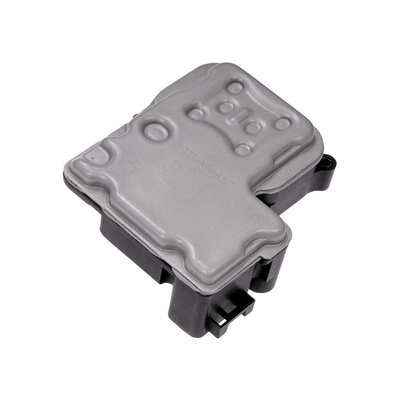
- Faulty ABS Control Module (Rare) — The ABS control module (ECU) fails internally. Consider this only after exhaustively testing the sensor, tone ring, and wiring.
Symptoms
- ABS and Traction/Stability Lights On — The ABS warning light illuminates immediately. Systems relying on wheel speed data (Stabilitrak, VSA, VSC) disable themselves, triggering their respective dashboard lights.
- ABS and Traction Control Disabled — During a hard stop, wheels lock up and skid. The brake pedal does not pulsate. Wheels spin easily on slippery surfaces.
- Steering is Hard/Stiff (Hyundai/Kia only) — On specific 2010-2015 Hyundai and Kia models, C1272 indicates a power steering failure, not an ABS fault. The EPS light illuminates and steering requires significant physical effort.
- Erratic Speedometer or Shifting — On vehicles like the 2007-2017 Toyota Tundra, a faulty wheel speed sensor causes the speedometer to bounce erratically or the transmission to shift harshly.
Diagnostic Flowchart
Tap your situation to follow the diagnostic path that matches what you're seeing on this code.
Common Fixes & Costs
- Repairing Damaged Wiring or Connector — Parts: $10-$60, Labor: $125-$250, ~1.5 hr book time (Intermediate)
- Replacing the Front Left Wheel Speed Sensor
— Parts: $40-$250, Labor: $100-$175, ~1.0 hr book time
(DIY)
Toyota Tundra (2007-2021): OEM 89543-0C020 (Alt: Dorman 970-024, NTK AB1795)
Ford F-150 (2009-2014): OEM BRAB417 (Alt: Dorman 970-293, Bosch 0265009880)
Chevrolet Silverado (2007-2013): OEM 20872161 (Alt: Duralast SU9450, ACDelco 20872161) - Replacing the Front Wheel Hub Bearing Assembly
— Parts: $150-$450, Labor: $250-$450, ~2.5 hr book time
(Professional)
Toyota Tundra (2007-2021, 2WD): OEM 43560-0C010 (Alt: Moog 515204, Timken HA590379)
Ford F-150 (2011-2014, 4WD): OEM CL3Z-1104-K (Alt: Moog 515142, Timken SP580205)
Chevrolet Silverado (2007-2013, 4WD): OEM 13589509 (Alt: Moog 515096, SKF BR930663) - Cleaning the Tone Ring or Sensor Tip — Parts: $5-$15, Labor: $75-$150, ~0.8 hr book time (DIY)
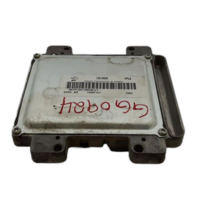
- Repairing ECM (Hyundai/Kia Power Steering Fault) — Parts: $150-$400, Labor: $100-$200, ~1.5 hr book time (Professional)
- Replacing the ABS Control Module — Parts: $800-$1,200, Labor: $150-$275, ~1.8 hr book time (Professional)
DIY vs Professional
- Cleaning the Tone Ring or Sensor Tip 🟢 Beginner
Tools: Jack, jack stands, lug wrench, basic hand tools, brake cleaner, rags. - Replacing the Front Left Wheel Speed Sensor 🟢 Beginner
Tools: Jack, jack stands, lug wrench, socket set, torque wrench, wire brush. - Repairing Damaged Wiring or Connector 🟢 Beginner
Tools: Multimeter, wire strippers, wire cutters, soldering iron, heat shrink tubing. - Replacing the Front Wheel Hub Bearing Assembly 🟢 Beginner
Tools: Breaker bar, high-torque impact wrench, 35mm axle nut socket, torque wrench (250 ft-lbs), slide hammer.
Used vs. New Parts: Buying Guide
When a used part is worth it: Buying used is never recommended for wheel speed sensors or hub assemblies due to low aftermarket costs and high safety risks. A used ABS module is acceptable if programmed correctly.
Donor-vehicle mileage cap: roughly under 10000 miles for the part to have meaningful remaining life.
Donor quality checklist:
- Verify exact part number match; connectors and sensor types vary widely.
- Avoid parts from vehicles in rust-belt regions, as corrosion is a primary failure mode.
Decision logic:
- If The part is a wheel speed sensor → Buy a new OEM or quality aftermarket part. Savings from a used part are negligible compared to the risk of repeat labor.
- If The part is a wheel hub bearing assembly → Always buy new. A used bearing has unknown wear and fails dangerously.
- If The part is an ABS control module → A used module from a low-mileage, non-accident vehicle is cost-effective, but requires professional VIN programming.
Warranty tradeoff: Used parts typically have a 30-90 day warranty. New aftermarket parts offer 1-year to limited lifetime warranties. OEM parts carry a 1-year warranty.
Worst-case if a used part fails: $200-500 if a used sensor or bearing fails shortly after installation, requiring repeat labor and a new part.
What Happens If You Wait — Timeline
- 0-1 month: ABS and Traction Control lights are on constantly. In a panic stop or on a wet road, wheels lock, increasing stopping distance and causing loss of steering control. (MPG impact: 0%% · Added cost: $0)
- 1-3 months: A single emergency braking event without ABS causes tires to skid, creating permanent flat spots that ruin the tires. (MPG impact: 0%% · Added cost: $200 - $800)
- 3-6 months: If the root cause is a failing wheel bearing, continued driving leads to complete bearing failure, wheel wobble, and potential wheel detachment. (MPG impact: 1-5%% · Added cost: $1000 - $4000)
- 6+ months: The ongoing lack of stability control makes an accident statistically more likely. A skid results in hitting a curb or a serious collision. (MPG impact: 0%% · Added cost: $500 - $15,000+)
Cost of Not Fixing It
- Immediate: Loss of ABS, traction control, and stability control. Increased risk of skidding and loss of control in panic stops or on slippery surfaces. (Added cost: Cost of an insurance deductible or full accident repair ($500 - $15,000+).)
- 1-6 months: In a panic stop, a locked-up wheel causes severe, flat-spotted tires, requiring tire replacement. (Added cost: $200 - $800)
- 6+ months: If caused by a failing wheel bearing, continued driving leads to complete bearing failure, wheel wobble, and potential wheel detachment. (Added cost: $1000 - $4000)
Diagnosis Steps
- Analyze Live Data with a Scan Tool
Use a scan tool to graph the live output of all four wheel speed sensors while driving straight at 15 mph. The front left sensor's graph will be erratic, jumpy, or drop to zero compared to the smooth lines of the other three. This definitively isolates the fault to the front left circuit.
Tools: Advanced Scan Tool (Advanced) - Visual Inspection of Wiring and Connector
Safely raise the front left vehicle corner and remove the wheel. Trace the wiring harness from the sensor back to the chassis. Look for broken wires, chafed insulation, or cracked connectors. Unplug the connector and inspect for green or white pin corrosion.
Tools: Jack, Jack Stands, Lug Wrench, Flashlight (Beginner) - Inspect the Tone Ring and Hub Bearing
Locate the tone ring on the CV axle or back of the wheel hub. Inspect it for cracks, missing teeth, or heavy rust/metal shavings. Grab the tire at 12 and 6 o'clock and push/pull to check for wheel bearing play. Any looseness requires hub replacement.
Tools: Flashlight, Brake Cleaner, Rag (Intermediate) - Check for Reference Voltage and Ground (Active Sensors)
For 2-wire or 3-wire active sensors, unplug the connector and turn the ignition on (Engine Off). Use a multimeter to check the vehicle-side harness connector. One pin must have a reference voltage (typically 12V or 5V) and one must be a ground (<1 Ω to chassis). Missing voltage or ground means the problem is in the wiring or ABS module.
Tools: Multimeter (Intermediate) - Check Sensor Resistance (Passive Sensors Only)
For older 2-wire passive sensors, unplug the sensor and measure resistance across its two pins. Compare to the manufacturer spec (often 1,000-2,500 Ω). An 'OL' (infinite) or 0 Ω reading confirms an internal sensor failure. Note: Do not perform this on active sensors.
Tools: Multimeter (Intermediate) - Check Digital Signal Output (Active Sensors)
Using an oscilloscope back-probed into the sensor's signal and ground wires, spin the wheel. A good sensor produces a clean digital square wave that increases in frequency as the wheel spins faster. The absence of this wave, despite good power and ground, confirms a failed sensor or tone ring.
Tools: Oscilloscope, Back-probes (Advanced)
When This Code Triggers (Freeze-Frame Conditions)
- Vehicle Speed: 10-25 mph (Low-speed driving, often during turns or braking when wheel speed differences are most pronounced.)
- System Voltage: 11.8-14.5V (Normal operating voltage. A value below 11.5V indicates a battery or charging system issue is the root cause.)
- Brake Status: Off/On (The fault logs either during steady driving or during a braking event when the ABS module expects plausible deceleration.)
- ABS/TCS Status: Active or Enabled (The code sets when the system actively monitors wheel speeds. The fault itself causes the system to disable.)
Related Codes
- C0205 — The general fault code for the 'Front Left Wheel Speed Sensor Circuit'. On Toyota, C1272 is a sub-code set during a diagnostic test, while C0205 is the main code set during normal operation.
- C1271 — The identical code for the front RIGHT wheel speed sensor. The diagnostic process is exactly the same.
- C1223 — Indicates a general malfunction in the ABS control system. It is a secondary code triggered by a primary fault like C1272 and clears when the sensor is fixed.
- U0121 — Means 'Lost Communication With ABS Control Module'. Seeing this alongside C1272 points to a failing ABS module, a bad ground, or a major wiring issue affecting the entire system.
Climate & Environmental Factors
- Road Salt / "Rust Belt" Regions: Accelerates corrosion of wiring connectors, sensor bodies, and tone rings. Saltwater intrusion into connectors is a primary cause of signal failure and causes sensors to seize in the steering knuckle.
- High Humidity / Coastal Areas: Promotes moisture buildup in electrical connectors that are not perfectly sealed, leading to pin corrosion and intermittent signals.
- Extreme Cold: Causes wiring insulation to become brittle and crack during suspension movement, creating an open circuit. Water inside the harness freezes and expands, severing wires.
How to Talk to a Mechanic About This Code
Say this: "I have an ABS light on and my scanner shows code C1272, pointing to the front left wheel speed sensor circuit. I'd like to schedule a diagnostic to confirm the cause. Please test the wiring, connector, and tone ring before assuming it's a bad sensor."
This signals you understand C1272 is a circuit fault, not just a bad part. It directs the technician to perform a thorough diagnosis rather than immediately replacing the most obvious component, saving you money if the sensor isn't the problem.
Avoid saying:
- 'My ABS light is on, can you fix it?' (Too vague; invites unnecessary parts replacement).
- 'I need a new front left ABS sensor.' (You may be asking for a part you don't need; the problem is often wiring).
- 'Just do whatever it takes to turn the light off.' (Gives a blank check for unnecessary repairs).
Questions to ask before authorizing the repair:
- Did you test the sensor signal with a scope or multimeter, or see it drop out on the live data graph?
- Did you inspect the wiring harness and connector for corrosion or damage?
- If recommending a hub bearing replacement, what was the condition of the tone ring and did you check for bearing play?
- Can you please save the old parts for me to see?
- What is the warranty on this specific repair, including both parts and labor?
Where to Take It: Dealer vs Independent vs Chain
- Dealer:
A safe but expensive choice. Best if you have a known manufacturer-specific issue or if other shops failed to diagnose the problem.
Best for: Vehicles under warranty., Complex manufacturer-specific quirks (like the Hyundai/Kia power steering issue)., If you suspect the ABS module itself has failed, requiring proprietary programming.
Downsides: Highest labor rates, often 1.5-2x more than independent shops., May recommend replacing an entire assembly (like a hub) when only a smaller component failed. (Typical cost: +50% vs. baseline) - Independent Shop:
Best fit for most C1272 situations. A good independent shop with modern scan tools effectively diagnoses the entire circuit at a reasonable cost.
Best for: Out-of-warranty vehicles where cost is a major factor., Diagnosing common faults like bad sensors, wiring damage, or failed hub bearings.
Downsides: Quality and diagnostic capabilities vary widely. Vet the shop for ASE certifications and electrical diagnostic experience. (Typical cost: +0% vs. baseline) - Chain Shop:
Use with caution. Acceptable if you are certain it is just a sensor replacement. AVOID for initial diagnosis of an intermittent C1272.
Best for: Simple, straightforward part replacement if you have already diagnosed the problem yourself.
Downsides: Technician skill varies dramatically; often lacks advanced diagnostic tools for complex electrical faults., High pressure to upsell services; may replace the sensor without checking wiring. (Typical cost: -10% vs. baseline)
When to Walk Away From the Repair
If the estimated repair cost exceeds 40-50% of the car's private-party value, seriously consider selling or trading in the vehicle.
- Car worth $4000, fix is $2000: Walk away. The repair cost is 50% of the car's value. This money is better put toward a down payment on a more reliable vehicle.
- Car worth $12000, fix is $750: Fix it. The repair cost is only 6% of the car's value and restores a critical safety system.
- Car worth $2500, fix is $1500: Walk away. The repair cost is 60% of the car's value. It is not economical to invest this much into an older, low-value car.
What Scan Tool You Need for This Code
Minimum: A scanner that reads and clears Anti-lock Brake System (ABS) trouble codes. A basic engine code reader will not work.
A standard $20 code reader only checks for engine codes (P-codes). It cannot communicate with the ABS module to see C-codes like C1272. Proper diagnosis requires a scanner that streams LIVE DATA from the wheel speed sensors.
Budget: BlueDriver Pro (~$100) — Connects to your smartphone via Bluetooth. Reads and clears ABS codes and graphs live data from all four wheel speed sensors to visually identify the faulty one.
Mid-range: Autel MaxiCOM MK808S / Foxwell NT630 Plus (~$150-350) — Handheld tablet scanners providing robust ABS code reading, live data graphing, and bidirectional controls for functions like ABS brake bleeding.
Professional: Autel MaxiCOM MK906BT / Innova 5610 (~$400-1200) — Professional-grade tools offering full bidirectional control to test individual components, OEM-level diagnostics, and advanced service functions.
Rent vs buy: For a one-time diagnosis, auto parts stores scan ABS codes for free. If you plan to do your own repairs, buying a budget or mid-range scanner is a worthwhile investment.
How to Clear the Code After You Fix It
- Fix the underlying mechanical or electrical fault.
- Use an OBD-II scan tool capable of accessing the ABS module to clear the C1272 code.
- Perform a drive cycle to allow the ABS module to self-test and confirm the repair.
Drive cycle (~15 minutes): Start the vehicle and idle for 2 minutes. Drive straight, accelerating over 25 mph to trigger the ABS self-test. Continue driving for 5-10 minutes, including turns. The ABS light remains off if the repair succeeded.
Readiness monitors affected: Not applicable. ABS codes do not affect emissions monitors.
Watch out for:
- Using a basic code reader that cannot access or clear ABS codes.
- The code returning immediately, indicating a hard fault (like a broken wire) was not fixed.
- Forgetting to perform a 'Zero Point Calibration' on Toyota/Lexus vehicles, leaving stability control lights on.
Will This Fail Emissions / State Inspection?
No — by itself this code doesn't fail OBD inspection (but it can keep readiness monitors from setting, which causes a separate fail).
- California: An illuminated ABS light does not fail the emissions (smog) inspection. However, a technician may refuse to inspect the vehicle due to safety hazards.
- New York: An illuminated ABS warning light is grounds for failure of the annual safety inspection.
- Texas: An illuminated ABS light does NOT cause a failure of the state safety inspection. However, a separate red 'BRAKE' light causes an immediate failure.
Most Commonly Affected Vehicles
- Toyota Tundra (2007-2021) — Wiring harnesses are a known weak point. On 2007-2017 models, a bad sensor causes an erratic speedometer or harsh shifting.
- Ford F-150 (2009-2014) — Connectors in the wheel wells are highly susceptible to water intrusion.
- Chevrolet Silverado (2007-2013) — Presents as a 'Service Stabilitrak' message. Frequently caused by a poor frame ground connection or low battery voltage rather than the sensor.
- Nissan Titan (2004-2015) — Commonly suffers from damaged wiring harnesses for the front wheel speed sensors, leading to ABS and SLIP lights.
- Subaru Outback / Legacy (2015-2018) — A known issue (TSB 06-87-22R) involves brittle electronic parking brake connector clips failing, triggering a cascade of brake and ABS lights misdiagnosed as a wheel speed sensor fault.
- Honda Accord (2008-2012) — Prone to wheel speed sensor failures, causing the ABS and VSA (Vehicle Stability Assist) lights to illuminate simultaneously.
- Hyundai / Kia i10 / Picanto (2010-2015) — CRITICAL: On these models, C1272 means 'Engine Speed Input Malfunction' and causes the electronic power steering (EPS) to fail. This is an ECM or wiring issue, NOT a wheel speed sensor problem.
- GMC Sierra (2007-2014) — Shares the Silverado platform and suffers identical issues, displaying a 'Service Stabilitrak' warning due to wiring, grounds, or the sensor.
Manufacturer-Specific Notes
- Hyundai / Kia: C1272 means "Engine Speed Input Malfunction." The EPS control module is not receiving an RPM signal from the engine computer (ECM), causing it to disable power assist, resulting in very stiff steering.
- Toyota / Lexus: This code is specifically a "Test Mode DTC" set during a diagnostic check. The corresponding normal-operation code is C0205. The underlying fault is identical.
- General Motors (Chevrolet / GMC): The 'Service Stabilitrak' warning is the primary symptom. Always check the negative battery cable connection and the main chassis ground wire under the driver's side door before suspecting the sensor.
- Ford: On F-150s, the problem is frequently the electrical connector located behind the wheel well liner, which is prone to corrosion. Tracing the harness to this connection point is critical.
Real Owner Stories
2011 Chevy Silverado, 'Service Stabilitrak' Light
Owner reported intermittent 'Service Stabilitrak' and ABS lights, especially during wet weather.
What they tried:
- Replaced the front left wheel speed sensor, but code C1272 returned.
- A shop diagnosed a faulty ABS module for $1200.
Outcome: The owner checked the main ground connection and found the chassis ground wire under the driver's side door was loose and corroded. After cleaning and tightening the bolt, the code cleared permanently.
Lesson: On GM trucks, always check battery terminals and the main chassis ground connection before replacing expensive ABS components.
2012 Hyundai i10, Power Steering Failure
Owner started the car to find the EPS light on and steering extremely difficult to turn. The ABS light was off.
What they tried:
- A mechanic scanned code C1272 in the EPS module, meaning 'Engine Speed Input Malfunction'.
- Live data showed engine RPM was 0 in the EPS module, and the dashboard tachometer was dead.
Outcome: The fault was traced to the Engine Control Module (ECM) failing to send the RPM signal. The ECM was sent to a specialist for repair. Reinstalling the repaired ECM restored power steering.
Lesson: For Hyundai/Kia, C1272 is NOT a wheel speed sensor code. It points to a power steering failure due to a missing engine RPM signal, often an ECM fault.
2008 Toyota Tundra, ABS light after new bearing
A DIYer replaced the front left wheel hub bearing. Immediately after, the ABS light came on with code C1272.
What they tried:
- Replaced the entire hub assembly a second time; light remained.
- Replaced the wheel speed sensor with a new OEM part; light remained.
Outcome: The owner found rust scale on the steering knuckle where the sensor mounts, preventing it from seating flat and increasing the air gap. Cleaning the mounting surface to bare metal resolved the code.
Lesson: Air gap is critical. After replacing a sensor or hub, ensure the sensor's mounting surface on the knuckle is perfectly clean of rust.
2010 Ford F-150, Intermittent ABS Light
ABS and traction control lights came on randomly. Code C1272 was stored.
What they tried:
- Replaced the front left wheel speed sensor, which did not solve the problem.
Outcome: The owner traced the wiring harness and found a multi-pin connector behind the wheel well liner with significant green corrosion. Cleaning the pins and applying dielectric grease permanently resolved the fault.
Lesson: Intermittent faults often point to wiring or connector issues. On Fords, wheel well connectors are highly susceptible to moisture.
How to Prevent This Code From Triggering
- Apply Dielectric Grease to Connectors (Whenever a sensor is replaced or disconnected) — Seals electrical connectors from moisture, dirt, and corrosion, which are primary causes of signal failure in the harsh wheel well environment.
- Ensure Splash Shields and Fender Liners are Intact (During every oil change or tire rotation) — Protects the sensor and wiring harness from direct impact with road debris, water spray, and corrosive road salt.
- Clean Sensor Mounting Surface During Brake Jobs (Whenever brake pads or rotors are replaced) — Removing the sensor and cleaning away rust on the steering knuckle ensures the correct air gap is maintained.
- Periodically Inspect Wiring Harness Routing (Annually or after any suspension work) — Ensures the sensor wire is secured in factory clips and not chafing against suspension components, preventing shorts.
Frequently Asked Questions
Can I just clean the ABS sensor to fix C1272?
Sometimes. If the sensor tip is covered in metallic debris from a failing bearing, cleaning it restores the signal temporarily. However, this indicates a failing wheel bearing, and the code will return.
Is it safe to drive with the C1272 code?
It is not recommended. While standard brakes function, you have no ABS, traction control, or stability control. In a panic stop, wheels lock, you lose steering control, and stopping distance increases significantly.
Why did my ABS light turn off and then come back on?
This signals an intermittent fault. The cause is a wire starting to break, a loose pin in a connector, or a wheel bearing with enough play to occasionally create a large air gap.
I replaced the sensor but the C1272 light is still on. What now?
This points to a circuit failure, not just a bad part. If a new sensor didn't fix it, the fault is almost certainly an open wire, corroded connector, or damaged tone ring. Test the wiring continuity from the sensor connector back to the ABS module.
Can a bad battery cause the ABS light to come on?
Yes. The ABS module is highly sensitive to voltage. A weak battery or corroded terminal causes a momentary voltage drop that confuses the module, leading it to set false codes.
What is the difference between C1272 and C0205?
On vehicles like Toyota, C1272 is a 'Test Mode' code set during a self-diagnostic, while C0205 is the code set for the exact same fault during normal driving.
Do I need a 'Zero Point Calibration' after fixing this?
On Toyota and Lexus vehicles, replacing an ABS sensor or disconnecting the battery requires a 'Zero Point Calibration'. This re-learns the neutral position for steering sensors; otherwise, the VSC light stays on.
Key Takeaways
- Code C1272 disables your ABS and traction control, increasing emergency stopping distances by up to 30% on slick surfaces.
- On 2010-2015 Hyundai and Kia models, C1272 indicates an Electronic Power Steering (EPS) failure requiring ECM diagnosis, not a wheel speed sensor fault.
- Corroded wiring connectors cause C1272 just as often as a failed sensor; always verify 12V power and ground at the harness before buying a $100 replacement part.
- For 2007-2014 GM trucks displaying a 'Service Stabilitrak' message, clean the main chassis ground under the driver's door before replacing any ABS components.
Shop the Parts Behind C1272
Below are the parts most often responsible for code C1272, ranked by how frequently each one is the actual culprit (per the diagnosis above). Tap any to see what we have for your vehicle.



The information in this article is provided for general reference and educational purposes only. Vehicle specifications, procedures, and part compatibility can vary by production date, trim level, and region. Always consult your vehicle's factory service manual and verify part numbers before purchasing or performing repairs. Safety-critical components such as airbags, seat belts, and braking systems should be installed by a qualified professional.
- 🧭 Diagnostic Flowchart
- 🛍️ Shop This Part
- What Does C1272 Mean?
- Can I Drive With C1272?
- Common Causes
- Symptoms
- Common Fixes & Costs
- DIY vs Professional
- Used vs. New Parts: Buying Guide
- What Happens If You Wait — Timeline
- Cost of Not Fixing It
- Diagnosis Steps
- When This Code Triggers (Freeze-Frame Conditions)
- Related Codes
- Climate & Environmental Factors
- How to Talk to a Mechanic About This Code
- Where to Take It: Dealer vs Independent vs Chain
- When to Walk Away From the Repair
- What Scan Tool You Need for This Code
- How to Clear the Code After You Fix It
- Will This Fail Emissions / State Inspection?
- Most Commonly Affected Vehicles
- Manufacturer-Specific Notes
- Real Owner Stories
- 2011 Chevy Silverado, 'Service Stabilitrak' Light
- 2012 Hyundai i10, Power Steering Failure
- 2008 Toyota Tundra, ABS light after new bearing
- 2010 Ford F-150, Intermittent ABS Light
- How to Prevent This Code From Triggering
- Frequently Asked Questions
- Can I just clean the ABS sensor to fix C1272?
- Is it safe to drive with the C1272 code?
- Why did my ABS light turn off and then come back on?
- I replaced the sensor but the C1272 light is still on. What now?
- Can a bad battery cause the ABS light to come on?
- What is the difference between C1272 and C0205?
- Do I need a 'Zero Point Calibration' after fixing this?
- Key Takeaways
- 🎟️ Get 5% Off