

Ultimate Guide to OBD-II Code C1315: Brake, TPMS & Throttle Issues
What C1315 means, why it triggers, and how to fix it on Toyota, Hyundai, Nissan and more
- Verify your vehicle's specific C1315 definition immediately: it signals a critical brake failure on Toyota/Lexus, a dead TPMS sensor on Hyundai/Kia, or a faulty throttle body on Nissan.
- Do not drive a Toyota or Lexus with code C1315; the illuminated ABS, VSC, and BRAKE lights indicate a total loss of power braking that increases stopping distances by over 50%.
- Expect repair costs between $1,400 and $2,800 for the Toyota/Lexus brake actuator replacement, which requires a specialized bidirectional scan tool for the mandatory post-install Zero Point Calibration.
- Fix Hyundai and Kia C1315 codes by replacing the 5-to-10-year-old rear-right TPMS sensor ($70-$150 total) or shielding the Surround View Monitor wiring from RF interference.
What Does C1315 Mean?
C1315 is a multifaceted trouble code whose meaning critically depends on your vehicle's manufacturer. For Toyota and Lexus, it signals a severe malfunction in a solenoid within the electronic brake booster assembly, leading to a loss of power braking. For many Hyundai and Kia models, it indicates a communication failure with the rear-right Tire Pressure Monitoring System (TPMS) sensor. On some Nissans, it points to a fault in the electronic throttle body circuit. Correctly identifying your vehicle's specific definition is the mandatory first step in diagnosis.
Technical definition: The official definition varies significantly by OEM. For Toyota/Lexus, it is 'Changeover Solenoid Malfunction (SMC1)', indicating an electrical or mechanical fault in the solenoid circuit within the brake actuator assembly. For Hyundai/Kia, it is 'Rear Right Sensor RF Channel Failure', meaning the TPMS control module has not received a signal from the rear-right wheel sensor. For certain Nissan models, it translates to 'Throttle Control Actuator Circuit Malfunction'.
Can I Drive With C1315?
No — Do Not Drive. No. On Toyota and Lexus vehicles, C1315 indicates a critical power braking failure. You will experience a sudden, complete loss of brake assist, requiring extreme pedal force and resulting in dangerously long stopping distances. Do not drive under any circumstances; tow the vehicle to a shop. For Hyundai/Kia (TPMS) or Nissan (throttle), driving is physically possible but risks a tire blowout or engine stalling in traffic.
Common Causes
- Failing Brake Actuator / Accumulator Assembly (Toyota/Lexus) (Very Common) — This is the most frequent cause on Toyota and Lexus hybrids. The entire assembly, which includes the pump, accumulator, and solenoids, fails internally. The C1315 code specifically points to an electrical failure in a changeover solenoid, but this happens as part of a larger internal breakdown of the unit's ability 🎬 See this step-by-step guide to replacing the brake actuator to hold hydraulic pressure.
- Defective or Dead TPMS Sensor (Hyundai/Kia) (Very Common) — On Hyundai and Kia vehicles, the internal battery of the TPMS sensor in the rear-right tire dies (typically after 5-10 years), or the sensor itself fails, preventing it from transmitting pressure and temperature data to the receiver.
- Failing Electronic Throttle Body (Nissan) (Common) — On affected Nissan models, carbon buildup or internal electrical wear in the electronic throttle body prevents the throttle plate from reaching the angle commanded by the engine computer, triggering the C1315 circuit malfunction code.
- Failing Brake Booster Pump Motor (Toyota/Lexus) (Common) — The electric motor that pressurizes the brake system's accumulator wears out. While this directly triggers code C1252, a failing pump causes erratic pressure drops that force the control module to flag a solenoid-related fault like C1315.
- Radio Frequency (RF) Interference (Hyundai/Kia) (Less Common) — On certain Hyundai and Kia models (like the Santa Fe and Palisade), poorly shielded wiring from the Surround View Monitor (SVM) system creates RF interference. This disrupts the signal from the TPMS sensor and triggers a C1315 code even if the sensor is perfectly functional.
- Weak 12-Volt Auxiliary Battery (Less Common) — Low or unstable voltage from a failing 12V battery causes unpredictable behavior in sensitive electronic modules, including the Skid Control ECU (Toyota/Lexus) or the TPMS module (Hyundai/Kia), leading to erroneous fault codes.
- Air in Brake Lines or Contaminated Fluid (Rare) — Air trapped within the complex passages of the brake actuator causes pressure fluctuations and solenoid errors. Extremely old, moisture-contaminated brake fluid causes internal corrosion, leading to mechanical binding of the solenoids.
- Faulty Control Module or Wiring Damage (Rare) — Damage to the wiring harness, corrosion in the main connector, or a failure of the control module itself (Skid Control ECU or TPMS receiver) interrupts the signal and triggers the code.
Symptoms
- Hard, Stiff Brake Pedal & Long Stopping Distances (Toyota/Lexus) — The most defining symptom of a brake-related C1315 is a brake pedal that is extremely difficult to press. This indicates a complete loss of power brake assist, requiring significant physical effort to slow the car and drastically increasing stopping distances.
- Multiple Brake Warning Lights (Toyota/Lexus) — You will invariably see a combination of the main red 'BRAKE' light, the amber 'ABS' light, and the 'VSC' (Vehicle Stability Control) light illuminated simultaneously on the dashboard.
- Loud, Repetitive Buzzing from Engine Bay (Toyota/Lexus) — A loud buzzing, groaning, or honking sound 🎬 Watch: Diagnosing brake actuator pump leaks and buzzing sounds emits from the engine compartment. This is the brake booster's electric pump running continuously as it desperately tries to build pressure in the faulty actuator assembly.
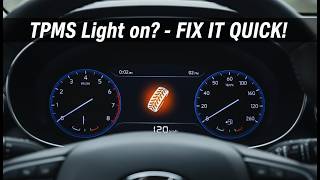
- Flashing or Solid TPMS Warning Light (Hyundai/Kia) — The primary symptom is the illumination of the amber TPMS warning light. A flashing light for 60 seconds at startup indicates a system malfunction (like a dead sensor), while a solid light indicates low tire pressure.
- Erratic Idle or Stalling (Nissan) — The engine idles roughly, hesitates during acceleration, or stalls completely when coming to a stop due to the throttle body failing to regulate airflow properly.
Diagnostic Flowchart
Tap your situation to follow the diagnostic path that matches what you're seeing on this code.
Common Fixes & Costs
- Replace Brake Actuator / Accumulator Assembly — Parts: $1000-$2000, Labor: $400-$800, ~4.5 hr book time (Professional)
- Replace Rear-Right TPMS Sensor — Parts: $50-$100, Labor: $20-$50, ~0.8 hr book time (Intermediate)
- Replace Electronic Throttle Body — Parts: $150-$400, Labor: $100-$200, ~1.3 hr book time (Intermediate)
- Replace Brake Booster Pump Motor Assembly — Parts: $400-$900, Labor: $200-$450, ~3.5 hr book time (Professional)
- Repair SVM Wiring Shielding — Parts: $10-$30, Labor: $150-$300, ~1.5 hr book time (Intermediate)
- Professional Brake System Bleed & Calibration — Parts: $20-$40, Labor: $150-$250, ~1.2 hr book time (Intermediate)
Used vs. New Parts: Buying Guide
When a used part is worth it: For the high-cost Toyota/Lexus brake actuator, a used part is a financially sensible option on vehicles over 10 years old. The cost savings exceed 70% compared to a new OEM part.
Donor-vehicle mileage cap: roughly under 100000 miles for the part to have meaningful remaining life.
Donor quality checklist:
- Source from a reputable auto recycler that provides the donor vehicle's VIN and mileage.
- Match the part number exactly; do not rely on visual identification alone.
- Ensure the part came from an accident-damaged vehicle, not a vehicle scrapped for mechanical or flood issues.
Decision logic:
- If Vehicle is a high-value, low-mileage Lexus and budget allows → Buy new OEM for maximum peace of mind and warranty.
- If Vehicle is an older, high-mileage Prius and budget is a primary concern → A warrantied used part from a low-mileage donor is the most practical choice.
- If The part is a TPMS sensor or Nissan throttle body → Buy new. The cost savings on a used part are minimal and not worth the risk of a short lifespan.
Warranty tradeoff: Used parts typically come with a 30-90 day warranty on the part only, not the labor to install it. A new OEM part installed by a dealer carries a 12-month/12,000-mile warranty on parts and labor.
Worst-case if a used part fails: $400-$800 if a used brake actuator fails after installation, as you must pay for the labor a second time.
What Happens If You Wait — Timeline
- Immediate (Toyota/Lexus): A critical solenoid or seal inside the brake actuator fails. The electric pump begins running constantly to compensate for the pressure loss, creating a loud buzz. ABS, VSC, and BRAKE warning lights illuminate. (MPG impact: 5-10% (due to potential brake drag and loss of regenerative braking)% · Added cost: $0)
- Minutes to Hours (Toyota/Lexus): The system enters fail-safe mode. Power brake assist is completely lost. The brake pedal becomes extremely hard to press, and stopping distances increase dramatically. The vehicle is unsafe to drive. (MPG impact: N/A (Vehicle should not be driven)% · Added cost: $500 - $20,000+ (Cost of an accident due to brake failure))
- Immediate (Hyundai/Kia): The TPMS sensor battery dies. The system logs code C1315, and the TPMS warning light flashes for 60 seconds at startup before staying on solid. (MPG impact: 0%% · Added cost: $0)
- Ongoing (Hyundai/Kia): The driver has no warning of low pressure in the rear-right tire. Driving on a significantly underinflated tire increases heat and stress, risking a blowout. (MPG impact: 1-3% (If tire is actually low on air)% · Added cost: $150-$400 (Cost to replace a single tire and possibly the wheel if a blowout occurs))
- 0-2 Months (Nissan): Carbon buildup or electronic wear causes minor issues. The car develops a slightly rough idle, hesitates when accelerating, or shows a small drop in fuel economy. (MPG impact: 3-5%% · Added cost: $0-50 in wasted fuel)
- 2-6 Months (Nissan): The throttle body performance degrades further. The engine stalls when coming to a stop, has uneven acceleration, and the vehicle enters a reduced-power 'limp mode'. (MPG impact: 10-20%% · Added cost: $200-600 (Cost of a new throttle body, which is now required instead of a simple cleaning))
Cost of Not Fixing It
- Immediate (Toyota/Lexus): Catastrophic loss of power braking assist, leading to a hard pedal and dangerously long stopping distances. This is a severe safety risk that causes accidents. (Added cost: Potential accident costs, from a $500 deductible to a $20,000+ total loss.)
- Ongoing (Hyundai/Kia): The TPMS system is disabled for one tire, meaning you will not be alerted to a slow leak or dangerously low pressure, increasing the risk of a tire blowout. (Added cost: $150-$400 for a new tire and potential wheel damage if a blowout occurs.)
- 1-3 months (Nissan): Continued driving with a faulty throttle body leads to stalling in traffic, unpredictable acceleration, poor fuel economy, and forces the vehicle into a reduced-power 'limp mode'. (Added cost: $50 - $200 in wasted fuel and diagnostic fees before the necessary repair.)
Diagnosis Steps
- Verify Code Definition by Manufacturer
Confirm the code's meaning for your specific Make and Model. Use an advanced OBD-II scanner to read codes from ALL vehicle modules (Engine, Chassis, Body). Note C1315 and any accompanying codes (e.g., C1256 for brakes; C1312 for TPMS; P0507 for throttle) to pinpoint the exact system at fault.
Tools: Advanced OBD-II Scanner, Vehicle-Specific Service Information (Beginner) - Check TPMS Sensor Battery and Signal (Hyundai/Kia)
Use a dedicated TPMS tool to read the rear-right sensor. Check its reported pressure, temperature, and battery status. If the tool cannot get a reading or shows 'Low Battery', the sensor is dead. If it reads perfectly, the problem is RF interference or a faulty receiver.
Tools: TPMS Diagnostic Tool (Intermediate) - Perform Active Solenoid Tests (Toyota/Lexus)
Using a bidirectional scanner, navigate to the Active Test menu for the ABS/VSC system. Command the SMC1 solenoid to cycle on and off. You should hear a faint click from the actuator assembly. No sound confirms a failed solenoid or internal wiring issue, requiring actuator replacement.
Tools: Advanced Bidirectional Scanner (Advanced) - Inspect Throttle Body and Perform Idle Relearn (Nissan)
Remove the intake hose and visually inspect the throttle body for heavy carbon buildup. Clean it with a dedicated throttle body cleaner. If the code persists, the unit requires replacement followed by a mandatory 'Idle Air Volume Learning' procedure using a scanner.
Tools: Basic Hand Tools, Throttle Body Cleaner, Advanced OBD-II Scanner (Intermediate) - Measure Brake Actuator Solenoid Resistance (Toyota/Lexus)
Disconnect the brake actuator connector. Using a multimeter and a wiring diagram, measure the resistance between the two pins for the SMC1 solenoid. An open circuit (infinite resistance) or a short (near zero resistance) confirms a failed solenoid coil.
Tools: Multimeter, Vehicle-Specific Wiring Diagram (Advanced) - Check for RF Interference (Hyundai/Kia)
If the TPMS sensor is confirmed good but the code persists, investigate sources of RF interference. On affected Santa Fe/Palisade models, inspect the coaxial cable connections for the Surround View Monitor (SVM) system for damage or looseness as per TSB 23-BE-001H.
Tools: Basic Hand Tools, Shielding Tape (Intermediate) - Perform Zero Point Calibration and System Bleed (Toyota/Lexus)
If air is suspected or if the actuator is replaced, a Zero Point Calibration and a specialized brake bleed procedure are mandatory. This requires a scan tool to cycle the ABS pump and solenoids in a specific sequence to purge all air. Failure to do this results in a spongy pedal and new error codes.
Tools: Brake Bleeding Kit, Advanced OBD-II Scanner (Professional)
When This Code Triggers (Freeze-Frame Conditions)
- Vehicle Speed (Hyundai/Kia): > 15 MPH (The code sets after the TPMS receiver fails to detect the sensor's signal for a continuous period (e.g., 9 minutes) while the vehicle is in motion.)
- Brake Pump Run Time (Toyota/Lexus): > 60 seconds (The Skid Control ECU logs the fault when the brake booster pump runs excessively long trying to build pressure, indicating a massive internal leak or solenoid failure.)
- Throttle Position vs. Commanded Position (Nissan): > 5-10% deviation (The ECU flags C1315 when the actual throttle plate angle does not match the angle commanded by the ECU for a set period of time.)
Related Codes
- C1256 — Means 'Accumulator Low Pressure'. This code almost always accompanies C1315 on Toyotas. If the pump runs continuously, it suggests the solenoid (C1315) is stuck open, causing the pressure loss (C1256). C1315 is the root cause requiring actuator replacement.
- C1252 — Indicates a 'Brake Booster Pump Motor Fault'. With C1252, the pump often won't run at all. With C1315, the pump usually runs excessively. If you hear the pump running constantly, the issue is the actuator's inability to hold pressure, not the motor itself.
- C1391 — Means 'Abnormal Leak in Accumulator'. This points to a physical leak (e.g., a failed internal seal), while C1315 points to an electrical solenoid fault. They frequently appear together and both require replacing the entire actuator assembly.
- C1345 — Means 'Not Learning Linear Valve Offset'. If it appears after replacing the actuator, the mandatory Zero Point Calibration procedure was skipped or failed. If it appears with C1315 before any repairs, it signifies a catastrophic internal failure of the actuator's control logic.
Climate & Environmental Factors
- Cold Weather: Cold temperatures slow the chemical reaction in a TPMS sensor's battery, reducing its voltage and signal strength, which triggers a C1315 communication fault. For brake systems, extreme cold stiffens seals in the actuator, exacerbating internal pressure leaks.
- Hot Weather: High temperatures accelerate the degradation of the internal battery in TPMS sensors, shortening their lifespan. Sustained high heat under the hood also contributes to the premature failure of electronic components within the brake actuator.
- High Humidity / Road Salt: Moisture and road salt corrode wiring connectors for both the brake actuator and TPMS receiver antennas, leading to electrical faults and communication drops.
How to Talk to a Mechanic About This Code
Where to Take It: Dealer vs Independent vs Chain
- Dealer:
A safe, but most expensive, option for the Toyota/Lexus brake actuator. Unnecessary for the Hyundai TPMS or Nissan throttle body.
Best for: Vehicles under warranty., When you prioritize a guaranteed fix with OEM parts and are less sensitive to cost.
Downsides: Highest labor rates and part markups., Unwilling to install customer-supplied or used parts. (Typical cost: +50% vs. baseline) - Independent Shop:
The best choice for all three scenarios. An independent hybrid specialist is ideal for the Toyota/Lexus repair. Any reputable independent shop handles the Hyundai and Nissan fixes.
Best for: Out-of-warranty vehicles where cost is a factor., Finding a specialist (e.g., a shop that focuses on Toyota hybrids).
Downsides: Quality and expertise vary widely; you must vet the shop through reviews and certifications. (Typical cost: +0% vs. baseline) - Chain Shop:
Acceptable for the Hyundai/Kia TPMS sensor replacement. AVOID for the critical Toyota brake actuator or the Nissan throttle body diagnosis.
Best for: Simple, high-volume jobs like tire replacement and basic brake pad swaps.
Downsides: Technician skill and diagnostic capability are very inconsistent., Often structured to upsell services; misdiagnoses complex codes like C1315. (Typical cost: -10% vs. baseline)
When to Walk Away From the Repair
If the estimated repair cost exceeds 40-50% of the car's private-party market value, seriously consider selling or trading in the vehicle instead of fixing it.
- Car worth $4500, fix is $3200: Walk away. The repair cost is ~71% of the car's value. This is a classic scenario for an older Toyota Prius needing a brake actuator.
- Car worth $15000, fix is $400: Fix it. The repair is only 2.6% of the car's value. This is typical for the Nissan throttle body issue.
- Car worth $25000, fix is $150: Fix it. The repair is less than 1% of the car's value. This is the case for the Hyundai/Kia TPMS sensor fix.
What Scan Tool You Need for This Code
Minimum: A basic $20 reader is insufficient. You need a tool that reads manufacturer-specific 'C' codes from the ABS/Chassis module. For the actual repairs, bidirectional control is required.
A basic scanner won't see the C1315 code at all, as it only reads generic 'P' (powertrain) codes. To diagnose and fix this issue properly, you must communicate with the ABS, TPMS, and Engine modules and command specific functions.
Budget: BlueDriver Pro Scan Tool (~$100) — Reads the C1315 code from Toyota/Hyundai/Nissan and provides the manufacturer-specific definition. It lacks the bidirectional control needed for the final repair (ABS bleed, idle relearn).
Mid-range: Foxwell NT510 Elite (~$200) — A strong choice. With the correct vehicle software, it performs bidirectional active tests on the brake actuator solenoids and runs the ABS bleed/Zero Point Calibration procedure. It also performs the Nissan Idle Air Volume Learning.
Professional: Autel MaxiCOM MK808 / MK808S (~$500) — Provides full bidirectional control for all three vehicle scenarios. It has a dedicated, guided ABS auto-bleed function that works on Toyota's complex system, performs the Nissan idle relearn, and has comprehensive TPMS diagnostic functions.
Rent vs buy: Rent for code reading, but buy for the repair. You can use a free rental scanner from a parts store to confirm the code, but none of the rental tools have the necessary bidirectional functions to complete the Toyota brake bleed or Nissan idle relearn.
How to Clear the Code After You Fix It
- Use a compatible OBD-II scan tool to clear the code from the specific module (ABS, TPMS, or ECM).
- For Toyota brake actuator replacement, perform the scan tool-guided brake bleed and Zero Point Calibration.
- For Nissan throttle body replacement, perform the 'Idle Air Volume Learning' procedure.
- For Hyundai TPMS sensor replacement, perform the automatic relearn drive cycle.
Drive cycle (~20 minutes): For Hyundai TPMS, drive for 10-20 minutes at speeds over 15 MPH to allow the system to auto-relearn the new sensor. For Toyota/Nissan, after the specific relearn procedures, standard mixed city/highway driving confirms the fix.
Readiness monitors affected: None directly by a C-code, but monitors like 'Catalyst' and 'O2 Sensor' reset if the 12V battery is disconnected during the repair.
Watch out for:
- Simply clearing the code without fixing the root cause results in the code returning immediately.
- Failing to perform the mandatory calibration/learning procedures after replacing a Toyota brake actuator or Nissan throttle body leads to new error codes and improper operation.
- Assuming a TPMS code on a Hyundai clears itself without the required drive cycle.
Will This Fail Emissions / State Inspection?
Yes — this code typically fails an OBD-II emissions inspection.
- California: An illuminated ABS, Brake, or TPMS warning light is an automatic failure of the state's safety inspection, which is required for vehicle registration.
- New York: The NYS inspection includes a check for illuminated safety warning lights, including ABS and BRAKE. An active C1315 fault results in an immediate inspection failure.
- Texas: In counties requiring an annual safety inspection, any illuminated warning light on the dashboard (including ABS, Brake, or TPMS) is cause for failure.
Most Commonly Affected Vehicles
- Toyota Prius (2004-2009) — The Gen 2 Prius is the most notorious vehicle for this failure. The brake actuator is a known weak point. Toyota issued a Warranty Enhancement Program (ZG1) for this part, but it has expired.
- Toyota Highlander Hybrid (2006-2013) — Shares the same fundamental electronically controlled brake (ECB) system design as the Prius and is susceptible to the same costly actuator and pump failures.
- Lexus RX400h (2006-2008) — The luxury equivalent of the Highlander Hybrid, it uses the same brake actuator assembly and suffers from the same high-cost failure mode.
- Toyota Camry Hybrid (2007-2011) — These models use an ECB system prone to similar internal solenoid and accumulator failures.
- Lexus GS 450h / GS 460 (2007-2011) — Equipped with an advanced electronic brake system where internal solenoid faults within the main actuator assembly are a known issue.
- Hyundai Santa Fe (TMA) (2019-2022) — Commonly logs C1315 as a TPMS code for the rear-right sensor. TSB 23-BE-001H specifically addresses RF interference from the Surround View Monitor (SVM) system as a potential cause.
- Hyundai Palisade (LX2) (2019-2022) — Subject to TSB 23-BE-001H, which points to the SVM system wiring as a source of RF interference that triggers a C1315 TPMS fault.
- Nissan Tiida / Altima / Pathfinder (2007-2020) — On these Nissan models, C1315 is defined as 'Throttle Control Actuator Circuit Malfunction', pointing to the electronic throttle body, a completely different system.
Manufacturer-Specific Notes
- Toyota / Lexus: This is the most critical definition, pointing to a failure within the electronically controlled brake actuator assembly. It results in the loss of power braking and is a major safety hazard requiring immediate repair.
- Hyundai / Kia: C1315 is almost always 'Rear Right Sensor RF Channel Failure', a Tire Pressure Monitoring System (TPMS) issue. It is a non-critical fault typically caused by a dead sensor battery or RF interference addressed in TSB 23-BE-001H.
- Nissan: C1315 is defined as 'Throttle Control Actuator Circuit Malfunction'. This code is unrelated to brakes or TPMS and requires diagnosing the engine's electronic throttle body for carbon buildup or electrical failure.
Real Owner Stories
2007 Toyota Prius with 144k miles
Owner noticed a regular rattling/buzzing sound from the engine bay, even when not braking. The ABS, VSC, and BRAKE warning lights illuminated intermittently for about 5 seconds after starting the car.
Outcome: The confirmed diagnosis was a failing brake actuator. The owner was advised that continued driving was unsafe as the system could fail completely, resulting in a sudden loss of power brake assist. The fix required a $2,500 replacement of the actuator assembly.
Lesson: A buzzing pump noise from a Prius engine bay, combined with brake warning lights, is a classic sign of actuator failure. Do not ignore it; the failure becomes total and sudden.
Hyundai Santa Fe with intermittent TPMS light
The TPMS warning light illuminated intermittently, and a scan revealed code C1315 - Rear Right Sensor Channel Failure.
Outcome: The issue was not the sensor itself but a problem in the communication channel. The problem was traced to RF interference from the vehicle's Surround View Monitor wiring, requiring shielding tape to resolve.
Lesson: If a new TPMS sensor doesn't fix a channel failure code on a Hyundai, suspect RF interference (per TSB 23-BE-001H) or a fault in the vehicle's receiver antenna, not a bad new part.
Nissan Altima with high idle and stalling
A Nissan owner experienced a high idle speed and occasional stalling, triggering codes P0507 and C1315.
Outcome: Performing the complete Idle Air Volume Learning procedure successfully recalibrated the electronic throttle body, resolving the high idle issue and clearing the related codes.
Lesson: On a Nissan, simply cleaning or replacing the throttle body is not enough. You MUST perform the 'Idle Air Volume Learning' procedure for the ECU to recognize the new correct idle position.
How to Prevent This Code From Triggering
- Change Brake Fluid Regularly (Toyota/Lexus) (Every 2-3 years or 30,000 miles.) — Brake fluid absorbs moisture from the air. This moisture causes corrosion of the delicate internal components and solenoids within the expensive brake actuator assembly, leading to premature failure.
- Clean Electronic Throttle Body (Nissan) (Every 50,000 miles, or if a rough idle develops.) — Carbon and oil residue build up around the throttle plate, restricting airflow at idle. Cleaning with a dedicated throttle body cleaner prevents erratic performance and extends the unit's life.
- Proactively Replace All TPMS Sensors (All Makes) (When one sensor battery dies (typically after 7-10 years).) — TPMS sensor batteries are not replaceable. When one fails, the others are near the end of their life. Replacing all four at once during a tire service saves significant future labor costs.
- Practice Smooth Braking (Toyota/Lexus) (Daily driving habit.) — On hybrid models, smooth, gradual braking maximizes the use of regenerative braking. This reduces wear on the conventional hydraulic brake components, including the actuator, extending their service life.
Frequently Asked Questions
Is it safe to drive my car with code C1315?
Absolutely not if you drive a Toyota or Lexus. You have lost power braking, making the pedal extremely hard to push and increasing stopping distances dramatically. For Hyundai or Nissan, it is physically possible to drive, but you risk a tire blowout or engine stalling.
Why is the C1315 repair so expensive on a Toyota Prius?
The code points to a complete failure of the brake actuator assembly, a highly complex component that serves as the pump, accumulator, and electronic controller for the brake-by-wire system. The OEM part costs $1,000-$2,000, and replacement requires specialized labor and scan tools for calibration.
Can I just replace the brake fluid to fix C1315?
No. While old, contaminated fluid contributes to long-term wear, by the time code C1315 sets, a hard mechanical or electrical failure has already occurred within the actuator. A fluid flush will not repair a failed solenoid or internal leak.
What is the most common misdiagnosis for C1315?
The biggest error is assuming the code has the same meaning across all brands. A mechanic might quote a customer for an expensive brake job on a Hyundai when the actual problem is just a $70 TPMS sensor. For Toyota, a common mistake is replacing only the pump motor when the entire actuator has failed.
My Hyundai has C1315 but the TPMS sensor is new. What now?
If a new, correctly programmed TPMS sensor doesn't resolve the code, investigate RF interference per TSB 23-BE-001H. Check the wiring for the Surround View Monitor (360-degree camera) system. If no interference is found, the issue is a faulty TPMS receiver antenna.
Can I use a used brake actuator to save money?
Yes, this is a viable cost-saving strategy for older vehicles like the Gen 2 Prius. Source a part from a reputable salvage yard that offers a warranty and provides the mileage of the donor vehicle. A low-mileage used actuator provides years of service for a fraction of the cost.
What happens if I ignore a C1315 code?
On a Toyota/Lexus, ignoring it means driving without power brakes, risking a severe accident. On a Hyundai/Kia, you will have a persistent TPMS light and won't be alerted if your right-rear tire loses pressure, risking a blowout.
Key Takeaways
- Verify your vehicle's specific C1315 definition immediately: it signals a critical brake failure on Toyota/Lexus, a dead TPMS sensor on Hyundai/Kia, or a faulty throttle body on Nissan.
- Do not drive a Toyota or Lexus with code C1315; the illuminated ABS, VSC, and BRAKE lights indicate a total loss of power braking that increases stopping distances by over 50%.
- Expect repair costs between $1,400 and $2,800 for the Toyota/Lexus brake actuator replacement, which requires a specialized bidirectional scan tool for the mandatory post-install Zero Point Calibration.
- Fix Hyundai and Kia C1315 codes by replacing the 5-to-10-year-old rear-right TPMS sensor ($70-$150 total) or shielding the Surround View Monitor wiring from RF interference.
Helpful Videos
Shop the Parts Behind C1315
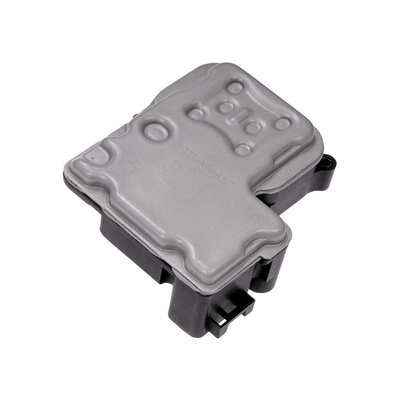
Below are the parts most often responsible for code C1315, ranked by how frequently each one is the actual culprit (per the diagnosis above). Tap any to see what we have for your vehicle.



The information in this article is provided for general reference and educational purposes only. Vehicle specifications, procedures, and part compatibility can vary by production date, trim level, and region. Always consult your vehicle's factory service manual and verify part numbers before purchasing or performing repairs. Safety-critical components such as airbags, seat belts, and braking systems should be installed by a qualified professional.
- 🧭 Diagnostic Flowchart
- 🎬 Helpful Videos
- 🛍️ Shop This Part
- What Does C1315 Mean?
- Can I Drive With C1315?
- Common Causes
- Symptoms
- Common Fixes & Costs
- Used vs. New Parts: Buying Guide
- What Happens If You Wait — Timeline
- Cost of Not Fixing It
- Diagnosis Steps
- When This Code Triggers (Freeze-Frame Conditions)
- Related Codes
- Climate & Environmental Factors
- How to Talk to a Mechanic About This Code
- Where to Take It: Dealer vs Independent vs Chain
- When to Walk Away From the Repair
- What Scan Tool You Need for This Code
- How to Clear the Code After You Fix It
- Will This Fail Emissions / State Inspection?
- Most Commonly Affected Vehicles
- Manufacturer-Specific Notes
- Real Owner Stories
- 2007 Toyota Prius with 144k miles
- Hyundai Santa Fe with intermittent TPMS light
- Nissan Altima with high idle and stalling
- How to Prevent This Code From Triggering
- Frequently Asked Questions
- Is it safe to drive my car with code C1315?
- Why is the C1315 repair so expensive on a Toyota Prius?
- Can I just replace the brake fluid to fix C1315?
- What is the most common misdiagnosis for C1315?
- My Hyundai has C1315 but the TPMS sensor is new. What now?
- Can I use a used brake actuator to save money?
- What happens if I ignore a C1315 code?
- Key Takeaways
- 🎟️ Get 5% Off