

OBD-II Code C1360: Master Cylinder Pressure Sensor Circuit Malfunction
The Ultimate Guide to What C1360 Means, Why It Triggers, and Exactly How to Fix It
- Code C1360 disables your ABS and Vehicle Stability Control (VSC) systems, increasing panic stopping distances by up to 70 feet.
- On Toyota and Lexus models, the master cylinder pressure sensor is permanently integrated into the ABS actuator, turning a simple sensor failure into a $1,500 to $3,000 repair.
- Never allow exhaust or frame welding without disconnecting the negative battery terminal; the resulting electrical surge is the number one cause of fried ABS/VSC control modules.
- If you drive a 2020-2022 Hyundai or Kia, check for code P2074 first; C1360 is often a phantom code fixed by a 1-hour dealer ECU software update.
What Does C1360 Mean?

Code C1360 means your vehicle's main computer (ECU) detects a critical malfunction in the master cylinder pressure sensor circuit. This sensor translates brake pedal pressure into an electronic signal required by the ABS and VSC systems. When this signal fails, the ECU disables these safety systems as a fail-safe and illuminates multiple dashboard warning lights.
Technical definition: The SAE/ISO definition for C1360 varies by manufacturer. Toyota defines it as 'Malfunction in Comparative Master Cylinder Pressure Sensor'. Hyundai and Kia define it as 'ESP Irreversible Error', meaning the Electronic Stability Program cannot control engine torque. Ford uses C1360 for a 'Fuel Rail Pressure (FRP) Sensor' fault, making manufacturer-specific diagnostics mandatory.
Can I Drive With C1360?
Yes, But With Caution. Yes, but only for short distances to a repair shop. Your primary hydraulic brakes function, but your Anti-lock Braking System (ABS) and Vehicle Stability Control (VSC) are disabled. In a panic stop, your wheels will lock up, increasing stopping distance by up to 70 feet and causing a complete loss of steering control.
Common Causes

- Failed ABS/VSC Control Module (Very Common) — The control module suffers internal electronic failure, frequently triggered by voltage spikes from welding on the vehicle's frame or exhaust without disconnecting the battery.
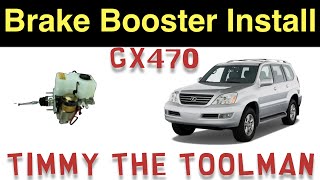
- Faulty Master Cylinder Pressure Sensor (Very Common) — The sensor fails internally due to age or heat, sending erratic data to the control module. On many Toyota and Lexus vehicles, this sensor is permanently integrated into the ABS/VSC actuator and cannot be replaced separately. 🎬 Watch this walkthrough on replacing the brake booster assembly
- Damaged Wiring or Connectors (Common) — Wires leading to the pressure sensor or ABS module fray, corrode, melt, or disconnect. Exhaust repairs near wiring harnesses or exposure to road salt are primary culprits.
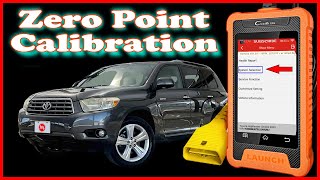
- Failed Zero Point Calibration (Common) — The ABS/VSC system requires a 'Zero Point Calibration' after component replacement or wheel alignments. A persistent failure to complete this calibration with a scan tool confirms a dead ABS/VSC control module. 🎬 See how to perform a Zero Point Calibration
- Air in Brake Lines or Low Fluid (Less Common) — Air trapped in the hydraulic lines creates a spongy brake pedal and inconsistent pressure readings. The control module flags these erratic readings as implausible and triggers the code.
- Faulty Brake Light Switch (Less Common) — A failing brake light switch sends signals that conflict with the pressure sensor data. If the switch indicates the pedal is released while the sensor detects hydraulic pressure, the module sets a fault.
- Faulty Brake Booster Vacuum Sensor (Rare) — On specific Volkswagen models, a faulty brake booster vacuum sensor triggers brake system warnings with symptoms identical to a C1360 fault, though it typically sets codes P0555 or 03366.
Symptoms

- ABS Light On — The Anti-lock Braking System (ABS) warning light illuminates, confirming the system is inactive.
- Traction or Stability Control (VSC/TRAC/ESC) Light On — The stability or traction control warning light illuminates, confirming the system is disabled.
- Brake Warning Light On — The main red brake warning light illuminates, signaling a critical fault in the braking system.
- Disabled Cruise Control — Adaptive or smart cruise control systems disable automatically because they rely on the stability system to function.
- Spongy or Hard Brake Pedal — The brake pedal feels soft if air is in the lines, or unusually hard if a booster issue exists.
Diagnostic Flowchart

Tap your situation to follow the diagnostic path that matches what you're seeing on this code.
Common Fixes & Costs
- ABS/VSC Module/Actuator Replacement — Parts: $800-$2500, Labor: $250-$500, ~2.5 hr book time (Professional)
- Brake Master Cylinder Replacement — Parts: $200-$600, Labor: $200-$400, ~2 hr book time (Professional)
- Brake Pressure Sensor Replacement — Parts: $150-$400, Labor: $100-$150, ~1.2 hr book time (Intermediate)
- Repairing Damaged Wiring or Connectors — Parts: $20-$60, Labor: $150-$350, ~2 hr book time (Intermediate)
- ECU Software Update — Parts: $0, Labor: $100-$200, ~1 hr book time (Professional)
DIY vs Professional
- ABS/VSC Module/Actuator Replacement — Beginner: no
Tools: Professional Scan Tool, Flare Nut Wrenches, Torque Wrench, Brake Fluid. - Brake Master Cylinder Replacement — Beginner: no
Tools: Flare Nut Wrenches, Bench Vise, Brake Bleeding Kit, Torque Wrench, Brake Fluid. - Brake Pressure Sensor Replacement — Beginner: yes_but_caution
Tools: Appropriate Wrench/Socket, Torque Wrench, Brake Fluid. - Repairing Damaged Wiring or Connectors — Beginner: yes
Tools: Multimeter, Wire Strippers, Wire Crimpers, Heat Shrink Tubing, Soldering Iron. - ECU Software Update — Beginner: no
Tools: Manufacturer-specific diagnostic and programming tool.
Used vs. New Parts: Buying Guide
When a used part is worth it: A used ABS module/actuator makes sense for older vehicles where a new OEM part ($1500+) exceeds 30% of the car's value. Source from a reputable dismantler who guarantees the exact part number match.
Donor-vehicle mileage cap: roughly under 100000 miles for the part to have meaningful remaining life.
Donor quality checklist:
- Part number must be an EXACT match to the original.
- Purchase from a seller providing a 30-90 day warranty.
- Avoid parts from vehicles with flood damage.
- Confirm if the module requires VIN reprogramming.
Decision logic:
- If Vehicle is less than 10 years old and the new part is under $1000 → Buy new (OEM or quality aftermarket) for the longer warranty.
- If The vehicle is over 10 years old and the budget is tight → Buy a tested used part from a reputable source, factoring in programming costs.
- If The failure was caused by electronic failure (e.g. welding) rather than mechanical wear → A used part from a low-mileage, accident-damaged car is an excellent candidate.
Warranty tradeoff: Used parts carry a 30-90 day warranty. Remanufactured parts offer 1-year to limited lifetime warranties. New OEM parts carry a 1-year/12,000-mile warranty.
Worst-case if a used part fails: $400-$800 if a used part is dead on arrival, requiring a second labor charge.
What Happens If You Wait — Timeline
- Immediate: Code sets, ABS and VSC warning lights illuminate. The anti-lock and stability control safety systems are immediately disabled. (MPG impact: 0%% · Added cost: $0)
- First Panic Stop: Without ABS, wheels lock up and skid during a hard brake. The driver loses steering control, and stopping distances increase significantly. (MPG impact: 0%% · Added cost: $150-$800 (Cost to replace flat-spotted tires) plus potential accident costs.)
- 1-12 months: Vehicle fails mandatory state safety inspections due to the illuminated brake warning light, leading to fines or inability to legally register the vehicle. (MPG impact: 0%% · Added cost: $100-$500 in fines and re-inspection fees.)
- Long-Term (6+ months): An accident claim is complicated by proof of neglecting a known, critical safety system failure. (MPG impact: 0%% · Added cost: Potential for total vehicle loss and liability in an at-fault accident.)
Cost of Not Fixing It
- Immediate: Disabled ABS and Vehicle Stability Control (VSC) significantly increases accident risk in panic stops or on slippery surfaces. (Added cost: Potential cost of an accident, ranging from $500 to total vehicle loss.)
- 1-6 months: Increased likelihood of flat-spotting tires during a panic stop, as wheels lock and skid. (Added cost: $150-$400 per ruined tire.)
- 6+ months: Failure to pass mandatory state safety inspections, leading to fines or inability to legally register the vehicle. (Added cost: $100-$500 in fines and re-inspection fees.)
Diagnosis Steps
- Read All Fault Codes
Use an OBD-II scanner capable of reading Chassis (C-prefix) codes. Confirm C1360 is present. You must diagnose codes like C1241 (Low Voltage) or P2074 (MAF Sensor) first, as C1360 is often a secondary fault.
Tools: OBD-II Scanner (with ABS/Chassis capability) (Beginner) - Inspect Brake Fluid and Fuses
Check the brake fluid level and condition in the master cylinder reservoir. Inspect all fuses related to the ABS, VSC, and ESC systems. Replace any blown fuses immediately.
Tools: Flashlight, Fuse puller (Beginner) - Visually Inspect Wiring and Connectors
Inspect the wiring harness connecting the master cylinder pressure sensor to the main ABS/VSC control module. Look for melting near the exhaust, chafing, corrosion, or loose connections.
Tools: Flashlight (Beginner) - Analyze Live Sensor Data
Access the live data stream for the master cylinder pressure sensor (labeled 'Master Cylinder Press' or 'PMC'). With the pedal released, pressure must read 0 MPa. As you press the pedal, pressure must increase smoothly. A stuck or erratic reading confirms a faulty sensor or circuit.
Tools: Advanced OBD-II Scanner with Live Data (Intermediate) - [PRO TIP] Test Sensor Circuit with a Multimeter
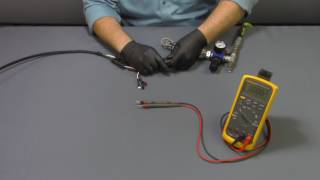
Disconnect the sensor and turn the ignition ON. Probe the harness connector. You must find a 5-volt reference wire from the ECU, a ground wire (less than 1.0 ohm resistance), and a signal wire. Missing 5V or ground indicates a wiring or ABS module failure.
Tools: Digital Multimeter, Wiring Diagram (Advanced) - [PRO TIP] Back-Probe the Signal Wire
Reconnect the sensor and back-probe the signal wire. With the ignition on and pedal released, voltage should be low (~0.3V - 0.86V). Press the pedal; voltage must rise linearly to ~4.75V. If voltage is stuck high (>0.86V with pedal off) or stuck low, the sensor has failed internally.
Tools: Digital Multimeter, T-pins, Wiring Diagram (Advanced) - Perform a Zero Point Calibration
Attempt to perform a 'Zero Point Calibration' using a professional scan tool. If the calibration repeatedly fails to complete, the ABS/VSC control module is dead and requires replacement.
Tools: Professional Scan Tool (Advanced) - [PRO TIP] Ford-Specific Fuel Pressure Test
If diagnosing a Ford, IGNORE brake diagnostics. C1360 refers to the Fuel Rail Pressure (FRP) sensor. Connect a fuel pressure gauge. At Key-On, Engine-Off (KOEO), pressure must be 35-45 PSI. If out of spec, diagnose the fuel pump or regulator.
Tools: Fuel Pressure Gauge, Digital Multimeter, Ford-Specific Service Manual (Advanced) - Bench Test the Master Cylinder
Remove the master cylinder, secure it in a vise, block the outlet ports, and depress the plunger. If the plunger sinks inward under pressure, it is leaking internally and requires replacement.
Tools: Bench Vise, Port Plugs, Screwdriver (Professional)
When This Code Triggers (Freeze-Frame Conditions)
- Vehicle Speed: 10-70 mph (Occurs at any speed after the initial system self-check completes.)
- Brake Pedal Status: On or Off (Detects faults with the pedal pressed or released, often as a logic failure (e.g., pressure detected when the pedal is off).)
- System Voltage: 11-14V (Sets if voltage to the module drops too low or spikes too high (often accompanied by code C1241).)
- Time: 1-5 seconds (The out-of-range sensor voltage must persist for a few seconds before the ECU logs the code and triggers warning lights.)
Related Codes
- C1241 — Indicates low or high battery voltage supplied to the ABS module. If C1241 and C1360 appear together, diagnose C1241 first. C1360 is a symptom of the power supply issue.
- C1202, C1205, C1208, C1211, C1283 — Hyundai/Kia wheel speed sensor codes. If a wheel speed sensor fails, the ESC shuts down and sets C1360 as an 'Irreversible Error'. Repair the wheel speed sensor first.
- C1223 — A general 'ABS Control System Malfunction' code. If present alongside C1360, it suggests a widespread problem with the ABS module's internal processing or power supply.
- P2074 — On 2020-2022 Hyundai/Kia models, this 'Mass Airflow Sensor Plausibility' code is the primary fault. A logic error triggers C1360 as a secondary, phantom code. Fix via TSB 22-EE-001H.
Climate & Environmental Factors
- High Humidity and Road Salt ('Salt Belt' Regions): Accelerates corrosion of wiring connectors and brake lines. Saltwater acts as an electrolyte, destroying electrical connections at the ABS module and sensor housings, triggering a C1360 code.
How to Talk to a Mechanic About This Code
Say this: "I have a C1360 code and my ABS/VSC lights are on. Before we assume it's the expensive ABS module, I'd like you to check for any other stored codes, especially C1241 for voltage. Please inspect the wiring and connectors to the ABS module for corrosion, and verify the sensor has proper 5V reference and ground. If it's a Hyundai/Kia, please check for any related TSBs."
This script establishes you as an informed consumer. It directs the technician to perform a logical diagnosis, starting with the simplest failure points (wiring, power, other codes) before jumping to a $2,500 ABS module replacement.
Avoid saying:
- 'My ABS light is on, can you fix it?'
- 'The car feels fine, just clear the codes.'
- 'Just do whatever it takes to get the lights off.'
Questions to ask before authorizing the repair:
- Did you find any other codes stored in any module, like for voltage (C1241) or wheel speed sensors?
- If you recommend an ABS module, can you confirm that the Zero Point Calibration procedure fails to complete?
- Did you test the sensor circuit to confirm it has a good 5-volt reference and ground?
- Can you show me the corroded connector or damaged wiring that you found?
- What is the warranty on the recommended part and the labor?
Where to Take It: Dealer vs Independent vs Chain
- Dealer:
Necessary for specific software-related fixes (Hyundai/Kia TSB) or warranty work. A good, but expensive, option for a definitive diagnosis.
Best for: Vehicles under warranty., Hyundai/Kia models needing a specific TSB software update., Complex repairs requiring module programming.
Downsides: Highest labor and part costs, often 1.5-2x more than an independent shop., Defaults to replacing an entire expensive assembly when a smaller component fix is possible. (Typical cost: +50% vs. baseline) - Independent Shop:
Best fit for most scenarios. A good independent specialist traces the fault without defaulting to the most expensive repair.
Best for: Most out-of-warranty vehicles., Diagnosing and repairing common causes like wiring faults or used module replacement., Owners looking for the best balance of expertise and value.
Downsides: Diagnostic capabilities vary; ensure they have a professional bidirectional scanner., Lacks access to manufacturer-specific software updates. (Typical cost: +0% vs. baseline) - Chain Shop:
AVOID. This code requires diagnostic expertise beyond the scope of a chain repair shop. The risk of an expensive misdiagnosis is very high.
Best for: Simple, unrelated maintenance like oil changes or tires.
Downsides: Technicians lack advanced diagnostic training for complex electronic codes like C1360., High pressure to meet sales quotas leads to misdiagnosis., Lacks tools needed for post-repair procedures like ABS bleeding or Zero Point Calibration. (Typical cost: -10% vs. baseline)
When to Walk Away From the Repair
If the estimated repair cost for the C1360 fault exceeds 40-50% of your car's private-party value, seriously consider your options.
- Car worth $5000, fix is $2500: Walk away. The repair costs 50% of the car's value. Put this money towards a down payment on a more reliable vehicle.
- Car worth $15000, fix is $2500: Fix it. The repair is ~17% of the car's value and restores a critical safety system.
- Car worth $3000, fix is $400: Fix it. A $400 wiring repair is well below the threshold and makes the car safe and sellable.
What Scan Tool You Need for This Code
Minimum: A scanner that reads and clears Anti-Lock Brake System (ABS) / Chassis (C-prefix) trouble codes and views live sensor data.
A standard $20 engine code reader cannot access the ABS module. It shows 'No Codes' even when your dashboard is lit up. You must be able to see live data from the brake pressure sensor.
Budget: Foxwell NT630 Plus / Autel AutoLink AL619 (~$99) — Reads and clears ABS codes and displays live data streams to check if pressure sensor readings change when you press the brake pedal.
Mid-range: Innova 5610 / Foxwell NT510 Elite (~$350) — Adds crucial bidirectional controls to perform the 'Zero Point Calibration' and activate the ABS pump for automated brake bleeding.
Professional: Autel MaxiCOM MK808 / Launch X431 Series (~$500-1200) — Provides full, professional-grade bidirectional control, OEM-level diagnostics, and ECU coding for replacement modules.
Rent vs buy: Take the vehicle to a shop equipped with a bidirectional scanner if you do not want to purchase a mid-range tool. Free rental tools from auto parts stores are basic code readers and will NOT diagnose C1360.
How to Clear the Code After You Fix It
- Reconnect the battery if disconnected during repair.
- Use an OBD-II scanner capable of reading Chassis codes to clear the C1360 fault.
- Perform a Zero Point Calibration if the ABS module or sensor was replaced.
- Perform the specialized brake bleeding procedure with the scan tool if the hydraulic system was opened.
Drive cycle (~20 minutes): Start the engine and idle for 2 minutes. Drive for at least 10 minutes, including several moderate stops from speeds above 25 mph to allow the ABS system to run self-checks. The warning lights must remain off.
Readiness monitors affected: Not applicable for emissions testing, as C1360 is a Chassis code.
Before emissions retest: drive at least 50 miles to fully set monitors.
Watch out for:
- Disconnecting the battery will not clear this code on most vehicles.
- If the root cause is not fixed, the code returns immediately upon the next drive.
- Forgetting to perform the Zero Point Calibration or scan tool-activated bleed procedure prevents the system from working correctly.
Will This Fail Emissions / State Inspection?
No — by itself this code doesn't fail OBD inspection (but it can keep readiness monitors from setting, which causes a separate fail).
- California: An illuminated ABS or Brake warning light causes an automatic failure of the mandatory safety inspection.
- New York: An illuminated ABS light is NOT grounds for failing the safety inspection, but an illuminated red 'Brake' warning light causes a failure.
- Texas: An illuminated red 'Brake' warning lamp causes an inspection failure. An illuminated amber 'ABS' lamp is NOT a cause for rejection.
Most Commonly Affected Vehicles
- Toyota Tundra (2007-2015) — Highly susceptible. The code frequently appears after welding work is performed without disconnecting the battery, which destroys the VSC module.
- Toyota Sequoia (2003-2007) — Shares the Tundra's brake system. Corroded connectors on the pressure sensors or the ABS control module are common failure points.
- Hyundai Sonata (2020-2022) — Covered by TSB 22-EE-001H. C1360 appears as a secondary code to a mass airflow sensor issue (P2074). Fixed via dealer ECM software update.
- Hyundai Santa Fe (2021-2022) — Included in TSB 22-EE-001H. The C1360 'ESP Irreversible Error' triggers alongside a primary MAF sensor code (P2074).
- Hyundai Genesis (2009-2014) — Defined as an 'ESP Irreversible Error' indicating the smart cruise control system cannot communicate with the stability program.
- Hyundai Grandeur / Azera (2012-2017) — Indicates a problem with the Electronic Stability Control (ESC) system preventing torque control for smart cruise control.
- Kia K5 / Sorento (2021-2022) — Affected by the same ECM software issue (TSB 22-EE-001H) as Hyundai models, causing C1360 as a secondary code.
- Lexus Various Models (GX470, RX350, etc.) (2005-2015) — Uses similar VSC components to Toyota. Experiences the same integrated sensor failures and module damage from voltage spikes.
- Volkswagen Golf / Tiguan (2009-2016) — Presents similar symptoms due to a faulty brake booster vacuum sensor. Associated VW codes are typically P0555 or 03366, not C1360.
Manufacturer-Specific Notes
- Toyota/Lexus: The master cylinder pressure sensor is permanently integrated into the ABS/VSC actuator assembly. A simple sensor failure requires replacing the entire unit, costing thousands of dollars.
- Hyundai/Kia: C1360 is frequently a secondary fault ('ESP Irreversible Error') triggered by another issue, such as a wheel speed sensor or MAF sensor logic error. Always diagnose other codes first.
- Ford: C1360 is NOT related to the brake system. It defines a fault with the 'Fuel Rail Pressure (FRP) Sensor'. Use Ford-specific diagnostic tools to avoid misdiagnosing the brakes.
- General: Welding on the vehicle's frame or exhaust without disconnecting the battery destroys the sensitive microelectronics in the ABS/VSC control module, causing an immediate and permanent C1360 fault.
Real Owner Stories
2015 Toyota Tundra at 110k miles - The Welding Job Nightmare
Owner picked up his Tundra from an exhaust shop. The ABS, Trac Control, and Brake warning lights were immediately on.
What they tried:
- Scanned codes, revealing a hard fault for C1360.
- Shops inspected wiring and sensors, finding no physical issues.
- A diagnostic report showed Zero Point Calibration repeatedly failed.
Outcome: The shop welded the exhaust without disconnecting the battery. The high current destroyed the sensitive electronics inside the ABS/VSC actuator assembly. The fix required a full $2,500 replacement of the actuator unit.
Lesson: Always verbally confirm with any shop that they will disconnect the battery before performing welding on your vehicle.
2021 Hyundai Sonata at 45k miles - The Phantom Brake Problem
The ABS, ESC, and 'Check Engine' lights illuminated while driving. Cruise control disabled automatically.
What they tried:
- Owner used a basic scanner, found code C1360, and assumed a major brake failure.
- Took the car to the dealership for a second opinion.
Outcome: The dealer found code P2074 (Mass Airflow Sensor Plausibility) stored alongside C1360. C1360 was a secondary 'phantom' code triggered by a software logic error. The dealer performed an ECU software update (TSB 22-EE-001H), resolving all codes for a 1-hour labor charge.
Lesson: On modern Hyundai/Kia vehicles, C1360 is often a secondary code. Always scan all vehicle modules for other codes before assuming the fault is in the brake system.
2006 Lexus GX470 in a 'Salt Belt' State - The Intermittent Gremlin
The VSC and ABS lights illuminated intermittently during wet or humid weather.
What they tried:
- Checked brake fluid and fuses.
- A mechanic scanned code C1360 and quoted $2,000 for a new ABS actuator.
Outcome: The owner found green corrosion inside the main electrical connector on the ABS control module. They cleaned the connector pins with contact cleaner, applied dielectric grease, and reconnected it securely. The code cleared and never returned.
Lesson: Perform a meticulous inspection of all related wiring and connectors before replacing expensive modules, especially in regions with high humidity or road salt.
How to Prevent This Code From Triggering
- Perform regular brake fluid flushes (Every 2-3 years or 30,000 miles) — Brake fluid absorbs moisture, causing corrosion inside the delicate solenoid valves of the ABS module. Fresh fluid prevents this internal damage.
- Insist on battery disconnection before any welding (Any time welding is performed on the frame or exhaust) — Disconnecting the negative battery terminal prevents the welder's high current from surging through the chassis and destroying the ABS module's microelectronics.
- Protect electrical connectors in harsh climates (Once every 1-2 years or during brake service) — Applying dielectric grease to the main ABS module connector and sensor plugs creates a waterproof seal, preventing corrosion and signal dropouts.
- Address battery and charging system issues promptly (As soon as symptoms (slow cranking, dim lights) appear) — The ABS module is highly sensitive to voltage. Operating with a weak battery or failing alternator causes logic errors and permanent damage.
Frequently Asked Questions
Can I just replace the brake pressure sensor?
It depends on your vehicle. On some cars, it is a standalone, screw-in part. On many modern vehicles, especially Toyota and Lexus, it is permanently built into the ABS actuator, requiring a full assembly replacement.
Why did this code appear right after my exhaust was fixed?
If the repair shop welded without disconnecting the vehicle's battery, the electrical current traveled through the frame and fried the ABS/VSC control module. This permanent damage requires a full module replacement.
I replaced the sensor but the C1360 code came back. What now?
The problem lies in damaged wiring, a bad connector, or a faulty ABS/VSC control module. You must also perform a 'Zero Point Calibration' after replacing brake components; if this fails, the control module is dead.
What happens when a master cylinder pressure sensor fails?
The sensor stops reporting brake pedal pressure to the car's computer. The computer immediately disables the ABS and Vehicle Stability Control (VSC) systems to prevent erratic braking. Your dashboard will illuminate with ABS, VSC, and Brake warning lights.
Is it safe to drive with the ABS and VSC lights on?
Your primary hydraulic brakes still work, but you lack anti-lock brakes and stability control. You will likely lock up the wheels and skid during a hard stop, losing steering control. Drive straight to a repair shop with extreme caution.
How much does it cost to fix code C1360?
A simple wiring repair costs $150 to $350. A standalone sensor replacement runs $250 to $500. Replacing an entire ABS module/actuator assembly costs between $1,500 and $3,000 at a dealer or specialty shop.
Can I reset the code to make the lights go away?
You can clear the code with an OBD-II scanner, but the lights will return immediately upon startup or during the next drive cycle. C1360 indicates a hard hardware fault that requires physical repair.
Key Takeaways
- Code C1360 disables your ABS and Vehicle Stability Control (VSC) systems, increasing panic stopping distances by up to 70 feet.
- On Toyota and Lexus models, the master cylinder pressure sensor is permanently integrated into the ABS actuator, turning a simple sensor failure into a $1,500 to $3,000 repair.
- Never allow exhaust or frame welding without disconnecting the negative battery terminal; the resulting electrical surge is the number one cause of fried ABS/VSC control modules.
- If you drive a 2020-2022 Hyundai or Kia, check for code P2074 first; C1360 is often a phantom code fixed by a 1-hour dealer ECU software update.
Helpful Videos
Shop the Parts Behind C1360
Below are the parts most often responsible for code C1360, ranked by how frequently each one is the actual culprit (per the diagnosis above). Tap any to see what we have for your vehicle.


The information in this article is provided for general reference and educational purposes only. Vehicle specifications, procedures, and part compatibility can vary by production date, trim level, and region. Always consult your vehicle's factory service manual and verify part numbers before purchasing or performing repairs. Safety-critical components such as airbags, seat belts, and braking systems should be installed by a qualified professional.
- 🧭 Diagnostic Flowchart
- 🎬 Helpful Videos
- 🛍️ Shop This Part
- What Does C1360 Mean?
- Can I Drive With C1360?
- Common Causes
- Symptoms
- Common Fixes & Costs
- DIY vs Professional
- Used vs. New Parts: Buying Guide
- What Happens If You Wait — Timeline
- Cost of Not Fixing It
- Diagnosis Steps
- When This Code Triggers (Freeze-Frame Conditions)
- Related Codes
- Climate & Environmental Factors
- How to Talk to a Mechanic About This Code
- Where to Take It: Dealer vs Independent vs Chain
- When to Walk Away From the Repair
- What Scan Tool You Need for This Code
- How to Clear the Code After You Fix It
- Will This Fail Emissions / State Inspection?
- Most Commonly Affected Vehicles
- Manufacturer-Specific Notes
- Real Owner Stories
- 2015 Toyota Tundra at 110k miles - The Welding Job Nightmare
- 2021 Hyundai Sonata at 45k miles - The Phantom Brake Problem
- 2006 Lexus GX470 in a 'Salt Belt' State - The Intermittent Gremlin
- How to Prevent This Code From Triggering
- Frequently Asked Questions
- Can I just replace the brake pressure sensor?
- Why did this code appear right after my exhaust was fixed?
- I replaced the sensor but the C1360 code came back. What now?
- What happens when a master cylinder pressure sensor fails?
- Is it safe to drive with the ABS and VSC lights on?
- How much does it cost to fix code C1360?
- Can I reset the code to make the lights go away?
- Key Takeaways
- 🎟️ Get 5% Off