

OBD-II Code C1380: ABS/Brake System Malfunction
What C1380 means, why it triggers, and how to fix it
- For Toyota and Lexus models, C1380 is triggered by a faulty $15-$70 stop light relay or switch over 80% of the time, not a failed ABS pump.
- On Peugeot and Citroen vehicles, this code indicates a seized ABS pump motor, confirmed by measuring an electrical draw exceeding 40 amps during a scan tool active test.
- If C1380 appears immediately after replacing an ABS pump, the replacement module has incompatible internal wiring pinouts and must be swapped for an exact part number match.
- Driving with C1380 increases emergency stopping distances by 15-30% and often leaves brake lights stuck on, risking a dead battery overnight and severe rear-end collisions.
What Does C1380 Mean?

Code C1380 indicates your car's computer detected a critical malfunction in a brake system circuit. The meaning differs significantly by manufacturer, pointing to a problem with the stop light control relay, a seized ABS pump motor, or an uncalibrated brake sensor. The vehicle's main computer (ECU) continuously monitors these components. If the expected signal (e.g., relay is ON) doesn't match the actual received signal (e.g., relay is OFF) for a set period, typically 2 to 5 seconds, it logs code C1380 and disables related safety systems.
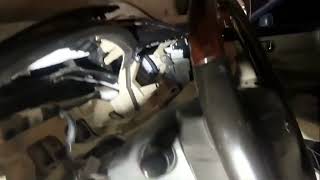
Technical definition: The official SAE/ISO definition for C1380 is highly manufacturer-dependent. For Toyota and Lexus, it is 'Stop Light Control Relay Malfunction', where the Skid Control ECU detects a mismatch between the relay command (STPO signal) and the brake light circuit feedback (STP and STP2 signals) for over 5 seconds. For Peugeot and Citroen, it is 'ABS Recirculation Pump Locked' 🎬 Watch: Troubleshooting the ABS recirculation pump on a Citroen. or 'Pump Motor Fault', triggered when the ABS module detects an internal mechanical seizure or excessive current draw. For Hyundai, the definition is 'Brake Pedal Travel Sensor Not Calibrated', indicating stored sensor values do not match expected parameters.
Can I Drive With C1380?

No, recommended Driving with code C1380 is not recommended. Your Anti-lock Braking System (ABS) and stability/traction control are disabled, which increases stopping distances by 15-30% in emergency braking situations, especially on wet or loose surfaces. More critically, the fault causes your brake lights to fail or remain stuck on, creating a significant safety hazard. Driving with non-functional brake lights is illegal and results in a fix-it ticket or fine. It is a serious safety risk that requires immediate repair.
Common Causes

- Defective Stop Light Relay (Very Common) — This is the primary cause on Toyota and Lexus models. The relay, a small electronic switch in the engine bay fuse box (or a secondary one in the cabin), fails from age or water intrusion, causing it to stick open or closed. On models like the Lexus LX570, water leaks from clogged sunroof drains frequently destroy the interior relay.
- Faulty Stop Light Switch (Common) — This switch, located at the top of the brake pedal arm, tells the computer when you are braking. A faulty or misadjusted switch sends incorrect signals to the Skid Control ECU, which flags a C1380 code because the relay's state doesn't match the pedal's state.
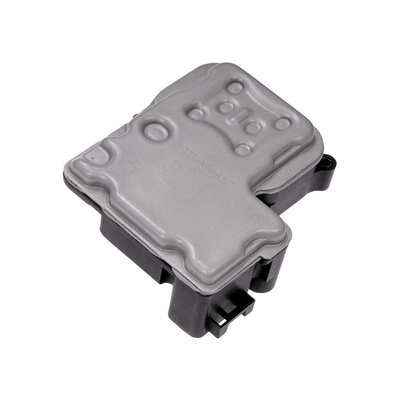
- Faulty ABS Pump / Module (Very Common) — On European vehicles like Peugeot and Citroen, this code almost always points to a seized or internally shorted ABS pump motor. This is confirmed by measuring a very high amperage draw (over 40 amps) during an active test. On other makes, the electronic control module attached to the pump fails due to broken internal solder joints.
- Incompatible Replacement ABS Module (Less Common) — If the C1380 code appears immediately after replacing an ABS pump assembly (often following a C1251 code), the new unit is likely from a different model year or features incompatible internal electronics. The pinouts for the wiring harness differ, causing a signal mismatch even if the pump is new or rebuilt.
- Blown Fuses (Less Common) — The ABS system and brake light circuits are protected by multiple fuses (e.g., 'STOP', 'ECU-IG', 'ABS MTR'). A blown fuse cuts power to a component and triggers this code. The pump motor fuse is a high-amp fuse, typically around 40A.
- Wiring Harness Damage or Corrosion (Less Common) — Broken, shorted, or corroded wires in the circuits connecting the ABS module, brake light switch, and relay interrupt signals and cause this fault. This includes loose connectors at the ABS module and corrosion in the main fuse box.
- Aftermarket LED Tail Lights (Rare) — Improperly installed or low-quality aftermarket LED tail lights have incorrect electrical resistance. This confuses the brake control module on sensitive systems like those in Lexus models, leading to a C1380 code due to a missing or failed load resistor.
Symptoms
- ABS Warning Light On — This is the most common symptom, indicating the Anti-lock Braking System is disabled.
- Traction Control (VSC, TRAC, ESC) Light On — The stability and traction control systems, which rely on the ABS, are also disabled.
- Brake Warning Light On — A red or amber 'BRAKE' light illuminates on the dashboard.
- Brake Lights Don't Work or Stay On — The brake lights fail to illuminate when you press the pedal, or they remain lit even when your foot is off the brake, creating a major safety hazard and draining the battery.
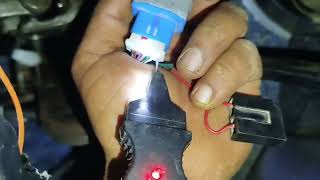
- Speedometer Not Working — On Peugeot and Citroen models, a fault in the ABS module that triggers C1380 also causes the speedometer to stop functioning 🎬 Watch: Common symptoms and tests for a failing ABS pump., as it relies on wheel speed data from the ABS system.
Diagnostic Flowchart
Tap your situation to follow the diagnostic path that matches what you're seeing on this code.
Common Fixes & Costs
- Replace Stop Light Relay — Parts: $15-$70, Labor: $0-$75, ~0.3 hr book time (DIY)
- Replace Stop Light Switch — Parts: $25-$80, Labor: $60-$120, ~0.8 hr book time (DIY)
- Replace ABS Pump/Module — Parts: $200-$600 (Used/Rebuilt) or $1500-$2800+ (New, OEM), Labor: $250-$500, ~2.5 hr book time (Professional)
- Repair Wiring Harness or Connectors — Parts: $10-$30, Labor: $150-$400, ~2 hr book time (Intermediate)
- Recalibrate Brake Pedal Sensor — Parts: $0, Labor: $100-$150, ~0.3 hr book time (Professional)
Used vs. New Parts: Buying Guide
When a used part is worth it: A used ABS pump/module is a budget-conscious option for older, high-mileage vehicles (over 150k miles) where the cost of a new OEM part ($1500+) is prohibitive. It is a viable short-term solution if the budget is very tight.
Donor-vehicle mileage cap: roughly under 80000 miles for the part to have meaningful remaining life.
Donor quality checklist:
- Match the part number on the module EXACTLY. Even on the same vehicle model, different trim packages or years have different, incompatible modules.
- Inquire about the donor vehicle's mileage and reason for being scrapped (accident damage is better than electrical/flood damage).
- Visually inspect the unit for corrosion, especially around the electrical connector.
Decision logic:
- If The part is an inexpensive relay or switch → Always buy new; the savings from buying used are negligible.
- If The part is the ABS pump/module and the vehicle is newer or has low mileage → Favor a new or professionally rebuilt unit for reliability and warranty.
- If A used ABS module is purchased → Be prepared for it to require VIN programming with a professional scan tool to work with your car. 'Plug-and-play' claims are often misleading.
Warranty tradeoff: Used parts typically have a 30-90 day warranty, often for part replacement only (not labor). Rebuilt units offer a 1-year to lifetime warranty. New OEM parts carry a 1-year warranty.
Worst-case if a used part fails: $400-$800 if a used ABS module is faulty or incompatible, requiring repeat labor costs plus the price of another replacement part.
What Happens If You Wait — Timeline
- Immediate: Code C1380 is logged. ABS, VSC, and TRAC warning lights illuminate. The associated safety systems are disabled. Brake lights are either stuck on or completely inoperative. (MPG impact: 0%% · Added cost: $0-$300 (Potential traffic fine for non-functional brake lights))
- 1-4 Weeks: If brake lights are stuck on, the battery is at high risk of being completely drained, especially overnight. This leads to a no-start condition and shortens the battery's overall lifespan. Continued driving places stress on the electrical system if a pump motor is seized. (MPG impact: 0%% · Added cost: $150-$350 (Cost of a new battery and/or roadside assistance))
- 1-6 Months: The vehicle automatically fails the safety inspection portion of an emissions test in most states due to the illuminated brake or ABS warning lights. The primary risk remains the lack of safety systems, significantly increasing the chance of an accident in an emergency maneuver. (MPG impact: 0%% · Added cost: $50-$150 (Failed inspection fee and re-test cost))
- 6+ Months: Ignoring the issue normalizes driving with a major safety deficit. If the root cause is a seized ABS pump, leaving it in a failed state puts long-term stress on the vehicle's electrical system. The ultimate cost is the immeasurable financial and personal impact of an accident that could have been mitigated by functional ABS or stability control. (MPG impact: 0%% · Added cost: Immeasurable (Cost of an at-fault accident due to compromised braking))
Cost of Not Fixing It
- Immediate: ABS and traction/stability control are disabled, increasing stopping distances and risk of skidding in emergency maneuvers. Brake lights are inoperative or stuck on, creating an extreme safety hazard and risk of a traffic ticket. (Added cost: $100-$300+ (Traffic fine))
- 1-4 Weeks: If brake lights are stuck on, the battery drains completely, requiring a jump start or replacement. Continued driving with a seized ABS pump (on relevant models) places stress on the electrical system. (Added cost: $150-$350 (New battery))
- 1-6 Months: Ignoring the fault leads to a failed state safety inspection in many jurisdictions. The primary escalating cost remains the significant safety risk of an accident due to compromised braking or incorrect brake light signals. (Added cost: Immeasurable (Cost of an accident))
Diagnosis Steps
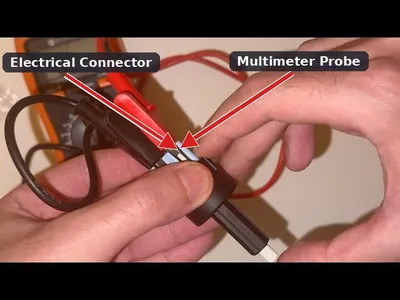
- Check Brake Light Function
Have a helper stand behind the car while you press and release the brake pedal. Confirm if the brake lights turn on and off correctly. If they don't work or stay on, this strongly points to a problem in the brake light switch, relay, or wiring circuit.
Tools: Helper or heavy object to press pedal (Beginner) - Inspect All Related Fuses
Using your owner's manual, locate the fuse boxes (engine bay and interior). Find all fuses related to the ABS and stop lights (often labeled 'STOP', 'ECU-IG', 'ABS MTR'). Visually inspect them for a broken filament or use a multimeter to test for continuity.
Tools: Owner's manual, fuse puller, multimeter (Beginner) - Inspect the Stop Light Switch
Locate the switch at the top of the brake pedal assembly. Ensure it is securely mounted and that the plunger is correctly depressed and released by the pedal's movement. Check the connector for damage or corrosion.
Tools: Flashlight (Beginner) - Locate and Test the Stop Light Relay
Using a repair manual, find the stop light relay. A common DIY test is to swap it with an identical relay from a non-critical system (like the horn) to see if the problem moves. If it does, the relay is bad. Note that some vehicles have a second relay inside the cabin.
Tools: Repair manual, pliers (Intermediate) - Inspect Wiring and Connectors
Visually inspect the wiring harness going to the ABS module, brake light switch, and relays. Look for chafed insulation, green crust from corrosion, or bent pins in connectors. Pay close attention to the main connector at the ABS module.
Tools: Flashlight, Multimeter (Intermediate) - Pro Tip: Perform an Active Test with a Scan Tool
A bidirectional scan tool commands the ABS pump motor or stop light relay to turn on. For a Toyota/Lexus, command the relay ON/OFF and listen for a click. For a Peugeot/Citroen, activate the recirculation pump. If it fails to run, it points to a bad pump or circuit.
Tools: Bidirectional OBD-II Scan Tool (Advanced) - Pro Tip: Measure ABS Pump Motor Amperage Draw
For Peugeot/Citroen where C1380 indicates a locked pump, use a clamp-on ammeter on the main power wire to the ABS module. When you command the pump ON with a scan tool, a seized or shorted motor draws excessively high current (over 40A) for a moment before the test aborts, confirming internal failure.
Tools: Bidirectional Scan Tool, DC Clamp-on Ammeter (Advanced) - Pro Tip: Test Specific Pin Voltages at the ECU
Using a vehicle-specific wiring diagram and a multimeter, check key voltages at the Skid Control ECU connector. For example, on a Toyota FJ Cruiser, the STP pin should read below 1.5V with the pedal released, and jump to 8-14V when pressed. A static reading pinpoints a specific wiring or switch fault.
Tools: Multimeter, Vehicle-Specific Wiring Diagram (Advanced)
When This Code Triggers (Freeze-Frame Conditions)
- System Voltage: 10-14V (The fault check runs when ignition voltage is within the normal operating range.)
- Vehicle Speed: > 3 mph (5 km/h) (The system performs a self-test once the vehicle begins moving, which is when the code is triggered.)
- Brake Pedal Status: Pressed or Released (The code sets after a 5-second mismatch between the brake pedal position and the signal from the stop light relay circuit.)
- Ignition Status: ON (The ABS module is powered on and actively monitoring circuits as soon as the ignition is turned on.)
Related Codes
- C1251 — This code for 'ABS Pump Motor Circuit Failure' appears before C1380 on Toyota/Lexus models. C1251 indicates a direct electrical fault with the pump motor itself. A failing pump then leads to C1380 if an incompatible replacement pump is installed, as the control module detects a relay communication error.
- C1425 — On Toyota/Lexus vehicles, this code for 'Open in Stop Light Switch Circuit' often appears with C1380. Service information recommends diagnosing and fixing C1425 first, as a faulty switch or its circuit is the root cause that prevents the control module from correctly verifying the relay's operation, thus triggering C1380.
- C1350 — For Peugeot/Citroen models, this 'Solenoid Valve Internal Fault' code commonly accompanies C1380. When both are present, it strongly indicates a comprehensive failure within the ABS hydraulic control unit, making a full module replacement necessary.
- U0122 — This code means 'Lost Communication With Vehicle Dynamics Control Module.' If you see this code along with C1380, it points to a larger problem like a wiring harness issue, a failed control module, or a problem on the CAN bus network that prevents modules from communicating.
Climate & Environmental Factors
- Humidity and Water Exposure: High humidity, heavy rain, or road salt spray accelerates corrosion on exposed connectors, fuse boxes, and the ABS module itself. Water intrusion from clogged sunroof drains or bad window seals is a known cause for failure of interior relays, particularly on the Lexus LX570.
- Extreme Cold: In freezing temperatures, moisture within the ABS pump freezes, causing the recirculation pump motor to seize and trigger a C1380 code on Peugeot/Citroen models. Cold also makes old wiring insulation brittle and prone to cracking.
How to Talk to a Mechanic About This Code
Say this: "I have an ABS light on and my scanner shows code C1380. I know this code means different things on different cars. For my [Your Car's Make, e.g., Toyota Tundra], I believe it points to a 'Stop Light Control Relay Malfunction'. I'd like to schedule a diagnostic to confirm if the issue is the relay, the switch, or wiring, before we consider replacing the whole ABS pump."
This signals you are an informed customer. It directs the mechanic to the most likely, and cheapest, fixes first (relay/switch) and prevents them from immediately quoting a very expensive ABS pump replacement, which is a common misdiagnosis for Toyota/Lexus. For a Peugeot, you would say '...I believe it points to a locked ABS pump motor' and ask them to confirm with an amperage draw test.
Avoid saying:
- 'My ABS light is on, can you fix it?'
- 'Just do whatever it takes to get the light off.'
- 'A friend said it's probably the ABS pump, can you give me a quote?'
Questions to ask before authorizing the repair:
- For a Toyota/Lexus: Did you test the stop light relay and switch? Did you check for voltage at the ECU pins per the service manual?
- For a Peugeot/Citroen: Did you perform an active test on the pump motor and measure its amperage draw? What was the reading?
- If an ABS module replacement is recommended: Is the replacement a new, used, or rebuilt unit? What is the warranty on the part and the labor?
- Will the new module require programming to my car's VIN?
- Can you provide me with the old parts when the job is done?
Where to Take It: Dealer vs Independent vs Chain
- Dealer:
A safe but expensive option. Necessary for Hyundai recalibration. For other makes, consider an independent shop first.
Best for: Vehicles under warranty, Hyundai models that require a 'Brake Pedal Travel Sensor' recalibration, Complex electrical issues or when a first-time correct fix is paramount
Downsides: Highest labor rates, often 1.5-2x more than independent shops., Defaults to replacing the entire expensive ABS assembly rather than diagnosing a cheaper component like a relay or wiring. (Typical cost: +50% vs. baseline) - Independent Shop:
Best fit for most scenarios, especially Toyota/Lexus. Find a well-reviewed shop with ASE-certified technicians specializing in your vehicle's brand.
Best for: Out-of-warranty Toyota/Lexus models where the fix is likely a common relay or switch., Owners who have a trusted mechanic with good diagnostic skills., Cost-conscious repairs on common vehicles.
Downsides: Shop quality and diagnostic tool capabilities vary greatly. Ensure they have a bidirectional scanner that reads ABS codes and performs active tests. (Typical cost: +0% vs. baseline) - Chain Shop:
AVOID for C1380 diagnosis. They are unlikely to have the specific knowledge for manufacturer quirks and lead to incorrect and costly repairs.
Best for: Simple, unrelated maintenance like oil changes or new tires.
Downsides: Technician skill varies dramatically; they lack the advanced diagnostic tools or experience for complex electrical codes like C1380., High pressure to upsell common services; they misdiagnose the issue and recommend unnecessary brake work. (Typical cost: -10% vs. baseline)
When to Walk Away From the Repair
If the estimated repair cost for the C1380 fault exceeds 50% of your car's private-party market value (e.g., from Kelley Blue Book), you should seriously consider not fixing it and instead selling the vehicle as-is or trading it in.
- Car worth $5000, fix is $2500: Walk away. The repair cost is half the car's value. The risk of other age-related repairs is high.
- Car worth $15000, fix is $2800: Fix it. The repair cost is significant but well below the 50% threshold, preserving the value and safety of a more valuable car.
- Car worth $8000, fix is $400: Fix it. If the diagnosis points to a simple relay or switch, the repair is a small fraction of the car's value and is critical for safety.
What Scan Tool You Need for This Code

Minimum: A scan tool that reads and clears Anti-lock Braking System (ABS) fault codes. A basic engine-only code reader will NOT work for a 'C' code.
A basic code reader cannot communicate with the ABS module. For C1380, you need a scanner that not only reads the code but also performs bidirectional 'active tests' to command components like the stop light relay or ABS pump motor to turn on. This is essential for accurate diagnosis without replacing unnecessary parts.
Budget: BlueDriver Pro Scan Tool (~$100) — Reads and clears ABS codes, and provides live data from the ABS system. However, it has limited bidirectional control, so it cannot perform the active tests needed for a definitive diagnosis.
Mid-range: Foxwell NT510 Elite (~$180) — Offers manufacturer-specific diagnostics for one chosen brand (e.g., Toyota). It provides full ABS code reading, live data, and crucial bidirectional controls to perform active tests on the stop light relay or ABS pump, making it an excellent choice for a serious DIYer.
Professional: Autel MaxiCOM MK808 / MK808BT (~$450-600) — A full-featured diagnostic tablet with extensive bidirectional controls for all vehicle systems on a wide range of makes and models. It easily performs the active tests required for C1380, runs ABS brake bleeds after pump replacement, and performs sensor calibrations. This is professional-level capability.
Rent vs buy: Most auto parts stores like AutoZone offer free code reading, but their loaner tools are typically basic readers that cannot access ABS codes or perform active tests. For C1380, you need more advanced capabilities. If this is a one-time repair, paying a shop's diagnostic fee ($100-$200) is more economical than buying a midrange scanner. Buy a scanner if you plan to do your own diagnostics and repairs regularly.
How to Clear the Code After You Fix It
- Use an OBD-II scan tool capable of reading ABS codes to clear the fault.
- Turn the ignition off, then start the engine.
- Drive the vehicle above 5 mph to allow the ABS system to run its self-test and confirm the light stays off.
Drive cycle (~30 minutes): To reset emissions readiness monitors after clearing codes: perform a cold start and idle for 5-10 minutes. Drive for 15-20 minutes with mixed city/highway speeds, including a period of steady-state cruising between 40-60 mph. Allow the vehicle to cool completely before re-testing.
Readiness monitors affected: Evaporative System Monitor, Catalyst Monitor, O2 Sensor Monitor
Before emissions retest: drive at least 100 miles to fully set monitors.
Watch out for:
- Disconnecting the battery will not reliably clear ABS codes and erases all emissions readiness data.
- The code returns immediately if the underlying electrical or mechanical fault has not been properly repaired.
- Using a basic code reader that cannot access the ABS module will not clear a 'C' code.
Will This Fail Emissions / State Inspection?
No — by itself this code doesn't fail OBD inspection (but it can keep readiness monitors from setting, which causes a separate fail).
- California: While a 'C' code won't fail the OBD-II data portion of a Smog Check, an illuminated ABS or Brake warning light on the dash causes a failure of the visual/functional inspection. Clearing the code resets readiness monitors, which requires a full drive cycle before you can pass.
- New York: The NYS safety inspection fails a vehicle if the ABS or brake warning light is illuminated. This is an automatic failure.
- Texas: An illuminated yellow 'ABS' light will NOT cause a failure. However, an illuminated red 'BRAKE' warning light WILL cause a safety inspection failure.
Most Commonly Affected Vehicles
- Toyota Tundra (2007-2013) — Often presents as 'Stop Light Control Relay Malfunction'. A known issue is the C1380 code appearing after replacing a faulty ABS pump (which first triggered a C1251 code) with an incompatible used unit due to different pinouts on the module.
- Lexus IS250/IS350 (2006-2013) — Frequently linked to the 'Stop Light Control Relay Malfunction'. Sometimes caused by installing aftermarket LED tail lights without the correct load resistors. The fix is often the main stop light relay in the engine bay fuse box.
- Peugeot 207 / 206 (2000-2014) — On these models, C1380 almost always means 'Re-circulation Pump, Pump Locked,' indicating a failed ABS pump motor. This failure commonly causes the speedometer to stop working as well.
- Citroen C3 (2002-2009) — Similar to Peugeot, this code points to a faulty ABS recirculation pump that is seized or shorted internally. Technicians confirm this by measuring excessive amperage draw (40A+) during an active test.
- Lexus LX570 (2008-2015) — These vehicles have two stop light relays. The code is triggered by failure of either one, but a known quirk is the failure of the interior relay (located near the Smart Key ECU) due to water damage from a clogged sunroof drain.
- Hyundai Elantra / Sonata (2011-2016) — On many Hyundai models, C1380 means 'Brake Pedal Travel Sensor Not Calibrated'. This typically requires a dealership or qualified shop with a specific scan tool to perform a recalibration procedure, rather than a part replacement.
- Subaru Outback / Legacy (2015-2019) — While not always logging C1380 specifically, symptoms like a flashing brake light and disabled EyeSight are caused by a loose electrical connector at the electronic parking brake module, a known issue that triggers related brake system faults.
- Toyota Prius C (Aqua) (2012-2018) — Code C1380 appears after replacing the ABS actuator with a used unit from a different model year due to wiring pinout differences. The solution is carefully swapping the electronic module from the original actuator onto the replacement unit.
Manufacturer-Specific Notes
- Toyota / Lexus: The definition is almost always 'Stop Light Control Relay Malfunction'. The issue is often a simple relay or switch. However, if the code appears after an ABS pump replacement, suspect an incompatible module. Always diagnose related codes like C1425 first.
- Peugeot / Citroen: The definition is typically 'Re-circulation Pump, Pump Locked'. This points directly to a mechanical or electrical failure of the ABS pump itself. A common secondary symptom is a non-functional speedometer. Diagnosis involves an amperage draw test.
- Hyundai: The definition is 'Brake Pedal Travel Sensor Not Calibrated'. The fix is not a hardware replacement but a software recalibration using a specific scan tool. This requires a professional shop with dealer-level software.
- Land Rover: Some Land Rover models log C1380 for an 'ABS pump motor fault', similar to the Peugeot/Citroen definition. Diagnosis focuses on checking power, ground, and performing an active test on the pump motor.
- Toyota: No active recalls directly for code C1380 on affected Tundra models, but other brake-related recalls exist. Always check VIN for open campaigns. For example, 2024-2025 Tundras were recalled for a multimedia display issue that affects the rearview camera (Campaign 24TA01).
Real Owner Stories
2010 Toyota Tundra 4x4 after DIY ABS Pump Replacement
Owner had ABS, BRAKE, and TRAC lights on. A scan tool showed code C1251 (ABS pump motor failure). The owner replaced the ABS pump with a used unit from a 2011 Tundra for $150.
Outcome: The issue was an incompatible ABS module. Even though the replacement pump was from a similar truck, the internal electronics had different pinouts for the brake signal ('STP pin'). This mismatch caused the Skid Control ECU to log the C1380 communication fault.
Lesson: When replacing an ABS module with a used part, an exact part number match is critical. A part from a different model year, even if physically identical, has different internal wiring, leading to new fault codes.
2008 Lexus LX570 with No Brake Lights
The ABS light was on and the brake lights were completely dead. A scan revealed code C1380, 'Stop Lamp Relay Failure'.
Outcome: The interior stop light relay failed due to water intrusion from a clogged sunroof drain. Replacing this specific relay restored brake light function and cleared the C1380 code.
Lesson: On certain vehicles, a single fault points to multiple possible parts. For a C1380 on an LX570, don't stop at the engine bay relay; check the less accessible interior relay, a known failure point due to water damage.
2008 Peugeot 207 1.6HDi with ABS/ESP Lights and No Speedometer
The ABS and ESP warning lights illuminated, and the speedometer stopped working. A mechanic diagnosed code C1380, 'Re-circulation Pump, Pump Locked,' and stated the ABS pump was faulty.
Outcome: The C1380 code on a Peugeot almost always points directly to a failed ABS pump motor. The loss of the speedometer is a classic secondary symptom. The correct fix was replacing the ABS pump assembly. Trying to fix wheel speed sensors was a costly misdiagnosis.
Lesson: Know your vehicle's specific definition for C1380. On a Peugeot, C1380 plus a dead speedometer is a textbook case of a failed ABS pump; do not get sidetracked diagnosing wheel speed sensors.
Lexus IS350 with Intermittent 'Check VSC' Light
The 'Check VSC' warning appeared on the dash, logging code C1380. The brake lights worked correctly. The warning light triggered only if the driver held the brake pedal down for more than 5 seconds.
Outcome: The ECU logs C1380 when the command to the relay and the feedback from the circuit don't match for exactly 5 seconds. While the brake lights worked, a fault in the switch's internal monitoring circuit caused this time-dependent error. The root cause was a failing stop light switch that passed a simple on/off test but failed under sustained load.
Lesson: Pay attention to *when* the code sets. An intermittent fault that only appears after a specific time or action points away from a hard failure and towards a component failing under specific conditions.
How to Prevent This Code From Triggering
- Flush and replace brake fluid every 2-3 years (Every 2-3 years or 30,000 miles) — Brake fluid is hygroscopic, meaning it absorbs moisture over time. This moisture leads to internal corrosion of sensitive ABS components, including the pump motor and valve bodies, causing the pump to seize.
- Apply dielectric grease to critical electrical connectors (During any related repair or inspection) — Applying a non-conductive dielectric grease to the main ABS module connector, relay sockets, and brake light switch connector seals out moisture and oxygen, preventing the formation of corrosion that causes high resistance and signal dropouts.
- Regularly clean and inspect battery terminals and ground connections (Every 6 months) — Corroded battery terminals or a weak ground strap cause low or unstable voltage across the electrical system. The ABS module's self-tests require stable voltage (typically 10-14V), and erratic power causes it to fail the test and log a fault code.
- Periodically inspect and clear sunroof and cowl drains (Annually, especially before rainy seasons) — On vehicles like the Lexus LX570, clogged drains cause water to leak into the cabin, directly onto interior fuse boxes and relays. This is a known cause of failure for the secondary stop light relay that triggers C1380.
- Avoid frequent, aggressive braking (Daily driving habit) — While designed for emergency use, consistently hard braking puts significant strain on the ABS pump motor and hydraulic unit, leading to premature wear and failure.
Frequently Asked Questions
What are common misdiagnosis mistakes for C1380?
A common mistake is replacing the expensive ABS pump on a Toyota/Lexus when the actual fault is an inexpensive relay or brake light switch. Conversely, on a Peugeot/Citroen, technicians waste time checking relays when the pump is almost always the culprit. Another pitfall is replacing the ABS module with a used part from a different model year, which has different wiring pinouts and causes the code to persist.
I replaced my ABS pump and now I have a C1380 code, why?
This happens when the replacement ABS pump assembly is from a slightly different model or year, featuring different internal wiring pinouts. This mismatch causes a communication error with your vehicle's main computer, triggering the C1380 code. Fix this by carefully swapping the original electronic module onto the replacement pump assembly.
My brake lights are stuck ON, can this cause a C1380?
Yes. A short circuit or a failed stop light relay/switch causes the brake lights to remain on constantly. The ABS control module monitors this circuit, and if it sees the lights are on when they shouldn't be (e.g., when the brake pedal is not pressed), it logs code C1380 and disables the VSC/ABS systems as a precaution.
Can I just clear the C1380 code?
You can clear the code with a scan tool, but it returns immediately or as soon as the system runs its self-test. Clearing the code does not fix the underlying mechanical or electrical problem.
How much does it cost to fix code C1380?
A simple relay or fuse fix costs under $75 for parts and DIY labor, while a brake light switch replacement runs $80-$200. Replacing the ABS pump assembly costs $1,500-$2,800+ for a new OEM part, or $200-$600 for a used unit. Labor for pump replacement typically adds $250-$500.
My brake lights work fine, so why do I have this code?
On vehicles where C1380 relates to the ABS pump (like Peugeot), the brake lights operate on a separate circuit and function normally. On vehicles where it relates to the stop light relay (like Toyota), the computer uses a secondary monitoring circuit to check the relay's status. The primary circuit that powers the lights works, but if the monitoring circuit detects a fault, the code still sets.
Can a bad battery cause a C1380 code?
While a low voltage condition from a weak battery causes many erroneous electronic codes, C1380 is specifically related to a circuit malfunction that is monitored for several seconds. It is less likely to be caused by a weak battery than other, more general voltage codes, unless the low voltage directly caused a relay to malfunction during a system self-test.
What does C1380 mean on a Peugeot 207?
On a Peugeot 207, C1380 is defined as 'Re-circulation Pump, Pump Locked', indicating a failure of the ABS pump motor. A very common symptom that accompanies this code on the 207 is a non-working speedometer. The repair almost always involves replacing or rebuilding the ABS pump/module assembly.
Key Takeaways
- For Toyota and Lexus models, C1380 is triggered by a faulty $15-$70 stop light relay or switch over 80% of the time, not a failed ABS pump.
- On Peugeot and Citroen vehicles, this code indicates a seized ABS pump motor, confirmed by measuring an electrical draw exceeding 40 amps during a scan tool active test.
- If C1380 appears immediately after replacing an ABS pump, the replacement module has incompatible internal wiring pinouts and must be swapped for an exact part number match.
- Driving with C1380 increases emergency stopping distances by 15-30% and often leaves brake lights stuck on, risking a dead battery overnight and severe rear-end collisions.
Helpful Videos


Shop the Parts Behind C1380
Below are the parts most often responsible for code C1380, ranked by how frequently each one is the actual culprit (per the diagnosis above). Tap any to see what we have for your vehicle.



The information in this article is provided for general reference and educational purposes only. Vehicle specifications, procedures, and part compatibility can vary by production date, trim level, and region. Always consult your vehicle's factory service manual and verify part numbers before purchasing or performing repairs. Safety-critical components such as airbags, seat belts, and braking systems should be installed by a qualified professional.
- 🧭 Diagnostic Flowchart
- 🎬 Helpful Videos
- 🛍️ Shop This Part
- What Does C1380 Mean?
- Can I Drive With C1380?
- Common Causes
- Symptoms
- Common Fixes & Costs
- Used vs. New Parts: Buying Guide
- What Happens If You Wait — Timeline
- Cost of Not Fixing It
- Diagnosis Steps
- When This Code Triggers (Freeze-Frame Conditions)
- Related Codes
- Climate & Environmental Factors
- How to Talk to a Mechanic About This Code
- Where to Take It: Dealer vs Independent vs Chain
- When to Walk Away From the Repair
- What Scan Tool You Need for This Code
- How to Clear the Code After You Fix It
- Will This Fail Emissions / State Inspection?
- Most Commonly Affected Vehicles
- Manufacturer-Specific Notes
- Real Owner Stories
- 2010 Toyota Tundra 4x4 after DIY ABS Pump Replacement
- 2008 Lexus LX570 with No Brake Lights
- 2008 Peugeot 207 1.6HDi with ABS/ESP Lights and No Speedometer
- Lexus IS350 with Intermittent 'Check VSC' Light
- How to Prevent This Code From Triggering
- Frequently Asked Questions
- What are common misdiagnosis mistakes for C1380?
- I replaced my ABS pump and now I have a C1380 code, why?
- My brake lights are stuck ON, can this cause a C1380?
- Can I just clear the C1380 code?
- How much does it cost to fix code C1380?
- My brake lights work fine, so why do I have this code?
- Can a bad battery cause a C1380 code?
- What does C1380 mean on a Peugeot 207?
- Key Takeaways
- 🎟️ Get 5% Off