

C1391 on 2016-2019 Lexus RX HYBRID: Brake Actuator Leak Causes and Fixes
Code C1391 on a 2016-2019 Lexus RX Hybrid almost always means the brake booster/actuator assembly has an internal leak. This is a known issue acknowledged by Lexus. It is a costly repair, often exceeding $3,000 at a dealership, that requires replacing the entire integrated unit.
- C1391 on a 2016-2019 RX Hybrid is a critical safety code indicating a failure in the brake actuator, specifically an internal pressure leak.
- The most common symptoms are a frequent buzzing/pumping noise from the engine bay and a full array of brake-related warning lights.
- A 'squawking' or 'chirping' sound when braking can be an early warning sign of impending failure.
- The only reliable fix is to replace the entire brake booster and actuator assembly, a repair that often costs between $3,000 and $4,400 at a dealership.
- This is not a DIY-friendly repair; it requires special tools and procedures to ensure safety.
- Check with a Lexus dealer about Customer Support Program 23LE04; your vehicle may still be eligible for repair under the secondary coverage (10 years / 150,000 miles).
What's Unique About the 2016-2019 Lexus RX HYBRID

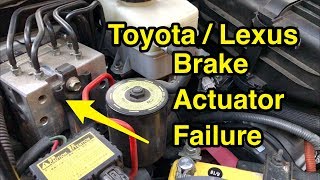
The Lexus RX Hybrid uses a sophisticated electronically controlled braking (ECB) system that integrates regenerative braking with the traditional hydraulic system. This system, shared across many Toyota and Lexus hybrid platforms, relies on a single, complex, and expensive brake actuator assembly that contains the pump, accumulator, and control module. Unlike conventional vehicles with separate components, a failure indicated by C1391 typically requires the replacement of this entire integrated unit, making the repair more complex and costly.
Diagnostic Flowchart

Tap your situation to follow the diagnostic path that matches what you're seeing on this vehicle.
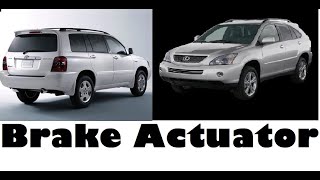
Generation note: This issue is not unique to the 2016-2019 generation. The preceding 3rd generation (2010-2015) RX450h, as well as other Toyota/Lexus hybrids of the era, suffer from the same brake actuator failure mode.
Symptoms You May Notice

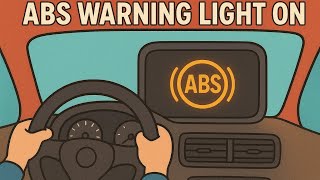
- Brake, ABS, and/or TRAC warning lights illuminated 🎬 Watch: See how these warning lights appear on the dashboard. on the dashboard.
- "Check VSC" or "Check Brake System" message displayed.
- A buzzing or humming noise from the engine bay that cycles on and off frequently (e.g., every 30-60 seconds) with the ignition on, as the pump tries to maintain pressure.
- A 'chirping' or 'squawking' noise when applying the brakes, which may be intermittent and can occur for months before other symptoms appear.
- A soft, spongy, or inconsistent brake pedal feel, sometimes described as the pedal going to the floor.
- Increased stopping distance.
- Replacing only the brake master cylinder or accumulator. On this vehicle, these components are integrated into the main actuator assembly, which is the root cause of the failure. Attempting to replace parts individually is not feasible and will not solve the problem.
- Ignoring a 'brake squawk' or 'chirp' as normal. While dealers have sometimes dismissed this noise, owners report it is often an early symptom of the actuator beginning to fail.
Most Likely Causes

- Internal Failure of the Brake Booster / Actuator Assembly 🔴 High Probability → Shop Power Brake Booster Lexus issued a Customer Support Program (23LE04) for this exact issue on 2016-2019 RX450h models, acknowledging a known problem with internal malfunctions. The program's Primary Coverage (unlimited mileage) expired on March 31, 2024, but a Secondary Coverage of 10 years or 150,000 miles from the date of first use remains in effect. Internal seals within the assembly degrade over time, causing the pressure leak.
How to confirm: A mechanic will use a diagnostic scan tool like Techstream to confirm code C1391 and monitor the accumulator pressure sensor data. With the ignition on (READY), a healthy system's pressure sensor voltage should hold steady in the 3.2-4.0V range. A rapid drop in this voltage without brake application confirms the internal leak.
Typical fix: Replace the entire brake booster and actuator assembly. Under the CSP 23LE04, the repair for the RX450h specifically requires both a brake booster kit and a brake booster pump kit.
Est. part cost: $1200-$2200
Rare But Worth Checking
- Brake Skid Control ECU Failure: While rare, forum discussions and service documents suggest that if the accumulator pressure holds steady within the 3.2-4.0V range (as read by a scan tool) but the code persists, the ECU itself could be the problem. This should be diagnosed by a professional after definitively ruling out the actuator leak.
- External Brake Line or Hose Leak: An external fluid leak could also cause a loss of pressure. However, the TSB L-SB-0011-23 and CSP 23LE04 specifically point to an "internal" malfunction, making the actuator the much more likely culprit. A visual inspection for external leaks is the first and most basic diagnostic step.
Diagnosis Steps
- Connect a diagnostic scan tool (preferably Toyota Techstream) to the OBD-II port.
- Confirm the presence of C1391 and any other related codes (C1252, C1253, C1256).
- Perform a thorough visual inspection of all brake lines, calipers, and connections for any signs of external fluid leaks.
- Using the scan tool's live data function, monitor the 'Accumulator Pressure Sensor' value. With the ignition ON (READY) and the brake pedal not applied, the pressure sensor voltage should be stable within the 3.2-4.0V range.
- Observe the pressure data for several minutes. If the voltage drops steadily and rapidly without brake application, it confirms an internal leak in the actuator assembly.
- Listen for the brake booster pump in the engine bay. If it cycles on and off every 30-60 seconds with the car on but no brakes applied, this is a strong audible symptom of the leak. 🎬 Listen: Hear the specific pump sound caused by actuator failure.
- If the diagnosis confirms an internal leak, the brake actuator assembly must be replaced. Check for vehicle eligibility under Lexus Customer Support Program 23LE04.
Parts You'll Likely Need
- Brake Booster and Actuator Assembly
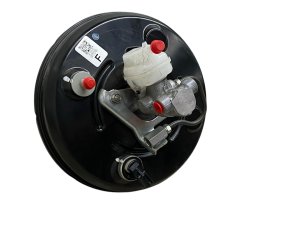
(OEM #47070-48070, superseded by 47070-48080)— This is the component that fails internally, causing the C1391 code. It is a non-serviceable, integrated unit that must be replaced as a whole. 🎬 See this walkthrough of the brake actuator replacement process.
Trusted brands: Lexus (OEM)
OEM price range: $1500-$2200
Aftermarket price range: $550-$1200 - Brake Booster Kit (for CSP repair)
(OEM #04008-26448)— Required part for performing the repair under Customer Support Program 23LE04 on an RX450h.
Trusted brands: Lexus (OEM)
OEM price range: Varies (part of kit)
Aftermarket price range: N/A - Brake Booster Pump Kit (for CSP repair)
(OEM #04002-07348)— Required part for performing the repair under Customer Support Program 23LE04 on an RX450h.
Trusted brands: Lexus (OEM)
OEM price range: Varies (part of kit)
Aftermarket price range: N/A
Related Codes That Often Appear With This One
- C1252 — Brake Booster Pump Motor Fault. This code often appears with C1391 as the system detects issues with the pump motor, which may be running excessively to compensate for the leak. It is one of the codes covered by CSP 23LE04.
- C1256 — Accumulator Low Pressure. This is a direct companion to C1391, as the internal leak causes the low pressure condition. It is also covered by CSP 23LE04.
- C1253 — Brake Booster Pump Motor Relay Fault. Related to the electrical control of the pump motor and also covered by CSP 23LE04.
Technical Service Bulletins (TSBs) & Recalls
- L-SB-0011-23: Mentions C1391 as a code resulting from a small internal brake fluid leak in the context of various warning lights being on. This TSB provides the technical instructions for the repair.
- 23LE04 (Customer Support Program): Specifically covers internal malfunctions of the Brake Booster Assembly on 2016-2019 RX450h models that result in DTC C1391, C1252, C1256, or C1253. It details the primary (expired) and secondary (10yr/150k mile) coverage periods.
Platform-Specific Known Issues
- Lexus acknowledged this problem by issuing Customer Support Program 23LE04, which extended the warranty coverage for the Brake Booster and Brake Booster Pump Assembly for internal malfunctions that trigger codes C1391, C1252, C1256, or C1253 on 2016-2019 RX450h models.
- The program had two tiers: Primary Coverage, which was offered regardless of mileage until March 31, 2024, and is now expired. Secondary Coverage is still active and applies for 10 years from the vehicle's date of first use or 150,000 miles, whichever comes first. Owners should check with a Lexus dealer to see if their vehicle is still covered under the secondary terms.
Mechanic-Grade Diagnostic Values
- Accumulator Pressure Sensor Voltage (Ignition ON, not braking) — expected: Stable between 3.2V and 4.0V.. Failure: Voltage drops steadily without brake application. The pump motor will restart when voltage drops to approximately 3.15V.
- Techstream Active Test (Solenoid Valves: SMC1, SMC2, SLRRR, SLRRL) — expected: The output pressure value for each wheel cylinder does not increase when the solenoid is commanded ON.. Failure: If any wheel cylinder pressure value increases during the test, it indicates an internal fluid leak in the brake actuator assembly.
Hidden / Shadow Codes Worth Checking
- /69: This is a detailed or sub-code that accompanies C1391, providing more specific information to the diagnostic tool. (see via Visible on professional scan tools like Toyota Techstream when reading DTCs from the brake control module.)
- 591: On some older Toyota/Lexus platforms, this is a detailed code associated with C1391 indicating that accumulator performance has deteriorated. (see via Visible on a hand-held tester or professional scan tool like Techstream.)
Scan Tool Commands That Help
- Techstream: Zero Down — This utility must be run before servicing the brake actuator to safely depressurize the high-pressure accumulator. The path is Chassis -> ABS/VSC/TRAC -> Utility -> ECB Utility -> Zero Down.
- Techstream: Reset Memory — This must be performed after installing a new brake actuator and before calibration. It clears the stored calibration data for the old unit. The path is Chassis / ABS/VSC/TRAC / Utility / Reset Memory.
- Techstream: Linear Valve Offset — This calibration is mandatory after replacing the brake actuator or skid control ECU to learn the characteristics of the new linear solenoid valve. Failure to perform this can result in DTC C1345. The path is Chassis / ABS/VSC/TRAC / Utility / ECB Utility / Linear Valve Offset.
- Techstream: Air Bleeding (Actuator has been removed) — This is a specific, guided bleeding procedure required after the actuator has been replaced to ensure no air is trapped in the complex internal passages.
- Techstream: Test Mode (Zero Point Calibration) — After brake system repairs, the Zero Point Calibration for the Yaw Rate and Acceleration Sensor must be performed to ensure VSC system accuracy. This is done in 'Test Mode'.
Real Owner Repair Stories
- JVFIX on YouTube (2011 Lexus RX450h) — ABS light on, DTC C1391, pump actuating every 30 seconds.
❌ Tried (didn't work) Replacing only the accumulator with a new part from the dealership did not fix the problem; the code returned and pressure continued to drop.
✅ What actually fixed it Replaced the entire ABS actuator assembly with a used unit from a 2020 model that had a matching part number. This resolved the pressure drop and cleared the code after performing the necessary calibrations with a scan tool. - YouTube user comment on a repair video (2007 Toyota Highlander Hybrid) — ABS lights on with codes C1252, C1256, and C1391.
❌ Tried (didn't work) Initially after replacing the actuator, the system did not function correctly and warning lights remained.
✅ What actually fixed it The system only began working properly after the ABS/VSC codes were manually cleared using a paperclip to jump terminals on the OBD-II diagnostic port. This step was critical after the part replacement. - Fix it Angel on YouTube (2008 Toyota Camry Hybrid) — VSC light on, DTC C1391, and a weird grunting noise from the ABS accumulator assembly.
✅ What actually fixed it Replaced the entire ABS accumulator assembly with a used part found on Facebook Marketplace for $50, which fixed the noise and the code, avoiding a $1,200 dealership part.
OEM Part Supersession History
47070-48070→47070-48080— Component revision or update by the manufacturer.
Heads up: The new part number 47070-48080 is the correct replacement and fits 2016-2022 RX350 and RX450h models, including the extended 'L' versions.
Model Year Variations Within This Range
- 2016-2018: For vehicles exhibiting a squawk/knock noise from the brake actuator, TSB L-SB-0004-19 indicates that 2016-2018 RX450h models may require a flash reprogram of the skid control ECU with an updated calibration file as part of the repair procedure, a step not specified for later models in that same bulletin.
Helpful Videos

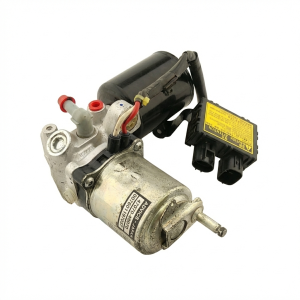
Used OEM Parts in Stock
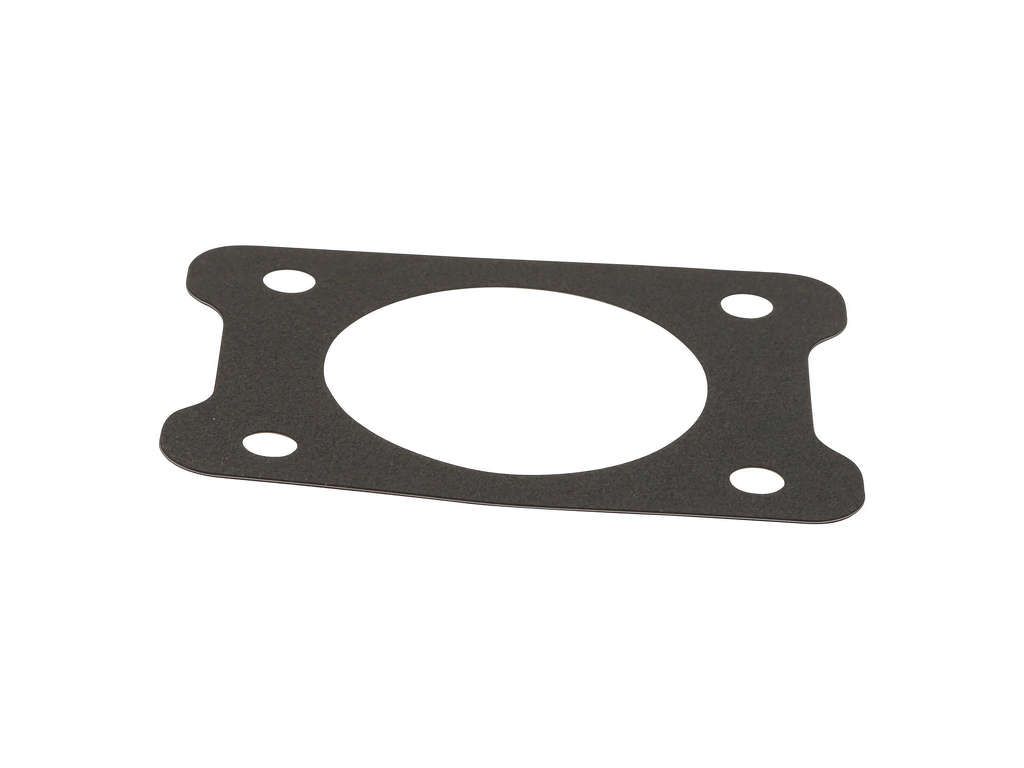
New Aftermarket Parts Available


The information in this article is provided for general reference and educational purposes only. Vehicle specifications, procedures, and part compatibility can vary by production date, trim level, and region. Always consult your vehicle's factory service manual and verify part numbers before purchasing or performing repairs. Safety-critical components such as airbags, seat belts, and braking systems should be installed by a qualified professional.
- Lexus RX HYBRID:
- 🧭 Diagnostic Flowchart
- 🎬 Helpful Videos
- 🛍️ Shop This Part
- What's Unique About the 2016-2019 Lexus RX HYBRID
- Symptoms You May Notice
- Most Likely Causes
- Rare But Worth Checking
- Diagnosis Steps
- Parts You'll Likely Need
- Related Codes That Often Appear With This One
- Technical Service Bulletins (TSBs) & Recalls
- Platform-Specific Known Issues
- Mechanic-Grade Diagnostic Values
- Hidden / Shadow Codes Worth Checking
- Scan Tool Commands That Help
- Real Owner Repair Stories
- OEM Part Supersession History
- Model Year Variations Within This Range
- 🎟️ Get 5% Off