

OBD-II Code C1423: Comprehensive Diagnostic & Repair Guide
The Ultimate Guide to Understanding, Diagnosing, and Fixing C1423 and Related ABS/TCS Faults
- Code C1423 disables your ABS and Traction Control, increasing stopping distances by up to 20% on wet roads; drive under 40 mph and seek immediate repair.
- The definition of C1423 varies by manufacturer: it flags a $150 wheel speed sensor on Fords, but condemns a $2,500 brake actuator assembly on Toyota and Lexus vehicles.
- Before replacing an $800 GM Electronic Brake Control Module (EBCM), spend 10 minutes cleaning the main ground wire on the frame rail under the driver's door to fix resistance issues.
- After replacing ABS components on Toyota, Lexus, or VW models, you must perform a Zero Point Calibration with a bi-directional scanner to turn off the dashboard warning lights.
What Does C1423 Mean?
Code C1423 flags a critical input failure in the Anti-lock Brake System (ABS) or Vehicle Stability Control (VSC) module. These systems rely on a network of sensors to prevent wheel slip and skidding. The code means the computer is receiving an incorrect, implausible, or missing signal from a key sensor, forcing it to shut down the safety systems as a precaution.
Technical definition: C1423 is a manufacturer-specific code, meaning its definition changes entirely depending on the car brand. For Toyota and Lexus, it means 'Master Cylinder Pressure Sensor Zero Point Low Malfunction'. For Ford, it translates to a 'Front Speed Sensor LH Circuit' fault. For Subaru, it means 'Different ECU Specifications' (a module mismatch). For Volkswagen and Audi, the equivalent code (01423) points to a 'Lateral Acceleration Sensor (G200)' fault. In all cases, it signifies a critical input failure compromising the ABS or VSC system.
Can I Drive With C1423?
Yes, But With Caution. You can drive the vehicle, but do so with extreme caution. Your primary safety systems—Traction Control (TCS) and Anti-lock Brakes (ABS)—are disabled. This significantly increases the risk of wheel spin on slippery surfaces and wheel lock-up during emergency braking. Without ABS, stopping distances on wet roads increase, and you lose the ability to steer during a panic stop. Diagnose and repair the vehicle immediately.
Common Causes
- Faulty Wheel Speed Sensor (Very Common) — The most frequent cause across most brands (especially Ford). The sensor fails from internal shorts, metallic debris buildup, or age, sending dead or erratic data to the ABS module.
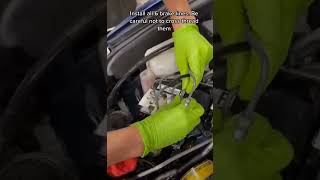
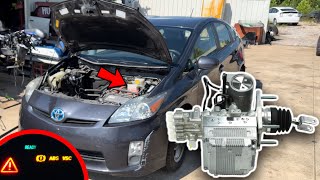
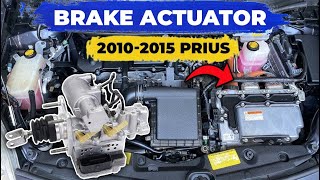
- Faulty Master Cylinder Pressure Sensor (in Brake Actuator) (Very Common) — The primary cause on Toyota and Lexus vehicles. The sensor measures hydraulic braking pressure but is integrated into the brake actuator assembly. Failure of this tiny sensor requires replacing the entire expensive actuator unit. 🎬 Watch: A step-by-step guide to replacing the Toyota brake actuator.
- Faulty or Incorrectly Installed Wheel Bearing/Hub (Common) — Modern vehicles build the magnetic encoder (tone ring) into the wheel bearing seal. If the bearing develops excessive play, is installed backwards, or the magnetic ring fails, the wheel speed sensor loses its signal.
- Damaged Wiring or Connectors (Common) — Wheel speed sensor wiring is exposed to road debris, water, and constant suspension movement. Wires break internally or chafe through, and connectors corrode, interrupting the signal.
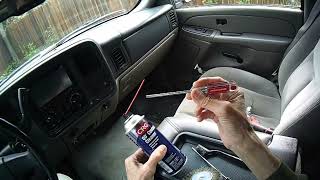
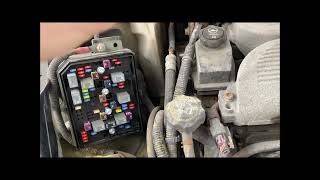
- Corroded EBCM Ground Wire (GM) (Common) — On Chevrolet and GMC trucks, the main ground wire for the Electronic Brake Control Module (EBCM) on the frame rail corrodes. 🎬 See how to locate and clean the EBCM ground wire. This high resistance causes erratic behavior and sets numerous ABS codes.
- Faulty Lateral Acceleration Sensor (G200) (Common) — Specific to Volkswagen and Audi vehicles (code 01423), this sensor measures side-to-side G-forces. Its failure disables the Electronic Stability Program (ESP). 🎬 Watch: How to fix the G200 lateral acceleration sensor.
- Incorrectly Programmed Control Module (Less Common) — Specific to Subaru, installing a used ABS/VDC module triggers C1423 'Different ECU Specifications' because the module is not VIN-coded to the vehicle's main computer.
Symptoms
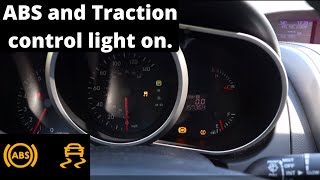
- Traction Control (TCS/VSC/TRAC) Light On — The dashboard light for the traction or vehicle stability control system illuminates and stays on.
- ABS Light On — Because TCS and ABS share the same sensors and control module, a fault in one disables the other, triggering the ABS warning light.
- Traction Control and ABS Inoperative — Wheels spin easily on wet or loose surfaces. During hard stops, wheels lock up and skid, and the brake pedal will not pulse.
- Brake Warning Light On — The main red brake warning light illuminates if the fault relates to master cylinder pressure or a critical system failure.
- Erratic Speedometer or Cruise Control Failure — If the fault stems from a wheel speed sensor, the speedometer reads erratically and cruise control disables.
Diagnostic Flowchart
Tap your situation to follow the diagnostic path that matches what you're seeing on this code.
Common Fixes & Costs
- Replace Wheel Speed Sensor — Parts: $40-$150, Labor: $70-$110, ~1 hr book time (DIY)
- Replace Wheel Hub Bearing Assembly — Parts: $150-$450, Labor: $200-$350, ~2 hr book time (Intermediate)
- Replace ABS/Brake Actuator Assembly — Parts: $800-$2,500, Labor: $300-$500, ~5 hr book time (Professional)
- Repair Damaged Wiring or Ground Connection — Parts: $10-$50, Labor: $150-$350, ~2 hr book time (Intermediate)
- Replace Lateral Acceleration Sensor (VW/Audi) — Parts: $70-$250, Labor: $100-$150, ~1.5 hr book time (DIY)
DIY vs Professional
- Replace Wheel Speed Sensor 🟢 Beginner
Tools: Jack and jack stands, socket/wrench set, Torx/Allen sockets, wire brush, penetrating oil. - Replace Wheel Hub Bearing Assembly 🟢 Beginner
Tools: Jack and jack stands, large axle nut socket, high-torque wrench, slide hammer or hydraulic press. - Replace ABS/Brake Actuator Assembly 🟢 Beginner
Tools: Bi-directional scan tool with ABS bleed function, flare nut wrenches, torque wrench, brake pressure bleeder. - Repair Damaged Wiring or Ground Connection 🟢 Beginner
Tools: Digital multimeter, wire strippers, soldering iron, heat shrink tubing, wire brush. - Replace Lateral Acceleration Sensor (VW/Audi) 🟢 Beginner
Tools: Socket set, trim removal tools, VAG-compatible scan tool.
Used vs. New Parts: Buying Guide
When a used part is worth it: For the expensive ABS Actuator (common on Toyota/Lexus), a used part from a low-mileage donor vehicle saves thousands over a new OEM part, but carries significant risk.
Donor-vehicle mileage cap: roughly under 75000 miles for the part to have meaningful remaining life.
Donor quality checklist:
- Verify the donor vehicle's VIN to ensure it wasn't scrapped for a similar brake system failure.
- Match the part number exactly.
- Inspect the part for corrosion, cut wires, or damaged flare nut fittings.
- Prefer sellers offering at least a 90-day warranty.
Decision logic:
- If The part is a simple wheel speed sensor → Buy new aftermarket. The cost savings of a used sensor are negligible.
- If The part is an expensive ABS Actuator and the vehicle's value is low → A used or remanufactured part is a reasonable choice.
- If The part is an electronic module requiring VIN programming (Subaru) → Avoid used parts. They cannot be reprogrammed and will not work.
- If The vehicle is newer or has high value → Buy a new OEM or high-quality remanufactured ABS actuator for warranty peace of mind.
Warranty tradeoff: Used parts typically have a 30-90 day warranty covering the part only. New aftermarket parts offer 1-year to lifetime warranties. New OEM parts have a 12-month/12,000-mile warranty.
Worst-case if a used part fails: $500-$1000 if a used ABS actuator fails, as you must pay diagnostic and labor fees a second time.
What Happens If You Wait — Timeline
- 0-1 month (Initial Fault): An intermittent or constant ABS/TCS light appears. If the cause is a failing wheel bearing, a faint hum is audible at highway speeds. The ABS system is disabled. (MPG impact: 0%% · Added cost: $0)
- 1-4 months (Developing Fault): Wheel bearing noise becomes pronounced at lower speeds. Internal bearing wear creates wobble, causing uneven brake pad wear and a potential brake pedal pulsation. (MPG impact: 0-1%% · Added cost: $50-$150 (premature brake pad wear))
- 4-8 months (Severe Fault): Bearing noise is a loud grinding. The wheel has significant play, felt as looseness in the steering. The wobbling hub damages the ABS sensor and generates excessive heat. (MPG impact: 1-3%% · Added cost: $300-$800 (cost of a new hub assembly and ABS sensor))
- 8+ months (Catastrophic Failure): The bearing completely fails and seizes or separates. The wheel locks up or detaches from the vehicle while driving, leading to a total loss of control. (MPG impact: N/A% · Added cost: $1,500-$3,000+ (cost to replace bearing, hub, knuckle, axle shaft, plus accident risk))
Cost of Not Fixing It
- Immediate: Loss of ABS and Traction/Stability Control. This creates a significant safety risk, increasing the chance of wheel lock-up and skidding in a panic stop. (Added cost: Potential cost of an accident, ranging from minor bodywork to a total vehicle loss.)
- 1-6 months: If the root cause is a failing wheel bearing, continued driving leads to complete bearing failure, damaging the wheel hub, axle, and suspension components. (Added cost: $800-$2000 to replace a damaged hub, axle, and spindle.)
- 6+ months: Continued operation with warning lights on masks new, more serious problems. You may ignore the red 'BRAKE' light later when it indicates a genuine hydraulic failure. (Added cost: N/A (Safety risk is the primary cost))
Diagnosis Steps
- Read All Trouble Codes from All Modules
Use an advanced OBD-II scanner to read Chassis (C-codes) from the ABS module. Basic engine readers cannot see C-codes. Note all codes present, as related codes (like C1223, C1241) provide critical context.
Tools: Advanced OBD-II Scanner (Beginner) - Live Data Analysis (Wheel Speed)
Using your scanner's live data function, monitor all four wheel speed sensors while driving slowly in a straight line. All readings must be identical. A sensor that reads 0, is erratic, or drops out during turns isolates the problem corner.
Tools: Advanced OBD-II Scanner (Beginner) - Visual Inspection of Wiring and Tone Rings
Raise the vehicle and inspect the wheel speed sensor wiring for breaks, chafing, or corrosion. Remove the wheels to inspect the tone rings (or magnetic encoders) for cracks, missing teeth, or heavy rust. Check the wheel bearing for excessive play.
Tools: Flashlight, Jack and Jack Stands, Wire Brush (Intermediate) - Pro Tip: Test Toyota Master Cylinder Pressure Sensor Voltage
For Toyota/Lexus, access the ABS module connector. With the ignition on, backprobe the 'PMC' terminal. Voltage should be 0.8V-1.0V with no brakes applied and increase as you press the pedal. The code sets if voltage drops below 0.27V for 5 seconds, confirming internal actuator failure.
Tools: Multimeter, Vehicle-Specific Wiring Diagram, Backprobe Kit (Advanced) - Pro Tip: Test GM EBCM Ground Resistance
For GM trucks exhibiting multiple ABS codes, locate the EBCM ground on the frame rail under the driver's door. Disconnect the battery. Measure resistance between the ground wire's terminal and a clean spot on the frame. Readings above 1.0 ohm indicate corrosion requiring repair.
Tools: Multimeter, Socket Set, Wire Brush (Advanced) - Perform Zero Point Calibration
For Toyota, Lexus, and VW models, a 'Zero Point Calibration' is mandatory after repairs or alignments to reset the yaw rate and deceleration sensors. Some Toyotas allow this by shorting the Ts and CG pins on the OBD-II port with a paperclip.
Tools: Advanced OBD-II Scanner or Paperclip (vehicle dependent) (Intermediate)
When This Code Triggers (Freeze-Frame Conditions)
- Vehicle Speed: 10-45 mph (The fault is detected during initial acceleration or steady driving when the module compares all wheel speed sensor inputs and detects a mismatch.)
- Brake Pedal Status: Off (For Toyota/Lexus pressure sensor faults, the code sets when the sensor reports an abnormally low voltage (<0.27V) for 5 seconds with the pedal released.)
- System Voltage: 12.5-14.8V (The code sets when system voltage is normal. If voltage drops below 11V, communication codes set alongside C1423.)
- Time After Ignition On: 5-30 seconds (The ABS module performs a self-test shortly after the vehicle starts moving, flagging faults during this initial check.)
Related Codes
- C1421, C1424 — Specific to Toyota/Lexus, these point to the Master Cylinder Pressure Sensor. Seeing these with C1423 confirms the brake actuator is faulty.
- C1223 — A general ABS Control System Malfunction code. If you have both, focus on diagnosing the more specific C1423.
- C1241 — Indicates low or high battery voltage. Diagnose the power supply issue first, as unstable voltage causes modules to set false internal fault codes.
- C0200 — A specific wheel speed sensor circuit fault. Seeing this alongside C1423 strongly suggests the wheel speed sensor or wiring is the root cause.
Climate & Environmental Factors
- Road Salt and Corrosion: In 'Salt Belt' regions, de-icing agents accelerate corrosion. This destroys EBCM grounds on GM vehicles, corrodes wiring connectors, and rusts tone rings, blocking the sensor signal.
- Freezing and Thawing Moisture: Temperature swings allow moisture to seep into connectors. When this moisture refreezes, it expands and interrupts the electrical connection, triggering a fault code that disappears when the vehicle warms up.
- Snow and Ice Buildup: Packed snow or ice physically blocks the wheel speed sensor or covers the magnetic tone ring. The light often goes out after the ice melts or is washed away.
How to Talk to a Mechanic About This Code
Say this: "I have an ABS and traction control light on, and my scanner shows code C1423. I know this code means different things on different cars. I'd like to schedule a diagnostic appointment. Can you please confirm your shop has a scanner that can read manufacturer-specific ABS codes, view live wheel speed data, and perform functions like ABS bleeding and zero-point calibration?"
This signals that you are an informed customer. It establishes that a simple code read is not enough, and screens out shops lacking the necessary equipment for complex ABS repairs.
Avoid saying:
- 'My ABS light is on, can you fix it?'
- 'Just do whatever it takes to turn the light off.'
- 'My friend said it's probably just a sensor.'
Questions to ask before authorizing the repair:
- Based on the diagnostic, what is the specific root cause of the C1423 code on my vehicle?
- If replacing a module, what is the cost difference between a new OEM, a remanufactured, and a used part, and what are the warranty differences?
- Does the repair require any special procedures afterward, like an ABS bleed or a zero-point calibration, and is that included in the quote?
- What is your warranty on both the parts and the labor for this specific repair?
Where to Take It: Dealer vs Independent vs Chain
- Dealer:
Necessary for specific, complex cases (Toyota actuator, Subaru programming), but the most expensive option for all others.
Best for: Toyota/Lexus with a suspected brake actuator failure., Subaru with a C1423, requiring a new, VIN-programmed module., Complex electronic issues on newer European vehicles.
Downsides: Highest labor rates and part costs, often 1.5-2x more than an independent shop., Unwilling to install non-OEM or used parts to save you money. (Typical cost: +60% vs. baseline) - Independent Shop:
Best fit for most C1423 scenarios, provided you vet the shop for experience with modern ABS systems.
Best for: Most C1423 causes on common vehicles (Ford sensor, GM ground, VW sensor)., Out-of-warranty vehicles where cost is a major factor., Owners who want the option of using remanufactured or aftermarket parts.
Downsides: Quality and equipment vary widely; you must find a shop with ASE-certified technicians and advanced diagnostic tools., May lack the latest tools for programming brand new modules on all makes. (Typical cost: +0% vs. baseline) - Chain Shop:
High risk. AVOID for initial diagnosis. Only consider for a simple part replacement if you are 100% certain of the diagnosis.
Best for: Simple, clear-cut repairs like replacing a single, easily accessible wheel speed sensor.
Downsides: Technician skill and equipment are highly variable., Often lack advanced scan tools and in-depth diagnostic experience for complex C-codes., Business model pressures technicians to upsell unnecessary services. (Typical cost: -10% vs. baseline)
When to Walk Away From the Repair
If the estimated repair cost for the C1423 fault exceeds 50% of your car's private-party market value, seriously consider alternatives to repair.
- Car worth $4000, fix is $2800: Walk away. A $2,800 repair on a $4,000 Toyota Camry for the ABS actuator is 70% of the car's value.
- Car worth $12000, fix is $450: Fix it. A $450 repair for a wheel bearing on a $12,000 Ford Edge is only 4% of the vehicle's value and restores a critical safety system.
- Car worth $7000, fix is $1800: Borderline. A $1,800 repair on a $7,000 Lexus RX is 25% of the value. If the car is otherwise reliable, the repair is likely worth it.
What Scan Tool You Need for This Code
Minimum: A scanner that reads and clears Anti-lock Brake System (ABS) codes and displays live data from the wheel speed sensors.
A standard $20 engine code reader cannot see Chassis codes like C1423. It will show 'No Codes Found' even with the ABS light on.
Budget: Autel AutoLink AL619 or Autel AP200 (~$60-90) — Reads and clears ABS codes. The AP200 displays live data on your phone, essential for watching wheel speed sensors to diagnose Ford, GM, or wheel bearing issues.
Mid-range: Foxwell NT510 Elite or Innova 5610 (~$150-350) — Adds critical bidirectional controls. These tools perform the 'Zero Point Calibration' required for Toyota/Lexus/VW and the 'ABS Bleed' function needed after replacing a Toyota actuator.
Professional: Autel MaxiCOM MK808 / MK808S (~$450-600) — Provides professional-level diagnostics. Offers comprehensive live data graphing, all service functions including ABS bleed and calibration, and fast Auto-VIN identification.
Rent vs buy: If this is a one-time fix, some auto parts stores loan tools capable of reading ABS codes. If you plan to do your own maintenance, buying a midrange scanner quickly pays for itself by avoiding diagnostic fees.
How to Clear the Code After You Fix It
- Perform the physical repair.
- Reconnect any disconnected components and the battery.
- Use an OBD-II scan tool capable of accessing the ABS module to clear the C-code. A standard engine code reader cannot clear ABS codes.
- Perform a Zero Point Calibration if required by the manufacturer.
- Perform the drive cycle to confirm the fix.
Drive cycle (~15 minutes): Start the vehicle. Drive forward in a straight line, accelerating smoothly to over 25 mph to allow the ABS module to verify wheel speed sensors. Perform mixed city driving, including gentle stops and turns. If warning lights remain off, the fault is fixed.
Readiness monitors affected: None
Watch out for:
- Using a basic engine code reader that cannot clear chassis (C-codes).
- Forgetting to perform the required Zero Point Calibration on Toyota, Lexus, or VW vehicles.
- Disconnecting the battery, which does not clear ABS codes from the module's memory.
Will This Fail Emissions / State Inspection?
Yes — this code typically fails an OBD-II emissions inspection.
- California: An ABS light will NOT cause a failure of the Smog Check, which focuses strictly on emissions.
- New York: An illuminated ABS warning light is grounds for failure of the annual NYS safety inspection.
- Texas: An ABS light will not fail the emissions test in required counties, but driving with a known safety defect remains illegal.
Most Commonly Affected Vehicles
- Toyota Camry (2007-2018) — Extremely prone to C1423 due to internal failure of the master cylinder pressure sensor within the brake actuator assembly.
- Lexus ES, RX, IS, GS Series (2004-2018) — Shares the Toyota design; C1423 points to a 'Master Cylinder Pressure Sensor Zero Point Low Malfunction' requiring actuator replacement.
- Ford Edge, F-150, Escape (2007-2015) — Logs C1423 specifically for a 'Front Speed Sensor LH Circuit' fault. Diagnosis focuses on the driver's side front wheel.
- Chevrolet / GMC Silverado, Suburban, Tahoe (2007-2014) — Notorious for a corroded EBCM ground connection on the frame rail under the driver's door, triggering logic faults like C1423.
- Volkswagen Golf V, Jetta, Passat (2004-2010) — Code 01423 points to a failure of the G200 Lateral Acceleration Sensor on models with the ATE MK61 ESP system.
- Kia / Hyundai Sorento, Santa Fe, Optima (2007-2019) — The magnetic tone ring is part of the wheel hub bearing, requiring replacement of the entire hub if the ring fails.
- Subaru Impreza, Forester, Outback (2015-2022) — C1423 'Different ECU Specifications' appears exclusively after installing a used ABS/VDC module that is not VIN-matched.
Manufacturer-Specific Notes
- Toyota / Lexus: C1423 means 'Master Cylinder Pressure Sensor Zero Point Low Malfunction'. The sensor is integrated into the brake actuator, making it a $2,500+ repair. A 'Zero Point Calibration' is mandatory afterward.
- Ford: C1423 is helpfully specific, typically meaning 'Front Left ABS Wheel Speed Sensor Circuit'. This directs diagnosis immediately to the correct corner.
- Volkswagen / Audi: Uses code 01423, pointing exclusively to the G200 Lateral Acceleration Sensor. Requires a 'Basic Setting' calibration with a scan tool after replacement.
- Subaru: C1423 means 'Different ECU Specifications'. It is a VIN mismatch between the ABS module and the main ECU, usually after installing a used module.
- General Motors (Chevrolet/GMC): Before condemning an expensive EBCM, inspect the dedicated ground connection on the frame rail below the driver's door. Corrosion here causes multiple ABS faults.
Real Owner Stories
2008 Toyota Camry Hybrid at 155K miles
ABS, Brake, and VSC lights came on simultaneously. Codes C1423, C1223, and C1241 were present.
Outcome: Diagnosis confirmed a failed master cylinder pressure sensor inside the brake actuator. The owner installed a remanufactured unit from Cardone. A mechanic performed the ABS bleed and zero point calibration. Total repair cost: $1,400.
Lesson: On a Toyota/Lexus, C1423 with other ABS codes confirms a failed brake actuator. Do not be misled by a low voltage code (C1241) set as a consequence of the main failure.
2011 Ford Edge at 110K miles
ABS and Traction Control lights appeared with code C1423 ('Front Speed Sensor LH Circuit').
Outcome: A mechanic monitored live data and noticed the front left wheel speed reading was erratic while turning. Inspection revealed excessive play in the wheel bearing, causing the tone ring to wobble. Replacing the front left wheel hub assembly ($450 total) fixed the problem.
Lesson: A 'circuit fault' code doesn't always mean the sensor is bad. A failing wheel bearing causes the tone ring to send an erratic signal. Check for wheel bearing play before replacing the sensor.
2008 GMC Sierra 2500HD at 180K miles
ABS and Brake light came on intermittently in wet weather. Multiple ABS codes stored, including C1423.
Outcome: The owner located the EBCM ground point on the frame rail under the driver's door and found it heavily corroded. He cleaned the terminal and frame to bare metal, applied dielectric grease, and re-secured it. All ABS codes cleared and did not return.
Lesson: On GM trucks, always clean the main EBCM ground on the frame before condemning the expensive control module. This $5 fix resolves complex intermittent ABS issues.
2016 Subaru Outback after a collision repair
After replacing the ABS control module post-collision, the VDC/ABS light stayed on with code C1423 'Different ECU Specifications'.
Outcome: The code indicates a VIN mismatch between the used ABS module and the main computer. The used module could not be reprogrammed. The shop had to install a brand new OEM ABS module and program it to the vehicle's VIN.
Lesson: Subaru control modules are VIN-locked. Using a salvaged part results in a specification mismatch code. A new, programmed part is the only solution.
How to Prevent This Code From Triggering
- Perform a brake fluid flush every 2 years or 30,000 miles. (Every 2 years) — Brake fluid absorbs moisture over time. This moisture corrodes the delicate internal valves of the expensive ABS actuator from the inside out, leading to mechanical failure.
- Clean and protect EBCM/ABS ground connections. (Every 2-3 years, especially in the Salt Belt) — Corrosion creates high resistance, starving the module of stable power and causing erratic codes. Cleaning to bare metal and coating with a corrosion inhibitor prevents this.
- Inspect and clean wheel speed sensors and connectors during brake service. (Whenever brakes are replaced) — Cleaning away accumulated metallic brake dust ensures a clear signal. Applying dielectric grease to the electrical connector seals out moisture.
- Address humming or noisy wheel bearings immediately. (As needed) — A noisy wheel bearing is already failing. Excessive play alters the air gap between the sensor and tone ring, triggering ABS faults before catastrophic bearing failure occurs.
Frequently Asked Questions
Why are my ABS, traction control, and brake lights all on at once?
These systems share sensors and a central control module. A single fault, like a bad wheel speed sensor, provides unreliable data to all of them. The vehicle disables these systems and triggers the lights as a safety precaution.
Is it safe to drive with code C1423?
No. While normal braking functions, you lose ABS and Traction Control. In an emergency stop, your wheels will lock, causing a complete loss of steering control.
What is Zero Point Calibration and why is it important for C1423?
This procedure resets the baseline for stability sensors like yaw rate and deceleration. It is mandatory on many vehicles (especially Toyota/Lexus) after replacing brake components. Without it, the system thinks the car is sliding, keeping the warning lights on.
Can a bad alignment cause code C1423?
Indirectly, yes. A severely off-center steering wheel creates conflicting data between the steering angle sensor and wheel speed sensors. This confusion triggers an ABS/VSC fault, though it usually sets a specific steering angle code first.
I replaced the wheel speed sensor but the C1423 light is still on. What now?
First, clear the codes with an ABS-capable scanner. If it returns, inspect the wiring harness for breaks and check the wheel bearing's magnetic tone ring for damage. You may also need to perform a Zero Point Calibration.
What's the difference between the C1423 code on a Ford vs. a Toyota?
On a Ford, C1423 indicates a failure in the front left wheel speed sensor circuit. On a Toyota, it flags a failed master cylinder pressure sensor inside the ABS actuator. This makes the Ford repair a $200 fix and the Toyota repair a $2,500 fix.
How much does it really cost to fix C1423?
Costs vary drastically by manufacturer. A Ford wheel speed sensor replacement costs $150–$250, while a VW lateral acceleration sensor runs $200–$400. A Toyota or Lexus ABS actuator replacement typically costs $2,500–$3,500 at a dealership.
Key Takeaways
- Code C1423 disables your ABS and Traction Control, increasing stopping distances by up to 20% on wet roads; drive under 40 mph and seek immediate repair.
- The definition of C1423 varies by manufacturer: it flags a $150 wheel speed sensor on Fords, but condemns a $2,500 brake actuator assembly on Toyota and Lexus vehicles.
- Before replacing an $800 GM Electronic Brake Control Module (EBCM), spend 10 minutes cleaning the main ground wire on the frame rail under the driver's door to fix resistance issues.
- After replacing ABS components on Toyota, Lexus, or VW models, you must perform a Zero Point Calibration with a bi-directional scanner to turn off the dashboard warning lights.
Helpful Videos

Shop the Parts Behind C1423
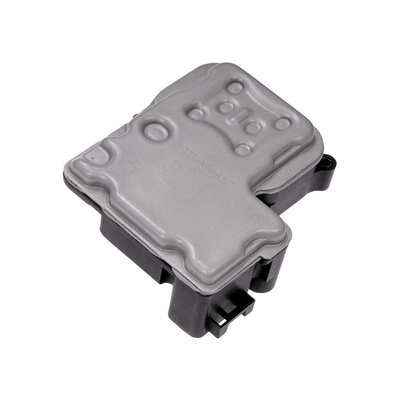
Below are the parts most often responsible for code C1423, ranked by how frequently each one is the actual culprit (per the diagnosis above). Tap any to see what we have for your vehicle.





The information in this article is provided for general reference and educational purposes only. Vehicle specifications, procedures, and part compatibility can vary by production date, trim level, and region. Always consult your vehicle's factory service manual and verify part numbers before purchasing or performing repairs. Safety-critical components such as airbags, seat belts, and braking systems should be installed by a qualified professional.
- 🧭 Diagnostic Flowchart
- 🎬 Helpful Videos
- 🛍️ Shop This Part
- What Does C1423 Mean?
- Can I Drive With C1423?
- Common Causes
- Symptoms
- Common Fixes & Costs
- DIY vs Professional
- Used vs. New Parts: Buying Guide
- What Happens If You Wait — Timeline
- Cost of Not Fixing It
- Diagnosis Steps
- When This Code Triggers (Freeze-Frame Conditions)
- Related Codes
- Climate & Environmental Factors
- How to Talk to a Mechanic About This Code
- Where to Take It: Dealer vs Independent vs Chain
- When to Walk Away From the Repair
- What Scan Tool You Need for This Code
- How to Clear the Code After You Fix It
- Will This Fail Emissions / State Inspection?
- Most Commonly Affected Vehicles
- Manufacturer-Specific Notes
- Real Owner Stories
- 2008 Toyota Camry Hybrid at 155K miles
- 2011 Ford Edge at 110K miles
- 2008 GMC Sierra 2500HD at 180K miles
- 2016 Subaru Outback after a collision repair
- How to Prevent This Code From Triggering
- Frequently Asked Questions
- Why are my ABS, traction control, and brake lights all on at once?
- Is it safe to drive with code C1423?
- What is Zero Point Calibration and why is it important for C1423?
- Can a bad alignment cause code C1423?
- I replaced the wheel speed sensor but the C1423 light is still on. What now?
- What's the difference between the C1423 code on a Ford vs. a Toyota?
- How much does it really cost to fix C1423?
- Key Takeaways
- 🎟️ Get 5% Off