

OBD-II Code C1424: A Manufacturer-Dependent Fault (Brake, Suspension, ECM, or Electrical)
The Definitive Guide to Diagnosing and Fixing C1424 on Any Vehicle
- C1424 points to entirely different systems based on the manufacturer: brakes for Toyota, suspension for Ford, the ECM for Subaru, and the battery sensor for Jeep.
- Subaru owners must perform a full-system scan before replacing parts, as C1424 is almost always a secondary 'ghost' code triggered by a primary fault like P0841 or a software glitch.
- On Toyota and Lexus vehicles, C1424 condemns the master cylinder pressure sensor, requiring a $1,500+ replacement of the entire brake actuator assembly.
- Jeep models log C1424 for a failed battery current sensor, a simple $50-$150 DIY repair that restores the automatic start-stop system.
- Never replace a component based on C1424 alone; always verify the manufacturer-specific definition and rule out a $10 wiring short before authorizing a $2,000 module replacement.
What Does C1424 Mean?
C1424 is a manufacturer-specific code pointing to entirely different systems depending on your vehicle. For Toyota/Lexus, it indicates a 'Master Cylinder Pressure Sensor Output Malfunction'. On Subarus, it means 'ECM Abnormal', acting as a secondary flag for a fault in another module. For Ford/GM, it signals an 'Open Circuit' in the front-left suspension damper. On Jeeps, it points to a 'Battery Current Sensor Performance' issue.
Technical definition: The formal SAE/OBD-II definition varies by manufacturer. Common definitions include: 'Damper LF Circuit Open', 'Master Cylinder Pressure Sensor Output Malfunction', 'ECM Abnormal', and 'Battery Current Sensor Performance'. The control module sets this code when a sensor's signal is lost, irrational, outside the expected range, or when it receives a fault notification from a primary module.
Can I Drive With C1424?

Yes, But With Caution. You can drive, but must exercise immediate caution. On Toyota/Lexus, primary braking functions, but ABS and Vehicle Stability Control (VSC) fail in emergencies, increasing skid risk. On Subarus, EyeSight and Pre-Collision Braking are disabled. For Ford/GM, a compromised damper degrades handling on one corner. Ignoring this risks accidents or costly secondary damage.
Common Causes

- Engine Control Module (ECM) Software Glitch (Subaru) (Very Common) — On many Subarus, a software bug in the ECM incorrectly flags a problem, disabling Vehicle Dynamics Control (VDC) and EyeSight. A dealer software update, covered by a Technical Service Bulletin (TSB), is the definitive fix.
- Failed Master Cylinder Pressure Sensor (Toyota/Lexus) (Very Common) — This code directly points to a performance malfunction in the master cylinder pressure sensor. Because the sensor is integrated into the brake actuator assembly, the entire expensive unit requires replacement.
- Failure in Another Control Module (Subaru) (Common) — C1424 is often a secondary 'ghost' code on Subarus. A primary fault in another module, like the Transmission Control Module (TCM) logging P0841, sends a fault message to the ECM, causing the VDC module to log C1424.
- Faulty Battery Current Sensor (Jeep) (Common) — On specific Jeeps, this code points to a failed battery current sensor, crucial for the start-stop system. The sensor fails internally, suffers a poor connection, or is installed incorrectly on the battery terminal.
- Failed Suspension Damper or Ride Height Sensor (Ford/GM) (Common) — When defined as 'Damper LF Circuit Open,' the electronic damper or its integrated ride height sensor has failed internally, creating an open circuit that prevents the suspension module from receiving a signal.
- Faulty or Corroded Wiring/Connectors (Common) — Across all variations, wiring harness problems are frequent. Wires fray or break, and connectors become loose or contaminated with moisture, interrupting the signal between the sensor and the control module.
- Low or Contaminated Brake Fluid (Less Common) — Low, old, or water-contaminated brake fluid causes the master cylinder pressure sensor to generate erratic readings. Air bubbles in the hydraulic system lead to pressure fluctuations reported as a fault.
- Failing Brake Booster (Subaru) (Rare) — An internal vacuum leak in the brake booster causes inconsistent brake pedal feedback. The ABS/VDC module interprets these abnormal pressure readings as a fault, triggering C1424 and C1422.
Symptoms

- Check Engine, ABS, VDC, or Traction Control Light On — Depending on the vehicle and fault origin, one or more dashboard warning lights illuminate, including the Check Engine, ABS, Vehicle Dynamics Control (VDC), or Traction Control System (TCS) lights.
- Disabled Safety and Driver-Assist Systems — Advanced safety features deactivate as a precaution. On Subarus, EyeSight, Reverse Automatic Braking (RAB), and cruise control disable. On other makes, ABS and stability control deactivate.
- Malfunctioning Auto Start-Stop System (Jeep) — On Jeep models where the code relates to the battery current sensor, the automatic engine start-stop system fails to operate.
- Changes in Brake Pedal Feel (Toyota/Lexus) — If related to the master cylinder pressure sensor, the brake pedal feels spongy, harder to press, or requires more travel to engage effectively.
- Rough or Bouncy Ride (Ford/GM) — For vehicles with active suspension, a faulty damper causes a noticeably harsher, uncontrolled, or bouncy ride quality on the affected corner.
- Heavy or Difficult Steering — Because the VDC system integrates with electronic power steering, a C1424 fault reduces power steering assist as a fail-safe, making the steering wheel heavy.
Diagnostic Flowchart
Tap your situation to follow the diagnostic path that matches what you're seeing on this code.
Common Fixes & Costs
- Reprogramming the Engine Control Module (ECM) — Parts: $0, Labor: $120-$250, ~1.0 hr book time (Professional)
- Replacing the Brake Actuator Assembly (Toyota/Lexus) — Parts: $1,200-$2,500, Labor: $350-$700, ~3.5 hr book time (Professional)
- Replacing the Battery Current Sensor (Jeep) — Parts: $30-$220, Labor: $50-$120, ~0.5 hr book time (DIY)
- Replacing the Suspension Ride Height/Position Sensor (Ford/GM) — Parts: $90-$450, Labor: $80-$220, ~1.8 hr book time (DIY)
- Diagnosing and Fixing Primary Fault in Another Module (Subaru) — Parts: $50-$1,500, Labor: $200-$800, ~3.0 hr book time (Professional)
- Repairing Damaged Wiring or Connectors — Parts: $10-$60, Labor: $150-$750, ~2.5 hr book time (Intermediate)
Used vs. New Parts: Buying Guide
When a used part is worth it: For the high-cost Toyota brake actuator, a used part from a low-mileage donor vehicle saves over 50% vs. a new OEM part. However, this is a safety-critical component with a known failure rate, making it a gamble.
Donor-vehicle mileage cap: roughly under 80000 miles for the part to have meaningful remaining life.
Donor quality checklist:
- Verify the part number matches exactly.
- Ensure the donor vehicle's VIN is cleared from electronic modules, as they require reprogramming.
- Avoid parts from flood-damaged or high-corrosion vehicles.
- Inquire about the donor vehicle's mileage and reason for being scrapped.
Decision logic:
- If The part is a simple mechanical or low-cost electronic item (e.g., Jeep battery sensor) → Used is acceptable, but new OEM is cheap enough to justify buying new.
- If The part is a safety-critical, high-labor electronic component with a known failure rate (e.g., Toyota brake actuator) → New OEM is strongly recommended to avoid repeat labor costs and ensure safety.
- If The vehicle is old, has high mileage (>150k), and your budget is very tight → A tested, used part with a short-term warranty is a reasonable compromise.
Warranty tradeoff: Used parts from salvage yards typically offer a 30-90 day warranty. New aftermarket parts carry a 1-year to limited lifetime warranty. New OEM parts usually have a 1-year/12,000-mile warranty.
Worst-case if a used part fails: $500-$1000 if a used brake actuator fails after installation, accounting for repeat labor costs.
What Happens If You Wait — Timeline
- 0-2 weeks: Warning lights (ABS, VDC, CEL) are on. Safety systems like ABS, Stability Control, and Subaru EyeSight are disabled. No other physical symptoms may be present. (MPG impact: 0%% · Added cost: $0)
- 1-3 months: Secondary symptoms appear. For Ford/GM, a bouncy ride causes minor tire cupping. For Toyota, brake pedal feel degrades slightly. For Jeep, the start-stop system fails consistently. (MPG impact: 0-5% (city driving for Jeep)% · Added cost: $50-$150 (early tire wear, wasted fuel))
- 3-6 months: Damage accelerates. The worn Ford/GM damper stresses bushings and ball joints. On a Jeep, improper battery charging cycles degrade the main AGM battery's health. (MPG impact: 0-5%% · Added cost: $250-$800 (new tires needed, potential new battery, suspension component wear))
- 6+ months: Catastrophic failure becomes likely. For Toyota, the brake actuator fails completely, causing a sudden loss of power assist. For Jeep, the main battery fails to hold a charge. For Ford/GM, continued driving damages the wheel hub. (MPG impact: N/A% · Added cost: $1500-$3000+ (cost of emergency towing, actuator replacement, new battery, and secondary suspension parts))
Cost of Not Fixing It
- Immediate: Loss of safety systems. Anti-lock brakes (ABS), Vehicle Stability Control (VSC/VDC), and driver aids like Subaru's EyeSight are disabled, significantly increasing accident risk in emergency situations. (Added cost: Potential cost of an accident.)
- 1-6 months: On Ford/GM, driving with a failed damper causes premature tire cupping and stresses suspension ball joints and bushings. (Added cost: $200-$800 (for new tires or suspension parts).)
- 6+ months: On a Toyota, a failing brake actuator causes a sudden loss of braking assistance. On a Jeep, ignoring the battery sensor leads to a no-start condition or permanent damage to the AGM battery. (Added cost: $400-$2500 (for emergency towing, repair, or new battery).)
Diagnosis Steps
- Identify Your Vehicle's Specific Definition
Confirm what C1424 means for your exact make, model, and year. The diagnostic path for a Subaru 'ECM Abnormal' code is completely different from a Ford 'Damper Circuit Open'.
Tools: OBD-II Scanner, Smartphone/Computer (Beginner) - Perform a Full System Scan for All Codes
Use an advanced scanner to check for codes in ALL vehicle modules (ECM, TCM, ABS, VDC, BCM). C1424 is often a secondary code; another code (e.g., P0841 in the TCM) is the actual root cause that must be diagnosed first.
Tools: Advanced OBD-II Scanner (Beginner) - Check for Technical Service Bulletins (TSBs)
Manufacturers, especially Subaru, issue TSBs for C1424 recommending a software update as the primary fix. Checking for TSBs (like 09-78-21 for Forester) saves hours of unnecessary hardware diagnosis.
Tools: Smartphone/Computer (Intermediate) - Analyze Live Sensor Data
View the live data stream for the suspect component. For Toyota, monitor 'Master Cylinder Pressure Sensor' while pressing the brake; it should increase smoothly. For Jeep, monitor 'Battery Current' to ensure logical readings during charging.
Tools: Advanced OBD-II Scanner (Advanced) - Inspect the Relevant Wiring Harness and Connectors
Locate the component (left front damper, brake master cylinder, battery sensor). Visually inspect the wiring harness for chafing, melting, or breaks. Disconnect the primary connector and check for bent, loose, or corroded pins.
Tools: Flashlight, Multimeter (Intermediate) - [Advanced] Test Toyota Master Cylinder Pressure Sensor Values
For Toyota/Lexus, monitor live data. The code sets if the sensor reports an extreme pressure reading of 23.3 MPa (3382 psi) for 0.1 seconds, or fails to increase by 0.048 MPa (6.9 psi) during a 30-second braking window. These thresholds confirm internal sensor failure.
Tools: Advanced OBD-II Scanner, Service Manual (Advanced) - [Advanced] Test Ford Damper Circuit Resistance
For a Ford 'Damper LF Circuit Open' code, disconnect the sensor at the front left shock tower. Measure resistance between the two pins on the sensor side. An infinite resistance reading confirms an open circuit within the damper's electronics, condemning the part.
Tools: Digital Multimeter, Service Manual (Advanced) - [Advanced] Verify Jeep IBS Fuse and Live Data
Locate the main engine fuse box and check the 5-amp fuse for the Intelligent Battery Sensor (IBS). If good, monitor PIDs like 'Battery State of Charge' and 'Battery Current'. Static values while the engine runs point to a failed sensor.
Tools: Advanced OBD-II Scanner, Fuse Puller (Advanced) - [Pro Tip] Perform a Hard Reset
For intermittent electronic glitches, disconnect both battery terminals and hold the positive and negative leads together for 60 seconds (ensure they are disconnected from the battery first). Reconnect and see if the code returns.
Tools: 10mm Wrench (Intermediate)
When This Code Triggers (Freeze-Frame Conditions)
- Vehicle Speed: 30-70 mph (The code sets during steady-state driving or deceleration. For Toyota, speed dropping from 25 mph to 6 mph without expected brake pressure changes triggers it. Subaru issues reliably set when highway speeds are reached.)
- Brake Pedal Status: Varies (On or Off) (For Toyota/Lexus, the ECU detects irrational pressure readings, such as pressure not changing during braking or signal noise, regardless of pedal application.)
- System Voltage: 9.5V - 17.4V (Diagnostic monitors run only when system voltage is within normal operating range, ensuring a low battery does not falsely trigger the sensor fault.)
- Time: 0.1 to 60 seconds (The fault must persist for a specific duration. A Toyota pressure sensor reading extreme pressure sets the code in 0.1 seconds, while an unchanging pressure reading requires 30-60 seconds.)
Related Codes
- C1422 — On Toyotas and Subarus, C1422 is 'Master Cylinder Pressure Sensor Zero Point High Malfunction'. C1422 indicates the sensor's baseline reading is too high, while C1424 indicates its output signal is irrational during braking. Seeing them together strongly points to a faulty brake actuator (Toyota) or a VDC/booster issue (Subaru).
- P0700 & P0841 — A critical chain of codes for Subaru. P0841 (Transmission Fluid Pressure Sensor) logs in the TCM. The TCM sends a fault to the ECM, logging P0700. The ECM sends an 'abnormal' status to the VDC module, logging C1424. The root cause is the P0841 fault.
- C1421 / C1423 / C142A — Specific to Toyota/Lexus. C1421 indicates an 'Open or Short', C1423 indicates 'Zero Point is Low', and C142A indicates an 'Internal Malfunction'. Any of these codes alongside C1424 condemns the brake actuator assembly.
- P015A / P015B — On Subaru models, these O2 sensor codes trigger a secondary C1424. TSB 09-78-21 addresses the logic error causing this and is the correct fix, not O2 sensor replacement.
Climate & Environmental Factors
- Road Salt / High Humidity (Salt Belt/Coastal Regions): Increases corrosion on wiring harnesses, connectors, and ground points, causing open circuits or high resistance. A visual inspection for green/white corrosion powder is critical.
- Extreme Cold: Causes wiring insulation to become brittle and crack, leading to intermittent shorts. It also causes marginal electronic sensors to provide out-of-range readings during cold starts.
How to Talk to a Mechanic About This Code
Say this: "{'Subaru': "I have a C1424 'ECM Abnormal' code. Please perform a full system scan to check for primary codes in the engine or transmission modules and check for open TSBs or software updates for the VDC or ECM before recommending part replacements.", 'Toyota': "My Toyota has a C1424 code. Before quoting a full actuator replacement, please verify the master cylinder pressure sensor's live data readings and check the wiring and connector for issues.", 'Jeep': "My Jeep is showing a C1424 code and the auto start-stop system isn't working. I'd like to book a diagnostic to test the battery current sensor circuit, including the sensor itself and its fuse.", 'Ford': "I have a C1424 'Damper LF Circuit Open' code on my Ford. Can I schedule a diagnostic to have the wiring to the front-left shock absorber and the sensor's internal resistance tested?"}"
Using manufacturer-specific language directs the technician to perform logical diagnostic steps rather than starting from scratch, preventing them from jumping to the most expensive conclusion without proper validation.
Avoid saying:
- 'My check engine light is on, can you look at it?' (Too vague, invites a broad and potentially expensive diagnostic process)
- 'Just fix whatever is wrong.' (Gives the shop a blank check)
- 'I think it's the [incorrect part].' (Leads to confirmation bias and unnecessary replacement of a part you suggest)
Questions to ask before authorizing the repair:
- Can you provide a detailed breakdown of the diagnostic steps you took to reach this conclusion?
- For Subaru: Were there any other codes in the TCM or ECM? Did you find any TSBs for a software update?
- For Toyota: Can you show me the live data from the pressure sensor that confirms it failed? Is the mandatory 'Zero Point Calibration' included in the labor cost for the actuator replacement?
- For Jeep/Ford: What were the specific voltage or resistance readings from the sensor circuit test? Was the connector inspected for corrosion?
- What is the warranty on both the parts and the labor for this specific repair?
Where to Take It: Dealer vs Independent vs Chain
- Dealer:
Best for: Subaru vehicles, as the fix is often a dealer-exclusive software update (TSB)., Toyota/Lexus vehicles, due to the need for manufacturer-specific scan tools for brake actuator calibration and bleeding., Any vehicle still under a factory or extended warranty.
Downsides: Highest labor rates and OEM part prices., Less willing to install customer-supplied or used parts. (Typical cost: +50% vs. baseline) - Independent Shop:
Best for Jeep and Ford/GM. A viable option for an out-of-warranty Toyota IF the shop proves they have the necessary advanced scan tool. For Subaru, the dealer is almost always the correct choice due to software dependencies.
Best for: Jeep repairs (battery sensor replacement is a straightforward task)., Ford/GM repairs (damper replacement is a common suspension job)., Out-of-warranty vehicles where cost is a primary concern.
Downsides: Quality and expertise vary widely; a shop not specializing in your brand struggles with C1424's quirks., Lacks the expensive, proprietary software needed for Subaru ECM updates or Toyota brake calibrations. (Typical cost: +0% vs. baseline) - Chain Shop:
AVOID for diagnosing C1424. The complexity and manufacturer-specific nature of this code are a poor match for the chain shop business model.
Best for: Not recommended for C1424 diagnosis.
Downsides: Technicians are often less experienced with complex electronic diagnostics., High pressure to sell services leads to misdiagnosis and unnecessary part replacement., Unlikely to have the specialized tools or software required for Subaru or Toyota fixes. (Typical cost: -10% vs. baseline)
When to Walk Away From the Repair
If the estimated repair cost exceeds 40-50% of your car's private-party value, seriously consider selling or trading it in instead of repairing.
- Car worth $5000, fix is $2800: Walk away. The repair for the Toyota brake actuator is over 50% of the car's value. You face other age-related repairs soon.
- Car worth $15000, fix is $150: Fix it. A Jeep battery sensor replacement is a minor cost relative to the vehicle's value.
- Car worth $3000, fix is $1200: Borderline. At 40% of the car's value, this is a judgment call. If the rest of the car is in excellent condition, fixing it makes sense to avoid a new car payment.
What Scan Tool You Need for This Code
Minimum: A scanner that reads and clears codes from the ABS/VSC/VDC module, not just the engine, and displays a live data stream.
A basic $20 code reader only checks the engine control unit and will not see the 'C' (Chassis) code C1424. To diagnose this code, you must access the specific module that set it and watch live sensor data to confirm the fault.
Professional: Autel MaxiSys Series or Launch X431 Series (~$900-2000+) — Provides full, dealer-level diagnostic functions, including the ability to perform software updates and coding. This is the level of tool a professional independent shop needs to properly handle all variants of C1424.
Rent vs buy: For a one-time diagnosis, auto parts stores like AutoZone have a loaner tool program. Their scanners are typically advanced enough to read ABS codes and live data, helping you verify the problem before committing to a repair.
How to Clear the Code After You Fix It
- Perform repair/replacement of faulty component.
- Reconnect battery if disconnected for the repair.
- Use an OBD-II scan tool to clear the C1424 code from the ABS/VDC module.
- Perform any required calibration (e.g., Zero Point Calibration for Toyota brake actuators).
Drive cycle (~20 minutes): A generic cycle includes: a cold start (sit for 8+ hours), idle for 2-3 minutes, 15 minutes of mixed city/highway driving including steady speeds around 55 mph, and several deceleration periods. For Subaru, a 15-minute drive over 50 MPH is required.
Readiness monitors affected: This is a 'C' (Chassis) code, so it does not directly affect emissions readiness monitors., If C1424 was triggered by a primary engine code (Subaru), clearing it resets emissions monitors, requiring a full drive cycle.
Watch out for:
- Clearing the code without fixing the underlying hardware or software issue guarantees the code returns quickly.
- Forgetting to perform a required calibration procedure after replacing a Toyota brake actuator prevents the system from working correctly.
- Not performing a full drive cycle leaves emissions monitors 'Not Ready', causing an emissions test failure.
Will This Fail Emissions / State Inspection?
Yes — this code typically fails an OBD-II emissions inspection.
- California: An illuminated Check Engine Light results in an automatic failure. While C1424 is a chassis code, it illuminates the CEL on Subaru models. Any active fault code causes a failure.
- New York: An illuminated ABS warning light is NOT a cause for rejection during a safety inspection. However, a lit Check Engine Light is an automatic failure.
- Texas: An illuminated Check Engine Light is an automatic failure of the emissions test in the 17 required counties. An ABS light alone does not cause a failure.
Most Commonly Affected Vehicles
- Subaru Forester (2013-2021) — Prone to C1424 as an 'ECM Abnormal' code. Often related to secondary faults or TSB 09-78-21 for an ECM update to fix accompanying P015A/P015B O2 sensor codes on 2018+ models.
- Subaru Outback / Legacy (2019-2020) — Subject to service campaign WUU-06 to reprogram the ECM, preventing a software bug from incorrectly disabling the VDC system. Affects vehicles built before November 8, 2019.
- Subaru Crosstrek / Impreza (2014-2018) — Frequently logs C1424 along with C1422, pointing to a communication breakdown, a needed software update, or an internal leak in the brake booster.
- Toyota RAV4 (2010-2018) — Commonly experiences C1424 due to 'Master Cylinder Pressure Sensor Output Malfunction'. The brake actuator part number is a key detail to confirm for replacement.
- Toyota Corolla / Matrix (2008-2013) — This code is a well-known issue pointing to the master cylinder pressure sensor within the brake actuator assembly, requiring full replacement.
- Ford Explorer (2016-2019) — On models with adaptive suspension, C1424 means 'Damper LF Circuit Open', pointing to a fault in the front left shock absorber's electronics or wiring.
- Jeep Cherokee (2014-2020) — C1424 means 'Battery Current Sensor Performance'. The sensor is located on the negative battery terminal and is critical for the start-stop system.
- Jeep Wrangler (JL) (2018-2021) — Uses C1424 for 'Battery Current Sensor Performance' issues, tied to the vehicle's charging and ESS (Engine Stop-Start) system.
- Hyundai / Kia Sonata / Optima (2015-2019) — Logs C1424 related to 'Master Cylinder Pressure Sensor Output Malfunction', caused by issues with the ABS actuator assembly or related wiring.
Manufacturer-Specific Notes
- Subaru: C1424 is a 'ghost' code meaning 'ECM Abnormal'. It flags that another module has a problem. Always diagnose other stored codes first. In many cases, the only fix is a dealer software update (e.g., Service Program WUU-06R).
- Toyota / Lexus: The code means 'Master Cylinder Pressure Sensor Output Malfunction'. This sensor is integrated into the brake actuator assembly, making the repair very expensive as the entire unit must be replaced.
- Ford / General Motors: The definition is 'Damper LF Circuit Open,' pointing specifically to the front-left electronic suspension component or its wiring. Diagnosis is isolated to that corner of the vehicle's suspension system.
- Jeep: C1424 has a unique definition: 'Battery Current Sensor Performance'. This points to an issue with the electrical charging and Engine Stop-Start (ESS) system, completely different from the brake or suspension issues on other brands.
Real Owner Stories
2018 Subaru Forester XT with 77k miles
Check Engine Light came on during stop-and-go traffic. Scan revealed codes P015A, P015B, and C1424. No noticeable driving symptoms.
What they tried:
- Owner researched and found TSB 09-78-21 related to the P015A/B O2 sensor codes.
- Considered replacing the upstream O2 sensor before learning about the TSB.
Outcome: The fix is the ECM reprogramming covered by the TSB, performed under the 8-year/80,000-mile federal emissions warranty. The C1424 code was a secondary code triggered by the primary O2 sensor fault logic.
Lesson: For Subarus, always check for TSBs when C1424 appears with other engine codes. A software update fixes multiple codes at once, saving money on unnecessary part replacements.
2019 Toyota RAV4 Hybrid after brake service
Immediately after a front/rear brake pad replacement at an independent shop, the dash lit up with 'ABS Malfunction' and 'Low Braking Power' warnings.
What they tried:
- The independent shop cleared the codes multiple times, but the problem persisted.
- Owner took the vehicle to a Toyota dealer for a second opinion.
Outcome: The Toyota dealer diagnosed a failed ABS Actuator and Accumulator. Improper procedure (forcing caliper pistons back without putting the electronic system in service mode) damaged the sensitive components.
Lesson: On modern vehicles with electronic brakes, a catastrophic failure immediately after service is highly suspicious. Ensure any shop working on your brakes uses the specific service mode procedures to prevent expensive damage.
2017 Subaru Impreza with 136k miles
Multiple warning lights (Check Engine, EyeSight, VDC, Hill Start) appeared intermittently. Codes included P0400 (EGR), C1424 (ECM Abnormal), and C1422 (VDC Interruption).
What they tried:
- Following dealership advice, the owner replaced the ABS/VDCM module, reprogrammed it, and performed a zero-point calibration.
- The problem persisted, despite significant diagnostic time and expense.
Outcome: A forum expert pointed out that all the 'C' codes were secondary 'ghost' codes. The single primary fault was P0400, indicating an EGR system problem. The C1424 was simply the VDC module reporting the ECM fault.
Lesson: On a Subaru, a C1424 code is a signal to look for the real problem elsewhere. Focus on fixing any 'P' (powertrain) codes first. Replacing modules based on secondary codes is an expensive misdiagnosis.
How to Prevent This Code From Triggering
- Perform a brake fluid flush every 2-3 years or 30,000 miles (Every 2-3 years) — Brake fluid absorbs moisture over time. This moisture corrodes the sensitive internal valves and electronics of the ABS/VSC actuator, leading to pressure sensor failures on Toyota/Lexus.
- Apply dielectric grease to critical electrical connectors (During any related service) — For Ford/GM damper connectors and Jeep battery sensors, applying dielectric grease seals out moisture, preventing the pin corrosion that causes 'Circuit Open' or 'Performance' faults.
- Keep battery terminals clean and secure (Annually) — On Jeeps, corrosion on the battery terminals interferes with the battery current sensor's readings, leading to C1424 and start-stop system issues. Clean with a baking soda solution and a wire brush.
- Use weatherproof connectors for any wiring repairs (As needed for repairs) — If repairing a damaged wire, use heat-shrink butt connectors. The adhesive lining melts to create a waterproof seal, preventing future corrosion at the repair point.
Frequently Asked Questions
Can I just clear the C1424 code and keep driving?
You can clear it, but a persistent fault returns immediately. A hard reset might clear a temporary glitch, but hardware or software issues require actual repair. Driving with this code active disables critical safety systems.
Why did my cruise control and EyeSight turn off with the C1424 code?
Subaru's Vehicle Dynamics Control (VDC) system is a foundational safety component. When it logs C1424, it disables dependent systems like Pre-Collision Braking and Adaptive Cruise Control as a fail-safe. They cannot function reliably without valid VDC data.
My mechanic says I need a new $2,000 brake actuator for my Toyota, but the brakes feel fine. Is this necessary?
Yes, this is a critical safety repair. C1424 indicates a failed pressure sensor, meaning anti-lock and stability functions will fail in an emergency. Your normal braking works, but you risk severe loss of control during hard stops.
What is the most common misdiagnosis for C1424 on a Subaru?
The most common mistake is replacing the ECM. On Subarus, C1424 ('ECM Abnormal') means the VDC module received a fault flag from the ECM, not that the ECM is broken. The actual fix is usually a software update or repairing a primary fault in the transmission.
Can a bad battery cause C1424?
On a Jeep, a faulty battery current sensor directly triggers C1424. On a Subaru, a failing battery causes widespread voltage drops that trigger multiple ghost codes. Always test the battery and alternator before replacing expensive modules.
Will an ECM update for P015A on my Forester also fix the C1424 code?
Yes. Subaru TSB 09-78-21 documents that O2 sensor codes P015A/P015B trigger a secondary C1424 code due to a logic error. An ECM reprogram corrects this logic and fixes both codes simultaneously.
The dealer wants $200 for diagnosis, but I know my Subaru needs a software update. Can I just tell them to do it?
Dealers must perform a diagnosis to confirm the software update is the correct fix and rule out other issues. Mentioning a specific TSB expedites the process. If the repair falls under the 8-year/80,000-mile emissions warranty, they often waive the diagnostic fee.
Key Takeaways
- C1424 points to entirely different systems based on the manufacturer: brakes for Toyota, suspension for Ford, the ECM for Subaru, and the battery sensor for Jeep.
- Subaru owners must perform a full-system scan before replacing parts, as C1424 is almost always a secondary 'ghost' code triggered by a primary fault like P0841 or a software glitch.
- On Toyota and Lexus vehicles, C1424 condemns the master cylinder pressure sensor, requiring a $1,500+ replacement of the entire brake actuator assembly.
- Jeep models log C1424 for a failed battery current sensor, a simple $50-$150 DIY repair that restores the automatic start-stop system.
- Never replace a component based on C1424 alone; always verify the manufacturer-specific definition and rule out a $10 wiring short before authorizing a $2,000 module replacement.
Shop the Parts Behind C1424
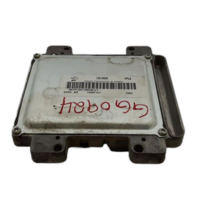
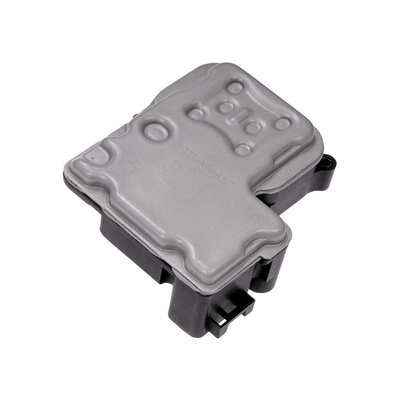
Below are the parts most often responsible for code C1424, ranked by how frequently each one is the actual culprit (per the diagnosis above). Tap any to see what we have for your vehicle.


The information in this article is provided for general reference and educational purposes only. Vehicle specifications, procedures, and part compatibility can vary by production date, trim level, and region. Always consult your vehicle's factory service manual and verify part numbers before purchasing or performing repairs. Safety-critical components such as airbags, seat belts, and braking systems should be installed by a qualified professional.
- 🧭 Diagnostic Flowchart
- 🛍️ Shop This Part
- What Does C1424 Mean?
- Can I Drive With C1424?
- Common Causes
- Symptoms
- Common Fixes & Costs
- Used vs. New Parts: Buying Guide
- What Happens If You Wait — Timeline
- Cost of Not Fixing It
- Diagnosis Steps
- When This Code Triggers (Freeze-Frame Conditions)
- Related Codes
- Climate & Environmental Factors
- How to Talk to a Mechanic About This Code
- Where to Take It: Dealer vs Independent vs Chain
- When to Walk Away From the Repair
- What Scan Tool You Need for This Code
- How to Clear the Code After You Fix It
- Will This Fail Emissions / State Inspection?
- Most Commonly Affected Vehicles
- Manufacturer-Specific Notes
- Real Owner Stories
- 2018 Subaru Forester XT with 77k miles
- 2019 Toyota RAV4 Hybrid after brake service
- 2017 Subaru Impreza with 136k miles
- How to Prevent This Code From Triggering
- Frequently Asked Questions
- Can I just clear the C1424 code and keep driving?
- Why did my cruise control and EyeSight turn off with the C1424 code?
- My mechanic says I need a new $2,000 brake actuator for my Toyota, but the brakes feel fine. Is this necessary?
- What is the most common misdiagnosis for C1424 on a Subaru?
- Can a bad battery cause C1424?
- Will an ECM update for P015A on my Forester also fix the C1424 code?
- The dealer wants $200 for diagnosis, but I know my Subaru needs a software update. Can I just tell them to do it?
- Key Takeaways
- 🎟️ Get 5% Off