

OBD-II Code C1429: Brake Pedal Load Sensing Switch Circuit Malfunction
The Ultimate 2026 Guide: What C1429 means, why it triggers, and how to fix it for good
- Code C1429 disables your anti-lock brakes (ABS) and stability control (VSC), increasing stopping distance by up to 15% and eliminating steering control during panic stops.
- Inspect the driver's side floor mat for blue, green, or black plastic fragments; a shattered $10 brake pedal stopper pad is the most common cause of this code.
- Test the sensor's resistance with a multimeter before replacing parts; a healthy Toyota sensor reads roughly 210 Ω when released and 1,000 Ω when depressed.
- Perform a mandatory 'Zero Point Calibration' using an advanced OBD-II scanner after replacing any pedal components, or the warning lights will permanently remain on.
What Does C1429 Mean?
Code C1429 means the Skid Control ECU is receiving an invalid signal from the Brake Pedal Load Sensing Switch. Unlike a basic on/off brake light switch, this sensor measures exactly how hard and fast you press the pedal. Without this precise data, the computer cannot safely manage the ABS and VSC systems, so it disables them and illuminates the dashboard warning lights.
Technical definition: The SAE/ISO definition for C1429 is "Open or Short in Brake Pedal Load Sensing Switch." The Skid Control ECU sets this code when it detects a continuous open circuit, a short circuit to ground, or an illogical voltage signal from the switch for 0.3 to 0.5 seconds.
Can I Drive With C1429?
Yes, But With Caution. Yes, but with extreme caution. Your standard hydraulic brakes function normally, but the Anti-lock Braking System (ABS) and Vehicle Stability Control (VSC) are disabled. This increases stopping distance by over 15% and eliminates steering control during a panic stop. Repair the vehicle immediately.
Common Causes
- Broken or Missing Brake Pedal Stopper Pad (Very Common) — A small plastic or rubber pad on the brake pedal arm physically presses the switch's plunger. This pad becomes brittle and shatters over time. When it falls out, the switch remains unpressed regardless of pedal movement, creating a constant 'off' state that the ECU flags as a circuit fault.
- Damaged or Corroded Wiring/Connectors (Very Common) — The wiring harness connecting the pedal sensor to the ABS module is exposed to moisture, dirt, and physical kicks from the driver's feet. Corroded pins, frayed wires, or loose connectors create high resistance or open circuits.
- Defective Brake Pedal Load Sensing Switch / Assembly (Common) — The sensor fails internally from constant mechanical wear and tear, leading to incorrect resistance readings. On many Toyota and Lexus models, this switch is permanently integrated into the brake pedal support assembly and cannot be replaced separately.
- Improper Sensor or Pedal Installation (Less Common) — If the brake pedal assembly or switch was recently replaced, incorrect installation creates a physical gap. This prevents the switch from making contact at the correct point in the pedal's travel.
- Failed Skid Control ECU (ABS Module) (Rare) — The control module fails internally and cannot interpret the signal from a perfectly functional sensor and wiring harness. This is the most expensive and least likely cause.
Symptoms
- ABS, VSC, and TRAC Warning Lights On — The computer illuminates the ABS, Vehicle Stability Control, and Traction Control lights simultaneously to alert the driver that these interconnected safety systems are disabled.
- Brake Lights Malfunctioning — If the root cause is a shattered stopper pad, the adjacent stop light switch is also affected. Your brake lights will stay on constantly (draining the battery) or fail to illuminate at all.
- Hard Brake Pedal Feel (Hybrids) — On hybrid models with regenerative braking, a pedal sensor fault causes an unusually hard brake pedal or inconsistent braking feel as the system defaults to purely hydraulic braking.
Diagnostic Flowchart
Tap your situation to follow the diagnostic path that matches what you're seeing on this code.
Common Fixes & Costs
- Replacing the Brake Pedal Stopper Pad — Parts: $5-$15, Labor: $50-$100, ~0.5 hr book time (Beginner)
- Replacing the Brake Pedal Assembly (Integrated Sensor) — Parts: $250-$450, Labor: $150-$300, ~1.8 hr book time (DIY)
- Repairing Damaged Wiring or Connectors — Parts: $5-$25, Labor: $150-$300, ~1.5 hr book time (Intermediate)
- Replacing the ABS/Skid Control Module — Parts: $900-$2000, Labor: $150-$350, ~2.0 hr book time (Professional)
Used vs. New Parts: Buying Guide
When a used part is worth it: Buying a used brake pedal assembly from a salvage yard is highly recommended for older Toyotas where the dealer only sells the entire $400 bracket.
Donor-vehicle mileage cap: roughly under 100000 miles for the part to have meaningful remaining life.
Donor quality checklist:
- Verify the donor vehicle was not in a flood or fire.
- Match the part number exactly to your VIN.
- Inspect the connector pins for green corrosion.
Decision logic:
- If The cause is a broken brake pedal stopper pad → Buy a new OEM pad for $10.
- If The vehicle requires a complete pedal assembly replacement → Purchase a used assembly from a salvage yard to save $200+.
Warranty tradeoff: Used salvage parts offer 30-90 day warranties. New OEM parts offer 1-year warranties.
Worst-case if a used part fails: $150-$300 in repeat labor if the used sensor fails early.
What Happens If You Wait — Timeline
- Immediate: Code C1429 sets. ABS, VSC, and TRAC warning lights illuminate. Electronic safety systems are disabled. (MPG impact: 0%% · Added cost: $0)
- 1-7 days: If the root cause is a broken stopper pad, the brake lights remain stuck ON while parked, completely draining the battery. (MPG impact: 0%% · Added cost: $150-$300 for a replacement battery or tow service.)
- 1+ weeks: The vehicle operates with unassisted hydraulic brakes. The primary consequence is the ongoing, severe safety risk of losing steering control during an emergency stop. (MPG impact: 0%% · Added cost: Potential collision costs.)
Cost of Not Fixing It
- Immediate: Loss of ABS and VSC, significantly increasing the risk of skidding and collisions during emergency braking. (Added cost: Potential accident costs and insurance increases.)
- 0-1 week: If caused by a broken stopper pad, the brake lights stay on and completely drain the battery. (Added cost: $150-$300 for a new battery or tow service.)
Diagnosis Steps
- Visually Inspect the Pedal Assembly and Floor Mat
Look at the driver's side floor mat for blue, green, or black plastic fragments. Inspect the brake pedal arm under the dash. If the small plastic stopper pad that contacts the switch plungers is missing or shattered, you have found the problem.
Tools: Flashlight (Beginner) - Check for Companion Codes
Use an OBD-II scanner to check for related codes like C1425 (Open in Stop Lamp Switch) or C1426 (Short in Stop Lamp Switch). If present, diagnose them first, as they pinpoint specific wiring failures that trigger C1429.
Tools: OBD-II Scanner (ABS capable) (Beginner) - Test the Sensor with Live Scanner Data
Access the live data stream for the ABS/VSC system on your scan tool. Monitor the 'Brake Pedal Load Sensing SW' parameter. The reading must change state when you press and release the pedal. If the value is stuck, the switch or circuit is faulty.
Tools: Advanced OBD-II Scanner (Intermediate) - Test Sensor Resistance with a Multimeter
Disconnect the sensor's electrical connector. Measure the resistance (Ohms) between the two terminals on the sensor. For most Toyotas, it reads 203-223 Ω when released and 950-1050 Ω when depressed. Infinite (open) or zero (shorted) readings confirm a dead sensor.
Tools: Multimeter, Vehicle-specific repair manual (Intermediate) - Check Harness Power, Ground, and Continuity
Turn the ignition ON. Check the harness connector for a 5V or 12V reference voltage and a solid ground. If voltage is missing, test the wires for continuity between the sensor plug and the Skid Control ECU plug (resistance under 1 Ω). High resistance indicates a broken wire.
Tools: Multimeter, Wiring diagram (Advanced) - Perform Zero Point Calibration
After replacing the sensor, pedal assembly, or repairing the wiring, you must perform a Zero Point Calibration. Use an advanced scan tool to reset the baseline for the steering angle and yaw rate sensors. Skipping this guarantees the VSC light stays on.
Tools: Advanced OBD-II Scanner (Intermediate)
When This Code Triggers (Freeze-Frame Conditions)
- Vehicle Speed: Above 6 mph (10 km/h) (The ECU requires the vehicle to be in motion to run its dynamic self-tests.)
- Brake Pedal Status: Transitioning (Pressed or Released) (The code triggers when the ECU sees an illogical signal for more than 0.3 seconds during pedal movement.)
- System Voltage: 11-14V (The fault check runs under normal battery voltage. Low voltage triggers unrelated communication codes.)
Related Codes
- C1425 — Indicates an 'Open' in the stop lamp switch circuit. Diagnose this first, as it points directly to a broken wire or unplugged connector.
- C1426 — Indicates a 'Short' in the stop lamp switch circuit. Points to a wire rubbing against a metal ground or an internal sensor short.
- C1249 — Indicates an 'Open in Stop Light Switch Circuit'. The ECU compares the load sensor and stop light switch; a fault in one flags the other.
Climate & Environmental Factors
- Extreme Temperature Cycles: Plastic and rubber components, specifically the brake pedal stopper pad, become brittle and shatter after years of expanding and contracting in hot and cold climates.
- High Humidity and Coastal Salt: Moisture accelerates corrosion on the electrical pins of the sensor connector under the dash, leading to high resistance and signal dropouts.
- Winter Road Salt: Corrosive slush tracked into the cabin on drivers' boots evaporates and corrodes low-lying wiring harnesses near the pedals.
How to Talk to a Mechanic About This Code
Say this: "I have a C1429 code with the ABS and VSC lights on. Before authorizing a full diagnostic, please visually inspect the brake pedal stopper pad and the sensor wiring under the dash."
This directs the mechanic to the $10 fix immediately and prevents them from charging you for an hour of electrical diagnostics.
Avoid saying:
- 'My ABS light is on, can you fix it?'
- 'I think I need a new ABS module.'
Questions to ask before authorizing the repair:
- Did you verify the plastic stopper pad on the pedal arm is intact?
- What were the specific resistance (ohm) readings from the old sensor?
- Does your quote include performing the Zero Point Calibration?
Where to Take It: Dealer vs Independent vs Chain
- Dealer:
Too expensive for out-of-warranty repairs unless it's a complex hybrid issue.
Best for: Vehicles under warranty, Complex hybrid brake systems (Prius)
Downsides: Highest labor rates., Will refuse to install cheaper used pedal assemblies. (Typical cost: +50% vs. baseline) - Independent Shop:
The best option. They offer fair labor rates and flexibility with parts.
Best for: Out-of-warranty vehicles., Installing customer-supplied or used salvage parts.
Downsides: Must verify they own a scanner capable of Zero Point Calibration. (Typical cost: +0% vs. baseline) - Chain Shop:
Avoid unless you are 100% certain the fix is just the plastic stopper pad.
Best for: Replacing a broken stopper pad.
Downsides: High risk of misdiagnosing the issue as a wheel speed sensor. (Typical cost: -10% vs. baseline)
When to Walk Away From the Repair
If the estimated repair cost exceeds 50% of your car's private-party value, consider selling it.
- Car worth $8000, fix is $450: Fix it. This restores a critical safety feature for a reasonable price.
- Car worth $5000, fix is $1200: Borderline. Source a used pedal assembly from a salvage yard to lower the cost.
- Car worth $3000, fix is $2000: Walk away. The repair cost approaches the car's total value.
What Scan Tool You Need for This Code
Minimum: A scanner capable of reading Anti-lock Brake System (ABS) codes. Basic $20 engine readers will show 'No Codes Found'.
Basic readers cannot communicate with the Skid Control ECU to read 'C' chassis codes or perform calibrations.
Budget: BlueDriver Pro (~$99) — Reads ABS codes and provides live data graphing to test the sensor signal.
Mid-range: Foxwell NT510 Elite (~$180) — Reads ABS codes and performs the mandatory Zero Point Calibration required for Toyotas.
Professional: Autel MaxiCOM MK808 (~$500) — Offers full bidirectional control, module programming, and calibration.
Rent vs buy: Auto parts stores loan advanced scanners for free. This is the best option for a one-time Zero Point Calibration.
How to Clear the Code After You Fix It
- Use an OBD-II scan tool to clear the DTCs from the ABS/VSC module.
- Perform a Zero Point Calibration using the scan tool.
- Turn the ignition off, start the engine, and test drive the vehicle.
Drive cycle (~10 minutes): Drive straight ahead at a speed above 22 mph (35 km/h) for at least 5 seconds. The ABS/VSC system performs a self-check. If the lights remain off, the repair is successful.
Readiness monitors affected: None. Chassis codes do not affect emissions readiness monitors.
Watch out for:
- Clearing the code without fixing the hardware fault causes the light to return immediately.
- Forgetting the Zero Point Calibration guarantees the VSC light stays on.
Will This Fail Emissions / State Inspection?
No — by itself this code doesn't fail OBD inspection (but it can keep readiness monitors from setting, which causes a separate fail).
- New York: An illuminated ABS warning light is grounds for failing the annual safety inspection.
- Texas: An ABS light alone will pass, but an illuminated red 'BRAKE' warning light causes an automatic failure.
- California: ABS lights do not fail smog checks, but inspectors may refuse to test vehicles with active safety warnings.
Most Commonly Affected Vehicles
- Toyota Highlander (2008-2013) — The sensor is integrated into the brake pedal support assembly and is not sold separately by dealers.
- Toyota RAV4 (2006-2012) — Extremely common failure point requiring replacement of the entire brake pedal assembly.
- Lexus RX350 / RX450h (2010-2015) — Shares the Highlander platform and suffers from the identical integrated pedal assembly failure.
- Toyota Prius (2010-2015) — The brake pedal stroke sensor fails similarly. Check for Warranty Enhancement Program (WEP) ZE1 coverage.
- Kia / Hyundai Optima / Sonata (2011-2014) — Notorious for rapid deterioration of the brake pedal stopper pad, leading to misdiagnosis of the switch itself.
Manufacturer-Specific Notes
- Toyota / Lexus: On popular models (Highlander, RAV4, RX350), the Brake Pedal Load Sensing Switch is permanently integrated into the pedal assembly. You must buy the entire $300+ metal pedal bracket to replace a $40 sensor.
- Toyota / Lexus: A 'Zero Point Calibration' is strictly mandatory after replacing the pedal assembly or ABS module. Without it, the VSC light remains permanently illuminated.
- Toyota: Warranty Enhancement Program (WEP) ZE1 extends coverage for the Brake Pedal Stroke Sensor on specific hybrid models. Always check your VIN with a dealer before paying out of pocket.
Real Owner Stories
2011 Toyota RAV4 - The $10 Fix
ABS, VSC, and TRAC lights illuminated suddenly. The owner noticed small, brittle blue plastic pieces on the driver's floor mat.
What they tried:
- Assumed a major sensor failure and prepared for a costly repair.
- Searched forums for 'Toyota plastic bits on floor' and identified the brake pedal stopper pad.
Outcome: Purchased OEM part 90541-06036 for $8. Pressed the new stopper into the pedal arm in 5 minutes. All warning lights extinguished on the next drive.
Lesson: Always inspect the floor mat and pedal arm before buying expensive sensors. Shattered plastic is a definitive diagnostic clue.
2010 Lexus RX350 - The Salvage Yard Save
Intermittent C1429 code. A dealership quoted $1,100 to replace the entire brake pedal assembly, as Lexus does not sell the switch separately.
What they tried:
- A local mechanic misdiagnosed it as a wheel speed sensor due to a cheap scanner.
- Owner sourced a used brake pedal assembly from a wrecked 2012 Highlander for $90.
Outcome: An independent shop installed the used assembly for $200 and performed the Zero Point Calibration. The code was permanently resolved for under $300.
Lesson: Ensure your mechanic uses a scanner capable of reading 'C' codes. Buying a used pedal assembly from a compatible model saves hundreds over dealer prices.
2009 Toyota Highlander Hybrid - The Hidden Leak
Multiple brake codes (C1252, C1256, C1429) appeared. The brake pedal felt hard and inconsistent.
What they tried:
- Initial diagnosis suggested a $2,500 ABS Actuator failure.
- A hybrid specialist inspected the wiring harness at the Skid Control ECU.
Outcome: The specialist found severe corrosion in the ECU connector caused by an undetected windshield leak. Cleaning the pins and repairing the harness resolved the C1429 code.
Lesson: A cluster of brake codes often points to a single wiring harness or connector failure rather than multiple dead components. Water intrusion causes bizarre electrical faults.
How to Prevent This Code From Triggering
- Inspect the brake pedal stopper pad (Every 30,000 miles) — Catching a cracked or crumbling stopper pad before it shatters prevents sudden ABS/VSC deactivation and dead batteries from stuck brake lights.
- Apply dielectric grease to sensor connectors (When unplugging connectors for any under-dash work) — Dielectric grease seals out moisture and oxygen, preventing the pin corrosion that causes high resistance and signal dropouts.
- Secure floor mats properly (After every interior cleaning) — Bunched-up floor mats physically block the brake pedal from returning fully, causing the switch to send an illogical 'partially pressed' signal to the ECU.
Frequently Asked Questions
Is it safe to drive with code C1429?
Your normal brakes still work, but ABS and stability control are disabled. This causes wheels to lock up during hard stops, eliminating your ability to steer away from collisions. Drive cautiously and repair the vehicle immediately.
Can I fix code C1429 myself?
Yes, replacing a broken $10 stopper pad is a simple beginner fix. Replacing the sensor or pedal assembly requires intermediate skills and a scanner capable of Zero Point Calibration. Stop DIYing and visit a shop if multimeter testing reveals wiring harness faults.
I replaced the sensor but the code came back. What did I miss?
First, verify the plastic stopper pad on the pedal arm is intact and properly contacting the switch. Second, you must perform a 'Zero Point Calibration' using an advanced scanner. This resets the system's baseline, and skipping it guarantees the warning lights stay on.
What is the difference between the Brake Pedal Load Sensing Switch and the Stop Light Switch?
The Stop Light Switch is a simple on/off toggle for your brake lights. The Brake Pedal Load Sensing Switch is a variable resistor that tells the ABS computer exactly how hard you are braking. The computer compares both signals, and a failure in either triggers warning lights.
What is a Zero Point Calibration and why is it important?
Zero Point Calibration resets the baseline for the Vehicle Stability Control (VSC) sensors, including yaw rate and steering angle. You must perform this procedure on a level surface after replacing the ABS module, brake pedal assembly, or getting a wheel alignment. Skipping this step causes false ABS activation and persistent warning lights.
Will clearing the code make the ABS light go away?
Clearing the code turns the light off temporarily while parked. However, the Skid Control ECU detects the persistent hardware fault the moment you press the brake pedal or exceed 6 mph. The warning lights will illuminate again immediately.
Why are my ABS, VSC, and TRAC lights all on at the same time?
These electronic safety systems are interconnected and rely on the brake pedal load sensor to function. When the ECU loses this critical signal, it disables ABS, VSC, and TRAC simultaneously as a fail-safe measure. This triggers all three warning lights at once.
How much will it cost to fix code C1429?
A broken plastic pedal stopper costs $60-$115 to fix at a shop, or $10 DIY. Replacing a Toyota brake pedal assembly with an integrated sensor costs $400-$700 for parts and labor. Wiring repairs typically run $150-$300 depending on the damage location.
Can a bad brake fluid level or a leaking caliper cause a C1429 code?
A severe hydraulic issue, like a leaking brake caliper, causes a drop in fluid pressure. The ECU detects this abnormality and disables the ABS/VSC systems to prevent catastrophic failure. This cascade effect triggers the main 'BRAKE' light alongside codes like C1429.
Key Takeaways
- Code C1429 disables your anti-lock brakes (ABS) and stability control (VSC), increasing stopping distance by up to 15% and eliminating steering control during panic stops.
- Inspect the driver's side floor mat for blue, green, or black plastic fragments; a shattered $10 brake pedal stopper pad is the most common cause of this code.
- Test the sensor's resistance with a multimeter before replacing parts; a healthy Toyota sensor reads roughly 210 Ω when released and 1,000 Ω when depressed.
- Perform a mandatory 'Zero Point Calibration' using an advanced OBD-II scanner after replacing any pedal components, or the warning lights will permanently remain on.
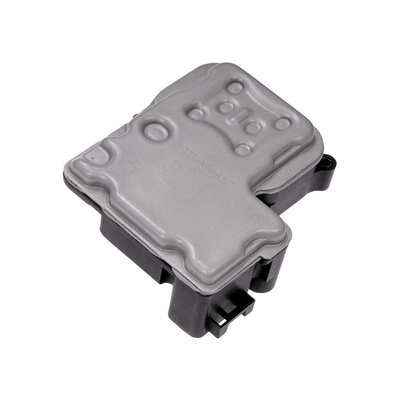
Shop the Parts Behind C1429
Below are the parts most often responsible for code C1429, ranked by how frequently each one is the actual culprit (per the diagnosis above). Tap any to see what we have for your vehicle.


The information in this article is provided for general reference and educational purposes only. Vehicle specifications, procedures, and part compatibility can vary by production date, trim level, and region. Always consult your vehicle's factory service manual and verify part numbers before purchasing or performing repairs. Safety-critical components such as airbags, seat belts, and braking systems should be installed by a qualified professional.
- 🧭 Diagnostic Flowchart
- 🛍️ Shop This Part
- What Does C1429 Mean?
- Can I Drive With C1429?
- Common Causes
- Symptoms
- Common Fixes & Costs
- Used vs. New Parts: Buying Guide
- What Happens If You Wait — Timeline
- Cost of Not Fixing It
- Diagnosis Steps
- When This Code Triggers (Freeze-Frame Conditions)
- Related Codes
- Climate & Environmental Factors
- How to Talk to a Mechanic About This Code
- Where to Take It: Dealer vs Independent vs Chain
- When to Walk Away From the Repair
- What Scan Tool You Need for This Code
- How to Clear the Code After You Fix It
- Will This Fail Emissions / State Inspection?
- Most Commonly Affected Vehicles
- Manufacturer-Specific Notes
- Real Owner Stories
- 2011 Toyota RAV4 - The $10 Fix
- 2010 Lexus RX350 - The Salvage Yard Save
- 2009 Toyota Highlander Hybrid - The Hidden Leak
- How to Prevent This Code From Triggering
- Frequently Asked Questions
- Is it safe to drive with code C1429?
- Can I fix code C1429 myself?
- I replaced the sensor but the code came back. What did I miss?
- What is the difference between the Brake Pedal Load Sensing Switch and the Stop Light Switch?
- What is a Zero Point Calibration and why is it important?
- Will clearing the code make the ABS light go away?
- Why are my ABS, VSC, and TRAC lights all on at the same time?
- How much will it cost to fix code C1429?
- Can a bad brake fluid level or a leaking caliper cause a C1429 code?
- Key Takeaways
- 🎟️ Get 5% Off