

OBD-II Code C1452: Accumulator Low Pressure
The Ultimate Guide to What C1452 Means, Why It Triggers, and How to Fix It
- Code C1452 indicates a critical loss of hydraulic brake pressure, increasing stopping distances by up to 50% and disabling ABS and stability control.
- Replacing the integrated brake actuator assembly resolves this code in 90% of cases, costing between $1,800 and $3,100 at a professional repair shop.
- A loud buzzing from the engine bay lasting longer than 15 seconds confirms the brake pump is overworking to compensate for an internal pressure leak.
- Repairing this fault requires an advanced OBD-II scanner to perform a mandatory automated brake bleed and a zero-point calibration before driving.
What Does C1452 Mean?

The C1452 code means your vehicle's Engine Control Unit (ECU) detects the brake accumulator cannot build or hold hydraulic pressure. The accumulator is a nitrogen-charged tank storing pressurized brake fluid for power brakes, ABS, and stability control. Without this pressure, these safety systems fail instantly, drastically compromising vehicle control.
Technical definition: The brake control module monitors the accumulator pressure sensor. If fluid pressure fails to reach a specified threshold within 3.2 seconds of the brake booster pump activating, the ECU stores code C1452. This confirms a failure to build or hold pressure in the electro-hydraulic brake system.
Can I Drive With C1452?

No, stop driving immediately Driving is unsafe. Your primary braking still functions but requires significantly more pedal effort, increasing stopping distances by 50% or more. The loss of ABS and Vehicle Stability Control (VSC) guarantees wheel lock-up during panic stops. Continued driving forces the pump motor to run constantly, guaranteeing a complete burnout and a total, sudden loss of power brake assist.
Common Causes

- Failing Brake Actuator Assembly (Internal Leak) (Very Common) — The primary cause is an internal failure of the brake actuator assembly, which houses the pump motor, accumulator, and solenoids. Internal seals degrade, causing pressure leaks that force the pump to run continuously until it burns out. Dealerships replace this as a single unit.
- External Brake Fluid Leak (Common) — A leak in the brake lines, calipers, or master cylinder prevents the system from holding pressure. Low fluid in the reservoir introduces air into the pump, immediately triggering low-pressure faults.
- Faulty Accumulator Pressure Sensor (Less Common) — The sensor measuring accumulator pressure fails, sending a false 0V or 5V signal to the ECU. Because this sensor is permanently integrated into the actuator assembly on most affected vehicles, it still requires replacing the entire unit.
- Air in the Brake Lines (Improper Bleeding) (Rare) — Improperly bleeding the brakes or forcing caliper pistons back during a pad change pushes air into the ABS actuator. Air compresses easily, preventing the system from building hydraulic pressure.
- Corroded Wiring or Connectors (Rare) — Corrosion in the wiring harness or actuator connectors disrupts the pressure sensor signal. This occurs most frequently in regions with heavy winter road salt usage.
Symptoms
- Loud, Repetitive Buzzing from Engine Bay 🎬 Watch: Hear what a failing brake actuator sounds like. — The electric brake pump buzzes, beeps, or hums every few seconds, even with the ignition off, as it desperately tries to build lost pressure.
- ABS, Brake, and VSC Warning Lights On — The dashboard illuminates the red BRAKE light alongside the amber ABS and VSC warning indicators.
- Hard, Spongy, or Unpredictable Brake Pedal — The brake pedal travels straight to the floor, becomes rock-hard, or changes resistance unpredictably during a single stop, requiring extreme physical force to halt the vehicle.
- Brake Pedal Pulsates — You feel a stuttering or pulsing from the brake pedal during normal braking as the ABS system attempts to function without proper hydraulic pressure.
Diagnostic Flowchart

Tap your situation to follow the diagnostic path that matches what you're seeing on this code.
Common Fixes & Costs
- Replace Brake Booster / Actuator Assembly — Parts: $1300-$2200, Labor: $500-$900, ~4.5 hr book time (Professional)
- Bleed Brake System (Scan Tool Method) — Parts: $20-$40, Labor: $150-$250, ~1.5 hr book time (DIY Advanced)
- Replace ABS Accumulator Only — Parts: $250-$400, Labor: $150-$250, ~1.5 hr book time (Intermediate)
- Repair Damaged Wiring or Connectors — Parts: $10-$50, Labor: $100-$300, ~2 hr book time (Intermediate)
Used vs. New Parts: Buying Guide
When a used part is worth it: Only consider a used brake actuator if the vehicle is over 15 years old, valued under $5,000, and you cannot afford a new OEM part. These units have a 100% failure rate over time; a used part is a massive gamble.
Donor-vehicle mileage cap: roughly under 60000 miles for the part to have meaningful remaining life.
Donor quality checklist:
- Verify the exact part number matches your original unit.
- Source from a salvage yard offering at least a 90-day warranty.
- Avoid parts from rust-belt vehicles to minimize internal corrosion risks.
Decision logic:
- If The vehicle is less than 10 years old or has under 100k miles → Buy a new OEM part. The risk of a used part failing and doubling your labor costs is too high.
- If The vehicle is over 15 years old and the budget is extremely tight → A used part is a viable risk, but expect it to fail eventually.
Warranty tradeoff: Used parts offer a 30-90 day part-only warranty, leaving you responsible for $500+ in repeat labor. New OEM parts installed by a dealer carry a 12-month/12,000-mile warranty covering parts and labor.
Worst-case if a used part fails: $1000-$1500 if a used part fails, representing the cost of repeat labor and sourcing a second replacement.
What Happens If You Wait — Timeline
- 0-1 month: Intermittent ABS/VSC/BRAKE lights appear. A brief (5-10 second) buzzing sound from the pump occurs. The code C1452 is stored as 'pending'. (MPG impact: 0%% · Added cost: $0)
- 1-4 months: Warning lights are permanent. The brake pump buzzes for 15-30 seconds at a time, cycling every few minutes even when parked. The brake pedal feels inconsistent. (MPG impact: 0%% · Added cost: $0)
- 4-8 months: The brake pump runs constantly, draining the battery. The pump motor overheats. Stopping distances increase noticeably. (MPG impact: 0%% · Added cost: $200-$400 (Dead battery replacement))
- 8+ months: Complete failure. The pump motor burns out, buzzing stops, and all power brake assist is lost suddenly. The brake pedal becomes rock-hard. (MPG impact: N/A% · Added cost: $2500-$3500 (Mandatory full actuator assembly replacement))
Cost of Not Fixing It
- Immediate: Loss of ABS and VSC function, increasing stopping distances by 50%. High risk of an accident in a panic stop. (Added cost: N/A)
- 0-1 month: The electric brake pump motor runs constantly to maintain pressure, guaranteeing a complete burnout of the motor. (Added cost: $0 (You must replace the entire assembly anyway, but this guarantees total failure))
- 1+ months: Total failure of the brake booster pump, resulting in a sudden loss of power brake assist while driving. (Added cost: $2500-$3500 (Mandatory full actuator assembly replacement))
Diagnosis Steps
- Perform the 40-Pump Test (Toyota/Lexus Method)
With the car off, pump the brake pedal firmly 40 times to deplete stored pressure. Turn the ignition on (engine off). The brake booster pump should run for a few seconds to build pressure. If it runs continuously for over 30 seconds, the system has a massive pressure leak. If you hear nothing, the pump motor or relay is dead.
Tools: None (Beginner) - Check Fluid Level and Inspect for External Leaks
Check the brake fluid reservoir. If it is below the 'MIN' line, you have an external leak. Use a flashlight to inspect all brake lines, calipers, and the ABS actuator for wet spots. An internal actuator leak will not show external drips.
Tools: Flashlight (Beginner) - Scan for Related Codes (C1252, C1256)
Use an advanced OBD-II scanner to read ABS/VSC codes. Codes C1252 (Pump Motor On Time Abnormally Long) or C1256 (Accumulator Low Pressure) appearing alongside C1452 definitively prove the brake actuator assembly has failed and requires replacement.
Tools: Advanced OBD-II Scanner (Intermediate) - Check Accumulator Pressure Sensor Voltage
View live data for the 'Accumulator Pressure Sensor'. With the ignition on, voltage should read between 3.58V and 5.0V after the pump runs. If voltage builds but drops rapidly when the pump stops, you have an internal pressure leak. If it stays at 0V or 5V, the sensor is dead.
Tools: Advanced OBD-II Scanner (e.g., Techstream) (Advanced) - Analyze Pump Motor Current Draw
Clamp a low-amp current probe to the main power feed of the ABS pump motor. A healthy pump draws 15-25 amps. An excessively high, jagged draw proves the pump motor is binding. Zero draw indicates a blown fuse, bad relay, or open motor circuit.
Tools: Low-Amp Probe, Oscilloscope (Professional) - Perform a Professional Scan-Tool Brake Bleed
If the code appeared immediately after a brake pad change, air is trapped in the actuator. A manual bleed fails here. You must use a bidirectional scan tool to cycle the ABS pump and valves while bleeding to purge the trapped air.
Tools: Advanced OBD-II Scanner, Brake Bleeding Kit (Advanced)
When This Code Triggers (Freeze-Frame Conditions)
- Time Since Pump Activation: > 3.2 seconds (The ECU stores the code if the accumulator pressure fails to reach its target within a 3.2-second window after the pump motor activates.)
- Event Trigger: Post-Brake Application (The code sets immediately after a braking event when the ECU runs a pressure check and detects a rapid drop.)
- System State: Self-Test at Startup (The ABS/VSC module performs a self-test upon ignition ON and again at 3-5 mph. A pressure fault is instantly detected during this check.)
Related Codes
- C1252 — Brake Booster Motor On Time Abnormally Long. The ECU detects low pressure (C1452) and runs the pump continuously to compensate, triggering C1252. Seeing both codes guarantees a hydraulic leak.
- C1256 — Accumulator Low Pressure. Identical to C1452 in diagnostic meaning; different Toyota generations use one or the other to indicate a failure to hold pressure.
- C1251 — ABS Motor Relay Circuit Malfunction. An electrical code. If you have C1251, the pump motor won't run at all. If you have C1452, the pump runs constantly.
Climate & Environmental Factors
- High Humidity / Road Salt: Brake fluid absorbs moisture. In humid or heavy road-salt climates, this moisture accelerates internal corrosion of the actuator's solenoid valves, causing premature pressure leaks.
- Extreme Cold: Sub-zero temperatures harden internal actuator seals, exacerbating existing micro-leaks and forcing the pump to cycle constantly upon startup.
How to Talk to a Mechanic About This Code
Say this: "I have a C1452 code and the brake pump is running constantly. Please check for related codes like C1252, and monitor the live data for the accumulator pressure sensor voltage to confirm an internal hydraulic leak."
This proves you understand the failure is an internal actuator leak. It forces the technician to perform a data-driven diagnosis rather than blindly quoting a $3,000 replacement.
Avoid saying:
- 'My ABS light is on and it's buzzing.' (Too vague, invites a high quote)
- 'Just replace the brake booster.' (Never diagnose for the mechanic)
- 'Can you just clear the code?' (Clearing a hard fault does nothing)
Questions to ask before authorizing the repair:
- Did the accumulator pressure sensor voltage drop quickly after the pump shut off?
- Were codes C1252 or C1256 also present?
- Does the repair estimate include the mandatory scan-tool brake bleed and zero-point calibration?
- What is the warranty on the new actuator assembly and labor?
Where to Take It: Dealer vs Independent vs Chain
- Dealer:
A safe but expensive option. Use if cost is not a concern or if a warranty program covers the repair.
Best for: Vehicles where a Toyota Warranty Enhancement Program applies (check your VIN)., Owners who prioritize a guaranteed OEM part and factory warranty.
Downsides: Highest cost, often quoting $3,000+ for the repair. (Typical cost: +50% vs. baseline) - Independent Shop:
Best fit for most owners. Find a trusted local shop with proven Toyota expertise.
Best for: Out-of-warranty vehicles where cost is a major factor., Shops specializing in Toyota/Lexus with extensive experience replacing actuators.
Downsides: You must verify they own a bidirectional scan tool capable of the required bleeding and calibration procedures. (Typical cost: +0% vs. baseline) - Chain Shop:
AVOID. This is a specialized, safety-critical repair beyond the scope of general service chains.
Best for: Not recommended for this repair.
Downsides: Technicians lack the specific knowledge and bidirectional scan tools required for this complex job., High risk of improper installation or skipping the zero-point calibration. (Typical cost: -10% vs. baseline)
When to Walk Away From the Repair
If the estimated repair cost exceeds 50% of the car's private-party value, sell the vehicle as-is.
- Car worth $8000, fix is $3000: Borderline. At 38% of the car's value, the repair is significant. Fix it only if the vehicle is in pristine condition otherwise.
- Car worth $18000, fix is $3100: Fix it. The repair cost is under 20% of the vehicle's value.
- Car worth $4500, fix is $2800: Walk away. The repair cost is over 60% of the car's value. It is not economically sensible to proceed.
What Scan Tool You Need for This Code
Minimum: A scanner that reads manufacturer-specific chassis codes (C-codes) and displays live data for the accumulator pressure sensor.
A standard $20 engine code reader cannot communicate with the ABS module. It will not see C1452 or perform the mandatory brake bleed.
Budget: BlueDriver Pro Scan Tool (~$100) — Reads ABS codes and streams live sensor data to view accumulator pressure voltage. Lacks the bidirectional control needed for the ABS bleed.
Mid-range: Foxwell NT510 Elite for Toyota (~$160) — Offers full bidirectional control to perform the automated ABS bleed procedure and initiate the zero-point calibration, making it a complete DIY solution.
Professional: Autel MaxiCOM MK808S (~$450) — Professional-grade tool with full bidirectional control. Easily performs the automated ABS bleed, zero-point calibration, and all required resets.
Rent vs buy: Buy. Rental scanners from auto parts stores are basic code readers that cannot perform the required ABS diagnostics, bleeding, or calibration functions.
How to Clear the Code After You Fix It
- Use an OBD-II scan tool to clear the ABS/VSC trouble codes.
- Perform the scan-tool-activated brake bleeding procedure to purge air from the new actuator.
- Perform the Zero Point Calibration for the yaw rate and deceleration sensors using the scan tool.
- Road test the vehicle with several hard stops to confirm the warning lights remain off.
Drive cycle (~15 minutes): Start the vehicle and drive above 10 mph to trigger the ABS startup self-check. Perform several normal stops. Because this is a hydraulic system, readiness is confirmed instantly if the repair succeeds.
Readiness monitors affected: Chassis codes do not affect emissions readiness monitors.
Watch out for:
- Clearing the code without replacing the leaking actuator guarantees the code returns within 5 seconds of startup.
- Skipping the Zero Point Calibration leaves the VSC warning light permanently illuminated, disabling stability control.
Will This Fail Emissions / State Inspection?
Yes — this code typically fails an OBD-II emissions inspection.
- California: An illuminated red 'BRAKE' warning light triggers an immediate safety inspection failure.
- New York: An illuminated red 'BRAKE' warning light causes a safety inspection failure.
- Texas: A vehicle fails the safety inspection if the service brake warning lamp is on.
Most Commonly Affected Vehicles
- Toyota 4Runner (2003-2018) — Extremely common failure. Models from 2003-2009 and 2010-2018 use different part numbers but suffer identical internal actuator leaks.
- Toyota Prius (2004-2015) — The electro-hydraulic brake system is notoriously prone to actuator failure. Check your VIN for active Warranty Enhancement Programs.
- Toyota Land Cruiser (2008-2015) — Frequently triggers C1452 alongside C1252 and C1256, requiring a full brake actuator assembly replacement.
- Toyota Tacoma (2009-2021) — Often presents intermittently at first. A failing actuator causes a spongy pedal and constant pump buzzing.
- Lexus GX470 / GX460 (2003-2017) — Shares the identical braking system with the 4Runner and Land Cruiser, making it equally susceptible to actuator failure.
- Lexus RX Series (RX350, RX450h) (2006-2017) — Hybrid models experience high rates of actuator assembly failures triggering this code.
Manufacturer-Specific Notes
- Toyota / Lexus: Dealers mandate replacing the entire brake booster/actuator assembly as a single $3,000 unit. Toyota issues Warranty Enhancement Programs (e.g., ZJ1, ZKK) for specific VINs, so always check with a dealer before paying out of pocket.
- Ford / GM: Domestic manufacturers rarely use C1452, relying instead on C00xx-C02xx codes for brake pressure faults.
- Mitsubishi: On 4WD models, C1452 means 'Front Propeller Shaft Speed Sensor System Abnormal', which is entirely unrelated to the brakes. Always verify the code definition against a factory manual.
Real Owner Stories
2013 Toyota FJ Cruiser with intermittent lights
After a road trip, the ABS, VSC, and BRAKE lights illuminated. The brakes felt normal initially, and the code read C1452.
What they tried:
- Took the vehicle to a Toyota dealership for diagnosis.
Outcome: The dealership diagnosed a failure of the internal solenoids within the brake actuator assembly. They quoted $2,750 for a full replacement, confirming internal components cannot be serviced separately.
Lesson: Even if braking feels normal at first, C1452 indicates a serious internal fault. Dealers mandate replacing the entire expensive assembly.
2018 Toyota 4Runner with C1452 after DIY brake pad change
Immediately after a DIY front brake pad replacement, C1452 appeared. Symptoms included a spongy pedal and constant pump beeping.
What they tried:
- Performed a standard two-person manual brake bleed.
- Used an Autel scanner to run the automated VSC bleed procedure.
Outcome: Air was trapped deep within the ABS actuator, forced in when compressing the caliper pistons. The manual bleed failed; only the rigorous scan-tool bleed purged the air and cleared the code.
Lesson: Forcing caliper pistons back pushes air into the expensive actuator. A standard bleed is insufficient; a scan-tool-activated bleed is mandatory.
2014 Toyota Tacoma with intermittent C1452, no warning light
An owner noticed a pending C1452 code via Techstream, but no dash lights were on. Live data showed accumulator pressure consistently at 3.33V instead of the normal 3.58V+.
What they tried:
- Monitored live data for the 'Accumulator Pressure Sensor'.
- Performed the 40-pump test to check pressure retention.
Outcome: The consistently low pressure reading confirmed a slow internal leak. The owner identified this as an early warning of actuator failure and prepared for the $2,000+ replacement before total failure occurred.
Lesson: An intermittent C1452 code is a serious warning. Monitoring live accumulator pressure voltage confirms a slow leak before the pump burns out.
How to Prevent This Code From Triggering
- Perform a brake fluid flush every 2-3 years or 30,000 miles. (Every 2-3 years) — Brake fluid absorbs moisture, which causes internal corrosion of the delicate solenoid valves inside the $2,000 ABS actuator, leading to premature failure.
- Use a scan tool to perform an ABS bleed during the fluid flush. (During every brake fluid flush) — A standard bleed leaves contaminated fluid trapped inside the ABS actuator. Cycling the pump with a scan tool ensures all old fluid is purged.
- Avoid aggressive, hard braking whenever possible. (Daily habit) — Frequent hard stops force the ABS pump to cycle constantly, accelerating wear on the pump motor's brushes and internal seals.
Frequently Asked Questions
Is it safe to drive with code C1452?
No. Your emergency braking capabilities are compromised, increasing stopping distances by 50%. The pump motor will burn out from overworking, causing a sudden, total loss of power brake assist.
Can I just clear the code?
Clearing the code does nothing. The ECU runs a pressure self-check at startup, and the code will return within 5 seconds because the mechanical leak still exists.
Why is the repair for C1452 so expensive?
The accumulator, pump, ECU, and pressure sensor are integrated into one massive actuator assembly. Replacing it requires a $1,500+ part, specialized scan-tool bleeding, and zero-point calibration labor.
What is the most common misdiagnosis for C1452?
Replacing only the accumulator tank. The failure is almost always an internal seal leak within the main actuator body, meaning the new accumulator won't fix the pressure drop.
I just changed my brake pads and got this code. What happened?
Forcing caliper pistons back without opening the bleeder screw pushes air backward into the ABS actuator. You must take the vehicle to a shop for a bidirectional scan-tool brake bleed to purge the trapped air.
Is there a recall for the C1452 issue on Toyota/Lexus vehicles?
As of 2024, there is no universal recall for C1452. Toyota issued Warranty Enhancement Programs (like ZJ1 or ZKK) for specific models, but coverage varies by VIN and exact failure code. Always check your VIN on the NHTSA website or with a dealer.
What is a 'zero point calibration'?
It is a scan-tool procedure that resets the baseline 'zero' reading for the Vehicle Stability Control sensors. Skipping this step after replacing the actuator leaves the VSC system disabled and warning lights on.
Can I replace just the pump motor instead of the whole assembly?
No. The failure is caused by internal seal leaks within the actuator body, not just a weak motor. Replacing the motor alone is a gamble that rarely fixes the root cause.
Key Takeaways
- Code C1452 indicates a critical loss of hydraulic brake pressure, increasing stopping distances by up to 50% and disabling ABS and stability control.
- Replacing the integrated brake actuator assembly resolves this code in 90% of cases, costing between $1,800 and $3,100 at a professional repair shop.
- A loud buzzing from the engine bay lasting longer than 15 seconds confirms the brake pump is overworking to compensate for an internal pressure leak.
- Repairing this fault requires an advanced OBD-II scanner to perform a mandatory automated brake bleed and a zero-point calibration before driving.
Helpful Videos


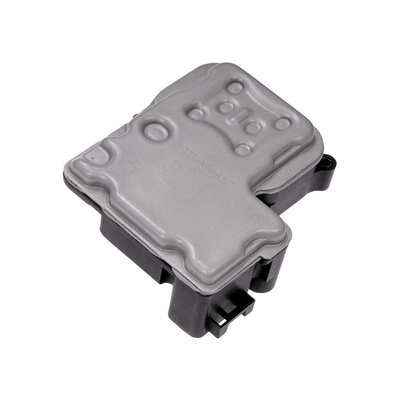
Shop the Parts Behind C1452
Below are the parts most often responsible for code C1452, ranked by how frequently each one is the actual culprit (per the diagnosis above). Tap any to see what we have for your vehicle.


The information in this article is provided for general reference and educational purposes only. Vehicle specifications, procedures, and part compatibility can vary by production date, trim level, and region. Always consult your vehicle's factory service manual and verify part numbers before purchasing or performing repairs. Safety-critical components such as airbags, seat belts, and braking systems should be installed by a qualified professional.
- 🧭 Diagnostic Flowchart
- 🎬 Helpful Videos
- 🛍️ Shop This Part
- What Does C1452 Mean?
- Can I Drive With C1452?
- Common Causes
- Symptoms
- Common Fixes & Costs
- Used vs. New Parts: Buying Guide
- What Happens If You Wait — Timeline
- Cost of Not Fixing It
- Diagnosis Steps
- When This Code Triggers (Freeze-Frame Conditions)
- Related Codes
- Climate & Environmental Factors
- How to Talk to a Mechanic About This Code
- Where to Take It: Dealer vs Independent vs Chain
- When to Walk Away From the Repair
- What Scan Tool You Need for This Code
- How to Clear the Code After You Fix It
- Will This Fail Emissions / State Inspection?
- Most Commonly Affected Vehicles
- Manufacturer-Specific Notes
- Real Owner Stories
- 2013 Toyota FJ Cruiser with intermittent lights
- 2018 Toyota 4Runner with C1452 after DIY brake pad change
- 2014 Toyota Tacoma with intermittent C1452, no warning light
- How to Prevent This Code From Triggering
- Frequently Asked Questions
- Is it safe to drive with code C1452?
- Can I just clear the code?
- Why is the repair for C1452 so expensive?
- What is the most common misdiagnosis for C1452?
- I just changed my brake pads and got this code. What happened?
- Is there a recall for the C1452 issue on Toyota/Lexus vehicles?
- What is a 'zero point calibration'?
- Can I replace just the pump motor instead of the whole assembly?
- Key Takeaways
- 🎟️ Get 5% Off