

OBD-II Code C1509: System Input Malfunction
What C1509 means, why it triggers, and how to fix it
- C1509 is a manufacturer-specific code that points to a failed steering torque sensor on Toyotas, a faulty TPMS trigger module on Jeeps/Chryslers, or an air suspension leak on newer Jeeps.
- On 2021-2023 Jeep Grand Cherokees, check TSB 02-006-23 first; the fix is often pushing an unseated air line into the fast down leveling valve until it clicks.
- For Chrysler and Jeep vehicles, C1509 indicates a failure in the wheel well's TPMS trigger module, not the pressure sensor inside the tire—do not replace the tire sensor.
- Repair costs range from $0 for reseating a loose air line to over $1,500 for replacing a Toyota steering column assembly, making accurate manufacturer-specific diagnosis critical.
What Does C1509 Mean?
C1509 is a manufacturer-specific code, so its definition depends on your vehicle. It typically indicates a faulty electric power steering torque sensor (Toyota/Lexus), a failed Tire Pressure Monitoring System (TPMS) trigger module (Jeep/Chrysler), or an air suspension leak (newer Jeeps).
Technical definition: The SAE/ISO definition for C1509 varies by manufacturer. Common definitions include Torque Sensor Circuit Malfunction (Toyota/Lexus), Tire Pressure Trigger Module Performance (Jeep/Chrysler/Dodge), Low Airmass (Jeep Air Suspension), or Vehicle Speed Signal (Peugeot).
Can I Drive With C1509?
Yes, But With Caution. You can drive, but limit it. Lost power steering makes parking and emergency maneuvers dangerous. A sagging air suspension causes poor handling, unpredictable braking, and accelerated tire wear. Disabled stability control reduces safety in slippery conditions. Address the issue promptly to avoid secondary damage.
Common Causes
- Failed Tire Pressure (TPMS) Trigger Module (Very Common) — On Jeep, Chrysler, and Dodge vehicles, this code points to a failed trigger module in the wheel well. 🎬 Watch: How to replace Jeep tire pressure trigger modules. These modules help the main computer identify the position of each tire pressure sensor, and a failure disrupts the TPMS.
- Air Suspension Leak or Faulty Air Line Connection (Very Common) — On newer Jeep Grand Cherokees, C1509 indicates 'Low Airmass.' This is frequently caused by an air line that is not fully seated in its fitting, leading to a leak. It is also caused by cracks in the air springs themselves, exacerbated by cold weather.
- Faulty Steering Torque Sensor (Common) — This is a frequent cause on vehicles with electric power steering, like Toyota and Lexus. The sensor, located in the steering column, fails internally and sends incorrect data to the power steering computer.
- Wiring or Connector Issues (Common) — Damage, corrosion, or a loose connection in the wiring harness leading to the affected sensor interrupts the signal and triggers the code. This is especially common in regions that use road salt.
- LIN Bus Communication Failure (Less Common) — On Chrysler/Jeep vehicles, the TPMS trigger modules communicate with the Wireless Control Module (WCM/WIN) over a single-wire LIN bus. A short or open in this communication circuit prevents the module from receiving signals.
- Degraded Air Suspension Dryer (Less Common) — The air suspension compressor includes a dryer to remove moisture. If the dryer becomes saturated, moisture enters the system, causing corrosion in the valve block or damage to the compressor.
- Power Steering Control Module (ECU) Failure (Rare) — The electronic control unit that processes the torque sensor's signal fails. This is less common than the sensor itself failing and should be considered only after ruling out other causes.
- Faulty Transfer Case Control Module (TCCM) (Rare) — On some 4WD vehicles like the Jeep Grand Cherokee, a failing TCCM causes symptoms that mimic a suspension fault, such as binding during turns and triggering a 'Service Air Suspension' message.
Symptoms
- Traction Control or Stability Control Light On — This is a very common symptom because the steering angle, torque data, and vehicle speed are critical for the traction and stability control systems.
- Loss of Power Steering or Heavy Steering — If the code relates to the torque sensor, the electric power steering system shuts down as a safety measure, making the steering wheel very difficult to turn.
- Flashing TPMS Warning Light — For Chrysler and Jeep vehicles, this code is accompanied by the tire pressure monitoring system warning light, which flashes to indicate a system fault rather than low pressure.
- 'Service Air Suspension' Message — On affected Jeep models, a message appears in the driver information center, and one or more corners of the vehicle sag or sit lower than normal.
- ABS Warning Light On — On some vehicles, particularly Peugeot models, a C1509 fault related to the vehicle speed signal also illuminates the ABS warning light.
- Clunking or Popping Noise When Turning — On some Toyota models, a failing steering intermediate shaft causes noises when turning, which is associated with steering-related fault codes.
Diagnostic Flowchart
Tap your situation to follow the diagnostic path that matches what you're seeing on this code.
Common Fixes & Costs
- Replace TPMS Trigger Module — Parts: $40-$150, Labor: $60-$180, ~0.5 hr book time (DIY)
- Reseat Air Suspension Line — Parts: $0, Labor: $50-$120, ~0.5 hr book time (DIY)
- Replace Steering Angle/Torque Sensor — Parts: $250-$1100, Labor: $250-$650, ~2.5 hr book time (Professional)
- Repair Damaged Wiring or Connectors — Parts: $10-$50, Labor: $100-$250, ~1.5 hr book time (Intermediate)
- Replace Wireless Control Module (WCM/WIN) — Parts: $150-$400, Labor: $100-$200, ~1 hr book time (Professional)
Used vs. New Parts: Buying Guide
When a used part is worth it: For high-cost electronic/mechanical assemblies like a steering column or air suspension compressor, a used part from a low-mileage, accident-free donor vehicle offers significant savings. This is a good option for older, high-mileage vehicles.
Donor-vehicle mileage cap: roughly under 70000 miles for the part to have meaningful remaining life.
Donor quality checklist:
- Verify the part number matches exactly, as electronic modules are often not interchangeable.
- For air suspension, avoid parts from regions with heavy road salt use due to corrosion risk.
- Ask the seller about the donor vehicle's history (mileage, accident damage).
- Check for signs of abuse on air suspension struts, like evidence of the suspension 'topping out'.
Decision logic:
- If The part is a simple electronic module like a TPMS trigger module and the cost savings are minimal (<$50) → Buy new for the better warranty and guaranteed compatibility.
- If The part is a complex assembly (steering column, air compressor) and the vehicle is over 100K miles → A quality used or remanufactured part is a reasonable choice, balancing cost and expected life.
- If The part is known to wear out (e.g., air springs, compressor dryer) → Favor new aftermarket or OEM parts, as a used part has limited remaining life.
Warranty tradeoff: Used parts typically come with a 30-90 day warranty that covers the part only, not labor. New aftermarket parts often carry a 1-year to limited lifetime warranty. A used part failing after installation means you pay for the labor twice.
Worst-case if a used part fails: $500-$1500 if a major used component like a steering column or air compressor fails post-warranty, requiring repeat labor and another replacement part.
What Happens If You Wait — Timeline
- 0-1 month: For an air leak: 'Service Air Suspension' light is intermittent, often after cold nights. A corner sags overnight but rises on startup. Compressor run time is slightly longer. (MPG impact: 0%% · Added cost: $0)
- 1-3 months: The leak worsens. The warning light is now on constantly. The compressor runs for long periods, often audible after the vehicle is shut off, as it tries to compensate. (MPG impact: 0-1%% · Added cost: $0, but compressor is now under severe strain and at high risk of failure.)
- 3-6 months: The air suspension compressor burns out from overuse. The vehicle sags and will not lift. Driving with a collapsed suspension corner causes severe tire wear and dangerous handling. (MPG impact: 5-10%% · Added cost: $550-$1900 (A new compressor costs $400-$1500, plus at least one ruined tire at $150-$400).)
- 6+ months: Continued driving on the bump stops with a collapsed suspension puts extreme stress on wheel bearings, ball joints, and control arm bushings, causing them to fail prematurely. (MPG impact: 10%+% · Added cost: $1500-$3500+ (Cost of compressor and tire, plus additional hundreds or thousands for replacing damaged suspension components and alignment).)
Cost of Not Fixing It
- Immediate: Safety risk. Loss of power steering makes the vehicle hard to control in emergencies. A disabled stability control system increases the risk of losing control in slippery conditions. (Added cost: N/A)
- 0-3 months: If caused by a leaking air suspension, the air compressor runs continuously to compensate, leading to premature burnout. (Added cost: $400-$1500)
- 3-6 months: Driving with a sagging suspension corner causes misalignment, leading to accelerated and uneven tire wear. A single ruined tire results. (Added cost: $150-$400)
- 6+ months: Prolonged driving with a bad alignment or sagging suspension puts excessive strain on other components like ball joints, control arms, and wheel bearings, leading to more extensive repairs. (Added cost: $500-$2000)
Diagnosis Steps
- Identify the Vehicle System
Because C1509 has different meanings, identify which system it relates to on your specific vehicle (e.g., Power Steering, TPMS, Air Suspension). A professional-grade scan tool provides the manufacturer-specific code definition.
Tools: OBD-II Scan Tool (Beginner) - Check for Technical Service Bulletins (TSBs)
Search online for TSBs related to code C1509 for your vehicle. Manufacturers release bulletins for known issues, such as the air line problem on the 2023 Jeep Grand Cherokee (TSB 02-006-23). This saves significant diagnostic time.
Tools: Internet access (Beginner) - Inspect Wiring and Connectors
Visually inspect the wiring harness and connectors associated with the identified system. Look for corrosion (especially green crust from road salt), damage, or loose connections at the steering sensors, TPMS modules, or air suspension compressor.
Tools: Flashlight (Beginner) - Analyze Live Sensor Data
Use a scan tool to display live data. For a steering torque sensor, watch the voltage readings as you turn the wheel. For air suspension, monitor system air pressure and height sensor data. For a speed signal fault, compare wheel speed sensor readings.
Tools: Advanced OBD-II Scan Tool (Intermediate) - Perform WCM Trigger Module Test (Jeep/Chrysler)
Navigate to the Wireless Control Module (WCM) or WIN on your scan tool and run the 'Trigger Module Test'. This commands the main module to test each transponder in the wheel wells and reports which specific one is not responding.
Tools: Advanced OBD-II Scan Tool (Advanced) - Perform System-Specific Tests
For air suspension 'Low Airmass' codes on Jeeps, perform a leak-down test using a scan tool or the soapy water method on air lines, fittings, and air springs. For TPMS issues, use a TPMS tool to activate the trigger module.
Tools: Advanced OBD-II Scan Tool, TPMS Tool, Soapy water spray bottle (Intermediate) - Check Torque Sensor Live Data (Toyota/Lexus)
Access the Power Steering ECU data list. Select PIDs 'TRQ1' and 'TRQ2'. With the engine on and the steering wheel centered, the normal voltage for both sensors is between 2.3V and 2.7V. A reading outside this range indicates a faulty torque sensor.
Tools: Advanced OBD-II Scan Tool (e.g., Techstream) (Advanced) - Test Power and Ground Circuits
Verify proper power and ground at the component connector based on the vehicle's wiring diagram. For Chrysler/Jeep TPMS modules, check the Fused Ignition Switch Output and the Ground circuit. A dim test light indicates high resistance.
Tools: Digital Multimeter, 12-volt test light, Wiring diagram (Intermediate) - Check LIN Bus Circuit Voltage (Jeep/Chrysler)
Disconnect all TPMS transponder connectors and the main WCM/WIN connector. Measure the voltage of the LIN Bus circuit. Any voltage present indicates a short to power. Check for continuity between the LIN bus pin at the WCM and each transponder to rule out an open circuit.
Tools: Digital Multimeter, Wiring diagram (Advanced) - Perform Sensor Calibration/Reset
Steering angle sensors require calibration after replacement. This procedure resets the sensor's zero point and is done with a capable scan tool. For TPMS, a relearn procedure is needed after replacing a module.
Tools: Advanced OBD-II Scan Tool (Advanced)
When This Code Triggers (Freeze-Frame Conditions)
- Vehicle Speed: 0-15 mph (Fault often logged at low speeds or when turning, such as during parking maneuvers, which stresses the torque sensor or reveals a TPMS module communication issue.)
- Engine State: Running (The code is almost always set with the engine running, as the power steering, TPMS, and air suspension systems are active.)
- System Voltage: 11.5V - 14.5V (The fault is typically logged under normal operating voltage. A low voltage reading in freeze frame data points to a battery or alternator issue as the root cause.)
- Ambient Temperature: < 40°F (for air suspension) (For air suspension 'Low Airmass' faults, the code is frequently triggered in cold weather, which makes rubber air springs brittle and prone to cracking.)
Related Codes
- C1511, C1512, C1513 — These codes are seen with C1509 on Toyota and Lexus vehicles. C1509 indicates a general torque sensor circuit issue, while C1511 and C1512 point specifically to malfunctions in the sensor's dual internal circuits (TRQ1 and TRQ2).
- C15A1 — On Jeep Grand Cherokees, C15A1 ('Unable To Obtain Desired Ride Height') is a direct result of the condition causing C1509 ('Low Airmass'). The system sets C1509 when it detects pressure loss, and then sets C15A1 when it fails to lift the vehicle.
- C15D9 — This is another code for 'Low Air Mass' in Stellantis (Jeep, Ram) vehicles and is diagnosed identically to C1509 in the air suspension system.
- U1108 — On some Peugeot models, this code for 'No communication with the engine ECU' accompanies C1509. A fault preventing the vehicle speed signal from being shared causes multiple modules to log communication errors.
Climate & Environmental Factors
- Cold Weather: Significantly increases the failure rate of air suspension systems. Cold temperatures make rubber air springs less flexible and prone to cracking. Moisture within the air lines freezes, causing blockages and triggering 'Low Airmass' codes.
- Road Salt / High Humidity: Accelerates corrosion of electrical components in exposed areas like wheel wells. Salty water acts as an electrolyte, causing corrosion on wiring harnesses and connector pins for TPMS trigger modules, leading to communication failures.
How to Talk to a Mechanic About This Code
Say this: "I have a C1509 code on my [Your Vehicle's Make and Model] and the [symptom, e.g., 'power steering is out,' 'TPMS light is flashing,' 'air suspension is sagging']. I'd like to schedule a diagnostic to confirm the cause. Based on my research, it could be the [suspected part, e.g., 'steering torque sensor,' 'a TPMS trigger module,' 'an air line leak']."
This signals you are an informed customer. It specifies the code, vehicle, and symptoms, which immediately narrows the diagnostic path for the technician and prevents a costly, open-ended 'check the warning light' diagnosis.
Avoid saying:
- 'My traction control light is on, can you look at it?'
- 'Just fix whatever is wrong with it.'
- 'I think it's a bad sensor, can you just replace it?'
Questions to ask before authorizing the repair:
- Can you show me the specific test result that confirms this part has failed? (e.g., the live data from the torque sensor, the failed TPMS module test, or the location of the air leak).
- Is this a known issue or is there a Technical Service Bulletin (TSB) for it?
- What is the warranty on the replacement part and the labor?
- If the part requires it, does the estimate include the cost of calibration (e.g., for a steering angle sensor)?
Where to Take It: Dealer vs Independent vs Chain
- Dealer:
Best for: Vehicles under warranty (e.g., the Jeep Grand Cherokee TSB)., Complex electronic diagnostics requiring proprietary tools (like Toyota Techstream)., First-time occurrences of a complex code where no independent specialist is known.
Downsides: Highest labor rates and OEM part prices., May default to replacing large, expensive assemblies (like a full steering column) instead of smaller components. (Typical cost: +50% vs. baseline) - Independent Shop:
Best fit for most out-of-warranty repairs, provided you find a shop with modern, manufacturer-capable scan tools and a good reputation. Ask if they have experience with your specific system (power steering, air suspension, etc.).
Best for: Out-of-warranty vehicles where cost is a major factor., Common, well-documented C1509 issues (like a Jeep TPMS trigger module)., Shops that specialize in your vehicle's brand (e.g., a Toyota/Lexus specialist).
Downsides: Shop quality and diagnostic tool capability vary widely; must vet them first., May not have access to the very latest TSBs or proprietary software. (Typical cost: +0% vs. baseline) - Chain Shop:
AVOID for diagnosis. The diagnostic complexity of C1509 is far beyond the scope of most chain shops. They are a poor fit for this type of electronic troubleshooting.
Best for: Simple, unrelated maintenance like oil changes or tires.
Downsides: Technicians are unlikely to have the advanced diagnostic tools or specialized experience for a complex, manufacturer-specific code like C1509., High risk of misdiagnosis (e.g., replacing TPMS sensors in the tire instead of the trigger module in the wheel well). (Typical cost: -10% vs. baseline)
When to Walk Away From the Repair
If the estimated repair cost exceeds 40-50% of the car's current private-party value (e.g., from Kelley Blue Book), you should seriously consider selling or trading in the vehicle instead of repairing it.
- Car worth $4000, fix is $2200: Walk away. A $2200 steering column replacement on a $4000 Prius is over the 50% threshold. The repair cost is too high relative to the car's value.
- Car worth $15000, fix is $250: Fix it. A $250 repair for a TPMS module on a $15,000 Jeep is well below the threshold and restores full functionality.
- Car worth $25000, fix is $120: Fix it immediately. If the fix is simply reseating an air line under warranty or for a small labor charge, it's a negligible cost that prevents thousands in future damage.
What Scan Tool You Need for This Code
Minimum: A scanner that reads manufacturer-specific codes for your vehicle's brand and can display live data for Chassis (C) modules.
A basic $20 code reader will only show a generic 'P' code or fail to connect to the chassis module entirely. It cannot tell you the manufacturer-specific definition of C1509 (Steering vs. TPMS vs. Suspension), making it useless for this code. You will waste money guessing.
Budget: BlueDriver Pro or Autel AP200 (~$60) — These Bluetooth dongles connect to a smartphone app. They read manufacturer-specific codes and display the live sensor data needed for initial diagnosis (e.g., steering torque voltage, TPMS module status).
Mid-range: Foxwell NT510 Elite or Topdon ArtiDiag 800BT (~$150) — These handheld or tablet scanners offer bidirectional controls. This is crucial for C1509, as they run specific tests like the 'TPMS Trigger Module Test' on a Jeep or perform the 'Steering Angle Sensor Calibration' required after a Toyota steering repair.
Professional: Autel MaxiCOM MK808S or Launch X431 series (~$450) — Offers full bidirectional control, all OEM-level diagnostic functions, and special procedures. Can perform advanced calibrations, coding, and relearn procedures for any of the systems affected by C1509, making them suitable for professional shops or serious DIYers.
How to Clear the Code After You Fix It
- Use an OBD-II scan tool to clear the Diagnostic Trouble Code (DTC).
- Perform any required system calibration (e.g., steering angle sensor zero point calibration).
- Complete a full drive cycle to allow the system's internal self-tests to run.
Drive cycle (~20 minutes): A generic drive cycle to reset readiness monitors involves a cold start (engine coolant below 122°F), a 2-3 minute idle, followed by 10-15 minutes of mixed city and highway driving (reaching speeds of 55 mph), and then allowing the vehicle to cool down.
Readiness monitors affected: This is a chassis code ('C'), so it does not directly affect emissions readiness monitors like the Catalyst or O2 sensor monitors. However, if the underlying cause also triggers a 'P' code, those monitors are affected.
Before emissions retest: drive at least 50 miles to fully set monitors.
Watch out for:
- Simply disconnecting the battery does not clear the code from chassis control modules and won't reset readiness monitors properly.
- The code returns immediately if the underlying mechanical or electrical fault has not been properly repaired.
- Forgetting to perform a required sensor calibration after replacement causes the code to return and the system to function incorrectly.
Will This Fail Emissions / State Inspection?
Yes — this code typically fails an OBD-II emissions inspection.
- California: While C1509 is a chassis code, the illumination of the ABS or stability control warning light is grounds for an inspection failure. The OBD-II check looks for any commanded-on MIL.
- New York: An illuminated ABS or traction control light is a reason for inspection failure. The system must be functioning as intended by the manufacturer.
- Texas: As of 2025, non-commercial safety inspections are eliminated in many counties, but emissions testing remains. An illuminated warning light related to ABS or stability control will not cause an emissions test failure, but a Check Engine Light will.
- Maryland: An illuminated ABS light typically causes a state safety inspection failure. The rule is generally that if the vehicle is equipped with the system, it must be functional.
Most Commonly Affected Vehicles
- Jeep Grand Cherokee (2010-2022) — Commonly experiences C1509 due to failures in the Tire Pressure Monitor (TPM) trigger modules (transponders) located in the wheel wells.
- Jeep Grand Cherokee (2021-2023) — TSB 02-006-23 was issued for C1509 'Low Airmass'. The cause is often improperly seated air suspension lines at the fast down leveling valve.
- Toyota Prius (2004-2009) — Prone to failures in the electric power steering torque sensor, which is integrated into the steering column assembly.
- Chrysler 300 (2007-2010) — Frequently associated with a fault in the TPMS trigger module or its wiring, which communicates with the main computer via a LIN bus.
- Toyota Corolla (2009-2014) — Known for steering intermediate shaft issues that cause noises and trigger steering-related fault codes.
- Hyundai Sonata (2011-2013) — Chassis codes are triggered by faults in the Airbag Control Unit (ACU). Recall 174 was issued for an ACU defect.
- Nissan Qashqai, Rogue (2014-2020) — Chassis codes are related to the ABS or traction control systems receiving implausible signals, sometimes triggered by low battery voltage.
- Chevrolet / GMC Silverado, Sierra, Suburban, Tahoe (2007-2014) — Known for steering angle sensor failures that cause identical symptoms (loss of power steering, stability control light) and trigger related chassis codes.
Manufacturer-Specific Notes
- Toyota / Lexus: The code almost always points to a 'Torque Sensor Circuit Malfunction' within the electric power steering column. The sensor itself is the most common point of failure.
- Jeep / Chrysler / Dodge: On these brands, C1509 typically means 'Tire Pressure Trigger Module Performance,' indicating a problem with the system that locates which tire is which, not the pressure sensor in the tire itself.
- Jeep (2021+): For the WL generation Grand Cherokee with air suspension, C1509 specifically means 'Low Airmass.' TSB 02-006-23 addresses this, noting it is often due to an improperly seated air line at the fast down leveling valve.
- Jeep (General): Failures of the Quadra-Lift air suspension system are often covered under Mopar's 'Maximum Care' or 'FlexCare' extended warranty plans.
Real Owner Stories
2023 Jeep Grand Cherokee with 15K miles
'Service Air Suspension' message appeared, with the front right corner sagging after being parked overnight.
What they tried:
- Took the vehicle to the dealership, concerned about a major, expensive leak.
Outcome: The dealer identified the issue as an improperly seated air line at the fast down leveling valve, a known issue covered by TSB 02-006-23. The technician simply pushed the line in until it clicked. The repair was covered under warranty and took less than an hour.
Lesson: Always check for Technical Service Bulletins (TSBs) first. A problem that seems catastrophic is often a well-documented, simple fix that saves hours of diagnostic time and money.
2010 Chrysler 300 at 110K miles
TPMS light was flashing, indicating a system fault, and code C1509 was stored.
What they tried:
- A local tire shop assumed it was a bad TPMS sensor and replaced the sensor in the right rear tire, but the code returned.
- Owner then took it to a mechanic with a more advanced scan tool.
Outcome: The mechanic used the scan tool to run the 'Trigger Module Test' which showed the right rear trigger module was not responding. The module, located in the wheel well, was replaced (a $45 part) and the problem was solved.
Lesson: C1509 on Chrysler/Jeep products points to the trigger module in the wheel well, NOT the pressure sensor in the tire. Misdiagnosing this is a common mistake that leads to unnecessary expense.
2007 Toyota Prius at 182K km
While driving, the ABS, traction control, and brake warning lights all came on, and the power steering failed, making the wheel very heavy.
What they tried:
- The owner suspected a failing 12V battery due to a recent cold snap.
Outcome: A mechanic read the codes and found C1509 and related torque sensor codes (C1513). The failure was in the electric power steering torque sensor, which is part of the steering column. The dealer quoted $2500 for a new rack and computer, but an independent shop offered a more targeted repair.
Lesson: On a Toyota, a sudden loss of power steering accompanied by multiple warning lights strongly points to a steering torque sensor failure. While a weak 12V battery causes many electronic issues, these specific symptoms are classic for a steering column fault.
How to Prevent This Code From Triggering
- Wash undercarriage and wheel wells regularly in winter (Monthly during winter, and a thorough wash in spring) — Removes corrosive road salt that damages wiring harnesses and connectors for exposed components like TPMS trigger modules and air suspension sensors.
- Apply dielectric grease to exposed connectors (During any related repair or inspection) — Seals electrical connections from moisture and salt, preventing the corrosion that leads to high resistance and communication faults on the LIN bus or sensor circuits.
- Periodically cycle air suspension through all height settings (Weekly) — Activates the valves and compressor, preventing them from seizing due to inactivity and helping to purge moisture from the system by circulating air through the dryer.
- Address air suspension leaks immediately (As needed) — A small leak forces the compressor to run constantly, leading to premature burnout. Fixing a small leak in an air spring prevents the failure of the compressor.
- Check battery health annually (Once per year, especially before winter) — Electric Power Steering and other chassis modules are sensitive to voltage. A weak battery causes intermittent faults and triggers false codes, leading to misdiagnosis.
Frequently Asked Questions
What is a TPMS trigger module versus a TPMS sensor?
The TPMS sensor inside your tire measures pressure. The trigger module (transponder) in the wheel well sends a signal to locate that sensor. Code C1509 on a Jeep/Chrysler points to the wheel well module, not the tire sensor.
What are the most common misdiagnosis pitfalls for C1509?
A common mistake on Chrysler/Jeep vehicles is replacing the tire pressure sensor inside the wheel when C1509 indicates a fault with the TPMS Trigger Module in the wheel well. For air suspension faults, shops sometimes replace an expensive air spring when the root cause is a simple unseated air line.
Can a bad battery or charging system issue cause C1509?
Yes, modern vehicles are highly sensitive to voltage drops. A weak battery or failing alternator causes low voltage, leading to glitches in chassis and steering modules. Always test the 12V battery before replacing expensive sensors.
My mechanic replaced a leaky air spring, but the 'Service Air Suspension' light is still on. What's next?
The original leak likely caused the air compressor to run excessively and burn out. The compressor's integrated air dryer is also likely saturated with moisture. You must inspect the compressor and perform a system recalibration.
Can I just clear the C1509 code?
You can clear the code with an OBD-II scanner. If the code was triggered by a temporary glitch, it will not return. However, if there is a persistent hardware problem, the code and symptoms return quickly during the next drive cycle.
Why is the repair cost for a steering sensor so high at a dealership?
The cost is high because the sensor is often integrated into the entire steering column assembly. Dealerships typically use OEM parts and have higher labor rates. An OEM steering column part alone costs over $1,700 for some models.
Do I need to calibrate the new sensor?
Yes, a new steering angle or torque sensor must be calibrated with a specialized scan tool. This procedure tells the vehicle's computer the new sensor's straight-ahead position. This calibration is critical for both power steering and stability control to function correctly.
Key Takeaways
- C1509 is a manufacturer-specific code that points to a failed steering torque sensor on Toyotas, a faulty TPMS trigger module on Jeeps/Chryslers, or an air suspension leak on newer Jeeps.
- On 2021-2023 Jeep Grand Cherokees, check TSB 02-006-23 first; the fix is often pushing an unseated air line into the fast down leveling valve until it clicks.
- For Chrysler and Jeep vehicles, C1509 indicates a failure in the wheel well's TPMS trigger module, not the pressure sensor inside the tire—do not replace the tire sensor.
- Repair costs range from $0 for reseating a loose air line to over $1,500 for replacing a Toyota steering column assembly, making accurate manufacturer-specific diagnosis critical.
Helpful Videos
Shop the Parts Behind C1509
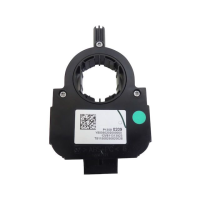
Below are the parts most often responsible for code C1509, ranked by how frequently each one is the actual culprit (per the diagnosis above). Tap any to see what we have for your vehicle.

The information in this article is provided for general reference and educational purposes only. Vehicle specifications, procedures, and part compatibility can vary by production date, trim level, and region. Always consult your vehicle's factory service manual and verify part numbers before purchasing or performing repairs. Safety-critical components such as airbags, seat belts, and braking systems should be installed by a qualified professional.
- 🧭 Diagnostic Flowchart
- 🎬 Helpful Videos
- 🛍️ Shop This Part
- What Does C1509 Mean?
- Can I Drive With C1509?
- Common Causes
- Symptoms
- Common Fixes & Costs
- Used vs. New Parts: Buying Guide
- What Happens If You Wait — Timeline
- Cost of Not Fixing It
- Diagnosis Steps
- When This Code Triggers (Freeze-Frame Conditions)
- Related Codes
- Climate & Environmental Factors
- How to Talk to a Mechanic About This Code
- Where to Take It: Dealer vs Independent vs Chain
- When to Walk Away From the Repair
- What Scan Tool You Need for This Code
- How to Clear the Code After You Fix It
- Will This Fail Emissions / State Inspection?
- Most Commonly Affected Vehicles
- Manufacturer-Specific Notes
- Real Owner Stories
- 2023 Jeep Grand Cherokee with 15K miles
- 2010 Chrysler 300 at 110K miles
- 2007 Toyota Prius at 182K km
- How to Prevent This Code From Triggering
- Frequently Asked Questions
- What is a TPMS trigger module versus a TPMS sensor?
- What are the most common misdiagnosis pitfalls for C1509?
- Can a bad battery or charging system issue cause C1509?
- My mechanic replaced a leaky air spring, but the 'Service Air Suspension' light is still on. What's next?
- Can I just clear the C1509 code?
- Why is the repair cost for a steering sensor so high at a dealership?
- Do I need to calibrate the new sensor?
- Key Takeaways
- 🎟️ Get 5% Off