

OBD-II Code C1520: Steering Angle Sensor or Clutch Switch Circuit Malfunction
The Ultimate Guide to What C1520 Means, Why It Triggers, and How to Fix It for Good
- C1520 indicates a Steering Angle Sensor (SAS) fault on most vehicles, but exclusively flags a $20-$70 Clutch Pedal Switch failure on manual Hyundai and Kia models.
- Never replace a Steering Angle Sensor without first performing a 15-minute 'Zero Point Calibration' using a bi-directional scan tool, especially after an alignment or battery change.
- Driving with a C1520 code disables Electronic Stability Control (ESC) and Anti-lock Brakes (ABS), increasing your risk of skidding during emergency stops.
- If your airbag light is on and steering wheel buttons are dead alongside the C1520 code, replace the entire clockspring assembly (typically $350-$900) rather than just the sensor.
What Does C1520 Mean?
C1520 is a manufacturer-specific Chassis code. For most manufacturers (Ford, GM, Chrysler, Nissan, Subaru), it signals a problem with the Steering Angle Sensor (SAS) circuit. For Hyundai and Kia, this code exclusively points to a fault with the clutch pedal switch. In both cases, the Anti-lock Brake System (ABS) or Electronic Stability Control (ESC) module receives a signal from the sensor that is illogical, out of range, or interrupted.
Technical definition: As a manufacturer-specific code, there is no single universal SAE/ISO definition. The most common definitions are: 1) Steering Position Sensor Circuit Malfunction (Ford, GM, Chrysler). 2) Clutch Switch Error (Hyundai, Kia). For some Volkswagen AG vehicles, the similar code 01520 refers to a Rain and Light Recognition Sensor, which is an entirely different system.
Can I Drive With C1520?
Yes, But With Caution. You can drive the vehicle, but extreme caution is required because critical safety systems like Electronic Stability Control (ESC) and Traction Control are disabled. Your primary braking system functions, but without the anti-lock (ABS) feature, increasing the risk of skidding during emergency braking. The steering feels heavy or unpredictable. Long-term driving in this state is dangerous. Get the issue diagnosed and repaired immediately to restore full safety functionality.
Common Causes
- Steering Angle Sensor Needs Calibration (Very Common) — The sensor's 'zero point' or 'center' position is no longer accurate. This happens frequently after a wheel alignment, battery replacement, or repair of any steering or suspension component.
- Faulty Clutch Pedal Switch (Hyundai/Kia Only) (Very Common) — Specific to Hyundai and Kia manual transmissions. The switch that detects when the clutch pedal is pressed fails or falls out of adjustment. The ESC module sees an illogical signal, like the vehicle driving at 60 mph for an extended period with no change in the clutch switch state.
- Faulty Steering Angle Sensor (SAS) (Very Common) — The sensor itself, which is an analog (potentiometer) or digital (optical) type, fails internally and sends incorrect or no data about the steering wheel's position and rate of turn.
- Faulty Clockspring Assembly (Common) — In many vehicles, the steering angle sensor is integrated with or mounted directly to the clockspring. A failure in the clockspring's internal wiring disrupts the SAS signal, triggering a C1520 even if the sensor itself is functional.
- Damaged Wiring or Poor Connection (Common) — The wires leading to the SAS or clutch switch are frayed, shorted, or corroded. The connector is loose, unplugged, or suffers from moisture intrusion, interrupting the signal.
- Poor Wheel Alignment (Less Common) — If the vehicle's wheels do not point straight when the steering wheel is centered, the SAS sends data that conflicts with wheel speed sensor reports, triggering the code as a data mismatch.
- Low or Unstable Battery Voltage (Uncommon) — A weak battery, failing alternator, or poor battery connection causes temporary voltage drops to various modules. This leads to spurious codes like C1520 and erases the SAS calibration data.
Symptoms
- Traction Control or Stability Control (ESC/VSC) Light is On — This is the most common symptom. The system deactivates itself as a failsafe because it cannot trust the steering angle or clutch position information it receives.
- ABS Light is On — The Anti-lock Braking System relies on the steering angle sensor to function correctly, so a fault triggers the ABS warning light.
- Cruise Control Does Not Work — As a safety measure, cruise control is disabled when a fault exists in the stability control system or when the clutch switch signal is unreliable.
- Hill Start Assist (HAC/DBC) Disabled — On Hyundai/Kia models with a manual transmission, a C1520 code related to the clutch switch disables the Hill Start Assist Control (HAC) or Downhill Brake Control (DBC).
- Steering Feels Heavy or Unresponsive — On cars with electric power steering (EPS), a bad sensor causes the system to default to a reduced-assistance mode, making the wheel harder to turn.
- Advanced Driver-Assistance Systems (ADAS) Disabled — Features like Subaru's EyeSight, Lane Keep Assist, and adaptive headlights rely on steering angle data. A C1520 code disables these systems.
Diagnostic Flowchart
Tap your situation to follow the diagnostic path that matches what you're seeing on this code.
Common Fixes & Costs
- Recalibrate Steering Angle Sensor — Parts: $0, Labor: $100-$200, ~1 hr book time (Intermediate)
- Replace Clutch Pedal Switch — Parts: $20-$70, Labor: $60-$150, ~0.8 hr book time (Beginner)
- Replace Steering Angle Sensor — Parts: $150-$600, Labor: $150-$500, ~2 hr book time (Professional)
- Replace Clockspring Assembly — Parts: $200-$500, Labor: $150-$400, ~2 hr book time (Professional)
- Repair Damaged Wiring or Connector — Parts: $10-$30, Labor: $120-$300, ~1.8 hr book time (Intermediate)
Used vs. New Parts: Buying Guide
When a used part is worth it: For electronic components like a Steering Angle Sensor or Clockspring, buying used is rarely recommended. It should only be considered for an old, high-mileage vehicle with a very tight budget, and when sourced from a reputable salvage yard.
Donor-vehicle mileage cap: roughly under 60000 miles for the part to have meaningful remaining life.
Donor quality checklist:
- Verify the donor vehicle was not in a frontal collision that damaged steering column components.
- Match the part number exactly, as many versions exist even within the same model year.
- Ask for a warranty (typically 30-90 days on used parts).
- Avoid parts from flood-damaged or high-humidity environments.
Decision logic:
- If The part is a Steering Angle Sensor or Clockspring assembly → Strongly favor a new OEM or high-quality aftermarket part. The risk of a used part failing is high.
- If The part is a simple mechanical clutch switch for a Hyundai/Kia → A used part is acceptable, but given the low cost of a new switch ($20-$70), buying new is still the best choice.
- If Budget is the absolute primary concern on a vehicle over 150K miles → A used part is a viable risk, but factor in the potential cost of repeating the labor if it fails.
Warranty tradeoff: Used parts typically offer a 30-90 day warranty at best. New aftermarket parts often come with a 1-year to limited lifetime warranty. New OEM parts carry a 12-month/12,000-mile warranty.
Worst-case if a used part fails: $200-$500 in repeat labor costs if a used sensor or clockspring fails shortly after installation.
What Happens If You Wait — Timeline
- 0-1 month: Code sets and warning lights (ABS, ESC) illuminate. Cruise control and other driver aids (ADAS, Hill Start) are disabled. No physical symptoms are apparent yet. (MPG impact: 0%% · Added cost: $0 (Safety risk is the primary 'cost'))
- 1-3 months: On vehicles with electric power steering (EPS), the steering begins to feel intermittently heavy or less responsive as the system defaults to a base-assist mode. The safety risk remains high as ABS and ESC are disabled. (MPG impact: 0%% · Added cost: $0)
- 3-6 months: Continued driving without stability control leads to uneven tire wear, especially if the underlying cause was a bad alignment. The constant warning lights also mask new, potentially more serious problems. (MPG impact: 0-2%% · Added cost: $50-$150 in premature tire wear)
- 6+ months: There is no direct escalating mechanical damage from a faulty SAS. The ultimate cost is the significantly increased risk of an accident. The repair cost for the C1520 itself does not increase over time. (MPG impact: 0-2%% · Added cost: Potential cost of an at-fault accident.)
Cost of Not Fixing It
- Immediate: Critical safety systems including Electronic Stability Control (ESC), Anti-lock Brakes (ABS), and Traction Control are disabled. This significantly increases the risk of losing control or skidding during an emergency maneuver. (Added cost: $0 (Safety risk, not a direct financial cost))
- Ongoing: Associated features like cruise control, hill start assist, and advanced driver-assistance systems (ADAS) are inoperative. On vehicles with electric power steering, steering remains heavy or feels unpredictable. (Added cost: $0)
- Long-Term: There is no direct, escalating mechanical damage caused by ignoring C1520. The primary cost is the continuous and significant safety risk of driving without functioning ABS and ESC systems. (Added cost: Potential cost of an at-fault accident.)
Diagnosis Steps
- Full System Diagnostic Scan
Use an advanced OBD-II scanner capable of reading manufacturer-specific Chassis (C-codes) and network (U-codes). Confirm C1520 is present and note all other codes. Codes like U0126 (Lost Communication) or P0830 (Clutch Switch Circuit) narrow down the diagnosis immediately.
Tools: Advanced OBD-II Scanner (Beginner) - Attempt a 'Zero Point' Recalibration
If the code appeared after an alignment, battery change, or other repair, a recalibration is the most likely fix. Use an advanced scan tool to perform the 'Steering Angle Sensor Reset' or 'Zero Point Calibration' function. Follow the tool's specific on-screen instructions precisely.
Tools: Advanced OBD-II Scanner (Intermediate) - Analyze Live Sensor Data
Use the scanner's live data stream. For a Steering Angle Sensor, view the 'Steering Angle' PID. It should read close to 0° (within +/- 2.5°) when the steering wheel is straight. Turn the wheel lock-to-lock; the reading must change smoothly without jumping or dropping out. For a clutch switch, verify its state changes from 'On' to 'Off' when you operate the pedal.
Tools: Advanced OBD-II Scanner (Intermediate) - Visual Inspection of Wiring and Components
Visually inspect the wiring harness going to the steering angle sensor (in the steering column) or the clutch switch (at the top of the clutch pedal). Look for obvious signs of damage, corrosion, chafing, or loose connectors.
Tools: Flashlight, Inspection Mirror (Beginner) - Inspect the Clockspring
If the SAS is integrated with the clockspring, and you have other steering wheel-related issues (horn not working, airbag light on, steering wheel buttons inoperative), the clockspring assembly itself is the point of failure.
Tools: Basic Hand Tools, Flashlight (Intermediate) - Check Wheel Alignment
If the sensor and wiring test good but the code persists, verify the vehicle's wheel alignment. A significant thrust angle or an off-center steering wheel causes a persistent conflict between the SAS and wheel speed sensors.
Tools: Alignment Machine (Professional) - [Pro Tip] Test Power, Ground, and Signal Voltage
Disconnect the sensor and use a multimeter to test the connector. With the key on, check for a reference voltage (typically 5V for SAS, 12V for clutch switch) and a good ground (less than 0.1V). For an analog SAS, back-probe the signal wires. As you turn the steering wheel, you should see a smooth, opposing voltage sweep. A stuck reading indicates a bad sensor.
Tools: Multimeter, Back-probe Kit, Vehicle Service Manual (Advanced) - [Pro Tip] Test Clutch Switch Circuit (Hyundai/Kia)
At the Engine-ECU connector, measure the voltage on the clutch switch signal pin. With the clutch pedal released, the voltage equals system voltage (approx. 12V). When depressed, the voltage drops to between 0V and 3V. If the voltage does not change, test the switch itself for continuity.
Tools: Multimeter, Vehicle Service Manual (Advanced) - [Pro Tip] Scope the Sensor Signal
Use an oscilloscope to view the sensor's output signal. For a digital sensor, you see a square wave signal that changes data packets as you turn the wheel. For an analog sensor, you see a clean voltage ramp. Any dropouts or glitches in the pattern indicate an internal failure of the sensor.
Tools: Oscilloscope, Back-probe Kit (Professional)
When This Code Triggers (Freeze-Frame Conditions)
- Vehicle Speed: 40-65 mph (The code often sets during steady-state highway driving when the steering angle reported is inconsistent with wheel speed sensor data.)
- Engine RPM: 1500-2500 RPM (Corresponds to typical engine speed during highway cruise conditions.)
- Engine Coolant Temp: 185-210°F (85-99°C) (The fault is typically logged when the engine is fully warmed up and in closed-loop operation.)
- Throttle Position: 15-40% (Indicates a steady throttle application, not heavy acceleration or deceleration, which is consistent with cruising.)
Related Codes
- P0830 — On Hyundai and Kia vehicles, this powertrain code for 'Clutch Pedal Switch 'A' Circuit' often appears alongside C1520. P0830 is a generic powertrain code, while C1520 is the specific chassis code triggered by the same faulty switch.
- C1277 / C1278 — These Ford-specific codes indicate a steering wheel angle sensor internal failure or bias issue. If you see C1277 or C1278 alongside C1520, the sensor itself is faulty and needs replacement, not just calibration.
- U0126 — This is a communication code for 'Lost Communication With Steering Angle Sensor Module.' If you see U0126, the ABS/ESC module isn't receiving any signal at all, pointing to a wiring problem or a completely dead sensor.
- C1433 — On Toyota/Lexus vehicles, this code is for 'Steering Angle Sensor Circuit Malfunction' and is the direct equivalent of C1520 on other makes.
Climate & Environmental Factors
- High Humidity / Water Ingress: Moisture is a primary enemy of steering angle sensors and their connectors. Water intrusion causes corrosion on the delicate internal contact points or connector pins, leading to erratic signals or complete failure.
- Extreme Temperatures: Extreme cold causes the materials within an analog sensor to contract, leading to intermittent open circuits. Extreme heat cycles over many years degrade the internal electronics and wiring insulation.
- Vibration and Physical Shock: Normal road vibrations contribute to the wear and tear of the sensor's internal components. A significant physical shock, such as hitting a large pothole, causes immediate damage or misalignment of the sensor.
How to Talk to a Mechanic About This Code
Say this: "I have a C1520 code and my ESC light is on. I'd like to schedule a diagnostic. My research suggests this is a steering angle sensor that needs recalibration, especially since I recently had [a wheel alignment / my battery replaced]. Can you confirm your shop has a scanner with the SAS reset function for a [Your Car's Make/Model]?"
This signals you are an informed customer. It focuses the technician on the most likely (and often cheapest) fix first, rather than starting with a recommendation to replace expensive parts. It also vets the shop's capabilities upfront.
Avoid saying:
- 'My traction control light is on, can you just fix it?'
- 'I think I need a new steering sensor, can you give me a price?'
- 'Just do whatever it takes to get the light off.'
Questions to ask before authorizing the repair:
- Did you check the live data from the steering angle sensor? Was it erratic or just off-center?
- Did you attempt a recalibration, and did it fail? If so, what was the result?
- If you are recommending a sensor replacement, does the quoted price include the mandatory post-installation calibration?
- Can you show me the failed part after the repair is complete?
- What is the warranty on the parts and labor for this specific repair?
Where to Take It: Dealer vs Independent vs Chain
- Dealer:
Best for: Vehicles under warranty., Complex models with advanced driver-assistance systems (ADAS) that require proprietary software., If you've already had an independent shop fail to fix the issue.
Downsides: Significantly higher labor rates (1.5-2x) and OEM part costs., Less flexible and defaults to replacing parts rather than attempting simpler fixes like calibration first. (Typical cost: +50% vs. baseline) - Independent Shop:
Best overall fit. A reputable independent shop with modern diagnostic tools offers the best balance of expertise and value for this specific code. Ask if they are comfortable with ABS/ESC diagnostics and have SAS calibration capabilities.
Best for: Most out-of-warranty vehicles., Diagnosing and fixing common C1520 causes like calibration, sensor replacement, or clutch switch issues., Building a long-term relationship with a trusted mechanic.
Downsides: Quality and equipment vary widely; you must vet the shop. Ensure they have modern, bi-directional scan tools., Lacks access to the very latest manufacturer-specific tools for brand new models. (Typical cost: +0% vs. baseline) - Chain Shop:
Avoid for this code. While they handle a simple Hyundai/Kia clutch switch, the risk of misdiagnosis for a steering angle sensor issue is high. This is not a simple parts-swapping job.
Best for: Simple, high-volume jobs like tires, oil changes, and brakes.
Downsides: Technician skill and diagnostic equipment are often inconsistent., Business model incentivizes upselling over accurate diagnosis., Lacks the expertise for electronic module diagnostics and calibration. (Typical cost: -10% vs. baseline)
When to Walk Away From the Repair
If the estimated repair cost for the C1520 fault exceeds 50% of your car's current private-party value, it is time to seriously consider if the investment is worthwhile. This is especially true if the vehicle is older, has high mileage, or has other pending repair needs.
- Car worth $3500, fix is $250: Fix it. This is likely a simple clutch switch or a recalibration, a minor cost to restore critical safety features.
- Car worth $8000, fix is $900: Fix it. The repair cost is significant, but well under the 50% threshold and restores key safety systems, preserving the vehicle's value and utility.
- Car worth $4000, fix is $2200: Walk away. The repair cost is over 50% of the car's value. It makes more financial sense to sell the car as-is (with full disclosure) or trade it in rather than sink that much money into an aging vehicle.
What Scan Tool You Need for This Code
Minimum: A scanner that reads Chassis (C-prefix) codes and performs bi-directional control for 'Steering Angle Sensor (SAS) Reset/Calibration'.
A basic $20 code reader cannot read C-codes and is completely unable to perform the mandatory SAS calibration. Using one for C1520 is a waste of time; you only confirm the light is on without gaining any diagnostic power.
Budget: Thinkcar Pro / Kingbolen Ediag (~$80) — These app-based dongles offer SAS reset/calibration as an optional, often subscription-based, function. They provide an affordable entry point for DIYers who need this specific bi-directional command, but check compatibility for your exact vehicle first.
Mid-range: Foxwell NT510 Elite / NT650 (~$180) — These handheld units are popular with serious DIYers. They read live SAS data, clear chassis codes, and reliably perform the SAS calibration procedure for a wide range of vehicles.
Professional: Autel MaxiCOM MK808S / MK808Z (~$500) — Provides full, OEM-level diagnostics. It offers robust SAS calibration, live data graphing, and diagnoses related ABS/ESC modules comprehensively. This is the level of tool a professional independent shop uses.
Rent vs buy: Rent is not a viable option. Auto parts store rental tools are basic code readers and lack the necessary SAS calibration function. For this code, if you plan to DIY the fix, you must buy a scanner with bi-directional SAS reset capabilities.
How to Clear the Code After You Fix It
- Perform the required repair (e.g., replace sensor, recalibrate, fix wiring).
- Use a compatible OBD-II scan tool to erase the Chassis fault codes from the ABS/ESC module.
- Perform the Steering Angle Sensor 'Zero Point Calibration' if a sensor, clockspring, or steering/suspension component was replaced.
- Perform a complete drive cycle to ensure the fault does not return and to allow vehicle readiness monitors to run.
Drive cycle (~30 minutes): A general drive cycle includes: 1) Cold start and idle for 2-5 minutes. 2) Drive in mixed stop-and-go traffic for 10-15 minutes. 3) Drive at a steady highway speed (55-65 mph) for 10 minutes. 4) Safely decelerate to a stop without using the brakes if possible. 5) Allow the vehicle to cool completely and repeat if necessary.
Readiness monitors affected: This is a Chassis (C-code), so it does not directly block emissions readiness monitors like the Catalyst or O2 sensor monitors., However, clearing codes resets ALL monitors to 'incomplete'. A full drive cycle is required before a state emissions test.
Before emissions retest: drive at least 100 miles to fully set monitors.
Watch out for:
- Forgetting to perform the mandatory SAS recalibration after replacing a part, which causes the code to return immediately.
- Simply clearing the code without fixing the root cause (bad sensor, poor alignment, wiring issue).
- Not completing a sufficient drive cycle after clearing codes, leading to a failed emissions test due to 'Not Ready' monitors.
Will This Fail Emissions / State Inspection?
Yes — this code typically fails an OBD-II emissions inspection.
- California: An illuminated Malfunction Indicator Lamp (MIL), which includes the ABS/ESC light in this context, is an automatic failure. Clearing the code resets emissions readiness monitors, which must all be 'Ready' to pass the test.
- New York: Any illuminated dashboard warning light, including the ABS or ESC light, causes an automatic failure of the NYS safety inspection. You receive a rejection sticker and cannot legally operate the vehicle except for trips to a repair facility.
- Texas: According to the Texas Department of Public Safety, an illuminated ABS light is explicitly listed as NOT a cause for rejection during the safety inspection. However, individual inspectors sometimes incorrectly fail a vehicle for it.
Most Commonly Affected Vehicles
- Ford F-150, Explorer, Fusion (2015-2020) — Commonly requires SAS replacement followed by IDS (Ford's diagnostic software) recalibration. Repair costs for an F-150 SAS replacement at a dealer range from $500 to $900.
- Dodge / Ram 1500, 2500 (2013-2018) — Often related to a faulty SAS within the steering column module. An independent shop repair cost typically falls in the $450-$750 range.
- Jeep Grand Cherokee, Wrangler (2011-2018) — Known issue for SAS failure disabling the ESC system. The sensor is often part of the clockspring assembly.
- Chevrolet / GMC Silverado, Sierra, Equinox (2014-2019) — Often related to the electric power steering system and accompanied by a 'Service Power Steering' message. Water intrusion into the sensor connector is a known issue.
- Nissan Rogue, Murano, Pathfinder (2015-2020) — Nissan issued a position statement (NPSB-16-602) emphasizing that an SAS reset is mandatory after any wheel alignment or suspension work.
- Subaru Outback, Forester, Ascent (2015-2020) — A C1520 fault disables the EyeSight driver assist system, cruise control, and X-Mode. Recalibration is critical after any alignment or suspension height change.
- Hyundai Elantra, Tucson, i30 (2012-2017) — On these manual transmission models, C1520 points to the clutch pedal switch. Repair is significantly cheaper, typically $80-$220.
- Kia Venga, Niro, Ceed, Sportage (2010-2018) — Like Hyundai, Kia uses C1520 for a 'Clutch Switch Error'. This disables cruise control and Hill Start Assist. The diagnosis focuses entirely on the clutch switch circuit.
Manufacturer-Specific Notes
- Hyundai / Kia: For these brands, C1520 is defined as 'Clutch Switch Error'. The ESC module sets this code if the switch signal is illogical. This disables Hill Start Assist and cruise control.
- Ford / Lincoln / Mercury: This code is almost exclusively for the Steering Angle Sensor. Recalibration using Ford's Integrated Diagnostic System (IDS) is often required after an alignment or part replacement. Failure to use the correct procedure results in the code returning immediately.
- Chrysler / Dodge / Jeep / Ram: This code points to the SAS. On many models, the sensor is integrated with the clockspring assembly and they are replaced as a single unit. Using an OEM Mopar part is highly recommended.
- Nissan: Nissan is very strict about SAS calibration. Their official position statement (NPSB-16-602) mandates a reset with a scan tool any time a wheel alignment is performed or steering/suspension parts are replaced.
- Subaru: On models equipped with the EyeSight driver assistance system, any fault with the SAS (C1520) immediately disables all EyeSight functions, including adaptive cruise control and lane keeping assist.
Real Owner Stories
2016 Kia Venga with manual transmission
The 'car skidding' (ESC) light appeared on the dash. After clearing the code, it returned whenever the clutch or brake was pressed. The car also stalled when starting.
Outcome: Replacing the sensor cleared the C1520 code and resolved the stalling issue. A new code (C1513 for the brake pedal switch) appeared shortly after, suggesting a related but separate sensor failure.
Lesson: On a manual Hyundai or Kia, C1520 points directly to the clutch switch circuit, not the steering system. It is a common and inexpensive fix, but nearby switches fail similarly.
2018 Ford F-150 with 70k miles
The truck developed a rough, fluctuating idle after warming up, sometimes stalling completely. The dealership could not replicate the issue and found no codes.
Outcome: Replacing the steering angle sensor and performing a recalibration resolved both the hidden C1520 code and the rough idle/stalling symptoms.
Lesson: A bad steering angle sensor causes symptoms that seem unrelated, like rough idle or stalling, especially on complex modern vehicles. The absence of a constant warning light does not mean a sensor is functioning properly.
Jeep Wrangler JK (2007-2018)
The airbag light was on, and the horn and steering wheel cruise control buttons stopped working. This is a classic sign of clockspring failure.
Outcome: Replacing the clockspring assembly fixed the horn, airbag light, and button issues. The steering wheel must be locked in the centered position during this repair. If the wheel spins while disconnected, the new clockspring is instantly damaged upon reinstallation.
Lesson: If C1520 appears with an airbag light and non-functional steering wheel buttons, the clockspring is the culprit. This is a high-risk DIY job due to the airbag and the potential to damage the new part.
Subaru with EyeSight (e.g., Outback, Forester)
The EyeSight system, including adaptive cruise and lane-keeping, randomly disabled in clear weather. This was accompanied by the ESC light and a C1520 code.
Outcome: The dealer found the steering angle sensor lost its calibration. A simple recalibration procedure using the dealer's diagnostic tool resolved the issue and restored all EyeSight functions.
Lesson: On a Subaru, any issue with the steering angle sensor disables the entire EyeSight system as a safety precaution. Always check for a C1520 code and perform an SAS recalibration before assuming the cameras are bad.
How to Prevent This Code From Triggering
- Perform regular wheel alignments (Every 1-2 years or after hitting a major pothole/curb) — Ensures the steering wheel is centered when the vehicle is driving straight. This prevents a constant data conflict between the SAS and wheel speed sensors, which triggers the code.
- Always request SAS recalibration after alignment (Every time an alignment is performed) — Even a perfect alignment changes the steering's 'zero point'. Failing to recalibrate the SAS to this new center is a primary cause of C1520.
- Protect against moisture and corrosion (During any related maintenance) — When working near the steering column or under the dash, ensure all connectors are fully seated and clean. Applying dielectric grease to the connector seal prevents moisture intrusion.
- Avoid turning the steering wheel when the car is off (Daily habit) — On vehicles with electric power steering, turning the wheel with the engine off puts stress on the steering column components, including the SAS and clockspring.
- Address battery issues promptly (As needed) — A weak or failing battery causes low voltage spikes that corrupt the SAS calibration data. Maintaining a healthy battery prevents this common cause of electronically-induced fault codes.
Frequently Asked Questions
What is the biggest misdiagnosis for code C1520?
For a Hyundai or Kia, the biggest misdiagnosis is assuming the code relates to the steering system; it is almost always the clutch switch. For all other makes, the biggest mistake is replacing the steering angle sensor without first attempting a recalibration. Always recalibrate first, especially if the code appeared after a wheel alignment or battery replacement.
My battery died and now I have a C1520 code. Is the sensor bad?
Probably not. The steering angle sensor frequently loses its calibration memory after a complete power loss from a dead battery. Fully charge or replace the battery, clear the codes, and perform a steering angle sensor recalibration.
Can a bad wheel alignment cause code C1520?
Yes. If your steering wheel is off-center when driving straight, the SAS reports a turn while wheel speed sensors report straight travel. The ESC module detects this data conflict and triggers the code. A proper alignment followed by an SAS recalibration fixes the issue.
What's the difference between a steering angle sensor and a clockspring?
The clockspring is a spiral-wound electrical ribbon that keeps the steering wheel's electronics (airbag, horn, radio controls) connected while the wheel turns. The steering angle sensor measures the wheel's rotation angle and speed. In many modern cars, manufacturers package them together into one assembly.
Can I reset the steering angle sensor without a scan tool?
For most vehicles made after 2005, no. Modern vehicles require a specific 'Zero Point Calibration' command from a compatible bi-directional scan tool. This resets the sensor's center position accurately.
Why did C1520 appear right after getting new tires or an alignment?
The alignment technician corrected your steering geometry but failed to perform the mandatory final step: recalibrating the steering angle sensor. The sensor's old 'center' no longer matches the new straight-ahead position. This creates a data conflict that triggers the code.
Is it safe to drive with the ESC and ABS lights on?
Your normal hydraulic brakes still work, but you lose the crucial safety net of anti-lock braking and stability control. Your wheels will lock up in a panic stop, and the car cannot help you control a slide. Drive cautiously, increase following distance, and repair it promptly.
How do I know if the C1520 on my Hyundai is the clutch switch?
If you have a manual transmission Hyundai or Kia, C1520 exclusively means a clutch switch error. Key symptoms include disabled cruise control and inoperative hill-start assist. If you also have a P0830 code stored, it definitively proves the problem is the clutch switch circuit.
Key Takeaways
- C1520 indicates a Steering Angle Sensor (SAS) fault on most vehicles, but exclusively flags a $20-$70 Clutch Pedal Switch failure on manual Hyundai and Kia models.
- Never replace a Steering Angle Sensor without first performing a 15-minute 'Zero Point Calibration' using a bi-directional scan tool, especially after an alignment or battery change.
- Driving with a C1520 code disables Electronic Stability Control (ESC) and Anti-lock Brakes (ABS), increasing your risk of skidding during emergency stops.
- If your airbag light is on and steering wheel buttons are dead alongside the C1520 code, replace the entire clockspring assembly (typically $350-$900) rather than just the sensor.
Shop the Parts Behind C1520
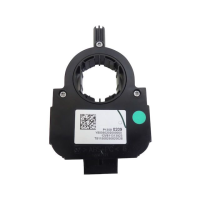
Below are the parts most often responsible for code C1520, ranked by how frequently each one is the actual culprit (per the diagnosis above). Tap any to see what we have for your vehicle.


The information in this article is provided for general reference and educational purposes only. Vehicle specifications, procedures, and part compatibility can vary by production date, trim level, and region. Always consult your vehicle's factory service manual and verify part numbers before purchasing or performing repairs. Safety-critical components such as airbags, seat belts, and braking systems should be installed by a qualified professional.
- 🧭 Diagnostic Flowchart
- 🛍️ Shop This Part
- What Does C1520 Mean?
- Can I Drive With C1520?
- Common Causes
- Symptoms
- Common Fixes & Costs
- Used vs. New Parts: Buying Guide
- What Happens If You Wait — Timeline
- Cost of Not Fixing It
- Diagnosis Steps
- When This Code Triggers (Freeze-Frame Conditions)
- Related Codes
- Climate & Environmental Factors
- How to Talk to a Mechanic About This Code
- Where to Take It: Dealer vs Independent vs Chain
- When to Walk Away From the Repair
- What Scan Tool You Need for This Code
- How to Clear the Code After You Fix It
- Will This Fail Emissions / State Inspection?
- Most Commonly Affected Vehicles
- Manufacturer-Specific Notes
- Real Owner Stories
- 2016 Kia Venga with manual transmission
- 2018 Ford F-150 with 70k miles
- Jeep Wrangler JK (2007-2018)
- Subaru with EyeSight (e.g., Outback, Forester)
- How to Prevent This Code From Triggering
- Frequently Asked Questions
- What is the biggest misdiagnosis for code C1520?
- My battery died and now I have a C1520 code. Is the sensor bad?
- Can a bad wheel alignment cause code C1520?
- What's the difference between a steering angle sensor and a clockspring?
- Can I reset the steering angle sensor without a scan tool?
- Why did C1520 appear right after getting new tires or an alignment?
- Is it safe to drive with the ESC and ABS lights on?
- How do I know if the C1520 on my Hyundai is the clutch switch?
- Key Takeaways
- 🎟️ Get 5% Off