

OBD-II Code C1524: Motor Circuit Malfunction / Brake Sensor Calibration Incomplete
What C1524 means, why it triggers, and how to fix it
- Code C1524 indicates a power steering motor circuit fault on Toyota/Lexus vehicles or a brake pedal sensor calibration failure on Ford hybrids.
- On 2014-2018 GM trucks, C1524 is often a 'ghost code' triggered by a blown 60-amp ABS fuse or a faulty $30 engine coolant temperature sensor (P0128).
- Never replace a $1,500 steering rack or master cylinder without first load-testing the 12V battery, as voltage drops below 12.4V frequently cause false C1524 codes.
- Diagnosis requires an advanced bi-directional scan tool costing $100+ to read Chassis ('C') codes and perform mandatory post-repair calibrations like the Torque Sensor Zero Point reset.
What Does C1524 Mean?
Code C1524 is a manufacturer-specific code with two distinct meanings. On Toyota and Lexus vehicles, it indicates a 'Motor Circuit Malfunction' in the electronic power steering (EPS) system. On Ford vehicles, particularly hybrids, it means 'Brake Pedal Travel Sensor Calibration Incomplete,' pointing to a failed sensor inside the master cylinder.
Technical definition: For Toyota/Lexus, C1524 is 'Motor Circuit Malfunction', triggered by a short, open, or abnormal voltage in the power steering motor circuit. For Ford, it is 'Brake Pedal Travel Sensor Calibration Incomplete,' set when the brake pedal sensor signal is out of range or calibration fails, often accompanied by code C1526.
Can I Drive With C1524?
No — Do Not Drive. Driving is not recommended. If related to power steering, sudden failure makes the steering wheel extremely heavy, requiring 3 to 5 times normal effort and preventing safe hazard reaction. If related to brakes, your brake lights fail to illuminate, leaving drivers behind you with no warning and risking a rear-end collision. A faulty brake sensor also traps the gear selector in Park.
Common Causes
- Low or Weak 12V Battery (Very Common) — Applies to all makes. EPS and modern brake systems draw massive current. A weak battery causes modules to malfunction, lose calibration data, and set false codes like C1524.
- Blown ABS System Fuse (Common) — Specific to Chevrolet/GMC. The Power Steering Control Module (PSCM) relies on ABS data. A blown 60-amp ABS fuse interrupts this communication, causing the PSCM to disable steering assist as a precaution.
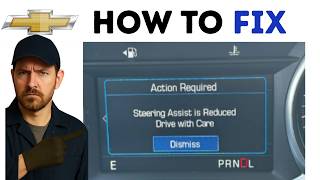
- Faulty Engine Coolant Temperature (ECT) Sensor (Common) — Specific to Chevrolet/GMC. The PSCM uses engine temperature data to adjust steering effort. If the ECT sensor fails (often setting code P0128 🎬 Watch: How to fix the Steering Assist Reduced message on Chevy vehicles.), the PSCM triggers a 'Steering Assist Reduced' message as a fail-safe.
- Failed Brake Pedal Travel Sensor / Master Cylinder (Common) — Specific to Ford hybrids. The brake pedal travel sensor fails, providing incorrect data to the ABS module. Because this sensor is integrated into the master cylinder and not sold separately, the entire master cylinder assembly requires replacement.
- Faulty Electric Power Steering (EPS) Motor (Common) — Specific to Toyota/Lexus. The electric motor providing steering assistance fails internally, causing an open or short circuit. This is the primary mechanical cause when steering becomes difficult.
- Failed Power Steering Control Module (ECU/PSCM) (Less Common) — Applies to all makes with EPS. The electronic control unit managing the power steering system malfunctions, sending incorrect signals or failing to power the motor. Moisture intrusion is a frequent culprit.
- Wiring or Connector Issues (Less Common) — Applies to all makes. A short, open, or corroded connection in the wiring harness between the control module and the power steering motor or brake sensor triggers the code.
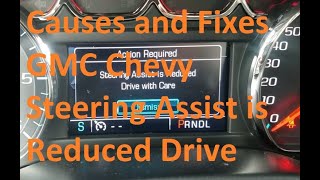
- Incorrect Software or Calibration (Uncommon) — Specific to Chevrolet/GMC. The PSCM may run outdated software. GM service bulletins (e.g., PIT5593) address this, where a dealership 🎬 See common causes and fixes for GMC steering assist warnings. reprogram resolves the 'Steering Assist Reduced' message without parts replacement.
Symptoms
- Brake Lights Do Not Work or Stay On — A faulty brake pedal position sensor fails to illuminate the brake lights when pressing the pedal, or gets stuck, causing the lights to stay on and drain the battery.
- Unable to Shift out of Park — A failed brake sensor fails to send the required signal to the brake-shift interlock, trapping the gear selector in Park.
- Loss of Power Steering (also visible on scanner) — The steering wheel becomes very heavy and difficult to turn, especially at low speeds. This is the primary symptom for Toyota and GM vehicles.
- ABS and Brake Warning Lights On (also visible on scanner) — The dashboard illuminates with ABS and red brake warning lights. This is the primary symptom for Ford hybrid vehicles.
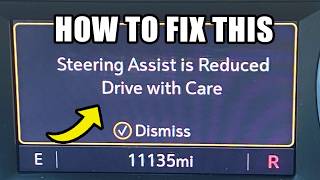
- Power Steering (P/S) Warning Message (also visible on scanner) — A specific warning light illuminates. On GM vehicles, a 'Steering Assist is Reduced, Drive With Care' message appears on the driver information center.
Diagnostic Flowchart
Tap your situation to follow the diagnostic path that matches what you're seeing on this code.
Common Fixes & Costs
- Replace Battery — Parts: $150-$400, Labor: $50-$100, ~0.8 hr book time (Beginner)
- Replace ABS Fuse — Parts: $1-$10, Labor: $0-$50, ~0.1 hr book time (Beginner)
- Replace Engine Coolant Temperature Sensor — Parts: $30-$100, Labor: $75-$175, ~1.2 hr book time (Intermediate)
- Replace Master Cylinder Assembly (Ford Escape Hybrid) — Parts: $700-$1500, Labor: $250-$450, ~3.5 hr book time (Professional)
- Replace Electric Power Steering Rack/Gear Assembly — Parts: $950-$1850, Labor: $300-$600, ~4.5 hr book time (Professional)
- Replace Power Steering Control Module (ECU/PSCM) — Parts: $500-$1200, Labor: $150-$300, ~2 hr book time (Intermediate)
- Repair Wiring or Replace Connector — Parts: $20-$100, Labor: $150-$400, ~2.5 hr book time (Intermediate)
- Perform Wheel Alignment and Steering Angle Sensor Calibration — Parts: $0, Labor: $150-$300, ~2 hr book time (Professional)
Used vs. New Parts: Buying Guide
When a used part is worth it: For an EPS rack, a used part from a low-mileage donor vehicle is a budget-conscious choice for older vehicles. For a critical safety part like a hybrid master cylinder, buying used is NOT recommended.
Donor-vehicle mileage cap: roughly under 70000 miles for the part to have meaningful remaining life.
Donor quality checklist:
- Verify the exact part number matches, as module compatibility is critical.
- Choose a part from a vehicle in a dry climate to minimize corrosion risk.
- Check the donor vehicle's VIN for accidents or flood damage.
Decision logic:
- If The part is a critical safety component like a master cylinder or brake control unit. → Always buy new OEM or a high-quality aftermarket part. The risk is too high.
- If The part is an EPS rack and the vehicle is less than 7 years old or has under 100K miles. → Favor a new or professionally remanufactured part for longevity and a better warranty.
- If The vehicle is over 10 years old and the budget is the primary concern. → A used EPS rack is a viable option, but accept the higher risk of premature failure.
Warranty tradeoff: Used parts typically come with a 30-90 day warranty on the part only. Remanufactured parts offer a 1-year to limited lifetime warranty. New OEM parts provide the best warranty, covering the part for 1-3 years.
Worst-case if a used part fails: $400-$800 if a used EPS rack fails after installation, requiring a second labor charge and another replacement part.
What Happens If You Wait — Timeline
- 0-2 weeks: Warning light (P/S or ABS/Brake) appears intermittently on startup and disappears after restarting. No noticeable performance issue yet. (MPG impact: 0%% · Added cost: $0)
- 2 weeks - 3 months: Warning light is constant. Steering becomes noticeably heavy at low speeds, or brake lights fail intermittently. (MPG impact: 0-1%% · Added cost: $50-$150 in potential costs from a dead battery (if brake lights stay on) or a traffic ticket.)
- 3-6 months: Steering assist is lost completely. Manually forcing the heavy steering causes premature wear on the mechanical rack and pinion gears. Brake lights fail completely. (MPG impact: 0-2%% · Added cost: $200-$500 in damage to the steering rack from being forced, or the cost of a tow.)
- 6+ months: Catastrophic safety failure. Driving with no power steering or brake lights leads to an accident. (MPG impact: N/A% · Added cost: $500 - $10,000+ (cost of insurance deductible, increased premiums, and potential legal/medical expenses).)
Cost of Not Fixing It
- Immediate: Extreme safety risk. Loss of power steering makes the vehicle uncontrollable in an emergency. Failure of brake lights directly causes rear-end collisions. (Added cost: Potential for catastrophic accident costs, injury, or traffic citations.)
- 1-3 months: Increased wear on steering rack components from manually forcing gears. Accelerated tire wear due to inconsistent steering or braking. (Added cost: $200-$500 in premature tire replacement.)
- 3+ months: In hydraulic-based EPS systems, running the pump dry seizes it, breaking the serpentine belt. This disables the alternator and water pump, causing engine overheating. (Added cost: $500-$2000+ for a new steering pump, serpentine belt, and engine damage.)
Diagnosis Steps
- Read Codes from ALL Modules
Use an advanced OBD-II scanner capable of reading Chassis ('C') codes. A basic engine code reader cannot see C1524. Note all codes from the PSCM, ABS, and ECU modules to determine the correct diagnostic path.
Tools: Advanced OBD-II Scanner (Beginner) - Identify Your Vehicle's System
Determine if C1524 relates to power steering (Toyota/Lexus/GM) or brakes (Ford). The symptoms and companion codes dictate your next steps.
Tools: Internet Access (Beginner) - Check Battery and Fuses
Ensure the battery is fully charged (at least 12.4V at rest) and passes a load test. Inspect all related fuses, especially the main EPS/PSCM fuses and the 60A ABS module fuse on GM vehicles.
Tools: Multimeter, Battery Terminal Cleaner, Fuse Puller (Beginner) - Check Live Sensor Data (Ford/GM)
Use an advanced scanner to view live data. For Ford, monitor the brake pedal position sensor data for smooth changes. For GM, check the ECT sensor reading and steering angle sensor data for logical outputs.
Tools: Advanced OBD-II Scanner (Intermediate) - Visual Inspection of Wiring
Inspect the wiring and connectors at the electric power steering rack, PSCM, and brake master cylinder. Look for chafing, corrosion, moisture, or rodent damage.
Tools: Flashlight, Inspection Mirror (Beginner) - Pro Tip (Chevy/GMC): Check for Pinched Harness
On 2014-2018 Silverado/Sierra models, the main dash wiring harness gets pinched between the left instrument panel bracket and the body, causing shorts. Loosen the bracket and inspect the harness.
Tools: Basic Hand Tools, Flashlight (Intermediate) - Pro Tip (Ford): Attempt Brake Calibration
If the code appeared after a battery issue, press the brake pedal one full stroke in Park and release. Turn the ignition off, wait 4 minutes, turn it back on, and clear codes. If C1524 stays away, it was a voltage glitch.
Tools: OBD-II Scanner (Intermediate) - Pro Tip (Toyota): Test EPS Motor Resistance
Disconnect the EPS motor connector. Measure resistance between the motor terminals (should be 0.1 to 1.0 Ω). Measure resistance from each terminal to chassis ground (should be infinite/OL). A reading to ground indicates a shorted motor.
Tools: Multimeter, Service Manual (Advanced) - Pro Tip (Toyota): Test ECU Voltage Output
Back-probe the motor terminals at the EPS ECU with the engine running. Measure DC voltage while turning the steering wheel. Voltage should fluctuate between 6V and 14V. No voltage indicates a faulty ECU.
Tools: Multimeter, Back-probe Kit, Service Manual (Advanced) - Pro Tip (Toyota): Live Data Voltage Check via GTS
Using a Techstream scanner, monitor 'Motor Terminal Volt' PIDs. With the engine running and steering wheel turning, voltage values should fluctuate between 4V and 35V. Static voltage points to an ECU or motor fault.
Tools: Toyota Global Techstream (GTS) Scanner (Advanced) - Pro Tip (Older Toyota): Perform Zero Point Calibration
Jump pins TS and CG on the OBD-II port with the wheels straight. Turn ignition ON. The VSC light flashes, erasing old data. Turn off, remove jumper, and drive straight to reset steering sensors.
Tools: Paper Clip or SST 09843-18040 (Advanced)
When This Code Triggers (Freeze-Frame Conditions)
- Vehicle Speed: 0-15 mph (The fault is detected at low speeds or when stationary, as this is when the power steering motor works hardest.)
- Battery Voltage: 10.5-12.0V (A fault logs when system voltage is low, either due to a weak battery or high electrical load, as control modules are sensitive to voltage drops.)
- Steering Angle Speed: > 90 deg/sec (For EPS faults, the code sets during a quick steering maneuver when the demand on the motor and current draw are highest.)
- ECU/Module Temperature: Varies (The code triggers at very low temperatures (cold start) or after extended driving (heat soak), indicating a temperature-sensitive failure in the electronics.)
Related Codes
- C1526 — On Ford vehicles, C1526 ('Brake Pedal Travel Sensor Failure') is the root cause, while C1524 ('Calibration Incomplete') is the resulting symptom. If both are present, the master cylinder assembly is faulty.
- C1555 — On Toyota/Lexus, C1555 ('Motor Relay Welding Failure') points to a stuck relay inside the EPS ECU, often caused by a shorted motor (C1524) drawing excessive current. The ECU must be replaced.
- P0128 — On GM vehicles, P0128 ('Coolant Temperature Below Regulating Temperature') is a common companion code. A faulty thermostat or ECT sensor causes the PSCM to disable steering assist as a precaution.
- C2531 — On Subaru vehicles, C2531 ('Control Module CPU Failure') indicates a fatal internal error in the power steering control module, functionally similar to the ECU failure aspect of C1524.
Climate & Environmental Factors
- Cold Weather: Cold temperatures lower the battery's available voltage, causing control modules to malfunction on startup. The electrical draw of the EPS motor is higher in cold weather, leading to faults if the charging system is weak.
- Humidity / Moisture: High humidity and moisture intrusion cause PSCM failure. Water seeps into the module, corroding the circuit board and causing shorts that trigger motor circuit malfunctions.
How to Talk to a Mechanic About This Code
Say this: "I have a [Your Vehicle's Make, e.g., 2015 Chevy Silverado] with a C1524 code and the [symptom, e.g., 'Steering Assist is Reduced' message is on / ABS and brake lights are on]. Before we assume it's the whole steering rack/master cylinder, I'd like you to check the simple, known causes for this specific model, like the battery, fuses, and any related TSBs."
This language signals that you are an informed consumer. It directs the shop to check inexpensive, common causes first, preventing them from jumping to the most expensive conclusion.
Avoid saying:
- 'My steering feels weird.'
- 'My brake light is on, can you fix it?'
- 'Just do whatever it takes to fix it.'
Questions to ask before authorizing the repair:
- For a GM vehicle: Did you check the 60-amp ABS fuse and scan for P0128 from the ECT sensor?
- For a Ford Hybrid: Did you confirm the C1524 code is accompanied by C1526 before recommending a master cylinder replacement?
- For a Toyota/Lexus: What was the resistance measurement on the power steering motor, and did you test the voltage output from the ECU?
- Can you provide me with the specific TSB number (like GM's PIT5593 or Ford's 05-8-5) that you are referencing for this repair?
- What is the warranty on both the parts and the labor for this specific repair?
Where to Take It: Dealer vs Independent vs Chain
- Dealer:
Recommended, especially for GM software issues or Ford hybrid brake systems. Their access to proprietary tools and TSBs is a major advantage.
Best for: Vehicles under warranty or special coverage., Repairs requiring manufacturer-specific software updates (common on GM)., Complex hybrid brake systems (Ford Escape/Mercury Mariner).
Downsides: Highest labor and parts cost., May default to replacing large assemblies instead of diagnosing simpler root causes. (Typical cost: +50% vs. baseline) - Independent Shop:
Viable, but with caution. Choose a top-rated independent shop with ASE-certified technicians experienced with electronic power steering and ABS modules.
Best for: Out-of-warranty vehicles where the cause is a known mechanical failure., Shops specializing in your vehicle's make.
Downsides: May lack specialized tools for software reflashing or hybrid brake calibration., Quality and expertise vary widely. (Typical cost: +0% vs. baseline) - Chain Shop:
AVOID. This code requires diagnostic expertise and tools far beyond what a typical chain shop provides.
Best for: Simple, unrelated maintenance like oil changes or tires.
Downsides: Technicians lack the training or tools for this complex code., High pressure to upsell leads to misdiagnosis and unnecessary replacement of expensive parts. (Typical cost: -10% vs. baseline)
When to Walk Away From the Repair
If the total estimated repair cost exceeds 50% of the car's current private-party market value, it's time to seriously consider not fixing it.
- Car worth $4000, fix is $2200: Walk away. The repair cost is over half the car's value. Sell it as a 'mechanic's special' or trade it in.
- Car worth $15000, fix is $2500: Fix it. The repair cost is significant but well under the 50% threshold, preserving the value of a more expensive vehicle.
- Car worth $6000, fix is $2800: Borderline. Get a second opinion and explore cost-saving options like a warrantied used part for the steering rack before making a final decision.
What Scan Tool You Need for This Code
Minimum: A scanner that reads and clears manufacturer-specific Chassis ('C') codes for ABS and SRS systems.
A standard $20 'Check Engine' light reader cannot see or diagnose code C1524. The fault exists in the Chassis control modules, which basic scanners cannot access.
Budget: BlueDriver Pro (~$99) — Connects to your smartphone and reads/clears enhanced codes from all modules, including ABS and Power Steering. This is the minimum required to begin diagnosis.
Mid-range: Innova 5610 / Foxwell NT630 Plus (~$350) — These handheld, bi-directional scanners perform Steering Angle Sensor (SAS) calibration and ABS 'auto-bleed' procedures, required after replacing a steering rack or master cylinder.
Professional: Autel MaxiCOM MK808 / Launch X431 CRP919XBT (~$450-600) — Provides professional-level diagnostics. These tools offer advanced coding, allowing you to re-flash a PSCM or perform the complex initialization required for a Ford hybrid brake system.
Rent vs buy: AutoZone's free 'Fix Finder' service reads the initial code, but their loaner tools cannot perform post-repair calibrations. If you plan to do the repair yourself, you must buy a mid-range scanner.
How to Clear the Code After You Fix It
- Ensure all components are properly reconnected.
- Reconnect the 12V battery if it was disconnected.
- Use an advanced OBD-II scan tool to navigate to the appropriate module (PSCM or ABS) and clear the fault codes.
- Perform required calibrations (e.g., Steering Angle Sensor, Torque Sensor Zero Point, or Brake Pedal Position) as specified by the manufacturer.
- Perform the recommended drive cycle to confirm the fix.
Drive cycle (~20 minutes): Start the engine and idle for 2 minutes. Drive in mixed city traffic for 10 minutes. Drive at a steady highway speed (50-60 mph) for 5 minutes. Let the vehicle sit with the ignition off for 10 minutes. Re-scan for codes.
Readiness monitors affected: This is a 'C' code and does not directly affect emissions readiness monitors.
Before emissions retest: drive at least 50 miles to fully set monitors.
Watch out for:
- Using a basic engine code reader that cannot clear 'C' codes.
- Forgetting to perform mandatory post-repair calibrations, causing the code to return immediately.
- Clearing the code without fixing the root cause; the fault returns as soon as the module's self-test runs.
Will This Fail Emissions / State Inspection?
No — by itself this code doesn't fail OBD inspection (but it can keep readiness monitors from setting, which causes a separate fail).
- California: An illuminated ABS or Power Steering warning light will NOT fail the emissions (smog) test itself. The test only concerns emissions-related codes.
- New York: New York combines safety and emissions inspections. An illuminated ABS warning light fails the safety inspection. The steering system is also checked for proper function.
- Texas: Texas requires an annual safety inspection. A failure in the steering system, service brakes, or brake warning lights causes the vehicle to fail.
Most Commonly Affected Vehicles
- Ford Escape Hybrid (2005-2008) — Very prone to C1524 with C1526 due to a failed brake pedal travel sensor. Ford TSB 05-8-5 recommends master cylinder replacement.
- Toyota Prius (2004-2009) — Commonly experiences C1524 as 'Motor Abnormal' related to the EPS system. Diagnosis requires specific resistance and voltage checks.
- Lexus IS250/IS350 (2006-2013) — Frequently appears as a power steering 'Motor Circuit Malfunction.' Diagnostic procedure focuses on the EPS motor and ECU circuits.
- Chevrolet / GMC Silverado, Sierra, Tahoe, Suburban (2014-2018) — Displays a 'Steering Assist is Reduced' message. Causes are frequently a blown ABS fuse, bad ECT sensor (P0128), or software calibration issues per TSB PIT5593.
- Chevrolet Equinox, Malibu (2015-2018) — Susceptible to the 'Steering Assist is Reduced' warning, triggered by the engine temperature sensor, a weak battery, or a blown ABS fuse.
- Mercury Mariner Hybrid (2006-2008) — Shares the Ford Escape Hybrid platform, making it susceptible to the same brake sensor calibration faults requiring master cylinder replacement.
- Toyota Corolla (2009-2013) — Logs C1524 for a motor circuit fault. Diagnosis involves checking motor and ECU circuits. Post-repair, a torque sensor zero point calibration is required.
- Hyundai Various (2011-2018) — Similar EPS failures log codes like C1604 or C2412. The root cause is often the steering column motor or integrated ECU.
- Subaru Legacy, Outback, Impreza (2010-2017) — Experiences EPS failure via code C2531 (Control Module CPU Failure), requiring replacement of the power steering control module or steering gearbox.
Manufacturer-Specific Notes
- Ford: On Escape and Mariner Hybrids, the brake pedal travel sensor is integrated into the master cylinder and not sold separately. Replacement of the entire master cylinder assembly is the official repair.
- Toyota/Lexus: Diagnosis involves specific resistance checks (0.1-1.0 Ω) and live voltage tests. Replacing the ECU or steering gear requires a 'Torque Sensor Zero Point Calibration' using a professional scan tool.
- Chevrolet/GMC: The 'Steering Assist is Reduced' message is often a red herring. TSBs warn technicians NOT to replace the steering gear until checking the ABS fuse, ECT sensor (P0128), battery, and PSCM software.
- General: Because this is a 'C' (Chassis) code, it cannot be read by basic OBD-II scanners. You need an advanced scanner that communicates with the ABS and PSCM modules.
Real Owner Stories
2005 Ford Escape Hybrid with 96K miles
ABS and BRAKE warning lights appeared with a 'SERVICE BRAKES SOON' message after a routine rear brake job. The brake pedal went to the floor.
Outcome: The owner limped the car home. This is a classic case of the well-documented master cylinder/HCU failure on these vehicles, often triggered by servicing the brake system. The official fix is master cylinder replacement.
Lesson: On an early model Escape Hybrid, if C1524 and C1526 appear after brake work, the master cylinder assembly is the culprit per Ford TSB 05-8-5. Do not let a shop convince you of other repairs first.
2015-2018 Chevrolet Silverado
The 'Steering Assist is Reduced, Drive With Care' message appeared on the dash at startup, making steering very heavy.
Outcome: The root cause was a blown 60-amp ABS fuse in the underhood fuse box. Replacing the $5 fuse restored full steering assist immediately.
Lesson: On GM trucks, the 'Steering Assist is Reduced' message is often a misdirection. Insist the shop checks the ABS fuse, ECT sensor codes, and open software TSBs before approving a costly steering rack replacement.
2008 Toyota Prius with 150K+ miles
Power steering warning light came on, and steering became extremely difficult. The code was confirmed as C1524 (Motor Abnormal).
Outcome: The owner sourced a used power steering rack from a salvage yard. After replacing the rack, the code was cleared, and a zero-point calibration was performed, restoring function.
Lesson: For Toyota/Lexus vehicles, C1524 almost always points to a real fault in the EPS motor or ECU. A multimeter test of the motor's resistance is a definitive diagnostic step.
How to Prevent This Code From Triggering
- Test battery and charging system annually (Once per year) — Modern EPS and brake modules are highly sensitive to voltage. A weak battery causes intermittent low-voltage conditions, leading to false codes and lost calibration.
- Keep battery terminals and ground connections clean and tight (Every oil change) — Corrosion creates high resistance, impeding current flow. This starves the high-draw EPS motor or causes voltage drops that reset control modules.
- Inspect and clear cowl and sunroof drains (Twice per year (spring and fall)) — Clogged drains cause rainwater to overflow onto control modules located under the dash, causing corrosion and short circuits.
- Avoid turning the steering wheel when the vehicle is stationary (dry steering) (Daily habit) — Turning the wheels without moving places maximum load on the EPS motor, accelerating wear on the motor and steering rack gears.
- Apply dielectric grease to critical connectors (When servicing related components) — Applying silicone dielectric grease creates a moisture barrier, preventing water intrusion and corrosion that cause intermittent faults.
Frequently Asked Questions
Can a weak or dead battery cause code C1524?
Yes. A weak battery is a very common cause. Electronic power steering and brake systems draw significant current, and low voltage causes control modules to set false codes or lose calibration. Always ensure your battery is fully charged before performing expensive repairs.
My mechanic wants to replace the steering rack on my Chevy for a 'Steering Assist Reduced' message. Could it be something else?
It is very likely something else. On GM vehicles, this message is frequently caused by a blown ABS fuse, a faulty engine coolant temperature sensor, or a weak battery. GM technical service bulletins advise against replacing the steering gear until these simpler causes are ruled out.
What does 'Brake Pedal Travel Sensor Calibration Incomplete' actually mean?
This means the brake control module tried to learn the position of the brake pedal sensor but failed. This happens if the sensor fails, the battery is weak, or a related component was replaced without performing the correct scan tool calibration. On Ford hybrids, this usually requires replacing the master cylinder.
Why can't my cheap scanner see the C1524 code?
C1524 is a Chassis ('C') code, not a standard Powertrain ('P') code. Basic OBD-II scanners only read 'P' codes that trigger the check engine light. You need an advanced scan tool that communicates with the ABS and power steering modules to read this code.
Can I just clear the code and see if it comes back?
You can, but it rarely provides a permanent fix unless the cause was a temporary low-voltage glitch. C1524 indicates a hard fault detected by the vehicle's computer. The code returns immediately or shortly after driving if the underlying issue remains unresolved.
Is a steering angle sensor calibration the same as a torque sensor zero point calibration?
They are different but related. The Steering Angle Sensor tells the computer the position of the steering wheel, while the Torque Sensor measures how much effort the driver applies. 'Zero Point Calibration' resets these sensors to their baseline state and is required after steering repairs.
I replaced my battery and now my power steering isn't working. What happened?
Disconnecting the battery causes control modules to lose learned settings, including power steering calibration. A voltage spike during replacement can also trigger a fault code. Clear the codes with an advanced scanner and perform a steering system recalibration if necessary.
What is the 'paper clip trick' for Toyota calibration?
On older Toyota/Lexus models, you can initiate a zero point calibration by connecting specific terminals (usually Ts and CG) in the OBD-II port with a paperclip. This forces the VSC/TRAC/ABS systems to erase old data and relearn sensor positions. Only perform this using a trusted guide for your specific vehicle.
Can bad wheel alignment cause a power steering warning?
Yes. The power steering system uses a steering angle sensor to determine driver intent. If wheels are severely misaligned, steering angle data conflicts with wheel speed sensor data. The control module interprets this as a fault and disables steering assist as a precaution.
Key Takeaways
- Code C1524 indicates a power steering motor circuit fault on Toyota/Lexus vehicles or a brake pedal sensor calibration failure on Ford hybrids.
- On 2014-2018 GM trucks, C1524 is often a 'ghost code' triggered by a blown 60-amp ABS fuse or a faulty $30 engine coolant temperature sensor (P0128).
- Never replace a $1,500 steering rack or master cylinder without first load-testing the 12V battery, as voltage drops below 12.4V frequently cause false C1524 codes.
- Diagnosis requires an advanced bi-directional scan tool costing $100+ to read Chassis ('C') codes and perform mandatory post-repair calibrations like the Torque Sensor Zero Point reset.
Helpful Videos

Shop the Parts Behind C1524
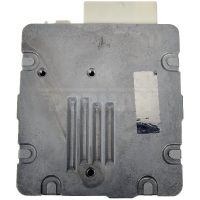
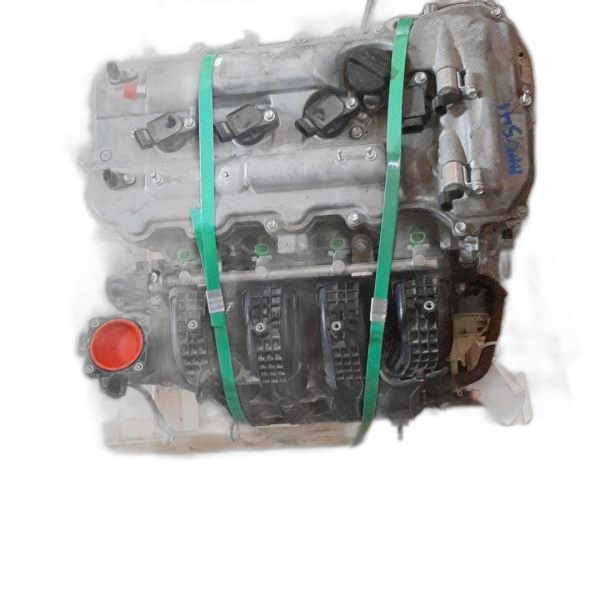
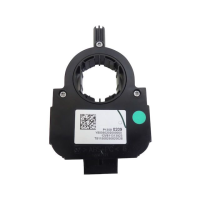
Below are the parts most often responsible for code C1524, ranked by how frequently each one is the actual culprit (per the diagnosis above). Tap any to see what we have for your vehicle.




The information in this article is provided for general reference and educational purposes only. Vehicle specifications, procedures, and part compatibility can vary by production date, trim level, and region. Always consult your vehicle's factory service manual and verify part numbers before purchasing or performing repairs. Safety-critical components such as airbags, seat belts, and braking systems should be installed by a qualified professional.
- 🧭 Diagnostic Flowchart
- 🎬 Helpful Videos
- 🛍️ Shop This Part
- What Does C1524 Mean?
- Can I Drive With C1524?
- Common Causes
- Symptoms
- Common Fixes & Costs
- Used vs. New Parts: Buying Guide
- What Happens If You Wait — Timeline
- Cost of Not Fixing It
- Diagnosis Steps
- When This Code Triggers (Freeze-Frame Conditions)
- Related Codes
- Climate & Environmental Factors
- How to Talk to a Mechanic About This Code
- Where to Take It: Dealer vs Independent vs Chain
- When to Walk Away From the Repair
- What Scan Tool You Need for This Code
- How to Clear the Code After You Fix It
- Will This Fail Emissions / State Inspection?
- Most Commonly Affected Vehicles
- Manufacturer-Specific Notes
- Real Owner Stories
- 2005 Ford Escape Hybrid with 96K miles
- 2015-2018 Chevrolet Silverado
- 2008 Toyota Prius with 150K+ miles
- How to Prevent This Code From Triggering
- Frequently Asked Questions
- Can a weak or dead battery cause code C1524?
- My mechanic wants to replace the steering rack on my Chevy for a 'Steering Assist Reduced' message. Could it be something else?
- What does 'Brake Pedal Travel Sensor Calibration Incomplete' actually mean?
- Why can't my cheap scanner see the C1524 code?
- Can I just clear the code and see if it comes back?
- Is a steering angle sensor calibration the same as a torque sensor zero point calibration?
- I replaced my battery and now my power steering isn't working. What happened?
- What is the 'paper clip trick' for Toyota calibration?
- Can bad wheel alignment cause a power steering warning?
- Key Takeaways
- 🎟️ Get 5% Off