

OBD-II Code C1583: Occupant Classification System Fault
What C1583 means, why it triggers, and how to fix it
- Code C1583 disables the front passenger airbag, reducing frontal crash survivability by 32% for that occupant.
- A failed weight sensor mat inside the passenger seat cushion causes over 80% of C1583 faults, often triggered by liquid spills.
- Check your VIN for open recalls immediately; manufacturers like Subaru, Toyota, and Nissan have issued massive free repair campaigns for this exact defect.
- Inspect the yellow SRS wiring harness under the passenger seat for disconnected plugs or crushed wires before authorizing a $1,500 seat cushion replacement.
- Any hardware replacement requires a mandatory 'Zero Point Calibration' using a $500+ bidirectional scan tool to restore airbag functionality.
What Does C1583 Mean?
Code C1583 indicates your car's main computer detected a fault in the Occupant Classification System (OCS). This system uses a weight sensor in the passenger seat to determine if the passenger airbag should deploy during a crash. When active, the system disables the passenger airbag as a safety precaution to prevent injury to a child or small-statured person.
Technical definition: The Occupant Classification System (OCS) control module detects a malfunction in the passenger seat weight sensor mat or its associated electrical circuit. The system cannot accurately classify the occupant in the front passenger seat, triggering a default safety measure that disables the passenger-side airbag.
Can I Drive With C1583?
No, passenger You can drive the vehicle, but the front passenger airbag is disabled. Frontal airbags reduce fatalities for front-seat passengers by 32%. Driving without a functional passenger airbag drastically increases the risk of serious injury or death in a frontal collision. Do not carry a front-seat passenger until the repair is complete.
Common Causes
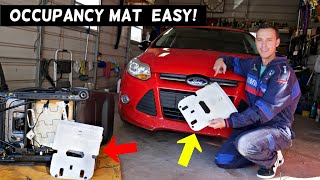
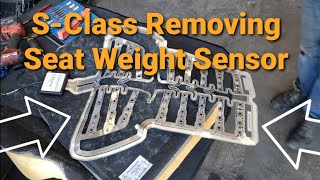
- Failed Passenger Seat Weight Sensor Mat (Very Common) — This causes over 80% of C1583 codes. The sensor is a thin, pressure-sensitive mat inside the bottom seat cushion. Spilled liquids easily seep into the cushion and short-circuit the sensitive electronic components. Over time, normal use also bends and breaks the internal circuitry.
- Damaged Under-Seat Wiring or Connectors (Common) — The wires and connectors for the sensor sit exposed under the passenger seat. Items shoved under the seat kick, stretch, or disconnect these wires, causing a complete loss of signal. This specific wiring vulnerability prompted a massive recall on Subaru models.
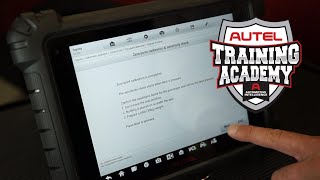
- Lost OCS Zero-Point Calibration (Less Common) — The system requires precise calibration to establish the weight of an empty seat (the zero point). A dead battery, battery replacement, or a software glitch erases this baseline data. 🎬 Watch: How to perform a zero point calibration procedure Without it, the system cannot function and sets a fault code.
- Failed OCS Control Module or Software (Less Common) — The small computer module that interprets the sensor's data and commands the airbag status fails internally or requires a software update. Nissan issued a major recall specifically for software errors within the Airbag Control Unit causing passenger misclassification.
- Interference from Seat Covers or Heavy Objects (Rare) — Thick, padded, or heated aftermarket seat covers interfere with the sensor's ability to read weight accurately. Heavy items left on the seat, or objects wedged tightly under the seat frame, disrupt the sensor's reading and trigger a fault.
Symptoms
- Airbag Warning Light On — The red airbag or SRS (Supplemental Restraint System) warning light illuminates permanently on the dashboard.
- Passenger Airbag Indicator Malfunction — The 'Passenger Airbag Off' light remains lit even when an adult sits in the seat, and the 'Passenger Airbag On' light never illuminates.
- Failed Safety Inspection — Vehicles fail state safety inspections immediately with an active airbag fault.
Diagnostic Flowchart
Tap your situation to follow the diagnostic path that matches what you're seeing on this code.
Common Fixes & Costs
- Replace Passenger Seat Cushion Assembly / Sensor Mat — Parts: $800-$1600, Labor: $200-$450, ~2.0 hr book time (Professional)
- Repair Damaged Under-Seat Wiring Harness — Parts: $10-$50, Labor: $150-$250, ~1.2 hr book time (Intermediate)
- Recalibrate Occupant Classification System — Parts: $0, Labor: $150-$250, ~1.0 hr book time (Professional)
- Reprogram OCS/ACU Module Software — Parts: $0, Labor: $150-$300, ~1.0 hr book time (Professional)
Used vs. New Parts: Buying Guide
When a used part is worth it: A used seat cushion assembly from a low-mileage vehicle that was not in a frontal collision offers a cost-effective option for older vehicles where a new $1,500 part is prohibitively expensive.
Donor-vehicle mileage cap: roughly under 60000 miles for the part to have meaningful remaining life.
Donor quality checklist:
- Verify the donor vehicle was not scrapped due to a frontal collision.
- Inspect the part for any signs of moisture damage, stains, or physical tears in the cushion.
- Match the part number exactly. Seat cushions vary significantly by trim level (cloth, leather, heated).
- Prefer sellers who guarantee the part is functional and offer a return policy.
Decision logic:
- If The part is available under a recall or warranty extension for your VIN → Always use the new OEM part provided by the dealer for free.
- If Vehicle is newer and the cost of a new OEM part is manageable → Buy new OEM for guaranteed compatibility and reliability.
- If Budget is the primary concern and you accept the risk of premature failure → A used part from a reputable salvage yard is an option, but be prepared for potential failure.
Warranty tradeoff: Used parts typically have a 30-90 day warranty. New OEM parts installed by a dealer come with a 12-month/12,000-mile warranty. Aftermarket sensors are generally unavailable.
Worst-case if a used part fails: $300-$600 if a used part fails after installation. This includes the labor to remove the faulty used part, install another one, and perform the recalibration again.
What Happens If You Wait — Timeline
- 0-4 weeks: Fault is intermittent. The airbag light turns on and off depending on temperature or passenger movement, indicating a loose connector or a fracturing circuit. (MPG impact: 0%% · Added cost: $0)
- 1-3 months: The fault becomes permanent. The airbag warning light stays on continuously, and the 'Passenger Airbag Off' indicator remains illuminated. The system is permanently disabled. (MPG impact: 0%% · Added cost: $0)
- 3-12 months: No further mechanical damage occurs. The primary consequence is failing state safety inspections and the ongoing safety risk to passengers. (MPG impact: 0%% · Added cost: $20-$70 in potential failed inspection fees.)
- 12+ months: The condition remains static. The only escalating cost is inflation on the price of the replacement seat cushion assembly and labor rates. (MPG impact: 0%% · Added cost: The final repair cost increases by 5-15% annually due to inflation.)
Cost of Not Fixing It
- Immediate: Passenger frontal airbag is disabled, creating a severe safety risk for any front passenger. The vehicle fails state safety inspections. (Added cost: $0 in parts, but potential for failed inspection fees ($20-$70) and immeasurable safety risk.)
- 1-6 months: Continued failure of state safety inspections. No further mechanical damage occurs, but the safety risk remains constant. (Added cost: No additional mechanical costs. The cost remains the eventual price of the repair and repeated inspection fees.)
- 6+ months: The OCS system remains faulted and the passenger airbag remains inactive. This problem does not cause a cascade failure of other vehicle components. (Added cost: The final repair cost increases by 5-15% annually due to inflation and parts pricing adjustments.)
Diagnosis Steps
- Check VIN for Recalls and TSBs
Before touching the vehicle, enter your VIN on the NHTSA website or contact a dealer. Manufacturers like Subaru, Toyota, Nissan, and Hyundai have issued massive recalls and extended warranties for this exact problem, guaranteeing a free repair.
Tools: VIN, Smartphone or Computer (Beginner) - Read Codes with an SRS-Capable Scanner
Use an OBD-II scanner capable of reading SRS/airbag codes to confirm C1583 is the active fault. Basic $20 code readers cannot access this module. Note any related codes (e.g., B1448, B1761) to pinpoint the issue.
Tools: SRS-capable OBD-II Scanner (Beginner) - Inspect Under-Seat Wiring and Clear Debris
Remove all items from the passenger seat and underneath it. With the vehicle off, inspect the yellow airbag system connectors under the seat. Look for pinched, stretched, or broken wires. Disconnect and firmly reconnect the main OCS harness to fix loose connections.
Tools: Flashlight (Intermediate) - Attempt OCS Zero Point Calibration
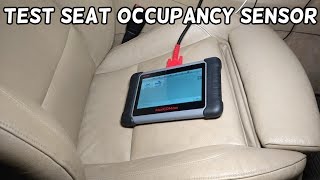
Using a professional-grade scan tool, perform the 'OCS Zero Point Calibration' procedure with the passenger seat completely empty. If the calibration succeeds and the light stays off, corrupted data caused the code. If it fails repeatedly, you have a hardware fault.
Tools: Professional Bi-Directional Scan Tool (Professional) - Analyze OCS Live Data
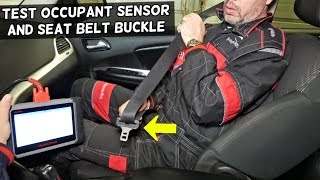
Access the OCS module's live data stream with a pro scanner. Observe the 'Passenger Weight' reading. With the seat empty, it must read 0 lbs. Place a 50 lb weight on the seat; the reading must change and remain stable. Erratic or negative values confirm a faulty sensor mat.
Tools: Professional Bi-Directional Scan Tool (Advanced) - Perform Sensor Electrical Resistance Tests
Disconnect the OCS sensor mat connector. Use a multimeter to measure resistance across the sensor's pins against the service manual specifications. An open circuit ('OL') or a short (near zero resistance) proves the sensor mat failed and requires replacement.
Tools: Digital Multimeter, Service Manual, Basic Hand Tools (Advanced)
When This Code Triggers (Freeze-Frame Conditions)
- System Status: Fault Present (Code C1583 is active in the SRS module.)
- Ignition Status: ON (The fault is detected during the Power-On Self-Test (POST) when the ignition turns on.)
- Passenger Seat Status: Varies (Empty or Occupied) (The fault triggers regardless of whether a passenger is present due to component failure.)
- Battery Voltage: 11.5-14.5V (The system operates within normal voltage. Low voltage causes calibration loss, but C1583 typically indicates hardware failure.)
Related Codes
- B1448 — A Hyundai/Kia-specific code for 'OCS Mat Defect'. While C1583 is a general fault, B1448 confirms the sensor mat itself failed and requires replacement.
- B1761 — Means 'OCS Seat Weight Sensor Not Calibrated'. Appears if calibration data corrupts after a battery replacement. Do not replace hardware; perform a Zero Point Calibration.
- B1650 — A common Toyota and Subaru code for 'Occupant Classification System Malfunction'. Functionally equivalent to C1583 and requires the exact same diagnostic path.
- B0074 — A general code for 'Passenger Seat Weight Sensor Circuit Malfunction'. Very similar to C1583 and indicates a fault in the same system.
Climate & Environmental Factors
- High Humidity and Liquid Spills: Water spills or snow melt brought into the cabin introduce moisture to the under-seat connectors and the sensor mat. This corrodes connector pins and short-circuits the sensor module.
- Extreme Temperature Cycles: Significant swings between hot and cold cause the delicate internal circuits of the sensor mat to expand and contract. This thermal stress cracks solder joints, resulting in a permanent open circuit.
How to Talk to a Mechanic About This Code
Say this: "My airbag light is on, and I have a C1583 fault code for the Occupant Classification System. Before assuming it's the expensive seat sensor, please check my VIN for any open recalls or warranty extensions. If nothing is found, start by inspecting the wiring and connectors under the passenger seat for damage."
This signals you understand common, cheaper failure points. It directs the technician to perform the least expensive diagnostic steps first, preventing them from immediately quoting a full seat replacement. Mentioning recalls leads to a no-cost repair.
Avoid saying:
- 'My airbag light is on, can you fix it?'
- 'Just replace whatever is broken.'
- 'I have no idea what's wrong, just tell me how much.'
Questions to ask before authorizing the repair:
- Did you check for recalls or Technical Service Bulletins (TSBs) related to the OCS system for my vehicle?
- Was there any visible damage, corrosion, or looseness in the wiring harness under the seat?
- If the sensor mat needs replacement, is it sold separately or only with the entire seat cushion assembly?
- Does this repair require a 'Zero Point Calibration' afterward, and is that cost included in the quote?
Where to Take It: Dealer vs Independent vs Chain
- Dealer:
Highly Recommended. Due to the high likelihood of a free recall repair and the absolute requirement for manufacturer-specific calibration tools, start at the dealer.
Best for: Vehicles with potential recall or warranty extension coverage (very common for Hyundai, Kia, Toyota, Subaru, Nissan)., Ensuring access to manufacturer-specific scan tools for mandatory post-repair calibration.
Downsides: Highest labor rates and part costs if not covered by warranty., Defaults to replacing the entire $1,500 seat cushion assembly rather than attempting a cheaper wiring repair. (Typical cost: +50% vs. baseline) - Independent Shop:
Acceptable with caution. Before authorizing work, confirm they have a bidirectional scan tool with the specific software to perform OCS calibration for your model.
Best for: Out-of-warranty vehicles with no open recalls., Shops specializing in your vehicle's brand or in-depth electronics.
Downsides: May lack the specific $500+ scan tool required for the mandatory OCS Zero Point Calibration, forcing a trip to the dealer anyway. (Typical cost: +0% vs. baseline) - Chain Shop:
AVOID. The specialized tools and knowledge required for SRS systems are beyond their scope.
Best for: Simple maintenance like oil changes and tires.
Downsides: Technicians lack training and equipment for complex SRS diagnostics and calibration. High risk of misdiagnosis. (Typical cost: -10% vs. baseline)
When to Walk Away From the Repair
If the estimated repair cost exceeds 40% of the car's private-party value, sell the vehicle or trade it in.
- Car worth $3500, fix is $1800: Walk away. The repair cost is over 50% of the car's value. It is not economically sensible to proceed.
- Car worth $15000, fix is $1600: Fix it. The repair cost is 10% of the vehicle's value and restores a critical safety feature.
- Car worth $5000, fix is $2200: Borderline. At 44% of the car's value, this is a tough call. If the car is otherwise in excellent condition, get a second opinion before deciding.
What Scan Tool You Need for This Code
Minimum: A scanner that reads and clears codes from the Supplemental Restraint System (SRS) module. Basic engine-only code readers will NOT work.
A standard $20 OBD-II reader only communicates with the Engine Control Unit (ECU). Code C1583 is stored in a separate computer, the SRS module.
Budget: BlueDriver Pro or Autel ML629 (~$100) — Reads and clears SRS/Airbag codes to confirm C1583. It CANNOT perform the mandatory OCS calibration.
Mid-range: Foxwell NT510 Elite or Launch CRP129X (~$150) — Offers manufacturer-specific diagnostics and includes the 'Special Function' needed to perform the OCS 'Zero Point Calibration' after a sensor replacement.
Professional: Autel MaxiCOM MK808S (~$500) — Provides full bidirectional control to reliably perform OCS calibration, view live sensor data, and diagnose complex systems.
Rent vs buy: Auto parts stores offer free code reading, but their tools cannot read SRS codes or perform calibrations. To DIY this repair, you must buy a mid-range or pro-level scanner capable of OCS calibration.
How to Clear the Code After You Fix It
- Perform required OCS zero-point calibration with a compatible bidirectional scan tool
- Use an SRS-capable scan tool to clear the C1583 fault code
- Turn ignition off, then on again to confirm the airbag light turns off after the initial self-check
Drive cycle (~10 minutes): A short test drive of 5-10 minutes allows the system to re-verify the repair. The critical step is the ignition cycle self-test; if the light stays off after starting the car, the immediate fault is resolved.
Readiness monitors affected: None
Watch out for:
- Using a basic OBD-II scanner that cannot access the SRS module to clear the code.
- Failing to perform the mandatory OCS calibration after replacing a sensor, causing the code to return immediately.
- Simply clearing the code without fixing the underlying hardware or calibration issue.
Will This Fail Emissions / State Inspection?
No — by itself this code doesn't fail OBD inspection (but it can keep readiness monitors from setting, which causes a separate fail).
- California: An airbag light does NOT cause a failure of the California smog check. However, salvage title vehicles must pass a comprehensive safety inspection where a non-functional airbag system causes failure.
- New York: An illuminated airbag warning lamp is an advisory item, not a cause for rejection of the safety inspection, though proposed legislation seeks to change this.
- Texas: An illuminated airbag warning light is NOT a cause for rejection during a Texas vehicle safety inspection. Only the check engine light results in an automatic failure.
Most Commonly Affected Vehicles
- Hyundai Sonata, Elantra (2006-2016) — Hyundai extended the warranty on the OCS sensor for these models to 15 years / unlimited mileage under campaign TXX6. Always check dealer coverage before paying out of pocket.
- Kia Optima, Forte, Sorento (2006-2021) — Sister vehicles to Hyundai models suffering identical OCS mat failures. Multiple warranty extensions (BOD 135) and recalls (SC076A, SC207) guarantee free repairs for many VINs.
- Nissan Altima, Sentra, Rogue, Pathfinder (2013-2017) — A widespread recall (NHTSA 16V244000) addressed OCS software and hardware issues. Models like Altima received software updates, while Pathfinders required a new OCS control unit.
- Subaru Forester, Legacy, Outback (2014-2022) — Recall WUM-98 replaces a faulty wiring harness under the Forester seat. If the issue persists, the dealer must replace the entire seat cushion. A later recall (24V-227) addresses defective sensors in 2020-2022 models.
- Toyota / Lexus Camry, RAV4, Highlander, Sienna (2020-2022) — A massive recall (NHTSA 23V-865) affecting 1 million vehicles addresses OCS sensors with cracked circuit board capacitors. Dealers inspect and replace the sensor free of charge.
- Ford F-150, Ranger (2014, 2021-2023) — A 2014 F-150 recall (14C10) addressed seat frame interference. TSB 25-2465 covers 2021-2023 F-150 models for various OCS-related DTCs.
- Chevrolet / GMC Silverado 1500, Equinox, Terrain (2014-2018, 2023) — A 2023 recall (22V-929) for Equinox and Terrain models addresses OCS modules failing to disable the airbag for children.
- Chrysler / Dodge Pacifica, Grand Caravan (2017-2024) — Subject to multiple airbag-related recalls, often involving wiring harness issues and loose battery grounds affecting the SRS system.
Manufacturer-Specific Notes
- Hyundai / Kia: Warranty coverage for the OCS sensor extends to 15 years with unlimited mileage on many models. Always check with a dealer before paying for a repair.
- Subaru: The official fix for recall WUM-98 starts with replacing the under-seat harness. If the code returns, the TSB authorizes replacing the entire $1,500 seat cushion assembly for free.
- Nissan: After performing the recall software update, the 'Passenger Airbag Off' light illuminates permanently when the seat is empty, changing the original factory dashboard behavior.
- Toyota: The 2023 recall (23V-865) stems from a cracked capacitor on the OCS sensor's circuit board, requiring a complete sensor replacement rather than a software fix.
- General (All): Every manufacturer mandates a 'Zero Point Calibration' using a dealer-level scan tool after replacing the sensor. Skipping this step causes the code to return instantly.
Real Owner Stories
2016 Subaru Forester with intermittent airbag light
Airbag light started coming on intermittently a year after the WUM-98 recall was performed. The owner temporarily fixed it by jiggling wires under the seat.
Outcome: The owner discovered the recall service bulletin specifies replacing the entire seat cushion if the harness replacement fails. After disputing with Subaru of America, SOA covered the full $1,500 seat cushion replacement.
Lesson: If a recall repair fails, research the specific language of the Technical Service Bulletin (TSB). Bulletins contain next steps for persistent issues. Escalate directly to the manufacturer's corporate office if the dealer refuses.
2005 Hyundai Elantra with code B1448 after DIY radio install
Owner disconnected the dash and reconnected the battery during a radio install. Driving with the dash disconnected triggered the airbag light and code B1448.
Outcome: Faced with a prohibitively expensive repair, the owner installed an aftermarket 'OCS emulator' for under $100. This device plugs into the sensor connector and sends a constant 'seat occupied' signal, turning off the light and permanently arming the airbag.
Lesson: Never connect the battery with SRS components disconnected. For older, low-value vehicles, an aftermarket OCS emulator offers a pragmatic last-resort solution, but be aware it permanently arms the passenger airbag.
2018 Subaru Forester with a backordered ODS sensor
The vehicle was purchased used with the WUM-98 recall already performed. A year later, the airbag light returned with the same ODS fault.
Outcome: The owner was stuck with a repair covered under warranty but unavailable parts, leaving the vehicle unsafe for passengers for months.
Lesson: Part availability causes significant delays even for covered repairs. Document all communication and press the manufacturer for a loaner vehicle if a critical safety component is backordered.
How to Prevent This Code From Triggering
- Avoid storing items under the passenger seat (Daily habit) — Objects stored under the seat snag, stretch, or disconnect the delicate OCS wiring harness and connectors.
- Use waterproof seat covers or be cautious with liquids (As needed) — Liquid spills seep into the cushion and short-circuit the electronic sensor mat. A waterproof cover provides a barrier against this expensive damage.
- Do not use thick, padded, or non-approved seat protectors (During ownership) — Thick aftermarket covers alter weight distribution, preventing the sensor from getting an accurate reading and causing misclassification.
- Be careful when cleaning or vacuuming under the seat (During cleaning) — Aggressively using a vacuum nozzle under the seat easily dislodges connectors or damages wires. Work carefully around the yellow SRS wiring.
- Secure pets to prevent them from chewing wires (When traveling with pets) — Pets chew on wiring harnesses under seats, especially those with soy-based wire coatings, leading to expensive repairs.
Frequently Asked Questions
Is it safe to have a passenger with code C1583?
No. With this code active, the passenger-side airbag will not deploy in an accident. Frontal airbags reduce the risk of death for front-seat passengers by 32%. Carrying a passenger without this protection drastically increases their risk of serious injury.
I spilled a drink on the passenger seat, could that cause the airbag light?
Yes. Liquid seeps into the seat cushion and short-circuits the electronic OCS sensor mat. If the light appeared after a spill, the sensor mat requires replacement.
What are the most common misdiagnoses for a C1583 code?
A common mistake is immediately replacing the expensive seat sensor mat without proper diagnosis. Technicians must first check for free recall repairs and inspect under-seat wiring for simple disconnections. Attempting a system recalibration also resolves corrupted data faults without replacing hardware.
Why is the airbag light on if I haven't been in a crash?
The airbag light indicates a fault within the safety system itself. The computer runs a self-check every time you start the car. It found a compromised component, like the passenger seat sensor, preventing the system from operating correctly in a crash.
Can I fix this by just clearing the code?
No. Clearing the code only turns the light off temporarily until the next ignition cycle. The Supplemental Restraint System (SRS) performs a self-test every time the vehicle starts, and the light returns immediately once it detects the unresolved hardware or calibration fault.
Why is this repair so expensive?
The high cost stems from expensive parts and labor-intensive installation. The sensor mat is often only sold integrated with the entire lower seat cushion, costing $800 to $1,600. Replacing it requires removing the passenger seat and completely disassembling the upholstery.
Can I replace the sensor myself?
This is not recommended for a DIY repair. Disassembling and reupholstering the seat is difficult, and the system requires mandatory recalibration with a manufacturer-specific scan tool afterward. Without this professional calibration, the new part fails to work and the airbag remains disabled.
Will a universal OBD-II scanner read this code?
No, basic $20 OBD-II scanners only read codes from the engine control unit (ECU). Code C1583 is stored in the Supplemental Restraint System (SRS) module. You need an advanced bidirectional scanner that communicates specifically with the SRS system to read and clear these codes.
Key Takeaways
- Code C1583 disables the front passenger airbag, reducing frontal crash survivability by 32% for that occupant.
- A failed weight sensor mat inside the passenger seat cushion causes over 80% of C1583 faults, often triggered by liquid spills.
- Check your VIN for open recalls immediately; manufacturers like Subaru, Toyota, and Nissan have issued massive free repair campaigns for this exact defect.
- Inspect the yellow SRS wiring harness under the passenger seat for disconnected plugs or crushed wires before authorizing a $1,500 seat cushion replacement.
- Any hardware replacement requires a mandatory 'Zero Point Calibration' using a $500+ bidirectional scan tool to restore airbag functionality.
Helpful Videos
Shop the Parts Behind C1583
Below are the parts most often responsible for code C1583, ranked by how frequently each one is the actual culprit (per the diagnosis above). Tap any to see what we have for your vehicle.



The information in this article is provided for general reference and educational purposes only. Vehicle specifications, procedures, and part compatibility can vary by production date, trim level, and region. Always consult your vehicle's factory service manual and verify part numbers before purchasing or performing repairs. Safety-critical components such as airbags, seat belts, and braking systems should be installed by a qualified professional.
- 🧭 Diagnostic Flowchart
- 🎬 Helpful Videos
- 🛍️ Shop This Part
- What Does C1583 Mean?
- Can I Drive With C1583?
- Common Causes
- Symptoms
- Common Fixes & Costs
- Used vs. New Parts: Buying Guide
- What Happens If You Wait — Timeline
- Cost of Not Fixing It
- Diagnosis Steps
- When This Code Triggers (Freeze-Frame Conditions)
- Related Codes
- Climate & Environmental Factors
- How to Talk to a Mechanic About This Code
- Where to Take It: Dealer vs Independent vs Chain
- When to Walk Away From the Repair
- What Scan Tool You Need for This Code
- How to Clear the Code After You Fix It
- Will This Fail Emissions / State Inspection?
- Most Commonly Affected Vehicles
- Manufacturer-Specific Notes
- Real Owner Stories
- 2016 Subaru Forester with intermittent airbag light
- 2005 Hyundai Elantra with code B1448 after DIY radio install
- 2018 Subaru Forester with a backordered ODS sensor
- How to Prevent This Code From Triggering
- Frequently Asked Questions
- Is it safe to have a passenger with code C1583?
- I spilled a drink on the passenger seat, could that cause the airbag light?
- What are the most common misdiagnoses for a C1583 code?
- Why is the airbag light on if I haven't been in a crash?
- Can I fix this by just clearing the code?
- Why is this repair so expensive?
- Can I replace the sensor myself?
- Will a universal OBD-II scanner read this code?
- Key Takeaways
- 🎟️ Get 5% Off