

OBD-II Code C1592: Electronic Power Steering Motor Circuit Fault
What C1592 means, why it triggers, and how to fix it
- Code C1592 triggers an immediate shutdown of the electric power steering system, making the vehicle unsafe to drive.
- Over 80% of C1592 codes on Stellantis vehicles (Jeep, Ram, Chrysler) stem from a software glitch resolvable with a 1-hour dealership flash.
- Check NHTSA for open Technical Service Bulletins (TSBs) before authorizing a $2,000+ steering rack replacement.
- On Ram ProMaster vans, inspect the 4-pin EPS electrical connector for green corrosion before replacing any hardware.
- Hardware replacement requires a bi-directional scan tool to perform mandatory post-repair Steering Angle Sensor (SAS) calibrations and Proxy Alignments.
What Does C1592 Mean?
Code C1592 means the Power Steering Control Module (PSCM) detects a critical electrical fault in the Electric Power Steering (EPS) motor circuit. The computer immediately shuts down power steering assist as a fail-safe measure, causing a heavy steering wheel and illuminating a dashboard warning light.
Technical definition: The SAE/OBD-II definition is 'Electronic Power Steering Motor Circuit'. On Stellantis vehicles, it includes a Failure Type Code (FTC) like C1592-00 (General Electrical Failure) or C1592-01, requiring a professional bi-directional scan tool to read and diagnose accurately.
Can I Drive With C1592?
No — Do Not Drive. It is unsafe to drive. The power steering fails without warning, making the vehicle extremely difficult to steer. This poses a severe safety risk at low speeds or during emergency maneuvers where maximum steering effort is required.
Common Causes
- Power Steering Control Module (PSCM) Software Glitch (Very Common) — On the vast majority of affected vehicles (primarily Jeep, Ram, and Chrysler), the root cause is a software error. The PSCM incorrectly flags a fault and shuts down the steering. Manufacturers resolve this with a dealership software update (flash) outlined in multiple Technical Service Bulletins (TSBs).
- Corroded or Damaged Electrical Connector (Common) — The main electrical connector at the power steering rack is exposed to the elements. Water intrusion causes green or white corrosion on the pins, creating a poor connection. This is the primary failure point on Ram ProMaster vans and is currently under NHTSA investigation (PE24-004).
- Internal Failure of the Electric Power Steering Rack/Column (Common) — If a software update or connector repair does not fix the issue, the integrated EPS unit has failed permanently. Because the electric motor, control module, and sensors are built into a single assembly, internal electronic or mechanical failure requires replacing the entire steering rack.
- Low or Unstable Battery Voltage (Less Common) — Electric power steering systems draw massive electrical current. A weak, failing, or improperly registered battery causes voltage drops that the sensitive PSCM interprets as a system fault, triggering the code during startup or low-speed maneuvers.
- Damaged Wiring Harness (Rare) — The wiring harness leading to the EPS rack is sometimes damaged by road debris, improper repairs, or abrasion against chassis components, causing a short or open circuit.
- CAN Bus Communication Error (Rare) — The EPS module relies on data from other modules (like vehicle speed from the ABS). A fault on the Controller Area Network (CAN) bus interrupts this data, causing the PSCM to shut down. This is always accompanied by a 'U' code (e.g., U0131).
Symptoms
- Complete Loss of Power Steering — The steering becomes extremely heavy and difficult to turn, as if the engine were off. This is most apparent when parking or driving at low speeds.
- "Service Power Steering" Warning Light & Message — A steering wheel icon with an exclamation point illuminates on the dashboard, accompanied by a text warning on the instrument cluster explicitly commanding system service.
- Check Engine Light — The main Malfunction Indicator Lamp illuminates alongside specific power steering warnings, especially if the fault impacts the CAN bus network.
- Low-Frequency Noise or Whine During Steering — A low-frequency motor noise or whine during slow-speed turns precedes or accompanies a failure. On Stellantis vehicles, a software update often resolves this symptom.
Diagnostic Flowchart
Tap your situation to follow the diagnostic path that matches what you're seeing on this code.
Common Fixes & Costs
- Reprogram (Flash) Power Steering Control Module — Parts: $0, Labor: $150-$250 (1.0-1.5 hours of labor at a dealership). Covered under warranty if applicable., ~1.5 hr book time (Professional)
- Clean or Replace EPS Connector Pigtail
— Parts: $50-$150 for an aftermarket pigtail kit., Labor: $150-$300, ~2 hr book time
(Intermediate)
Ram ProMaster: OEM - Replace Electric Power Steering Rack/Column Assembly
— Parts: $1500-$2800 for an OEM assembly., Labor: $400-$800 (requires subframe lowering, calibration, and alignment)., ~6 hr book time
(Professional)
2018 Jeep Compass: OEM - Replace Vehicle Battery — Parts: $200-$350 for an AGM battery., Labor: $50-$150 (includes registration/relearn procedure)., ~0.8 hr book time (DIY)
Used vs. New Parts: Buying Guide
When a used part is worth it: A used Electric Power Steering (EPS) rack is never recommended for modern vehicles. They are VIN-locked to the original vehicle and cannot be reprogrammed.
Donor quality checklist:
- Verify the part number matches exactly.
- Ensure the donor vehicle was not in a front-end collision.
- Inspect electrical connectors for corrosion.
Decision logic:
- If The vehicle is a modern Stellantis product with an integrated PSCM → Buy a new or OEM-remanufactured part. A used part will not communicate with your vehicle's modules.
Warranty tradeoff: Used parts offer a 30-90 day warranty covering only the part, not the $400+ labor. New OEM parts include a 1-year to lifetime warranty.
Worst-case if a used part fails: $1000-$2000 if a used part fails, requiring a second replacement part plus repeated labor and calibration fees.
What Happens If You Wait — Timeline
- 0-2 Weeks (First Occurrence): The 'Service Power Steering' light illuminates, and assist is lost. The fault resets after restarting the vehicle. This is triggered by a momentary voltage drop or early connection issue. (MPG impact: 0%% · Added cost: $0)
- 2 Weeks - 3 Months (Intermittent Failure): Failure occurs several times a week. A corroding connector generates heat and accelerates damage. A weak battery struggles to start the car in cold weather. (MPG impact: 0%% · Added cost: $150-$250 (Tow and battery replacement).)
- 3-6 Months (Hard Failure): The fault is permanent. Power assist does not return, making the vehicle unsafe to drive. The root cause must be repaired. (MPG impact: 0%% · Added cost: $200-$3600 (Cost of required repair, from software flash to full rack replacement).)
- 6+ Months (Ignored Hard Failure): Corrosion migrates from the pigtail into the pins of the integrated control module on the steering rack, permanently destroying the module. (MPG impact: 0%% · Added cost: $2,500-$3,600 (A cheap connector fix is impossible; the entire steering rack assembly requires replacement.))
Cost of Not Fixing It
- Immediate: Complete loss of power steering, making the vehicle extremely difficult to control. This poses a severe safety risk of an accident during low speeds or emergency maneuvers. (Added cost: Potential for catastrophic accident costs.)
- Days to Weeks: Intermittent operation fails permanently at a critical moment. If caused by a weak battery, the vehicle fails to start, requiring a tow. (Added cost: $150 - $350 (Towing and battery replacement).)
- Months: If caused by water intrusion, prolonged exposure migrates corrosion from the connector pigtail into the integrated control module on the steering rack, destroying the entire assembly. (Added cost: $2000 - $3600 (Difference between a $300 connector repair and a full rack replacement).)
Diagnosis Steps
- Scan for All Trouble Codes with a Professional Tool
Use a bi-directional scan tool to read manufacturer-specific codes from all modules. Look for related codes (C2217, C1593, U-codes) and the specific Failure Type Code (e.g., -00, -01) to pinpoint the exact circuit fault.
Tools: ['Bi-directional Scan Tool'] (Professional) - Check for Technical Service Bulletins (TSBs)
Due to the high frequency of software issues on Stellantis vehicles, check an online TSB database (like NHTSA) using your VIN. Finding an open TSB for a power steering software update prevents an expensive, unnecessary rack replacement.
Tools: ['Smartphone or Computer', 'Vehicle VIN'] (Beginner) - Inspect the EPS Electrical Connector and Wiring
Locate the main electrical connector on the electric power steering rack. Disconnect the battery, unplug the connector, and inspect for green/white corrosion, moisture, or bent pins. This is mandatory for Ram ProMaster vans.
Tools: ['Flashlight', 'Inspection Mirror', 'Basic Hand Tools'] (Intermediate) - Perform a Comprehensive Battery and Charging System Test
Use a professional battery tester to check the main and auxiliary batteries. Ensure voltage remains above 12.4V with the engine off and 13.5-14.5V when running. Weak batteries cause high-demand EPS systems to fault.
Tools: ['Digital Multimeter', 'Professional Battery Tester'] (Intermediate) - Verify Power and Ground to the EPS Module
Using a wiring diagram, identify the main power and ground pins at the EPS connector. Check for battery voltage (12.6V KOEO, 14.0V+ running) at the power pins. Check for continuity to ground on the ground pins (resistance under 1.0 ohm). A voltage drop above 0.2V indicates a poor ground.
Tools: ['Digital Multimeter', 'Vehicle-Specific Wiring Diagram'] (Advanced) - Check CAN Bus Communication
If 'U' codes are present, probe the CAN High and CAN Low wires at the EPS module connector with an oscilloscope. Missing or distorted square wave signals indicate a network wiring problem, not a failed EPS rack.
Tools: ['Oscilloscope', 'Wiring Diagram'] (Advanced) - Analyze Scan Tool Live Data
Monitor live data PIDs from the PSCM. Watch 'EPS Motor Current,' 'Steering Torque Sensor Input,' and 'Module Voltage.' Erratic torque sensor data or a motor current permanently stuck at zero confirms internal rack failure.
Tools: ['Bi-directional Scan Tool'] (Advanced) - Perform Post-Repair Calibrations
After replacing an EPS rack or flashing the module, perform a Steering Angle Sensor (SAS) Calibration and a Proxy Alignment. Skipping this leaves warning lights on and disables safety systems like Electronic Stability Control.
Tools: ['Bi-directional Scan Tool'] (Professional)
When This Code Triggers (Freeze-Frame Conditions)
- Module Voltage: 11.5-12.5V (The fault triggers during engine start-up when a weak battery causes system voltage to dip below the module's operational threshold.)
- Vehicle Speed: 0-15 mph (Failures occur at low speeds or when stationary, as the EPS motor draws the highest electrical current to assist with turning the wheels.)
- EPS Motor Current: Varies (spikes or drops to zero) (Freeze frame shows an abnormally high current draw (short circuit) or zero current (open circuit/module shutdown) at the moment of failure.)
Related Codes
- C2217 — Diagnostic Difference: C2217 ('EPS Module Internal') confirms an internal hardware or software error. Paired with C1592, it strongly suggests a software flash is needed. If the flash fails, the rack requires replacement.
- C1593 — Diagnostic Difference: C1593 ('Steering Torque Sensor Circuit') points to the driver input sensor. Because this sensor is integrated into the EPS rack, the repair (software flash or full replacement) is identical to C1592.
- C15DB — Diagnostic Difference: C15DB ('EPS Disabled') is a status code indicating the PSCM intentionally shut down power assist as a safety response to C1592. It is the result, not the cause.
- U0131 — Diagnostic Difference: U0131 ('Lost Communication With PSCM') indicates a network problem. Diagnose the CAN bus wiring and power/ground to the PSCM before condemning the steering module.
Climate & Environmental Factors
- High Humidity and Water Exposure: Water intrudes into the main EPS electrical connector, causing corrosion and circuit failure. This is the primary cause of C1592 on the Ram ProMaster, especially in wet climates or salt-belt regions.
- Extreme Cold: Cold temperatures exacerbate weak batteries. A degraded battery drops below the 12.0V threshold required by the EPS module during startup, triggering a false C1592 code.
How to Talk to a Mechanic About This Code
Say this: "I have a 'Service Power Steering' warning and a C1592 code. Before quoting a full steering rack replacement, please check for available software updates and physically inspect the main electrical connector for corrosion."
This directs the technician to perform the least expensive and most common fixes first, preventing them from defaulting to a high-cost rack replacement without proper diagnosis.
Avoid saying:
- 'My steering feels heavy.'
- 'The steering wheel light is on, can you just fix it?'
- 'I read online it's probably the steering rack.'
Questions to ask before authorizing the repair:
- Did you check for TSBs related to code C1592 for my VIN?
- Can you confirm you physically inspected the main electrical connector for corrosion and tested for stable power and ground?
- Does the estimate for replacing the rack include the mandatory Steering Angle Sensor (SAS) calibration and Proxy Alignment?
- What is the warranty on the new steering rack, and does it cover both parts and labor?
Where to Take It: Dealer vs Independent vs Chain
- Dealer:
Highly Recommended. They have guaranteed access to the required wiTECH software and TSB information, making the most common fix possible.
Best for: Stellantis vehicles requiring a software flash., Vehicles under the 3yr/36k mile basic warranty., Complex jobs requiring post-repair Proxy Alignment.
Downsides: Highest labor rates., Reluctant to perform TSB work out of warranty without a diagnostic fee. (Typical cost: +50% vs. baseline) - Independent Shop:
Recommended with caution. Verify the shop has a bi-directional scan tool and experience performing steering system calibrations (SAS, Proxy Alignment).
Best for: Out-of-warranty vehicles where the cause is confirmed to be a bad battery or corroded connector., Owners with a trusted mechanic possessing advanced bi-directional diagnostic tools.
Downsides: May lack the active subscription for manufacturer-specific software needed for flashes or Proxy Alignment. (Typical cost: +0% vs. baseline) - Chain Shop:
AVOID. This code requires diagnostic capabilities and specific procedures beyond the scope of chain repair shops.
Best for: A second opinion on a battery test.
Downsides: Technicians lack specialized tools for complex electronic diagnostics, software flashing, or post-repair calibrations., High pressure to sell parts leads to premature steering rack replacement recommendations. (Typical cost: -10% vs. baseline)
When to Walk Away From the Repair
If the estimated repair cost exceeds 40-50% of the car's current private-party value, consider selling or trading in the vehicle.
- Car worth $7000, fix is $3200: Walk away. The repair cost is 46% of the vehicle's value. It is not financially sound to invest this much into an older car.
- Car worth $25000, fix is $250: Fix it. The repair is a simple software flash costing 1% of the vehicle's value.
- Car worth $4000, fix is $450: Fix it. The repair is for a corroded connector pigtail and costs 11% of the car's value, restoring a critical safety system.
What Scan Tool You Need for This Code
Minimum: A scanner that reads manufacturer-specific Chassis ('C') codes from the Power Steering Control Module (PSCM). Basic engine-only readers will not see this fault.
A $20 scanner only reads generic engine ('P') codes. It cannot read 'C' codes, the Failure Type Code (FTC), or perform mandatory post-repair calibrations like Steering Angle Sensor (SAS) reset or Proxy Alignment.
Budget: BlueDriver Pro (~$100) — Confirms the presence of C1592 and provides freeze-frame data for initial diagnosis. It cannot perform advanced calibrations.
Mid-range: Foxwell NT510 Elite (~$180) — Reads manufacturer-specific codes and live data from the PSCM. It performs the mandatory Steering Angle Sensor (SAS) calibration required after repair.
Professional: Autel MaxiCOM MK808S (~$450) — Offers full bi-directional control to test components and performs the 'Proxy Alignment' procedure required after replacing or flashing the PSCM on Stellantis vehicles.
Rent vs buy: Auto parts stores offer free scanning, but their tools rarely read 'C' codes. Buying a budget tool is good for diagnosis, but a mid-range or pro tool is mandatory to complete the final calibration after a repair.
How to Clear the Code After You Fix It
- Reconnect the battery if disconnected for repair.
- Use a bi-directional scan tool to clear C1592 from the PSCM.
- Perform mandatory post-repair calibrations (Steering Angle Sensor Calibration, Proxy Alignment).
- Cycle the ignition off, wait 2 minutes for modules to power down, then restart the vehicle.
Drive cycle (~15 minutes): Start the engine and let it idle. Turn the steering wheel fully to the left lock, fully to the right lock, and return to center. Drive for 15 minutes, including turns, to confirm power assist works and the warning light remains off. A battery disconnect will not clear this safety-critical fault.
Readiness monitors affected: This is a chassis code ('C') and does not affect emissions readiness monitors.
Watch out for:
- Clearing the code without fixing the root cause results in immediate code return.
- Skipping post-repair calibrations (SAS reset, Proxy Alignment) leaves the warning light on and disables Electronic Stability Control.
- Using a basic OBD-II reader that cannot access the PSCM to clear the code.
Will This Fail Emissions / State Inspection?
Yes — this code typically fails an OBD-II emissions inspection.
- California: While C1592 is a chassis code, an illuminated Power Steering Warning light is grounds for a safety failure at the technician's discretion.
- New York: NYS safety inspections check steering systems. An illuminated power steering warning light results in an automatic inspection failure.
- Texas: Texas annual safety inspections require functional power steering. Loss of assist results in an inspection failure.
Most Commonly Affected Vehicles
- Jeep Grand Wagoneer / Wagoneer (WS) (2022-2025) — Extremely prone to software glitches. TSB 08-146-23 / RSU 23-176 fixes C1592, C1593, and C2217 with a software flash. A class-action lawsuit investigation exists for this issue.
- Jeep Grand Cherokee (WL) (2021-2025) — Shares the Wagoneer platform and software issues. TSB 08-005-23 addresses C1592 with an EPS module update.
- Ram 1500 (DT) (2019-2025) — Susceptible to the same software-related EPS faults addressed by Stellantis TSBs. Diagnosis must start with a software check.
- Ram ProMaster (2022-2025) — Known for water intrusion causing corrosion at the main EPS electrical connector. This is under NHTSA preliminary evaluation PE24-004. Check the 4-pin connector before replacing the rack.
- Jeep Compass (2018-2018) — TSB 19-002-17 points to water intrusion into the steering column on models built between 08/25/17 and 09/09/17, requiring column replacement with part #68276903AN.
Manufacturer-Specific Notes
- Stellantis (Jeep, Ram, Chrysler, Dodge): This code is almost exclusively used by Stellantis. The cause is overwhelmingly a software glitch fixed by a dealer update (e.g., TSB 08-146-23). Always check for a software update before replacing hardware. Post-flash procedures like 'Proxy Alignment' are mandatory.
Real Owner Stories
2022 Jeep Grand Wagoneer with 15K miles - The Software Fix
While driving at low speed, the 'Service Power Steering' light illuminated, and steering became extremely heavy. The light occasionally reset after restarting but always returned.
What they tried:
- Tested the battery, which passed.
- Took the vehicle to the Jeep dealership.
Outcome: The dealership found TSB 08-146-23 addressing code C1592. They flashed the Power Steering Control Module. The total cost was $185 for one hour of labor, permanently resolving the issue.
Lesson: Always have a dealer check for software-related TSBs before agreeing to hardware replacement on Stellantis vehicles.
2022 Ram ProMaster 3500 with 40K miles - The Corroded Connector
Power steering failed intermittently during wet weather. The warning light illuminated and steering grew heavy. Eventually, the failure became permanent.
What they tried:
- A local mechanic scanned C1592 and quoted $3,500 to replace the steering rack.
- The owner researched NHTSA investigation PE24-004 regarding ProMaster EPS connectors.
Outcome: A second shop inspected the main EPS connector and found heavy green corrosion. They installed an aftermarket pigtail connector kit for $450 ($120 part, $330 labor), fully restoring the steering.
Lesson: On a Ram ProMaster, physically inspect the EPS connector for water damage before condemning the expensive steering rack.
How to Prevent This Code From Triggering
- Apply Dielectric Grease to At-Risk Connectors (Once, or every few years in salt-belt regions) — Applying non-conductive dielectric grease to the exposed EPS connector seal on Ram ProMasters creates a waterproof barrier, preventing corrosion and circuit failure.
- Maintain AGM Battery Health (Ongoing) — A weak AGM battery causes voltage drops that trigger false codes. Avoid deep discharges, use a smart charger, and ensure tight terminals to provide stable voltage to the PSCM.
- Protect Underbody Wiring (As needed) — Replace brittle factory protective loom with new split-loom tubing and high-temperature harness tape to prevent physical damage from road debris.
- Clean Battery Terminals and Ground Connections (Annually) — Corrosion on battery terminals or chassis grounds creates resistance, leading to unstable voltage and intermittent module faults.
Frequently Asked Questions
Can I drive my car with code C1592?
No. The power steering fails completely and suddenly, requiring tremendous physical effort to turn the wheel. This is extremely dangerous during emergency maneuvers or at low speeds.
Why check for software updates first?
On Stellantis vehicles, C1592 is overwhelmingly caused by a software bug, not hardware failure. A dealership software update costs around $150-$250, whereas a new steering rack costs thousands. Checking for a TSB saves significant money.
My power steering failed but works again. Can I ignore it?
No. Intermittent failures indicate a worsening electrical problem, such as a corroding connector or failing battery. The next failure will likely be permanent and could happen at a critical moment.
What happens if the dealer software flash is interrupted?
Interrupting the flash process permanently destroys the Power Steering Control Module. This turns a simple software repair into a mandatory, expensive hardware replacement. Leave flashing to professionals with stable power supplies.
Can I use a used or junkyard electric steering rack?
No. Modern EPS modules are VIN-locked to the original vehicle and cannot be reprogrammed. Installing a used rack results in communication errors and a non-functional system.
Is replacing the electric steering rack a DIY job?
No. Replacing the rack requires dropping the subframe and performing mandatory electronic calibrations (Proxy Alignment, Steering Angle Sensor reset). Without these scan-tool calibrations, the system remains inoperative.
What is the difference between C1592 and a steering angle sensor code?
C1592 indicates a fault in the electric motor's power circuit. A Steering Angle Sensor (SAS) code points to the sensor tracking steering wheel position. Because both are integrated into the rack, hardware failure for either requires full rack replacement.
Key Takeaways
- Code C1592 triggers an immediate shutdown of the electric power steering system, making the vehicle unsafe to drive.
- Over 80% of C1592 codes on Stellantis vehicles (Jeep, Ram, Chrysler) stem from a software glitch resolvable with a 1-hour dealership flash.
- Check NHTSA for open Technical Service Bulletins (TSBs) before authorizing a $2,000+ steering rack replacement.
- On Ram ProMaster vans, inspect the 4-pin EPS electrical connector for green corrosion before replacing any hardware.
- Hardware replacement requires a bi-directional scan tool to perform mandatory post-repair Steering Angle Sensor (SAS) calibrations and Proxy Alignments.
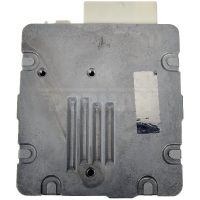
Shop the Parts Behind C1592
Below are the parts most often responsible for code C1592, ranked by how frequently each one is the actual culprit (per the diagnosis above). Tap any to see what we have for your vehicle.



The information in this article is provided for general reference and educational purposes only. Vehicle specifications, procedures, and part compatibility can vary by production date, trim level, and region. Always consult your vehicle's factory service manual and verify part numbers before purchasing or performing repairs. Safety-critical components such as airbags, seat belts, and braking systems should be installed by a qualified professional.
- 🧭 Diagnostic Flowchart
- 🛍️ Shop This Part
- What Does C1592 Mean?
- Can I Drive With C1592?
- Common Causes
- Symptoms
- Common Fixes & Costs
- Used vs. New Parts: Buying Guide
- What Happens If You Wait — Timeline
- Cost of Not Fixing It
- Diagnosis Steps
- When This Code Triggers (Freeze-Frame Conditions)
- Related Codes
- Climate & Environmental Factors
- How to Talk to a Mechanic About This Code
- Where to Take It: Dealer vs Independent vs Chain
- When to Walk Away From the Repair
- What Scan Tool You Need for This Code
- How to Clear the Code After You Fix It
- Will This Fail Emissions / State Inspection?
- Most Commonly Affected Vehicles
- Manufacturer-Specific Notes
- Real Owner Stories
- 2022 Jeep Grand Wagoneer with 15K miles - The Software Fix
- 2022 Ram ProMaster 3500 with 40K miles - The Corroded Connector
- How to Prevent This Code From Triggering
- Frequently Asked Questions
- Can I drive my car with code C1592?
- Why check for software updates first?
- My power steering failed but works again. Can I ignore it?
- What happens if the dealer software flash is interrupted?
- Can I use a used or junkyard electric steering rack?
- Is replacing the electric steering rack a DIY job?
- What is the difference between C1592 and a steering angle sensor code?
- Key Takeaways
- 🎟️ Get 5% Off