

OBD-II Code C1600: Chassis System Malfunction
What C1600 means, why it triggers, and how to fix it
- C1600 is a manufacturer-specific chassis code; always scan for secondary C-prefix or U-prefix codes to pinpoint the exact failing sensor or module.
- Over 80% of C1600 codes stem from simple electrical faults like a blown 10-amp fuse, a corroded wheel speed sensor connector, or a weak 12-volt battery.
- Driving with a C1600 code disables your ABS and Electronic Stability Control, increasing wet braking distances by up to 9% and raising the risk of a skid.
- Before paying for diagnostics, check for free dealer repairs: Acura RLX (TSB B23-022) and Subaru (TSB 06-87-22R) both have 10-to-15-year warranty extensions for parts that trigger this code.
- Never replace a $500+ ABS control module without first testing the CAN bus network resistance at the OBD-II port, which must read exactly 60 Ohms.
What Does C1600 Mean?
C1600 is a manufacturer-specific code with definitions that change based on your vehicle brand. It points directly to a problem in the vehicle's chassis control systems, such as the Anti-lock Braking System (ABS), traction control, or stability control. The car's computer detects a communication error or a fault with a sensor, module, or related circuit within these systems.
Technical definition: The SAE/ISO does not standardize C1600. Interpretations include 'Chassis Control Module Communication/Sensor Fault', 'Watchdog/ETX Malfunction', or other specific chassis system errors. On Mercedes models, it indicates 'Temperature After Engine Is Turned Off', while on Toyota models a similar code (P1600) refers to an 'ECM Battery Malfunction'.
Can I Drive With C1600?
Yes, But With Caution. You can drive, but extreme caution is required. Your primary safety systems, including ABS and Electronic Stability Control (ESC), are disabled. During a panic stop, your wheels lock up, causing a skid and complete loss of steering control. On wet pavement, braking distance increases by 9% or more, significantly raising collision risk. Drive slowly, increase following distance, and get the vehicle diagnosed immediately. In some cases (e.g., Acura RLX), unpredictable handling occurs; in others (e.g., Ford), a no-start condition happens.
Common Causes
- Damaged or Corroded Wiring/Connectors (Very Common) — Wires and connectors for chassis system components are exposed to the elements. Damage from road debris, moisture, and corrosion interrupts communication signals.
- Faulty Chassis System Sensor (Common) — Wheel speed sensors, steering angle sensors, and yaw/lateral acceleration sensors fail over time. These sensors provide critical data to the ABS 🎬 Watch: How to test and fix a faulty wheel speed sensor. and stability control systems.
- Blown Fuse or Faulty Relay (Common) — A blown fuse or a bad relay cuts power to a control module or sensor, instantly triggering the code.
- Broken/Loose EPB Connector Clip (Subaru specific) (Common) — On modern Subarus, the plastic locking tab on the electronic parking brake (EPB) actuator connector becomes brittle and breaks. This loosens the connector, causing an intermittent connection. 🎬 See this simple 10-cent fix for Subaru parking brake connector faults.
- Low Battery Voltage (Less Common) — A weak or failing battery causes unpredictable electrical problems and triggers communication-related fault codes across various modules.
- Failed Chassis Control Module (Less Common) — The main computer controlling the ABS, traction, or stability systems fails internally. Suspect this only after ruling out wiring and sensor issues.
- Faulty CAN Bus Termination Resistor (Less Common) — The CAN bus network requires a 120-ohm resistor at each end. If a resistor fails or wiring damages it, module communication disrupts, triggering C1600.
- Open Circuit in Heated Accessory (Powersports) (Rare) — On Yamaha or Arctic Cat snowmobiles, C1600 specifically indicates an open circuit in an accessory, most commonly the thumb or hand warmer element.
Symptoms
- ABS Light On — The Anti-lock Braking System warning light illuminates on the dashboard.
- Traction or Stability Control Light On — The light for the Traction Control System (TCS) or Electronic Stability Control (ESC/VSC) illuminates.
- Unpredictable Handling (Acura Specific) — On Acura RLX models, the car fishtails or swerves unexpectedly due to a PAWS system fault.
- No-Start Condition (Ford Specific) — On Ford Focus and Fiesta models, an instrument cluster fault triggers a 'Flash Code 16', preventing communication with the engine ECU and immobilizer, resulting in a no-start. 🎬 Watch: How to repair a Ford instrument cluster causing no-start issues.
- Odometer Displays Dashes (Ford Specific) — Alongside a no-start condition, the digital odometer displays '-------' instead of mileage, indicating a communication loss between the instrument cluster and the PCM.
- Disabled Safety Systems (also visible on scanner) — The ABS, traction control, and stability control systems disable entirely, noticeable during hard braking or slippery conditions.
Diagnostic Flowchart
Tap your situation to follow the diagnostic path that matches what you're seeing on this code.
Common Fixes & Costs
- Replacing a Blown Fuse — Parts: $1-$10, Labor: $0-$50, ~0.1 hr book time (DIY)
- Repairing Damaged Wiring or Connectors — Parts: $5-$50, Labor: $100-$300, ~1.5 hr book time (Intermediate)
- Replacing a Faulty Wheel Speed Sensor — Parts: $40-$150, Labor: $100-$200, ~1.0 hr book time (DIY)
- Installing EPB Connector Repair Clip (Subaru Specific) — Parts: $10-$20, Labor: $0-$100, ~0.5 hr book time (DIY)
- Replacing Rear Toe Control Actuator (Acura RLX Specific) — Parts: $1900-$3800, Labor: $400-$2200, ~3.2 hr book time (Professional)
DIY vs Professional
- Replacing a Blown Fuse — Beginner: yes
Tools: Fuse puller or small pliers. - Repairing Damaged Wiring or Connectors — Beginner: no
Tools: Multimeter, wire strippers, soldering iron or quality crimping tool, heat shrink tubing, wiring diagrams. - Replacing a Faulty Wheel Speed Sensor — Beginner: yes
Tools: Jack and jack stands, socket set, torque wrench, wire brush. - Installing EPB Connector Repair Clip (Subaru Specific) — Beginner: yes
Tools: Small flathead screwdriver. - Replacing Rear Toe Control Actuator (Acura RLX Specific) — Beginner: no
Tools: Vehicle lift, extensive socket/wrench set, torque wrench, specialized suspension tools, wheel alignment equipment, advanced diagnostic scanner.
Used vs. New Parts: Buying Guide
When a used part is worth it: For expensive electronic modules like an ABS control unit, a used part from a reputable seller saves hundreds of dollars, especially on older vehicles.
Donor-vehicle mileage cap: roughly under 100000 miles for the part to have meaningful remaining life.
Donor quality checklist:
- Verify the part number matches EXACTLY; many modules look identical but are not interchangeable.
- Purchase from a seller offering at least a 90-day warranty.
- Avoid parts from flood or heavy-impact vehicles.
- Most used modules require VIN programming with a specialized scan tool.
Decision logic:
- If The part is a simple sensor (e.g., wheel speed sensor) and under $150 new. → Buy new. The savings are minimal and the risk of a faulty used sensor isn't worth the labor to install it twice.
- If The part is an expensive ABS module on a vehicle over 10 years old. → A used or professionally rebuilt module is a cost-effective option, provided you can have it programmed.
- If The part is covered by a manufacturer's extended warranty (e.g., Acura PAWS actuator, Subaru EPB connector). → Do not buy any part; contact the dealer for a free repair.
Warranty tradeoff: Used parts typically come with a 30-90 day warranty covering the part only, not labor. New aftermarket parts carry a 1-year to limited lifetime warranty. OEM parts offer a 1-year warranty if installed by a dealer.
Worst-case if a used part fails: $300-$800 if a used module fails after installation, accounting for repeat labor costs.
What Happens If You Wait — Timeline
- Immediate: ABS and Stability Control lights illuminate. The vehicle's computer disables these safety systems. Basic hydraulic brakes still function. (MPG impact: 0%% · Added cost: $0)
- 0-2 months: Increased risk of accident. In a panic stop or on a wet/icy surface, wheels lock, causing a skid and loss of steering control. The driver must manually pump the brakes, which many are not trained to do. (MPG impact: 0%% · Added cost: Potential accident costs (deductible, repairs, medical bills).)
- 2-6 months: The initial fault worsens. An intermittent wiring issue becomes a permanent open circuit. On specific models, this escalates; a Ford Focus develops a no-start condition, requiring a tow. An Acura RLX exhibits dangerous, unpredictable handling. (MPG impact: 0%% · Added cost: $100-$200 for a tow, plus the original repair cost.)
- 6+ months: Driving with a known safety defect becomes normalized, increasing long-term risk. A failing sensor providing bad data causes subtle, long-term issues like uneven brake wear. Ignoring the fault leads to an insurance claim denial in an accident if negligence is proven. (MPG impact: 0%% · Added cost: $200-$400 for premature brake wear or significantly higher costs associated with an at-fault accident.)
Cost of Not Fixing It
- Immediate: ABS and Electronic Stability Control (ESC) disable. Increased risk of wheel lock-up and loss of control during emergency braking or on slippery surfaces. (Added cost: Potential insurance deductible, vehicle repair costs, or medical bills from an accident.)
- 0-3 months: On Acura RLX models, continued driving causes unpredictable handling ('fishtailing'). On Ford models, the fault escalates to a no-start condition, requiring a tow. (Added cost: $150-$300 for a tow, plus the cost of the original repair.)
- 3+ months: A faulty wheel speed sensor causes uneven brake pad wear if the system intermittently tries to engage. Normalizing driving with a known safety defect is a major liability risk. (Added cost: $200-$400 for premature brake replacement.)
Diagnosis Steps
- Read All Fault Codes
Use an advanced OBD-II scanner to read Chassis (C-prefix) and Network (U-prefix) codes. Note any codes appearing alongside C1600, as they pinpoint the specific fault area (e.g., a wheel speed sensor code).
Tools: Advanced OBD-II Scanner (Beginner) - Inspect Battery and Connections
Verify battery voltage is above 12.4 volts with the engine off. Ensure battery terminals are clean and tight. A weak battery causes widespread electrical issues.
Tools: Multimeter, Wrench Set (Beginner) - Check Fuses and Relays
Consult your owner's manual to locate fuses and relays for the ABS, traction control, and stability control systems. Visually inspect fuses and swap relays with known good ones.
Tools: Owner's Manual, Fuse Puller/Pliers (Beginner) - Visually Inspect Wiring and Connectors
Look for obvious damage to wiring harnesses going to wheel speed sensors and the main ABS/chassis control module. Pay attention to brand-specific problem areas, like Subaru EPB connectors.
Tools: Flashlight, Mirror (Intermediate) - Test Specific Sensors
If secondary codes are present, test the suspected sensor (e.g., wheel speed sensor) using a multimeter to check for correct resistance or voltage according to the service manual.
Tools: Multimeter, Service Manual (Intermediate) - [PRO TIP] Test CAN Bus Resistance
Disconnect the battery. At the OBD-II port, measure resistance between Pin 6 (CAN High) and Pin 14 (CAN Low). A healthy network reads exactly 60 Ohms. A 120 Ohm reading indicates a missing termination resistor or broken CAN line. A 0 Ohm reading indicates a short.
Tools: High-Impedance Multimeter (Advanced) - [PRO TIP] Test CAN Bus Voltages
With ignition on (engine off), measure DC voltage at the OBD-II port. Pin 6 (CAN High) to ground reads ~2.6-2.7 Volts. Pin 14 (CAN Low) to ground reads ~2.3-2.4 Volts. Shorted lines read 0V, erratically, or exactly 2.5V.
Tools: High-Impedance Multimeter (Advanced) - Check Module Power and Ground
Using a multimeter and wiring diagram, verify the main chassis control module receives proper power and has a solid ground connection.
Tools: Multimeter, Service Manual/Wiring Diagram (Advanced) - [ADVANCED] Test Passive Wheel Speed Sensor
Disconnect the sensor and measure resistance. A healthy passive sensor reads between 800 and 2,500 Ohms. 'OL' means an open circuit; 0 Ohms means a short. Next, measure AC Volts while spinning the wheel at one revolution per second. You must see a minimum of 0.25V AC.
Tools: Multimeter, Backprobe Pins, Service Manual (Advanced) - [ADVANCED] Test Active Wheel Speed Sensor
Active sensors require live testing. With ignition on, backprobe the connector to verify a 1.5V to 5V reference voltage. The sensor outputs a digital square wave, observable with an oscilloscope. A missing or erratic signal indicates failure.
Tools: Oscilloscope or Graphing Scanner, Multimeter, Backprobe Pins (Advanced) - [ADVANCED] Test Steering Angle Sensor (SAS)
Use a scan tool to view the 'Steering Wheel Angle' live data PID. It must read 0° when straight and change smoothly as you turn. For analog sensors, backprobe the signal wires for a toggling 0-5V signal. Erratic jumps indicate a fault.
Tools: Advanced OBD-II Scanner, Multimeter, Backprobe Pins (Advanced) - [ADVANCED] Test Yaw Rate / Lateral G Sensor
With ignition on and vehicle level, view live data. Yaw rate must be 0 deg/s and lateral acceleration 0 G. Check for a 5V reference voltage at the connector. Significant voltage deviations point to failure.
Tools: Advanced OBD-II Scanner, Multimeter, Service Manual (Advanced)
When This Code Triggers (Freeze-Frame Conditions)
- Vehicle Speed: 0 mph (at startup) (The ABS module performs a self-test immediately upon ignition-on. Internal module faults or communication issues are detected before the vehicle moves.)
- System Voltage: 10.5 - 11.8V (During engine cranking. Low voltage during startup causes communication glitches between modules, triggering a general fault code like C1600.)
- Steering Angle: > 15 degrees (During a low-speed turn. A faulty steering angle sensor or failing wheel speed sensor provides conflicting data to the chassis module.)
- Wheel Speed Mismatch: > 5 mph difference (During braking or acceleration. A faulty wheel speed sensor drops out or reports an erratic speed, creating a mismatch the ABS module flags as a fault.)
Related Codes
- U0XXX — U-prefix codes (e.g., U0121 - Lost Communication With ABS Control Module) indicate network communication problems. Diagnose the U-code first. A C1600 is a symptom of the broader network failure reported by the U-code.
- C0035 - C0050 — These are specific codes for wheel speed sensor circuits. If present with C1600, they pinpoint the problem. For example, C1600 + C0040 (Right Front Wheel Speed Sensor Circuit) directs diagnosis to the right front sensor.
- C0051 — Points to a fault with the Steering Wheel Position Sensor (SAS). Since the SAS is a key input for stability control, its failure triggers a general chassis fault like C1600. The SAS is the root cause.
- C1611 / C1621 — Acura-specific codes appearing with C1600-94. C1611-13 points to an open circuit in the Left Rear PAWS Actuator; C1621-13 indicates the Right Rear PAWS Actuator. Their presence confirms the PAWS actuator as the source.
Climate & Environmental Factors
- High Humidity / Moisture: Accelerates corrosion on exposed wiring, connector pins, and control module circuit boards. Water intrusion, especially in coastal areas, causes short circuits in modules and network wiring, leading to communication faults.
- Road Salt (Cold Climates / Salt Belt): Highly corrosive to underbody components. Salt spray attacks ABS wheel speed sensors, their wiring, and brake line fittings, causing electrical opens and shorts that trigger faults.
- Extreme Cold: Causes plastic components like connector clips and wire insulation to become brittle and crack. A broken locking tab on a connector leads to a loose connection and intermittent signals.
How to Talk to a Mechanic About This Code
Say this: "I have an ABS and stability control light on, and my scanner shows a C1600 code. I'd like to schedule a diagnostic appointment to find the root cause. I know this can be a wiring, sensor, or module issue, so I'd like to start with pinpoint testing rather than replacing parts."
This signals you are an informed customer. It directs the shop to perform a proper diagnosis, not just guess by replacing the most expensive part first. It also mentions the common failure points, showing you've done your research.
Avoid saying:
- 'My ABS light is on, fix it.' (This vague demand invites expensive part-swapping).
- 'Do whatever it takes to get the light off.' (This gives the shop a blank check).
- 'A guy online said it's the ABS module, so can you replace it?' (Don't jump to conclusions).
Questions to ask before authorizing the repair:
- What specific tests did you perform to confirm this part has failed?
- Can you show me the damaged part or the test results (e.g., voltage/resistance readings)?
- Is this a common failure on this vehicle? Have you checked for any Technical Service Bulletins (TSBs)?
- What is the warranty on the recommended parts and labor?
Where to Take It: Dealer vs Independent vs Chain
- Dealer:
Go here FIRST if you own an affected Acura or Subaru to check for free TSB repairs. For other vehicles out of warranty, use the dealer as a last resort if a trusted independent shop can't find the fault.
Best for: Acura RLX and Subaru models with known TSBs/warranty extensions for this code., Vehicles still under factory or extended warranty., Complex, brand-specific electronic issues that an independent shop cannot solve.
Downsides: Highest labor rates and parts costs., Dealers frequently replace entire $1,500 assemblies when a $50 wiring repair solves the issue. (Typical cost: +50% vs. baseline) - Independent Shop:
Best fit for most C1600 scenarios, provided the shop has a strong reputation for electrical and diagnostic work. Ask if they are comfortable diagnosing CAN bus and chassis system faults.
Best for: Out-of-warranty vehicles where cost is a factor., Diagnosing common C1600 causes like faulty wheel speed sensors, wiring damage, or CAN bus faults., Building a long-term relationship with a trusted mechanic.
Downsides: Diagnostic skill varies; shops lacking strong electrical expertise struggle with CAN bus faults., May not have access to the very latest manufacturer software or tools for module programming. (Typical cost: +0% vs. baseline) - Chain Shop:
AVOID for initial diagnosis. The risk of misdiagnosis and being sold unnecessary parts is high. If another shop has definitively identified a bad wheel speed sensor, a chain shop might be a cost-effective option for the replacement, but get a firm quote first.
Best for: Simple, clear-cut repairs like replacing a single, identified-as-faulty wheel speed sensor.
Downsides: Technician skill and diagnostic equipment are highly variable., Often lack the advanced training for complex electrical or network diagnosis., Business model may incentivize quick parts replacement over careful diagnosis, leading to unnecessary repairs. (Typical cost: -10% vs. baseline)
When to Walk Away From the Repair
If the estimated repair cost exceeds 40% of your car's private-party value, sell the vehicle or trade it in.
- Car worth $5000, fix is $3000: Walk away. The repair is 60% of the car's value. It's very likely other age-related failures are coming. Sell the car as-is or trade it in.
- Car worth $15000, fix is $2500: Fix it. The repair is only 17% of the car's value and addresses a critical safety system.
- Car worth $3000, fix is $400: Fix it. A $400 repair for a bad wheel speed sensor is well worth it to keep a $3,000 car safe and operational.
What Scan Tool You Need for This Code
Minimum: An OBD-II scanner that can read and clear Chassis (C-prefix) codes, specifically for the ABS system. It must also be able to display live sensor data.
A basic $20 code reader only checks for engine (P-prefix) codes and completely ignores the C1600 code. You will falsely believe your vehicle is fine while a critical safety system remains disabled.
Budget: BlueDriver Pro (~$99) — Reads and clears ABS/chassis codes for most major brands. Can graph live data from wheel speed sensors and steering angle sensors, which is essential for diagnosing C1600. Connects to a smartphone app.
Mid-range: Foxwell NT630 Plus / Autel AutoLink AL619 (~$130) — Dedicated handheld units that read/clear ABS codes and show live data. The Foxwell NT630 Plus also offers some bidirectional tests like ABS auto-bleed, which can be useful after certain brake system repairs.
Professional: Autel MaxiCOM MK808S / Launch CRP919 (~$400-600) — Offers full-system diagnostics, extensive live data graphing, and bidirectional control to actively test components like ABS pump motors and solenoids. This level of control is what professionals use to quickly pinpoint the exact point of failure without guessing.
Rent vs buy: Most auto parts stores like AutoZone will read your codes for free, but their scanners may not always read ABS codes. Their tool loaner program requires a deposit, which you get back upon return. For a C1600, buying a capable scanner like the BlueDriver is a good investment, as diagnosis may require multiple readings and live data checks during test drives.
How to Clear the Code After You Fix It
- Fix the underlying problem (e.g., replace sensor, repair wire).
- Use an ABS-capable OBD-II scan tool to erase the chassis fault codes.
- Perform a short test drive including turns and stops to confirm the light does not return.
Drive cycle (~20 minutes): A specific drive cycle is not required for ABS/Chassis codes. After clearing the code, a 10-15 minute drive with normal stops and turns is sufficient for the system to re-verify the repair. If the battery was disconnected, a complex cycle is needed for emissions readiness monitors.
Readiness monitors affected: Not directly applicable to C-codes., If the battery was disconnected, all emissions readiness monitors reset to 'Not Ready'.
Before emissions retest: drive at least 50 miles to fully set monitors.
Watch out for:
- Using a basic code reader that cannot access or clear Chassis (C) codes.
- Disconnecting the battery fails to clear the code from the ABS module's memory.
- The code returning immediately indicates the root cause remains unfixed.
Will This Fail Emissions / State Inspection?
Yes — this code typically fails an OBD-II emissions inspection.
- California: An illuminated ABS light does not fail a California smog check. However, if the underlying fault also triggers the Check Engine Light, the vehicle fails.
- New York: An illuminated ABS warning light fails the mandatory New York annual safety inspection.
- Texas: An illuminated ABS light does not fail a Texas safety inspection. However, the inspector will scrutinize the braking system, which must pass a strict performance test.
Most Commonly Affected Vehicles
- Acura RLX (2014-2019) — Prone to C1600-94, indicating a failure of the Precision All-Wheel Steer (PAWS) rear toe control actuator. Acura issued TSB B23-022 extending the warranty to 10 years/unlimited mileage. Check with a dealer before paying for repairs.
- Hyundai Various (2010-2024) — C16xx codes point to a CAN bus network error. A common cause is water getting into the rearview (backup) camera, causing it to short out and disrupt the network.
- Kia Various (2010-2024) — Sets a C1600 code due to a CAN bus communication failure. This links to peripherals like a faulty backup camera or a faulty cooling fan resistor (Part No. 25385-C1600).
- Subaru Legacy, Outback, WRX (2015-2018) — Sets chassis codes when the plastic connector clip on a rear electronic parking brake (EPB) actuator breaks. Covered by TSB 06-87-22R, extending the warranty for this part to 15 years/unlimited mileage.
- Toyota Camry, RAV4, Celica (2000-2024) — A similar code, P1600 (Powertrain), indicates an 'ECM Battery Malfunction'. The constant power supply to the engine's computer is interrupted, often due to a bad EFI fuse or wiring issue.
- Ford Focus, Fiesta, Transit (2003-2011) — Logs a related code ('Flash Code 16') due to an instrument cluster failure (bad solder joints) or a bad engine ground. This disrupts CAN bus communication with the immobilizer system, causing a no-start.
- Mercedes-Benz Various (2006-2024) — C1600 relates to the tire pressure monitoring system (TPMS) or a fault logged for 'Temperature After Engine Is Turned Off', which is misleading.
- Yamaha / Arctic Cat Various Snowmobiles (2012-2024) — C1600 indicates an 'open circuit' in the thumb warmer or hand warmer heating elements, a common failure point.
Manufacturer-Specific Notes
- Hyundai/Kia: Water intrusion into the rear backup camera shorts the communication network, causing a C1600-range code. Before complex CAN bus diagnosis, unplugging the camera is a quick and effective test.
- Acura: Code C1600-94 on an RLX means one or both rear-wheel steering actuators failed. Acura issued TSB B23-022 and a 10-year, unlimited mileage warranty extension. Always check with a dealer first.
- Subaru: A broken plastic clip on the electronic parking brake (EPB) actuator connector triggers ABS, VDC, and Hill Assist lights. Refer to TSB 06-87-22R for the 15-year extended warranty details.
- Ford: A 'Flash Code 16' from the immobilizer light, accompanied by a no-start and dashes on the odometer, is a classic symptom of a failed instrument cluster (bad solder joints) disrupting the CAN bus link to the PCM.
Real Owner Stories
2017 Subaru Outback at 75,000 miles
A cluster of lights (ABS, VDC, Hill Assist, EyeSight) came on intermittently, especially after hitting bumps. No noticeable driving issues.
What they tried:
- Owner initially ignored the lights as they would sometimes go away after restarting the car.
- A local shop scanned the codes and found C1600 but couldn't pinpoint the cause, suggesting an expensive diagnostic process.
- Owner searched online forums for 'Subaru C1600' and found TSB 06-87-22R.
Outcome: Owner took the car to a Subaru dealer, referenced the TSB, and the dealer confirmed a broken Electronic Parking Brake (EPB) connector clip. The repair, which involved installing a new retaining clip kit (Part #26010AL000), was covered for free under Subaru's 15-year extended warranty for this specific issue.
Lesson: For brand-specific common codes, always search for Technical Service Bulletins (TSBs) or warranty extensions before paying for diagnosis. A 10-minute search saved the owner hundreds of dollars.
2015 Acura RLX at 110,000 miles
Car suddenly felt unstable, with the rear end 'fishtailing' or swerving violently on the highway. Multiple warning lights, including PAWS and C1600-94, appeared on the dash.
What they tried:
- Owner immediately pulled over and had the vehicle towed to a dealer, fearing it was unsafe to drive.
- The dealer diagnosed a failed rear toe control (PAWS) actuator.
Outcome: Initially, the owner was quoted over $2,500 for the repair as the car was past its standard warranty. However, Acura had issued TSB B23-022, extending the warranty for this specific part to 10 years/unlimited mileage. The repair was performed at no cost. The owner's car was just within the 10-year window.
Lesson: A C1600-94 code on an Acura RLX is a major safety issue. Do not drive the vehicle. Immediately check with an Acura dealer about the PAWS actuator warranty extension (TSB B23-022) before authorizing any paid repairs.
2016 Hyundai Sonata, mileage unknown
ABS and traction control lights came on, and the code reader showed C1616 (related to C1600 CAN bus error). The backup camera had also recently stopped working or was intermittent.
What they tried:
- A mechanic suspected a faulty ABS module, a repair costing over $1,000.
- The owner, after reading forums about Hyundai/Kia CAN bus issues, decided to try a simple test first.
Outcome: The owner disconnected the backup camera module located in the trunk lid. Upon disconnecting it, the C1616 code could be cleared and did not return. The root cause was water intrusion into the camera, which caused an electrical short that disrupted the entire CAN bus network. Replacing the camera (~$150 part) fixed both the camera and the chassis code.
Lesson: On modern Hyundai/Kia vehicles, if you get a CAN communication code (like C1600/C1616) and have a malfunctioning peripheral like a backup camera, diagnose the peripheral first. Unplugging the suspect device is a zero-cost test that prevents a major misdiagnosis.
How to Prevent This Code From Triggering
- Perform regular undercarriage washes, especially in the Salt Belt. (Monthly during winter, or after driving on salted roads.) — Removes corrosive road salt and grime that attacks underbody wiring, connectors, and ABS sensors, preventing electrical shorts and opens.
- Apply dielectric grease to critical electrical connectors. (Whenever a connector is disconnected for service (e.g., battery change, sensor replacement).) — Seals out moisture and oxygen from connector pins, preventing the corrosion that creates high resistance and intermittent signals, which is a primary cause of sensor and communication faults.
- Secure and inspect wiring harnesses. (During every oil change or brake service.) — Ensures wiring is not rubbing against sharp edges or hanging loose where it can be snagged by road debris. Broken zip ties or clips should be replaced to prevent chafing that leads to short circuits.
- Maintain a healthy battery and clean terminals. (Test battery annually after 3 years; clean terminals as needed.) — Low system voltage during startup is a common source of communication glitches between modules. A fully charged battery and clean, tight terminals ensure stable power, preventing spurious fault codes like C1600.
Key Takeaways
- C1600 is a manufacturer-specific chassis code; always scan for secondary C-prefix or U-prefix codes to pinpoint the exact failing sensor or module.
- Over 80% of C1600 codes stem from simple electrical faults like a blown 10-amp fuse, a corroded wheel speed sensor connector, or a weak 12-volt battery.
- Driving with a C1600 code disables your ABS and Electronic Stability Control, increasing wet braking distances by up to 9% and raising the risk of a skid.
- Before paying for diagnostics, check for free dealer repairs: Acura RLX (TSB B23-022) and Subaru (TSB 06-87-22R) both have 10-to-15-year warranty extensions for parts that trigger this code.
- Never replace a $500+ ABS control module without first testing the CAN bus network resistance at the OBD-II port, which must read exactly 60 Ohms.
Helpful Videos

![How To Test CAN BUS With A Multimeter [CAN Bus Resistance Check] Mechanic Mindset](https://img.youtube.com/vi/JPE42HSJxAk/mqdefault.jpg)




Shop the Parts Behind C1600
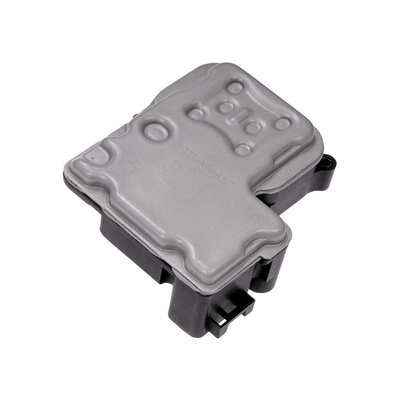
Below are the parts most often responsible for code C1600, ranked by how frequently each one is the actual culprit (per the diagnosis above). Tap any to see what we have for your vehicle.




The information in this article is provided for general reference and educational purposes only. Vehicle specifications, procedures, and part compatibility can vary by production date, trim level, and region. Always consult your vehicle's factory service manual and verify part numbers before purchasing or performing repairs. Safety-critical components such as airbags, seat belts, and braking systems should be installed by a qualified professional.
- 🧭 Diagnostic Flowchart
- 🎬 Helpful Videos
- 🛍️ Shop This Part
- What Does C1600 Mean?
- Can I Drive With C1600?
- Common Causes
- Symptoms
- Common Fixes & Costs
- DIY vs Professional
- Used vs. New Parts: Buying Guide
- What Happens If You Wait — Timeline
- Cost of Not Fixing It
- Diagnosis Steps
- When This Code Triggers (Freeze-Frame Conditions)
- Related Codes
- Climate & Environmental Factors
- How to Talk to a Mechanic About This Code
- Where to Take It: Dealer vs Independent vs Chain
- When to Walk Away From the Repair
- What Scan Tool You Need for This Code
- How to Clear the Code After You Fix It
- Will This Fail Emissions / State Inspection?
- Most Commonly Affected Vehicles
- Manufacturer-Specific Notes
- Real Owner Stories
- 2017 Subaru Outback at 75,000 miles
- 2015 Acura RLX at 110,000 miles
- 2016 Hyundai Sonata, mileage unknown
- How to Prevent This Code From Triggering
- Key Takeaways
- 🎟️ Get 5% Off