

OBD-II Code C1601: Manufacturer-Specific Fault
What C1601 means, why it triggers, and how to fix it
- Code C1601 is a manufacturer-specific chassis code, meaning its definition changes entirely depending on whether you drive a Toyota, Hyundai, Nissan, or Subaru.
- Scan all vehicle modules with a professional OBD-II scanner first, as C1601 acts as a secondary alert for a primary engine or voltage fault in 80% of cases.
- On Toyota and Lexus vehicles, ignore the C1601 code and fix the accompanying primary P-code (like a P0101 for the MAF sensor) to clear the dashboard lights.
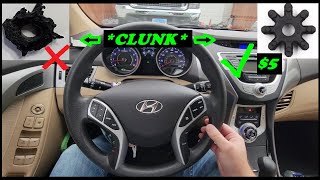
- On 2011-2015 Hyundai and Kia models, C1601 frequently points to a disintegrated $10 flexible steering coupler that requires 2 hours of labor to replace.
- Test your battery and alternator immediately; a voltage drop below 9.5V for more than 10 seconds triggers C1601 and C1241 communication errors.
What Does C1601 Mean?
Code C1601 is a manufacturer-specific code with different definitions based on your vehicle's make. It almost always acts as a secondary code, pointing to a fault in another system. On a Toyota, it means the engine control module detected a fault elsewhere. On a Hyundai, it points to a power steering issue. It is a notification from a chassis computer (like the ABS module) that it shut down because another computer (like the Engine Control Module) has a problem.
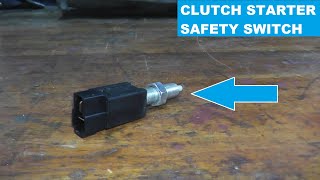
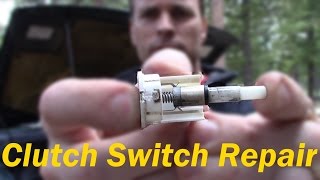
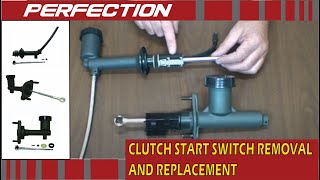
Technical definition: There is no standard SAE/ISO definition for C1601 as it is a manufacturer-specific chassis code. Its meaning is defined by the vehicle manufacturer. For example: * **Toyota/Lexus:** Engine Control System Malfunction. Set by the Skid Control ECU (ABS/VSC module) when it receives a signal from the Engine Control Module (ECM) indicating a primary engine-related fault. * **Hyundai/Kia:** EPS (Electric Power Steering) Control Unit Power Supply Failure. Indicates a problem with the power or ground supply to the Motor Driven Power Steering (MDPS) control module. * **Nissan:** Clutch Switch Circuit - Invalid Signal. The Radio Frequency Hub (RFH) module detects the clutch pedal switch is stuck open or closed, preventing engine start. 🎬 Watch: How to test and replace a faulty clutch switch. * **Subaru:** VDC/ABS Control Module Communication Error. Indicates a loss of communication or an uncalibrated component within the Vehicle Dynamics Control system. * **Chevrolet/GM:** EBCM (Electronic Brake Control Module) Malfunction. A general code indicating the brake control module detected an internal or communication fault. * **SsangYong:** EPS Power Supply Fault. Points to a power supply issue for the Electric Power Steering system.
Can I Drive With C1601?
Yes, But With Caution. Driving is possible but dangerous because C1601 disables critical safety systems like ABS, stability control (VSC/ESC), and power steering. Continued driving without these systems increases accident risk. If the code stems from a primary engine misfire, you will destroy your catalytic converter, a repair costing $1,100 to $2,500. On Hyundai/Kia models, a steering lock fault leaves you stranded with a no-start condition.
Common Causes
- A primary fault code stored in another module (Very Common) — On Toyota and Lexus, C1601 alerts you that another problem exists. The actual cause ranges from a loose gas cap (triggering an EVAP code) to a faulty Mass Air Flow (MAF) sensor.
- Low battery voltage or charging system fault (Common) — Modern cars require stable voltage. A weak battery or failing alternator causes communication errors between modules. On Toyota systems, ignition voltage below 9.5V for 10 seconds triggers C1601 alongside C1241.
- Faulty Electric Power Steering (EPS) components (Common) — On Hyundai and Kia models, this code points directly to a failed flexible steering coupler, EPS control module, or Electronic Steering Column Lock (ESCL).
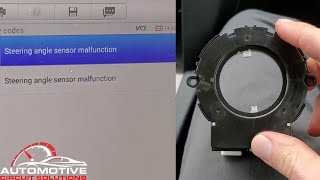
- Component Calibration Required After Replacement (Common) — Replacing chassis components like a steering angle sensor or ABS module on a Subaru requires a software calibration. Skipping this step prevents network communication, triggering C1601.
- Faulty clutch pedal position switch (Less Common) — On manual transmission Nissan vehicles, this code ties directly to a stuck clutch pedal switch, preventing engine start.
- Corroded or Damaged Wiring/Connectors (Less Common) — Water intrusion or physical damage causes corrosion in wiring harnesses. This leads to power loss for exposed modules like ABS or EPS controllers.
- Aftermarket Accessory Interference (Uncommon) — Improperly installed aftermarket electronics, such as remote starters or alarms, interfere with the vehicle's CAN bus network, creating signal noise that leads to communication faults.
Symptoms
- Check Engine Light is on — The C1601 code itself or the primary code that caused it illuminates the light.
- Traction Control (VSC/TRAC/ESC) and/or ABS light is on — When the engine computer detects a fault, it disables the traction and stability control systems as a precaution, turning on their respective warning lights.
- Steering feels heavy or difficult — On vehicles where C1601 relates to the Electric Power Steering (EPS) system, like many Hyundais, you lose power assist, making the wheel hard to turn.
- Engine will not start — On Nissan models, a faulty clutch switch prevents the starter from engaging. On Hyundai models, a steering lock fault causes a no-start condition.
- Clicking noise from steering column when turning — On 2011-2015 Hyundai/Kia models, a clicking or clunking sound when turning the wheel indicates a failed flexible steering coupler. 🎬 Watch: How to diagnose and fix the Hyundai steering clunk.
Diagnostic Flowchart
Tap your situation to follow the diagnostic path that matches what you're seeing on this code.
Common Fixes & Costs
- Diagnose and repair the primary trouble code — Parts: $0, Labor: $100-$200, ~1.5 hr book time (Professional)
- Replace Car Battery — Parts: $150-$350, Labor: $0-$100, ~0.5 hr book time (DIY)
- Replace Mass Air Flow (MAF) Sensor — Parts: $80-$200, Labor: $50-$100, ~0.5 hr book time (DIY)
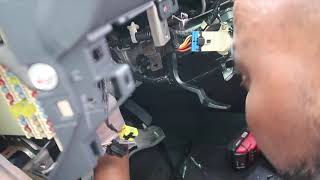
- Replace Flexible Steering Coupler (Hyundai/Kia) — Parts: $5-$15, Labor: $150-$300, ~2.0 hr book time (Intermediate)
- Perform VDC/Steering Angle Sensor Calibration (Subaru) — Parts: $0, Labor: $100-$200, ~1.0 hr book time (Professional)
- Replace Clutch Pedal Position Switch (Nissan) — Parts: $25-$75, Labor: $75-$150, ~1.0 hr book time (Intermediate)
- Replace Electric Power Steering (EPS) Module/Column (Hyundai/Kia) — Parts: $800-$2500, Labor: $200-$500, ~3.0 hr book time (Professional)
Used vs. New Parts: Buying Guide
When a used part is worth it: For electronic parts like a MAF sensor, buying used is risky. Given the low cost of a new, high-quality aftermarket sensor (like Denso), new is the better choice.
Donor-vehicle mileage cap: roughly under 50000 miles for the part to have meaningful remaining life.
Donor quality checklist:
- Verify the part number exactly matches the original.
- Avoid cheap, no-name parts from online marketplaces, as they cause performance issues.
- Ensure the seller offers at least a 90-day warranty.
Decision logic:
- If The part is a critical electronic sensor like a MAF. → Buy a new OEM or OEM-supplier (e.g., Denso for Toyota) part. The risk of poor performance from a used part is too high.
- If The part is a mechanical assembly like a steering column and the vehicle is old. → A used part from a reputable salvage yard with a warranty is a cost-effective option, but new is preferred for safety.
- If The part is a Hyundai/Kia flexible steering coupler. → Always buy the new, updated OEM part. It is inexpensive and the used part has the same design flaw.
Warranty tradeoff: Used parts typically come with a 30-90 day warranty covering the part only. New aftermarket parts offer a 1-year to limited lifetime warranty. A new OEM part provides the best guarantee of performance.
Worst-case if a used part fails: $200-$500 if a used part fails after installation, accounting for repeat labor costs and the price of another part.
What Happens If You Wait — Timeline
- 0-1 month: Warning lights (Check Engine, VSC, ABS) are on. If the cause is a primary engine fault like a bad MAF sensor, you notice a slight drop in fuel economy or minor hesitation. Safety systems are disabled. (MPG impact: 0-5%% · Added cost: $0-$50 in wasted fuel)
- 1-4 months: If caused by a bad MAF sensor or other fuel system issue, the engine consistently runs rich or lean. This leads to a noticeable MPG drop, rough idling, stalling, and black exhaust smoke. If caused by a misfire, damage to the catalytic converter begins. (MPG impact: 5-15%% · Added cost: $50-$250 in wasted fuel)
- 4-8 months: Sustained driving with a severe misfire or rich condition overheats and begins to melt the internal substrate of the catalytic converter. The car feels sluggish and has trouble accelerating. (MPG impact: 15-25%% · Added cost: $1,200-$2,500 (catalytic converter replacement is now required))
- 8+ months: The catalytic converter becomes completely clogged or melted. This creates extreme exhaust backpressure, causing severe engine damage, including burnt exhaust valves. The car will not start or stalls immediately. (MPG impact: >25%% · Added cost: $2,500-$4,000+ (cost of catalytic converter plus potential engine repairs))
Cost of Not Fixing It
- Immediate: Disabled safety systems (ABS, VSC, ESC) increase the risk of an accident, especially in wet or slippery conditions. Heavy steering makes emergency maneuvers difficult. (Added cost: N/A)
- 0-3 months: If the primary fault is a bad MAF sensor or misfire, continued driving leads to poor fuel economy (5-25% drop) and engine performance issues like hesitation or stalling. (Added cost: $50-$200 in wasted fuel)
- 3-12 months: Driving with a persistent misfire or rich/lean condition overheats and destroys the catalytic converter. Unburnt fuel enters the converter, melting its internal structure. (Added cost: $1,100-$2,500 to replace the damaged catalytic converter.)
Diagnosis Steps
- Scan for All Trouble Codes with a Capable Scanner
C1601 is usually a secondary code. Use a high-quality scanner capable of reading manufacturer-specific codes from all modules (Powertrain, Chassis, Body, and Network). Cheap scanners miss the primary code.
Tools: Professional OBD-II Scanner (Beginner) - Diagnose the Primary Code First
Follow the diagnostic procedures for the other codes found in Step 1. If you have a P0101 (MAF sensor fault), diagnose the MAF sensor circuit. Fixing the primary code clears the C1601.
Tools: OBD-II Scanner, Multimeter (Intermediate) - Test the Battery and Charging System
A weak battery causes random electronic faults. Use a multimeter to check voltage. With the engine off, a healthy battery reads 12.4V to 12.7V. With the engine running, alternator output must be 13.7V to 14.7V.
Tools: Multimeter, Battery Tester (Beginner) - Check for Technical Service Bulletins (TSBs)
Check for TSBs or warranty extensions. Subaru issued service program WRC-23 for Crosstrek VDC module reprogramming. Hyundai offers extended warranties for the flexible steering coupler (Part No. 56315-2K000-FFF).
Tools: Internet Access (Intermediate) - Check for Required Calibrations (Especially Subaru)
If parts like a steering angle sensor or VDC module were replaced, perform a calibration. For Subarus, execute the 'VDC Sensor Midpoint Setting Mode' with a capable scan tool.
Tools: Professional Scan Tool (Professional) - Test Manufacturer-Specific Components
If no other codes exist, diagnose the specific component. For a Hyundai, test power and ground at the EPS module. For a Nissan, test the clutch pedal position switch for continuity. For a Toyota with a P0101, monitor MAF sensor live data.
Tools: Multimeter, Professional Scan Tool, Service Manual (Advanced) - Perform a Visual Inspection of Wiring and Grounds
Visually inspect the wiring harness and connectors going to the relevant module. Look for corrosion, chafed wires, or loose pins. Check the main ground connections for the ABS and ECM modules.
Tools: Flashlight, Mirror (Intermediate) - Check CAN Bus Resistance
Turn the ignition off. At the OBD-II port, measure the resistance between Pin 6 (CAN High) and Pin 14 (CAN Low). A healthy network reads 60 Ohms. A reading of 120 Ohms indicates a break in the circuit.
Tools: High-Impedance Multimeter (Advanced)
When This Code Triggers (Freeze-Frame Conditions)
- Engine Coolant Temp: 175-210°F (79-99°C) (The code sets when the engine is fully warmed up and in closed-loop operation.)
- RPM: 700-2500 RPM (Triggers at idle if caused by a voltage issue, or during steady cruise if related to a primary sensor fault like a MAF sensor.)
- Vehicle Speed: 0 mph or 40-60 mph (Recorded at startup (0 mph) for voltage problems, or at highway speeds when a primary engine fault occurs under load.)
- System Voltage: < 9.5V or > 15V (If accompanied by C1241 on Toyota/Lexus, the freeze frame shows voltage outside the normal range, indicating a battery or alternator trigger.)
Related Codes
- C1201 — On Toyota and Lexus vehicles, C1201 and C1601 are functionally identical, both meaning 'Engine Control System Malfunction'. They are secondary codes set by the ABS/VSC module when the ECM reports a primary fault.
- C1241 — This Toyota code means 'Low or High Power Supply Voltage'. If you have C1241 alongside C1601, the C1241 is your root cause. It tells you the communication fault happened because of an unstable voltage supply.
- P0101 — A common primary Powertrain code for a 'Mass Air Flow (MAF) Sensor' issue. On a Toyota/Lexus, the ECM detects the P0101 fault and commands the stability control system to turn off, setting the C1601 code.
- P1604 — A manufacturer-specific code meaning 'Startability Malfunction' (Subaru) or an immobilizer error. P1604 points to issues with the engine starting sequence, whereas C1601 is a Chassis code related to ABS/VSC losing communication.
Climate & Environmental Factors
- Cold Weather: Low ambient temperatures reduce a battery's cranking power. A marginally weak battery drops below the required voltage threshold (e.g., 9.5V on a Toyota) during startup, triggering a C1601 code.
- High Humidity / Coastal Regions: Kia identified that the flexible steering coupler failure is more prevalent in high-humidity states near warm ocean waters. This environment accelerates the degradation of the rubber-like material.
- Road Salt (Winter Climates): Salt and moisture cause severe corrosion on under-vehicle components, including wiring harnesses and connectors for the ABS/EBCM module. This corrosion leads to a loss of power or communication.
How to Talk to a Mechanic About This Code
Say this: "I have a C1601 code and I know it's manufacturer-specific. On my [Your Car's Make], this often points to a primary fault in another system. I'd like to book a diagnostic appointment. Please start by scanning all modules for any primary 'P' codes or other 'C' codes like C1241 for low voltage, and check for any related TSBs before recommending part replacements."
This signals you've done your research and understand C1601 is usually a secondary code. It directs the mechanic to perform a comprehensive diagnosis rather than jumping to conclusions based on the C-code alone, preventing them from unnecessarily replacing an expensive ABS or EPS module.
Avoid saying:
- 'My check engine light is on, can you just fix it?'
- 'I think I need a new ABS module.'
- 'Just do whatever you think is best.'
Questions to ask before authorizing the repair:
- What was the primary code you found that triggered the C1601?
- Can you provide me with the freeze-frame data for the primary code?
- If it's a Hyundai/Kia steering issue, did you check for the flexible coupler warranty extension?
- If you're recommending a part replacement, what specific tests did you run to confirm the original part has failed?
- What is the warranty on the recommended parts and labor?
Where to Take It: Dealer vs Independent vs Chain
- Dealer:
Recommended if the fault is genuinely in a complex module (EPS, VDC) or requires proprietary software for calibration. Also the best choice for checking warranty extensions.
Best for: Vehicles under warranty, Complex, make-specific electronic issues (e.g., Subaru calibration, Hyundai EPS faults), When independent shops cannot diagnose the primary fault
Downsides: Highest labor rates, May recommend replacing an entire assembly (like a steering column) when a smaller component is the cause (Typical cost: +50% vs. baseline) - Independent Shop:
Best fit for most C1601 scenarios, especially on Toyota/Lexus where the cause is a standard engine fault. A good independent shop provides the best balance of expertise and value.
Best for: Out-of-warranty vehicles, Diagnosing common primary codes (e.g., bad MAF sensor, alternator, battery), Known fixes like the Hyundai/Kia flexible steering coupler
Downsides: Shop quality and diagnostic equipment vary greatly; ensure they have modern, all-system scan tools. (Typical cost: +0% vs. baseline) - Chain Shop:
AVOID for C1601 diagnosis. They are likely to misdiagnose the code, recommend unnecessary parts, or be unable to find the primary fault. Only use them if you have already confirmed the cause is a simple battery replacement.
Best for: Simple, clear-cut primary faults like a dead battery.
Downsides: Technicians lack the experience for nuanced diagnostic work., High pressure to upsell common items., Often use basic code readers that cannot see the specific chassis or manufacturer codes needed to diagnose C1601 correctly. (Typical cost: -10% vs. baseline)
When to Walk Away From the Repair
If the estimated repair cost exceeds 40-50% of the car's private-party value (use Kelley Blue Book or Edmunds), you should seriously consider selling or trading in the vehicle.
- Car worth $4000, fix is $2200: Walk away. The repair cost is over 50% of the car's value.
- Car worth $12000, fix is $1800: Fix it. The cost is only 15% of the vehicle's value and is a worthwhile investment.
- Car worth $3000, fix is $2500: Walk away. The repair cost is nearly the entire value of the car. It is not economically sensible to proceed.
What Scan Tool You Need for This Code
Minimum: A scanner that reads and clears codes from the ABS, SRS, and Transmission modules, not just the engine. A basic $20 reader misses the primary code or misinterprets C1601.
C1601 is a Chassis ('C') code, often stored in the ABS or stability control module. A basic engine-only code reader cannot access these other modules and shows 'No Codes' or fails to see the accompanying P-code that is the true cause. You need a tool that performs an all-system scan.
Budget: BlueDriver Pro Scan Tool (~$100) — Connects to your phone via Bluetooth and reads codes from all vehicle modules, including ABS/Chassis. It provides freeze-frame data and offers repair reports based on real-world fixes for your specific vehicle and code.
Mid-range: Foxwell NT510 Elite / Autel MK808S (~$150) — These are handheld units with screens that offer full-system diagnostics and perform specific service functions and calibrations. This is critical for makes like Subaru, where a C1601 is caused by a component that needs to be calibrated after installation.
Professional: Autel MaxiCOM MK906BT / Launch X431 Series (~$500-1200) — Provides professional, dealer-level diagnostics. These tools offer full bidirectional control, allowing you to command modules to perform tests (e.g., activate an ABS pump). They also support advanced coding and programming needed for module replacement.
Rent vs buy: Many auto parts stores like AutoZone scan your codes for free. However, their tools are basic. If you plan to do your own repairs, buying a tool like the BlueDriver is a smart investment. If the fix requires calibration or bidirectional control, you need a midrange tool or a trip to a professional shop.
How to Clear the Code After You Fix It
- Fix the primary fault (e.g., replace the bad MAF sensor or battery).
- Use an OBD-II scan tool to clear all codes from all modules (ECM, ABS, etc.).
- Perform a complete drive cycle to allow the vehicle's readiness monitors to run.
Drive cycle (~20 minutes): A general drive cycle includes: 1) Cold start and idle for 2-3 minutes. 2) Drive in mixed city/highway conditions, including steady speeds around 25 mph and 55 mph for several minutes each. 3) Perform several smooth accelerations and decelerations. The goal is to meet the enabling criteria for the various readiness monitors.
Readiness monitors affected: Catalyst (CAT) monitor, Evaporative System (EVAP) monitor, Oxygen (O2) Sensor monitor
Before emissions retest: drive at least 50 miles to fully set monitors.
Watch out for:
- Disconnecting the battery clears the code but resets all readiness monitors to 'Not Ready', causing an automatic emissions test failure.
- If the root cause (the primary P-code) is not fixed, the C1601 and warning lights return immediately after clearing.
Will This Fail Emissions / State Inspection?
Yes — this code typically fails an OBD-II emissions inspection.
- California: An illuminated Check Engine Light results in an automatic smog check failure. After repairs, a full drive cycle must be completed to set the readiness monitors before a re-test is possible.
- New York: NYS DMV inspections include an OBD-II check. An illuminated MIL (Check Engine Light) is an automatic failure. For 2001+ vehicles, only one readiness monitor is allowed to be 'Not Ready'.
- Texas: In the 17 counties requiring emissions testing, an illuminated Check Engine Light causes the vehicle to fail the inspection.
Most Commonly Affected Vehicles
- Toyota All models (Camry, Corolla, Prius, Tundra, etc.) (2000-Present) — Extremely common as a secondary code that appears with any primary engine fault. On a Camry, a failing alternator causes this code along with a C1241.
- Lexus All models (ES, RX, IS, etc.) (2000-Present) — Functions identically to Toyota, appearing as a secondary code when another fault is detected.
- Hyundai Sonata, Elantra, i10, i20, Creta (2007-Present) — Prone to this code for Motor Driven Power Steering (MDPS) issues. The 2011-2015 Sonata and Elantra are known for a failed flexible steering coupler causing a clicking noise.
- Kia Seltos, Sonet, Carens, Optima (2010-Present) — Shares the same MDPS systems as Hyundai, making it susceptible to the same steering-related C1601 faults, including the flexible coupler.
- Nissan Frontier, 370Z, Altima, March, Tiida (Manual Transmission) (2005-Present) — This code specifically points to a failure or misadjustment of the clutch pedal position switch circuit. Recall P80 (NHTSA 14V-795) was issued for some 2006 models.
- Subaru Impreza, Outback, Crosstrek, Legacy (2010-Present) — Often appears as a VDC/ABS communication error. Triggered by a faulty component or the failure to calibrate a new component (like a steering angle sensor) after installation.
- Chevrolet / GM Silverado, Equinox, Malibu, etc. (2004-Present) — Frequently indicates a communication fault with the Electronic Brake Control Module (EBCM). Sometimes a 'phantom code' triggered by incompatible scan tools.
- SsangYong Rexton (2003-Present) — On these models, the code typically points to a power supply issue for the Electric Power Steering (EPS) system, similar to Hyundai/Kia.
Manufacturer-Specific Notes
- Toyota / Lexus: C1601 is almost never the actual problem. It is an informational code telling you the ABS/VSC module paused its function because the main engine computer (ECM) has a fault. Diagnose the other codes first.
- Hyundai / Kia: This code relates to the electric power steering system. It means the control module lost power, there is a fault in the electronic steering column lock, or the flexible steering coupler disintegrated.
- Nissan: On manual transmission models, C1601 specifically points to the clutch pedal position switch circuit. This switch prevents the engine from starting unless the clutch is depressed, so a failure causes a no-start condition.
- Subaru: This code requires component calibration. If a steering angle sensor or ABS module is replaced, the C1601 code appears because the new part wasn't calibrated to the vehicle with a scan tool ('VDC Sensor Midpoint Setting Mode').
Real Owner Stories
2013 Hyundai Elantra with clicking steering
Owner noticed a 'clunk' or 'thud' when turning the steering wheel. A dealer previously quoted a full steering column replacement for $400-$2000.
What they tried:
- Researched online and found the flexible steering coupler is a very common failure item for this model.
- Contacted the dealer again to check for warranty extensions, as Hyundai has offered them for this specific part (10 years/100,000 miles).
Outcome: The owner replaced the coupler themselves. The part itself is very cheap (under $10), but the labor is involved. After the DIY replacement, the EPS and Traction Control lights came on, which required a steering angle sensor calibration with a capable scan tool to resolve.
Lesson: On a Hyundai/Kia with steering noise, suspect the inexpensive flexible coupler before agreeing to a costly steering column replacement. Be aware that post-repair calibration is necessary.
2010 Subaru Outback with multiple warning lights after battery change
Immediately after having the battery replaced at an auto parts store, the ABS light and 'AT TEMP' light came on, and the car would not shift into Park. Codes U0122 (Lost Communication with VDC) and P0700 were present.
What they tried:
- Resetting the computer multiple times.
- Cleaning grounds and checking all fuses.
- Swapping in a known-good ABS pump with no change.
Outcome: The issue was caused by the voltage drop during the battery swap, which scrambled the communication between modules. The fix involves a specific 're-learning' procedure, such as turning the key to 'ON' for 15 seconds before starting the engine to allow modules to handshake.
Lesson: On modern Subarus, a simple battery change triggers multiple communication-related codes like C1601. This is not a hardware failure but requires a specific reset/relearn procedure to fix.
1997 Nissan 200sx with a no-crank, no-start condition
The car ran fine, was parked, and then would not crank or start. All lights and accessories worked. The owner replaced the starter and battery terminals with no success.
What they tried:
- Replaced starter motor.
- Replaced battery terminal connectors.
- Verified fuses were good.
Outcome: The problem was diagnosed as a faulty clutch interlock switch. This switch prevents the starter from engaging unless the clutch pedal is depressed. Since the car could be bump-started, it confirmed the engine and fuel systems were fine, isolating the problem to the starter circuit.
Lesson: For a Nissan with a C1601 and a no-crank condition, the clutch pedal position switch is the most likely culprit. It's a cheap part, but its failure completely prevents the engine from cranking.
Toyota with C1601, C1241, and P0101
Check Engine, VSC, and ABS lights were all on. A scan revealed three codes: C1601, C1241 (Low Voltage), and an engine code for the MAF sensor (P0101).
What they tried:
- The owner's first instinct was to address the C-codes, suspecting an ABS module or wiring issue.
Outcome: The root cause was a failing alternator that was not charging the battery properly. This caused the low voltage condition (C1241), which in turn caused the communication error (C1601) and contributed to the erratic sensor reading (P0101). Replacing the alternator and clearing the codes resolved all the issues.
Lesson: When you have a C1241 (Low Voltage) code alongside a C1601 on a Toyota, always diagnose the charging system (battery and alternator) first. The low voltage is the cause, and the C1601 is just a symptom.
How to Prevent This Code From Triggering
- Test battery voltage monthly (Once per month) — A healthy battery reads above 12.4V when the car is off. Catching a weak battery before it fails prevents the low-voltage glitches that trigger communication codes like C1601.
- Keep battery terminals clean and secure (Every oil change) — Corrosion on terminals creates resistance, while a loose battery clamp allows vibration. Both interrupt power, causing communication faults between modules.
- Perform regular, longer drives (At least once a week) — Frequent short trips don't allow the alternator enough time to fully recharge the battery, shortening its life and increasing the risk of voltage-related fault codes.
- Inspect and clean wiring harnesses (Annually, especially in harsh climates) — Regularly checking for corrosion, especially on ground straps and connectors for exposed modules (like ABS/EPS), prevents intermittent signal loss caused by road salt and moisture.
- Address primary engine faults immediately (As they occur) — On many cars (especially Toyota), C1601 is a direct consequence of another engine problem. Ignoring a check engine light for a misfire or bad sensor guarantees the C1601 and disabled safety systems persist.
Frequently Asked Questions
Why did my traction control light turn on with code C1601?
The traction and stability control systems rely on accurate data from the engine. When the engine's main computer detects a fault, it disables traction control as a safety precaution, illuminating the warning light. The C1601 code simply means 'I was turned off by the engine computer'.
Can a weak battery really cause code C1601?
Yes, absolutely. A weak battery or failing alternator provides unstable voltage, causing communication glitches between the car's computers. On a Toyota, system voltage dropping below 9.5V for a few seconds sets a C1241 and a C1601.
I only have code C1601 and no other codes. What should I do?
First, ensure your scanner reads manufacturer-specific codes from all modules (ABS, BCM, EPS), as basic readers miss them. If no other codes exist, diagnose the C1601 based on your car's make. Check the power steering on a Hyundai, the clutch switch on a Nissan, or calibration issues on a Subaru.
I replaced a sensor and now I have a C1601 code. Why?
Many modern chassis components require a software calibration procedure after installation. If you replaced a steering angle sensor or ABS module without performing a 'zero point calibration', the system cannot verify the new part and sets a C1601.
What is a common misdiagnosis when dealing with C1601?
The most common mistake on Toyota and Lexus vehicles is replacing the ABS/VSC control module. Technicians see a 'C' code and assume the chassis module failed. In reality, the module is just reporting it was shut down by the engine computer due to a separate engine problem.
Can I just clear the C1601 code after a battery change?
Sometimes, a C1601 is a 'ghost' code triggered by the voltage drop during a battery replacement. It is safe to clear the code after a battery change. If it returns immediately, an underlying issue still exists.
Can C1601 cause transmission problems?
Indirectly, yes. The traction control system needs to communicate with the transmission control module (TCM). If the primary fault causing the C1601 is severe, the vehicle enters 'limp mode', limiting shifting and performance as a protective measure.
What's the difference between C1601 and P1601?
The first letter indicates the system: 'C' stands for Chassis (steering, brakes) and 'P' stands for Powertrain (engine, transmission). C1601 is a chassis module reporting a problem or shutdown. A P-code like P1601 indicates a problem within the powertrain control module itself.
Key Takeaways
- Code C1601 is a manufacturer-specific chassis code, meaning its definition changes entirely depending on whether you drive a Toyota, Hyundai, Nissan, or Subaru.
- Scan all vehicle modules with a professional OBD-II scanner first, as C1601 acts as a secondary alert for a primary engine or voltage fault in 80% of cases.
- On Toyota and Lexus vehicles, ignore the C1601 code and fix the accompanying primary P-code (like a P0101 for the MAF sensor) to clear the dashboard lights.
- On 2011-2015 Hyundai and Kia models, C1601 frequently points to a disintegrated $10 flexible steering coupler that requires 2 hours of labor to replace.
- Test your battery and alternator immediately; a voltage drop below 9.5V for more than 10 seconds triggers C1601 and C1241 communication errors.
Helpful Videos




![How to Replace Your Clutch Safety Switch [2024 Guide] | Part 2](https://img.youtube.com/vi/jTAu2RYkmWg/mqdefault.jpg)

Shop the Parts Behind C1601
Below are the parts most often responsible for code C1601, ranked by how frequently each one is the actual culprit (per the diagnosis above). Tap any to see what we have for your vehicle.





The information in this article is provided for general reference and educational purposes only. Vehicle specifications, procedures, and part compatibility can vary by production date, trim level, and region. Always consult your vehicle's factory service manual and verify part numbers before purchasing or performing repairs. Safety-critical components such as airbags, seat belts, and braking systems should be installed by a qualified professional.
- 🧭 Diagnostic Flowchart
- 🎬 Helpful Videos
- 🛍️ Shop This Part
- What Does C1601 Mean?
- Can I Drive With C1601?
- Common Causes
- Symptoms
- Common Fixes & Costs
- Used vs. New Parts: Buying Guide
- What Happens If You Wait — Timeline
- Cost of Not Fixing It
- Diagnosis Steps
- When This Code Triggers (Freeze-Frame Conditions)
- Related Codes
- Climate & Environmental Factors
- How to Talk to a Mechanic About This Code
- Where to Take It: Dealer vs Independent vs Chain
- When to Walk Away From the Repair
- What Scan Tool You Need for This Code
- How to Clear the Code After You Fix It
- Will This Fail Emissions / State Inspection?
- Most Commonly Affected Vehicles
- Manufacturer-Specific Notes
- Real Owner Stories
- 2013 Hyundai Elantra with clicking steering
- 2010 Subaru Outback with multiple warning lights after battery change
- 1997 Nissan 200sx with a no-crank, no-start condition
- Toyota with C1601, C1241, and P0101
- How to Prevent This Code From Triggering
- Frequently Asked Questions
- Why did my traction control light turn on with code C1601?
- Can a weak battery really cause code C1601?
- I only have code C1601 and no other codes. What should I do?
- I replaced a sensor and now I have a C1601 code. Why?
- What is a common misdiagnosis when dealing with C1601?
- Can I just clear the C1601 code after a battery change?
- Can C1601 cause transmission problems?
- What's the difference between C1601 and P1601?
- Key Takeaways
- 🎟️ Get 5% Off