

Ultimate Guide to OBD-II Code C1688: MDPS Signal Error
The definitive guide to diagnosing and fixing C1688, a common and frustrating code on Hyundai and Kia vehicles.
- Code C1688 triggers almost exclusively on Hyundai and Kia vehicles when the Anti-lock Brake System (ABS) receives corrupt data from the power steering module.
- Check the driver's floor mat for broken plastic pieces first; a shattered $10 brake pedal stopper pad causes over 50% of C1688 codes.
- Expect secondary symptoms like a dead push-button start, disabled cruise control, or heavy steering alongside the illuminated ABS/ESC warning lights.
- Never replace the $1,500 MDPS module or steering column without first testing the $30 brake light switch and its dual-circuit functionality.
- Stop driving the vehicle immediately, as the underlying brake switch failure prevents your brake lights from illuminating and risks a rear-end collision.
What Does C1688 Mean?

Code C1688 indicates that the vehicle's Anti-lock Brake System (ABS) module has detected an invalid or illogical signal from the Motor-Driven Power Steering (MDPS) system. These two systems work together in the Vehicle Stability Management (VSM) system to ensure stability. When the power steering module sends corrupt data, the ABS module flags it as a fault, triggering warning lights and this code.
Technical definition: The official definition for C1688 on Hyundai and Kia vehicles is 'MDPS Signal Error' or 'VSM2 (MDPS) Signal Error'. This code is set by the Hydraulic and Electronic Control Unit (HECU) when a message received from the Motor-Driven Power Steering (MDPS) module over the CAN (Controller Area Network) bus is corrupt. The HECU validates the data and sets the code if the message fails a checksum verification, if the message counter does not increment, or if the data is illogical for more than 100 milliseconds.
Can I Drive With C1688?
No, recommended Driving is not recommended. A primary cause is a faulty brake switch, which causes your brake lights to fail, creating a severe risk of a rear-end collision. Additionally, this code triggers a sudden and complete loss of power steering assist. This makes the vehicle extremely difficult to steer, especially at low speeds or in an emergency, leading to a loss of control. While the car is mechanically movable for a short distance to a repair shop, continued driving is a significant safety hazard.
Common Causes

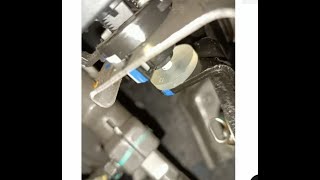
- Deteriorated brake pedal stopper pad (Very Common) — A small plastic or rubber pad on the brake pedal arm disintegrates with age. 🎬 Watch: How to replace a crumbled brake stopper rubber This creates excessive space between the brake light switch and the pedal arm, preventing proper switch engagement. This is an extremely common and often overlooked cause.
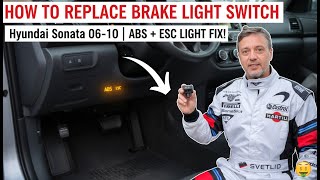
- Faulty or misadjusted brake light switch (Very Common) — On many Hyundai and Kia models, a failing brake light switch is a primary cause. The switch has multiple contacts; one set operates the brake lights correctly while the ABS/ESC communication set fails, sending erratic signals that trigger C1688. 🎬 See this walkthrough for replacing the brake light switch
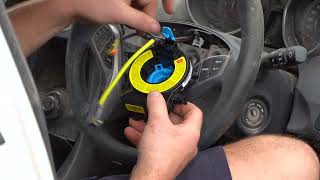
- Faulty Clock Spring / Steering Angle Sensor (Common) — The clock spring contains fragile ribbon cables that break over time, interrupting the signal from the Steering Angle Sensor (SAS) to the MDPS module. This causes the MDPS to send faulty data, triggering C1688.
- Low or unstable battery voltage (Common) — Electronic control modules are highly sensitive to voltage. A weak battery, failing alternator, or poor ground connection causes unpredictable communication errors between modules, triggering C1688.
- Poor connections or damaged wiring (Common) — Corrosion, loose pins, or physical damage to the wiring harnesses between the MDPS module, ABS module, and brake light switch interrupts CAN bus communication and sets this code. Rodent damage is a frequent culprit.
- Failing Motor-Driven Power Steering (MDPS) ECU (Less Common) — The electronic control unit managing the power steering motor fails internally, broadcasting erroneous data over the CAN network.
- Software/Configuration Issues (Rare) — Replacing an MDPS or ABS module requires a specific 'EPS Type Recognition' calibration using a dealer-level scan tool. Skipping this step causes communication errors and sets this code.
- Faulty ABS/ESC control module (HECU) (Rare) — The main computer for the anti-lock brakes and stability control is the least likely component to fail. Rule out all other causes before condemning the HECU.
Symptoms

- ABS and/or Electronic Stability Control (ESC/ESP) warning light on — This is the most common symptom, as the code is set by the brake control module when it receives a bad signal from the steering system.
- Engine won't start (especially push-button start) — A faulty brake switch signal prevents the vehicle from recognizing that the brake pedal is depressed, a required condition for starting the engine. The starter just clicks or does nothing at all.
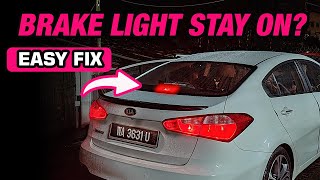
- Brake lights do not work or stay on constantly — This is a direct sign of a failed brake light switch or a crumbled brake pedal stopper pad, which are top causes for C1688.
- Power steering warning light on or heavy/difficult steering — The MDPS system shuts down as a fail-safe measure, resulting in a sudden loss of power assist and making the steering wheel very difficult to turn.
- Cruise control inoperative — The cruise control system relies on the brake switch signal to disengage. If this signal is faulty, the system is disabled and will not activate.
- Engine stalling or 'limp' accelerator — The communication fault causes the engine to hesitate, stall, or feel like the accelerator pedal is unresponsive, often accompanied by multiple dashboard warning lights.
Diagnostic Flowchart
Tap your situation to follow the diagnostic path that matches what you're seeing on this code.
Common Fixes & Costs
- Replace Brake Pedal Stopper Pad — Parts: $5-$15, Labor: $0-$60, ~0.3 hr book time (DIY)
- Replace Brake Light Switch — Parts: $15-$50, Labor: $75-$150, ~0.5 hr book time (DIY)
- Replace Clock Spring — Parts: $80-$400, Labor: $120-$200, ~1.2 hr book time (Intermediate)
- Replace Battery or Alternator — Parts: $150-$500, Labor: $100-$250, ~1.5 hr book time (Intermediate)
- Repair or Replace Wiring/Connectors — Parts: $10-$50, Labor: $150-$400+, ~2.5 hr book time (Professional)
- Replace MDPS Module or Steering Column — Parts: $700-$2,500+, Labor: $200-$500, ~3.0 hr book time (Professional)
DIY vs Professional
- Replace Brake Pedal Stopper Pad 🟢 Beginner
Tools: Flashlight, maybe needle-nose pliers. - Replace Brake Light Switch 🟢 Beginner
Tools: Basic wrench set or pliers to loosen the switch's jam nuts. - Replace Clock Spring 🟢 Beginner
Tools: Socket set, torque wrench, steering wheel puller, trim removal tools, screwdriver set. - Replace Battery or Alternator 🟢 Beginner
Tools: Socket/wrench set. A battery terminal cleaner is recommended. - Repair or Replace Wiring/Connectors 🟢 Beginner
Tools: Professional multimeter, wiring diagrams, wire strippers/crimpers, soldering iron, heat shrink. - Replace MDPS Module or Steering Column 🟢 Beginner
Tools: Extensive tool set, advanced scan tool for calibration ('EPS Type Recognition').
Used vs. New Parts: Buying Guide
When a used part is worth it: For a clock spring, a used OEM part from a low-mileage, late-model vehicle that was scrapped for non-frontal collision reasons (e.g., rear-end damage, engine failure) is a cost-effective option. It is never advisable to buy used for the brake switch or stopper pad, as they are inexpensive new.
Donor-vehicle mileage cap: roughly under 60000 miles for the part to have meaningful remaining life.
Donor quality checklist:
- Verify the donor vehicle's VIN to ensure it wasn't part of the clock spring extended warranty campaign, which implies a high failure rate.
- Match the part number exactly, paying close attention to features like heated steering or specific trim levels, as pin configurations vary.
- Purchase from a reputable salvage yard with a return policy in case the part is dead on arrival.
Decision logic:
- If The part is a brake pedal stopper or brake light switch → Always buy new. The cost savings for a used part are negligible and not worth the risk.
- If The part is a clock spring and the vehicle is covered by Hyundai's 15-year extended warranty → Get it replaced for free at the dealer with a new OEM part.
- If The part is a clock spring, not under warranty, and budget is the primary concern → A used OEM part from a low-mileage donor is preferable to a cheap, no-name aftermarket part due to better initial quality.
- If The part is a clock spring and reliability is the primary concern → Buy a new OEM part. Aftermarket quality is inconsistent.
Warranty tradeoff: Used parts typically come with a 30-90 day warranty, just enough to ensure it works upon installation. Aftermarket new parts often have a 1-year to limited lifetime warranty. New OEM parts carry a 1-year/12,000-mile warranty.
Worst-case if a used part fails: $200 - $400 if a used or cheap aftermarket clock spring fails. This includes the cost of a new part plus the repeated labor to replace it.
What Happens If You Wait — Timeline
- Immediate: Warning lights (ABS/ESC) appear. The vehicle fails to start, or the brake lights are inoperative. A sudden loss of power steering occurs, making the wheel extremely difficult to turn at low speeds. (Added cost: $250 - $10,000+ (Cost of a tow, or cost of an accident).)
- 1-4 Weeks of Ignoring: If the issue is a stuck-on brake light, the battery drains, requiring a jump start or a new battery. Driving with heavy, unassisted steering puts continuous strain on other steering components like the rack and tie rods. (Added cost: $150 - $500 (Cost of a new battery, plus potential added wear on steering gear).)
- 1-3 Months of Ignoring: If the root cause was a minor wiring issue, continued exposure to moisture and vibration causes a complete break. If the cause was a failing clock spring, the driver's airbag is now disabled and will not deploy in a crash. (Added cost: $400 - $800 (The cost of a clock spring replacement that is now mandatory for safety, plus labor).)
- 3+ Months of Ignoring: A persistent communication fault masks a developing internal failure in the MDPS module. Driving with a completely failed MDPS eventually damages the steering rack itself. What started as a $10 stopper pad fix is ignored, and the diagnostic trail is complicated by multiple secondary faults. (Added cost: $1,500 - $3,000+ (Cost of replacing an entire steering column/MDPS module assembly that might have been avoidable).)
Cost of Not Fixing It
- Immediate: No brake lights, creating a severe risk of a rear-end collision. Sudden loss of power steering, potentially causing a loss of control. Inability to start the vehicle, leaving the driver stranded. (Added cost: $0 - $$$$ (Cost of an accident or tow))
- Days to Weeks: Continued stress on related systems. If the brake lights are stuck on, it drains the battery and leads to premature bulb failure. Driving with heavy steering puts extra strain on steering components. (Added cost: $50 - $250 (Cost of a new battery, bulbs, or tow service))
- Months: Ignoring the initial communication error masks a more serious, developing failure within the MDPS module or steering column. What started as a cheap fix evolves into a much more expensive one. (Added cost: $1500 - $3000+ (Cost of replacing a steering column or MDPS module that might have been saved by an earlier, simpler repair))
Diagnosis Steps
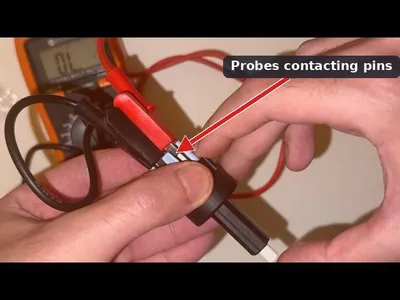
- Inspect Brake Pedal Stopper Pad
Look under the dashboard at the top of the brake pedal arm where it contacts the brake light switch. Check for a small plastic or rubber stopper. This stopper frequently crumbles into pieces, often found on the driver's side floor mat. If missing or broken, the switch cannot function.
Tools: Flashlight (Beginner) - Check Brake Light Function
Have an assistant observe the brake lights as you press and release the brake pedal. If they fail to light up, stay on constantly, or flicker, the brake light switch circuit is the primary failure point.
Tools: An assistant (Beginner) - Scan for All Codes in All Modules
Use a high-quality OBD-II scanner capable of reading codes from all vehicle modules. Codes like C1611, C1612, or C1259 appearing alongside C1688 are crucial diagnostic clues. A basic engine-only code reader misses these important chassis codes.
Tools: Advanced OBD-II Scanner (Intermediate) - [PRO TIP] Test Brake Light Switch Circuits
Disconnect the 4-pin connector from the brake light switch. Use a multimeter in continuity mode. Probe the two larger pins (Circuit 1); you should have continuity ONLY when the pedal is pressed. Probe the two smaller pins (Circuit 2); you should have continuity ONLY when the pedal is released. If either test fails, replace the switch.
Tools: Multimeter, Alligator clips (optional) (Advanced) - Test Battery and Charging System
Use a multimeter to test the battery. A healthy battery reads approximately 12.6V with the engine off and 13.7-14.7V with the engine running. Low or fluctuating voltage from a bad battery or failing alternator causes module communication errors.
Tools: Multimeter (Intermediate) - Check Fuses
Inspect all fuses related to the 'Stop Lamp,' 'ESC,' 'ABS,' and 'MDPS' systems in both the interior and engine bay fuse boxes. A single blown fuse disables a module and causes this communication code.
Tools: Fuse puller or needle-nose pliers (Beginner) - Analyze Torque Sensor Live Data
Using an advanced scan tool, access the live data stream for the MDPS module. Monitor the 'Torque Sensor Main' and 'Torque Sensor Sub' voltage readings while slowly turning the steering wheel lock to lock. Jumpy, erratic, or non-responsive readings indicate a failing torque sensor or clock spring.
Tools: Advanced OBD-II Scanner (Advanced) - Inspect Connectors and Wiring
Visually inspect the wiring harnesses and connectors at the brake light switch, MDPS module, and ABS module. Look for green/white corrosion, bent pins, or signs of rodent damage.
Tools: Flashlight (Intermediate) - Perform CAN Bus Resistance Check
Disconnect the negative battery terminal. At the diagnostic port (DLC), measure resistance between Pin 6 (CAN High) and Pin 14 (CAN Low). A healthy CAN bus reads approximately 60 Ohms. A reading of 120 Ohms indicates a broken circuit or missing terminating resistor.
Tools: Multimeter (Advanced)
When This Code Triggers (Freeze-Frame Conditions)
- Vehicle Speed: 0 mph (The code often sets at startup as modules perform their initial handshake and self-tests.)
- Battery Voltage: 10.5-11.8V (Often triggers during or immediately after engine cranking, when voltage is at its lowest.)
- Steering Angle: N/A (The fault is not typically related to turning, but rather a constant communication failure or a failure during the initial module 'check-in'.)
- System Status: Fail-Safe Activated (The MDPS or ABS/ESC system immediately enters a fail-safe mode, disabling power steering assist or stability control.)
Related Codes
- C1611 — CAN Timeout Error. C1611 means the ABS module received NO signal from the MDPS. C1688 means a signal was received, but it was corrupt. C1611 points more strongly to a complete wiring break, blown fuse, or total power failure at the MDPS module.
- C1612 — Brake Switch Signal Error. This code is a direct confirmation of a brake switch circuit fault. If you have C1612 with C1688, the brake switch or its stopper pad is almost certainly the cause.
- C1259 — Steering Angle Sensor (SAS) Signal Error. The SAS tells the MDPS the steering wheel's position. A C1259 code indicates a problem with the SAS signal. If both C1259 and C1688 are present, the clock spring/SAS assembly is the primary suspect.
- C1622 — Vehicle Speed Signal Error. This is another CAN communication code indicating the MDPS module is not receiving a valid vehicle speed signal. It appears with C1688 and points to a broader network communication problem.
Climate & Environmental Factors
- Cold Weather: Extremely cold temperatures make plastic and rubber components brittle and susceptible to shattering. This significantly increases the failure rate of the brake pedal stopper pad, a primary cause of code C1688, as the aged plastic cannot handle the stress of repeated pedal presses in the cold.
- High Humidity / Salt: In regions with high humidity or heavy road salt use, corrosion on wiring connectors and ground points is more common. This degrades the CAN bus signal between the MDPS and ABS modules, leading to communication errors like C1688.
How to Clear the Code After You Fix It
- Fix the underlying hardware fault (e.g., replace brake switch or stopper).
- Reconnect the battery if it was disconnected for the repair.
- Use an OBD-II scan tool to erase the code from the ABS/ESC module.
- Start the vehicle and check if the warning lights immediately return. If they do, the fault is still present.
Drive cycle (~20 minutes): A specific, complex drive cycle is not required for a 'C' code like C1688. After clearing the code, a simple 15-20 minute drive involving a mix of city and highway speeds is sufficient for the modules to re-verify communication. The key steps are: 1) Cold start and idle for 2-3 minutes. 2) Drive in stop-and-go traffic. 3) Drive at a steady highway speed (55+ mph) for 5-10 minutes.
Readiness monitors affected: This is a chassis (C) code and does not directly affect emissions-related readiness monitors like the Catalyst or O2 sensor monitors.
Watch out for:
- Using a basic engine-only code reader that cannot access or clear codes from the ABS/ESC module.
- Simply clearing the code without fixing the root cause (e.g., the broken stopper pad), which causes the code to return immediately.
- Not adjusting the new brake light switch correctly, causing the fault to persist.
Will This Fail Emissions / State Inspection?
No — by itself this code doesn't fail OBD inspection (but it can keep readiness monitors from setting, which causes a separate fail).
- California: A chassis code like C1688 will not, by itself, fail the OBD-II portion of the smog check. However, if the ABS or ESC warning light is illuminated on the dashboard, the vehicle fails the visual/functional portion of the inspection. The check engine light is the primary focus for emissions.
- New York: An illuminated ABS warning light is grounds for failing the state safety inspection. Current law requires the ABS system to be fully functional.
- Texas: C1688 does not cause an emissions failure. However, until 2025, Texas requires a safety inspection that checks brake system warning lights, and an illuminated ABS light causes a failure. After 2025, this safety inspection is eliminated for non-commercial vehicles.
Most Commonly Affected Vehicles
- Hyundai Elantra (2011-2016) — Extremely common on these models. Often related to the brake switch, stopper pad, or clock spring. Covered under a 15-year/unlimited mileage clock spring warranty extension (Campaign TXXA).
- Hyundai Sonata (2011-2015) — Shares the same platform and failure points as the Elantra. Be aware that different trim levels use clock springs with different pin configurations. Also covered by the 15-year clock spring warranty extension (Campaign TXXA).
- Kia Optima (2011-2015) — The sister car to the Hyundai Sonata, it experiences identical failures with the brake switch, stopper pad, and C1688 code. Subject to brake light switch recall NHTSA 13V114000.
- Kia Forte (2010-2018) — Frequently presents with C1688 and a no-start condition. Check the simple brake pedal stopper and switch first. Some cases trace to a blown main fuse at the positive battery terminal.
- Hyundai Accent (2010-2012) — Service manuals for the 2011-2012 models specifically define C1688 as a 'VSM2 message' error, set if the signal checksum fails or the message stops updating for 0.1 seconds.
- Hyundai Veloster (2012-2017) — The HECU in these models is programmed to set C1688 if an abnormal message is received from the EPS system. Covered by a 15-year clock spring warranty extension (Campaign TXXJ).
- Hyundai i30 / Elantra GT (2013-2017) — The integrated Vehicle Stability Management (VSM) system makes these models sensitive to MDPS signal errors. Covered by a 15-year clock spring warranty extension (Campaign TXXJ).
- Kia Sorento (2009-2013) — These vehicles were subject to recalls for faulty brake light switches, a primary trigger for code C1688. The brake pedal stopper pad is also a frequent failure point.
Manufacturer-Specific Notes
- Hyundai / Kia: These brands had a major recall for faulty brake light switches (NHTSA Campaign 13V114000) that directly causes the symptoms of C1688, including ESC lights, no-start conditions, and inoperative brake lights. The campaign affected over 1.6 million vehicles.
- Hyundai / Kia: The brake pedal stopper pad, a tiny piece of plastic (OEM P/N 32876-36000), is a massive point of failure. Its disintegration is so common that experienced technicians check the floor mat for blue or white plastic debris before even scanning for codes.
- Hyundai / Kia: Hyundai has issued several Technical Service Bulletins (TSBs) creating extended warranties for the clock spring assembly to 15 years / unlimited miles. Key campaigns are TXXA (Sonata, Elantra) and TXXJ (Veloster, Azera, Elantra GT).
- Hyundai / Kia: After replacing the MDPS motor or ECU, a scan tool procedure called 'EPS Type Recognition' must be performed. This calibrates the new part to the vehicle. Skipping this step causes the new parts to function incorrectly and triggers communication codes.
Real Owner Stories
2013 Kia Optima with multiple codes (C1688, C1611, C1612)
ABS/ESC and power steering warning lights on. Autozone scan suggested replacing the entire ABS module.
What they tried:
- Initial scan at an auto parts store pointed to a costly ABS module failure.
Outcome: Further research and forum posts indicated the combination of codes strongly pointed to the brake light switch. The owner replaced the brake light switch, which resolved all codes and symptoms.
Lesson: Don't automatically trust the first diagnosis, especially from a parts store scan. The combination of C1688 with C1612 (Brake Switch Error) is a massive clue that the problem is the inexpensive switch, not a multi-thousand dollar module.
2012 Hyundai Elantra with C1688 and a no-start condition
Car would not crank, just a rapid clicking noise. The only OBD code present was C1688. Battery tested at 12.4V but wouldn't start even after being jumped.
What they tried:
- Jump-starting the vehicle.
- Testing battery voltage.
Outcome: The root cause was a faulty brake light switch. The car's computer was not receiving the signal that the brake pedal was depressed, which is a requirement for the push-button start to engage. Replacing the brake switch fixed the no-start issue and cleared the C1688 code.
Lesson: On vehicles with push-button start, a C1688 code accompanied by a no-start/clicking condition is very likely caused by the brake light switch circuit, not the starter or battery.
2015 Kia Forte with C1688 and intermittent no-start
Car would not start and only made a clicking sound. A new battery was installed, but the problem persisted. The only code was C1688.
What they tried:
- Replacing the battery.
Outcome: After further diagnosis, the owner discovered a blown main fuse located on the positive battery terminal. Replacing this large fuse resolved the no-start condition and the C1688 code.
Lesson: Before diving into complex wiring or module replacement, always check all related fuses, including the main fuses at the battery terminal. A simple blown fuse causes communication errors between modules, leading to codes like C1688.
2015 Hyundai Elantra SE with stalling and limp accelerator
While driving, the car randomly stalled, the accelerator pedal became unresponsive, and the oil, engine, and battery lights illuminated. The only code found was C1688.
What they tried:
- Scanning the codes at an auto parts store.
Outcome: Forum discussions and further diagnostics pointed towards a failing alternator. The unstable voltage from the bad alternator caused communication glitches between the various control modules, leading to the C1688 code and stalling symptoms. Replacing the alternator fixed the issue.
Lesson: Severe drivability issues like stalling and a 'limp' pedal, when paired with C1688, point to a failing alternator or severe voltage supply problem, not necessarily a fault in the steering or brake systems themselves.
How to Prevent This Code From Triggering
- Periodically inspect the brake pedal stopper pad (Every 2 years or 30,000 miles) — This small plastic part is a known high-failure item. Visual inspection for cracks or brittleness prevents a sudden failure that leaves you stranded or with no brake lights. It costs less than $10 to replace preemptively.
- Apply dielectric grease to key connectors (When replacing a related part or if working in the area) — Applying a thin layer of dielectric grease to the pins of the brake light switch connector, clock spring connector, and MDPS module connector seals out moisture and prevents the corrosion that causes intermittent signal errors.
- Avoid turning the steering wheel when the car is off (Daily habit) — Repeatedly turning the steering wheel lock-to-lock without the engine running puts extra mechanical stress on the clock spring's internal ribbon cable, accelerating wear and tear.
- Ensure proper brake light switch adjustment after replacement (During repair) — An improperly adjusted switch is either constantly engaged or not engaged enough, leading to premature failure or persistent codes. Ensure there is no gap and the plunger is correctly depressed when the pedal is at rest.
- Maintain a healthy battery and clean terminals (Annually) — Low voltage or poor connections from corroded battery terminals causes unpredictable communication errors across the CAN bus. Cleaning terminals and ensuring the battery holds a proper charge prevents these electrical gremlins.
Frequently Asked Questions
Can I fix code C1688 myself?
Yes, if the cause is a broken brake pedal stopper pad or a faulty brake light switch. These are very common, inexpensive, and require basic tools. If the issue is a clock spring, wiring, or a control module, professional diagnosis and repair are recommended.
Why won't my push-button start car start with code C1688?
For safety, the car's computer requires a signal from the brake switch to confirm the brake pedal is pressed before allowing the engine to start. If the switch is bad or the stopper pad is broken, the computer never gets this signal and blocks the starting sequence.
I replaced the brake switch, but the C1688 code came back. What's next?
First, double-check that the brake pedal stopper pad is intact; a new switch is useless without it. Second, ensure the new switch is adjusted correctly. If those are good, the next steps are to inspect the wiring and connector to the switch, then investigate the clock spring, before suspecting an expensive module.
My brake lights work, so can it still be the brake switch?
Absolutely. Modern brake light switches use dual circuits, meaning one controls the lights while the other signals the ABS/ESC computers. One circuit frequently fails while the other continues working perfectly.
Can I just clear the C1688 code to fix it?
No. Clearing the code turns the warning lights off temporarily, but they return as soon as the control module runs its self-test and detects the same signal error. The underlying hardware or wiring fault must be repaired.
What happens when a clock spring goes bad?
A failing clock spring breaks the electrical connections to the steering wheel components. Symptoms include an airbag warning light, a dead horn, failing steering wheel buttons, and an erratic signal from the Steering Angle Sensor.
Can a bad battery cause code C1688?
Yes. Low or unstable voltage from a dying battery or a faulty alternator causes widespread, unpredictable communication errors between the various electronic modules in your car. It is common for C1688 to appear after the battery has died or been jump-started.
My mechanic wants to replace the steering column. Is that necessary?
It should be an absolute last resort. Code C1688 is most often caused by a simple, cheap part like the brake switch or stopper pad. Always insist on diagnosing the simple causes first before authorizing a very expensive steering column or ABS module replacement.
Key Takeaways
- Code C1688 triggers almost exclusively on Hyundai and Kia vehicles when the Anti-lock Brake System (ABS) receives corrupt data from the power steering module.
- Check the driver's floor mat for broken plastic pieces first; a shattered $10 brake pedal stopper pad causes over 50% of C1688 codes.
- Expect secondary symptoms like a dead push-button start, disabled cruise control, or heavy steering alongside the illuminated ABS/ESC warning lights.
- Never replace the $1,500 MDPS module or steering column without first testing the $30 brake light switch and its dual-circuit functionality.
- Stop driving the vehicle immediately, as the underlying brake switch failure prevents your brake lights from illuminating and risks a rear-end collision.
Helpful Videos
Shop the Parts Behind C1688
Below are the parts most often responsible for code C1688, ranked by how frequently each one is the actual culprit (per the diagnosis above). Tap any to see what we have for your vehicle.



The information in this article is provided for general reference and educational purposes only. Vehicle specifications, procedures, and part compatibility can vary by production date, trim level, and region. Always consult your vehicle's factory service manual and verify part numbers before purchasing or performing repairs. Safety-critical components such as airbags, seat belts, and braking systems should be installed by a qualified professional.
- 🧭 Diagnostic Flowchart
- 🎬 Helpful Videos
- 🛍️ Shop This Part
- What Does C1688 Mean?
- Can I Drive With C1688?
- Common Causes
- Symptoms
- Common Fixes & Costs
- DIY vs Professional
- Used vs. New Parts: Buying Guide
- What Happens If You Wait — Timeline
- Cost of Not Fixing It
- Diagnosis Steps
- When This Code Triggers (Freeze-Frame Conditions)
- Related Codes
- Climate & Environmental Factors
- How to Clear the Code After You Fix It
- Will This Fail Emissions / State Inspection?
- Most Commonly Affected Vehicles
- Manufacturer-Specific Notes
- Real Owner Stories
- 2013 Kia Optima with multiple codes (C1688, C1611, C1612)
- 2012 Hyundai Elantra with C1688 and a no-start condition
- 2015 Kia Forte with C1688 and intermittent no-start
- 2015 Hyundai Elantra SE with stalling and limp accelerator
- How to Prevent This Code From Triggering
- Frequently Asked Questions
- Can I fix code C1688 myself?
- Why won't my push-button start car start with code C1688?
- I replaced the brake switch, but the C1688 code came back. What's next?
- My brake lights work, so can it still be the brake switch?
- Can I just clear the C1688 code to fix it?
- What happens when a clock spring goes bad?
- Can a bad battery cause code C1688?
- My mechanic wants to replace the steering column. Is that necessary?
- Key Takeaways
- 🎟️ Get 5% Off