

OBD-II Code C1706: Manufacturer-Specific Chassis Fault
What C1706 means, why it triggers, and how to fix it
- Verify your vehicle's specific C1706 definition before replacing parts, as it means a suspension fault on Fords but a TPMS or CVT fault on Nissans.
- Inspect the left rear ride height sensor and its 3-wire connector for corrosion, which causes 80% of C1706 air suspension faults on Lincoln, Cadillac, and Land Rover vehicles.
- Test Infiniti Q50/Q60 right rear tires for a leaking valve stem seal per TSB ITB20-003 before spending $150 on a new TPMS sensor.
- Perform a mandatory ride height calibration using a bidirectional scan tool like FORScan after replacing any suspension sensor on a Ford or Lincoln to clear the code permanently.
What Does C1706 Mean?
C1706 is a manufacturer-specific code with entirely different definitions based on your vehicle's make. On air suspension vehicles (Lincoln, Land Rover), it indicates a Left Rear Height Sensor failure. On Fords, it flags a parking sensor fault. On Nissan/Infiniti, it warns of low right-rear tire pressure, a CVT transmission failure, or an airbag fault. You must identify your car's exact definition before diagnosing.
Technical definition: Because C1706 is not a standardized SAE code, its definition varies by manufacturer. The most common interpretations are: * **General/Air Suspension:** Left Rear Height Sensor Circuit Failure * **Ford/Lincoln:** Left Rear Outer Parking Aid Sensor Circuit Failure * **Nissan/Infiniti (TPMS):** Low Tire Pressure - Right Rear Tire * **Nissan (CVT):** CVT Step Motor Circuit Malfunction (for RE0F06A transmissions) * **Infiniti (SRS):** Safing G-Sensor (Front Air Bag) Fault * **Hyundai:** A Vehicle Body Distortion
Can I Drive With C1706?
Yes, But With Caution. You can drive short distances, but long trips risk secondary damage. Air suspension faults cause premature tire wear and overwork the compressor, leading to a $1,500 repair. TPMS faults indicate dangerously low tire pressure, increasing blowout risk. Nissan CVT faults risk stranding you or destroying the transmission.
Common Causes
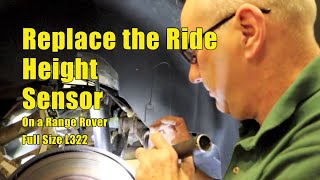
- Failed Left Rear Ride Height Sensor (Very Common) — This is the most frequent cause on vehicles with air suspension. The sensor fails internally from age, moisture, or physical damage, sending incorrect voltage data to the suspension module. 🎬 Watch: Step-by-step guide to replacing a failed height sensor.
- Corroded or Damaged Wiring/Connector (Common) — Chassis-mounted sensors are exposed to water, salt, and road debris. This causes electrical connector pins to corrode, wires to chafe, or ground connections to loosen, interrupting the signal.
- Broken or Seized Sensor Linkage Arm (Common) — The sensor connects to the suspension control arm via a small plastic or metal linkage. This arm becomes brittle and snaps, or its joints seize, preventing the sensor from moving with the suspension.
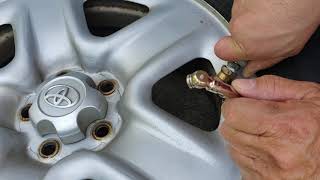
- Leaking TPMS Valve Stem Seal (Nissan/Infiniti) (Common) — A frequent cause on specific Infiniti and Nissan models is a slow air leak from the TPMS sensor's valve stem seal. TSB ITB20-003 notes the grommet fails and causes a slow leak, triggering a pressure code without a tire puncture. 🎬 See how to fix a leaking TPMS valve stem seal.
- CVT Step Motor Failure (Nissan-Specific) (Common) — On older Nissan models with the RE0F06A CVT, C1706 points directly to a failed step motor inside the transmission, causing erratic shifting, jerking, or limp mode.
- Suspension Control Module Fault (Less Common) — The main computer controlling the air suspension fails internally. It stops processing the signal from the height sensor correctly, setting a C1706 code even if the sensor and wiring are perfect.
Symptoms
- Uneven Ride Height or Sagging — The vehicle leans to one side or sags heavily at the left rear corner when parked or driving. 🎬 Watch: How to swap out a rear ride height sensor.
- Suspension Warning Light is On — The dashboard displays a 'Check Suspension' or 'Chassis Fault' warning light.
- TPMS Warning Light is On — For Nissan/Infiniti, a solid TPMS light indicates low pressure, while a flashing light indicates a system malfunction like a dead sensor battery.
- Air Compressor Runs Constantly — The suspension's air compressor runs continuously as it tries and fails to adjust the vehicle's height based on a bad sensor reading.
- Erratic Shifting or Limp Mode (Nissan CVT) — If the code flags a CVT step motor, the transmission experiences delayed shifts, jerking, or enters a 'limp mode' with severely reduced power.
- Harsh or Bouncy Ride — When the control module loses the height sensor signal, it defaults to a stiff, harsh ride setting as a safety measure.
Diagnostic Flowchart
Tap your situation to follow the diagnostic path that matches what you're seeing on this code.
Common Fixes & Costs
- Replace Left Rear Ride Height Sensor — Parts: $60-$250, Labor: $125-$225, ~1.0 hr book time (Intermediate)
- Repair Damaged Wiring or Connector — Parts: $10-$40, Labor: $150-$350, ~2.0 hr book time (Intermediate)
- Replace Broken Sensor Linkage — Parts: $20-$50, Labor: $50-$100, ~0.5 hr book time (DIY)
- Replace TPMS Valve Stem Seal and Nut (Infiniti-Specific) — Parts: $5-$20, Labor: $80-$160, ~1.2 hr book time (Intermediate)
- Replace TPMS Sensor — Parts: $50-$110, Labor: $50-$120, ~1.0 hr book time (Intermediate)
- Replace Parking Aid Sensor (Ford-Specific) — Parts: $40-$160, Labor: $100-$180, ~1.5 hr book time (DIY)
- Replace CVT Step Motor (Nissan-Specific) — Parts: $30-$70, Labor: $450-$900, ~6.0 hr book time (Professional)
Used vs. New Parts: Buying Guide
When a used part is worth it: For ride height or parking sensors, a used OEM part from a low-mileage, non-accident vehicle is a budget-friendly option for older cars. It is better than a cheap, unbranded aftermarket part.
Donor-vehicle mileage cap: roughly under 80000 miles for the part to have meaningful remaining life.
Donor quality checklist:
- Verify the part number is an exact match.
- Inspect the connector for any signs of corrosion or physical damage.
- Prefer donors from dry climates to avoid parts weakened by rust.
- Ensure the seller offers at least a 30-day functional warranty.
Decision logic:
- If The part is a simple electronic sensor (ride height, parking) and the vehicle is over 10 years old. → A tested, used OEM part is an acceptable risk to save money.
- If The part is internal to the transmission (like a CVT step motor). → Always buy new. The labor cost is too high to risk a used part failing.
- If The cost of a new, reputable aftermarket part is less than 50% more than a used part. → Buy the new part for its longer warranty and guaranteed compatibility.
Warranty tradeoff: Used parts from salvage yards come with a 30-90 day warranty. New aftermarket parts offer a 1-year to limited lifetime warranty. New OEM parts carry a 1-2 year warranty.
Worst-case if a used part fails: $200-$500 if a used sensor fails after installation, requiring you to pay for the replacement part and labor a second time.
What Happens If You Wait — Timeline
- Stage ?:
- Stage ?:
- Stage ?:
Cost of Not Fixing It
- 0-1 month: For suspension faults: uneven tire wear and poor handling. For TPMS faults: reduced fuel economy and risk of a flat tire. For CVT faults: erratic shifting. (Added cost: $50-$300 (for a prematurely worn tire))
- 1-6 months: For suspension faults: the air suspension compressor burns out from constantly trying to correct the height. For TPMS faults: high risk of a dangerous tire blowout at speed. (Added cost: $1300-$1500 (for air compressor replacement))
- 6+ months: For suspension faults: cascading failure of air springs and struts. For CVT faults: catastrophic internal transmission damage requiring a complete rebuild. (Added cost: $2000-$7000+ (for complete air suspension or transmission replacement))
Diagnosis Steps
- Verify Code Definition
Use a vehicle-specific service manual to confirm what C1706 means for your exact year, make, and model. Misinterpretation is the most common diagnostic error. On an Infiniti G37, it means low pressure in the right rear tire, not a suspension issue.
Tools: OBD-II Scanner, Service Manual (Beginner) - Check for a TSB (Technical Service Bulletin)
Search online for a TSB related to your vehicle's make, model, and the C1706 code. Manufacturers release bulletins for known issues, such as Infiniti's TSB ITB20-003 for a leaking TPMS sensor seal.
Tools: Internet Access (Beginner) - Visual Inspection
Safely raise the vehicle and locate the relevant component (left rear height sensor, parking sensor, or TPMS sensor). Look for a broken linkage arm, disconnected connector, chafed wiring, or physical damage.
Tools: Jack, Jack Stands, Flashlight (Beginner) - Inspect the Electrical Connector
Disconnect the sensor's electrical connector. Inspect for green or white corrosion on the pins. Clean any corrosion with electrical contact cleaner and a small brush, apply dielectric grease, and reconnect.
Tools: Electrical Contact Cleaner, Dielectric Grease, Small Brush (Intermediate) - Scan Live Data (Ride Height)
Use an advanced OBD-II scanner to view live data PIDs for all ride height sensors. While a helper gently bounces the left rear corner, watch the voltage value. It should change smoothly. If it is stuck at 0.0V or 5.0V, the sensor or circuit is bad.
Tools: Advanced OBD-II Scan Tool (Intermediate) - Scan Live Data (TPMS)
For a TPMS fault on a Nissan/Infiniti, view the BCM live data. Check the reported pressure for all four tires. The tire associated with C1706 will show a pressure reading significantly lower than the others. Confirm with a manual gauge.
Tools: Advanced OBD-II Scan Tool, Tire Pressure Gauge (Intermediate) - Test the Sensor Circuit (Voltage Check)
For a 3-wire height sensor, disconnect the connector with the key on. Use a multimeter to verify a 5-volt reference on one pin and a good ground (less than 0.1 volts) on another. If either is missing, the problem is the wiring or control module.
Tools: Multimeter (Advanced) - Perform a Sensor Signal Sweep Test
Reconnect the sensor. Back-probe the signal wire with a multimeter set to DC volts. Slowly move the suspension arm up and down through its full range. The signal voltage must sweep smoothly (typically 0.5V to 4.5V). Sudden drops indicate a dead spot in the sensor.
Tools: Multimeter, Back-probe Kit (Advanced) - Test the Sensor's Resistance (CVT Step Motor)
For a Nissan CVT C1706, unplug the step motor connector at the transmission. Use a multimeter to measure resistance between the motor's coil pins. A known good motor for a JF011E/RE0F10A transmission reads approximately 15 ohms per coil.
Tools: Multimeter (Advanced)
When This Code Triggers (Freeze-Frame Conditions)
- System Voltage: 11.8-14.5V (Normal operating voltage. The code sets during startup self-test or while driving.)
- Vehicle Speed: 0-70 mph (Fault is detected when stationary (shorted sensor) or during driving when the system expects a signal change.)
- Height Sensor Voltage (for suspension faults): 0.0V or 5.0V (A stuck reading at the minimum or maximum voltage confirms an open or short in the sensor circuit.)
- Tire Pressure Reading (for TPMS faults): < 25% of Recommended PSI (The code sets when the sensor reports a pressure reading significantly below the manufacturer's specification.)
Related Codes
- C1707 — Indicates a fault with the Right Rear Height Sensor or the Left Rear TPMS sensor. Seeing both C1706 and C1707 together indicates a systemic issue like a bad ground or failing control module.
- C1725 — Means 'Air Suspension Front Pneumatic Failure'. It appears with C1706 if the system is trying to compensate for the rear fault by adjusting the front air springs.
- C1704 / C1705 / C1707 (Nissan/Infiniti) — Corresponding TPMS codes for the other tires. Multiple codes suggest widespread low pressure from cold weather or a central TPMS receiver issue.
- P1706 (Nissan) — A powertrain code indicating a fault with the Park/Neutral Position switch. It causes no-start conditions and is often confused with C1706 by cheap code readers.
Climate & Environmental Factors
- Cold Weather: Cold temperatures freeze moisture in air suspension lines, causing blockages. For TPMS, cold causes air to contract, lowering pressure by 1 PSI for every 10°F drop, triggering a low-pressure warning.
- High Humidity & Road Salt: Regions with heavy road salt use experience higher failure rates for chassis-mounted components. Salt accelerates corrosion on the electrical connectors of ride height sensors, leading to circuit failures.
How to Talk to a Mechanic About This Code
Say this: "I have a C1706 chassis code. My research shows this is manufacturer-specific. For my [Your Vehicle Make/Model], I believe it relates to the [air suspension/TPMS/CVT]. I'd like to schedule a diagnostic to confirm the cause. Can you please check the [sensor circuit/tire for leaks/TSB] before recommending a major component replacement?"
This signals you are an informed customer. It directs the technician to the likely system, mentions the code's ambiguity, and requests specific diagnostic steps, preventing them from simply replacing the most expensive part.
Avoid saying:
- 'My suspension light is on, can you fix it?'
- 'Just fix whatever the code says.'
- 'My car is sagging, I probably need a new compressor.'
Questions to ask before authorizing the repair:
- What does C1706 mean for my specific VIN?
- Did you test the sensor's wiring for power, ground, and signal before condemning the sensor?
- For a TPMS code, did you find a tire leak or is the sensor itself faulty?
- For a Ford/Lincoln, does this repair require a ride height calibration, and is that included in the quote?
- For a Nissan CVT code, what tests did you perform to confirm the step motor is the point of failure?
Where to Take It: Dealer vs Independent vs Chain
- Dealer:
Recommended for Nissan CVT faults and mandatory post-repair calibrations on Ford/Lincoln vehicles if you lack access to FORScan.
Best for: Vehicles under warranty., Complex manufacturer-specific issues like a Nissan CVT fault or a Ford ride height calibration., Recalls and known TSBs (like the Infiniti TPMS seal).
Downsides: Highest labor rates and parts costs., May recommend replacing a whole assembly when a smaller component or wiring repair would suffice. (Typical cost: +40% vs. baseline) - Independent Shop:
Best fit for most common C1706 issues (suspension sensor, wiring, TPMS leak) on out-of-warranty vehicles.
Best for: Out-of-warranty vehicles with common C1706 causes, like a ride height sensor or parking sensor replacement., Diagnosing and repairing wiring or connector issues., Owners seeking a better price and personalized service.
Downsides: Quality and expertise vary greatly; choose a shop with good reviews and ASE certifications., May lack specialized tools for certain calibrations or access to the latest TSBs. (Typical cost: +0% vs. baseline) - Chain Shop:
AVOID for initial diagnosis. Acceptable only for a simple tire repair after the C1706 cause has been properly identified elsewhere.
Best for: Simple tasks like tire patching or replacement if the C1706 code is confirmed to be from a simple puncture.
Downsides: Technician skill varies dramatically., Lack the advanced diagnostic tools to read chassis modules or perform calibrations., High pressure to upsell; may misdiagnose the complex C1706 as something simple they can sell. (Typical cost: -10% vs. baseline)
When to Walk Away From the Repair
If the estimated repair cost exceeds 50% of the car's private-party value, seriously consider selling or trading it in instead of repairing it.
- Car worth $5000, fix is $800: Fix it. This is a reasonable cost for a common C1706 repair like a ride height sensor or CVT step motor.
- Car worth $4000, fix is $2500: Walk away. The repair cost is over 60% of the vehicle's value. This indicates a failed air compressor and sensor.
- Car worth $6000, fix is $5500: Walk away. A repair this expensive is likely a full transmission replacement, which is not economical.
What Scan Tool You Need for This Code
Minimum: A scanner that reads manufacturer-specific Chassis ('C') codes and views live data from the Body Control Module (BCM) or Suspension Control Module (VDM).
A basic $20 code reader only reads Powertrain ('P') codes and will not see the C1706 code at all. You need a tool that accesses the specific computer module where this fault is stored.
Budget: BlueDriver Pro Scan Tool (~$100) — Connects to a smartphone app and reads manufacturer-specific chassis codes. It displays live data for TPMS pressure and ride height sensor voltage.
Mid-range: Foxwell NT510 Elite / Autel MaxiCOM MK808 (~$150-400) — Offers bidirectional controls to test components. Crucially, they perform special functions like TPMS relearn procedures.
Professional: Innova 5610 / XTOOL D7 (~$350-500) — Professional-grade bidirectional tools offering advanced functions like ECU coding and actuator tests. For Ford/Lincoln owners, a laptop with FORScan software and an OBDLink EX adapter is a powerful alternative for ride height calibration.
Rent vs buy: Auto parts stores rent basic code readers that will NOT work for this code. If you plan to do your own diagnosis, you must buy a scanner with the ability to read chassis codes and live data.
How to Clear the Code After You Fix It
- Perform repair (replace sensor, fix wiring, or inflate tire).
- For Ford/Lincoln air suspension, perform Ride Height Calibration with a compatible scan tool.
- Use an OBD-II scan tool to clear the code from the Chassis or Body Control Module.
Drive cycle (~20 minutes): For a TPMS-related code on a Nissan, drive the vehicle for 10 minutes at speeds above 50 MPH to allow the system to reset. For suspension faults, a 20-minute drive with varied speeds confirms the repair.
Readiness monitors affected: None
Watch out for:
- Clearing the code without fixing the root cause results in the code returning immediately.
- Forgetting to perform the mandatory ride height calibration on Ford/Lincoln vehicles.
- Assuming a TPMS code means a bad sensor without checking for a slow tire leak first.
Will This Fail Emissions / State Inspection?
Yes — this code typically fails an OBD-II emissions inspection.
- California: An illuminated warning light (Check Engine, ABS, Airbag, or Suspension) causes an automatic failure of the smog inspection.
- New York: The NYS inspection includes a check for illuminated malfunction indicator lamps related to safety systems. A chassis fault light results in a failure.
- Texas: A vehicle fails in counties requiring emissions testing if the TPMS light is on. A visible suspension defect, such as severe sagging, attracts law enforcement attention.
Most Commonly Affected Vehicles
- Lincoln Navigator (2003-2017) — Very common for air suspension height sensor failures. The 2003-2006 models are particularly known for corrosion on the sensor connector.
- Ford Expedition (2003-2017) — Shares the same air suspension system as the Lincoln Navigator. On models with parking assist, this code often points to the left rear outer parking aid sensor.
- Land Rover Range Rover (L322) (2002-2012) — Well-known for air suspension faults, with height sensor failures being a primary cause. The wiring harness in the wheel well is a common chafe point.
- Infiniti Q50 / Q60 (2016-2020) — Consistently points to a low pressure issue in the right rear tire, often caused by a leaking TPMS sensor seal as noted in TSB ITB20-003.
- Nissan Frontier / Altima / Murano / Pathfinder (2003-2017) — On the Frontier, it is a TPMS code for the right rear tire. On older Altimas and Muranos with the RE0F06A/JF011E transmission, it indicates a CVT step motor failure.
- Cadillac Escalade / DTS (2002-2014) — Equipped with air or magnetic ride suspension, these models log C1706 for a left rear height sensor circuit failure. The plastic linkage arm is a frequent failure point.
- Hyundai Various (2010-2024) — Hyundai uses a unique definition: 'A Vehicle Body Distortion'. This indicates a fault detected by the chassis control or occupant classification system.
- Nissan Primera / Bluebird / Avenir (1996-2006) — On models equipped with the RE0F06A CVT transmission, C1706 specifically indicates a CVT Step Motor Circuit Malfunction.
Manufacturer-Specific Notes
- Ford / Lincoln: C1706 specifically refers to a fault in the 'Left Rear Outer Parking Aid Sensor' circuit on many trucks. After replacing a ride height sensor, a 'Ride Height Calibration' using FORScan is mandatory.
- Nissan / Infiniti: Most commonly indicates 'Low Tire Pressure - Right Rear Tire'. A known issue covered by TSB ITB20-003 is a leaking TPMS valve stem seal causing this code on Q50/Q60 models.
- Land Rover / Jaguar: Almost always points to an air suspension height sensor issue. The system lowers the vehicle to the bump stops as a safety precaution when this code is active.
- Hyundai: Uses a unique definition for C1706: 'A Vehicle Body Distortion'. This relates to a chassis or body control module fault triggered by the CAN bus network.
Real Owner Stories
2017 Infiniti Q60 with recurring C1706
The TPMS light for the right rear tire illuminated every few days. Adding air fixed it temporarily.
What they tried:
- Initially suspected a faulty TPMS sensor and considered replacing it.
- Took the car to the dealer after finding a Technical Service Bulletin online.
Outcome: The dealer confirmed a leaking TPMS valve stem seal per TSB ITB20-003. They replaced the seal and nut for $100, permanently clearing the code.
Lesson: On Infiniti Q50/Q60 models, investigate a slow leak per TSB ITB20-003 before spending money on a new TPMS sensor.
2005 Lincoln Navigator with rear suspension sag
The rear left corner sagged significantly, the 'Check Suspension' light was on, and the air compressor ran constantly.
What they tried:
- The owner replaced the left rear ride height sensor.
- The code and sagging returned immediately after replacement.
Outcome: The owner found the electrical connector pins were heavily corroded with green residue. Cleaning the connector with contact cleaner and applying dielectric grease solved the problem using the original sensor.
Lesson: Always inspect and clean the electrical connector before replacing the sensor. Corrosion mimics the symptoms of a completely failed part.
Nissan Murano with CVT limp mode and C1706
The vehicle jerked during acceleration and occasionally entered 'limp mode' with reduced power.
What they tried:
- A general mechanic thought it was a chassis issue and wasted time inspecting the suspension.
- A transmission specialist correctly identified the code as 'CVT Step Motor Malfunction'.
Outcome: The specialist confirmed the step motor was faulty via a resistance test. Replacing the motor required removing the transmission's valve body, costing $800 but resolving all shifting issues.
Lesson: Verifying the specific meaning of C1706 for your vehicle is critical. On certain Nissans, this code points to a serious internal transmission fault.
How to Prevent This Code From Triggering
- Periodically Clean Chassis Sensors and Linkages (Once a year or during tire rotation) — Rinsing road salt and debris from ride height sensors prevents physical seizure and damage in winter climates.
- Apply Dielectric Grease to Exposed Connectors (Whenever a connector is serviced) — Applying dielectric grease to the seals of chassis-mounted electrical connectors prevents moisture intrusion, stopping corrosion before it starts.
- Perform Regular CVT Fluid Changes (Every 30,000 to 60,000 miles) — For Nissan CVTs, clean fluid is critical for cooling and lubrication. Old fluid contributes to the failure of mechanical components like the step motor.
- Check Tire Pressure Monthly (Once per month) — For TPMS-related C1706 codes, this check catches a slow leak before it triggers a warning light, preventing diagnostic stress and ensuring safety.
- Inspect Air Suspension Lines and Bags (Annually) — Checking for cracks or dry rot on air lines identifies leaks early. An undetected leak overworks the compressor, leading to a much more expensive failure.
Frequently Asked Questions
Can I just replace the C1706 sensor myself?
If it's a ride height or parking sensor, it's a simple unbolt-and-replace DIY job. However, replacing a Nissan CVT step motor is a complex internal transmission repair requiring professional expertise. Replacing a TPMS sensor requires special tire-dismounting tools and a programming scanner.
Why does my car lean to one side?
Your car leans because the control module receives a faulty signal from the left rear height sensor. It incorrectly assumes that corner is too high and releases air to lower it, causing the sag.
Do I need to get an alignment after replacing a ride height sensor?
Yes, an alignment is highly recommended. Ride height directly dictates your vehicle's wheel alignment angles, including camber and toe. Restoring the correct height requires an alignment to prevent uneven tire wear and ensure safe handling.
My C1706 code is for a TPMS sensor on my Infiniti. Can I ignore it?
You should not ignore it. The warning means your tire pressure is dangerously low, which compromises handling, extends braking distances, and causes blowouts. It is often a slow leak from the valve stem seal detailed in TSB ITB20-003.
What are the most common mistakes when diagnosing C1706?
The biggest mistake is failing to verify the code's exact meaning for your specific make and model. Technicians often mistakenly replace a TPMS sensor on an Infiniti when the tire simply has a slow leak from the valve stem seal. Another common error is replacing a suspension sensor without testing its wiring harness for corrosion or breaks.
I replaced the sensor, but the C1706 code came back. What now?
If a new sensor fails to clear the code, re-check the wiring and connector for intermittent opens or poor grounds. If the circuit tests perfectly, the suspension control module itself is likely faulty. Finally, Ford and Lincoln vehicles require a mandatory ride height calibration using a scan tool after replacement.
What does 'chassis fault' mean on my dashboard?
A 'chassis fault' or 'suspension fault' warning is a generic dashboard message triggered by codes like C1706. It indicates a malfunction within the systems managing ride and handling, such as the air suspension, steering, or braking networks.
How do you reset the C1706 code?
Clear the code using a standard OBD-II scanner after completing the repair. Simply clearing the code without fixing the root cause guarantees it will return on the next drive cycle. Air suspension systems on Ford products also require a digital calibration with an advanced scan tool before the system functions correctly.
Can a tire change cause a C1706 code?
Yes, particularly on Nissan and Infiniti models where C1706 designates a TPMS fault. If the shop damaged the TPMS sensor during the tire change or failed to register the new sensor to the vehicle's computer, it triggers this code.
Key Takeaways
- Verify your vehicle's specific C1706 definition before replacing parts, as it means a suspension fault on Fords but a TPMS or CVT fault on Nissans.
- Inspect the left rear ride height sensor and its 3-wire connector for corrosion, which causes 80% of C1706 air suspension faults on Lincoln, Cadillac, and Land Rover vehicles.
- Test Infiniti Q50/Q60 right rear tires for a leaking valve stem seal per TSB ITB20-003 before spending $150 on a new TPMS sensor.
- Perform a mandatory ride height calibration using a bidirectional scan tool like FORScan after replacing any suspension sensor on a Ford or Lincoln to clear the code permanently.
Helpful Videos

Shop the Parts Behind C1706
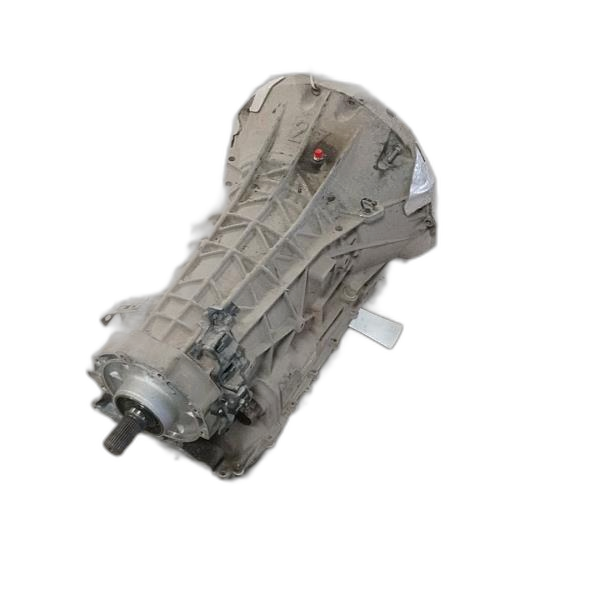
Below are the parts most often responsible for code C1706, ranked by how frequently each one is the actual culprit (per the diagnosis above). Tap any to see what we have for your vehicle.



The information in this article is provided for general reference and educational purposes only. Vehicle specifications, procedures, and part compatibility can vary by production date, trim level, and region. Always consult your vehicle's factory service manual and verify part numbers before purchasing or performing repairs. Safety-critical components such as airbags, seat belts, and braking systems should be installed by a qualified professional.
- 🧭 Diagnostic Flowchart
- 🎬 Helpful Videos
- 🛍️ Shop This Part
- What Does C1706 Mean?
- Can I Drive With C1706?
- Common Causes
- Symptoms
- Common Fixes & Costs
- Used vs. New Parts: Buying Guide
- What Happens If You Wait — Timeline
- Cost of Not Fixing It
- Diagnosis Steps
- When This Code Triggers (Freeze-Frame Conditions)
- Related Codes
- Climate & Environmental Factors
- How to Talk to a Mechanic About This Code
- Where to Take It: Dealer vs Independent vs Chain
- When to Walk Away From the Repair
- What Scan Tool You Need for This Code
- How to Clear the Code After You Fix It
- Will This Fail Emissions / State Inspection?
- Most Commonly Affected Vehicles
- Manufacturer-Specific Notes
- Real Owner Stories
- 2017 Infiniti Q60 with recurring C1706
- 2005 Lincoln Navigator with rear suspension sag
- Nissan Murano with CVT limp mode and C1706
- How to Prevent This Code From Triggering
- Frequently Asked Questions
- Can I just replace the C1706 sensor myself?
- Why does my car lean to one side?
- Do I need to get an alignment after replacing a ride height sensor?
- My C1706 code is for a TPMS sensor on my Infiniti. Can I ignore it?
- What are the most common mistakes when diagnosing C1706?
- I replaced the sensor, but the C1706 code came back. What now?
- What does 'chassis fault' mean on my dashboard?
- How do you reset the C1706 code?
- Can a tire change cause a C1706 code?
- Key Takeaways
- 🎟️ Get 5% Off