

C1708 on 2004-2011 Infiniti QX56: TPMS 'No Data' Fault Causes and Fixes
Code C1708 on a 2004-2011 Infiniti QX56 means the vehicle is not receiving a signal from one of the Tire Pressure Monitoring System (TPMS) sensors. The most likely cause is a dead battery in the original sensor, which requires replacement. Before replacing parts, unplug all aftermarket chargers and electronics to rule out radio frequency (RF) interference, a known issue for this vehicle. Expect to pay a tire shop for labor.
- C1708 means a TPMS sensor has stopped sending data, most likely due to a dead battery after 5-10+ years of service.
- Before buying parts, unplug all aftermarket electronics (chargers, dash cams, etc.) to rule out radio frequency interference, a known issue on this vehicle per TSB ITB13-039A.
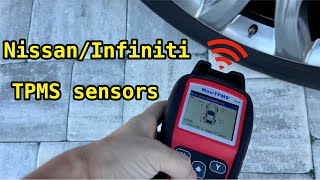
- Use a TPMS tool to identify which wheel has the bad sensor before removal; do not rely on the code's default location as tires may have been rotated.
- Sensor replacement requires a tire shop's equipment, and the new sensor must be registered to the car using an OBD-II scan tool.
- If the vehicle's tires are over 5-7 years old, consider replacing all four TPMS sensors at the same time to avoid repeated repairs.
What's Unique About the 2004-2011 Infiniti QX56
On the Infiniti QX56, the 315 MHz TPMS signals are picked up by the remote keyless entry receiver before being sent to the main computer. More importantly, Infiniti issued a Technical Service Bulletin (ITB13-039A, also as NTB13-088a) specifically warning that radio frequency (RF) interference from aftermarket devices like 'smart cell phone chargers' or 'aftermarket DVD players' can block the sensor signals and trigger a 'No Data' code like C1708. This makes checking for interference a unique and important first step before replacing parts.
Diagnostic Flowchart
Tap your situation to follow the diagnostic path that matches what you're seeing on this vehicle.
Symptoms You May Notice
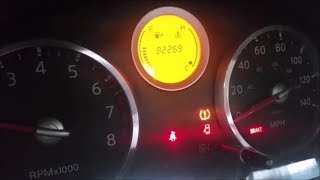
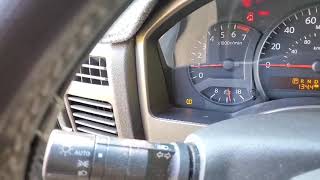
- TPMS warning light flashing for about a minute after starting the vehicle, then staying on solid.
- Inability to see the pressure reading for one tire on the vehicle's information display (if equipped), often showing dashes (--).
- The TPMS light remains on even after verifying all tires are inflated to the correct pressure.
- Replacing a sensor without checking for RF interference first. The TSB from Infiniti makes it clear this is a known issue that should be ruled out to avoid unnecessary repairs.
- Assuming the code location (e.g., C1708 for Front-Left) is accurate after tire rotations. Always use a TPMS tool to verify which wheel's sensor is not transmitting before dismounting a tire.
Most Likely Causes
- Dead TPMS Sensor Battery 🔴 High Probability → Shop Tire Pressure Monitoring System (TPMS) Sensor TPMS sensor batteries have a finite lifespan of 5-10 years. All vehicles in the 2004-2011 range are now old enough for their original sensor batteries to have failed. This is the most common cause of a flashing TPMS light on an aging vehicle.
How to confirm: Use a TPMS diagnostic tool to try and activate the sensor at each wheel. The sensor that fails to respond to the tool is the faulty one. A tire shop can perform this test quickly.
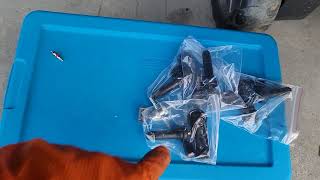
Typical fix: Replace the failed TPMS sensor and perform the TPMS relearn procedure. It is often recommended to replace all four sensors at once if they are original, especially when getting new tires, to save on future labor costs.
Est. part cost: $40-$90 per sensor - Radio Frequency (RF) Interference 🟡 Medium Probability As noted in Infiniti's TSB #ITB13-039A, aftermarket electronics (especially cheap, unshielded phone chargers, dash cams, power inverters, and even some LED bulbs) can transmit on a frequency that interferes with the 315 MHz TPMS signals.
How to confirm: Unplug all aftermarket electronic devices from the vehicle's power outlets (cigarette lighter sockets). Clear the code (if possible) or drive the vehicle for 10-15 minutes to see if the light extinguishes and the code clears. If it does not return, one of the devices was the cause.
Typical fix: Remove or replace the interfering electronic device with a higher quality, better-shielded alternative.
Est. part cost: $0 - Faulty TPMS Sensor ⚪ Low Probability → Shop Tire Pressure Monitoring System (TPMS) Sensor Sensors can be damaged by potholes, improper tire mounting, or the use of aftermarket tire sealants (slime), which can clog the pressure port. They can also fail electronically for reasons other than the battery.
How to confirm: Even if a TPMS tool gets an intermittent signal, or if the sensor is physically damaged upon inspection (e.g., corroded stem, cracked housing), it is considered faulty.
Typical fix: Replace the faulty sensor and perform the relearn procedure.
Est. part cost: $40-$90
Rare But Worth Checking
- Faulty TPMS Control Module / Receiver: If you have replaced all four sensors with known-good units and have definitively ruled out RF interference, but the codes persist, the receiver module may be at fault. This is uncommon but possible. One owner on a forum reported a new sensor failing to stay registered, which could point to a receiver issue. The part number for the module on a 2011 model is 40720-1LA0A. A video for a similar platform (Infiniti G37) showed a successful fix by replacing this module, which was located behind the glove box.
- Low Vehicle Voltage / Poor Ground: A weak car battery or a poor ground connection can cause a host of seemingly unrelated electrical issues. In one forum discussion, C1708-C1711 codes appeared alongside other communication errors after a battery died and an aftermarket remote starter was improperly removed, suggesting low voltage or wiring issues can trigger this fault.
Diagnosis Steps
- Verify the TPMS warning light behavior: A flashing light on startup that turns solid indicates a system fault like C1708, not just low tire pressure.
- Eliminate RF Interference: Unplug ALL aftermarket accessories (phone chargers, dash cams, GPS units, etc.) from the 12V power outlets. Drive the vehicle for 10-15 minutes to see if the system resets. This is a critical first step per TSB ITB13-039A.
- Scan for Faulty Sensor: Use a TPMS diagnostic tool to scan each of the four wheels. Attempt to 'trigger' or 'wake up' each sensor to read its ID, pressure, and battery status.
- Identify the Culprit: The sensor that does not respond or shows a 'low battery' status is the faulty unit. Note its physical position (e.g., Front Right).
- Proceed with Replacement: Have a tire shop dismount the tire and replace the non-responsive sensor.
- Perform OBD-II Relearn (Required): After replacement, the new sensor's unique ID must be registered to the BCM. This platform requires an OBD-II relearn. A technician will use a TPMS tool to connect to the vehicle's OBD-II port and upload the new sensor IDs.
- Manual Relearn (Unofficial/DIY): Some owners have reported success with a manual method. This involves locating a single-wire connector, often taped to the OBD-II port harness, grounding its pin to a metal surface with a paperclip or wire, and tapping it 6 times within a few seconds of turning the ignition to 'ON'. The TPMS light should then start flashing slowly, indicating it's in learn mode. This is not the official procedure and may not work on all vehicles. 🎬 See this DIY manual relearn procedure for the Armada platform.
- Final Verification: After the relearn procedure, drive the vehicle above 25 mph for several minutes to confirm the TPMS light turns off and the system is reading all four sensors.
Parts You'll Likely Need
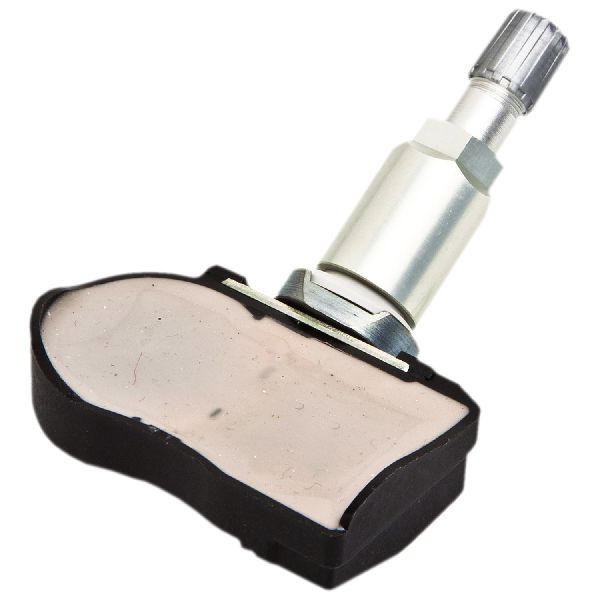
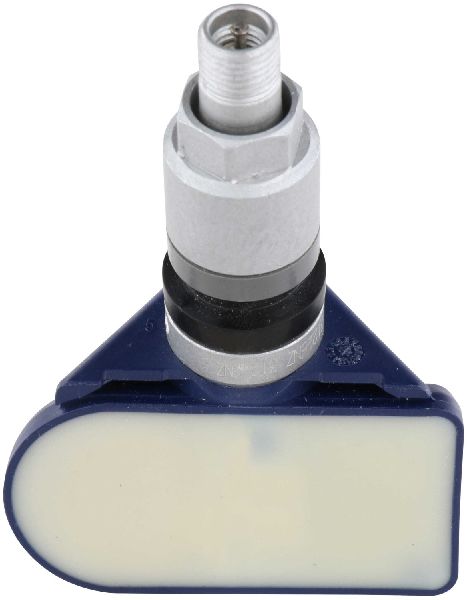
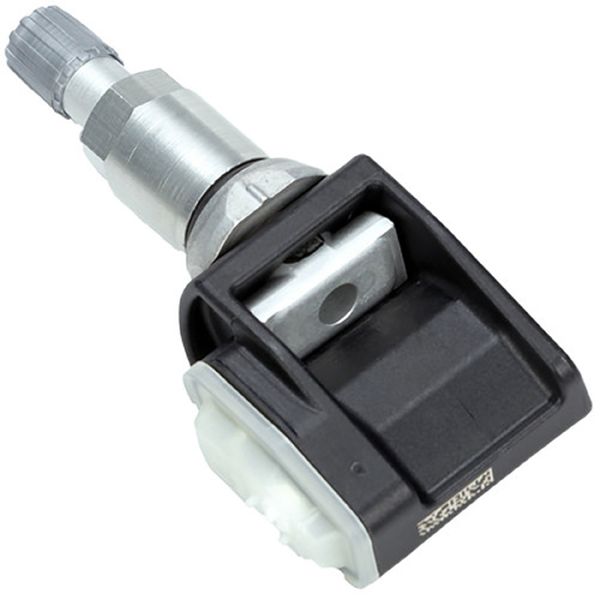
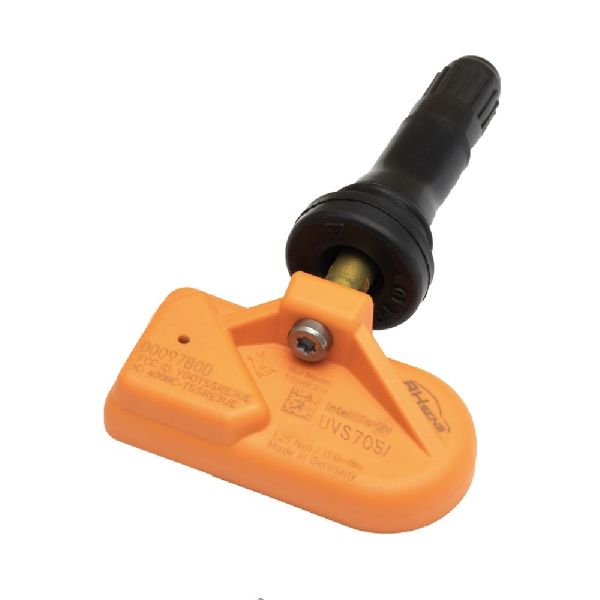
- Tire Pressure Monitoring System (TPMS) Sensor
(OEM #Multiple - Varies by year. 40700-CK002 (2004-2007), 40700-1AA0B (2008-2010), 40700-1LA0C / 1LA0D / 1LA0E (2011).)— This is the most common failure point. The internal battery dies, causing the sensor to stop transmitting data. Part numbers changed during the production run; always verify fitment with your VIN.
Trusted brands: Denso, Schrader, Dorman, Standard Motor Products (SMP), Pacific, Huf
OEM price range: $80-$115
Aftermarket price range: $40-$90
Related Codes That Often Appear With This One
- C1709 — This code, along with C1710 and C1711, corresponds to the other wheel sensors. It's common to see multiple codes if several sensor batteries fail around the same time or if RF interference is blocking all signals.
- C1710 — This code, along with C1709 and C1711, corresponds to the other wheel sensors. It's common to see multiple codes if several sensor batteries fail around the same time or if RF interference is blocking all signals.
- C1711 — This code, along with C1709 and C1710, corresponds to the other wheel sensors. It's common to see multiple codes if several sensor batteries fail around the same time or if RF interference is blocking all signals.
Technical Service Bulletins (TSBs) & Recalls
- ITB13-039A / NTB13-088a - Provides comprehensive diagnostic information for the TPMS system, including troubleshooting for 'No Data' conditions (C1708, C1709, C1710, C1711) caused by radio frequency interference from devices like cell phone chargers.
- ITB13-008a - While not directly related to C1708, this TSB addresses a clicking noise from the axle on 2011-2013 QX56 models, showing the type of detailed repair information available.
Platform-Specific Known Issues
- Infiniti Technical Service Bulletin ITB13-039A specifically addresses codes C1708-C1711 being caused by radio frequency interference from aftermarket devices plugged into the vehicle's power outlets, naming phone chargers as a primary suspect.
- The official TPMS relearn procedure requires an OBD-II scan tool; there is no simple reset button or automatic relearn for sensor replacement on this platform.
Mechanic-Grade Diagnostic Values
- BCM Power Supply Voltage — expected: Battery voltage (approx. 12V) with ignition ON.. Failure: Voltage significantly below 12V or no voltage indicates a problem in the power supply circuit or a blown fuse.
Scan Tool Commands That Help
- Nissan CONSULT-III: TPMS Work Support > ID Regist — This is the official dealer procedure to register new TPMS sensor IDs to the BCM after replacement. The tool is put into 'execution mode', and each sensor is triggered to program it to the vehicle.
- Autel MaxiTPMS (or similar professional tool): Position Relearn > OBD Relearn — This is the aftermarket equivalent of the dealer procedure. The tool first triggers and reads each sensor's ID (LF, RF, RR, LR), then connects to the OBD-II port to write those new IDs to the vehicle's ECU.
Wiring & Ground Locations
- Body Control Module (BCM) — Under the left side of the dashboard.. The BCM is the central computer that receives and processes the signals from the TPMS receiver. A poor connection or bad ground at the BCM can cause communication faults like C1708.
- BCM Ground Points — Wiring diagrams show grounds for the BCM and related data line components are located under the driver's and passenger's seats (B33, B222) and in the left rear quarter panel (B57) for a 2011 model.. A compromised ground connection is a common cause of intermittent and difficult-to-diagnose electronic issues, including communication codes.
- TPMS Control Module / Receiver — While the BCM processes the data, the actual TPMS receiver is a separate module. On similar Infiniti platforms like the G37, this module is located behind the glove box.. If all sensors are good and RF interference is ruled out, the fault could lie with this receiver module or its wiring. Knowing its likely location is key for advanced diagnosis.
- TPMS Manual Relearn Connector — A single-wire test connector, often white, taped to the main OBD-II port wiring harness below the driver's side dash.. This connector is used for the unofficial DIY relearn procedure. Grounding this wire in a specific sequence puts the BCM into learning mode.
Real Owner Repair Stories
- Nissan Forum user (2010 Infiniti QX56 with 80k miles) — The pressure reading for one tire disappeared from the vehicle's display, and the TPMS light was on.
❌ Tried (didn't work) Tire shop reset/re-registered all sensors., Infiniti dealer confirmed all four sensors were transmitting a signal with their tools and re-registered them again.
✅ What actually fixed it The issue was not resolved in the thread, but the dealer's final diagnosis was a suspected 'electrical issue' requiring further testing beyond the TPMS sensors themselves. This highlights that a transmitting sensor doesn't rule out a deeper system problem.
"I Checked Everything" — The Actual Cause
- In the context of TPMS, the equivalent of a 'smoke test clean' is when a diagnostic tool confirms all sensors are transmitting properly, yet the C1708 code persists. A documented case on a 2010 QX56 showed exactly this scenario, where both an independent shop and a dealer verified the sensor was transmitting, but the fault remained, leading the dealer to suspect a deeper electrical or module issue.
- A TSB for a 2018 Infiniti Q50 (ITB19-018) documents a similar issue where C1708 codes were triggered by RF interference from a faulty HVAC blower motor. This is a valuable 'hidden cause' to consider after external RF sources and the sensors themselves have been ruled out.
OEM Part Supersession History
40700-CK002→N/A— Original part for early models.
Heads up: This sensor is for the early first-generation models. It is not interchangeable with later years.40700-1AA0B→40700-JK01C— Part update/revision.
Heads up: This part number and its predecessors (e.g., 40700-JA01B) were used on mid-generation models.40700-1LA0A / 1LA0B / 1LA0C / 1LA0D→40700-1LA0E— Multiple part revisions and consolidations over a short period.
Heads up: The 2011 model year uses this series of sensors. 40700-1LA0E is the latest service replacement for the earlier versions in this series.
Model Year Variations Within This Range
- 2004-2007: Uses TPMS sensor part number 40700-CK002. A mid-2007 model year split exists, with different parts specified before and after April 2007.
- 2008-2010: Uses TPMS sensor part number 40700-1AA0B (or its supersession 40700-JK01C).
- 2011: Uses the 40700-1LA0x series of TPMS sensors, with 40700-1LA0E being the final replacement part.
Helpful Videos
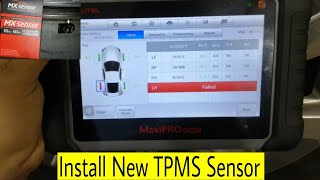
We Have This Part in Stock

The information in this article is provided for general reference and educational purposes only. Vehicle specifications, procedures, and part compatibility can vary by production date, trim level, and region. Always consult your vehicle's factory service manual and verify part numbers before purchasing or performing repairs. Safety-critical components such as airbags, seat belts, and braking systems should be installed by a qualified professional.
- Infiniti QX56:
- 🧭 Diagnostic Flowchart
- 🎬 Helpful Videos
- 🛍️ Shop This Part
- What's Unique About the 2004-2011 Infiniti QX56
- Symptoms You May Notice
- Most Likely Causes
- Rare But Worth Checking
- Diagnosis Steps
- Parts You'll Likely Need
- Related Codes That Often Appear With This One
- Technical Service Bulletins (TSBs) & Recalls
- Platform-Specific Known Issues
- Mechanic-Grade Diagnostic Values
- Scan Tool Commands That Help
- Wiring & Ground Locations
- Real Owner Repair Stories
- "I Checked Everything" — The Actual Cause
- OEM Part Supersession History
- Model Year Variations Within This Range
- 🎟️ Get 5% Off