

C1708 on 2009-2014 Nissan Cube: TPMS 'No Data' Causes and Fixes
On a 2009-2014 Nissan Cube, code C1708 almost always means the battery in the front-left TPMS sensor has died. The fix is to replace the sensor, which requires a tire shop for installation and programming. Expect to pay $40-$80 for an aftermarket sensor plus labor. Before replacing, always unplug any phone chargers to rule out radio frequency interference.
- C1708 on a Nissan Cube points directly to a communication failure with the front-left TPMS sensor.
- The most likely cause is a dead battery in the sensor, as these parts have a 5-10 year lifespan.
- Before buying parts, unplug all phone chargers and dash cams to rule out radio frequency (RF) interference, a known Nissan issue documented in TSB NTB13-088A.
- This repair is not DIY-friendly; it requires a tire shop to mount the sensor and program its new ID to the car's computer.
What's Unique About the 2009-2014 Nissan CUBE
For the Nissan Cube and similar models from this era, the TPMS system is known to be sensitive to radio frequency (RF) interference. Nissan issued a specific technical service bulletin (NTB13-088A) warning that simple aftermarket devices like 'smart cell phone chargers' can disrupt the sensor signals and trigger a C1708 code. This makes ruling out external interference from cheap or unshielded electronics a critical first step before assuming the sensor itself has failed.
Diagnostic Flowchart
Tap your situation to follow the diagnostic path that matches what you're seeing on this vehicle.
Symptoms You May Notice
- TPMS warning light flashes for approximately one minute at startup, then stays on solid.
- If equipped with an individual pressure display, it may show '---' for the front-left tire.
- A scan tool will find code C1708 stored in the Body Control Module (BCM), not the main Engine Control Module (ECM).
- Replacing the TPMS sensor without first checking for radio frequency interference from a phone charger or other 12V accessory.
- Assuming the TPMS light means low tire pressure, when a flashing light indicates a system fault.
- Replacing only the valve stem service kit when the code is C1708, which indicates an electronic communication failure, not a simple air leak.
Most Likely Causes
- Dead TPMS Sensor Battery 🔴 High Probability → Shop Tire Pressure Monitoring System (TPMS) Sensor The non-replaceable batteries inside the original TPMS sensors have a lifespan of 5-10 years. Vehicles in the 2009-2014 range are at or beyond the expected end-of-life for these components, making this the most common failure.
How to confirm: Use a TPMS activation tool at the front-left wheel. 🎬 See how to diagnose a sensor that isn't reading If the tool cannot get a response from the sensor, its battery is dead or the sensor has failed. A shop can also check the remaining battery life, which is often reported in months.
Typical fix: Replace the front-left TPMS sensor and register the new sensor ID to the BCM using a TPMS tool. Many owners elect to replace all four sensors at once to avoid repeat repairs, as the other batteries are the same age.
Est. part cost: $40 - $150 - Radio Frequency (RF) Interference 🟡 Medium Probability As documented in Nissan TSB NTB13-088A, the 315 MHz TPMS frequency is susceptible to interference from unshielded aftermarket electronics plugged into the 12V power outlets, with 'smart cell phone chargers' being a primary culprit. Dash cams and power inverters are also common sources of interference.
How to confirm: Unplug ALL aftermarket devices (phone chargers, dash cams, power inverters). Clear the code and drive the vehicle for 10-15 minutes at speeds over 25 MPH to see if the light stays off.
Typical fix: Remove the interfering device. If the device is necessary, replace it with a high-quality, well-shielded version that includes RF filtering.
Est. part cost: $0 - $50 - Corroded or Damaged TPMS Sensor ⚪ Low Probability → Shop Tire Pressure Monitoring System (TPMS) Sensor Nissan issued a recall (NHTSA Campaign ID: 09V393000) for 2009-2010 models due to the TPMS sensor's aluminum retaining nut corroding in road salt regions. This corrosion can crack the nut, causing a rapid air leak or damage to the sensor seal.
How to confirm: Visually inspect the sensor's valve stem and retaining nut for excessive white, crusty corrosion or damage during a tire service. The leak may be slow, requiring frequent tire inflation.
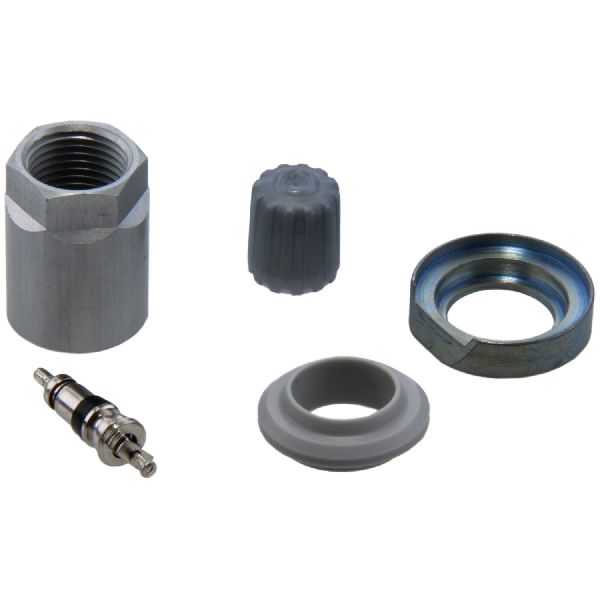
Typical fix: Replace the damaged TPMS sensor and its service kit (nut, grommet, valve core, cap). The recall involved replacing the nut with a revised, more corrosion-resistant version.
Est. part cost: $40 - $150
Rare But Worth Checking
- Faulty HVAC Blower Motor: → Shop HVAC Blower Motor A TSB for the related Nissan Versa platform (NTB10-111) indicates that a failing HVAC blower motor can generate enough RF interference when on high speed to trigger TPMS codes C1708-C1711. If the code appears intermittently only when the fan is on high, this is a possibility. A failing motor may also be noisy or vibrate.
- Faulty Body Control Module (BCM): → Shop Body Control Module In very rare cases, the BCM itself, which acts as the TPMS receiver, can fail. This should only be considered after all sensor and interference possibilities have been definitively ruled out. BCM failure often presents with other bizarre electrical issues, like flickering lights or problems with power locks. A replacement BCM requires mandatory programming by a dealer or qualified shop.
Diagnosis Steps
- Read the codes with a scan tool capable of accessing the Body Control Module (BCM) to confirm C1708 is present.
- Note the TPMS light behavior: a 1-minute flash followed by a solid light confirms a system fault.
- CRITICAL STEP: Unplug all aftermarket accessories from 12V power outlets (phone chargers, dash cams, etc.) as per Nissan TSB NTB13-088A.
- Clear the DTCs and drive the vehicle at speeds above 25 MPH for at least 10 minutes to see if the code returns.
- If the code returns, use a TPMS activation tool to test the front-left sensor. If the tool gets no signal, the sensor has failed and must be replaced.
- If the tool *does* get a signal, the issue may be intermittent or related to RF interference that was not present during the test. Check for less obvious interference sources like a failing blower motor.
- Before replacement, it's wise to quickly check the other three sensors to confirm they are working. Also, confirm tires have not been recently rotated, which could move the faulty sensor to a different corner of the car, causing diagnostic confusion.
- During replacement, inspect the wheel for corrosion around the valve stem hole, which could compromise the seal of the new sensor.
Parts You'll Likely Need
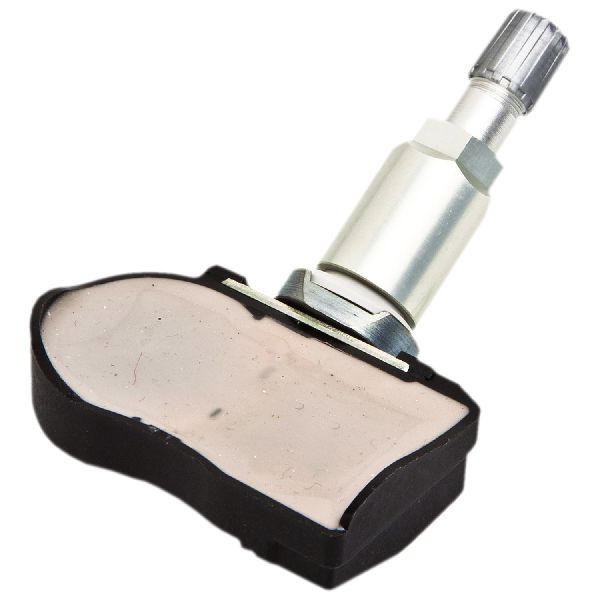
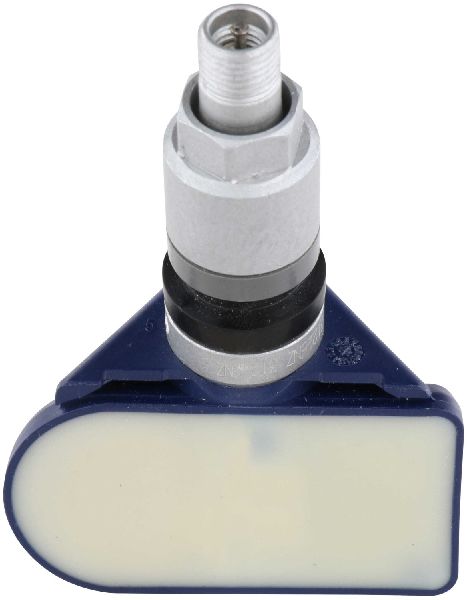
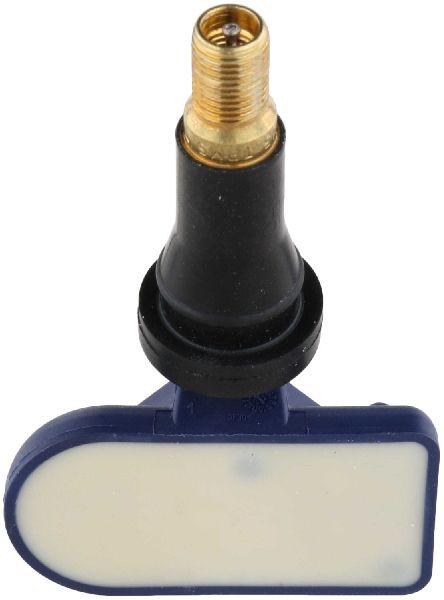
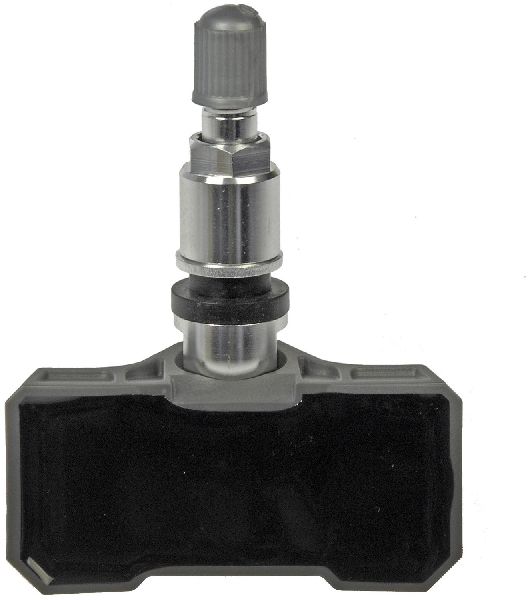
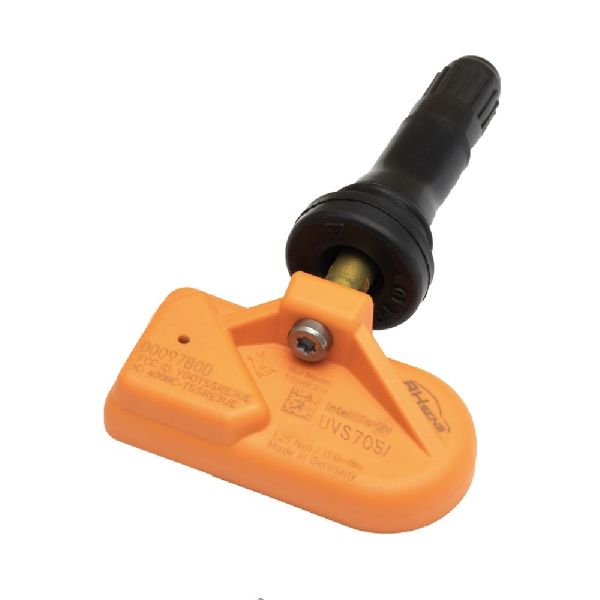
- Tire Pressure Monitoring System (TPMS) Sensor
(OEM #40700-JA01B)— This is the component that fails, most often due to its internal battery expiring. The entire unit must be replaced as the battery is not serviceable. Part number 40700-JA01B was superseded by 40700-JK01C.
Trusted brands: Schrader (often the OEM supplier), Continental/VDO, Denso, Standard Ignition (SMP), Hitachi
OEM price range: $70-$120
Aftermarket price range: $40-$80
Related Codes That Often Appear With This One
- C1709, C1710, C1711 — These codes correspond to the other three wheels (Front Right, Rear Right, Rear Left). If multiple codes are present, it strongly points towards a central issue like widespread RF interference or a faulty BCM, rather than multiple sensors failing at the exact same time. It could also indicate that all sensor batteries have reached their end-of-life around the same time.
Technical Service Bulletins (TSBs) & Recalls
- NTB13-088A: A general Nissan bulletin that specifically mentions radio frequency interference from devices like 'smart cell phone chargers' as a cause for a 'No Data' condition resulting in codes C1708, C1709, C1710, or C1711.
- NTB10-111: A bulletin for the related Nissan Versa platform that identifies a failing HVAC blower motor as a potential source of RF interference that can trigger TPMS codes.
Platform-Specific Known Issues
- A recall was issued for 2009-2010 Nissan Cubes (NHTSA Campaign ID: 09V393000) for corroding aluminum TPMS sensor retaining nuts that could crack and cause sudden air loss, particularly in road salt regions.
- The platform is highly susceptible to RF interference from 12V accessories, as officially documented in TSB NTB13-088A.
Scan Tool Commands That Help
- Nissan CONSULT-III Plus: ID Registration — This function is required after replacing a TPMS sensor to write the new sensor's unique ID to the Body Control Module (BCM). The path is typically: Select BCM -> Air Pressure Monitor -> Work Support -> ID Registration.
- Professional TPMS Scan Tool (e.g., Autel, Bartec): OBD Relearn / Write Sensor IDs — After installing a new sensor, the tool is used to first activate and read the new sensor's ID, and then it's plugged into the vehicle's OBD-II port to write that ID to the BCM. This is the standard procedure for most independent shops.
Wiring & Ground Locations
- Body Control Module (BCM) — Located under the dashboard on the driver's side, often near the fuse box or behind the driver's side kick panel.. The BCM acts as the receiver for the TPMS sensor signals. A poor connection or a fault in the BCM itself can prevent it from receiving data from the sensor, although this is rare.
- BCM Connectors (M68, etc.) — Multiple connectors plug into the BCM, including a 40-pin and a 15-pin plug mentioned in wiring diagrams.. Corrosion or a loose pin on the main BCM harness connectors could theoretically interrupt the TPMS receiver circuit, though it's an unlikely cause for a single-wheel fault.
- BCM Ground — A ground distribution diagram for the 2009 Cube shows the BCM shares a ground with the Data Link Connector (OBD-II port).. A poor ground connection for the BCM could cause a host of bizarre electrical issues, including failure to receive TPMS signals. This would likely be accompanied by multiple other seemingly unrelated fault codes.
Real Owner Repair Stories
- Carly Blog User 'david_ghost8' (2013 Nissan Cube) — TPMS light was on and an error message was displayed on the speedometer, even though a manual gauge confirmed tire pressure was correct.
❌ Tried (didn't work) Confirming tire pressure was correct.
✅ What actually fixed it A mechanic confirmed the TPMS sensor batteries were dead. Replacing the sensors resolved the issue and the warning light turned off. The repair cost was 280€.
OEM Part Supersession History
40700-JA01B→40700-JK01C— Part revision/update.
Heads up: This is a common supersession for many Nissan models of the era. Always verify the correct part number for your vehicle's specific VIN before purchasing.40700-CK001→40700-JA01B— Part revision/update.
Heads up: On related platforms like the Xterra, 40700-JA01B replaced the even older 40700-CK001 part number.40700-JK01C→40700-3AN0B— Part revision for newer models.
Heads up: On the related Nissan Versa, a part number change occurred around the 2012-2013 model year. Using a sensor for a newer model on an older vehicle (or vice-versa) may result in it not programming correctly. This highlights the importance of VIN-specific part lookup.
Model Year Variations Within This Range
- 2009-2010: These model years were subject to NHTSA recall 09V393000 for aluminum TPMS sensor retaining nuts that could corrode and crack in road salt regions, potentially causing a rapid air leak.
- 2009-2014: Unlike some other Nissan vehicles of the era (like the Xterra or Frontier) that may have a manual relearn procedure involving grounding a wire near the OBD-II port (the 'paperclip trick'), the Nissan Cube requires a specialized TPMS scan tool to register new sensor IDs to the BCM via the OBD-II port.
Helpful Videos
We Have This Part in Stock

The information in this article is provided for general reference and educational purposes only. Vehicle specifications, procedures, and part compatibility can vary by production date, trim level, and region. Always consult your vehicle's factory service manual and verify part numbers before purchasing or performing repairs. Safety-critical components such as airbags, seat belts, and braking systems should be installed by a qualified professional.
- Nissan CUBE:
- 🧭 Diagnostic Flowchart
- 🎬 Helpful Videos
- 🛍️ Shop This Part
- What's Unique About the 2009-2014 Nissan CUBE
- Symptoms You May Notice
- Most Likely Causes
- Rare But Worth Checking
- Diagnosis Steps
- Parts You'll Likely Need
- Related Codes That Often Appear With This One
- Technical Service Bulletins (TSBs) & Recalls
- Platform-Specific Known Issues
- Scan Tool Commands That Help
- Wiring & Ground Locations
- Real Owner Repair Stories
- OEM Part Supersession History
- Model Year Variations Within This Range
- 🎟️ Get 5% Off