

C1708 on 2015-2016 Nissan Versa: TPMS 'No Data' Causes and Fixes
On a 2015-2016 Nissan Versa, code C1708 means the Tire Pressure Monitoring System (TPMS) is not receiving a signal from the front-left wheel sensor. The most common cause is a dead battery in the original sensor. Before replacing anything, unplug all 12V accessories (like phone chargers) to rule out radio frequency (RF) interference, a well-documented Nissan issue. The fix is to replace the sensor and register it, which requires a tire shop.
- C1708 on a 2015-2016 Versa means the front-left TPMS sensor is not sending a signal.
- The most likely cause is a dead battery in the sensor due to age.
- Before replacing any parts, unplug all phone chargers and dash cams to rule out radio frequency (RF) interference, a known issue on this vehicle.
- This repair is not DIY-friendly as it requires tire dismounting and a special tool to register the new sensor.
What's Unique About the 2015-2016 Nissan VERSA
For Nissan vehicles of this era, including the Versa, the TPMS is known to be highly sensitive to radio frequency (RF) interference. A Nissan Technical Service Bulletin (NTB13088A) specifically warns that aftermarket devices like 'smart cell phone chargers', dash cams, or GPS units can block the 315MHz sensor signal, causing a 'No Data' condition and triggering codes like C1708 even when the sensor is perfectly fine. This is not just a theoretical possibility; owners on forums have confirmed that switching to a different or higher-quality USB charger resolved their TPMS light issue. Before assuming a sensor has failed, it's a critical and free diagnostic step to unplug all 12V accessories and re-test.
Diagnostic Flowchart
Tap your situation to follow the diagnostic path that matches what you're seeing on this vehicle.
Symptoms You May Notice
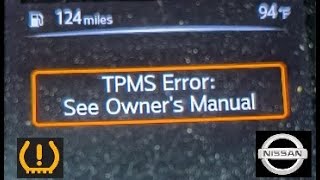
- TPMS warning light flashing for approximately one minute at startup, then staying on solid.
- Inability of the system to read the pressure of the front-left tire with a scan tool.
- A scan tool will read DTC C1708 'NO DATA FL' from the BCM.
- Replacing the sensor in the wrong wheel. C1708 refers to the front-left position as registered in the BCM. If tires were rotated without re-registering their positions, the physically failing sensor might be at a different corner of the car. A TPMS tool can identify which sensor is not responding before any work is done.
- Assuming the TPMS light means low pressure. A flashing light indicates a system fault (like a dead sensor), while a solid light indicates low pressure.
- Replacing the sensor without first unplugging all 12V accessories. Given the known RF interference issue, this simple check can save hundreds of dollars.
Most Likely Causes
- Dead TPMS Sensor Battery 🔴 High Probability → Shop Tire Pressure Monitoring System (TPMS) Sensor TPMS sensors contain non-rechargeable batteries with a finite lifespan of 5-10 years. A 2015-2016 vehicle is at the age where battery failure is the most common cause of sensor failure.
How to confirm: Use a TPMS activation tool to try and 'wake' the sensor. If the tool gets no response from the sensor at the front-left wheel, the sensor has almost certainly failed.
Typical fix: Replace the TPMS sensor in the front-left wheel and register the new sensor ID to the BCM using a TPMS scan tool.
Est. part cost: $30-$80 - Radio Frequency (RF) Interference 🟡 Medium Probability As noted in Nissan TSB NTB13088A, the TPMS in these vehicles is susceptible to interference from aftermarket electronics (phone chargers, dash cams, etc.) plugged into the 12V outlets. Cheap, poorly-shielded chargers are the most common culprits.
How to confirm: Unplug all aftermarket electronic devices from the vehicle's power outlets. Clear the code and drive the vehicle for 10-15 minutes at speeds above 16 mph. If the light does not return, one of the devices was the cause. Some owners report the light only comes on after extended driving with the interfering device plugged in.
Typical fix: Remove or replace the interfering electronic device with a higher-quality, better-shielded one. Some users have also had success adding a ferrite choke to the power cord of the offending device.
Est. part cost: $0-$50 - Damaged TPMS Sensor ⚪ Low Probability → Shop Tire Pressure Monitoring System (TPMS) Sensor Sensors can be physically damaged during tire changes, by hitting a large pothole, or from internal corrosion. TSB NTB13-088A specifically warns that sensors can be broken if they are at the 6 o'clock position when a tire is being deflated on a machine.
How to confirm: Visual inspection after dismounting the tire. The sensor may show visible signs of cracking, corrosion, or other damage.
Typical fix: Replace the damaged TPMS sensor and register the new one.
Est. part cost: $30-$80
Rare But Worth Checking
- Faulty Body Control Module (BCM) or TPMS Receiver: → Shop Body Control Module While rare, the BCM itself or the dedicated TPMS receiver can fail, preventing it from receiving signals from any sensor. This usually triggers codes for multiple wheels (e.g., C1708, C1709, C1710, C1711), not just C1708 alone, and would only be suspected after ruling out all other causes.
- HVAC Blower Motor Interference: → Shop HVAC Blower Motor A TSB for other Nissan models, including the 2007-2011 Versa (NTB10-111), noted that a failing OEM HVAC blower motor could generate enough RF interference to block TPMS signals, particularly when on high speed. This is an edge case for the 2015-2016 model but possible if the code appears intermittently with high fan usage and all other accessories are unplugged.
Diagnosis Steps
- Verify the symptom: Confirm the TPMS light flashes for about a minute on startup before staying solid.
- Scan for codes: Use an OBD-II scanner capable of reading Chassis/BCM codes to confirm C1708 is the active code.
- Rule out RF Interference: Unplug ALL aftermarket accessories from 12V power outlets (phone chargers, dash cams, GPS, etc.). This is a critical first step.
- Clear the code and test drive: Drive the vehicle for at least 10-15 minutes at speeds over 16 MPH. If the light stays off, the issue was interference.
- Activate Sensor: If the light returns, use a TPMS activation tool at the front-left wheel. If the tool receives no signal, the sensor is bad and needs replacement.
- Check Other Wheels: If the front-left sensor responds, use the tool on all other wheels to ensure the tires weren't rotated without a relearn. The non-responsive sensor is the culprit, regardless of its physical location.
- Check Sensor ID Registration: If the sensor activates but the code persists, use an advanced scan tool to verify that the correct sensor ID is registered to the front-left position in the BCM.
- Inspect BCM and Wiring: If the sensor is good and registered correctly, inspect the BCM and its wiring for damage or corrosion, though this is an unlikely cause.
Parts You'll Likely Need
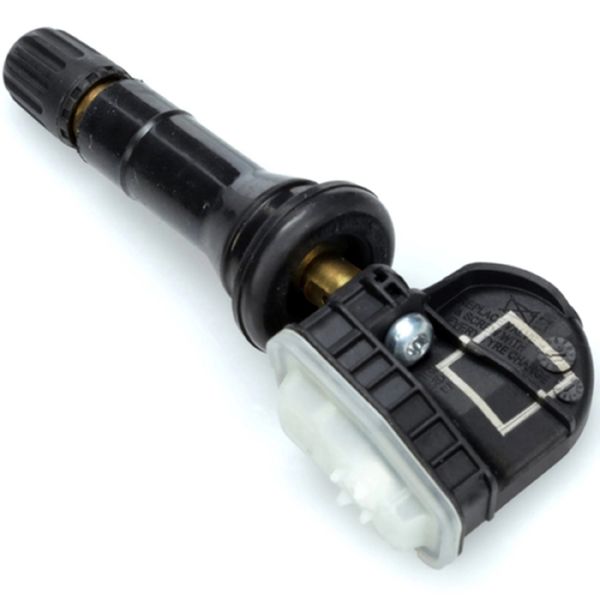
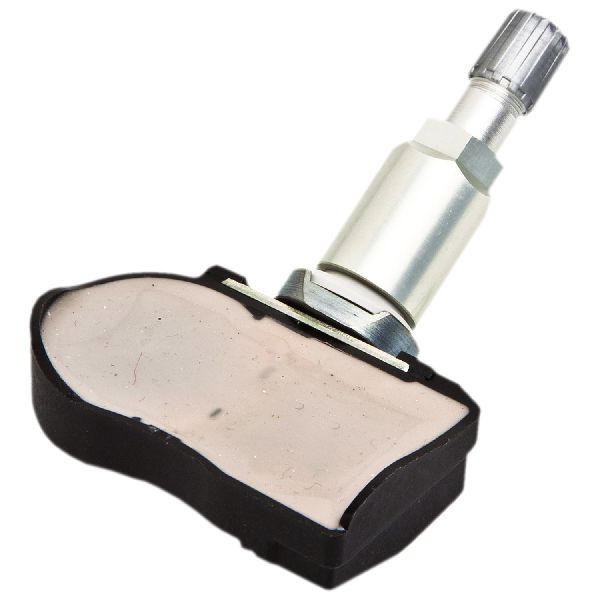
- TPMS Sensor
(OEM #40700-3AN1B)— The internal battery of the sensor is the most common failure point, requiring the replacement of the entire sensor unit. This part number (40700-3AN1B) supersedes the earlier 40700-3AN1A.
Trusted brands: Schrader, Continental, Autel, Dorman
OEM price range: $70-$105
Aftermarket price range: $30-$80
Related Codes That Often Appear With This One
- C1709, C1710, C1711 — These codes correspond to the other three wheels (Front-Right, Rear-Right, Rear-Left). If they appear together, it often means all the original sensor batteries are failing around the same time due to age, or there is a significant RF interference issue affecting the entire vehicle.
Technical Service Bulletins (TSBs) & Recalls
- NTB13088A - A general but critical TSB for Nissan TPMS. It details diagnostic procedures and explicitly calls out radio frequency interference from devices like 'Smart cell phone chargers' as a primary cause for 'No Data' codes C1708, C1709, C1710, and C1711. It advises removing these devices before performing other diagnostics.
- NTB10-111 - While for the 2007-2011 Versa, this TSB is relevant as it identifies the OEM HVAC blower motor as a potential source of RF interference that can trigger TPMS codes when on high speed. This is a known, though less common, issue on the platform.
Platform-Specific Known Issues
- As documented in TSB NTB13088A, the 2015-2016 Versa is known to be sensitive to radio frequency interference from aftermarket electronics, which can mimic the symptoms of a failed TPMS sensor by causing a 'No Data' condition.
Mechanic-Grade Diagnostic Values
- Replacement TPMS Sensor Operating Voltage — expected: 2.3V - 3.6V. Failure: This is a specification for a new part, not a diagnostic measurement on a failed part. A failed sensor with a dead battery will have a voltage below this operating range.
Scan Tool Commands That Help
- Nissan CONSULT-III plus: ID Registration (Work Support > Air Pressure Monitor) — This function is required after replacing a TPMS sensor to write the new sensor's unique ID into the Body Control Module (BCM).
- Nissan CONSULT-III plus: TPMS Configuration — This configuration must be performed whenever the BCM itself is replaced. If this step is skipped, the standard 'ID Registration' function will fail to complete.
Wiring & Ground Locations
- Body Control Module (BCM) — Located above the driver's side kick panel.. The BCM contains the TPMS receiver, which processes the signals from all four wheel sensors. A loose connection or corrosion at the BCM connectors (like M20) could potentially cause communication issues, though this is a rare cause for a single-wheel fault.
OEM Part Supersession History
40700-3AN1A→40700-3AN1B— Standard part revision/update by the manufacturer.
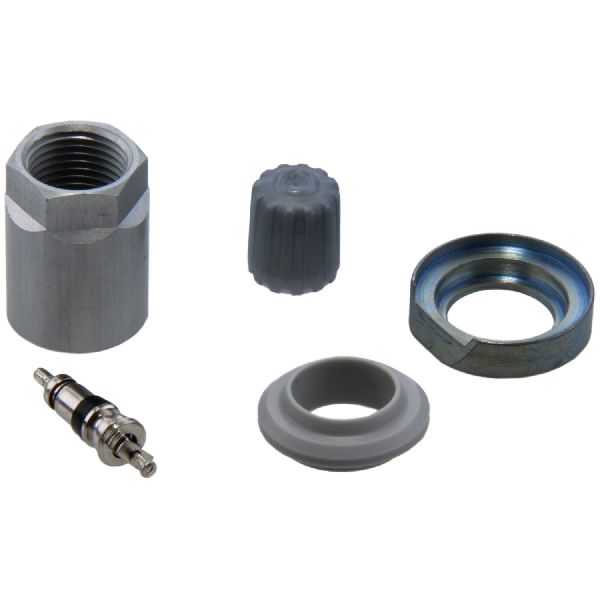
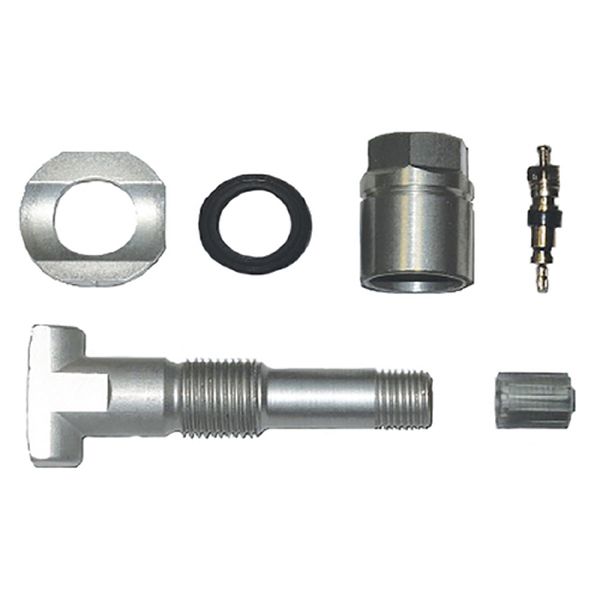
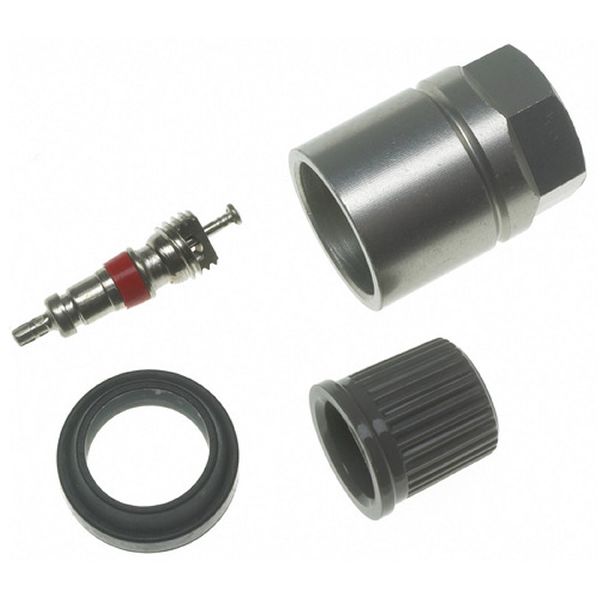
Heads up: None found. The replacement is direct, but it is recommended to also replace the sensor nut and grommet as they are considered non-reusable.
Helpful Videos


We Have This Part in Stock


The information in this article is provided for general reference and educational purposes only. Vehicle specifications, procedures, and part compatibility can vary by production date, trim level, and region. Always consult your vehicle's factory service manual and verify part numbers before purchasing or performing repairs. Safety-critical components such as airbags, seat belts, and braking systems should be installed by a qualified professional.
- Nissan VERSA:
- 🧭 Diagnostic Flowchart
- 🎬 Helpful Videos
- 🛍️ Shop This Part
- What's Unique About the 2015-2016 Nissan VERSA
- Symptoms You May Notice
- Most Likely Causes
- Rare But Worth Checking
- Diagnosis Steps
- Parts You'll Likely Need
- Related Codes That Often Appear With This One
- Technical Service Bulletins (TSBs) & Recalls
- Platform-Specific Known Issues
- Mechanic-Grade Diagnostic Values
- Scan Tool Commands That Help
- Wiring & Ground Locations
- OEM Part Supersession History
- 🎟️ Get 5% Off