

Infiniti G35 C1709: Front Right TPMS Sensor Fault Causes and Fixes (2004-2008)
On a 2004-2008 Infiniti G35, code C1709 means the front right tire pressure (TPMS) sensor is not sending a signal. The most common cause is a dead battery inside the sensor due to its 5-10 year lifespan. Before replacing the sensor, unplug all aftermarket phone chargers to rule out radio frequency (RF) interference, a known issue. The fix is to replace the sensor and register its new ID to the car, which is best done at a tire shop.
- C1709 on your G35 means the front right TPMS sensor has stopped communicating, most likely due to a dead internal battery from age.
- Before buying any parts, unplug all phone chargers and dash cams to rule out radio frequency interference, a known issue on this car confirmed by Infiniti TSB ITB13039A.
- The fix requires a tire shop to replace the sensor and use a special tool to register the new sensor's ID with the car's computer.
- If one sensor has failed, it is highly recommended to replace all four at once to avoid repeated labor costs, as the others are likely to fail soon.
What's Unique About the 2004-2008 Infiniti G35
For this generation of Infiniti G35, the C1709 code is very straightforward, almost always pointing to a failed sensor. However, a notable platform-specific issue, confirmed by Infiniti Technical Service Bulletin ITB13039A, is a susceptibility to radio frequency (RF) interference. Aftermarket accessories like cheap phone chargers, dash cams, or power inverters plugged into the 12V outlets can emit unregulated RF noise that blocks the TPMS sensor's 315 MHz transmission. This interference mimics a failed sensor and triggers the code, making it crucial to rule out before spending money on parts.
Diagnostic Flowchart
Tap your situation to follow the diagnostic path that matches what you're seeing on this vehicle.
Generation note: This range covers the end of the V35 generation (2004-2006 sedan, 2004-2007 coupe) and the start of the V36 generation (2007-2008 sedan). The TPMS system functions similarly, but sensor part numbers can differ. V35 models often use part number 40700-CD001, while V36 models may use 40700-JK00A, 40700-JK00B, or a superseding number. Always verify the part number by VIN.
Symptoms You May Notice
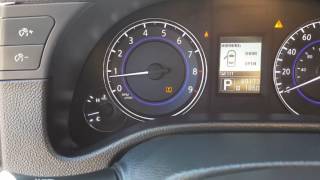
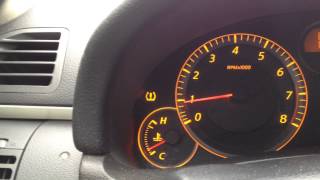
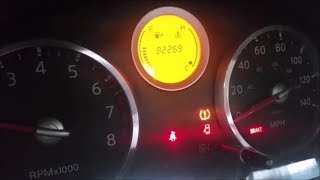
- TPMS warning light on the dashboard flashes for approximately one minute after startup, then stays on continuously.
- Inability to read the front right tire's pressure using a scan tool or on the vehicle's information display (if equipped).
- A 'Check Tire Pressure' message may appear in the information display on some models.
- Replacing the TPMS sensor without first checking for radio frequency interference from a phone charger or other accessory.
- Assuming the TPMS light will turn off immediately after sensor replacement; a drive cycle or a manual relearn procedure with a tool is required.
- Replacing the wrong wheel's sensor; C1709 is specific to the front right wheel.
- Installing an aftermarket sensor that operates on the wrong frequency (e.g., 433 MHz instead of the required 315 MHz).
Most Likely Causes
- Dead TPMS Sensor Battery 🔴 High Probability → Shop Tire Pressure Monitoring System (TPMS) Sensor The original sensors have non-rechargeable, sealed batteries with a typical lifespan of 5-10 years. For a 2004-2008 vehicle, battery failure is the most common reason for this code due to simple aging.
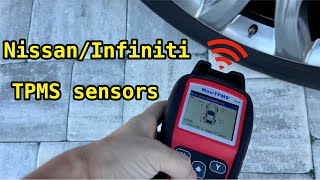
How to confirm: Use a TPMS activation tool (like an Autel TS508 or similar) to attempt to 'wake' or read the sensor. If the tool gets no response or explicitly shows a 'low battery' status, the sensor has failed.
Typical fix: Replace the front right TPMS sensor and register the new sensor ID to the BCM. It is highly recommended to replace all four sensors at once, as the others are the same age and likely to fail soon.
Est. part cost: $35-$105 - Radio Frequency (RF) Interference 🟡 Medium Probability As noted in TSB ITB13039A, aftermarket electronics (especially cheap, unshielded phone chargers, dash cams, or GPS units) plugged into the 12V outlets can emit RF noise that jams the 315 MHz TPMS signal. These cheap chargers use noisy power converters that radiate interference.
How to confirm: Unplug ALL aftermarket electronic accessories from the vehicle's power outlets. Clear the codes and drive the vehicle for over 10 minutes at speeds above 25 MPH. If the light does not return, one of the accessories was the cause.
Typical fix: Remove or replace the interfering electronic device with a higher-quality, properly shielded one.
Est. part cost: $0 - Faulty TPMS Sensor ⚪ Low Probability → Shop Tire Pressure Monitoring System (TPMS) Sensor Beyond the battery, the sensor's electronics can fail from age, moisture intrusion from a bad seal, or physical damage during a tire change.
How to confirm: If the sensor does not respond to a TPMS tool even after RF interference has been ruled out, the sensor itself is defective. This is diagnosed by exclusion.
Typical fix: Replace the front right TPMS sensor and perform the relearn procedure.
Est. part cost: $35-$105
Rare But Worth Checking
- Faulty Body Control Module (BCM) or TPMS Receiver: A very common failure point for the BCM in G35s is water damage from clogged sunroof drains, which leak directly onto the BCM in the passenger footwell. If a new, known-good sensor cannot be registered and RF interference is not present, inspect the BCM for signs of water damage or corrosion. This is uncommon for just a single TPMS code but possible.
Diagnosis Steps
- Verify the code with a scanner capable of reading Chassis (C) codes. Note the TPMS light behavior: a 1-minute flash on startup followed by a solid light confirms a system fault.
- Unplug all aftermarket 12V accessories (phone chargers, dash cams, GPS, etc.) to eliminate potential RF interference.
- Clear the DTCs. Drive the car for at least 10-15 minutes at speeds over 25 MPH to see if the code returns. If it doesn't, an accessory was the cause.
- If the code returns, use a TPMS activation tool to test the front right sensor. Attempt to read its ID, pressure, temperature, and battery status.
- If the tool cannot get a response from the sensor, the sensor has failed (most likely a dead battery) and must be replaced.
- If the tool *can* read the sensor but the car cannot, the issue may be with the car's receiver or BCM. At this point, attempting to re-register the existing sensor ID is a valid diagnostic step.
- If replacing the sensor, have a tire shop dismount the tire, install the new sensor (torquing the nut to spec, ~66 in-lbs), and balance the wheel.
- Register the new sensor's ID to the BCM using a TPMS tool. This is the final, critical step.
- A DIY relearn procedure exists involving grounding a wire on the TPMS check connector and setting specific tire pressures, but it is complex and often fails. It is detailed in forum posts but not recommended for novices.
Parts You'll Likely Need
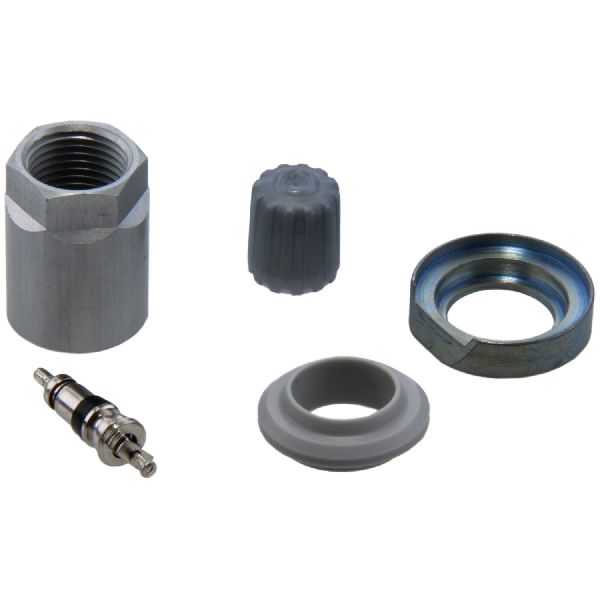
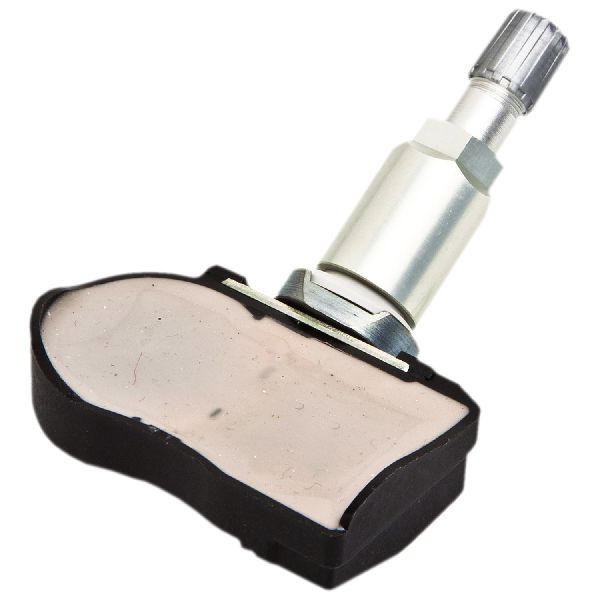
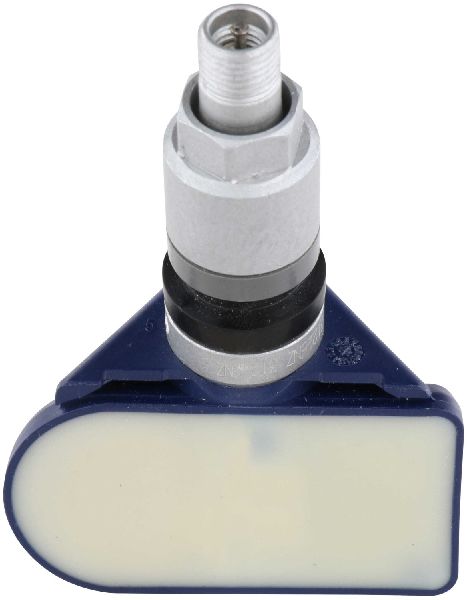
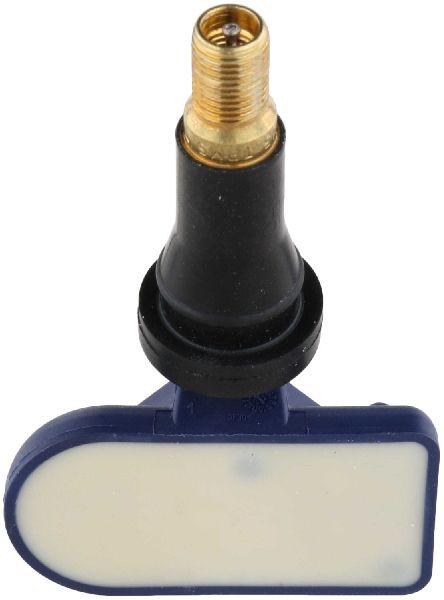
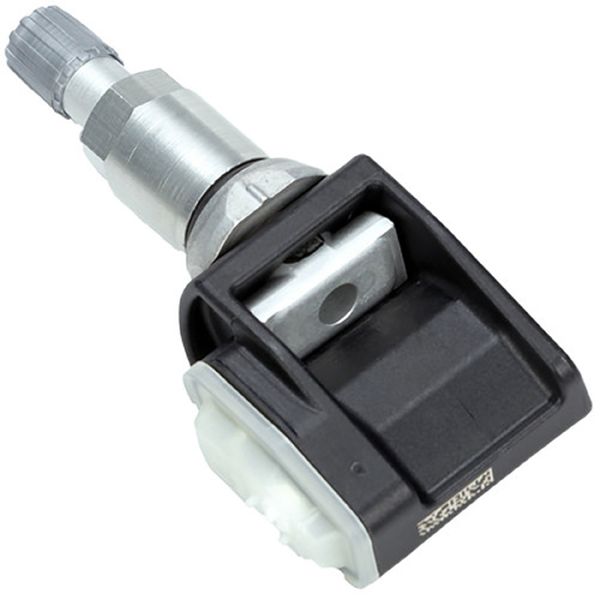
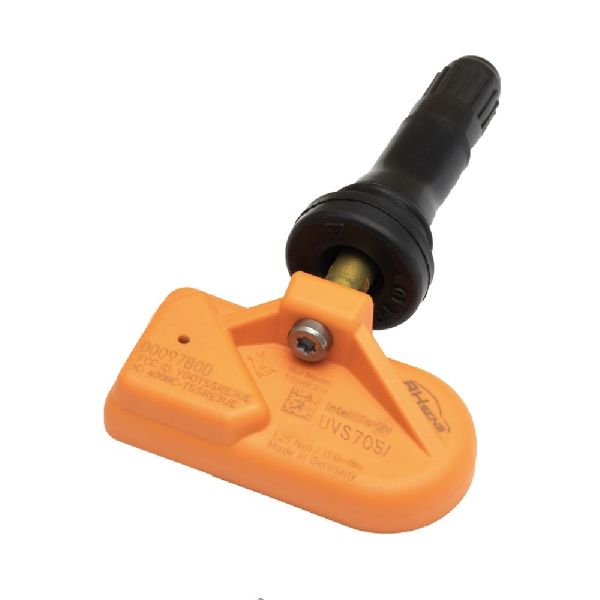
- Tire Pressure Monitoring System (TPMS) Sensor
(OEM #40700-CD001 (V35); 40700-JK00B, 40700-JK01C (V36))— This part is the direct cause of the code in most cases, as its internal, non-replaceable battery has a finite lifespan of 5-10 years and has likely expired on a 2004-2008 vehicle.
Trusted brands: Schrader, Continental/VDO, Denso, Huf, Autel
OEM price range: $65-$105
Aftermarket price range: $35-$60
Related Codes That Often Appear With This One
- C1708, C1710, C1711 — These are the codes for the other three wheels (Front Left, Rear Right, Rear Left). Seeing multiple or all four codes together is very common and strongly suggests all sensor batteries are failing around the same time due to age.
- U1000 — This is a CAN communication network code. If seen with multiple TPMS codes, it could point to a broader electrical issue or a failing BCM affecting communication with multiple systems, not just the TPMS sensors. This is especially true if water intrusion is suspected.
Technical Service Bulletins (TSBs) & Recalls
- ITB13039A / NTB13-088A - Discusses general TPMS diagnostics and specifically calls out Radio Frequency interference from devices like 'Smart cell phone chargers' as a primary cause for a 'No Data' condition resulting in codes C1708, C1709, C1710, and C1711.
Platform-Specific Known Issues
- Per Infiniti TSB ITB13039A, these vehicles are known to be sensitive to RF interference from aftermarket electronics, which can cause a 'No Data' condition for codes C1708, C1709, C1710, and C1711.
- The BCM is located in the passenger footwell and is highly susceptible to water damage from clogged sunroof drains, which can cause a host of electrical issues, including TPMS communication failures.
Mechanic-Grade Diagnostic Values
- TPMS Sensor Retaining Nut Torque — expected: 66 in-lbs (7.5 N·m). Failure: Over-torquing can damage the sensor or valve stem; under-torquing can cause air leaks.
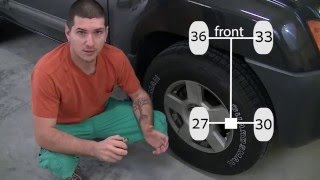
- DIY Relearn Procedure Tire Pressures — expected: Set tires to specific, unequal pressures to force the system into learning mode: Front-Right: 34 psi, Front-Left: 31 psi, Rear-Left: 28 psi, Rear-Right: 26 psi.. Failure: If pressures are not set correctly, the BCM will not be able to distinguish the wheels and the relearn procedure will fail.
Scan Tool Commands That Help
- Infiniti CONSULT-II / CONSULT-III: Work Support -> ID Regist — This function is used to manually write the new, unique ID of a replacement TPMS sensor into the Body Control Module (BCM). It is the official dealer method required after sensor replacement.
- Infiniti CONSULT-II / CONSULT-III: Data Monitor -> TIRE PRESS — This allows a technician to view the live data that the BCM is receiving from each of the four TPMS sensors, including pressure readings. If three sensors report pressure and one shows 'N/A' or zero, it confirms a communication loss with that specific sensor.
Wiring & Ground Locations
- Body Control Module (BCM) — Located in the passenger compartment, behind the glove box or in the driver's side kick panel area, depending on the specific model year.. The BCM acts as the receiver for the TPMS sensor signals. All diagnostic commands and sensor registration are performed on the BCM. It is also a common point of failure due to water intrusion from clogged sunroof drains.
- TPMS Warning Check Connector (M91) — A single-wire connector, often white, taped to the main wiring harness near the OBD-II port under the driver's side dashboard.. This connector is used for advanced diagnostics and the DIY relearn procedure. Grounding this wire in specific patterns allows a user to initiate the sensor ID registration mode or read blink codes from the TPMS warning light without a scan tool.
Real Owner Repair Stories
- XterraNation Forum (similar Nissan platform) (2006 Nissan Xterra) — Flashing TPMS light, code C1709 present. The light would sometimes go out and then come back.
❌ Tried (didn't work) Replaced the front right TPMS sensor with a new one., Performed the TPMS relearn procedure multiple times., Checked for RF interference by unplugging all accessories.
✅ What actually fixed it The owner took the vehicle to a dealer who diagnosed a faulty Body Control Module (BCM). The BCM is the receiver for the TPMS signals. Replacing and programming the BCM resolved the C1709 code. - G35Driver Forum (2007 G35 Sedan (V36)) — TPMS light flashing after swapping to winter wheels with new sensors.
❌ Tried (didn't work) Taking it to a dealer who would charge over $100 for a relearn.
✅ What actually fixed it The user successfully performed the DIY relearn procedure. They set specific tire pressures (FR: 34, FL: 31, RL: 28, RR: 26 psi), grounded the TPMS check connector with a wire 5-6 times until the TPMS light flashed slowly, then drove the car above 25 mph (40 kph) for about 5-7 minutes until the light went off, confirming the new sensor IDs were registered.
OEM Part Supersession History
40700-JK00A→40700-JK00B— Standard part revision by the manufacturer.40700-JK00B→40700-JK01C— Standard part revision by the manufacturer for improved reliability or sourcing.
Heads up: 40700-JK01C is the current replacement for most V36 models that originally used JK00A or JK00B.40700-CD000→40700-CD001— Standard part revision for V35 models.
Heads up: This part number is generally for the V35 chassis and is not interchangeable with the V36 (JK-series) sensors.
Model Year Variations Within This Range
- 2004-2006 (V35 Sedan), 2004-2007 (V35 Coupe): These models use the VQ35DE engine and typically require TPMS sensor part number 40700-CD001. The interior and some electronics are distinct from the later V36.
- 2007-2008 (V36 Sedan): This generation introduced the VQ35HR engine, a redesigned interior, and a different chassis. It uses different TPMS sensors, typically starting with part numbers 40700-JK00A or 40700-JK00B.
Helpful Videos
We Have This Part in Stock

The information in this article is provided for general reference and educational purposes only. Vehicle specifications, procedures, and part compatibility can vary by production date, trim level, and region. Always consult your vehicle's factory service manual and verify part numbers before purchasing or performing repairs. Safety-critical components such as airbags, seat belts, and braking systems should be installed by a qualified professional.
- Infiniti G35:
- 🧭 Diagnostic Flowchart
- 🎬 Helpful Videos
- 🛍️ Shop This Part
- What's Unique About the 2004-2008 Infiniti G35
- Symptoms You May Notice
- Most Likely Causes
- Rare But Worth Checking
- Diagnosis Steps
- Parts You'll Likely Need
- Related Codes That Often Appear With This One
- Technical Service Bulletins (TSBs) & Recalls
- Platform-Specific Known Issues
- Mechanic-Grade Diagnostic Values
- Scan Tool Commands That Help
- Wiring & Ground Locations
- Real Owner Repair Stories
- OEM Part Supersession History
- Model Year Variations Within This Range
- 🎟️ Get 5% Off