

C1709 on 2006-2010 Infiniti M45: Front Right TPMS Sensor Failure Causes and Fixes
Code C1709 on a 2006-2010 Infiniti M45 means the TPMS system is not receiving a signal from the front right wheel sensor. The most common cause is a dead battery in the sensor itself, requiring replacement. Other causes include RF interference from aftermarket chargers or a corroded valve stem nut. Expect to pay $100-$200 for a shop to replace one sensor, including the part, labor, and programming.
- C1709 means the front right TPMS sensor is not communicating with the car, most often due to a dead internal battery.
- Before replacing the sensor, unplug all aftermarket phone chargers and electronics from the 12V outlets to rule out Radio Frequency (RF) interference, a known issue for this car.
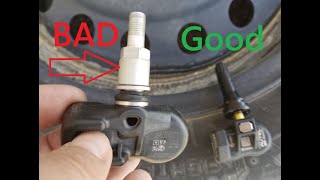
- For 2008-2010 models, inspect the valve stem for heavy corrosion, which could be related to a safety recall for cracking retaining nuts.
- Replacement requires a tire shop to mount the new sensor, but the car can often relearn the new sensor ID automatically by driving, without needing an expensive programming tool.
What's Unique About the 2006-2010 Infiniti M45
The 2006-2010 (Y50 generation) Infiniti M45 has specific documented issues related to its TPMS. Infiniti issued a Technical Service Bulletin (TSB #ITB13039A) acknowledging that radio frequency (RF) interference from aftermarket devices like phone chargers or dash cams can cause a 'No Data' condition, triggering codes like C1709. Additionally, 2008-2010 models were subject to a recall (NHTSA 09V393000) for corroding aluminum sensor retaining nuts, especially in salt-belt states, which could lead to a sudden air loss if the nut cracks. Unlike many vehicles that require a tool for programming, the 2006-2010 M-series has a 'self-programming' feature where it can often register new sensors automatically after driving for several minutes. A very common issue on this platform is water damage to the Body Control Module (BCM), which acts as the TPMS receiver, from clogged sunroof drains.
🎬 Watch this video to locate the BCM behind the glovebox.Diagnostic Flowchart
Tap your situation to follow the diagnostic path that matches what you're seeing on this vehicle.
Symptoms You May Notice
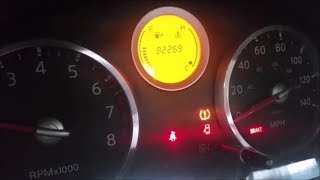
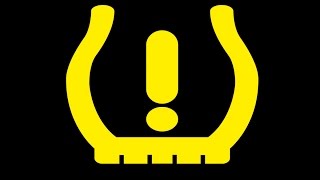
- The TPMS warning light on the dashboard flashes for 60-90 seconds after starting the car, then stays on solid.
- The vehicle information display shows dashes (---) or is blank for the front right tire's pressure reading.
- An audible chime or beep may sound when the fault is first detected.
- After replacing sensors, the display may show "*.*" for all tires until the system successfully relearns the new sensor IDs.
- Replacing the wrong wheel's sensor. C1709 is specific to the front right wheel. Always confirm the code definition before buying parts.
- Assuming the TPMS warning light is only for low pressure. A flashing light on startup indicates a system fault, not low air pressure.
- Using incompatible aftermarket sensors. An owner on a Nissan forum reported that cheap eBay sensors could not be detected by the system, even when trying manual relearn procedures.
Most Likely Causes
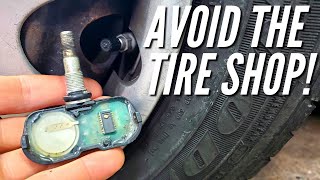
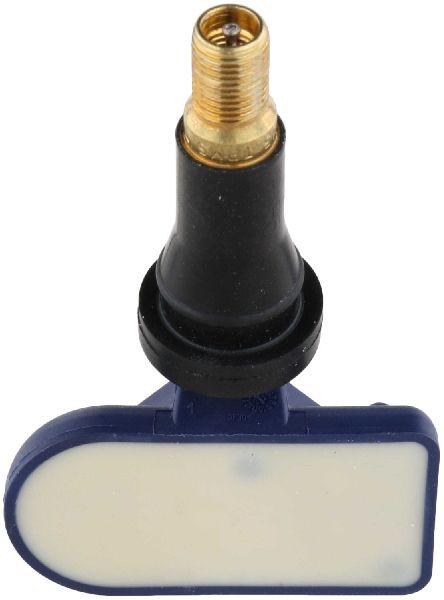
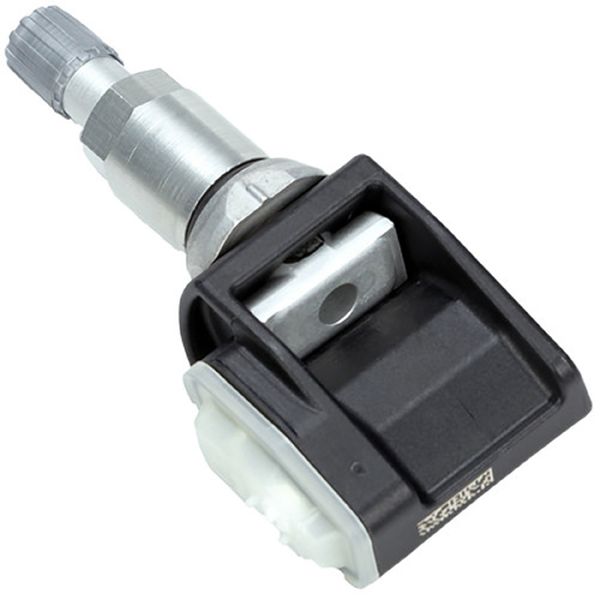
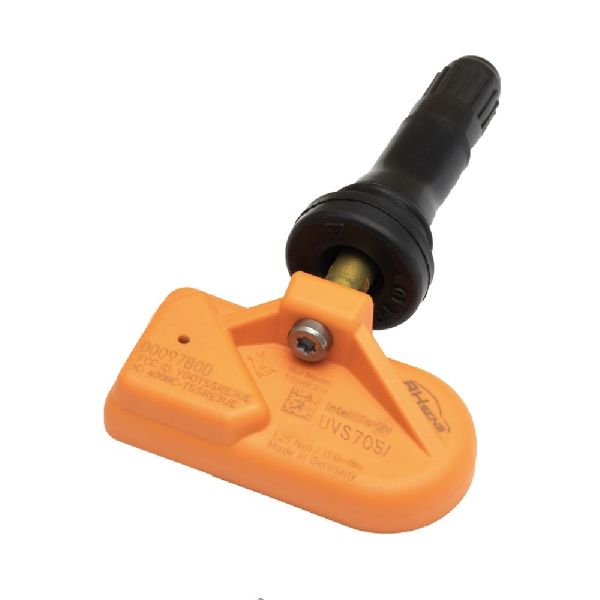
- Failed Front Right TPMS Sensor 🔴 High Probability → Shop Tire Pressure Monitoring System (TPMS) Sensor The internal, non-replaceable battery in a TPMS sensor has a finite lifespan, typically 5-10 years. For a 2006-2010 vehicle, it is very common for the original sensors to be at the end of their life. A YouTube video shows a functional sensor from a 2006 M45 still working in 2023, exceeding expectations, but failure is common.
How to confirm: A tire shop can use a handheld TPMS activation tool at the front right wheel. If the tool cannot get a reading (no signal), the sensor's battery is dead and it needs to be replaced. 🎬 Watch this guide to find and replace a bad sensor.
Typical fix: Replace the front right TPMS sensor. This involves dismounting the tire, installing the new sensor, remounting and balancing the tire, and then driving the vehicle for several minutes at highway speeds to allow the system to auto-register the new sensor ID.
Est. part cost: $40-$120 - Radio Frequency (RF) Interference 🟡 Medium Probability Infiniti TSB #ITB13039A specifically calls out this issue. Aftermarket electronics, particularly cheap, poorly-shielded devices plugged into the 12V power outlets (cigarette lighter), can emit RF noise that blocks the 315 MHz signal from the TPMS sensor. Forum users have specifically identified cheap USB phone chargers and aftermarket LED lighting as common culprits.
How to confirm: Unplug all aftermarket electronic devices (phone chargers, dash cams, GPS units, radar detectors, etc.). Clear the code (if possible) or simply drive the vehicle for 10-15 minutes to see if the light stays off and the pressure reading returns.
Typical fix: Remove or replace the interfering device. Use high-quality, well-shielded electronics to prevent future issues. If the device is essential, installing ferrite chokes on its power cord can sometimes reduce the RF noise.
Est. part cost: $0-$50 - Corroded or Loose Sensor Retaining Nut ⚪ Low Probability NHTSA Recall 09V393000 affected 2008-2010 models due to an aluminum nut that could corrode and crack, especially in the 21 states listed in the recall (the 'salt belt'). This can cause the sensor to become loose, breaking its seal and potentially its connection, leading to rapid air loss. Even on non-recalled vehicles, corrosion can seize the sensor to the wheel, forcing its destruction during a tire change.
How to confirm: Visually inspect the valve stem on the front right wheel for signs of heavy white corrosion, cracking, or looseness. A soapy water spray around the valve stem may show bubbles, indicating a leak.
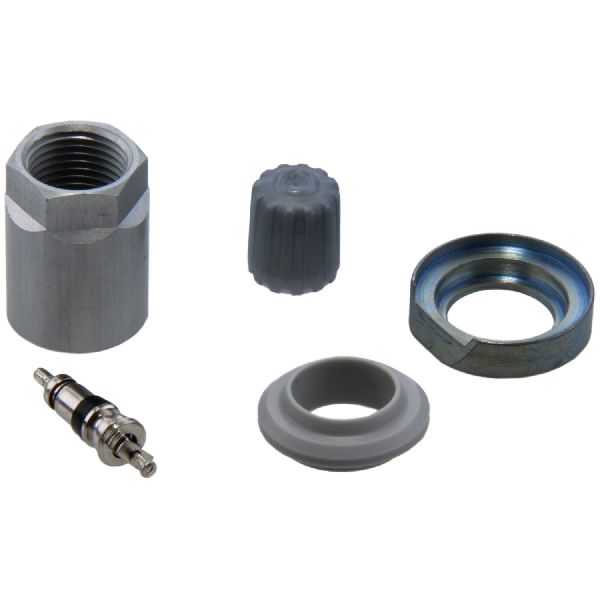
Typical fix: If the recall is open, a dealer will replace the nut for free. Otherwise, replace the TPMS sensor service kit (nut, grommet, valve core). If the sensor itself is damaged from being loose, the entire sensor must be replaced.
Est. part cost: $5-$20 for a service kit
Rare But Worth Checking
- Faulty TPMS Control Unit or Receiver: This is uncommon, but if a new, correctly programmed sensor still won't register and RF interference has been ruled out, the control unit could be at fault. A user on a Nissan forum with a similar platform vehicle diagnosed a bad receiver after confirming all four wheel sensors were transmitting correctly. On the G37, a platform mate, the module is located behind the glove box and can be replaced with a used unit. On the M45, the control unit is also located behind the glove box area. A very common cause of failure for this module on the M-series is water damage from clogged sunroof drains leaking into the passenger footwell.
Diagnosis Steps
- Verify the symptom: Confirm the TPMS light flashes for about a minute on startup before staying solid.
- Check for RF Interference: Unplug all aftermarket 12V accessories (chargers, dash cams, etc.). Drive for 15 minutes above 25 MPH to see if the light turns off and the pressure reading returns on the display.
- Scan the Sensor: Take the vehicle to a tire shop and have them use a TPMS tool to attempt to activate and read the front right sensor. If it fails to respond, the sensor is bad.
- Inspect the Valve Stem: Check the front right valve stem for obvious signs of corrosion, damage, or cracking at the retaining nut, which was the subject of recall 09V393000.
- Check Other Wheels: If the sensor reads correctly with a tool but the car won't see it (and RF interference is ruled out), try rotating the front right tire to another position (e.g., the rear). If the 'No Data' code follows the tire to the new position, it confirms a faulty sensor. If the C1709 code remains, the issue is likely with the vehicle's receiver or control unit.
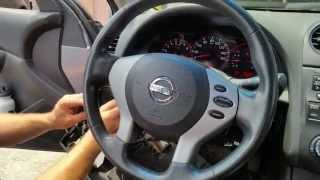
- Attempt Manual Relearn (Advanced DIY): Some owners have attempted to force the system into learning mode by grounding a specific wire near the OBD-II port. 🎬 See how to perform a manual TPMS reset without tools. A forum user on a 2006 M45 attempted this by grounding the TPMS wire 6 times but found it did not successfully register new sensors, suggesting this method is not universally effective for this model. The process involves grounding a single-wire connector near the OBD-II port 6 times within a few seconds of turning the key to ON, which should cause the TPMS light to flash slowly, indicating it's in learn mode.
- Diagnose Receiver/Control Unit: If all sensors are confirmed good and a relearn procedure fails, the final step is to diagnose the TPMS receiver and control unit circuits, which is best left to a professional. On the M45, this is the BCM, located behind the glove box, and is a known failure point due to water intrusion from clogged sunroof drains.
Parts You'll Likely Need
- Tire Pressure Monitoring System (TPMS) Sensor
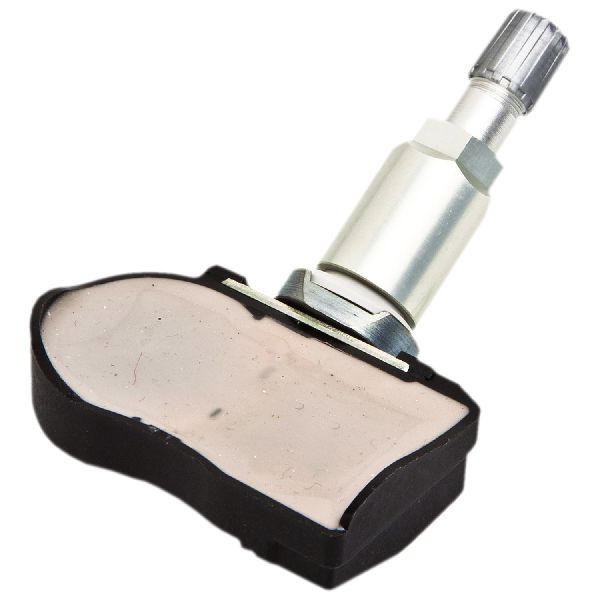
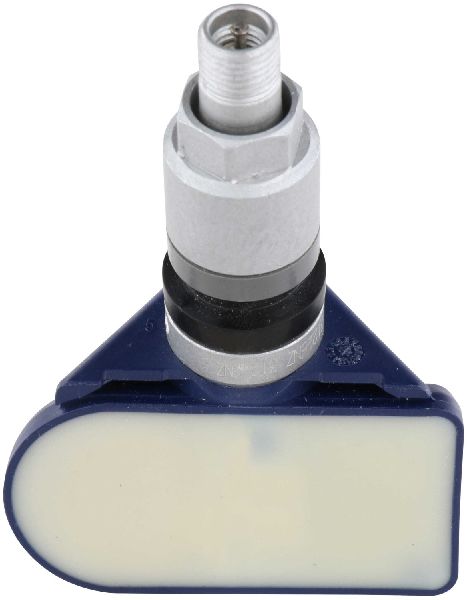
(OEM #40700-JA01C)— The sensor's internal battery is the most common failure point, causing the 'No Data' C1709 code. The entire sensor unit must be replaced as the battery is not serviceable.
Trusted brands: Schrader (OEM Supplier), Denso, Bosch, Dorman, VDO
OEM price range: $65-$115
Aftermarket price range: $40-$80 - TPMS Service Kit
(OEM #UA700B007KNW)— If the sensor itself is still functional but the valve stem is corroded or leaking, a service kit can be used to replace the external components (nut, grommet, valve core, cap) without replacing the expensive electronic sensor. This is a common preventative maintenance item during tire changes.
Trusted brands: Dorman, Schrader, 31 Inc
OEM price range: $8-$15
Aftermarket price range: $5-$10
Related Codes That Often Appear With This One
- C1708, C1710, C1711 — These codes correspond to the other three wheels (Front Left, Rear Right, Rear Left). If multiple codes appear at once, it could point to a systemic issue like widespread RF interference, multiple sensors failing around the same time due to age, or a failing TPMS control unit.
Technical Service Bulletins (TSBs) & Recalls
- ITB13039A: Discusses radio frequency interference causing a 'No Data' (C1708, C1709, C1710, C1711) condition in TPMS systems. It advises checking for aftermarket devices plugged into power outlets as a primary diagnostic step.
Platform-Specific Known Issues
- Infiniti TSB ITB13039A notes that radio frequency interference from aftermarket accessories can cause C1709 and other 'No Data' TPMS codes.
- NHTSA Recall 09V393000 was issued for 2008-2010 M45 models due to corroding aluminum TPMS sensor nuts that could crack and cause rapid air loss. The recall service involves replacing the aluminum nut with a more robust steel one.
Mechanic-Grade Diagnostic Values
- TPMS Sensor Data (via activation tool) — expected: Tool should display Sensor ID, Pressure (psi), Temperature (°F/°C), and Battery Status ('OK' or a voltage reading).. Failure: Tool displays 'No Signal', 'No Reading', or 'Low Battery'.
- Tire Pressures for Manual Relearn Procedure — expected: LF: 34 psi, RF: 31 psi, RR: 29 psi, LR: 26 psi.. Failure: N/A - These are setup values, not diagnostic readings.
Scan Tool Commands That Help
- Nissan CONSULT-III: ID REGISTRATION — This function is used to write the new, unique sensor IDs to the Body Control Module (BCM) after replacing one or more TPMS sensors. It is found under BCM -> AIR PRESSURE MONITOR -> Work Support.
Wiring & Ground Locations
- Body Control Module (BCM) — Located in the passenger-side kick panel area, typically behind the glove box.. The BCM is the TPMS control unit and receiver for this vehicle. It receives the signals from all four wheel sensors and logs codes like C1709. A fault with the BCM or its wiring can mimic a failed sensor.
- TPMS Relearn Connector — A single-wire pigtail with a white connector, typically found hanging near or taped to the wiring harness for the OBD-II port in the driver's footwell.. This connector allows a technician or advanced DIYer to manually force the TPMS system into 'relearn mode' without a scan tool by grounding the wire.
- Relearn Ground Point — The metal bracket that holds the OBD-II port in place can be used as a convenient and effective ground point.. When performing the manual relearn procedure, this provides a reliable ground to touch the relearn connector wire to, triggering the relearn mode.
Real Owner Repair Stories
- YouTube user 'George Melnik' (2012 Infiniti G37 (similar platform and TPMS system)) — TPMS warning light was on and would not reset with the standard 'paperclip trick' (manual relearn procedure).
❌ Tried (didn't work) Attempting the manual relearn procedure by grounding the TPMS wire.
✅ What actually fixed it The owner confirmed all four wheel sensors were good using a scan tool. The final fix was replacing the TPMS control module (BCM), which he sourced from eBay. The module was located behind the glove box and was a simple plug-and-play replacement that resolved the issue.
OEM Part Supersession History
40700-JA01C→40700-JK01C, 40700-1AA0D, 40700-JK00B— Part revisions and updates by the manufacturer.
Heads up: While many part numbers are listed as compatible, it is always best to verify with the VIN. Some aftermarket sensors may have trouble being registered by the vehicle's system.40720-EH10B→N/A— TPMS Control Module for 2006-2007 models.
Heads up: This module is specific to earlier years of the generation. Later models may use a different part number like 40720-EJ20A (from 05/2006 onwards). Always match the part number from the original module.
Model Year Variations Within This Range
- 2008-2010: These model years were subject to NHTSA Recall 09V393000 for corroding aluminum TPMS sensor retaining nuts. Pre-2008 models were not included in this specific recall.
- 2006-2010: Unlike many contemporary Nissan/Infiniti vehicles that strictly require a scan tool for registration, the M45 of this generation is known for its ability to 'auto-relearn' or 'self-program' new sensors after they are installed. The system can often detect and register the new sensor IDs after driving for several minutes above 25 MPH.
Helpful Videos
We Have This Part in Stock

The information in this article is provided for general reference and educational purposes only. Vehicle specifications, procedures, and part compatibility can vary by production date, trim level, and region. Always consult your vehicle's factory service manual and verify part numbers before purchasing or performing repairs. Safety-critical components such as airbags, seat belts, and braking systems should be installed by a qualified professional.
- Infiniti M45:
- 🧭 Diagnostic Flowchart
- 🎬 Helpful Videos
- 🛍️ Shop This Part
- What's Unique About the 2006-2010 Infiniti M45
- Symptoms You May Notice
- Most Likely Causes
- Rare But Worth Checking
- Diagnosis Steps
- Parts You'll Likely Need
- Related Codes That Often Appear With This One
- Technical Service Bulletins (TSBs) & Recalls
- Platform-Specific Known Issues
- Mechanic-Grade Diagnostic Values
- Scan Tool Commands That Help
- Wiring & Ground Locations
- Real Owner Repair Stories
- OEM Part Supersession History
- Model Year Variations Within This Range
- 🎟️ Get 5% Off