

C1709 on 2004-2006 Infiniti Q45: Front Right TPMS Sensor Failure Causes and Fixes
On a 2004-2006 Q45, code C1709 almost always means the battery in the front right TPMS sensor has died. Due to the vehicle's age, this is expected. The fix is to replace the sensor, which requires a tire shop. Expect to pay $40-$80 for the part and another $25-$60 in labor. Before replacement, unplug any aftermarket phone chargers to rule out RF interference, a known issue.
- C1709 means the front right TPMS sensor is not communicating, most likely due to a dead battery from old age.
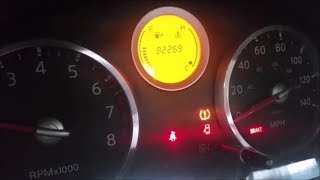
- The symptom is a TPMS light that blinks for a minute and then stays on.
- Before replacing parts, unplug all aftermarket accessories from your car's power outlets to rule out radio frequency interference mentioned in a TSB.
- This is not a DIY repair; it requires a tire shop to replace the sensor and register it to the car.
- It is strongly recommended to replace all four TPMS sensors at once to avoid future failures and save on repeated labor costs.
What's Unique About the 2004-2006 Infiniti Q45
For the F50 generation Q45, the primary reason for seeing this code is simply the age of the original factory sensors. Their internal, non-replaceable batteries have a lifespan of 5-10 years, meaning all 2004-2006 models are now operating on borrowed time. Additionally, Infiniti issued a Technical Service Bulletin (ITB13039A) that specifically mentions C1709 can be triggered by radio frequency (RF) interference from aftermarket electronics like phone chargers, which can disrupt the sensor's signal. A Reddit user's post showing codes C1708, C1709, C1710, and C1711 together further corroborates that simultaneous sensor failure due to age is a common real-world scenario.
Diagnostic Flowchart
Tap your situation to follow the diagnostic path that matches what you're seeing on this vehicle.
Symptoms You May Notice
- TPMS warning light flashes for approximately one minute at startup, then stays on solid.
- The vehicle information display shows dashes ('--') for the front right tire pressure reading.
- Inability to clear the TPMS warning light through normal means (e.g., correcting tire pressure).
- A 'Check Tire Pressure' alert may also appear on the information display.
- Replacing the tire. The sensor is inside the wheel, but the tire itself is not the cause.
- Assuming the TPMS Control Module is bad. The sensor itself is the failure point in over 95% of cases for this code on an older vehicle.
- Ignoring the flashing light. A flashing light indicates a system fault, whereas a solid light indicates low pressure. Diagnosing a fault code as a simple low tire will not resolve the issue.
Most Likely Causes
- Dead TPMS Sensor Battery 🔴 High Probability → Shop Tire Pressure Monitoring System (TPMS) Sensor The original sensors have a 5-10 year battery life. All vehicles in this year range have far exceeded this lifespan, making battery failure the most common cause. Forum discussions on NICOclub confirm owners replacing sensors around the 7-year mark due to battery death.
How to confirm: Use a TPMS diagnostic tool (like an Autel TS508 or similar) to attempt to 'wake up' or read the sensor. If the tool gets no response, the sensor's battery is dead and the unit needs replacement.
Typical fix: Replace the front right TPMS sensor and perform the TPMS relearn/registration procedure. It is highly recommended to replace all four sensors at the same time to avoid repeat visits, as the others are likely to fail soon.
Est. part cost: $30 - $80 - Radio Frequency (RF) Interference 🟡 Medium Probability As noted in Infiniti TSB #ITB13039A, aftermarket devices (especially 'smart' phone chargers, dash cams, or poorly shielded inverters plugged into the 12V power outlet) can emit RF noise that blocks the 315MHz TPMS sensor signal.
How to confirm: Unplug all aftermarket electronic devices from the vehicle's power outlets. Drive the vehicle for several minutes (above 25 mph) to see if the code clears and communication is restored. If the light goes out, one of the removed devices was the cause.
Typical fix: Remove or replace the interfering device. If a device is necessary, try a high-quality, well-shielded alternative. Sometimes wrapping the device's power cord around a ferrite core can reduce RF noise.
Est. part cost: $0 - $50 - Faulty TPMS Sensor ⚪ Low Probability → Shop Tire Pressure Monitoring System (TPMS) Sensor Beyond the battery, the sensor's electronics can fail from age, moisture intrusion from a bad seal, or physical damage from a pothole or tire service. Corrosion around the valve stem is also a known issue.
How to confirm: If the sensor's battery is confirmed to be good (which is unlikely given the vehicle's age) but it still won't communicate, the sensor itself is faulty. This is confirmed with a TPMS tool.
Typical fix: Replace the front right TPMS sensor and perform the registration procedure.
Est. part cost: $30 - $80
Rare But Worth Checking
- Faulty TPMS Control Module / BCM: This is rare. Suspect this only if a new, known-good, and correctly programmed sensor for the front right wheel still will not register with the vehicle. On many Infiniti models of this era, the TPMS function is integrated into the Body Control Module (BCM). In some cases, a used replacement BCM/TPMS module can be sourced from a salvage yard to fix the issue if the module itself is confirmed to be the problem.
- Wiring Harness Issue: A break or short in the wiring to the TPMS receiver (often located near the BCM in the passenger kick panel area) could prevent it from getting signals. This would typically cause codes for multiple sensors or a total communication failure, not just C1709.
Diagnosis Steps
- Verify the code with a scanner that can read Chassis (C) codes.
- Note the symptom: a flashing TPMS light for ~1 minute followed by a solid light indicates a system fault, not low pressure.
- Unplug all aftermarket electronics plugged into the 12V outlets (phone chargers, dash cams, etc.) to rule out RF interference as per TSB ITB13039A. Drive the car for 10-15 minutes above 25mph to see if the light resets.
- Visit a tire shop and have them use a TPMS activation tool on the front right wheel. If the tool cannot get a reading (no signal), the sensor is dead and must be replaced.
- If the sensor is replaced, ensure the shop registers the new sensor's ID to the vehicle's computer using their TPMS tool via the OBD-II port.
- If a new, known-good sensor cannot be registered, the diagnostic path would then move to inspecting the TPMS receiver and its control module/BCM for power, ground, and wiring integrity.
Parts You'll Likely Need
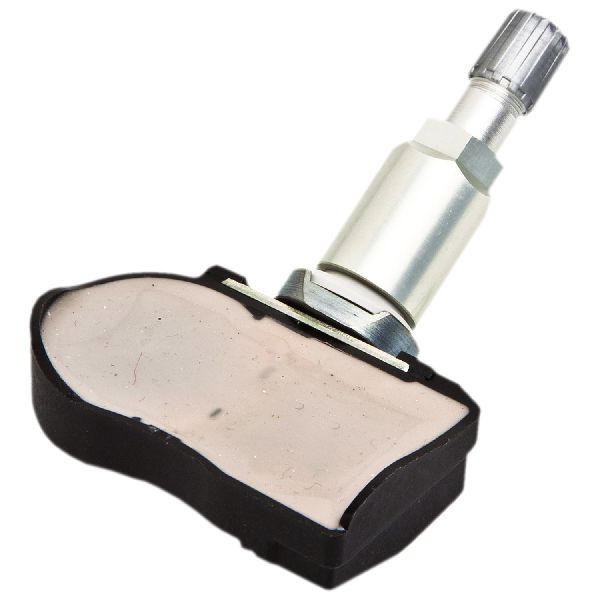
- Tire Pressure Monitoring System (TPMS) Sensor
(OEM #40700-CD001)— This is the sensor and transmitter unit inside the front right wheel. Its internal battery has a finite life and is the direct cause of the C1709 code. This part number is also used on other Nissan/Infiniti vehicles from the same era.
Trusted brands: Schrader (OEM Supplier), Continental, Huf, Standard Motor Products, Autel MX-Sensor (programmable)
OEM price range: $90-$150
Aftermarket price range: $30-$80 - TPMS Sensor Service Kit
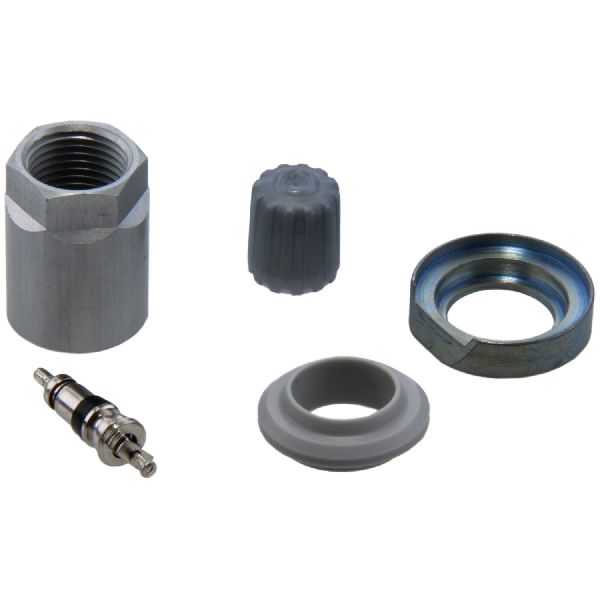
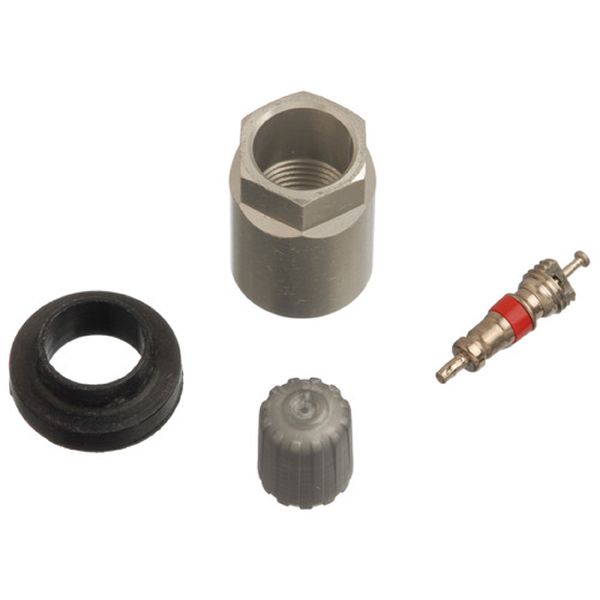
(OEM #Part of 40700-CD001 kit)— This inexpensive kit contains the rubber grommet, retaining nut, valve core, and cap. It should always be replaced whenever a TPMS sensor is installed or a tire is replaced to prevent air leaks around the valve stem.
Trusted brands: Schrader, Dorman
OEM price range: $8-$15
Aftermarket price range: $3-$10
Related Codes That Often Appear With This One
- C1708 — This code is for the Front Left sensor. Seeing it with C1709 indicates multiple sensors are failing simultaneously due to age.
- C1710 — This code is for the Rear Right sensor. Seeing it with C1709 indicates multiple sensors are failing simultaneously due to age.
- C1711 — This code is for the Rear Left sensor. Seeing it with C1709 indicates multiple sensors are failing simultaneously due to age.
Technical Service Bulletins (TSBs) & Recalls
- ITB13039A - Low Tire Pressure Warning System (LTPWS) Information: Mentions that radio frequency interference can cause a 'No Data' condition resulting in codes C1708-C1711 and is not a warrantable repair.
Platform-Specific Known Issues
- Infiniti Technical Service Bulletin ITB13039A warns that radio frequency interference from aftermarket accessories (like phone chargers) can cause a 'No Data' condition, triggering codes C1708, C1709, C1710, or C1711. The bulletin explicitly advises removing these devices and re-testing before performing further diagnostics.
- While some older Nissan/Infiniti vehicles have a manual, DIY-friendly relearn procedure involving grounding a wire near the OBD-II port, this is less reliable for this specific model. The official and recommended method is to use a TPMS scan tool to write the new sensor IDs to the BCM.
Mechanic-Grade Diagnostic Values
- TPMS Sensor Signal Frequency — expected: 315 MHz. Failure: A TPMS tool will show 'No Signal' or fail to activate the sensor if it is not transmitting.
- TPMS Sensor Nut Torque — expected: 71 in-lbs (approx. 8 Nm). Failure: Incorrect torque can damage the sensor or cause an air leak.
- TPMS Valve Core Torque — expected: 3.5 in-lbs (approx. 0.4 Nm). Failure: Incorrect torque can damage the valve core or cause a slow leak.
Scan Tool Commands That Help
- Infiniti CONSULT II / CONSULT III+: 'ID REGIST' under 'WORK SUPPORT' in the BCM/TPMS menu. — This function is required after replacing a TPMS sensor to write the new, unique sensor ID to the Body Control Module. The tool prompts the technician to activate each sensor in sequence to register them.
- Professional TPMS Tool (e.g., Autel, ATEQ): OBD Relearn / Write Sensor IDs — Aftermarket tools use this function to connect to the vehicle's OBD-II port and write the new sensor IDs directly to the BCM, mimicking the function of the dealer tool. This is the required method for this vehicle when a sensor is replaced.
Wiring & Ground Locations
- Body Control Module (BCM) — Located in the driver's side kick panel, to the left of the steering column and potentially under the fuse box.. The BCM receives signals from the TPMS antenna/receiver and interprets the data from each wheel sensor. A fault with the BCM or its wiring/ground connection is a rare but possible cause for C1709 if the sensor itself is confirmed good.
- TPMS Receiver/Antenna — On many similar Infiniti models, the receiver is a small box located near the BCM or behind the glove box. On some, it is integrated directly into the BCM. For the Q45, it is most often integrated or located directly adjacent to the BCM.. This component is the direct receiver for the 315 MHz signals from all four tire sensors. A failure here would typically cause codes for all sensors, not just C1709, but a wiring issue specific to one signal path could be a remote possibility.
- TPMS Reset Connector (for manual reset) — A single-wire connector, often white, located near the OBD-II port under the driver's dash.. On some older Nissan/Infiniti models, grounding this wire can initiate a TPMS relearn mode. However, this procedure is for forcing the system to re-read existing sensor IDs (e.g., after a tire rotation) and will NOT resolve a C1709 code caused by a dead or non-transmitting sensor.
Real Owner Repair Stories
- Infiniti Scene forum user 'Americanguy' (2005 Infiniti FX35 (shares TPMS architecture with Q45)) — ABS activates at low speed, followed by ABS, AWD, SLIP, and VDC OFF lights illuminating. Codes C1107 (Front Right Sensor) and others were present.
❌ Tried (didn't work) Replacing the front right ABS sensor.
✅ What actually fixed it The dealership diagnosed a faulty front right wheel bearing. A small piece was reportedly missing from the bearing assembly, which interfered with the sensor's reading. Replacing the wheel bearing resolved all the symptoms and codes.
OEM Part Supersession History
40700-CD000→40700-CD001— Standard part revision and update by the manufacturer.
Heads up: The parts are interchangeable and fully compatible for the 2004-2006 Q45. When ordering, either part number will typically resolve to the current 40700-CD001 part.
Model Year Variations Within This Range
- 2003-2004 (and some early 2005): On some early models in this range, the BCM part number cannot be read via the OBD-II port with a scan tool. For certain procedures like key programming, the technician must physically access the BCM in the driver's kick panel and read the part number directly from the label on the module.
Helpful Videos
![[New Tool Review] Programming my TPMS Sensors for the G37 Rims Using Autel TS508👌](https://img.youtube.com/vi/2qAQozHaDp4/mqdefault.jpg)

We Have This Part in Stock


The information in this article is provided for general reference and educational purposes only. Vehicle specifications, procedures, and part compatibility can vary by production date, trim level, and region. Always consult your vehicle's factory service manual and verify part numbers before purchasing or performing repairs. Safety-critical components such as airbags, seat belts, and braking systems should be installed by a qualified professional.
- Infiniti Q45:
- 🧭 Diagnostic Flowchart
- 🎬 Helpful Videos
- 🛍️ Shop This Part
- What's Unique About the 2004-2006 Infiniti Q45
- Symptoms You May Notice
- Most Likely Causes
- Rare But Worth Checking
- Diagnosis Steps
- Parts You'll Likely Need
- Related Codes That Often Appear With This One
- Technical Service Bulletins (TSBs) & Recalls
- Platform-Specific Known Issues
- Mechanic-Grade Diagnostic Values
- Scan Tool Commands That Help
- Wiring & Ground Locations
- Real Owner Repair Stories
- OEM Part Supersession History
- Model Year Variations Within This Range
- 🎟️ Get 5% Off