

C1709 on 2012-2016 Nissan Maxima: Front-Right TPMS Fault Causes and Fixes
On a 2012-2016 Nissan Maxima, code C1709 means the front-right tire pressure (TPMS) sensor is not sending a signal. The most common cause is a dead sensor battery after 5-10 years of service. The fix is to replace the sensor and have it registered, which is best done at a tire shop. Before any repair, unplug all aftermarket 12V accessories to rule out radio frequency interference, a known Nissan issue.
- C1709 points specifically to a signal loss from the front-right TPMS sensor.
- The most probable cause is a dead sensor battery, as these parts have a 5-10 year lifespan.
- Before replacing any parts, unplug all aftermarket phone chargers and electronics to rule out radio frequency (RF) interference, a known Nissan issue detailed in TSB NTB13-088a.
- This repair is not DIY-friendly because it requires tire dismounting and a special tool to register the new sensor to the car.
- Be aware of the TPMS frequency change: 2012-2015 models use 315 MHz, while the 2016 model uses 433 MHz.
What's Unique About the 2012-2016 Nissan MAXIMA
The 2012-2016 Maxima spans the end of the 7th generation (A35) and the start of the 8th (A36). For both, Nissan systems of this era are notably sensitive to radio frequency (RF) interference from aftermarket electronics like phone chargers and dash cams. A specific Nissan Technical Service Bulletin (TSB NTB13-088a) highlights this as a primary cause for C1709 and related codes 🎬 Watch: Diagnosing C1709 and missing sensor data on a Nissan, making it a crucial first diagnostic step before assuming a part has failed. Forum users have confirmed that even low-quality USB chargers can cause this issue, which resolves immediately upon unplugging the device.
Diagnostic Flowchart
Tap your situation to follow the diagnostic path that matches what you're seeing on this vehicle.
Generation note: This range covers the 7th generation (2012-2014, model A35) and the 8th generation (2016, model A36). The C1709 fault and its common causes are consistent across both generations. However, a key difference is the TPMS sensor frequency: 2012-2015 models use a 315 MHz sensor, while the 2016 model switched to 433 MHz. Always verify the part number and frequency with your vehicle's VIN.
Symptoms You May Notice
- TPMS warning light flashes for approximately one minute after startup, then stays on solid.
- Inability to view the tire pressure reading for the front-right tire on the vehicle's information display.
- A 'Check Tire Pressure' message may appear on the instrument cluster display.
- Replacing the BCM when the issue is a single dead sensor.
- Replacing a sensor without first checking for radio frequency interference from an accessory.
- Assuming the sensor is bad when the real issue is a failed relearn procedure due to a poor OBDII connection.
Most Likely Causes
- Dead or Failing TPMS Sensor Battery 🔴 High Probability → Shop Tire Pressure Monitoring System (TPMS) Sensor TPMS sensors have a finite, non-serviceable battery with a typical lifespan of 7-10 years. Vehicles in the 2012-2016 range are now at an age where battery failure is the most common cause of this code. A weak battery can cause intermittent signal dropouts before total failure.
How to confirm: Use a TPMS activation tool to try and read the sensor's data (ID, pressure, battery status). If the tool gets no response or reports a low/dead battery (e.g., under 15 months of life remaining), the sensor has failed.
Typical fix: Replace the front-right TPMS sensor. It is often recommended to replace all four sensors at the same time, as their batteries tend to fail around the same age, saving on future labor costs.
Est. part cost: $35-$105 - Radio Frequency (RF) Interference 🟡 Medium Probability Nissan issued TSB NTB13-088a specifically warning that aftermarket electronics (especially 'smart' phone chargers, dash cams, and power inverters) can disrupt the TPMS sensor signals, causing a 'No Data' condition. This is a widely reported issue in owner forums for various Nissan models.
How to confirm: Unplug all aftermarket devices from the 12V power outlets. Turn the ignition off and then on. Drive the vehicle for several minutes above 16 mph to see if the TPMS light turns off. If it does, one of the devices was causing the interference.
Typical fix: Remove or replace the interfering electronic device. High-quality, well-shielded chargers are less likely to cause problems. No parts replacement on the vehicle is necessary.
Est. part cost: $0 - Faulty TPMS Sensor ⚪ Low Probability → Shop Tire Pressure Monitoring System (TPMS) Sensor Beyond the battery, the sensor's electronics can fail due to physical damage (e.g., from hitting a pothole), corrosion, or internal defects. A user on a Maxima.org forum reported the light appeared immediately after hitting a large pothole, which likely caused a final failure in an already aging sensor.
How to confirm: Even if a TPMS tool reads a good battery, if the code persists and RF interference is ruled out, the sensor itself is likely faulty.
Typical fix: Replace the front-right TPMS sensor and register the new ID to the BCM.
Est. part cost: $35-$105
Rare But Worth Checking
- Faulty Body Control Module (BCM) or TPMS Receiver: A failure in the BCM or the dedicated TPMS receiver is rare. This would typically cause codes for multiple sensors (e.g., C1708, C1710, C1711) to appear simultaneously, not just C1709 in isolation.
- Weak BCM/DLC Connection During Relearn: During the OBD relearn process, some Nissan models can experience a transfer failure if the connection between the OBDII module and the vehicle's DLC port is weak. Technicians report that applying upward pressure on the OBDII module can ensure a good connection and allow the sensor IDs to transfer successfully.
Diagnosis Steps
- Verify code C1709 is active using an OBD-II scanner capable of reading Chassis 'C' codes.
- Confirm the symptom: TPMS light flashes for ~1 minute at startup, then stays on.
- Unplug all aftermarket accessories (phone chargers, dash cams, etc.) from the 12V power outlets to eliminate potential RF interference, as per TSB NTB13-088a.
- Drive the vehicle for 5-10 minutes above 16 mph to see if the light resets.
- If the light remains, use a TPMS activation tool (e.g., Autel, Bartec) at the front-right wheel. Attempt to read the sensor's ID, pressure, temperature, and battery status.
- If the tool gets no response or shows a 'LOW' or 'DEAD' battery, the sensor has failed and needs replacement.
- If the sensor responds with a good battery, the issue could be intermittent, a problem with the vehicle's TPMS receiver, or a failed registration. Attempt a TPMS relearn procedure.
- If the relearn procedure fails, check the connection at the OBD-II port. A loose connection is a known issue that can prevent new sensor IDs from being written to the BCM.
Parts You'll Likely Need
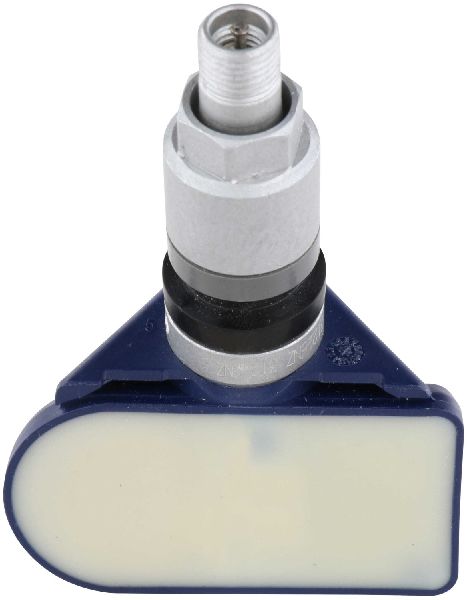
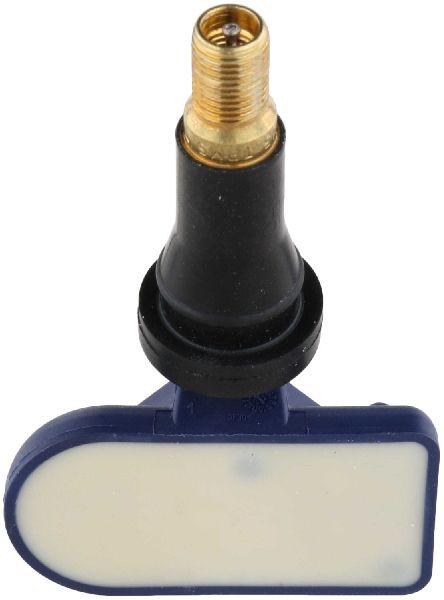
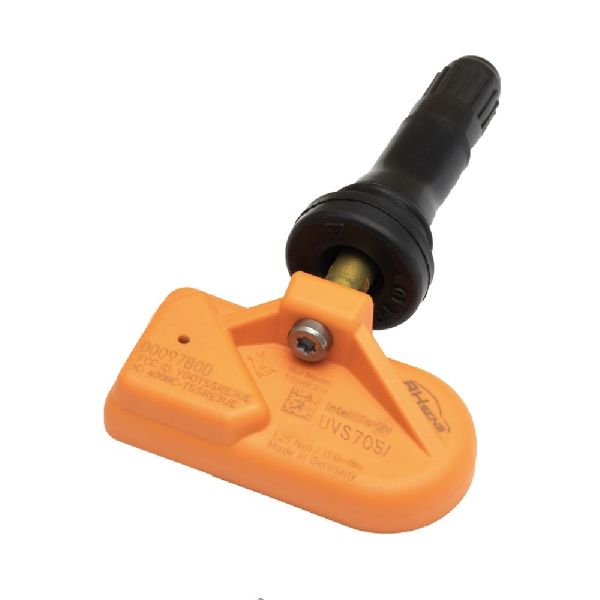
- Tire Pressure Monitoring System (TPMS) Sensor
(OEM #40700-3AN0B)— This is the most common point of failure. The internal, non-serviceable battery dies, causing the loss of signal that triggers code C1709. This part number supersedes 40700-3AN0A. For 2016+ models using 433 MHz, a different part number like 40700-4CB0B is required.
Trusted brands: Schrader (OEM Supplier), Continental/VDO, Denso, Huf, Autel (Programmable)
OEM price range: $70-$105
Aftermarket price range: $35-$60
Related Codes That Often Appear With This One
- C1708 — This is the 'No Data' code for the front-left wheel. Seeing them together suggests a broader issue like RF interference or that multiple sensor batteries are failing at the same time due to age.
- C1710 — This is the 'No Data' code for the rear-right wheel. The TSB from Nissan groups all four 'No Data' codes (C1708, C1709, C1710, C1711) together as they share common causes.
- C1711 — This is the 'No Data' code for the rear-left wheel. When multiple TPMS codes appear, RF interference or a faulty receiver becomes more likely than a single bad sensor.
Technical Service Bulletins (TSBs) & Recalls
- NTB13-088a: Discusses Low Tire Pressure Warning System (LTPWS) diagnostics, including 'No Data' conditions (C1708, C1709, C1710, C1711) caused by radio frequency interference from devices like cell phone chargers and aftermarket DVD players.
Platform-Specific Known Issues
- Nissan TSB NTB13-088a specifically warns that radio frequency interference from devices plugged into the car's power outlets can cause a 'No Data' condition for TPMS sensors, leading to codes like C1709. This should always be the first diagnostic check.
- The 2016 model year marks a switch in TPMS frequency from 315 MHz (2012-2015) to 433 MHz. Using the wrong frequency sensor will result in it not communicating with the vehicle.
- Some owners on Maxima.org have successfully used a manual relearn procedure on older models by grounding a specific pin near the OBD-II port, though an OBD relearn tool is the standard method for this generation.
Mechanic-Grade Diagnostic Values
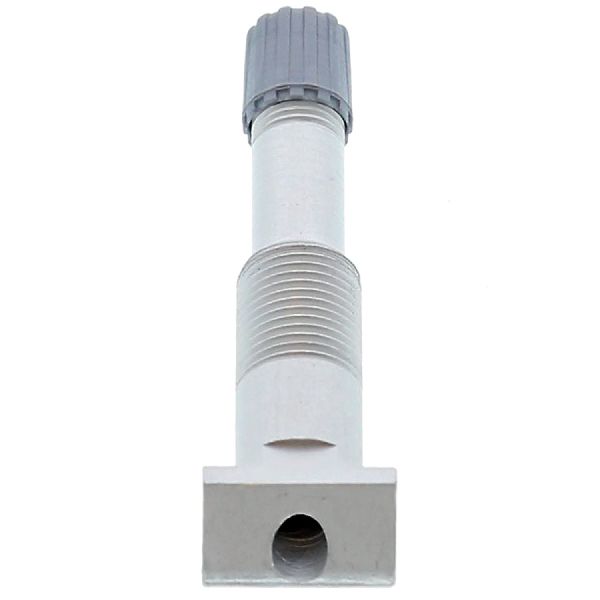
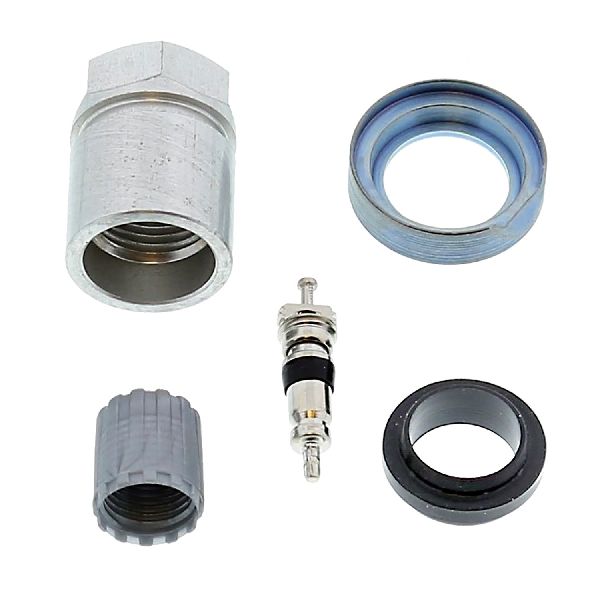
- TPMS Sensor Retaining Nut Torque — expected: 71 inch-pounds (8 Nm). Failure: Over-torquing can damage the sensor or valve stem; under-torquing can cause air leaks.
- TPMS Sensor Battery Life (via TPMS Tool) — expected: New sensors report ~120 months.. Failure: A reading below 15 months indicates the sensor is near end-of-life and can cause intermittent faults.
Scan Tool Commands That Help
- Nissan CONSULT-III Plus: ID REGIST (ID Registration) — This function is used within the BCM > Air Pressure Monitor > Work Support menu to write new sensor IDs to the Body Control Module after a sensor has been replaced.
- ATEQ, Autel, or similar TPMS tool with OBDII module: OBD Relearn / Transfer Sensor Data — This is the common aftermarket tool function used to read the new sensor ID and then write it to the BCM via the OBD-II port. This is required after sensor replacement.
Wiring & Ground Locations
- Body Control Module (BCM) — For the 7th generation Maxima (2009-2014), the BCM is located behind the instrument cluster/gauge cluster. Access requires removing dashboard trim panels.. The BCM is the central computer that receives signals from the TPMS sensors and logs the C1709 fault code. All TPMS-related wiring ultimately routes to the BCM connectors.
- TPMS Interface Plug (for manual relearn) — On some Nissan models, a single-wire white plug can be found hanging near the main OBD-II port in the driver's side footwell.. This plug provides a way to put the TPMS system into 'learn mode' without a scan tool by grounding the wire in a specific sequence. This allows for DIY sensor registration.
- BCM Connector M19 (Gray, 40-pin) — One of the main connectors on the BCM.. On 2009-2011 models, this connector contains the wire for the trunk release (Pin 36) and a negative ignition signal (Pin 16), showing its role in integrating various body functions. A loose connection or corrosion here could cause multiple unrelated issues.
Real Owner Repair Stories
- ALLDATA Tech Tip / Technician Academy (2008 Nissan Versa (uses a similar TPMS system and sensor part number)) — TPMS light flashed for one minute then stayed on, code C1709 was present.
❌ Tried (didn't work) Verifying tire pressures were correct., Re-initializing the existing sensors. This made the light go away, but it returned after one week.
✅ What actually fixed it A TPMS tool revealed the original sensors had low remaining battery life (<15 months). The intermittent signal was strong enough to be re-initialized but too weak for consistent driving communication. Replacing all four TPMS sensors and registering the new IDs permanently resolved the code.
OEM Part Supersession History
40700-3AN0A→40700-3AN0B— Standard part revision by the manufacturer.
Heads up: Part 40700-3AN0B is a direct replacement for 40700-3AN0A. It is also cross-compatible with several other Nissan part numbers like 40700-JA01B and 40700-1AA0D for 315 MHz systems.
Model Year Variations Within This Range
- 2012-2015 (7th Gen) vs 2016 (8th Gen): The most critical difference is the TPMS sensor frequency. 2012-2015 models use 315 MHz sensors (e.g., 40700-3AN0B). The redesigned 2016 model uses 433 MHz sensors. The parts are not interchangeable.
- 2016+: The 8th generation Maxima features the 'Easy Fill Tire Alert' system, which sounds the horn once the correct tire pressure is reached during inflation, providing an audible confirmation that the TPMS is reading the pressure correctly.
Helpful Videos
We Have This Part in Stock


The information in this article is provided for general reference and educational purposes only. Vehicle specifications, procedures, and part compatibility can vary by production date, trim level, and region. Always consult your vehicle's factory service manual and verify part numbers before purchasing or performing repairs. Safety-critical components such as airbags, seat belts, and braking systems should be installed by a qualified professional.
- Nissan MAXIMA:
- 🧭 Diagnostic Flowchart
- 🎬 Helpful Videos
- 🛍️ Shop This Part
- What's Unique About the 2012-2016 Nissan MAXIMA
- Symptoms You May Notice
- Most Likely Causes
- Rare But Worth Checking
- Diagnosis Steps
- Parts You'll Likely Need
- Related Codes That Often Appear With This One
- Technical Service Bulletins (TSBs) & Recalls
- Platform-Specific Known Issues
- Mechanic-Grade Diagnostic Values
- Scan Tool Commands That Help
- Wiring & Ground Locations
- Real Owner Repair Stories
- OEM Part Supersession History
- Model Year Variations Within This Range
- 🎟️ Get 5% Off