

C1709 on 2012-2016 Nissan NV: Front Right TPMS Sensor Fault Guide
Code C1709 on a 2012-2016 Nissan NV means the system isn't receiving a signal from the front right tire pressure sensor. This is usually due to a dead sensor battery, a common issue for vehicles of this age. Before replacing parts, unplug all aftermarket 12V accessories (phone chargers, dash cams) to rule out radio interference, a known problem detailed in Nissan TSB NTB13088A. The fix is to replace the sensor, which costs about $35-$100 for the part plus labor for installation and programming.
- C1709 means the front right TPMS sensor is not communicating, most likely due to a dead battery.
- A flashing TPMS light that turns solid indicates a system fault like C1709, not low tire pressure.
- Before replacing any parts, unplug all aftermarket phone chargers and electronics to rule out radio frequency (RF) interference, a known issue on Nissans documented in TSB NTB13088A.
- Replacing the sensor requires special tools to dismount the tire and register the new sensor's ID with the vehicle.
What's Unique About the 2012-2016 Nissan NV
For the Nissan NV and similar Nissan platforms of this era (like the Titan and Armada), the TPMS system is known to be sensitive to radio frequency (RF) interference. Nissan issued a specific Technical Service Bulletin (NTB13088A) warning that aftermarket electronics, particularly cheap or low-quality phone chargers and dash cams plugged into the 12V outlets, can emit RF noise that blocks the 315 MHz sensor signal and trigger a C1709 code. This makes ruling out interference a critical first diagnostic step before replacing any parts.
Diagnostic Flowchart
Tap your situation to follow the diagnostic path that matches what you're seeing on this vehicle.
Symptoms You May Notice
- TPMS warning light flashes for about one minute at startup, then stays on solid.
- Vehicle information display may show a 'Check Tire Pressure' warning, even if the pressure is correct.
- Inability to complete a TPMS relearn procedure for the front right wheel.
- Replacing the TPMS sensor without first checking for radio frequency interference from a phone charger or dash cam.
- Assuming the TPMS light means the tire pressure is low, when a flashing light indicates a system fault.
- Replacing only one sensor when a TPMS tool indicates multiple sensors have low battery life remaining.
Most Likely Causes
- Dead or Weak TPMS Sensor Battery 🔴 High Probability → Shop Tire Pressure Monitoring System (TPMS) Sensor TPMS sensor batteries are sealed, non-serviceable units with a finite lifespan of 5-10 years. Vehicles in the 2012-2016 range are at an age where battery failure is the most common cause of a sensor going offline.
How to confirm: Use a TPMS diagnostic tool to attempt to activate the sensor at the front right wheel. If the tool receives no signal or shows a low battery status, the sensor has failed.
Typical fix: Replace the front right TPMS sensor. The new sensor must be registered to the vehicle using a TPMS tool.
Est. part cost: $35-$100 - Radio Frequency (RF) Interference 🟡 Medium Probability As documented in Nissan TSB NTB13088A, these systems are susceptible to interference from aftermarket electronics like phone chargers, dash cams, or power inverters plugged into the 12V outlets. Low-quality chargers are notorious for creating RF 'noise' that jams the TPMS receiver.
How to confirm: Unplug all aftermarket accessories from the vehicle's power outlets. Clear the code (if possible) and drive the vehicle for 10-15 minutes at speeds above 16 mph to see if the light stays off. If the light goes out, one of the accessories was the cause.
Typical fix: Remove or replace the interfering device with a high-quality, well-shielded alternative.
Est. part cost: $0 - Damaged TPMS Sensor ⚪ Low Probability → Shop Tire Pressure Monitoring System (TPMS) Sensor Sensors can be physically damaged during tire mounting/dismounting or by significant road debris or pothole impacts. Using tire sealant can also clog the sensor's pressure port and cause it to fail.
How to confirm: Visual inspection after dismounting the tire. If the sensor is physically broken, cracked, or clogged with sealant, it has failed.
Typical fix: Replace the damaged TPMS sensor and register the new one.
Est. part cost: $35-$100
Rare But Worth Checking
- Faulty Body Control Module (BCM): The BCM acts as the receiver for the TPMS signals. In rare cases, the BCM itself can fail, but this would often cause multiple TPMS codes (C1708, C1710, C1711) to appear simultaneously and would likely affect other body systems as well.
- Corroded Valve Stem/Sensor Nut: In regions that use road salt, the aluminum valve stem and retaining nut can corrode, potentially causing an air leak or damaging the sensor seal. While more noted on older Nissan models, it's worth inspecting.
Diagnosis Steps
- Verify the symptom: Confirm the TPMS warning light flashes for about a minute upon startup before staying on solid.
- Check for RF Interference: Unplug ALL aftermarket accessories (phone chargers, dash cams, GPS units, etc.) from the 12V power outlets. This is the most important first step.
- Drive the vehicle: After unplugging accessories, drive the vehicle for at least 10 minutes at speeds above 16 mph (25 km/h) to see if the system resets itself and the light turns off.
- Scan for Codes: Use an OBD-II scanner capable of reading Chassis (C) codes to confirm C1709 is the active fault.
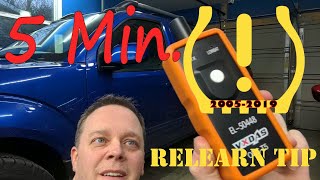
- Use a TPMS Diagnostic Tool: At a tire shop or with the proper tool, attempt to activate 🎬 Watch how to use a reset tool for the relearn. and read the front right TPMS sensor. The tool will try to get the sensor's ID, pressure, temperature, and battery status.
- Analyze Tool Results: If the tool gets no response from the sensor, or reports a 'low battery' status, the sensor has failed and must be replaced. If the tool *can* read the sensor but the vehicle cannot, the problem is more likely related to the vehicle's receiver (BCM) or a persistent RF interference source.
- Inspect the Sensor: If replacing, inspect the old sensor for physical damage, corrosion, or evidence of tire sealant contamination.
Parts You'll Likely Need
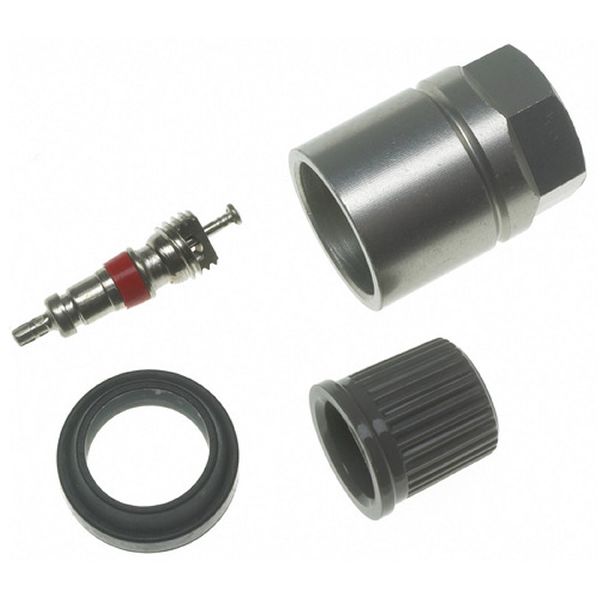
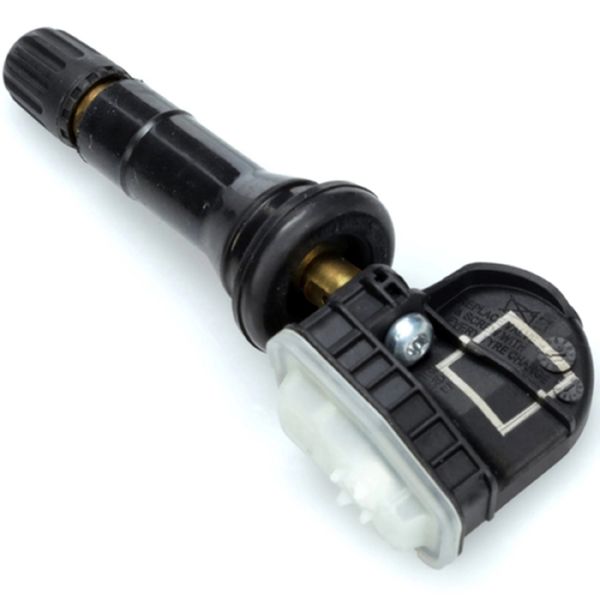
- Tire Pressure Monitoring System (TPMS) Sensor
(OEM #40700-1LA0E)— This is the most common failure. The non-serviceable internal battery dies, causing the loss of signal that triggers code C1709. This part number operates at 315 MHz.
Trusted brands: Continental/VDO, Schrader, Denso, Huf, Autel
OEM price range: $60-$100
Aftermarket price range: $35-$70
Related Codes That Often Appear With This One
- C1708 — This is the 'No Data' code for the Front Left sensor. If seen with C1709, it could indicate that multiple sensor batteries are failing at the same time due to age, or a significant RF interference issue.
- C1710 — This is the 'No Data' code for the Rear Right sensor. Seeing multiple codes together points towards a systemic issue like RF interference or multiple aging sensors.
- C1711 — This is the 'No Data' code for the Rear Left sensor. TSB NTB13088A groups all four codes (C1708, C1709, C1710, C1711) as having the same potential causes. 🎬 See a professional diagnostic walkthrough for these 'No Data' codes.
Technical Service Bulletins (TSBs) & Recalls
- NTB13088A: Addresses radio frequency interference causing a 'No Data' condition for the Low Tire Pressure Warning System (LTPWS), specifically citing codes C1708, C1709, C1710, and C1711. It also provides general TPMS diagnostic information. [⭐ MANUFACTURER TSB — highest authority]
Platform-Specific Known Issues
- The Nissan NV TPMS system is explicitly mentioned in TSB NTB13088A as being prone to 'No Data' codes (C1708, C1709, C1710, C1711) caused by radio frequency interference.
- The TPMS relearn procedure on the NV can be initiated through the instrument cluster's settings menu, but may require specific tire pressure adjustments or a TPMS activation tool to complete successfully.
Mechanic-Grade Diagnostic Values
- TPMS Sensor Battery Life (via TPMS Tool) — expected: A new sensor should report a value of 100+ months (e.g., 120).. Failure: A reading of less than 15 months indicates a weak battery that can cause intermittent faults before complete failure.
- Live Data from Nissan CONSULT Scan Tool — expected: The 'AIR PRESS FR' data PID should display a pressure reading that matches a manual gauge.. Failure: If the 'AIR PRESS FR' value is blank, shows '--', or displays an error while code C1709 is active, it confirms the BCM is not receiving data from that sensor.
- TPMS Sensor Signal Frequency — expected: 315 MHz for the North American market Nissan NV.. Failure: No signal detected by a TPMS tool, or if a sensor with the wrong frequency (e.g., 433 MHz) was installed.
Scan Tool Commands That Help
- Nissan CONSULT-III / CONSULT 3+: ID REGIST (Work Support) — This is the dealer-level function used to write the unique ID of a new TPMS sensor into the Body Control Module (BCM) after replacement. This is a mandatory step for the system to recognize the new sensor.
- Aftermarket TPMS Tool (e.g., Autel, Bartec) with OBD-II capability: OBD Relearn / Register Sensors — This is the function used by independent shops and DIYers to register new sensor IDs to the BCM via the OBD-II port. The tool first reads the new sensor ID wirelessly, then writes that ID to the vehicle's computer.
Wiring & Ground Locations
- Body Control Module (BCM) — Located behind the glove box on the passenger side of the vehicle. On some similar Nissan models, it may be on the left side of the dash.. The BCM contains the TPMS receiver. All four tire pressure sensor signals are sent wirelessly to this module. A fault in the BCM, a loose connector, or a poor ground connection for the BCM can cause intermittent or total loss of communication with one or more sensors.
- BCM Ground Points — The main dash harness, which includes the BCM, is often grounded at points M66 and M79 in Nissan service literature. A poor ground at these locations can cause a wide range of difficult-to-diagnose electrical issues, including TPMS faults.. An unstable ground can lower the sensitivity of the TPMS receiver within the BCM, making it more susceptible to signal loss from a weak sensor battery or RF interference, potentially triggering a C1709 code when the sensor itself is still marginally functional.
Real Owner Repair Stories
- CorvetteForum user, applicable across brands (2012 Chevrolet Corvette (similar 315 MHz TPMS system)) — TPMS system fault light would appear only during a specific nighttime commute, 15-20 minutes into the drive. The front right sensor reading would go blank. The system would reset and work normally the next day.
❌ Tried (didn't work) Dealer replaced the front right TPMS sensor, but the problem returned., Dealer suspected RF interference at the owner's workplace, but could not prove it.
✅ What actually fixed it The owner removed a set of aftermarket LED side marker lights. The problem immediately and permanently disappeared. It was determined that the electronics in the cheap LED lights were emitting RF interference that jammed the TPMS receiver, but only after they had been on for 15-20 minutes and warmed up.
OEM Part Supersession History
40700-1LA0A / B / C / D→40700-1LA0E— Standard part revision and consolidation over time.
Heads up: The listed part numbers are generally cross-compatible for the 2012-2016 NV. However, some aftermarket listings also show 40700-3AN1A or 40700-3AN1B as replacements; it is critical to ensure any replacement operates at 315 MHz for the US market.OEM Sensor (e.g., 40700-1LA0E)→Programmable Aftermarket Sensor (e.g., Autel MX-Sensor, Schrader EZ-sensor)— Aftermarket solution to reduce inventory for tire shops.
Heads up: These sensors are sold blank and must be programmed for the specific vehicle (Nissan NV 315 MHz) using a compatible TPMS tool. A key advantage is that some tools can clone the ID from the old, failing sensor (if it can still be read) onto the new one. This can sometimes allow the vehicle to recognize the new sensor without requiring the OBD-II relearn procedure.
Helpful Videos
We Have This Part in Stock


The information in this article is provided for general reference and educational purposes only. Vehicle specifications, procedures, and part compatibility can vary by production date, trim level, and region. Always consult your vehicle's factory service manual and verify part numbers before purchasing or performing repairs. Safety-critical components such as airbags, seat belts, and braking systems should be installed by a qualified professional.
- Nissan NV:
- 🧭 Diagnostic Flowchart
- 🎬 Helpful Videos
- 🛍️ Shop This Part
- What's Unique About the 2012-2016 Nissan NV
- Symptoms You May Notice
- Most Likely Causes
- Rare But Worth Checking
- Diagnosis Steps
- Parts You'll Likely Need
- Related Codes That Often Appear With This One
- Technical Service Bulletins (TSBs) & Recalls
- Platform-Specific Known Issues
- Mechanic-Grade Diagnostic Values
- Scan Tool Commands That Help
- Wiring & Ground Locations
- Real Owner Repair Stories
- OEM Part Supersession History
- 🎟️ Get 5% Off