

C1709 on 2004-2009 Nissan Quest: Front Right TPMS Sensor Fault Guide
Code C1709 on a 2004-2009 Nissan Quest means the front right tire pressure sensor is not communicating with the vehicle. The most common cause is a dead sensor battery due to age. The fix is to replace the sensor and register it to the vehicle, which requires a tire shop. Before replacing, unplug all aftermarket 12V accessories to rule out radio interference.
- C1709 specifically points to a communication failure with the front right TPMS sensor, not low tire pressure.
- The most likely cause on a 2004-2009 Quest is the sensor's internal battery has died due to age.
- Before replacing parts, unplug all aftermarket phone chargers and electronics to rule out radio frequency interference, a known Nissan issue documented in TSB NTB13-088a.
- This is not a DIY-friendly repair. Replacing the sensor requires tire dismounting and a specialized tool to register the new sensor to the car's computer via the OBD-II port.
What's Unique About the 2004-2009 Nissan QUEST
The 2004-2009 Nissan Quest (third generation, V42) was part of the early wave of vehicles equipped with direct TPMS. The sensors from this era have a typical battery life of 5-10 years, meaning most original sensors are now failing simply due to age. Additionally, Nissan issued Technical Service Bulletin NTB13-088a acknowledging that these vehicles can be susceptible to radio frequency (RF) interference from aftermarket electronics like phone chargers, dash cams, or power inverters, which can mimic a sensor failure and trigger a C1709 code. 🎬 Watch: Troubleshooting Nissan TPMS codes C1708 and C1709 Forum discussions across multiple Nissan models from this era confirm that low-quality USB chargers are a frequent culprit.
Diagnostic Flowchart
Tap your situation to follow the diagnostic path that matches what you're seeing on this vehicle.
Symptoms You May Notice
- TPMS warning light flashes for approximately 60 seconds at startup, then stays on solid.
- A 'Check Tire Pressure' message may appear on the vehicle information display.
- Inability to see the pressure reading for the front right tire on models with a detailed display.
- The TPMS light may appear intermittently at first, especially on longer highway drives, before becoming permanent as the sensor battery fully dies.
- Replacing only the TPMS valve stem when the sensor itself has failed. A flashing light indicates a sensor fault, not just a leak.
- Assuming the TPMS light is on for low pressure without checking for codes. A flashing light indicates a system fault, whereas a solid light indicates low pressure.
- Replacing a sensor without first checking for RF interference from a phone charger, which is a free and common fix.
Most Likely Causes
- Dead TPMS Sensor Battery 🔴 High Probability → Shop Tire Pressure Monitoring System (TPMS) Sensor The original sensors have a finite, non-serviceable battery life of 5-10 years. For a 2004-2009 vehicle, the batteries are well past their expected service life, making this the most common reason for failure.
How to confirm: A professional TPMS diagnostic tool (like an Autel or Bartec) can attempt to activate the sensor. If the tool receives no response, the sensor is dead and not transmitting.
Typical fix: Replace the front right TPMS sensor. It is often recommended to replace all four sensors at once since their batteries tend to fail around the same time. Some owners also replace the spare tire sensor if it has one.
Est. part cost: $30-$100 per sensor - Radio Frequency (RF) Interference 🟡 Medium Probability Nissan TSB NTB13-088a specifically notes that aftermarket devices like phone chargers, dash cams, or DVD players can transmit RF signals that interfere with the 315MHz TPMS signal. Owners on forums for the Quest and its platform-mates (Titan, Armada) frequently report this issue, often with cheap, unshielded USB chargers.
How to confirm: Unplug all aftermarket 12V accessories from the vehicle's power outlets. Turn the vehicle off and on again, then drive for several minutes above 16-20 mph to see if the TPMS light turns off. If the light goes out, one of the accessories was the cause.
Typical fix: Remove or replace the interfering electronic device. Using a high-quality, shielded charger often resolves the issue. No parts replacement is necessary for the vehicle itself.
Est. part cost: $0 - Failed TPMS Sensor Electronics ⚪ Low Probability → Shop Tire Pressure Monitoring System (TPMS) Sensor Sensors can be damaged during tire changes or fail from age-related corrosion of the valve stem or internal electronics. Nissan also warns that using aftermarket tire sealant can clog the sensor's pressure port and cause it to fail.
How to confirm: Even if a TPMS tool shows some battery life, the a sensor may have an internal fault. If a new, correctly registered sensor resolves the code, the old sensor was faulty. Visual inspection after dismounting the tire may show corrosion or physical damage.
Typical fix: Replace the front right TPMS sensor and register the new ID to the vehicle.
Est. part cost: $30-$100
Rare But Worth Checking
- Faulty Body Control Module (BCM) or TPMS Receiver: If a new sensor cannot be registered or the code persists with a known-good sensor and no RF interference, the BCM (which contains the TPMS receiver) may be at fault. This is very rare and should be the last item to check after all other possibilities are exhausted.
- Incorrectly Installed Sensor/Valve Stem: If the TPMS light appeared immediately after a tire service, the sensor may have been damaged during mounting/dismounting, or an incorrect valve stem was used. Using a brass valve core in an aluminum sensor stem can also cause galvanic corrosion and failure.
Diagnosis Steps
- Verify the symptom: Confirm the TPMS light flashes for about a minute on startup before staying solid. This indicates a system fault, not low pressure.
- Check for RF Interference: Unplug ALL aftermarket devices from 12V power outlets (phone chargers, dash cams, GPS, etc.) as per TSB NTB13-088a. Cycle the ignition and drive above 20 mph for several minutes to see if the light clears.
- Scan for Codes: Use an OBD-II scanner capable of reading Chassis (C) codes to confirm C1709 is present and check for other related TPMS codes.
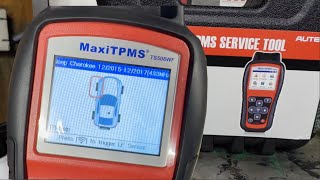
- Test the Sensor: Use a TPMS activation tool (e.g., Autel TS501/TS508, Bartec) at the front right wheel. If the tool cannot get a response (no ID, pressure, or temperature reading), the sensor is bad, most likely due to a dead battery.
- Inspect the Sensor: If the tire is dismounted, visually inspect the sensor for physical damage, cracks, or heavy corrosion on the valve stem nut.
- Replace and Register: If the sensor is confirmed bad, replace it. A tire shop will then use a TPMS tool connected to the OBD-II port to register the new sensor's unique ID to the vehicle's BCM.
- Final Test: Clear all codes and drive the vehicle above 16-20 mph for several minutes to ensure the BCM recognizes the new sensor and the light does not return.
Parts You'll Likely Need
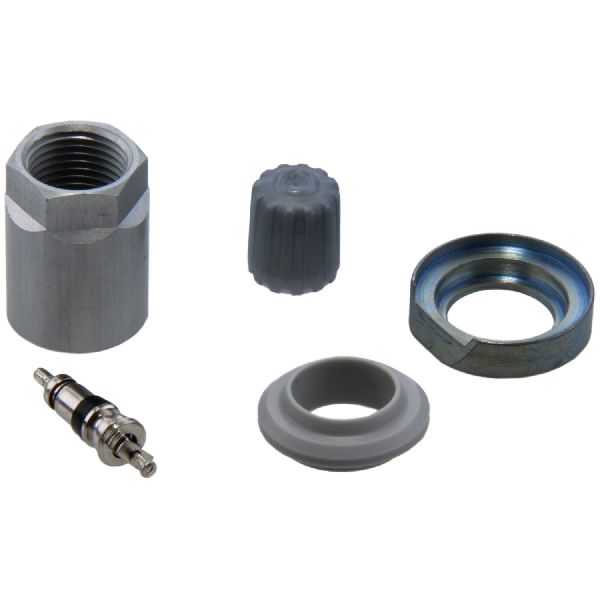
- Tire Pressure Monitoring System (TPMS) Sensor
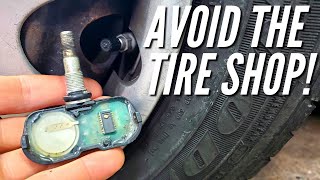
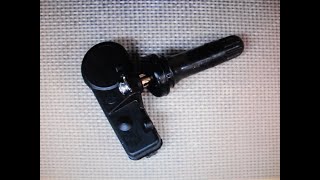
(OEM #40700-CK001)— This is the component that fails, most often due to its internal, non-serviceable battery expiring after 5-10 years. This part is also used on other Nissan models of the era, like the Armada, Titan, and Pathfinder.
Trusted brands: Nissan (OEM), Schrader (often the OEM manufacturer), Continental/VDO (SE10001HP), Dorman, Standard Motor Products, Autel (programmable MX-Sensor)
OEM price range: $70-$110
Aftermarket price range: $30-$70
Related Codes That Often Appear With This One
- C1708 — This is the code for the front left TPMS sensor. It's common for multiple sensor batteries to fail around the same time due to age.
- C1710 — This is the code for the rear left TPMS sensor. Seeing multiple codes suggests either several sensors have failed or there is a central issue like RF interference.
- C1711 — This is the code for the rear right TPMS sensor. The appearance of multiple TPMS codes is a strong indicator that the sensor batteries are expiring.
Technical Service Bulletins (TSBs) & Recalls
- NTB13-088a: Provides diagnostic information for the Low Tire Pressure Warning System, specifically mentioning that codes C1708, C1709, C1710, and C1711 can be caused by radio frequency interference from aftermarket accessories. Also discusses sensor leaks and damage from tire sealants.
Platform-Specific Known Issues
- As documented in Nissan TSB NTB13-088a, this vehicle platform can experience 'No Data' TPMS codes (including C1709) due to radio frequency interference from aftermarket electronics plugged into the power outlets. This should always be the first diagnostic check.
- While some DIY relearn procedures involving grounding a wire exist for other Nissan models, they are not reliably reported to work for the V42 Quest. The standard procedure requires an OBD-II TPMS tool.
Wiring & Ground Locations
- Body Control Module (BCM) — For 2004-2005 models, it is in the driver's side footwell, to the left of the pedals. For 2006-2009 models, it is located under the dashboard, behind the glove box or center console area.. The BCM is the control unit that receives the radio signals from all TPMS sensors. A fault with the BCM or its wiring/power supply can prevent it from receiving data from a sensor, mimicking a sensor failure. Its location is also prone to water damage from clogged cowl drains, which can cause various electrical issues, including TPMS faults.
- Fuse #3 (Instrument Panel) — In the fuse box located behind the storage compartment to the left of the steering wheel.. This 15A fuse supplies power to the Body Control Module (BCM). A loose or blown fuse here will disable the BCM, causing a loss of communication with all TPMS sensors and triggering multiple codes.
- Fuse #4 (Instrument Panel) — In the fuse box located behind the storage compartment to the left of the steering wheel.. This 10A fuse also provides power to the Body Control Module (BCM). Loss of this fuse can cause a system fault.
- Fuses #5 and #21 (Instrument Panel) — In the fuse box located behind the storage compartment to the left of the steering wheel.. These 15A fuses power the 12V outlets ('cigar lighters'). While not directly related to the TPMS, checking them is relevant when diagnosing RF interference, as a faulty device plugged into these outlets is a common cause of C1709.
Model Year Variations Within This Range
- 2004-2005 vs 2006-2009: The physical location of the Body Control Module (BCM) changed. On 2004-2005 models, it is in the driver's footwell. On 2006-2009 models, it was moved to behind the glove box/center dash area. This is critical to know if diagnosing a potential BCM or wiring issue.
Helpful Videos


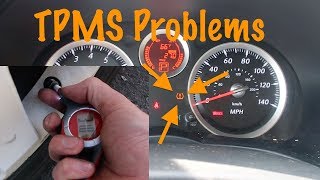
![[New Tool Review] Programming my TPMS Sensors for the G37 Rims Using Autel TS508👌](https://img.youtube.com/vi/2qAQozHaDp4/mqdefault.jpg)

We Have This Part in Stock


The information in this article is provided for general reference and educational purposes only. Vehicle specifications, procedures, and part compatibility can vary by production date, trim level, and region. Always consult your vehicle's factory service manual and verify part numbers before purchasing or performing repairs. Safety-critical components such as airbags, seat belts, and braking systems should be installed by a qualified professional.
- Nissan QUEST:
- 🧭 Diagnostic Flowchart
- 🎬 Helpful Videos
- 🛍️ Shop This Part
- What's Unique About the 2004-2009 Nissan QUEST
- Symptoms You May Notice
- Most Likely Causes
- Rare But Worth Checking
- Diagnosis Steps
- Parts You'll Likely Need
- Related Codes That Often Appear With This One
- Technical Service Bulletins (TSBs) & Recalls
- Platform-Specific Known Issues
- Wiring & Ground Locations
- Model Year Variations Within This Range
- 🎟️ Get 5% Off