

C1709 on 2007-2014 Nissan Versa: Front-Right TPMS Sensor Fault Guide
Code C1709 on a 2007-2014 Nissan Versa indicates the vehicle's computer is not receiving a signal from the front-right tire pressure (TPMS) sensor. The most common cause is a dead sensor battery or a failed sensor, which requires replacement and registration with a special tool. Before replacing, it's crucial to rule out radio frequency (RF) interference from aftermarket devices like phone chargers.
- C1709 specifically points to a problem with the front-right TPMS sensor, not low tire pressure.
- The most likely cause on a vehicle of this age is a dead battery inside the sensor, requiring full sensor replacement.
- Before replacing parts, unplug any aftermarket phone chargers or electronics to rule out radio frequency interference, as noted in a Nissan TSB.
- This repair is not typically DIY-friendly, as it requires tire dismounting and a specialized tool to register the new sensor.
What's Unique About the 2007-2014 Nissan VERSA
The TPMS system on the Versa is fairly standard, but Nissan has issued a Technical Service Bulletin (NTB13-088a) that specifically includes C1709. This bulletin highlights that 'No Data' conditions can be caused by radio frequency (RF) interference from aftermarket devices like phone chargers, dash cams, or DVD players. This is a unique and well-documented diagnostic consideration for this platform, with numerous owner reports on forums confirming that cheap chargers can block the 315 MHz TPMS signal.
Diagnostic Flowchart
Tap your situation to follow the diagnostic path that matches what you're seeing on this vehicle.
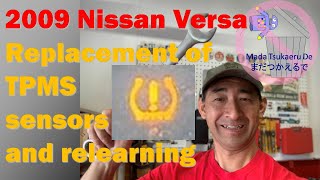
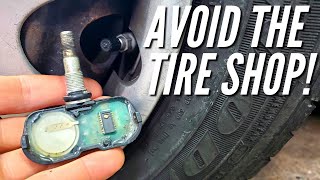
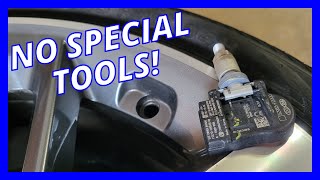
Generation note: This year range covers the first generation Versa (C11, 2007-2012) and the early second generation (N17, 2012-2014). The TPMS system function and the C1709 fault are consistent across these generations. 🎬 Watch: 2009 Versa TPMS sensor replacement and relearn walkthrough. However, always verify the specific part number for your vehicle's VIN, as sensor models can change. For example, some later models differentiate parts based on whether the vehicle has an Intelligent Key (push-to-start) system.
Symptoms You May Notice
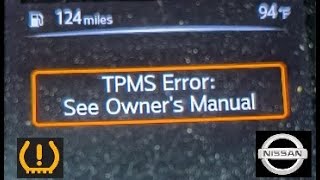
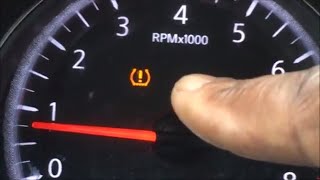
- TPMS warning light flashes for approximately one minute upon startup, then remains solidly lit.
- Inability to read the tire pressure for the front-right tire (on models with individual pressure displays).
- A 'Tire Pressure Sensor Fault' or similar message may appear on the instrument cluster display, if equipped.
- Replacing the wrong wheel's TPMS sensor due to tire rotation without relearning positions.
- Assuming the TPMS warning light is on for low pressure, when a flashing light indicates a system fault.
- Replacing the sensor without first checking for RF interference from a phone charger or other accessory.
Most Likely Causes
- Dead or Weak TPMS Sensor Battery 🔴 High Probability → Shop Tire Pressure Monitoring System (TPMS) Sensor TPMS sensors use sealed, non-replaceable batteries with a finite lifespan, typically 7-10 years. Vehicles in this 2007-2014 range are now at an age where original sensor batteries are expected to fail. A new sensor typically reports a 120-month lifespan to a diagnostic tool.
How to confirm: A professional TPMS tool can attempt to read the sensor. If the tool shows a low battery life status (e.g., under 15 months remaining) or cannot get a reading at all, the battery is the likely culprit. The failure may be intermittent at first as the battery weakens.
Typical fix: Replace the entire TPMS sensor in the front-right wheel. The battery is integrated and cannot be replaced separately.
Est. part cost: $35-$75 - Failed TPMS Sensor 🟡 Medium Probability → Shop Tire Pressure Monitoring System (TPMS) Sensor Sensors can fail from internal electronic faults, physical damage during tire service, or corrosion from moisture or aftermarket tire sealants inside the tire. TSB NTB13-088a also warns that deflating a tire while the sensor is at the 6 o'clock position can cause damage.
How to confirm: Use a TPMS activation tool at the front-right wheel. If the sensor fails to transmit its ID, pressure, and temperature data when triggered, it has failed.
Typical fix: Replace the front-right TPMS sensor and register the new sensor ID to the vehicle.
Est. part cost: $35-$75 - Radio Frequency (RF) Interference ⚪ Low Probability As noted in Nissan TSB NTB13-088a, aftermarket electronics like cell phone chargers, dash cams, or power inverters can transmit on a frequency that interferes with the 315 MHz TPMS signal. Reddit users have confirmed this issue on various vehicles, noting cheap chargers are often the cause.
How to confirm: Unplug all aftermarket electronic devices from the vehicle's power outlets. Clear the codes (if possible) and drive the vehicle to see if the C1709 code returns. If the light stays off, one of the devices was causing the interference.
Typical fix: Remove or replace the interfering electronic device with a higher-quality, better-shielded one.
Est. part cost: $0
Rare But Worth Checking
- Faulty TPMS Receiver or BCM: This is very uncommon. Before suspecting the receiver or Body Control Module (BCM), all other possibilities, especially the sensor itself, should be exhaustively ruled out. This would typically be accompanied by other TPMS codes (C1708, C1710, C1711) if the entire receiver failed.
- Improper Sensor Registration: If the sensor was recently replaced but the code persists, the new sensor's ID may not have been correctly registered to the BCM for the front-right wheel position. TSB NTB13-088a emphasizes that sensors must be registered every time wheels are rotated or replaced.
- Aftermarket Wheels: Some aftermarket wheels may have an incorrect orientation for the sensor stem, which can prevent the sensor from transmitting data correctly when the wheel rotates, as mentioned in TSB NTB13-088a.
Diagnosis Steps
- Verify tire pressures are set to the specification on the driver's door jamb sticker (typically around 33-36 PSI for the Versa).
- Confirm the active code is C1709 using an OBD-II scanner that can read Chassis (C) codes. Note that the TPMS light flashing for a minute then staying on is a key indicator of this fault.
- Unplug all aftermarket accessories (phone chargers, dash cams, power inverters, etc.) to eliminate potential RF interference as noted in TSB NTB13-088a. Drive the vehicle for over 10 minutes at speeds above 25 mph (40 km/h) to see if the light resets.
- Use a TPMS activation tool at the front-right wheel to attempt to read the sensor's ID, pressure, temperature, and battery status.
- If the tool cannot get a response from the sensor, the sensor has almost certainly failed (likely a dead battery) and must be replaced.
- If the tool gets a response, but the car still sets the code, the issue may be with the vehicle's TPMS receiver or a sensor registration problem.
- If replacing the sensor, the new sensor ID must be registered to the BCM using a compatible scan tool (like a Nissan CONSULT or a high-end professional tool) and following the manufacturer's relearn procedure. Some older Nissans had a manual relearn procedure involving grounding a wire, but this is not a confirmed method for this Versa generation.
Parts You'll Likely Need
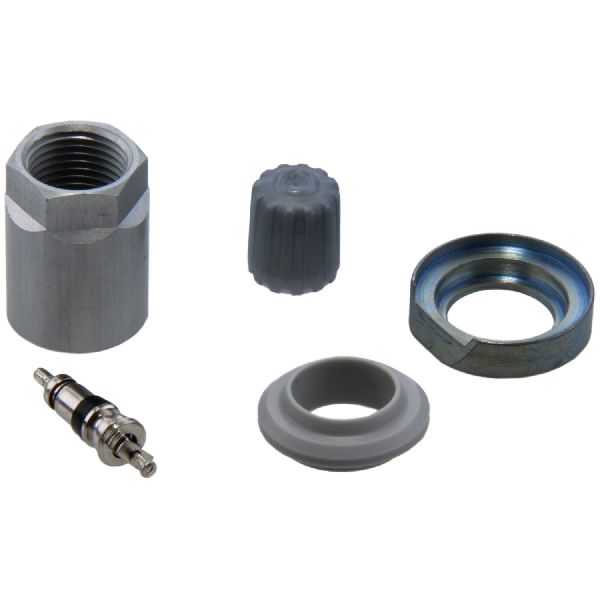
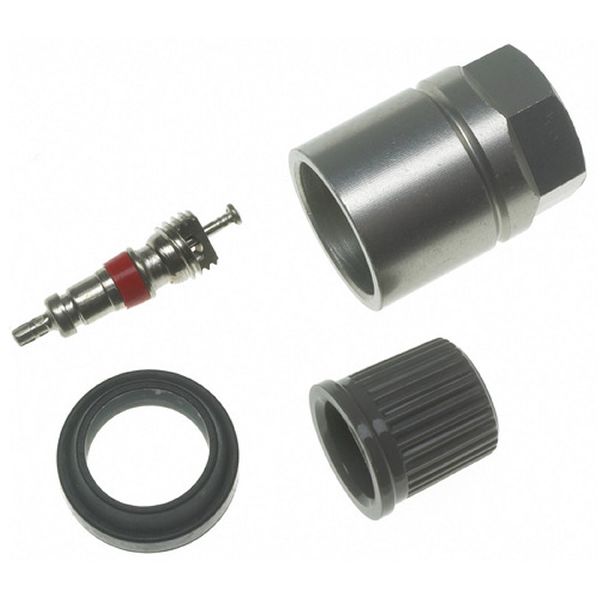
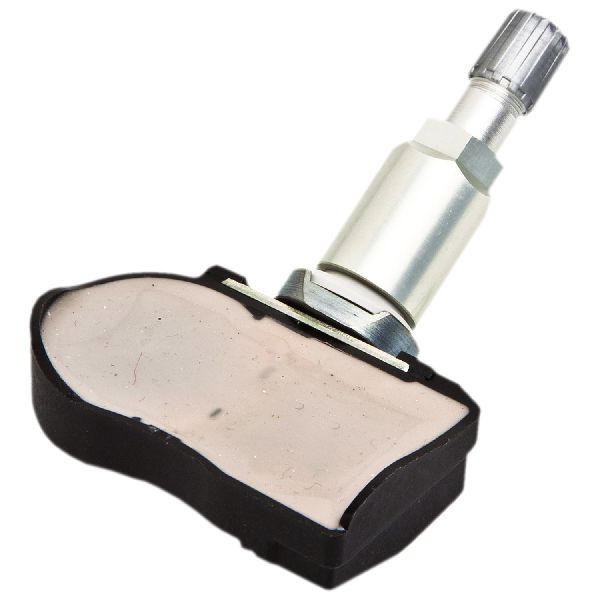
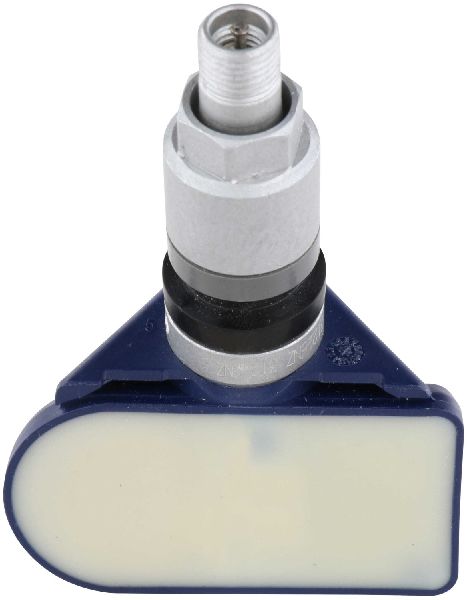
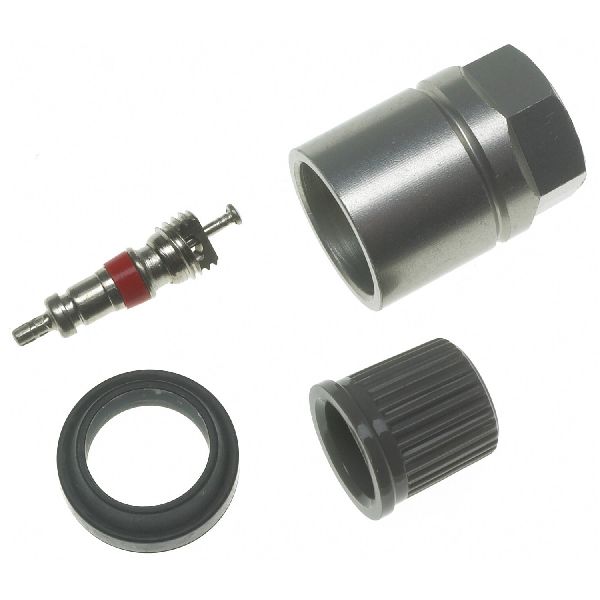
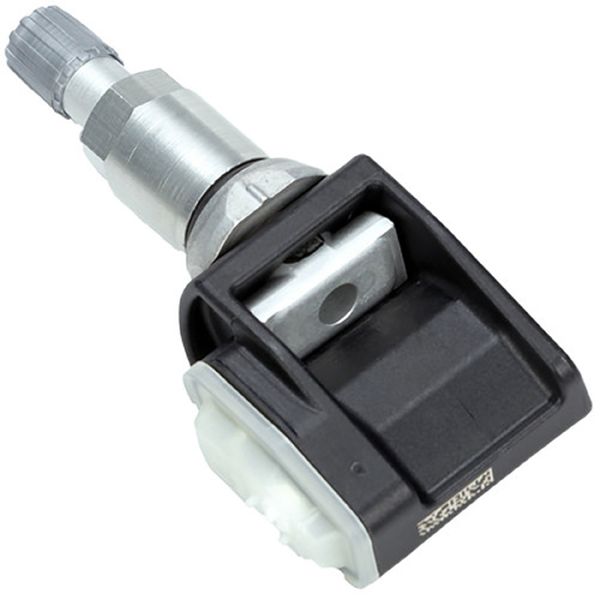
- TPMS Sensor
(OEM #40700-3AN0B)— This is the direct cause of the C1709 code, as the internal battery has died or the sensor has failed. The entire unit must be replaced. This part number supersedes 40700-3AN0A and is cross-compatible with many other numbers like 40700-JA01B and 40700-1AA0D.
Trusted brands: Schrader (OEM Supplier), Continental (OEM Supplier), Denso, Huf, Duralast
OEM price range: $70-$105
Aftermarket price range: $35-$60
Related Codes That Often Appear With This One
- C1708 — This is the 'No Data' code for the front-left wheel. Seeing them together could point to a broader issue like RF interference or a problem with the TPMS receiver.
- C1710 — This is the 'No Data' code for the rear-right wheel. The TSB NTB13-088a groups C1708, C1709, C1710, and C1711 together as the same type of fault for different wheels.
- C1711 — This is the 'No Data' code for the rear-left wheel.
Technical Service Bulletins (TSBs) & Recalls
- NTB13-088a: Addresses 'No Data' TPMS codes (C1708, C1709, C1710, C1711) and points to potential causes like radio frequency interference, sensor leaks, improper registration, damage from tire sealants, and issues with aftermarket wheels.
Platform-Specific Known Issues
- Nissan TSB NTB13-088a specifically warns that aftermarket electronics can cause radio frequency interference, leading to codes C1708, C1709, C1710, and C1711. This should be checked before replacing parts.
- A case study on a 2008 Versa showed that even with some battery life remaining, a weak sensor could cause intermittent C1709 faults. The initial fix of re-initializing the sensor failed, and the sensor required replacement a week later.
Mechanic-Grade Diagnostic Values
- TPMS Sensor Battery Life (via Scan Tool) — expected: A new sensor will report ~120 months.. Failure: Readings under 15 months are suspect and can cause intermittent faults.
- Live Data from CONSULT Scan Tool — expected: 'AIR PRESS FR' should be approximately equal to the tire gauge reading. 'ID REGST FR1' should show 'CMPLT'.. Failure: If 'AIR PRESS FR' shows an error or is blank, and C1709 is present, the sensor is not communicating.
Scan Tool Commands That Help
- Nissan CONSULT-III / CONSULT 3+: Work Support > ID Regist — This function is required after replacing a TPMS sensor to write the new sensor's unique ID to the BCM. The tool is put into 'execution mode', and a secondary activation tool is used at each wheel to register the new ID.
Wiring & Ground Locations
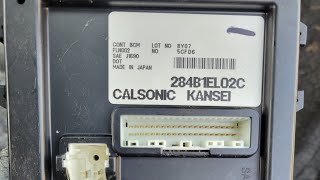
- Body Control Module (BCM) — Located behind the glove box on the passenger side of the vehicle.. The BCM contains the TPMS receiver. All TPMS sensor signals are sent to this module. While a BCM failure is rare, checking its connectors for corrosion or damage is a valid, albeit advanced, diagnostic step if a new sensor cannot be registered.
Real Owner Repair Stories
- ALLDATA Tech Tip / Technician.Academy (2008 Nissan Versa L4-1.8L, 101,122 miles) — TPMS light would flash for a minute then stay on continually every drive cycle. Code C1709 was present.
❌ Tried (didn't work) Verified all tire pressures were correct at 33 PSI., Initially re-initialized the existing sensors. This made the light go away, but it returned a week later with the same C1709 code.
✅ What actually fixed it The technician replaced all four TPMS sensors, as a scan tool showed their remaining battery life was under 15 months. After registering the new sensors, the problem was resolved permanently.
OEM Part Supersession History
40700-3AN0A→40700-3AN0B— Standard part revision/update.
Heads up: The new part number (40700-3AN0B) is a direct replacement for the old one and should be fully compatible.
Helpful Videos


We Have This Part in Stock

The information in this article is provided for general reference and educational purposes only. Vehicle specifications, procedures, and part compatibility can vary by production date, trim level, and region. Always consult your vehicle's factory service manual and verify part numbers before purchasing or performing repairs. Safety-critical components such as airbags, seat belts, and braking systems should be installed by a qualified professional.
- Nissan VERSA:
- 🧭 Diagnostic Flowchart
- 🎬 Helpful Videos
- 🛍️ Shop This Part
- What's Unique About the 2007-2014 Nissan VERSA
- Symptoms You May Notice
- Most Likely Causes
- Rare But Worth Checking
- Diagnosis Steps
- Parts You'll Likely Need
- Related Codes That Often Appear With This One
- Technical Service Bulletins (TSBs) & Recalls
- Platform-Specific Known Issues
- Mechanic-Grade Diagnostic Values
- Scan Tool Commands That Help
- Wiring & Ground Locations
- Real Owner Repair Stories
- OEM Part Supersession History
- 🎟️ Get 5% Off