

C1710 on 2014-2015 Infiniti Q60: Right Rear TPMS Sensor Fault Causes and Fixes
On a 2014-2015 Infiniti Q60, code C1710 means the right rear tire pressure sensor is not communicating with the car. The most common causes are a dead sensor battery (a 7-10 year lifespan part) or radio frequency (RF) interference from aftermarket chargers. The fix is usually a new TPMS sensor, which costs $70-$120 for an OEM part and requires a tire shop for installation and programming.
- C1710 means the right rear TPMS sensor is not communicating with your Q60.
- Before buying parts, unplug ALL aftermarket phone chargers and dash cams to rule out radio frequency interference, a very common cause for this code on Infinitis.
- The most likely physical cause is a dead battery in the original sensor, which is a normal wear item after 7-10 years.
- The fix requires a tire shop to install a new sensor and program it to the car; this is not a simple DIY job.
- While the system is faulted, you must manually check your tire pressures with a gauge for safety.
What's Unique About the 2014-2015 Infiniti Q60
The 2014-2015 Infiniti Q60 is part of the V36 platform, which was a direct continuation of the G37 coupe and convertible. For this platform, the TPMS is known to be sensitive to radio frequency (RF) interference. Infiniti issued a technical service bulletin (ITB13039A) specifically highlighting that 'No Data' codes like C1710 can be caused by aftermarket devices like 'Smart cell phone chargers' or dash cams, which can overpower the sensor's 315 MHz signal. Therefore, ruling out interference is a critical first diagnostic step 🎬 Watch: How cell phone chargers can interfere with your TPMS signal. before replacing any parts. This platform also shares its TPMS architecture with the Nissan 370Z, which has a similar TSB (NTB13-088A) for the same issue. A unique feature for this platform is the existence of a manual, tool-free relearn procedure that involves grounding a specific connector pin near the OBD-II port.
Diagnostic Flowchart
Tap your situation to follow the diagnostic path that matches what you're seeing on this vehicle.
Symptoms You May Notice
- TPMS warning light flashes for about a minute and then stays on solid.
- The tire pressure display, if equipped, shows '--' for the right rear tire.
- A capable OBD-II scanner will read code C1710 stored in the Body Control Module (BCM).
- Replacing the TPMS sensor without first checking for RF interference.
- Assuming the tire pressure is low. A flashing TPMS light indicates a system fault, not necessarily low pressure.
- Replacing the Body Control Module (BCM) for a single sensor fault. The issue is almost always the sensor itself or the dedicated TPMS receiver.
Most Likely Causes
- Dead TPMS Sensor Battery 🔴 High Probability → Shop Tire Pressure Monitoring System (TPMS) Sensor TPMS sensor batteries have a finite lifespan of 7-10 years. For a 2014-2015 vehicle, the original sensors are at or near the end of their expected service life. This is the most common failure by a wide margin.
How to confirm: Use a TPMS activation tool to try and read the sensor. If the tool gets no response or explicitly shows a low battery status, the sensor has failed. Tire shops often perform this check for free.
Typical fix: Replace the TPMS sensor in the right rear wheel and register the new sensor to the vehicle. It is highly recommended to replace all four sensors at the same time, as the others are likely to fail soon, saving on future labor costs.
Est. part cost: $70-$120 for OEM, $30-$70 for aftermarket. - Radio Frequency (RF) Interference 🟡 Medium Probability As noted in TSB ITB13039A, the TPMS in these vehicles is susceptible to interference from aftermarket electronics (e.g., phone chargers, dash cams, power inverters) plugged into the 12V outlets. Owners on forums for the G37/Q60 and 370Z platforms frequently report that cheap or powerful USB chargers are the culprit.
How to confirm: Unplug all aftermarket electronic devices from the vehicle's power outlets. Clear the codes (if possible) and drive the vehicle above 25 MPH for several minutes to see if the light goes out and the code does not return.
Typical fix: Remove or replace the interfering electronic device. If a device is necessary, try a high-quality, certified charger, as they tend to have better RF shielding.
Est. part cost: $0 - Faulty TPMS Sensor ⚪ Low Probability → Shop Tire Pressure Monitoring System (TPMS) Sensor While less common than a dead battery, the sensor's electronics can fail from age, vibration, or physical damage from potholes or careless tire service.
How to confirm: A TPMS tool may be able to read the sensor but show erratic data, or a wheel swap test can be performed. Move the right rear wheel to another position (e.g., front right). If the code follows the wheel (changes to C1709 for front right), the sensor is bad. If the code stays C1710, the problem is not the sensor.
Typical fix: Replace the faulty TPMS sensor and register the new one.
Est. part cost: $70-$120 for OEM, $30-$70 for aftermarket.
Rare But Worth Checking
- Faulty TPMS Control Unit / Receiver: This is rare for a single-wheel fault code. It's more likely if you have codes for multiple wheels (e.g., C1708, C1709, C1711) that do not resolve after checking sensors and RF interference. A user on MyG37.com with all four 'No Data' codes fixed the issue by replacing the TPMS receiver module (P/N 40740-1NC2A), located behind the glove box. A wheel swap test where the code remains at the RR position points towards a faulty receiver.
- Failing HVAC Blower Motor: A related Nissan TSB for the 370Z (NTB19-062) identified that a failing HVAC blower motor, when running on high speed, can create enough RF interference to cause 'No Data' codes C1708-C1711. If the C1710 code only appears when the fan is on high, the blower motor could be the cause.
Diagnosis Steps
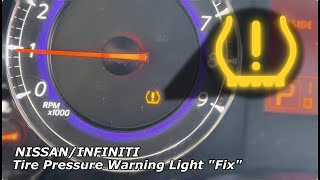
- Verify the TPMS warning light behavior: Does it flash for about a minute then stay solid? 🎬 See what a blinking TPMS light means and how to fix it. This confirms a system fault.
- Unplug all aftermarket accessories from 12V power outlets (phone chargers, dash cams, etc.) to eliminate potential radio frequency interference, per TSB ITB13039A.
- Drive the vehicle for several minutes above 25 mph to see if the light turns off. If it does, one of the removed devices was the cause.
- If the light remains, use a TPMS diagnostic tool to attempt to activate and read the sensor at the right rear wheel. Then, check the other three wheels for comparison.
- If the tool cannot get a response from the right rear sensor, the sensor has failed (likely dead battery) and must be replaced.
- If the tool can read the sensor, the problem may be intermittent or with the vehicle's receiver. A wheel-swap diagnosis can be performed for confirmation. If the C1710 code remains after moving the wheel, the receiver or wiring is the likely culprit.
- If multiple sensors are not responding, investigate systemic causes like the central TPMS receiver module or broad RF interference from a failing component like the HVAC blower motor.
- After replacing the sensor, use a TPMS tool to perform the ID registration (relearn) procedure according to the service manual. This involves uploading the new sensor IDs to the BCM/TPMS module via the OBD-II port. Alternatively, the manual grounding procedure can be attempted. 🎬 Watch: How to perform the manual TPMS reset without special tools.
Parts You'll Likely Need
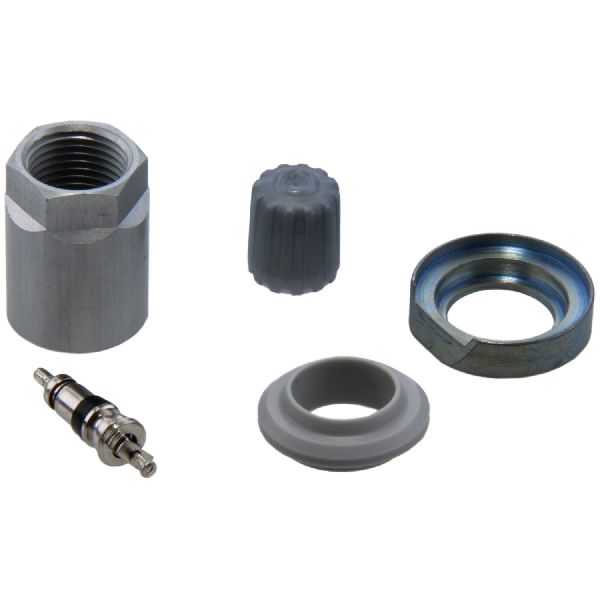
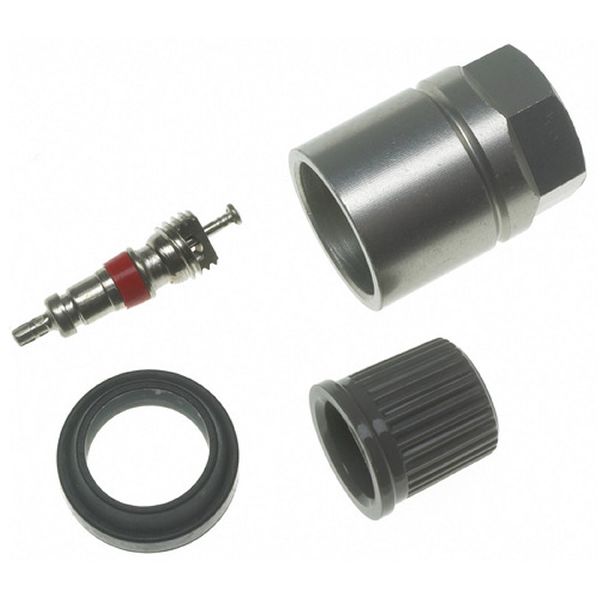
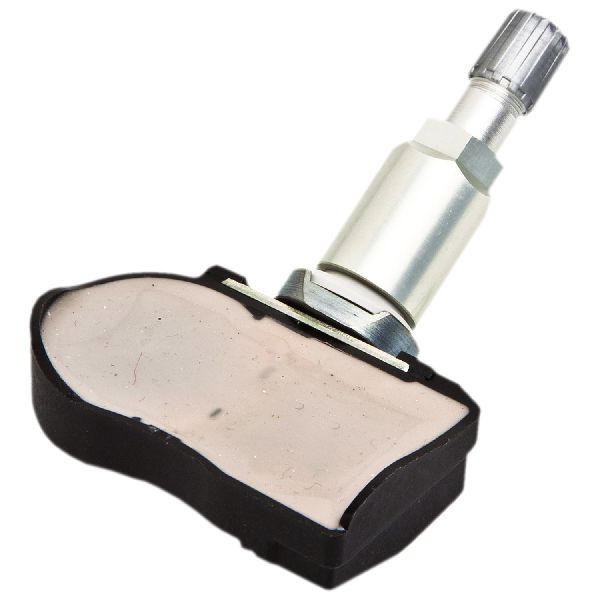
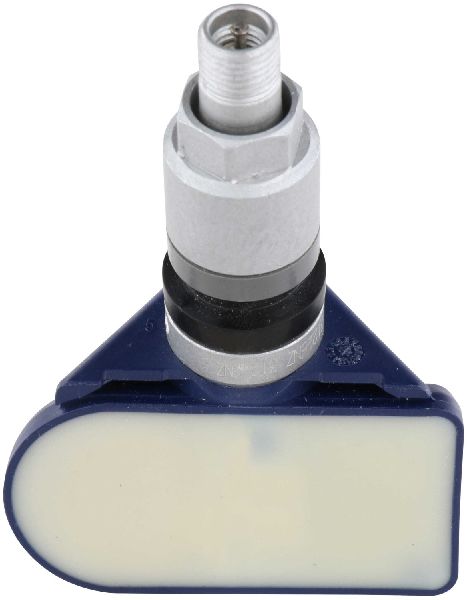
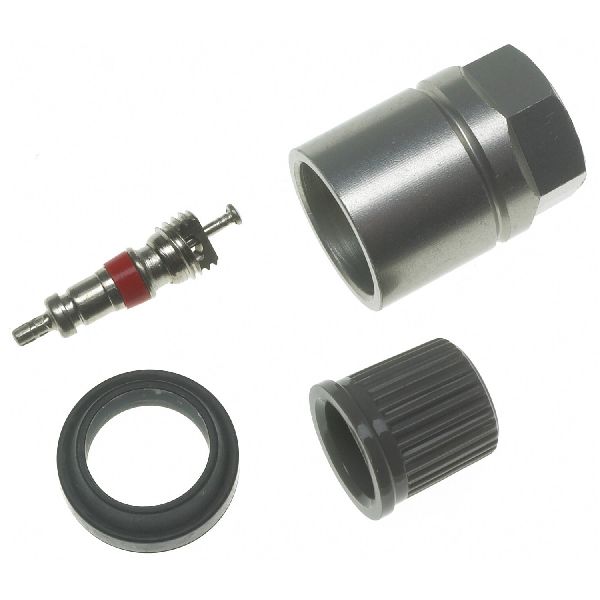
- Tire Pressure Monitoring System (TPMS) Sensor
(OEM #40700-JK01C)— This is the component that fails, most often due to its internal battery expiring after 7-10 years. Code C1710 directly points to a communication failure with this part at the right rear wheel. This part number supersedes previous versions like 40700-JK00C, 40700-JK00E, and others.
Trusted brands: Schrader, Denso, Continental, Autel, Hitachi
OEM price range: $70-$120
Aftermarket price range: $30-$70
Related Codes That Often Appear With This One
- C1708 — Indicates a 'No Data' fault from the front-left sensor. Seeing these codes together suggests multiple sensors may be failing due to age or a systemic issue like RF interference.
- C1709 — Indicates a 'No Data' fault from the front-right sensor. Multiple codes point to a systemic issue like aging batteries or RF interference.
- C1711 — Indicates a 'No Data' fault from the rear-left sensor. When seen with C1710, it's common for both rear sensors to fail around the same time.
Technical Service Bulletins (TSBs) & Recalls
- ITB13039A: Addresses diagnosing TPMS systems, specifically mentioning radio frequency interference from 'Smart cell phone chargers' as a cause for 'No Data' codes like C1708, C1709, C1710, and C1711.
- NTB19-062: A Nissan TSB for the related 370Z platform, noting that a failing HVAC blower motor can create RF noise and trigger the same set of TPMS codes.
Platform-Specific Known Issues
- Per TSB ITB13039A, these vehicles are known to be sensitive to radio frequency interference from aftermarket accessories, which can trigger C1710 and other 'No Data' TPMS codes.
- Some owners on forums like MyG37.com have successfully performed a manual TPMS relearn procedure by grounding a specific pin in a connector near the OBD-II port, though this method is not officially documented by Infiniti for all models and can be tricky to perform.
Mechanic-Grade Diagnostic Values
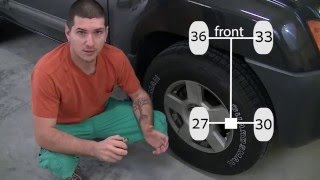
- Manual Relearn Tire Pressures — expected: FL: 34 psi, FR: 31 psi, RR: 29 psi, RL: 26 psi. Failure: The manual relearn procedure will not initiate or complete successfully if pressures are not set to these specific, unequal values.
- TPMS Sensor Operating Frequency — expected: 315 MHz. Failure: N/A. This is a fixed hardware value. A spectrum analyzer could verify transmission, but a TPMS tool is the practical method.
Scan Tool Commands That Help
- Nissan Signal Tech II (J-50190) / CONSULT: ID REGIST (Register Sensor ID) — This is the official dealership procedure used after installing a new TPMS sensor to write its unique ID into the Body Control Module (BCM). It is typically used with an activation tool (J-45295-A).
- ATEQ VT56 or similar advanced aftermarket tool: OBD Relearn Procedure — Used by independent shops to perform the same function as the OEM tool. The tool first reads the new sensor ID (either by activation or manual entry) and then writes it to the BCM via the OBD-II port, completing the registration.
Wiring & Ground Locations
- TPMS Interface Plug — A white, single-wire female connector, often taped to the OBD-II wire loom under the driver's side dash, near the left knee.. This connector is essential for the tool-free manual TPMS relearn procedure. Grounding the pin in this connector 6 times with the key on puts the BCM into learning mode, which is required to register new or rotated sensors without a scan tool.
- TPMS Receiver (Antenna) — Located behind the glove box. Part number is often 40740-1NC2A.. This is the module that receives the signals from all four tire sensors. If a C1710 code persists after replacing the sensor and ruling out RF interference, a fault in this receiver or its wiring is the next logical cause, especially since the right rear wheel is often the furthest away.
- BCM (Body Control Module) — Located behind the right kick panel.. The BCM is the central computer that processes the signal from the TPMS receiver and stores the C1710 trouble code. While a BCM failure is rare for a single-sensor code, checking its connections and ground points is a valid step in advanced diagnostics.
- Ground Points B7 / B202 — B7 is located behind the left kick panel; B202 is located behind the right kick panel.. A poor or corroded ground connection for the BCM can cause a wide range of difficult-to-diagnose electrical issues, including intermittent TPMS communication faults. Verifying these grounds are clean and tight is a worthwhile step if a receiver/BCM issue is suspected.
Real Owner Repair Stories
- Maxima.org forum user (similar Nissan platform) (Nissan Maxima with persistent C1710) — The C1710 code for the right rear wheel would return within a day, even after replacing the sensor multiple times.
❌ Tried (didn't work) Replacing the right rear TPMS sensor multiple times., Programming the new sensor ID to the BCM using an Autel tool.
✅ What actually fixed it A wheel swap diagnosis was performed, moving a known-good sensor/wheel to the right rear position. The C1710 code for the right rear position returned, proving the fault was location-specific and not tied to the sensor. This pointed to a weak or faulty TPMS receiver, as the right rear wheel is the furthest from the dash-mounted receiver. - MyG37.com forum user (Infiniti G37 (same platform as Q60)) — TPMS warning light was on after changing wheels/tires.
❌ Tried (didn't work) Driving the car hoping for an automatic relearn., Taking it to a dealer for a paid reset.
✅ What actually fixed it The user successfully performed the manual relearn procedure. They set the tires to specific, unequal pressures (e.g., FL: 34, FR: 31, RR: 29, RL: 26 psi), located the white TPMS interface plug by the OBD-II port, and grounded its pin 6 times with the key on. This put the system in learn mode (slowly flashing TPMS light), and after driving above 25 mph for a few minutes, the light went out, indicating the sensors were registered.
OEM Part Supersession History
40700-JK00A, 40700-JK00B, 40700-JK00C, 40700-JK00D, 40700-JK00E, 40700-JA00C, and others.→40700-JK01C— Standard part evolution for improved reliability, manufacturing efficiency, or minor design changes.
Heads up: The listed superseded parts are compatible and interchangeable with 40700-JK01C. However, when using aftermarket programmable sensors, ensure the tool has the correct protocol for the G37/Q60 platform to clone or create a compatible ID.
Helpful Videos
We Have This Part in Stock


The information in this article is provided for general reference and educational purposes only. Vehicle specifications, procedures, and part compatibility can vary by production date, trim level, and region. Always consult your vehicle's factory service manual and verify part numbers before purchasing or performing repairs. Safety-critical components such as airbags, seat belts, and braking systems should be installed by a qualified professional.
- Infiniti Q60:
- 🧭 Diagnostic Flowchart
- 🎬 Helpful Videos
- 🛍️ Shop This Part
- What's Unique About the 2014-2015 Infiniti Q60
- Symptoms You May Notice
- Most Likely Causes
- Rare But Worth Checking
- Diagnosis Steps
- Parts You'll Likely Need
- Related Codes That Often Appear With This One
- Technical Service Bulletins (TSBs) & Recalls
- Platform-Specific Known Issues
- Mechanic-Grade Diagnostic Values
- Scan Tool Commands That Help
- Wiring & Ground Locations
- Real Owner Repair Stories
- OEM Part Supersession History
- 🎟️ Get 5% Off