

C1710 on 2014-2016 Infiniti QX70: TPMS 'No Data' from Rear Right Sensor Causes and Fixes
On a 2014-2016 Infiniti QX70, code C1710 almost always means the Tire Pressure Monitoring System (TPMS) sensor in the rear right wheel has failed, usually due to a dead battery with a 5-10 year lifespan. First, rule out RF interference by unplugging all aftermarket chargers. A professional replacement is required, costing $60-$100 at a tire shop or $200+ at a dealership per sensor.
- C1710 means the sensor in your Infiniti QX70's rear right tire is not sending a signal.
- The most common cause is a dead battery in the sensor, which is expected for a vehicle of this age.
- Before replacing the sensor, unplug any aftermarket phone chargers or dash cams to rule out radio frequency interference, a known issue.
- This is not a DIY-friendly repair. A tire shop or dealer must perform the replacement as it requires tire dismounting and specialized programming tools.
What's Unique About the 2014-2016 Infiniti QX70
For this generation of Infiniti/Nissan vehicles, the manufacturer issued Technical Service Bulletins (ITB13039A / NTB13-088a) acknowledging that radio frequency (RF) interference can cause this specific 'No Data' condition. This means that while a failed sensor is the most common cause, external electronic devices like cheap aftermarket phone chargers or dash cams could disrupt the 315MHz signal. Furthermore, a TSB for the platform-mate Nissan 370Z identified the HVAC blower motor as a potential source of RF interference that can trigger this code.
Diagnostic Flowchart
Tap your situation to follow the diagnostic path that matches what you're seeing on this vehicle.
Symptoms You May Notice
- TPMS warning light flashes for approximately one minute upon startup, then stays on solid.
- The tire pressure display in the vehicle's information center shows "--" or is blank for the rear right tire.
- A "Check Tire Pressure" or similar message may appear on the information display.
- Replacing the tire when the issue is the sensor inside it.
- Replacing the TPMS control unit when the actual fault is a single, inexpensive sensor.
- Assuming the TPMS light is on for low pressure when a flashing light indicates a system malfunction.
Most Likely Causes
- Dead TPMS Sensor Battery 🔴 High Probability → Shop Tire Pressure Monitoring System (TPMS) Sensor TPMS sensor batteries are not rechargeable and have a finite lifespan, typically 5-10 years. Vehicles from the 2014-2016 model years are now at an age where mass battery failure is common and expected.
How to confirm: A technician can use a TPMS activation tool to try and 'ping' the sensor. If the sensor does not respond (or the tool shows a low battery status, if supported), its battery is dead. This is the most definitive test.
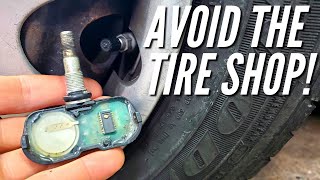
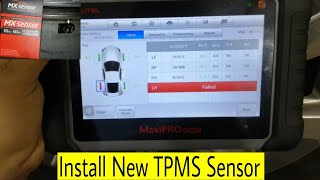
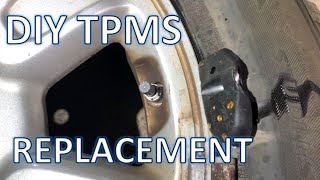
Typical fix: Replace the rear right TPMS sensor. The entire unit is sealed and must be replaced. 🎬 Watch this easy DIY guide for replacing your TPMS sensors.
Est. part cost: $40-$150 - Radio Frequency (RF) Interference ⚪ Low Probability As noted in Infiniti's TSB ITB13039A, these systems are sensitive to external RF signals. The switching regulators in cheap, poorly-shielded aftermarket 12V accessories (especially USB chargers) can broadcast a wide spectrum of radio noise, jamming the 315MHz frequency used by the TPMS sensors.
How to confirm: Unplug ALL aftermarket electronic devices from the vehicle's power outlets. Clear the code (if possible) or perform a drive cycle (drive above 16 mph for several minutes) to see if the fault light extinguishes.
Typical fix: Remove or replace the interfering electronic device with a high-quality, well-shielded alternative.
Est. part cost: $0-$50 - Faulty TPMS Sensor 🟡 Medium Probability → Shop Tire Pressure Monitoring System (TPMS) Sensor Beyond the battery, sensors can be physically damaged during tire changes or by impacts from potholes. Internal electronics can also fail from vibration and thermal cycles.
How to confirm: Even if the sensor responds to an activation tool, it may have an internal fault preventing it from transmitting data correctly to the vehicle's receiver. If a new sensor can be registered successfully and the code clears, the old one was faulty.
Typical fix: Replace the rear right TPMS sensor and register the new sensor ID with the vehicle.
Est. part cost: $40-$150
Rare But Worth Checking
- Faulty HVAC Blower Motor: Extremely rare, but documented on platform-mate vehicles (Nissan 370Z). A failing HVAC blower motor can generate significant RF interference, triggering C1710. Per TSB NTB19-062, if the sensor is confirmed to be transmitting but the code returns, the diagnostic step is to turn the HVAC to maximum cool and road test. If the code returns, the blower motor is the likely cause.
- Faulty TPMS Control Unit (Receiver): This is very rare. If a new, known-good sensor cannot be registered for the rear right wheel (while other sensors work), the control unit itself might have a localized fault. This would require advanced diagnosis at a dealership.
- Improper Sensor ID Registration: If the wheels were recently rotated or a sensor was replaced without performing the correct registration procedure with a scan tool, the control unit will not recognize the sensor in its new position. This would set a 'No Data' code for the expected location.
Diagnosis Steps
- Verify that the TPMS warning light flashes for about a minute before staying on, confirming a system malfunction rather than low pressure.
- Check the tire pressure display in the vehicle's information center to confirm the rear right reading is missing.
- Unplug all aftermarket 12V accessories (phone chargers, dash cams, etc.) to eliminate potential RF interference.
- Use a TPMS diagnostic tool (like an Autel or Schrader tool) to attempt to 'wake' or 'ping' the sensor at the rear right wheel. If the tool cannot get a response, the sensor has failed (likely dead battery).
- If the sensor responds to the tool, it may still be faulty. The next step is to attempt to re-register the sensor IDs to the vehicle using the scan tool's OBD-II function.
- As a rare check, if the sensor seems to be working but the code persists, follow the test from TSB NTB19-062: clear codes, turn the HVAC fan to maximum cool, and road test. If the C1710 code returns, the HVAC blower motor may be the source of interference.
- If re-registration fails or the code returns after eliminating RF interference, replace the TPMS sensor in the rear right wheel.
- After installing the new sensor, use a TPMS tool to register the new sensor's unique ID to the TPMS control unit.
- Drive the vehicle above 16 mph for several minutes to allow the system to confirm the repair and turn off the warning light.
Parts You'll Likely Need
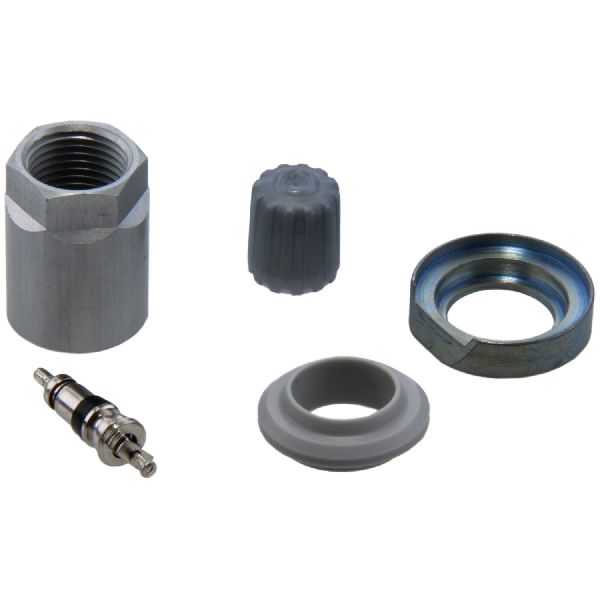
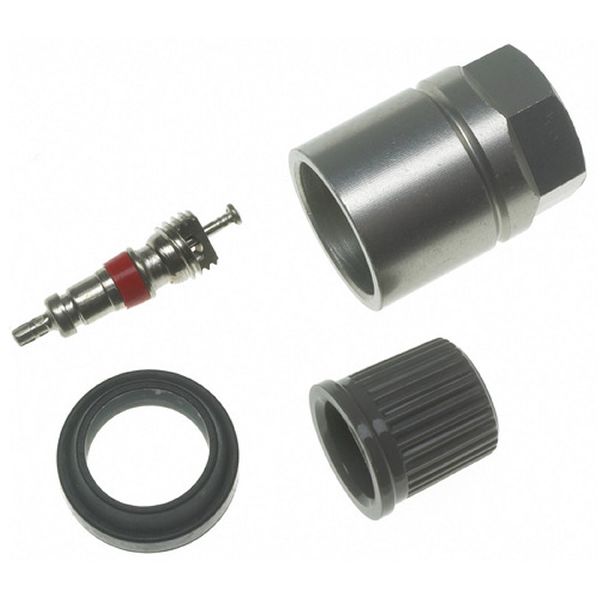
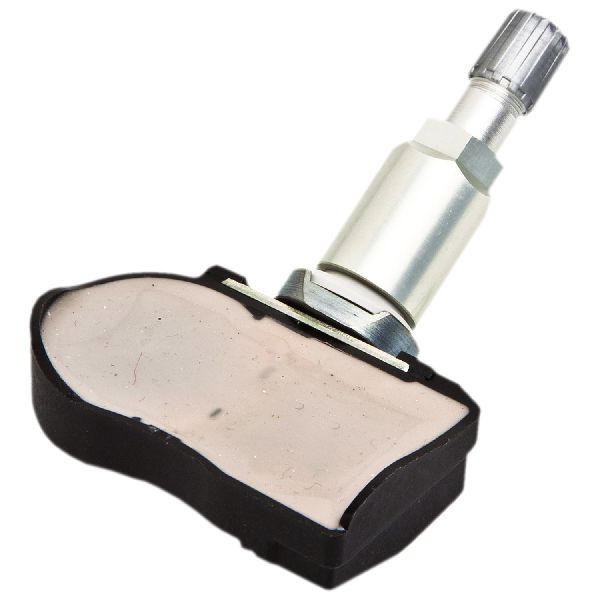
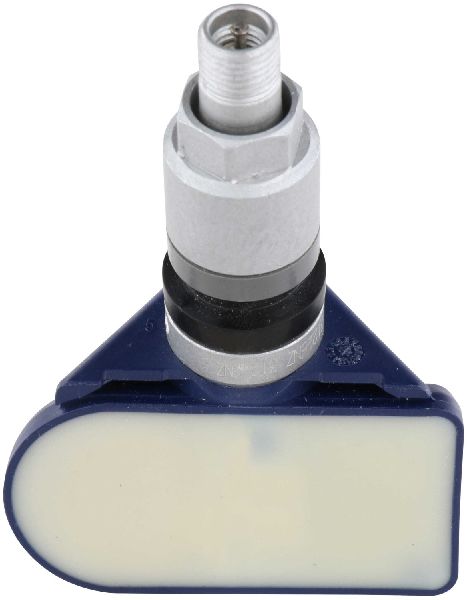
- Tire Pressure Monitoring System (TPMS) Sensor
(OEM #40700-1LA0E (supersedes 40700-1LA0D, 40700-1LA0C))— This is the transmitter inside the wheel that fails, most often due to its integrated battery reaching the end of its 7-10 year service life. The entire sealed unit must be replaced.
Trusted brands: Infiniti/Nissan (OEM), Schrader (often the OEM manufacturer), Huf/BH Sens, Autel (programmable), Dill
OEM price range: $80-$150
Aftermarket price range: $40-$75
Related Codes That Often Appear With This One
- C1708 — This code indicates 'No Data' from the Front Left sensor. Seeing multiple codes (C1708, C1709, C1710, C1711) together could point to a systemic issue like widespread RF interference or multiple sensors failing around the same time due to age.
- C1709 — This code indicates 'No Data' from the Front Right sensor.
- C1711 — This code indicates 'No Data' from the Rear Left sensor.
Technical Service Bulletins (TSBs) & Recalls
- ITB13039A / NTB13-088a - Provides general information on the TPMS system and specifically calls out radio frequency interference from devices like cell phone chargers as a cause for 'No Data' codes C1708, C1709, C1710, and C1711.
- NTB19-062 - (APPLIED VEHICLE: 2018 Nissan 370Z) Details a diagnostic procedure for C1710 where if the sensor is transmitting, the HVAC blower motor should be suspected as the source of RF interference.
Platform-Specific Known Issues
- Infiniti has officially documented that radio frequency interference can cause a 'No Data' condition, leading to codes like C1710. This is detailed in Technical Service Bulletin ITB13039A / NTB13-088a.
- A TSB for the platform-mate Nissan 370Z (NTB19-062) identifies a failing HVAC blower motor as a potential source of RF interference that can specifically cause TPMS 'No Data' codes, including C1710.
Mechanic-Grade Diagnostic Values
- TPMS Sensor Frequency — expected: 315 MHz. Failure: Using a sensor with the wrong frequency (e.g., 433 MHz) will result in a 'No Data' condition and prevent registration.
Scan Tool Commands That Help
- Nissan CONSULT-III Plus: Work Support > ID REGIST — This is the dealer-level command used to write new TPMS sensor IDs to the BCM after a sensor is replaced or wheels are rotated. It is a required step for the system to recognize the new sensor.
- ATEQ VT56 (or equivalent): OBD Relearn — This is a common function on professional aftermarket TPMS tools. It connects to the OBD-II port and performs the same function as the CONSULT tool, writing the new sensor IDs to the vehicle's computer.
Wiring & Ground Locations
- Body Control Module (BCM) — Located in the passenger-side footwell, behind the kick panel and glove box area.. The BCM is the control unit/receiver for the TPMS system. In rare cases of C1710 where the sensor is good and RF interference is ruled out, a fault with the BCM or its wiring/connectors could be the cause. Its location makes it vulnerable to water damage from clogged sunroof drains.
When the Usual Fixes Don't Work
- While many online videos and guides for older Nissan/Infiniti models show a manual TPMS reset procedure involving grounding a wire near the OBD-II port, this does not apply to the 2014-2016 QX70. This specific platform requires an electronic registration of new sensor IDs using a compatible scan tool connected to the OBD-II port; there is no manual reset button or procedure.
OEM Part Supersession History
40700-1LA0A, 40700-1LA0B, 40700-1LA0C, 40700-1LA0D→40700-1LA0E— Standard part revisions and updates by the manufacturer.
Heads up: The listed part numbers are generally interchangeable for this platform, but it is always best practice to use the latest revision (40700-1LA0E) when replacing.
Helpful Videos
We Have This Part in Stock


The information in this article is provided for general reference and educational purposes only. Vehicle specifications, procedures, and part compatibility can vary by production date, trim level, and region. Always consult your vehicle's factory service manual and verify part numbers before purchasing or performing repairs. Safety-critical components such as airbags, seat belts, and braking systems should be installed by a qualified professional.
- Infiniti QX70:
- 🧭 Diagnostic Flowchart
- 🎬 Helpful Videos
- 🛍️ Shop This Part
- What's Unique About the 2014-2016 Infiniti QX70
- Symptoms You May Notice
- Most Likely Causes
- Rare But Worth Checking
- Diagnosis Steps
- Parts You'll Likely Need
- Related Codes That Often Appear With This One
- Technical Service Bulletins (TSBs) & Recalls
- Platform-Specific Known Issues
- Mechanic-Grade Diagnostic Values
- Scan Tool Commands That Help
- Wiring & Ground Locations
- When the Usual Fixes Don't Work
- OEM Part Supersession History
- 🎟️ Get 5% Off