

C1710 on 2014-2015 Nissan NV200 TAXI: Right Rear TPMS Fault Causes and Fixes
On a 2014-2015 Nissan NV200 TAXI, code C1710 means the right rear tire pressure sensor is not communicating with the vehicle. The most common cause is a dead battery in the sensor. Before replacing it, unplug any phone chargers, dash cams, or other 12V accessories to rule out radio frequency interference, a known and well-documented Nissan issue.
- C1710 means the right rear TPMS sensor is not communicating with your NV200 TAXI.
- Before buying any parts, unplug all phone chargers, dash cams, or other 12V accessories to rule out radio frequency interference, a very common cause on Nissans.
- The most likely mechanical fault is a dead battery inside the TPMS sensor, which requires replacing the entire sensor unit.
- This repair is not DIY-friendly for most, as it requires dismounting the tire and using a special tool to program the new sensor to the van.
- Do not ignore the warning; manually check your tire pressures with a gauge until the system is fixed to ensure safety.
What's Unique About the 2014-2015 Nissan NV200 TAXI
For Nissan vehicles of this era, including the NV200, the TPMS is notoriously sensitive to radio frequency (RF) interference. As confirmed by Nissan's own Technical Service Bulletin NTB13088A, common aftermarket accessories like phone chargers and dash cams plugged into the 12V power outlets can block the weak signal from the TPMS sensors, causing codes like C1710 to appear even when the sensor itself is functional. The TAXI model, in particular, often runs multiple 12V accessories (meters, dispatch systems, payment terminals), making it especially prone to this issue.
Diagnostic Flowchart
Tap your situation to follow the diagnostic path that matches what you're seeing on this vehicle.
Symptoms You May Notice
- TPMS warning light flashes for about 60-90 seconds on startup, then stays on continuously.
- Inability to see the tire pressure reading for the right rear tire on the vehicle's information display (if equipped).
- A 'Service Tire Monitor System' message may appear on the instrument cluster.
- Replacing the wrong wheel's sensor. C1710 is specific to the Right Rear wheel on Nissan vehicles.
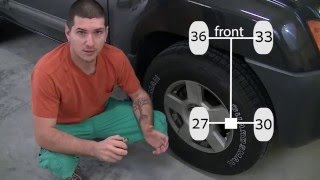
- Assuming the tire is low on air. A flashing TPMS light indicates a system fault (like C1710), whereas a solid light from startup indicates low pressure. 🎬 Watch: How to reset the TPMS without using special tools
- Replacing the BCM or TPMS receiver before thoroughly ruling out a failed sensor or RF interference, which are far more common.
Most Likely Causes
- Dead TPMS Sensor Battery 🔴 High Probability → Shop Tire Pressure Monitoring System (TPMS) Sensor TPMS sensor batteries are sealed and have a finite lifespan of 5-10 years. A 2014-2015 vehicle is at the age where battery failure is the most common cause for a single sensor to fail.
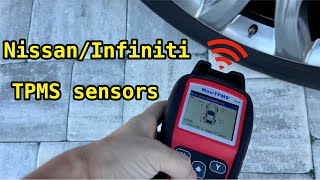
How to confirm: Use a TPMS diagnostic tool (like an Autel TS508 or similar) to attempt to 'wake up' or read the sensor at the wheel. If the tool gets no response from the right rear sensor while others respond, the sensor has failed.
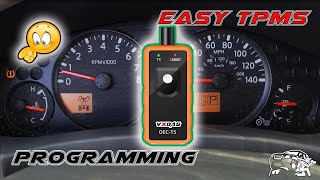
Typical fix: Replace the TPMS sensor in the right rear wheel and register the new sensor ID to the BCM. 🎬 See this easy and cheap way to program Nissan sensors It is often recommended to replace all four sensors at once since their batteries are the same age and others are likely to fail soon.
Est. part cost: $30-$90 - Radio Frequency (RF) Interference 🟡 Medium Probability As documented in Nissan TSB NTB13088A, these vehicles are susceptible to RF interference from aftermarket electronics plugged into the power outlets, such as phone chargers, dash cams, and GPS units. Low-quality USB chargers are a frequent culprit. This is especially relevant for the TAXI model, which may have multiple devices running simultaneously.
How to confirm: Unplug all aftermarket accessories from the 12V power outlets. Clear the codes (if possible) and drive the vehicle for several minutes above 16-25 MPH to see if the code returns. If it does not, one of the accessories was the cause.
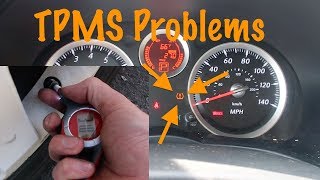
Typical fix: Remove the interfering device. If the device is necessary, replace it with a higher-quality, better-shielded version. Sometimes, using a power cord with a ferrite core can solve the issue. 🎬 Watch: A real-world example of troubleshooting Nissan TPMS interference
Est. part cost: $0-$50 - Faulty TPMS Sensor (Electronics Failure) ⚪ Low Probability → Shop Tire Pressure Monitoring System (TPMS) Sensor
How to confirm: If a TPMS tool shows the sensor has a good battery but it still fails to transmit data consistently or provides erratic readings, the sensor's internal electronics have likely failed due to impact or defect.
Typical fix: Replace the TPMS sensor in the right rear wheel and register the new sensor ID with the BCM.
Est. part cost: $30-$90
Rare But Worth Checking
- Faulty TPMS Receiver or Body Control Module (BCM): If a known-good sensor won't register and RF interference is ruled out, the issue could be with the vehicle's receiver or the BCM itself. This is rare and should be diagnosed last. A failing BCM would likely present other electrical issues and may store U-series communication codes.
- Tire Sealant Contamination: Aftermarket emergency tire sealants can coat the inside of the TPMS sensor, blocking its pressure port or damaging the electronics. If a tire has recently been repaired with a sealant, this could be the cause.
Diagnosis Steps
- Verify the TPMS warning light behavior: it should flash for approximately one minute on startup and then stay on solid.
- Scan the BCM for codes with an OBD-II scanner capable of reading C-codes to confirm C1710 is present.
- Disconnect ALL aftermarket accessories plugged into the 12V power outlets (phone chargers, dash cams, GPS, etc.).
- Clear the code, then drive the vehicle for several minutes above 16 MPH to see if the code returns. If it does not, an accessory was causing RF interference.
- If the code returns, use a TPMS diagnostic tool to attempt to read the sensor at the right rear wheel. If the tool gets no response, the sensor has failed (likely a dead battery).
- If the sensor reads correctly with the tool but the C1710 code persists, the issue may lie in the vehicle's TPMS receiver or BCM wiring, or the sensor ID is not correctly registered.
- As an advanced step, swap the right rear wheel with another wheel (e.g., the front right). Clear codes and drive. If the code changes to C1709 (Front Right), the sensor in the wheel is confirmed to be faulty. If the code remains C1710, the problem is with the vehicle's receiving system for that wheel position.
- If the sensor is confirmed bad, replace it. The new sensor's ID must be registered to the BCM using a compatible TPMS tool connected to the OBD-II port.
Parts You'll Likely Need
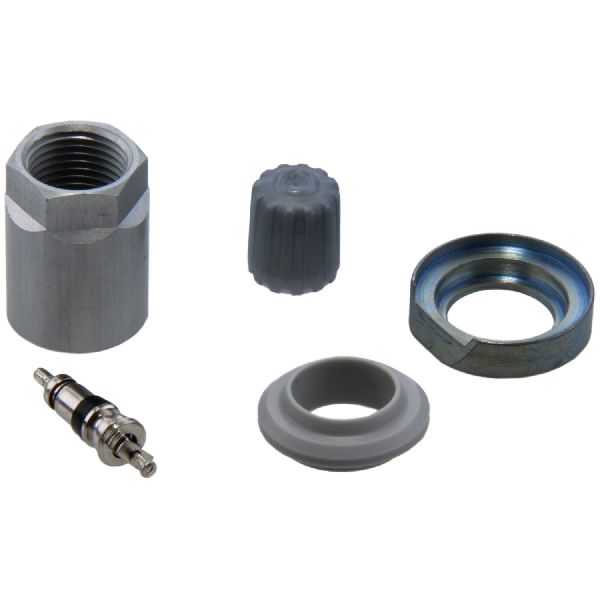
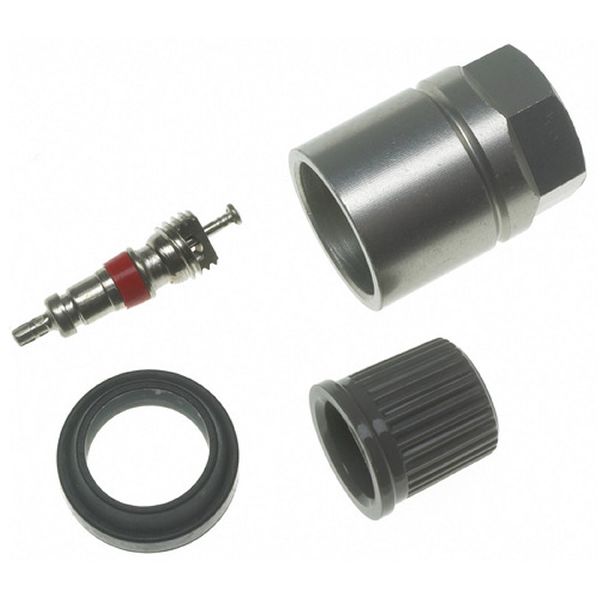
- Tire Pressure Monitoring System (TPMS) Sensor
(OEM #40700-JK01C)— This is the sensor and transmitter inside the wheel. Its internal battery has a finite life and is the most common point of failure for code C1710. This part number supersedes many previous versions like 40700-JA01C.
Trusted brands: Schrader (OEM supplier), Denso, Dorman, Autel (programmable), Continental
OEM price range: $70-$110
Aftermarket price range: $30-$90
Related Codes That Often Appear With This One
- C1708 — Indicates a 'No Data' condition for the Front Left sensor. Seeing multiple codes at once can point to a systemic issue like RF interference or multiple sensors failing from age.
- C1709 — Indicates a 'No Data' condition for the Front Right sensor. Can appear with C1710 if multiple sensors are failing around the same time.
- C1711 — Indicates a 'No Data' condition for the Rear Left sensor. If seen with C1710, it could mean both rear sensors have failed or are being affected by the same source of RF interference.
Technical Service Bulletins (TSBs) & Recalls
- NTB13088A: A general Nissan service bulletin that provides diagnostic information for the TPMS system and specifically calls out radio frequency interference as a cause for 'No Data' codes C1708, C1709, C1710, and C1711.
Platform-Specific Known Issues
- The platform is highly susceptible to radio frequency interference from 12V accessories, as documented in TSB NTB13088A. This is amplified in the TAXI model due to the high likelihood of multiple electronic devices being used.
- The NV200 is known for premature tire wear, sometimes related to rear alignment issues. While not directly causing C1710, it means tires may be dismounted more often, creating opportunities for sensor damage if not handled carefully.
- A Reddit user with a 2016 NV200 noted that after a tire service, the TPMS warning threshold changed, indicating that system parameters can sometimes be inadvertently altered during service.
Mechanic-Grade Diagnostic Values
- TPMS Sensor Valve Stem Nut Torque (Clamp-in type) — expected: 70-80 in-lbs. Failure: Incorrect torque can damage the sensor or cause an air leak.
- Programmable TPMS Sensor Screw Torque — expected: 11.5 in-lbs (0.96 ft-lbs). Failure: Incorrect torque can damage the sensor housing.
- Programmable TPMS Sensor Valve Core Torque — expected: 3.5 in-lbs. Failure: Incorrect torque can damage the valve core or cause a leak.
Scan Tool Commands That Help
- Nissan CONSULT-III plus: ID Registration — This function is used after replacing a TPMS sensor to write the new sensor's unique ID to the Body Control Module (BCM). The specific path is BCM -> Air Pressure Monitor -> Work Support -> ID Registration.
- Autel MaxiTPMS or similar: OBD Relearn / Position Relearn — This is the aftermarket equivalent of the dealer function. It connects to the OBD-II port and guides the technician to trigger each sensor in sequence to register their new IDs and positions with the BCM.
Wiring & Ground Locations
- Body Control Module (BCM) — Located inside the cabin, behind or within the passenger side glove box.. The BCM is the main computer that receives and interprets the signals from all TPMS sensors. A fault with the BCM or its connections is a rare but possible cause for C1710 if the sensor and receiver are known-good.
- TPMS Receiver / Antenna — The TPMS receiver connector is reportedly located under the passenger side dashboard, potentially near or under the airbag assembly. Parts diagrams confirm a separate TPMS antenna (P/N 40740-EH10A) exists for the NV200.. This component is the vehicle's 'ear' for the TPMS sensor signals. If a new, known-good sensor will not register and RF interference is ruled out, a fault with this receiver or its wiring is the next logical point of failure before suspecting the BCM.
OEM Part Supersession History
Multiple (e.g., 40700-JA01C, 40700-1AA0D, 40700-JK00E)→40700-JK01C— Consolidation and revision of the sensor design over time.
Heads up: Part number 40700-JK01C is a widely used replacement that supersedes a large number of previous part numbers, including: 40700-1AA0A, 40700-1AA0B, 40700-1AA0C, 40700-1AA0D, 40700-JA00B, 40700-JA00C, 40700-JA01A, 40700-JA01B, 40700-JA01C, 40700-JA02B, 40700-JK00A, 40700-JK00B, 40700-JK00C, 40700-JK00D, 40700-JK00E, 40700-JK01A, and 40700-JK01B.40700-3AN1A→40700-3AN1B— Part revision.
Heads up: Part numbers 40700-3AN1A and 40700-3AN1B are also common for Nissan vehicles of this era. Always verify the correct part number for the specific vehicle's VIN, as there can be overlap and running changes.
Helpful Videos
We Have This Part in Stock


The information in this article is provided for general reference and educational purposes only. Vehicle specifications, procedures, and part compatibility can vary by production date, trim level, and region. Always consult your vehicle's factory service manual and verify part numbers before purchasing or performing repairs. Safety-critical components such as airbags, seat belts, and braking systems should be installed by a qualified professional.
- Nissan NV200 TAXI:
- 🧭 Diagnostic Flowchart
- 🎬 Helpful Videos
- 🛍️ Shop This Part
- What's Unique About the 2014-2015 Nissan NV200 TAXI
- Symptoms You May Notice
- Most Likely Causes
- Rare But Worth Checking
- Diagnosis Steps
- Parts You'll Likely Need
- Related Codes That Often Appear With This One
- Technical Service Bulletins (TSBs) & Recalls
- Platform-Specific Known Issues
- Mechanic-Grade Diagnostic Values
- Scan Tool Commands That Help
- Wiring & Ground Locations
- OEM Part Supersession History
- 🎟️ Get 5% Off