

C1710 on 2005-2012 Nissan Pathfinder: Rear Right TPMS Sensor Fault Causes and Fixes
Code C1710 on a 2005-2012 Nissan Pathfinder means the system is not receiving data from the rear right tire pressure sensor. This is almost always due to a dead battery in the sensor, which requires replacing the entire sensor unit for about $40-$80 per sensor plus installation and programming. In rare cases, it can be caused by radio frequency interference or a faulty vehicle receiver.
- C1710 means the sensor in your rear right tire is not communicating with the car.
- The most likely cause on a 2005-2012 Pathfinder is a dead battery in the original sensor.
- The fix is to replace the TPMS sensor in the rear right wheel, and it's wise to replace all four if they are original.
- Before replacing parts, unplug all aftermarket electronics like phone chargers or dash cams to rule out radio interference.
- This is not a DIY-friendly repair for most, as it requires tire dismounting and specialized electronic tools to program the new sensor to the car.
What's Unique About the 2005-2012 Nissan PATHFINDER
For this generation of Nissan Pathfinder (R51 platform) and its mates (Xterra, Frontier, Titan), the C1708 through C1711 codes are assigned to specific wheel locations for 'no data' faults. This system uses a single TPMS receiver/antenna, so it cannot automatically detect which sensor is in which location after a tire rotation; a relearn procedure is required. While Nissan issued a technical service bulletin (NTB13-088A) that mentions radio frequency (RF) interference as a possible cause, the most common reason on a vehicle of this age is simply that the internal, non-replaceable battery of the original TPMS sensor has reached the end of its 5-10 year lifespan.
Diagnostic Flowchart
Tap your situation to follow the diagnostic path that matches what you're seeing on this vehicle.
Symptoms You May Notice
- TPMS warning light flashes for approximately one minute after starting the vehicle, then stays on solid.
- Inability to read the rear right tire pressure on a multi-information display, if equipped.
- A 'TPMS Error: Check Owner's Manual' message may appear on the information screen.
- Replacing the BCM before confirming the sensor itself has failed.
- Assuming the code points to the wrong wheel because tires were rotated without re-registering sensor locations.
- Repeatedly replacing the RR sensor when the actual fault is RF interference or a problem with the vehicle's TPMS receiver.
Most Likely Causes
- Dead TPMS Sensor Battery 🔴 High Probability → Shop Tire Pressure Monitoring System (TPMS) Sensor The 2005-2012 model years mean the original sensors are well past their typical 5-10 year battery lifespan. Owners and technicians often recommend replacing all four sensors at once if they are original, as the others are likely to fail soon.
How to confirm: Use a TPMS diagnostic tool to attempt to 'wake up' or read the sensor at the rear right wheel. If the tool gets no response, the sensor is dead.
Typical fix: Replace the rear right TPMS sensor and register the new sensor ID to the BCM.
Est. part cost: $30-$80 - Damaged TPMS Sensor 🟡 Medium Probability → Shop Tire Pressure Monitoring System (TPMS) Sensor Sensors can be easily damaged during tire replacement, by hitting a large pothole, or from corrosion of the valve stem.
How to confirm: Visual inspection after dismounting the tire. The sensor may be physically broken or the valve stem corroded.
Typical fix: Replace the damaged TPMS sensor and register the new one.
Est. part cost: $30-$80 - Radio Frequency (RF) Interference ⚪ Low Probability As noted in Nissan TSB NTB13-088A, some aftermarket electronic devices can interfere with the 315 MHz signal. Forum users have specifically identified cheap 'smart' USB phone chargers, dash cams, and power inverters as culprits that can cause intermittent C1710 codes.
How to confirm: Unplug all aftermarket devices (phone chargers, dash cams, power inverters) and clear the code. If the code does not return after driving, one of the devices was the cause.
Typical fix: Remove or replace the interfering electronic device.
Est. part cost: $0
Rare But Worth Checking
- Faulty Body Control Module (BCM) or TPMS Receiver: This is very uncommon. A failure here would likely affect more than one sensor. However, a specific failure of the receiver circuit for the RR wheel is possible. A key diagnostic step is to swap a known-good wheel/sensor to the RR position. If the C1710 code persists at that corner, the fault lies with the vehicle's receiver or wiring, not the sensor. A user on maxima.org confirmed this exact scenario.
- Defective TPMS Sensor Batch: → Shop Tire Pressure Monitoring System (TPMS) Sensor While rare, a manufacturing defect in a sensor can cause it to fail prematurely or intermittently. Nissan issued TSB NTB14-075 for 2013-14 Titans where a specific sensor part number (40700-1AA0D) was known to cause intermittent C1710/C1711 codes even when testing 'good'. The fix was to replace them with an updated part number. This highlights that even a new sensor could be faulty.
Diagnosis Steps
- Verify the TPMS warning light behavior: flashes for a minute, then goes solid. This indicates a system fault, not low pressure.
- Scan the BCM for fault codes using an OBD-II scanner capable of reading Chassis (C-codes). Confirm C1710 is present.
- Using a dedicated TPMS tool, go to the rear right wheel and attempt to trigger the sensor to read its ID, pressure, and battery status.
- If the tool cannot get a response from the sensor, the sensor has failed and must be replaced.
- If the tool *can* read the sensor, the issue may be RF interference. Unplug all aftermarket electronics (especially USB chargers and dash cams) and re-test.
- If the sensor reads fine and there is no interference, perform a tire rotation. Move a known-good wheel (e.g., the front left) to the rear right position. Clear codes and drive. If code C1710 returns, the problem is with the vehicle's TPMS receiver or wiring for that corner, not the sensor itself.
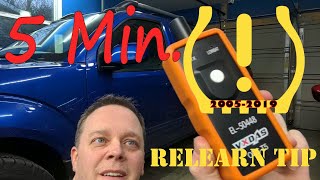
- After replacing the sensor, the new sensor's unique ID must be registered to the vehicle's BCM. This is typically done with a TPMS tool via the OBD-II port. 🎬 Watch this five-minute relearn using a simple reset tool.
- For advanced DIYers, a manual relearn mode may be accessible. On some models, this involves grounding a specific wire in the OBD-II connector harness multiple times to make the TPMS light flash, then using a simple activation tool at each wheel in sequence (FL, FR, RR, RL) to register the sensors.
Parts You'll Likely Need
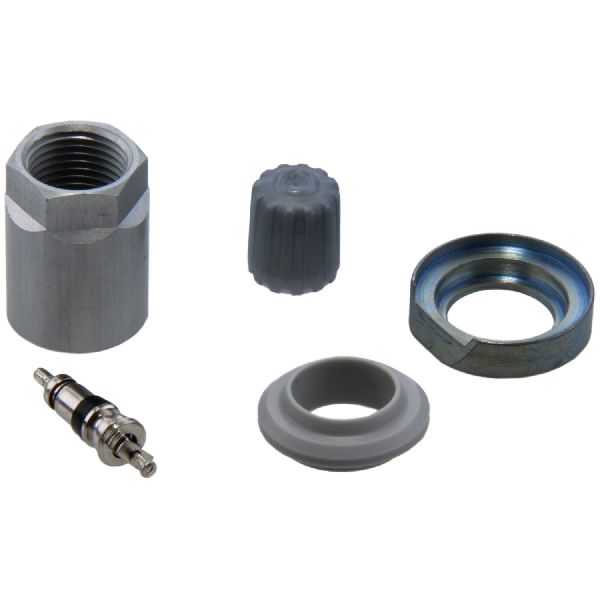
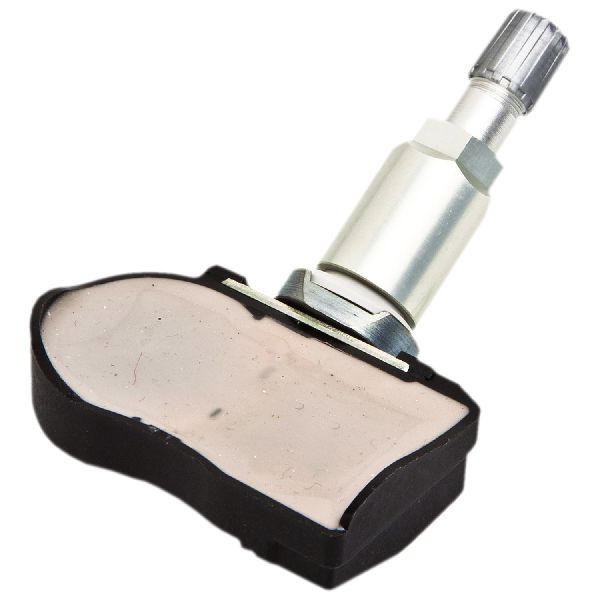
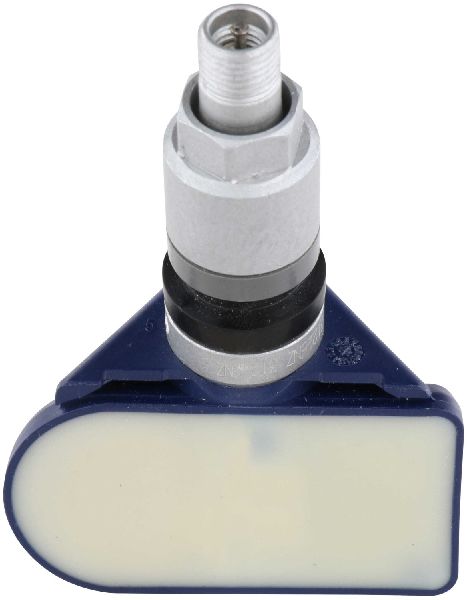
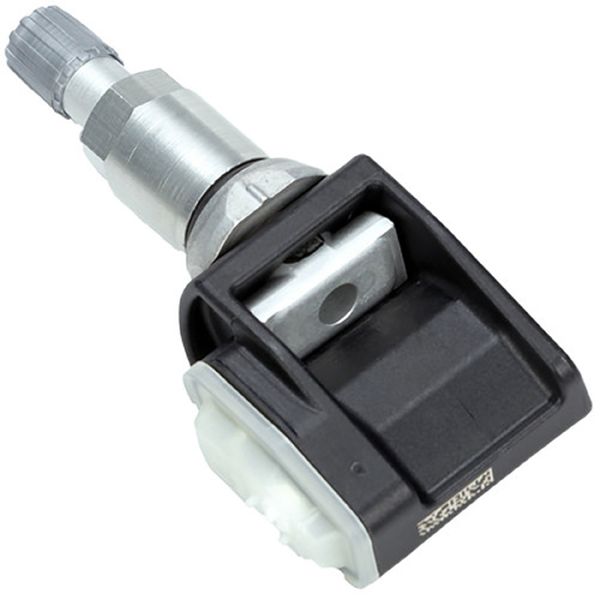
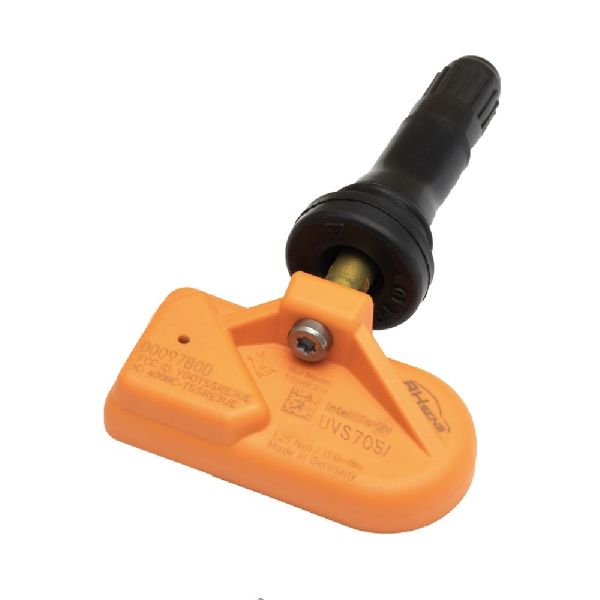
- Tire Pressure Monitoring System (TPMS) Sensor
(OEM #40700-JK01C)— This is the transmitter inside the wheel that fails. The entire unit, including the non-replaceable battery, is replaced. Part number 40700-JK01C is a common replacement that supersedes older numbers like 40700-JK00C, 40700-JK00E, and many others, fitting a wide range of Nissan and Infiniti vehicles.
Trusted brands: Schrader (often the OE manufacturer), Continental, Denso, Hitachi
OEM price range: $70-$120
Aftermarket price range: $30-$80
Related Codes That Often Appear With This One
- C1708 — Indicates 'No Data' from the Front Left sensor. Seeing multiple codes like this can point to a systemic issue (like RF interference) or multiple sensors failing around the same time due to age.
- C1709 — Indicates 'No Data' from the Front Right sensor. It's common for sensor batteries to fail within a similar timeframe.
- C1711 — Indicates 'No Data' from the Rear Left sensor. If you have C1710 and C1711, both rear sensors have likely failed, which could also point to RF interference as the rear sensors are furthest from the receiver.
Technical Service Bulletins (TSBs) & Recalls
- NTB13-088A: Provides general diagnostic information for the Nissan Low Tire Pressure Warning System (LTPWS). It confirms that codes C1708, C1709, C1710, and C1711 are for a 'No Data' condition and explicitly states that this can be caused by radio frequency interference from aftermarket electronics. It also confirms the 'flash for a minute, then solid' light behavior for a system malfunction.
- NTB14-075 (for Nissan Titan): While not for the Pathfinder directly, this TSB is notable as it identifies a specific batch of TPMS sensors (p/n 40700-1AA0D) that were known to fail intermittently and cause C1710/C1711 codes, proving that sensor defects beyond battery life can be a cause.
Platform-Specific Known Issues
- DIY Relearn Procedure: While professional programming is recommended, a manual relearn procedure exists for the F-Alpha platform. It involves putting the BCM into 'learn mode' by grounding the TPMS diagnostic wire (often a white wire in a single-pin connector taped to the OBD-II harness) to a chassis ground six times. The TPMS light will then flash slowly. An activation tool is then used at each wheel (starting with Front Left) to register the sensors one by one, confirmed by a blink of the hazard lights. This can save a trip to the dealer for those comfortable with basic vehicle wiring.
- RF Interference from Accessories: Owners on forums like MyNissanLeaf have reported that aftermarket dash cams or cheap USB chargers can cause intermittent C1710 codes by interfering with the 315 MHz signal. Nissan TSB NTB13-088A confirms this possibility and recommends unplugging all such devices as a primary diagnostic step before replacing any parts.
Mechanic-Grade Diagnostic Values
- BCM Power Supply Voltage Check — expected: Battery Voltage (Approx. 12V). Failure: Significantly lower or no voltage indicates a wiring or fuse issue upstream of the BCM.
Scan Tool Commands That Help
- Nissan CONSULT-II / CONSULT-III Plus: ID REGIST. (ID Registration) — This function is required after installing a new TPMS sensor to write the new sensor's unique ID to the Body Control Module (BCM). It is found under 'AIR PRESSURE MONITOR' > 'Work support'.
Wiring & Ground Locations
- Body Control Module (BCM) — Located under the driver's side dash, typically a black box mounted near the steering column.. The BCM is the central computer that receives and processes the signals from the TPMS sensors. A fault with the BCM or its wiring/ground can cause communication codes like C1710.
- TPMS Receiver / Antenna — This generation Pathfinder uses a single receiver antenna that is part of the remote keyless entry system. Its exact location can vary but is often high in the dash area to receive signals from all four wheels. The rear right wheel is the furthest from a typical dash-mounted receiver, making its signal most susceptible to weakness or interference.. A weak or faulty receiver is a rare but possible cause for C1710, especially if replacing the sensor does not fix the issue. The signal from the RR wheel has the longest distance to travel.
- TPMS Diagnostic Connector — A single-wire white connector, often taped to the main OBD-II port harness under the driver's side dash.. This connector is intentionally used for the DIY manual relearn procedure. Grounding the pin on this connector 6 times puts the BCM into 'learn mode' to register the TPMS sensor IDs.
- Ground Strap E72 — A short, braided ground strap connecting the passenger-side exhaust manifold heat shield to the vehicle's firewall.. This strap is a known common failure point due to corrosion and vibration. A poor or broken ground here can introduce electrical noise and instability into various sensor systems, potentially affecting the BCM's ability to receive a clean signal from the TPMS receiver.
Real Owner Repair Stories
- maxima.org forum user (2007 Nissan Maxima (shares similar TPMS architecture)) — Persistent C1710 code for the rear right wheel.
❌ Tried (didn't work) Replacing the rear right TPMS sensor multiple times.
✅ What actually fixed it The problem was diagnosed as a fault within the vehicle's TPMS receiver or BCM. The technician confirmed this by rotating a known-good wheel/sensor to the rear right position; the C1710 code remained for the RR position and did not follow the sensor, proving the sensor was not the issue. - MyNissanLeaf.com forum user (Nissan Leaf (shares similar TPMS codes)) — Intermittent TPMS warning light with codes C1710 and C1711 (both rear wheels).
❌ Tried (didn't work) Initial assumption was failing sensor batteries.
✅ What actually fixed it A Nissan dealer diagnosed the problem as Radio Frequency (RF) interference. The owner unplugged their aftermarket dash cam system (and/or its USB power adapter), and the codes stopped appearing.
"I Checked Everything" — The Actual Cause
- In the context of TPMS, the equivalent of a 'smoke test clean' scenario is when a handheld TPMS tool successfully triggers the sensor, reading its ID and pressure, yet the vehicle still logs a C1710 code. A documented case of this occurred on Nissan Titans (TSB NTB14-075), where a specific batch of sensors (p/n 40700-1AA0D) would respond to the diagnostic tool but would intermittently fail to communicate with the vehicle's receiver. The root cause was an internal defect in the sensor, not a dead battery or a receiver issue, and the only fix was to replace the sensor with an updated part number.
When the Usual Fixes Don't Work
- While a C1710 code is most commonly fixed by replacing the rear right TPMS sensor, there are documented cases where this does not solve the problem. In one instance involving a similar Nissan platform, an owner replaced the sensor multiple times, but the C1710 fault code persisted. The definitive diagnostic step was to rotate the tires, moving a known-good, communicating sensor to the rear right position. When the C1710 code was still logged for the rear right wheel, it proved the fault was not with the sensor but with the vehicle's ability to receive the signal from that specific location, pointing to a rare failure in the TPMS receiver or Body Control Module (BCM).
OEM Part Supersession History
40700-JK00C, 40700-JK00E, 40700-JA01B, 40700-1AA0D, and others→40700-JK01C— Consolidation of part numbers and updates to the sensor design over time.
Heads up: Part number 40700-1AA0D was identified in a TSB for the Nissan Titan as being prone to intermittent failure, causing C1710/C1711 codes even when it tested 'good' with a handheld tool. Using the latest superseded part number (like 40700-JK01C) is recommended to avoid known problematic batches.
Model Year Variations Within This Range
- 2005-2012: This generation of Pathfinder (R51) uses a TPMS system with a single, centrally located receiver antenna. Because it cannot triangulate the position of each sensor, the system does not know when tires have been rotated. A manual relearn procedure is therefore mandatory to tell the BCM the new position of each sensor ID. Later generations with Intelligent Key (i-Key) systems sometimes integrated multiple antennas which allowed for automatic location detection.
Helpful Videos
We Have This Part in Stock


The information in this article is provided for general reference and educational purposes only. Vehicle specifications, procedures, and part compatibility can vary by production date, trim level, and region. Always consult your vehicle's factory service manual and verify part numbers before purchasing or performing repairs. Safety-critical components such as airbags, seat belts, and braking systems should be installed by a qualified professional.
- Nissan PATHFINDER:
- 🧭 Diagnostic Flowchart
- 🎬 Helpful Videos
- 🛍️ Shop This Part
- What's Unique About the 2005-2012 Nissan PATHFINDER
- Symptoms You May Notice
- Most Likely Causes
- Rare But Worth Checking
- Diagnosis Steps
- Parts You'll Likely Need
- Related Codes That Often Appear With This One
- Technical Service Bulletins (TSBs) & Recalls
- Platform-Specific Known Issues
- Mechanic-Grade Diagnostic Values
- Scan Tool Commands That Help
- Wiring & Ground Locations
- Real Owner Repair Stories
- "I Checked Everything" — The Actual Cause
- When the Usual Fixes Don't Work
- OEM Part Supersession History
- Model Year Variations Within This Range
- 🎟️ Get 5% Off