

C1710 on 2007-2014 Nissan Sentra: TPMS 'No Data' Causes and Fixes
Code C1710 on a 2007-2014 Nissan Sentra indicates the system is not receiving data from the rear-right (RR) tire pressure sensor. This is almost always due to a dead battery in the sensor itself, which has a 5-10 year lifespan. The fix involves replacing the sensor and performing a TPMS ID registration (relearn) procedure with a specialized tool.
- C1710 means the rear-right TPMS sensor is not communicating with the car.
- The most probable cause is a dead battery in the original sensor, as these last about 5-10 years.
- Before buying parts, unplug all phone chargers and dash cams to rule out radio frequency interference, a known Nissan issue.
- Replacing the sensor is not a simple DIY job; it requires tire dismounting and a special tool to program the new sensor to the car.
- If your tires are old, consider replacing all four TPMS sensors at the same time to avoid future failures.
What's Unique About the 2007-2014 Nissan SENTRA
The 2007-2014 Sentra spans two generations, the B16 (2007-2012) and B17 (2013-2019). For both, the most common cause of C1710 is simply the TPMS sensor's internal battery reaching the end of its 5-10 year lifespan. Nissan has also issued a Technical Service Bulletin (TSB NTB13088A) that explicitly warns that radio frequency (RF) interference from aftermarket devices (like cheap phone chargers, dash cams, or power inverters) can cause 'No Data' codes like C1710 by disrupting the weak 315MHz signal between the sensor and the car's receiver.
Diagnostic Flowchart
Tap your situation to follow the diagnostic path that matches what you're seeing on this vehicle.
Generation note: This range covers the B16 (2007-2012) and the early B17 (2013-2014) generations. While the underlying cause is typically the same (sensor failure), the specific TPMS sensor part numbers differ. B16 models generally use a clamp-in style sensor like 40700-JA01B (which supersedes to 40700-JK01C), while B17 models often use a snap-in style sensor like 40700-3AN1B or 40770-3AN1D. Always verify the correct part number for your specific vehicle.
Symptoms You May Notice
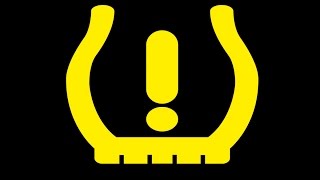
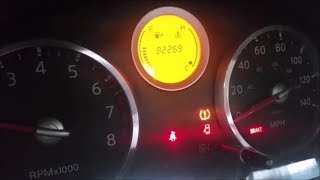
- TPMS warning light flashes for approximately one minute at startup, then remains solidly lit.
- Inability of the system to display the tire pressure for the rear-right wheel on vehicles with a multi-information display.
- A TPMS-specific scan tool will read code C1710.
- Replacing the BCM when the issue is a simple sensor failure.
- Replacing a working sensor when the problem is RF interference from a cheap phone charger.
- Assuming a flashing TPMS light means low tire pressure. A flashing light indicates a system fault, while a solid light indicates low pressure.
Most Likely Causes
- Failed TPMS Sensor (Dead Internal Battery) 🔴 High Probability → Shop Tire Pressure Monitoring System (TPMS) Sensor The TPMS sensor's non-replaceable battery has a finite lifespan of 5-10 years. Vehicles in the 2007-2014 range are now at an age where mass battery failure is the most common reason for this code.
How to confirm: Use a TPMS diagnostic tool (like an Autel TS508 or similar) to attempt to activate and read the sensor at the rear-right wheel. If the tool cannot get a response (shows no ID, pressure, or temperature), the sensor has failed.
Typical fix: Replace the rear-right TPMS sensor. This requires breaking the tire bead to access the sensor inside the wheel. The new sensor's ID must then be registered to the BCM using a TPMS tool.
Est. part cost: $35-$75 - Radio Frequency (RF) Interference 🟡 Medium Probability As noted in Nissan TSB NTB13088A, aftermarket electronics, especially cheap, unshielded USB phone chargers, can emit RF noise that blocks the 315MHz signal from the TPMS sensor. This is a well-documented issue across many Nissan models.
How to confirm: Unplug all aftermarket devices from the vehicle's 12V power outlets (phone chargers, dash cams, GPS units, power inverters). Clear the codes and drive the vehicle for several minutes to see if the C1710 code returns. If it does not, one of the devices was the cause.
Typical fix: Remove or replace the interfering electronic device with a higher-quality, well-shielded alternative.
Est. part cost: $0 - Damaged TPMS Sensor ⚪ Low Probability → Shop Tire Pressure Monitoring System (TPMS) Sensor Sensors can be physically damaged during tire installation/removal or by severe pothole impacts. The plastic housing can crack or the valve stem can be damaged.
How to confirm: Visual inspection of the sensor after dismounting the tire. The sensor may have visible cracks or damage. A TPMS tool will also fail to read a broken sensor.
Typical fix: Replace the damaged TPMS sensor and register the new one.
Est. part cost: $35-$75
Rare But Worth Checking
- Faulty Body Control Module (BCM) or TPMS Receiver: This is very rare. A forum user with a similar Nissan model confirmed this was their issue after swapping a known-good wheel to the problematic location, and the C1710 code remained, indicating the problem was with the car's receiver, not the sensor. Before replacing the BCM, all other possibilities must be exhaustively ruled out.
Diagnosis Steps
- Verify that the TPMS warning light flashes for about 60 seconds on startup before staying on solid. This confirms a system fault.
- Unplug all aftermarket accessories from 12V power outlets (phone chargers, dash cams, etc.) to eliminate potential RF interference. Clear codes and drive to see if the fault returns.
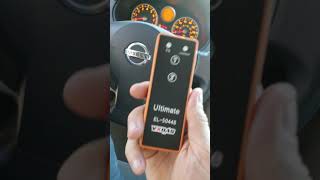
- Use a TPMS diagnostic tool to attempt to read the data (ID, pressure, temperature, battery status) from the rear-right tire sensor.
- If the tool gets no reading from the rear-right sensor but reads the other three, the sensor has failed and must be replaced.
- If the tool can read all four sensors, but the car still shows code C1710, try to perform a TPMS relearn/ID registration. If it fails for the RR position, the problem may be with the vehicle's TPMS receiver or BCM.
- As a final check, rotate the front-right tire to the rear-right position. Clear codes and drive. If the code changes to C1709 (Front-Right), the sensor is bad. If the code remains C1710, the problem is with the vehicle's receiver for that corner.
- After replacing the sensor, use the TPMS tool to perform the ID registration (relearn) procedure so the BCM recognizes the new sensor's unique ID.
Parts You'll Likely Need
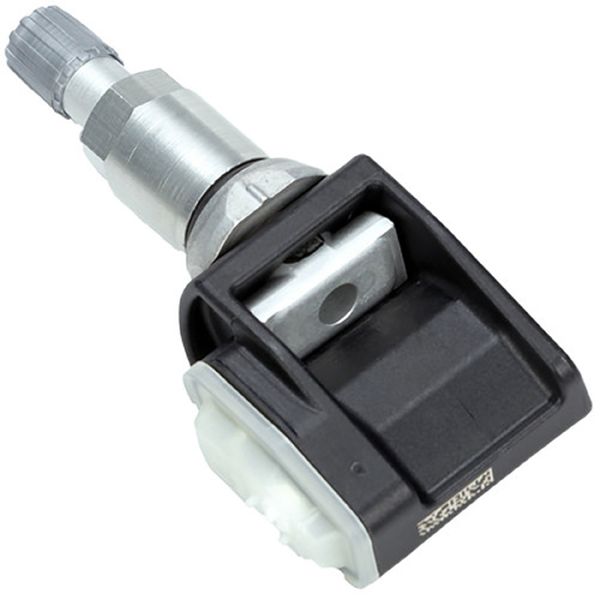
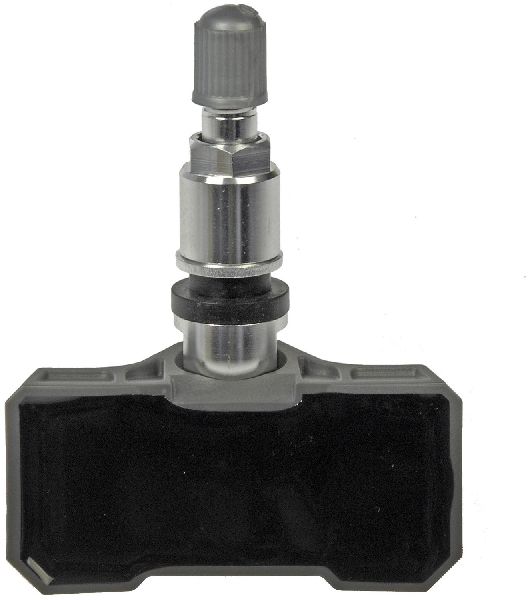
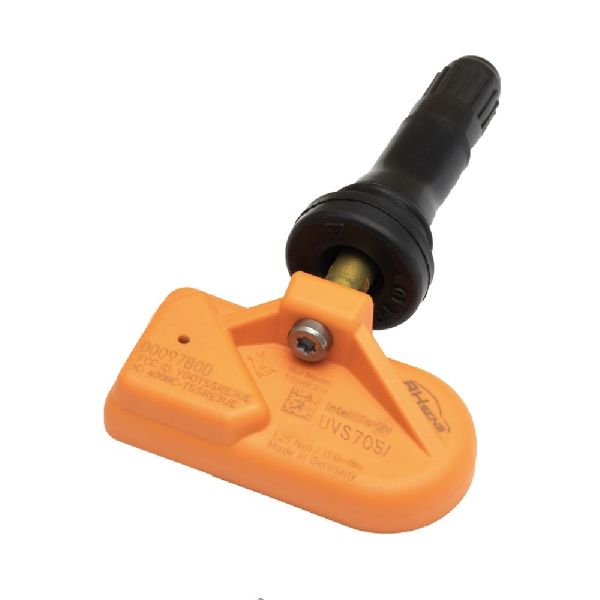
- Tire Pressure Monitoring System (TPMS) Sensor
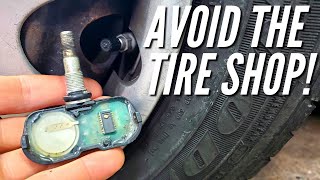
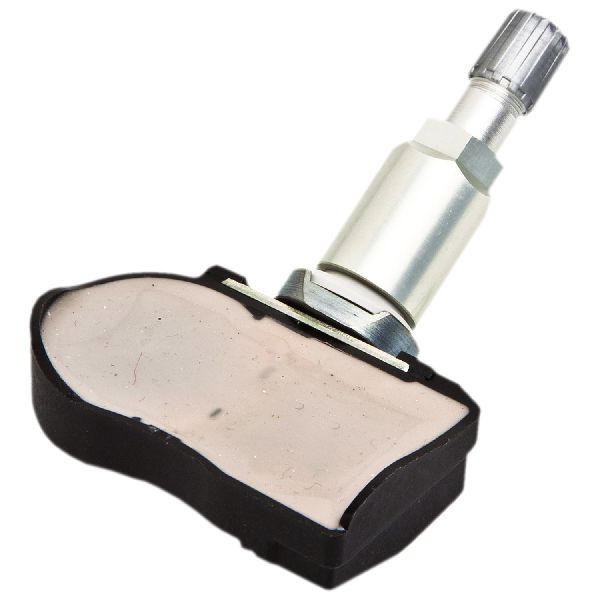
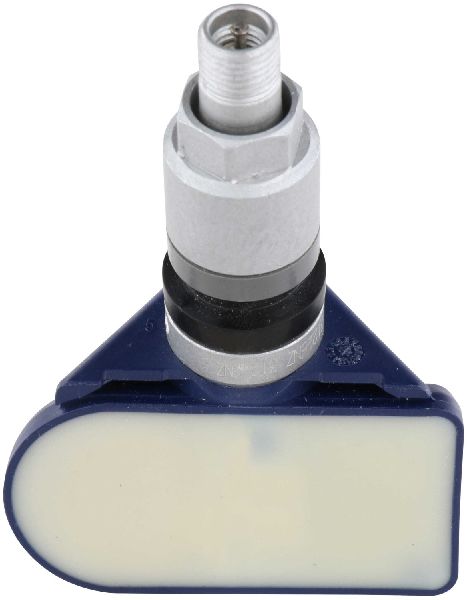
(OEM #B16 (2007-12): 40700-JA01B, 40700-JK01C; B17 (2013-14): 40700-3AN1B, 40770-3AN1D)— This is the transmitter inside the wheel that fails, most often due to its integrated battery dying after 5-10 years. Part numbers vary by generation.
Trusted brands: Schrader (OEM supplier), Continental/VDO, Denso, Huf, Autel (programmable)
OEM price range: $70-$110
Aftermarket price range: $35-$60
Related Codes That Often Appear With This One
- C1708 — This code indicates 'No Data' from the Front-Left sensor. It's common for multiple sensor batteries to fail around the same time due to age.
- C1709 — This code indicates 'No Data' from the Front-Right sensor. It often appears with other TPMS codes as sensors age together.
- C1711 — This code indicates 'No Data' from the Rear-Left sensor. Seeing C1710 and C1711 together suggests the rear sensors have failed.
Technical Service Bulletins (TSBs) & Recalls
- NTB13088A: Discusses general TPMS diagnostics and explicitly highlights radio frequency interference from devices like cell phone chargers as a cause for 'No Data' codes (C1708-C1711).
Platform-Specific Known Issues
- RF Interference from 12V Accessories: A known issue, documented in TSB NTB13088A, involves radio frequency interference causing 'No Data' conditions for codes C1708, C1709, C1710, and C1711. Forum users have specifically identified cheap, unshielded USB phone chargers as a common culprit.
- Simultaneous Sensor Failure: Due to the consistent battery life of the original sensors, it is very common for multiple sensors to fail within a short period, leading to multiple codes like C1710, C1711, etc. If one has failed and the tires are old, it is often cost-effective to replace all four sensors at once during a tire change.
Mechanic-Grade Diagnostic Values
- TPMS Sensor Operating Frequency — expected: 315 MHz. Failure: N/A - This is a fixed value for sensor communication.
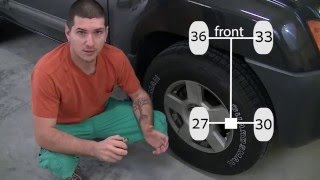
- Tire Pressures for Manual Relearn Initiation (B16 Models) — expected: Front-Left: 34 PSI, Front-Right: 31 PSI, Rear-Right: 29 PSI, Rear-Left: 26 PSI.. Failure: The system will not enter the relearn mode if pressures are not set to these specific, distinct values before starting the procedure.
Scan Tool Commands That Help
- Nissan CONSULT-III / Signal Tech II (J-50190): ID REGISTRATION — This function is required after replacing a TPMS sensor or rotating tires. It forces the BCM to learn the unique ID of each sensor in its specific wheel position. The technician uses an activation tool at each wheel as prompted by the scan tool to complete the registration.
- Nissan CONSULT-III: READ/WRITE CONFIGURATION — This is a critical function that must be performed when replacing the Body Control Module (BCM). The configuration from the old BCM must be saved and written to the new one to ensure all vehicle systems, including TPMS, function correctly.
Wiring & Ground Locations
- Body Control Module (BCM) — For the B16 generation (2007-2012), the BCM is located to the right of the steering column, mounted vertically up under the dashboard. It is typically held by a single screw.. The BCM contains the TPMS receiver. A loose connection, corrosion, or internal failure of the BCM can prevent it from receiving the signal from the RR sensor, causing a C1710 even if the sensor is good.
- Main Internal Grounding Point (B16) — On the B16 generation (2007-2012), a major grounding block with multiple (up to 8) ground wires is located behind the glove box assembly.. A poor ground at this location can cause a wide range of difficult-to-diagnose electronic issues, potentially including erratic BCM behavior that could manifest as a TPMS fault code.
- TPMS Interface Plug (for manual relearn) — On B16 models (2007-2012), this is a single-wire white connector, often taped to a harness near the OBD-II port under the driver's side dash.. This connector is used for the 'paperclip method' of manually initiating the TPMS relearn procedure without a scan tool. Grounding this pin multiple times puts the BCM into learning mode.
Real Owner Repair Stories
- AllSentra.com forum user / GForever on YouTube (2007 Nissan Sentra (B16)) — Persistent flashing TPMS light that would not reset by adjusting air pressure.
❌ Tried (didn't work) Adjusting tire pressures to the recommended placard value., Covering the light with a sticker out of annoyance.
✅ What actually fixed it The user performed a manual TPMS relearn procedure without a scan tool. This involved: 1) Setting specific, staggered tire pressures (FL: 34, FR: 31, RR: 29, RL: 26 PSI). 2) Locating the white, single-pin TPMS interface connector near the OBD-II port. 3) Turning the key to 'ON' (engine off). 4) Using a paperclip to ground the pin in the connector 6-10 times rapidly until the TPMS light stopped flashing and became solid. 5) Driving the car for 5-10 minutes until the light turned off, confirming the system had relearned the sensor IDs.
OEM Part Supersession History
N/A→N/A— Service Part Recommendation
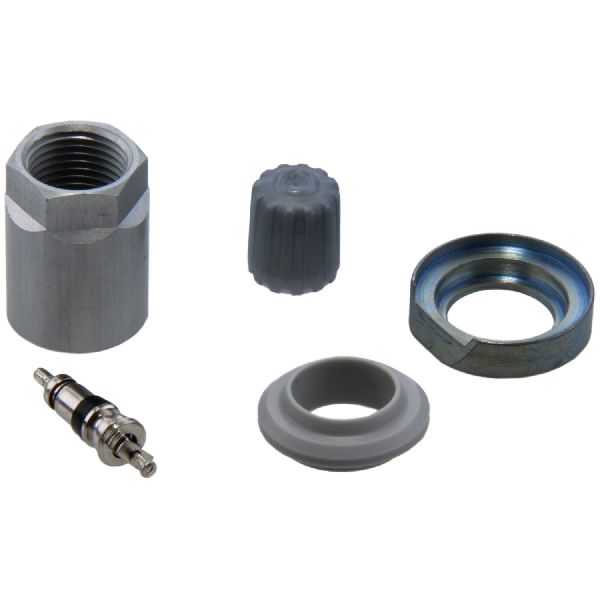
Heads up: When replacing a clamp-in style TPMS sensor, it is critical to also replace the 'TPMS Service Kit'. This inexpensive kit includes the rubber grommet, retaining nut, valve core, and cap. The old grommet becomes compressed and hard, and the aluminum nut often corrodes, especially in salt-belt climates. Reusing old service parts is a common cause of slow leaks after a sensor replacement.
Model Year Variations Within This Range
- 2007-2012 (B16 Generation): This generation has a documented manual 'paperclip method' for initiating the TPMS relearn procedure by grounding a specific connector pin near the OBD-II port.
- 2013-2014 (B17 Generation): These models feature the 'Easy-Fill Tire Alert' system. When inflating a tire with the ignition on, the vehicle will flash its hazard lights and beep the horn once the correct pressure is reached. This feature aids in setting correct pressures but is different from the ID registration process.
Helpful Videos
We Have This Part in Stock

The information in this article is provided for general reference and educational purposes only. Vehicle specifications, procedures, and part compatibility can vary by production date, trim level, and region. Always consult your vehicle's factory service manual and verify part numbers before purchasing or performing repairs. Safety-critical components such as airbags, seat belts, and braking systems should be installed by a qualified professional.
- Nissan SENTRA:
- 🧭 Diagnostic Flowchart
- 🎬 Helpful Videos
- 🛍️ Shop This Part
- What's Unique About the 2007-2014 Nissan SENTRA
- Symptoms You May Notice
- Most Likely Causes
- Rare But Worth Checking
- Diagnosis Steps
- Parts You'll Likely Need
- Related Codes That Often Appear With This One
- Technical Service Bulletins (TSBs) & Recalls
- Platform-Specific Known Issues
- Mechanic-Grade Diagnostic Values
- Scan Tool Commands That Help
- Wiring & Ground Locations
- Real Owner Repair Stories
- OEM Part Supersession History
- Model Year Variations Within This Range
- 🎟️ Get 5% Off