

C1711 on 2008-2013 Infiniti G37: TPMS Communication Failure Causes and Fixes
On a 2008-2013 Infiniti G37, code C1711 means the TPMS module is not receiving a signal from the rear left tire pressure sensor. The most common cause is a dead battery in the sensor, as they have a 7-10 year lifespan. The fix is to replace the sensor and register it to the vehicle. Before replacing parts, unplug all aftermarket electronics like phone chargers to rule out RF interference, a known issue cited in a TSB.
- C1711 means the rear left TPMS sensor is not communicating with your G37.
- The most likely cause is a dead battery in the sensor, which is an expected failure on a vehicle of this age.
- Before buying parts, unplug all phone chargers and other aftermarket electronics to rule out radio frequency interference, as noted in a factory TSB.
- Sensor replacement is not a simple DIY job, as it requires tire dismounting and specialized tools to register the new sensor to the car.
What's Unique About the 2008-2013 Infiniti G37
For the Infiniti G37 and other models from this era, Infiniti issued a Technical Service Bulletin (ITB13039A) that specifically highlights radio frequency (RF) interference as a potential cause for a 'No Data' condition, which sets codes like C1711. This means that while a failed sensor is the most common culprit due to age, poorly shielded aftermarket electronics like cheap USB/phone chargers or dash cams can disrupt the 315 MHz signal and mimic a sensor failure. Owners should rule out this simple cause before proceeding with more expensive repairs. Some owners on forums have specifically identified certain phone chargers as the root cause.
Diagnostic Flowchart
Tap your situation to follow the diagnostic path that matches what you're seeing on this vehicle.
Symptoms You May Notice
- TPMS warning light flashing for about one minute after startup, then staying on solid.
- Inability to see the pressure reading for the rear left tire on the vehicle information display (if equipped).
- TPMS warning light stays on constantly.
- "Check Tire Pressure" message on the information display.
- Replacing the wrong wheel's sensor. C1711 specifically points to the rear left wheel. Always verify the code before ordering parts.
- Assuming the tire is low on air. A flashing TPMS light indicates a system fault, whereas a solid light from startup indicates low pressure.
- Replacing the Body Control Module (BCM). This is extremely rare and should only be considered after all other possibilities, including sensors, wiring, and the TPMS receiver, have been ruled out.
- Replacing the sensor without the ability to program the new one. A new sensor's ID must be registered to the BCM with a TPMS tool, or the light will remain on.
Most Likely Causes
- Dead TPMS Sensor Battery 🔴 High Probability → Shop Tire Pressure Monitoring System (TPMS) Sensor The original sensors on 2008-2013 vehicles are now well past their typical 7-10 year battery lifespan, making this an expected failure due to age. The internal battery is not serviceable; the entire sensor must be replaced. 🎬 Watch: This video shows how to replace a TPMS sensor yourself.
How to confirm: Use a TPMS diagnostic tool to attempt to read the sensor at the rear left wheel. If the tool cannot get a response (ID, pressure, temperature, or battery status), the sensor has failed. Many tire shops will perform this check for free.
Typical fix: Replace the rear left TPMS sensor and perform the TPMS relearn procedure to register the new sensor's ID with the BCM.
Est. part cost: $40-$120 - Radio Frequency (RF) Interference 🟡 Medium Probability As noted in TSB ITB13039A, aftermarket devices like phone chargers, dash cams, or even some toll passes can transmit RF noise that interferes with the 315 MHz TPMS signal. Low-quality chargers are particularly notorious for creating enough electronic noise 🎬 See how cell phone chargers can interfere with your TPMS signal. to block the sensor signal.
How to confirm: Unplug all aftermarket electronic devices from the vehicle's power outlets (cigarette lighter/12V sockets). Clear the codes if possible, or drive the vehicle for 10-15 minutes above 25 mph to see if the C1711 code clears and the light goes out. If it does, one of the devices was causing the interference.
Typical fix: Remove or replace the interfering electronic device with a higher-quality, better-shielded version. No parts replacement on the vehicle is necessary.
Est. part cost: $0
Rare But Worth Checking
- Faulty TPMS Receiver/Antenna: → Shop Antenna The TPMS receiver (also called the TPMS control unit or antenna) is responsible for picking up signals from all four sensors. On the G37, this module is located behind the glove box. A failure here is rare and would typically cause codes for multiple or all wheels (e.g., C1708, C1709, C1710, and C1711 all at once), not just the C1711. One forum user replaced this part (P/N 40740-1NC2A) to fix a no-data condition from all sensors.
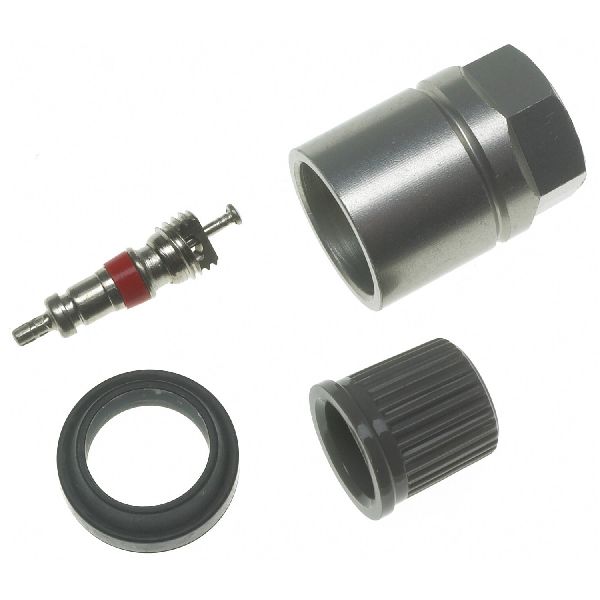
- Corroded or Damaged Sensor Valve Stem: Physical damage or corrosion to the valve stem can damage the sensor itself or cause an air leak, which can lead to sensor failure. This is more common in areas with harsh winters and road salt. The seal itself can also fail, but this typically causes a leak rather than a communication code.
- Faulty HVAC Blower Motor: → Shop HVAC Blower Motor On the related Nissan 370Z platform, a TSB (NTB19-062) was issued for the 2018 model year indicating that a faulty HVAC blower motor could create electrical interference causing TPMS codes C1708-C1711. While not documented for the G37, it is a plausible, though very rare, cause due to platform similarities.
Diagnosis Steps
- Verify the code with an OBD-II scanner capable of reading chassis (C) codes.
- Check the TPMS warning light behavior. A light that flashes for approximately one minute and then stays solid confirms a system fault.
- Unplug ALL aftermarket accessories (phone chargers, dash cams, USB adapters, etc.) from the power outlets to eliminate radio frequency interference as a cause.
- Clear the DTCs and drive the vehicle for several minutes at speeds above 25 MPH to see if the code returns. If it does not, an accessory was the cause.
- If the code returns, use a TPMS activation tool at the rear left wheel to check if the sensor is transmitting a signal (ID, pressure, battery status). If the tool gets no response, the sensor has failed.
- If the TPMS tool reads the sensor successfully, the issue may be with the vehicle's ability to receive the signal. Attempt to perform the TPMS relearn/registration procedure.
- For advanced DIY diagnosis, a 'paper clip method' exists for some G37s. By grounding a specific pin in the TPMS interface plug near the OBD-II port, you can put the system into diagnostic or relearn mode. This can help confirm if the BCM can enter the mode, pointing away from a BCM failure. Note: Some later models (reportedly 2011+ or 2013+) may not have this plug, and attempting to ground other wires can blow fuses.
- If the relearn procedure fails for the rear left wheel with a known-good sensor, further diagnosis of the TPMS receiver (behind the glove box) and its wiring may be needed, though this is uncommon.
Parts You'll Likely Need
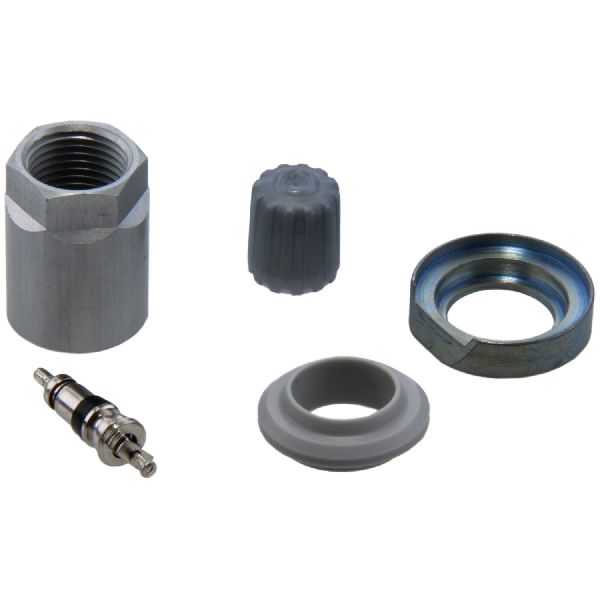
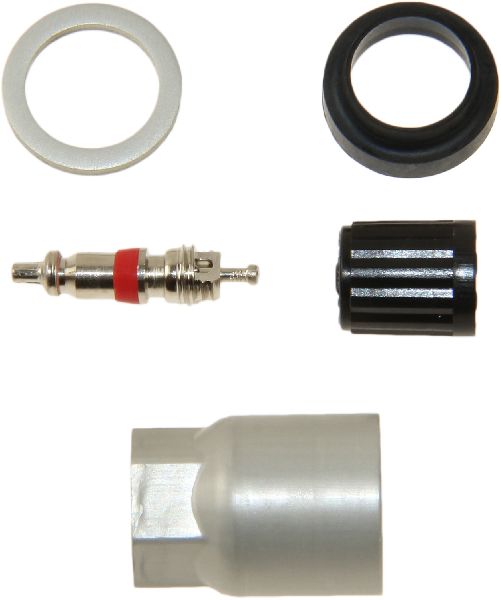
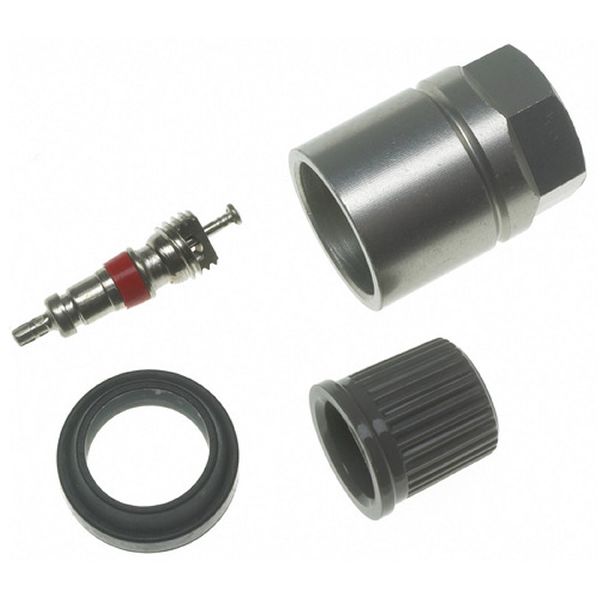
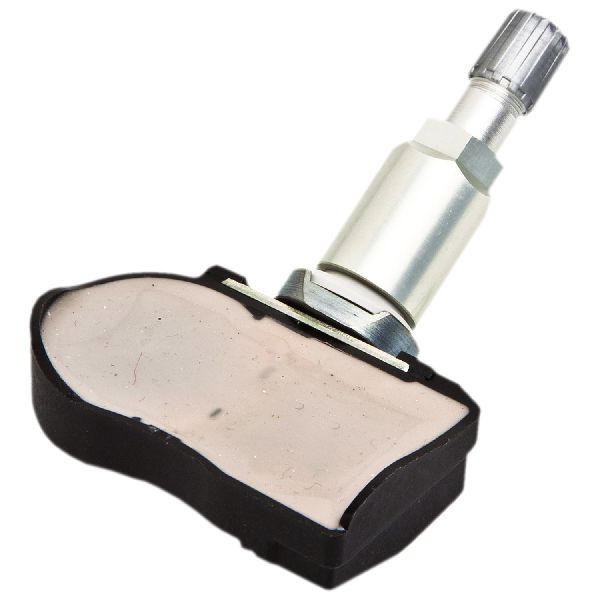
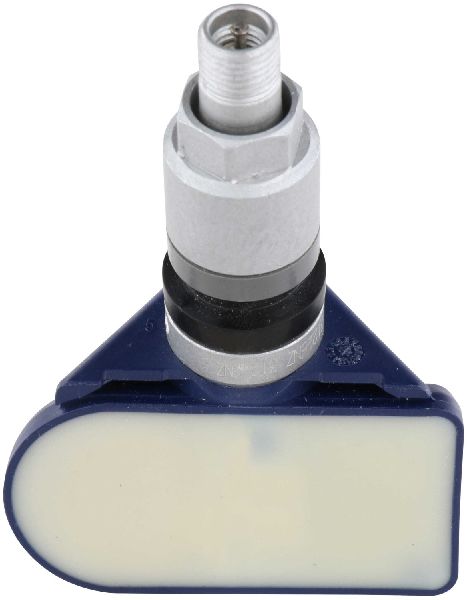
- TPMS Sensor
(OEM #40700-JK00C (superseded by 40700-1LA0D, 40700-JK00E, 40700-JK01C))— This is the most common failure point due to the internal battery's limited lifespan. The entire sensor unit is replaced. Ensure the replacement is a 315 MHz sensor.
Trusted brands: Hitachi, Standard Motor Products (SMP), Denso, Schrader, Autel
OEM price range: $70-$120
Aftermarket price range: $40-$80
Related Codes That Often Appear With This One
- C1710 — This is the code for the rear right TPMS sensor. Seeing C1710 and C1711 together often means both rear sensors are failing from old age around the same time.
- C1708 — This is the code for the front left TPMS sensor. Seeing multiple TPMS codes (C1708, C1709, C1710, C1711) simultaneously strongly suggests a common problem like widespread RF interference or a faulty TPMS receiver module.
- C1709 — This is the code for the front right TPMS sensor. As with other TPMS codes, its presence alongside C1711 points towards a systemic issue rather than a single sensor failure.
Technical Service Bulletins (TSBs) & Recalls
- ITB13039A / NTB13-088a: Mentions that radio frequency interference from devices like cell phone chargers can cause a 'No Data' condition, triggering codes C1708, C1709, C1710, and C1711. Advises removing these devices before further diagnosis.
Platform-Specific Known Issues
- DIY Relearn/Reset Procedure: A well-documented procedure exists on MyG37.com for putting the TPMS system into relearn mode without a scan tool. It involves locating a white TPMS interface plug near the OBD-II port and grounding its wire with a paperclip 6 times. This allows the system to relearn sensor IDs, though it can be finicky. This plug may be missing on later model years (e.g., 2011+), making a scan tool necessary.
Mechanic-Grade Diagnostic Values
- DIY 'Paperclip' Relearn Tire Pressures — expected: Front LH: 34 psi, Front RH: 31 psi, Rear RH: 29 psi, Rear LH: 26 psi. Failure: The relearn procedure will not initiate or complete if the pressures are not set to these exact values before starting.
Scan Tool Commands That Help
- Infiniti CONSULT: BCM - TPMS - ID Regist — This is the dealer-level function used to register new TPMS sensor IDs to the Body Control Module after a sensor is replaced. It is the most reliable method for programming new sensors.
- Laptop with PuTTY and USB A-to-A cable: Enable Hidden TPMS Menu (NAV models) — For G37s with Navigation (typically 2010+), a hidden menu showing individual tire pressures can be enabled by connecting to the NAV unit's diagnostic port via USB and changing a configuration setting. This allows for live monitoring of pressures, which can help confirm if a sensor is intermittently dropping out.
Wiring & Ground Locations
- TPMS Receiver Module — Located behind the glove box assembly. Requires removing the glove box and a plastic cover to access.. This module receives the signals from all TPMS sensors. While a single code like C1711 is unlikely to be the receiver, if multiple TPMS codes (C1708-C1711) are present, checking the connection to this module or replacing the module itself is a key diagnostic step.
- TPMS Interface Plug (for DIY Reset) — A white, single-wire female plug taped to the OBD-II port wiring loom, located under the driver's side dash near the left knee.. This connector is used for the 'paperclip' DIY relearn procedure. Grounding this wire 6 times puts the BCM into learning mode. Its absence on later models necessitates a scan tool for relearns.
- Chassis Ground Points — Key factory ground points are located on the inner fender wells in the engine bay, near the strut towers, and on the engine itself.. While not a direct cause of a single-wheel code, poor chassis grounds can cause a variety of difficult-to-diagnose electrical issues, including module communication problems. Ensuring these grounds are clean and tight is good practice when troubleshooting persistent electronic faults.
Real Owner Repair Stories
- MyG37.com user 'milosz' (2013 Infiniti G37x) — TPMS light flashing for a minute then staying solid. OBD-II scan showed codes C1708, C1709, C1710, and C1711, indicating no data from any of the four sensors.
❌ Tried (didn't work) A tire shop had previously 'paired' the sensors, and they worked for a month before failing. The BCM was initially suspected.
✅ What actually fixed it The user diagnosed the issue as a faulty TPMS Receiver module (also called TPMS antenna). Replacing the module (P/N 40740-1NC2A) located behind the glove box and clearing the codes resolved the issue completely. - MyG37.com user 'Telcoman' (Infiniti G37S) — Intermittent TPMS warning light flashing and then going out. The issue was difficult to reproduce consistently.
❌ Tried (didn't work) Infiniti dealership replaced two rear wheel sensors and the antenna module under warranty, but the problem persisted. Driving without an EZ Pass toll tag did not solve the issue.
✅ What actually fixed it The root cause was found to be an aftermarket iPhone charger plugged into the 12V power socket. The charger emitted RF interference that blocked the TPMS signals, especially when near cell towers. Removing the charger from the socket immediately caused the TPMS warning light to go out.
OEM Part Supersession History
40700-JK00C→40700-JK00D, 40700-JK00E, 40700-JK01C, 40700-1LA0D— Standard part revision and consolidation over time.
Heads up: These part numbers are generally interchangeable for the G37, but it is always best to verify fitment with the vehicle's VIN. All are 315 MHz.Unknown/Varies→40740-1NC2A (TPMS Receiver Module)— This is the part number cited in a successful repair for a 2013 G37x.
Heads up: While this part fixed an issue on a 2013 model, part numbers for control modules can vary by model year and trim. Verification is critical before ordering.
Model Year Variations Within This Range
- 2010-2013 (with Navigation): Models from 2010 onwards with the factory navigation system and a USB port have the ability to have a hidden tire pressure display menu enabled via a software command.
- 2011-2013 (unconfirmed cutoff): Later model year G37s may be missing the single-wire TPMS interface plug near the OBD-II port that allows for the 'paperclip' DIY relearn procedure. On these vehicles, a TPMS scan tool is required to register new sensors.
Helpful Videos

We Have This Part in Stock

The information in this article is provided for general reference and educational purposes only. Vehicle specifications, procedures, and part compatibility can vary by production date, trim level, and region. Always consult your vehicle's factory service manual and verify part numbers before purchasing or performing repairs. Safety-critical components such as airbags, seat belts, and braking systems should be installed by a qualified professional.
- Infiniti G37:
- 🧭 Diagnostic Flowchart
- 🎬 Helpful Videos
- 🛍️ Shop This Part
- What's Unique About the 2008-2013 Infiniti G37
- Symptoms You May Notice
- Most Likely Causes
- Rare But Worth Checking
- Diagnosis Steps
- Parts You'll Likely Need
- Related Codes That Often Appear With This One
- Technical Service Bulletins (TSBs) & Recalls
- Platform-Specific Known Issues
- Mechanic-Grade Diagnostic Values
- Scan Tool Commands That Help
- Wiring & Ground Locations
- Real Owner Repair Stories
- OEM Part Supersession History
- Model Year Variations Within This Range
- 🎟️ Get 5% Off