

C1711 on 2017-2018 Nissan 370Z: TPMS 'No Data' Fault Causes and Fixes
On a 2017-2018 Nissan 370Z, code C1711 almost always means the rear-left TPMS sensor has failed due to a dead battery. Since these vehicles are at the 7-10 year mark, battery failure is common. Replacing the sensor and having it programmed at a tire shop is the most common fix, typically costing between $100 and $265. Before replacing parts, it's crucial to unplug all aftermarket phone chargers and dash cams to rule out radio frequency (RF) interference, a known issue for this platform.
- C1711 means the rear-left TPMS sensor is not communicating with the car.
- The most likely cause is a dead battery inside the sensor itself, which has a 5-10 year lifespan.
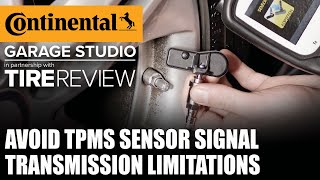
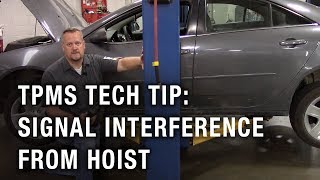
- Before replacing any parts, unplug all aftermarket phone chargers and dash cams to rule out radio frequency interference, a known Nissan issue.
- Sensor replacement is not a simple DIY job; it requires a tire machine to dismount the tire and a special tool to program the new sensor to the car.
- For 2018 models specifically, a faulty HVAC blower motor is a rare but documented cause of this code.
What's Unique About the 2017-2018 Nissan 370Z
The Nissan 370Z (Z34 platform) and its relatives like the Infiniti G37 are known for their TPMS system's sensitivity to radio frequency (RF) interference. Nissan has issued service bulletins acknowledging that aftermarket devices like phone chargers and dash cams can disrupt the 315MHz sensor signal, causing a 'No Data' condition like C1711. Forum users on the370z.com and Reddit have confirmed resolving TPMS faults simply by unplugging a cheap USB charger. Additionally, a specific TSB for 2018 models points to a rare but possible cause where a faulty HVAC blower motor can generate enough RF interference to trigger this code.
Diagnostic Flowchart
Tap your situation to follow the diagnostic path that matches what you're seeing on this vehicle.
Symptoms You May Notice
- TPMS warning light on the dashboard (often flashes for about a minute, then stays on solid).
- The tire pressure display for the rear-left tire is blank or shows dashes (if equipped with a multi-tire display).
- A 'Check Tire Pressure' message may appear in the vehicle information display.
- Replacing the BCM when the sensor is the actual problem.
- Replacing the sensor without first checking for simple RF interference from a phone charger.
- Replacing the wrong sensor because tires were rotated without relearning their positions in the system.
- Assuming a flashing TPMS light means low tire pressure. A flashing light indicates a system fault, whereas a solid light indicates a pressure issue.
Most Likely Causes
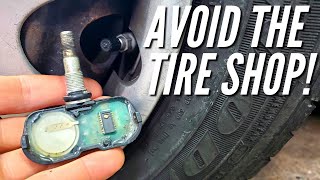
- Dead or Failing TPMS Sensor Battery 🔴 High Probability → Shop Tire Pressure Monitoring System (TPMS) Sensor TPMS sensors have a finite internal battery life of 5-10 years. Vehicles from the 2017-2018 model years are now entering the age window where battery failure is the most common cause of sensor failure.
How to confirm: A tire shop can use a TPMS diagnostic tool (like an Autel or Bartec) to scan the sensor. If the tool shows a low battery status or cannot get a signal at all, the sensor has failed and its internal battery is dead.
Typical fix: Replace the rear-left TPMS sensor. The new sensor's unique ID must then be registered to the vehicle's BCM using a TPMS programming tool. It is often recommended to replace all four sensors at once if they are original, as the others are likely to fail soon.
Est. part cost: $30-$120 - Radio Frequency (RF) Interference 🟡 Medium Probability As noted in Nissan TSB NTB13-088A, the TPMS in these vehicles is susceptible to interference from aftermarket electronics like phone chargers, dash cams, or power inverters that disrupt the 315MHz signal. Owners on forums have specifically reported cheap, unshielded USB chargers and hardwired dash cams as culprits.
How to confirm: Unplug all aftermarket devices from the 12V power outlets and any hardwired accessories. Clear the code (or cycle the ignition) and drive the vehicle above 16 mph for several minutes. If the code does not return, one of the devices was the cause.
Typical fix: Remove or replace the interfering electronic device with a higher-quality, shielded alternative.
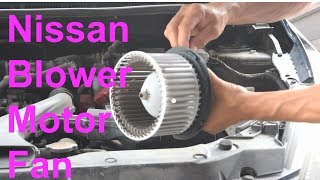
Est. part cost: $0 - Faulty HVAC Blower Motor (2018 models) ⚪ Low Probability → Shop HVAC Blower Motor Nissan TSB NTB19-062 specifically identifies a faulty HVAC blower motor as a potential source of RF interference that can cause TPMS codes on 2018 370Z models. The motor's electrical noise can overpower the sensor signal.
How to confirm: This is diagnosed by exclusion. First, confirm the TPMS sensor is transmitting with a tool. Then, clear codes, run the HVAC on max fan speed, and drive. If code C1711 returns consistently with the fan on high, the blower motor is the likely culprit.
Typical fix: Replace the HVAC blower motor assembly (Part No. 27225-1EA0A). 🎬 See this walkthrough for replacing the HVAC blower motor
Est. part cost: $110-$275
Rare But Worth Checking
- Faulty Body Control Module (BCM) or TPMS Receiver: This is very rare. It should only be considered after confirming the sensor is good, properly registered, and there is no RF interference. This fault would likely be accompanied by other communication codes (e.g., U-codes) and affect more than one sensor.
- Sensor Not Registered: If a wheel was recently replaced or a new sensor was installed without being programmed to the car, this code will appear. The system doesn't recognize the new sensor's ID. This is common after tire shop visits where the relearn procedure was forgotten.
- Damaged Sensor: The sensor can be physically damaged during tire mounting or dismounting if a technician is careless. This is less common than battery failure but can happen.
Diagnosis Steps
- Read the codes with an OBD-II scanner capable of accessing the Chassis/BCM to confirm C1711 is present.
- Unplug ALL aftermarket electronics (phone chargers, dash cams, radar detectors, etc.) from the 12V power outlets.
- Clear the codes and drive the vehicle for 10-15 minutes at speeds above 16 mph to see if the code returns. If it does not, an electronic device was the cause.
- If the code returns, take the vehicle to a tire shop or use a TPMS activation tool (e.g., Autel, Bartec) to scan the rear-left sensor.
- If the tool shows the sensor has a low battery or is not transmitting, the sensor has failed and must be replaced.
- If the tool shows the sensor IS transmitting (and you have a 2018 model), follow the diagnostic steps in TSB NTB19-062 by running the HVAC fan on high to test for blower motor interference.
- After replacing the sensor, ensure the new sensor ID is registered to the vehicle's BCM. The TPMS light will not turn off until this is done.
Parts You'll Likely Need
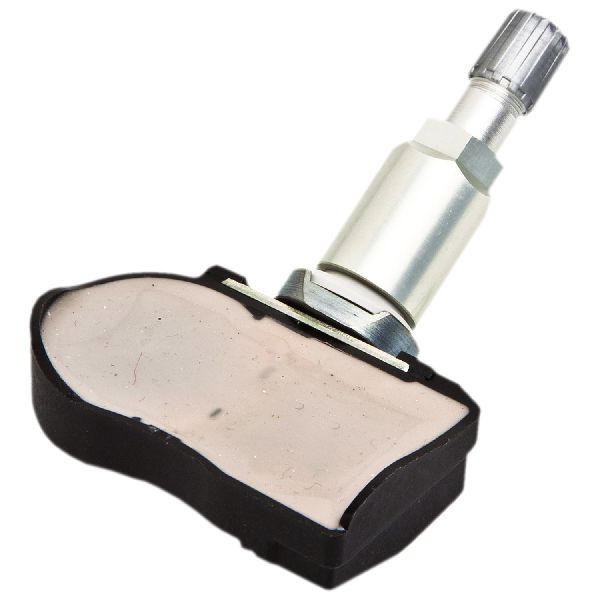
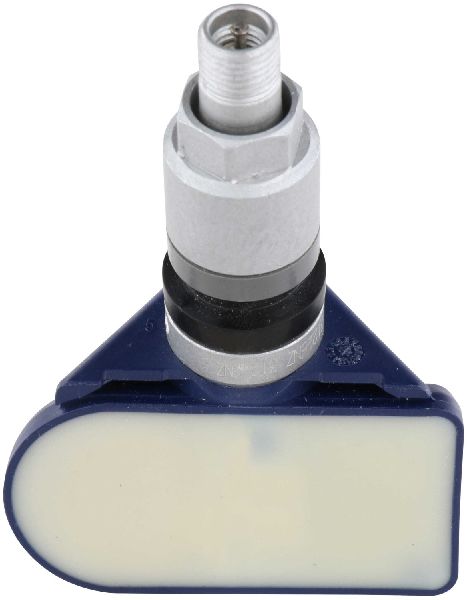
- Tire Pressure Monitoring System (TPMS) Sensor
(OEM #40700-1LA0E)— This is the component that fails most often, usually due to its internal battery reaching the end of its 5-10 year service life.
Trusted brands: Nissan (OEM), Schrader (often the OEM supplier), Continental/VDO, Autel (programmable), Huf/BH Sens
OEM price range: $70-$120
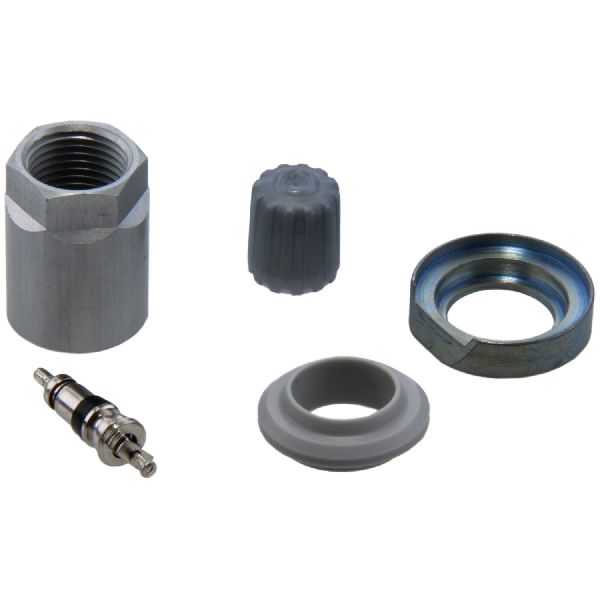
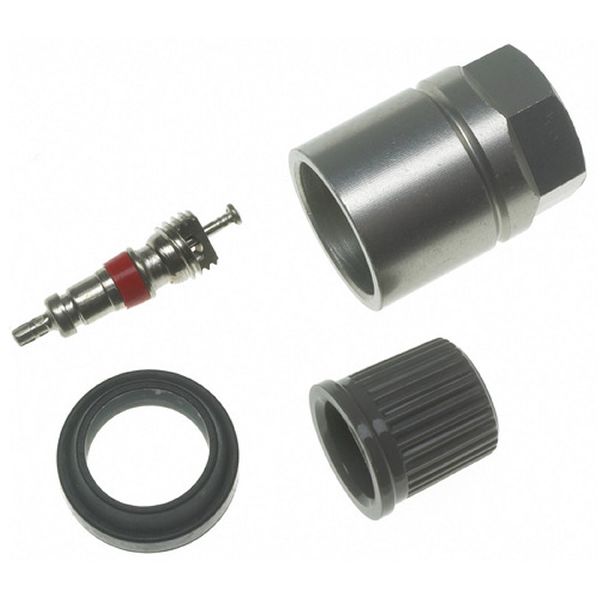
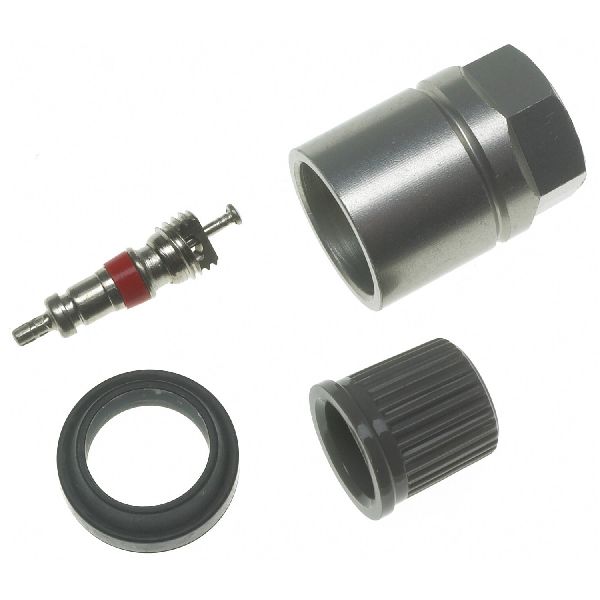
Aftermarket price range: $30-$80 - TPMS Sensor Service Kit
(OEM #N/A (often included with sensor))— When replacing a sensor, the grommet, retaining nut, and valve core should always be replaced to ensure a proper seal. Some sensors come with these parts.
Trusted brands: Dorman, Schrader
OEM price range: $5-$15
Aftermarket price range: $2-$10
Related Codes That Often Appear With This One
- C1708 — This is the code for the Front-Left TPMS sensor. Seeing multiple TPMS codes together can indicate that several sensor batteries are failing around the same time due to age.
- C1709 — This is the code for the Front-Right TPMS sensor. Multiple codes often point to a systemic issue like RF interference or multiple aging sensors.
- C1710 — This is the code for the Rear-Right TPMS sensor. If seen with C1711, it could be a coincidence of aging batteries or RF interference affecting the rear of the car.
Technical Service Bulletins (TSBs) & Recalls
- NTB19-062: Details a potential issue on 2018 models where a faulty HVAC blower motor can cause TPMS communication codes like C1711.
- NTB13-088A: A general TPMS bulletin that explains how RF interference from aftermarket electronics can cause 'No Data' codes, including C1711.
Platform-Specific Known Issues
- TSB NTB19-062: For 2018 370Z models, this bulletin outlines a specific diagnostic procedure for when the TPMS light is on with codes C1708-C1711. It points to a potentially faulty HVAC blower motor causing RF interference if the sensor itself is confirmed to be working.
- TSB NTB13-088A: This general Nissan bulletin addresses 'No Data' conditions (including C1711) and highlights that radio frequency interference from aftermarket devices plugged into power outlets is a known cause that should be investigated before replacing parts.
Mechanic-Grade Diagnostic Values
- TPMS Sensor Retaining Nut Torque — expected: 62 in-lbs (7 N.m). Failure: An improperly torqued nut can lead to air leaks or damage to the sensor or wheel.
- TPMS Sensor Battery Status — expected: OK / Good. Failure: A professional TPMS tool (e.g., Autel, Bartec) will display a 'Low Battery' icon or status for the specific sensor, indicating a pending failure even if it's still transmitting.
Hidden / Shadow Codes Worth Checking
- 48: Transmitter battery voltage low (Rear LH): This is a manufacturer-specific sub-code indicating the battery in the rear-left TPMS sensor is weak. It directly corresponds to the fault that triggers the C1711 DTC. (see via This is visible within the self-diagnosis results for the 'AIR PRESSURE MONITOR' system on a Nissan CONSULT-III diagnostic tool or a high-end aftermarket scanner with Nissan-specific software.)
Scan Tool Commands That Help
- Nissan CONSULT-III: WORK SUPPORT > ID READ — Use this function to display the unique sensor IDs currently registered in the Body Control Module (BCM). This is critical to verify which sensor ID the car is expecting before attempting to register a new one.
- Nissan CONSULT-III: WORK SUPPORT > ID REGIST — This is the dealer-level command used to initiate the registration process for new TPMS sensor IDs after a sensor has been replaced.
- Professional TPMS Tool (e.g., Autel, Bartec): OBD Relearn / Write IDs to ECU — After activating new sensors and reading their IDs, this function connects to the vehicle's OBD-II port to write the new sensor information directly to the BCM, completing the registration process.
Wiring & Ground Locations
- Body Control Module (BCM) — Located in the passenger kick panel area, typically behind the plastic trim to the right of the passenger's feet.. The BCM contains the TPMS receiver. All signals from the wheel sensors are sent to this module. A loose connection or fault within the BCM itself is a rare but possible cause of C1711.
- Tire Pressure Warning Check Connector — A single-wire white female plug, often taped to the main wiring harness near the OBD-II port under the driver's side dashboard.. This connector is used for a manual, tool-free TPMS relearn procedure. Grounding this connector's pin multiple times after turning the ignition on can put the system into learning mode.
- Chassis Ground Points (M11, M55, M95) — These are factory ground points located across the dashboard structure: M11 at the left end, M55 at the center, and M95 at the right end.. The BCM and other modules rely on a clean ground connection. A corroded or loose ground at one of these points could potentially cause intermittent communication issues, including TPMS faults.
Real Owner Repair Stories
- Reddit user in r/370z (2016 Nissan 370Z Sport) — TPMS light came on. A tire shop confirmed there were no leaks or pressure issues and cleared the light, but it returned while driving home.
❌ Tried (didn't work) Checking tire pressures., Clearing the code with a scanner.
✅ What actually fixed it The consensus from other owners was that the sensor battery was dead, indicated by the light flashing for a minute before staying solid. The recommended fix was to have a tire shop test the sensors and replace the faulty one.
Model Year Variations Within This Range
- 2018: TSB NTB19-062 identifies a potential issue where a faulty HVAC blower motor can cause RF interference leading to TPMS codes. This specific TSB is directed at 2018 models, making it a unique diagnostic path for that year compared to 2017.
Helpful Videos
We Have This Part in Stock


The information in this article is provided for general reference and educational purposes only. Vehicle specifications, procedures, and part compatibility can vary by production date, trim level, and region. Always consult your vehicle's factory service manual and verify part numbers before purchasing or performing repairs. Safety-critical components such as airbags, seat belts, and braking systems should be installed by a qualified professional.
- Nissan 370Z:
- 🧭 Diagnostic Flowchart
- 🎬 Helpful Videos
- 🛍️ Shop This Part
- What's Unique About the 2017-2018 Nissan 370Z
- Symptoms You May Notice
- Most Likely Causes
- Rare But Worth Checking
- Diagnosis Steps
- Parts You'll Likely Need
- Related Codes That Often Appear With This One
- Technical Service Bulletins (TSBs) & Recalls
- Platform-Specific Known Issues
- Mechanic-Grade Diagnostic Values
- Hidden / Shadow Codes Worth Checking
- Scan Tool Commands That Help
- Wiring & Ground Locations
- Real Owner Repair Stories
- Model Year Variations Within This Range
- 🎟️ Get 5% Off