

C1711 on 2007-2014 Nissan Versa: TPMS Fault Causes and Fixes
Code C1711 on a Nissan Versa means the system isn't receiving data from the rear-left tire pressure sensor. The most common cause is a dead battery inside the sensor, which has a 7-10 year lifespan. Other causes include RF interference from phone chargers or a faulty HVAC blower motor on 2007-2011 models. Expect to pay $40-$80 for an aftermarket sensor or $70-$120 for OEM, plus labor for mounting and programming.
- C1711 means the rear-left TPMS sensor is not communicating with your Versa.
- The most likely cause on a 2007-2014 model is a dead sensor battery, requiring sensor replacement.
- Before replacing parts, unplug all aftermarket accessories (phone chargers, etc.) to rule out simple radio interference.
- On 2007-2011 models, an intermittent light could be caused by the HVAC fan running on high speed.
- Sensor replacement requires tire removal and special tools for programming the new sensor to the car.
What's Unique About the 2007-2014 Nissan VERSA

For the 2007-2011 Versa (C11 generation), there is a well-documented issue where the original HVAC blower motor can create radio frequency (RF) interference when on high speed, disrupting the TPMS signals and causing multiple codes like C1711 to appear intermittently. This blower motor is notoriously difficult to access, as it is located on the driver's side behind the brake and accelerator pedal assemblies, requiring their removal for replacement. Nissan also issued general bulletins (NTB13-088a) warning that aftermarket electronics, like cheap cell phone chargers and dash cams, are a common source of RF interference that can trigger these specific codes across many of their vehicles.
Diagnostic Flowchart

Tap your situation to follow the diagnostic path that matches what you're seeing on this vehicle.
Generation note: This range covers two Versa generations: the first (C11, 2007-2012) and the second (N17, 2012-2014 sedan). A specific TSB regarding interference from the HVAC blower motor (NTB10-111) applies only to the 2007-2011 C11 models. However, sensor failure due to age is common to both generations, as the sensor batteries have a finite lifespan of 5-10 years.
Symptoms You May Notice

- TPMS warning light flashing for approximately one minute upon startup, then staying on solid.
- Inability to see the rear-left tire pressure reading on a vehicle information display (if equipped).
- A 'Check Tire Pressure' or similar message on the instrument cluster.
- The TPMS light turns on intermittently, especially during highway driving, which can point to RF interference.
- Replacing the Body Control Module (BCM) before confirming the sensor has failed or ruling out RF interference.
- Replacing tires without addressing the faulty sensor, leading to the light returning immediately.
- Assuming the TPMS light is for low pressure when a flashing light indicates a system fault.
Most Likely Causes

- Failed TPMS Sensor (Dead Battery) 🔴 High Probability → Shop Tire Pressure Monitoring System (TPMS) Sensor The original sensors have a non-replaceable, sealed-in battery with a typical lifespan of 7-10 years. Vehicles in the 2007-2014 range are at or beyond the expected end-of-life for their original sensors, making battery failure the most common cause.
How to confirm: Use a TPMS diagnostic tool to try and 'wake' or read the sensor at the rear-left wheel. If the tool gets no response, the sensor is dead and not transmitting. This is the definitive test.
Typical fix: Replace the rear-left TPMS sensor and perform the TPMS relearn procedure. It is often recommended to replace all four sensors at the same time, especially when getting new tires, as their batteries are likely to fail around the same time, saving on future labor costs.
Est. part cost: $40-$120 per sensor - Radio Frequency (RF) Interference 🟡 Medium Probability Nissan has issued multiple TSBs (e.g., NTB13-088a) stating that devices like aftermarket cell phone chargers, power inverters, or even dash cams can emit RF noise that blocks the weak 315MHz TPMS sensor signals. Owners on various forums report that cheap, unshielded USB chargers are frequent culprits.
How to confirm: Unplug all aftermarket devices from the vehicle's power outlets (12V sockets). Clear the codes (if possible) and drive the vehicle to see if the fault returns. If the light stays off, one of the devices was the cause. Some owners note the issue only appears after 15+ minutes of highway driving with the device plugged in.
Typical fix: Remove the interfering electronic device. If the device is necessary, replace it with a higher-quality, well-shielded version. Some users have had success adding a ferrite core to the device's power cord to suppress RF emissions.
Est. part cost: $0 - $25 - Faulty HVAC Blower Motor (2007-2011 Versa) ⚪ Low Probability → Shop HVAC Blower Motor A specific TSB (NTB10-111) identifies the original blower motor in 2007-2011 models as a source of RF interference when on high speed, causing intermittent C1708-C1711 codes. The motor's location on the driver's side makes replacement a complex job.
How to confirm: Drive the vehicle at highway speeds (65-70 mph) with the HVAC fan on its highest setting for 10-15 minutes. If this reliably triggers the flashing TPMS light and sets the code, the blower motor is the likely culprit, as described in the TSB.
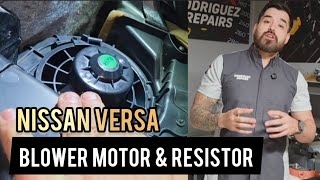
Typical fix: Replace the HVAC blower motor with the updated part number specified in the TSB. This is an advanced DIY repair, as the accelerator and brake pedal assemblies must be removed to gain access. 🎬 Watch this walkthrough for the difficult blower motor replacement.
Est. part cost: $80-$150
Rare But Worth Checking
- Faulty TPMS Receiver or BCM: This is uncommon. If a new, correctly programmed sensor still won't communicate and there is no RF interference, the issue may lie with the vehicle's TPMS receiver or the Body Control Module (BCM) itself. This requires more advanced diagnostics, often starting with checking for other communication codes like U1000.
- Damaged Sensor: The sensor can be physically broken during a tire change if the technician is not careful. This would cause an immediate and permanent C1711 code after the service. A Reddit user reported multiple TPMS codes appearing after a tire service at a major chain, indicating potential damage or incorrect handling.
- Corroded or Leaking Valve Stem/Seal: On older vehicles, especially in regions with road salt, the valve stem seal can degrade, causing a slow leak. While this typically sets a low-pressure warning (solid light), a failing seal can also damage the sensor electronics over time, leading to a C1711 fault. Nissan TSB NTB13-088a mentions diagnosing sensor leaks.
Diagnosis Steps
- Read the trouble codes with an OBD-II scanner capable of reading Chassis (C-codes) to confirm C1711 is present. Note if the TPMS light flashes for ~60 seconds on startup (system fault) or is solid (low pressure).
- Unplug all aftermarket electronic devices (phone chargers, dash cams, GPS, etc.) from the 12V power outlets. These are a known cause of RF interference.
- Clear the codes and drive the vehicle for at least 15-20 minutes at speeds over 25 MPH to see if the code returns. If it does not, an aftermarket device was the cause.
- If the code returns, use a dedicated TPMS diagnostic tool to attempt to 'wake' and read the data from the rear-left sensor. If the tool cannot get a response, the sensor's battery is dead or the sensor has failed. This is the most likely scenario.
- (For 2007-2011 models) If the code is intermittent, specifically test for the HVAC blower motor issue. Drive with the fan on its highest setting for 15 minutes. If this reliably triggers the fault, the blower motor is the cause per TSB NTB10-111.
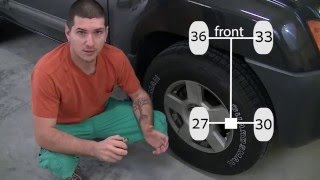
- If a new sensor is installed but the code persists, verify it was programmed correctly. Many aftermarket sensors require programming to clone the old sensor ID or be assigned a new one, followed by a vehicle relearn procedure. 🎬 See how to reset the TPMS without special tools.
- If a known-good, correctly programmed sensor still sets a C1711 code with no RF interference present, the problem may be with the TPMS receiver or the BCM, requiring more advanced electrical diagnostics.
Parts You'll Likely Need
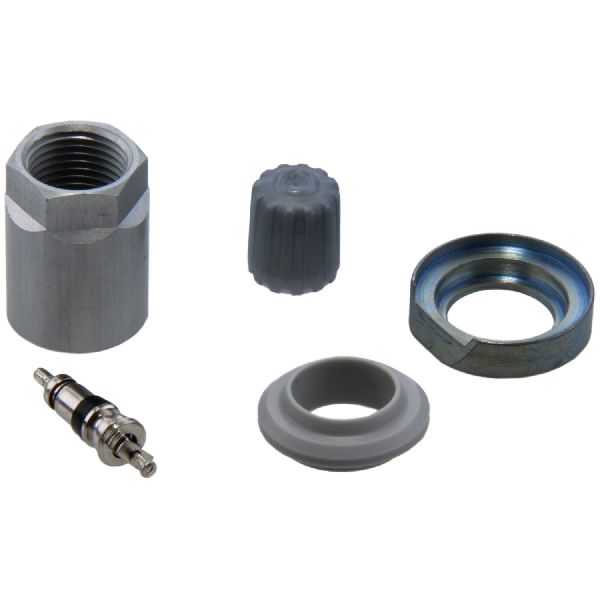
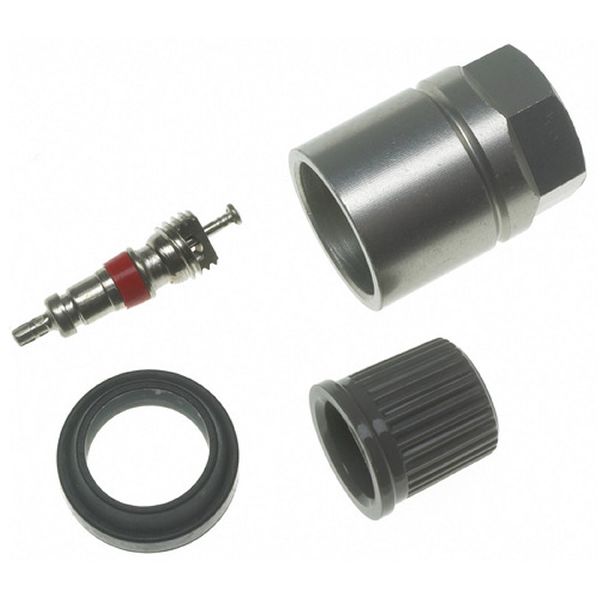
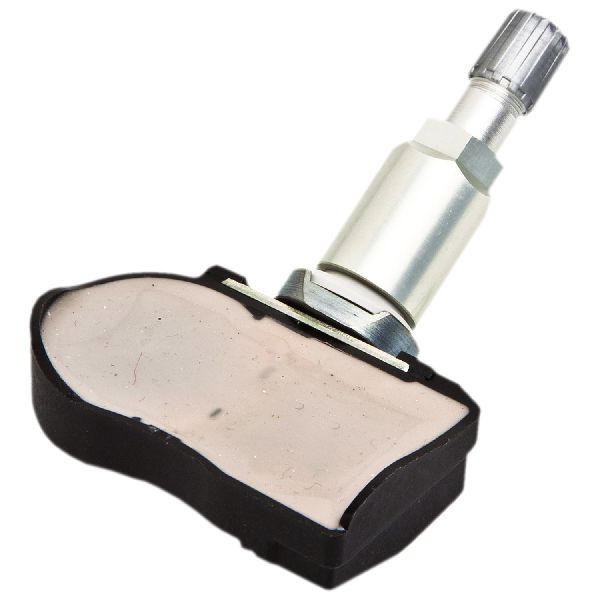
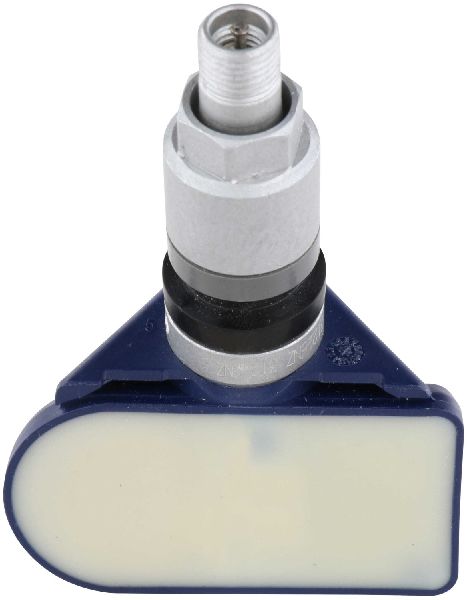
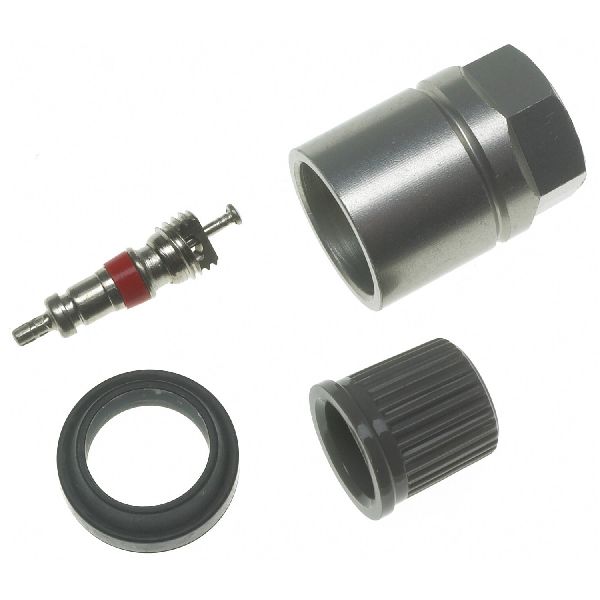
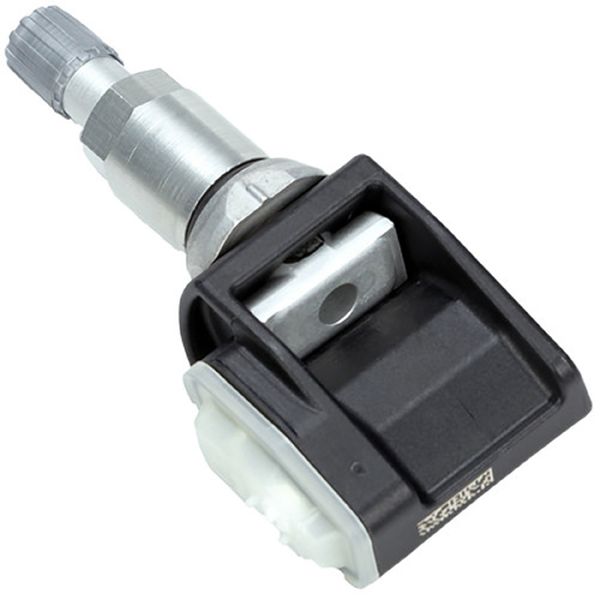
- Tire Pressure Monitoring System (TPMS) Sensor
(OEM #40700-3AN0C)— The internal battery is the most common failure point, causing the sensor to stop transmitting data. This part number is listed for later models in the generation range. Older models may use a different number like 40700-JA01B. Always verify by VIN.
Trusted brands: Schrader (often the OEM supplier), Continental/VDO, Denso, Dorman, Standard Ignition (SMP)
OEM price range: $70-$120
Aftermarket price range: $40-$80 - HVAC Blower Motor (for 2007-2011 models) — Only needed if diagnosed as the source of RF interference per TSB NTB10-111. The original motor can cause TPMS codes when running on high speed. Replacement is labor-intensive.
Trusted brands: Four Seasons, TYC, VDO
OEM price range: $150-$220
Related Codes That Often Appear With This One
- C1710 — C1710 is the code for the rear-right wheel. If seen with C1711, it could point to a systemic issue like RF interference affecting both rear sensors, or simply that multiple sensors are failing from age simultaneously.
- C1708, C1709 — These are the codes for the front-left and front-right sensors, respectively. If two or more of these codes (C1708-C1711) appear together, especially intermittently, it strongly suggests a widespread RF interference problem, such as the HVAC blower motor issue on 2007-2011 models or a problematic aftermarket device.
Technical Service Bulletins (TSBs) & Recalls
- NTB13-088a / NTB13-088: General bulletin for Nissan vehicles regarding RF interference from aftermarket devices causing 'No Data' codes C1708, C1709, C1710, and C1711. Also discusses diagnosing sensor leaks and damage from tire sealants.
- NTB14-119: A bulletin for the Nissan Frontier that explicitly defines C1710 as Rear-Right and C1711 as Rear-Left 'No Data' codes.
- NTB10-111: Specific to the 2007-2011 Versa, this TSB identifies the HVAC blower motor as a source of interference causing two or more TPMS codes from the C1708-C1711 range to be stored when the fan is on high.
Platform-Specific Known Issues
- On 2007-2011 Versa models, the HVAC blower motor can cause radio frequency interference that prevents the TPMS sensors from communicating with the vehicle, setting codes C1708-C1711. The fix is to replace the blower motor per TSB NTB10-111. This repair is complex due to the motor's location on the driver's side, requiring removal of the pedal assembly.
- Nissan vehicles of this era are highly susceptible to RF interference from aftermarket 12V accessories like phone chargers and dash cams, as noted in TSB NTB13-088a.
Mechanic-Grade Diagnostic Values
- BCM Power Supply Voltage — expected: Battery voltage (approx. 12V) at all times on terminal 70 (Yellow wire) and with ignition ON at terminal 38 (Blue wire).. Failure: No voltage or low voltage at these terminals indicates a wiring, fuse, or fusible link issue upstream of the BCM.
- BCM Ground Continuity — expected: Continuity (near 0 ohms) should exist between BCM connector M20 terminal 67 (Black wire) and a chassis ground point.. Failure: High resistance or no continuity indicates a bad ground connection, which can cause various BCM-related faults.
Scan Tool Commands That Help
- Nissan CONSULT: Work Support > ID REGIST — This function is used to manually register the unique ID of a new TPMS sensor to the BCM. It's required after replacing a sensor to make the system recognize the new part. The tool guides the technician to activate each sensor in a specific order (LF, RF, RR, LR).
- Nissan CONSULT: Data Monitor > AIR PRESS — This allows a technician to view the live data that the BCM is receiving from each of the four TPMS sensors, including pressure, temperature, and battery status (on some models). For a C1711, the data for the 'RR' sensor would likely be blank or show 'N/A', confirming the 'No Data' condition.
Wiring & Ground Locations
- Body Control Module (BCM) — For the first generation Versa (C11), the BCM is located behind the glove box. The glove box must be removed to access it.. The BCM is the central computer that receives signals from the TPMS receiver and interprets the data. A faulty BCM or poor connection/ground at the BCM can prevent it from processing the sensor signal, potentially causing a C1711 code.
- TPMS Relearn/Check Connector — A single-wire connector, often white, used to initiate the TPMS relearn mode without a scan tool. Its location varies, but on many Nissans of this era, it is found taped to a harness near the OBD-II port under the driver's side dash. On some other Nissan models, it has been found tucked away on the passenger side.. This connector is critical for DIY relearn procedures. Grounding this wire a specific number of times puts the BCM into learning mode, allowing it to register sensor IDs after a replacement or tire rotation.
- TPMS Receiver (Antenna) — The TPMS receiver is typically a small black box located in the passenger compartment. While exact diagrams for the Versa are scarce in public sources, in similar Nissan vehicles it is often found behind the dashboard trim or near the BCM.. This component receives the radio signals from all four tire sensors and relays the data to the BCM. A failure of the receiver or its wiring would typically cause codes for all four sensors (C1708, C1709, C1710, C1711) to appear at once, not just C1711.
Real Owner Repair Stories
- YouTube user 'Mada tsukaeru de' (2007 Nissan Versa) — TPMS warning light was on, indicating a sensor battery had died after more than 10 years of service.
❌ Tried (didn't work) The user researched the problem before attempting a fix.
✅ What actually fixed it The user replaced the failed TPMS sensor with an aftermarket one. To relearn the new sensor without a scan tool, he located the single-wire TPMS check connector near the OBD-II port, put the key in the ignition 'ON' position, and used a paperclip to ground the connector's wire multiple times to initiate the relearn mode, which was indicated by the flashing TPMS light on the dash.
OEM Part Supersession History
40700-JA01B→40700-JK01C— Part has been updated by Nissan over time. This is a common progression for electronic parts.
Heads up: The original part number 40700-JA01B was used on many early models (2007-2012). The superseding part 40700-JK01C is listed as a replacement for a wide range of Nissan vehicles and part numbers, including the JA01B. Always confirm fitment with a VIN, as there can be mid-year changes.40700-1AA0B / 40700-1AA0D→40700-JK01C— Part consolidation and updates.
Heads up: These part numbers were also used within the 2007-2014 timeframe and are also superseded by 40700-JK01C, showing a trend of Nissan consolidating multiple older part numbers into a single replacement unit.
Model Year Variations Within This Range
- 2007-2012 (C11 Generation): This generation used a 1.8L engine (122 hp) initially, with a 1.6L (107 hp) option added in 2009. It is this generation (specifically 2007-2011) that is subject to the HVAC blower motor RF interference issue noted in TSB NTB10-111.
- 2012-2014 (N17 Generation Sedan): The second generation, launched for the 2012 model year, was based on a different platform (Nissan V). The hatchback became a separate model (Versa Note). This generation used an updated 1.6L engine (109 hp) and is not listed in the TSB for the HVAC blower motor issue. TPMS sensor part numbers may also differ from the early C11 models.
Helpful Videos
We Have This Part in Stock

The information in this article is provided for general reference and educational purposes only. Vehicle specifications, procedures, and part compatibility can vary by production date, trim level, and region. Always consult your vehicle's factory service manual and verify part numbers before purchasing or performing repairs. Safety-critical components such as airbags, seat belts, and braking systems should be installed by a qualified professional.
- Nissan VERSA:
- 🧭 Diagnostic Flowchart
- 🎬 Helpful Videos
- 🛍️ Shop This Part
- What's Unique About the 2007-2014 Nissan VERSA
- Symptoms You May Notice
- Most Likely Causes
- Rare But Worth Checking
- Diagnosis Steps
- Parts You'll Likely Need
- Related Codes That Often Appear With This One
- Technical Service Bulletins (TSBs) & Recalls
- Platform-Specific Known Issues
- Mechanic-Grade Diagnostic Values
- Scan Tool Commands That Help
- Wiring & Ground Locations
- Real Owner Repair Stories
- OEM Part Supersession History
- Model Year Variations Within This Range
- 🎟️ Get 5% Off