

C1730 on 2016-2020 Infiniti Q50: TPMS Fault Explained and Fixed
Code C1730 on a 2016-2020 Infiniti Q50 indicates a fault within the Tire Pressure Monitoring System (TPMS), most often caused by a dead battery in a wheel sensor. This is a common issue as these cars reach the 5-10 year mark. The fix requires replacing the faulty sensor and programming the new one, costing between $120 and $300 at a shop.
- Code C1730 means there's a fault in your Infiniti Q50's TPMS, not just low tire pressure.
- The most likely culprit is a dead battery in one of the tire sensors, a common issue for vehicles 5-10 years old.
- Diagnosis requires a scan tool that can read TPMS codes; a simple engine code reader won't work.
- The fix involves replacing the dead sensor (ensure it's the correct 433 MHz frequency for 2016+ models) and programming the new one to the car, which is best left to a professional or experienced DIYer with the right tools.
What's Unique About the 2016-2020 Infiniti Q50
For the 2016-2020 Q50, the key issue is the age of the factory TPMS sensors. These sensors use non-replaceable batteries with a typical lifespan of 5-10 years. As these vehicles are now squarely in that window, sensor failure is a common maintenance item. Unlike a simple low pressure warning, this code points to a hardware failure that requires part replacement and programming. It's also important to note that 2016 and newer Q50 models use a 433 MHz frequency sensor, while earlier 2014-2015 models used a 315 MHz frequency; they are not interchangeable.
Diagnostic Flowchart
Tap your situation to follow the diagnostic path that matches what you're seeing on this vehicle.
Symptoms You May Notice
- The TPMS light may initially flash for about a minute upon starting the car before staying on solid, indicating a system fault.
- Solid (non-flashing) TPMS warning light on the dashboard, even when tire pressures are correct, as noted in TSB ITB20-003.
- The vehicle's information display shows a dash or no reading for one specific tire's pressure.
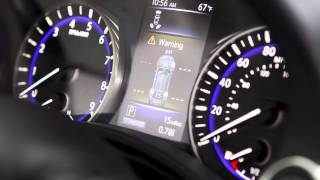
- A "Tire Pressure Sensor Fault" or similar message may appear on the instrument cluster display. 🎬 Watch: How the TPMS display and inflation indicator work
- Replacing the wrong TPMS sensor. It is crucial to use a scan tool to identify the specific sensor that has failed before purchasing a replacement.
- Assuming the TPMS warning light is only for low pressure. On these vehicles, a system fault code like C1730 can also trigger a solid light, as noted in TSB ITB20-003.
- Ignoring the flashing light at startup. A flashing light that turns solid is the key indicator of a system fault, not a pressure issue.
Most Likely Causes
- Dead TPMS Sensor Battery 🔴 High Probability → Shop Tire Pressure Monitoring System (TPMS) Sensor The 2016-2020 model years are reaching the end of the original TPMS sensor battery life, which is typically 5-10 years. This is the most common reason for TPMS sensor failure.
How to confirm: Use a TPMS diagnostic tool (like an Autel TS508 or similar) to attempt to trigger a signal from each of the four tire sensors. The sensor that does not respond or shows a low battery status is the faulty one. 🎬 See how to diagnose a dead sensor using the TS508 A capable OBD-II scanner can also read the BCM and may specify which sensor location is not reporting.
Typical fix: Replace the faulty TPMS sensor and perform the TPMS relearn procedure to register the new sensor ID with the vehicle's BCM via the OBD-II port.
Est. part cost: $40-$90 per sensor for aftermarket; $70-$110 for OEM.
Rare But Worth Checking
- Faulty TPMS Control Module/Receiver: This is much less common than a sensor failure. If multiple sensors stop working simultaneously or if a new, properly programmed sensor still doesn't communicate, the control module may be the issue. This was seen on an older G37 but is a possibility.
- Wiring Harness Issue: Damage to the wiring between the TPMS control module and the BCM could cause communication loss, but this is rare without other signs of damage or electrical problems.
- Incorrect Sensor Frequency: Installing a 315 MHz sensor (from a 2014-2015 Q50) on a 2016+ Q50 (which requires 433 MHz) will result in a failure to program and will set a fault code. Always verify the correct frequency before purchase.
Diagnosis Steps
- Verify Tire Pressure: Manually check and adjust the pressure in all four tires to the specification listed on the driver's door jamb.
- Scan for Codes: Use an OBD-II scanner capable of reading Body Control Module (BCM) codes. Confirm that C1730 is present and note any other related TPMS codes.
- Test Individual Sensors: Use a dedicated TPMS activation tool to test each wheel sensor. The tool attempts to 'wake' the sensor and read its transmission, which includes its unique ID, pressure, temperature, and battery status. The sensor that fails to respond is the faulty one.
- Check Sensor Data: If your scan tool has live data capabilities, view the TPMS sensor data stream from the BCM. The sensor associated with C1730 will likely show no pressure/temperature reading or an 'N/A' status.
- Inspect the TPMS Module: If all sensors respond but the code persists, a visual inspection of the TPMS control module and its wiring for damage or corrosion may be necessary. The module is typically located under the glove box area.
Parts You'll Likely Need
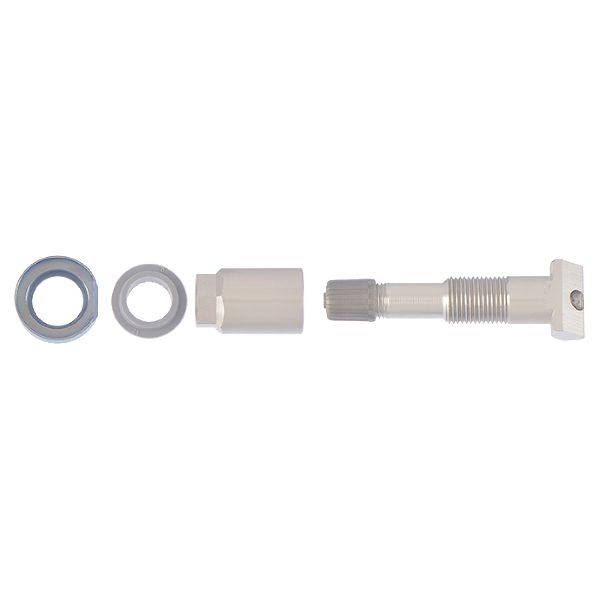
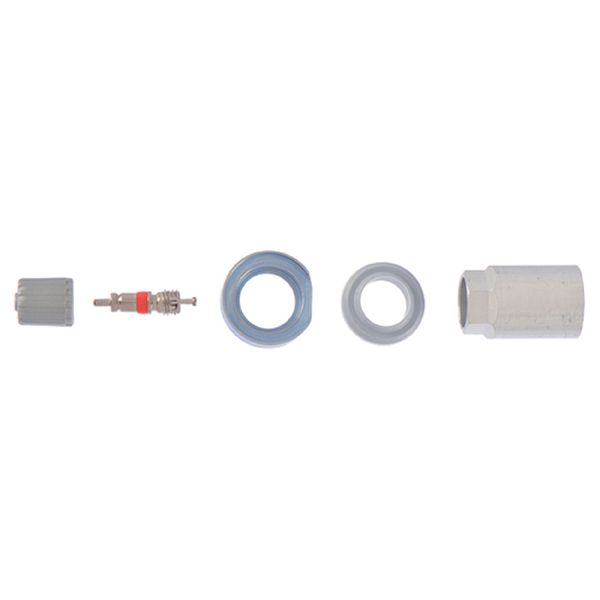
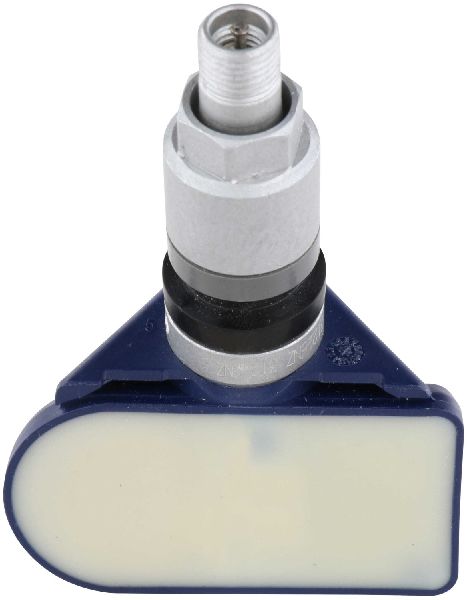
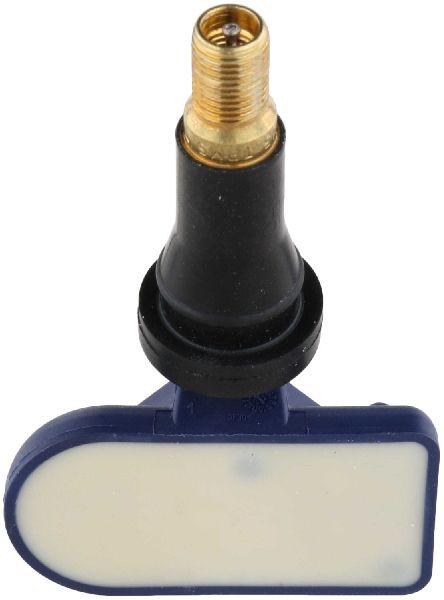
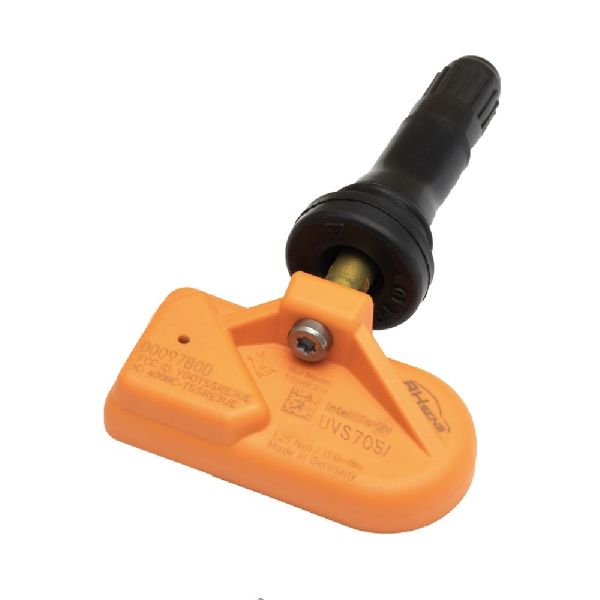
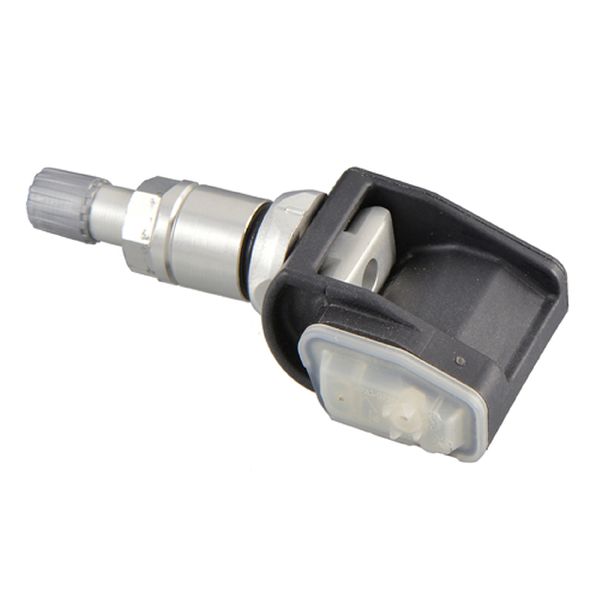
- Tire Pressure Monitoring System (TPMS) Sensor
(OEM #40700-6WY0B)— This is the most common failure point. The internal battery is depleted, requiring the entire sensor unit to be replaced. This part number is for the required 433 MHz frequency. It supersedes part number 40700-6WY0C.
Trusted brands: Hitachi (OEM), Continental (OEM), Denso, Schrader, Autel (Programmable) 🎬 Watch: How to program a new Autel MX sensor
OEM price range: $70-$110
Aftermarket price range: $40-$90
Related Codes That Often Appear With This One
- C1731, C1732, C1733 — These codes are in the same family as C1730 and relate to other TPMS sensor locations or data faults. They are all mentioned together in TSB ITB20-003.
- C1704, C1705, C1706, C1707 — Also listed in TSB ITB20-003, these codes point to TPMS transmitter or sensor issues, often corresponding to specific wheel locations (e.g., C1704 for FL, C1705 for FR, C1706 for RR, C1707 for RL).
Technical Service Bulletins (TSBs) & Recalls
- ITB20-003: Mentions that DTCs C1730, C1731, C1732, C1733 (and others) can be stored with the TPMS warning lamp ON and not flashing. It also addresses a potential slow leak from the sensor's valve stem seal on 2014-2020 models, which is a separate issue from the electronic failure that causes C1730.
Platform-Specific Known Issues
- Per Infiniti TSB ITB20-003, this code can be stored with the TPMS warning lamp being ON (not flashing), which can be confusing as a solid light typically just means low pressure.
- Owners report that while some aftermarket sensors work well, programming can sometimes be tricky. Using OEM sensors or high-quality, vehicle-specific aftermarket sensors (like Continental) often leads to a smoother programming process.
- The 2016 model year marks a switch to 433 MHz sensors from the previous 315 MHz. Using the wrong frequency sensor is a common mistake during replacement and will not work.
Mechanic-Grade Diagnostic Values
- BCM Ground Continuity — expected: Continuity should exist. Failure: No continuity indicates a bad ground or a break in the harness or connector.
Scan Tool Commands That Help
- Infiniti CONSULT-III plus: Work Support > ID Read — To read the currently registered TPMS sensor IDs from the BCM before replacement.
- Infiniti CONSULT-III plus: Work Support > ID Regist — To manually write the new sensor IDs to the BCM after replacing one or more TPMS sensors.
- Infiniti CONSULT-III plus: Configuration > Manual Configuration — This is a critical step required when the BCM itself is replaced. The technician must select the correct BCM part number from a list to ensure the TPMS system is configured correctly for the vehicle. Failure to do this will prevent sensor registration.
Wiring & Ground Locations
- Body Control Module (BCM) — Located on the passenger side, behind the right kick panel.. The BCM is the control unit for the TPMS. It receives signals from the sensors and the TPMS receiver, and it stores the DTCs like C1730. All diagnostic communication for the TPMS goes through the BCM.
- BCM Ground — A service manual for a 2014 Q50 indicates a ground continuity check between BCM harness connector M17, terminal 134, and ground. While the exact terminal may vary slightly by year, checking the main ground pins for the BCM is a valid diagnostic step if a module or communication issue is suspected.. A poor ground connection to the BCM can cause a wide range of unpredictable electronic issues, including the failure to receive or process TPMS signals correctly, potentially leading to a C1730 code.
- TPMS Reset Connector (Older Models) — On some older Nissan/Infiniti models, a single-wire connector for manually resetting the TPMS system can be found near the OBD-II port.. While the 2016-2020 Q50 primarily relies on scan tool registration, some technicians familiar with older models might look for this. It involves grounding the wire in a specific sequence to put the BCM into a relearn mode. This is generally not the correct procedure for this vehicle but is a known procedure on the parent brand.
OEM Part Supersession History
40700-6WY0C→40700-6WY0B— Standard part number update or revision by the manufacturer.
Heads up: The new part number (40700-6WY0B) is the correct replacement for the original. Both are 433 MHz.
Helpful Videos



We Have This Part in Stock

The information in this article is provided for general reference and educational purposes only. Vehicle specifications, procedures, and part compatibility can vary by production date, trim level, and region. Always consult your vehicle's factory service manual and verify part numbers before purchasing or performing repairs. Safety-critical components such as airbags, seat belts, and braking systems should be installed by a qualified professional.
- Infiniti Q50:
- 🧭 Diagnostic Flowchart
- 🎬 Helpful Videos
- 🛍️ Shop This Part
- What's Unique About the 2016-2020 Infiniti Q50
- Symptoms You May Notice
- Most Likely Causes
- Rare But Worth Checking
- Diagnosis Steps
- Parts You'll Likely Need
- Related Codes That Often Appear With This One
- Technical Service Bulletins (TSBs) & Recalls
- Platform-Specific Known Issues
- Mechanic-Grade Diagnostic Values
- Scan Tool Commands That Help
- Wiring & Ground Locations
- OEM Part Supersession History
- 🎟️ Get 5% Off