

C1732 on 2016-2020 Infiniti Q50: Rear Right TPMS Fault Causes and Fixes
Code C1732 on a 2016-2020 Infiniti Q50 means the TPMS sensor in the rear right tire has failed, most likely due to a dead battery. The fix is to replace the sensor with a 433 MHz model and have it professionally programmed to the vehicle. Expect to pay around $40-$100 for the part and $50-$150 for labor.
- C1732 points specifically to the rear right TPMS sensor.
- The most likely cause is a dead sensor battery, requiring replacement of the entire sensor unit. Lifespan is typically 5-10 years.
- Ensure the replacement sensor is the correct 433 MHz frequency for your 2016-2020 Q50.
- The repair is not complete until the new sensor is electronically registered to the car using a specialized tool like an Autel or ATEQ.
- A solid (non-flashing) TPMS light can indicate this sensor fault, not just low pressure, which is a known quirk of this vehicle per TSB ITB20-003.
What's Unique About the 2016-2020 Infiniti Q50
On the Infiniti Q50, a key quirk is that this sensor fault can trigger a solid, non-flashing TPMS warning light, a behavior highlighted in Technical Service Bulletin ITB20-003. Typically, a solid light indicates low pressure while a flashing light indicates a system fault, but for this vehicle, a solid light can also mean a sensor has failed. Additionally, the 2016 model year marks a switch in TPMS technology; 2016-2020 models use a 433 MHz frequency, whereas earlier 2014-2015 models used 315 MHz, making it crucial to select the correct part.
Diagnostic Flowchart
Tap your situation to follow the diagnostic path that matches what you're seeing on this vehicle.
Symptoms You May Notice
- Solid (non-flashing) TPMS warning light on the instrument cluster.
- TPMS warning light flashes for approximately one minute at startup and then stays on solid.
- Vehicle information display shows a "TPMS System Error" or similar message.
- Inability to see the pressure reading for the rear right tire on the information display.
- "Flat tire visit dealer" warning message on the dash.
- Replacing the tire when the issue is the sensor.
- Ignoring the C1732 code and assuming the solid TPMS light is only due to low air pressure, without checking for stored fault codes. This is especially relevant for the Q50 due to the behavior described in TSB ITB20-003. 🎬 Watch: Official overview of the Q50 tire pressure monitoring system.
- Replacing the wrong frequency sensor (315 MHz instead of 433 MHz) on a 2016+ model.
Most Likely Causes
- Failed TPMS Sensor (Dead Battery) 🔴 High Probability → Shop Tire Pressure Monitoring System (TPMS) Sensor The sealed, non-replaceable 3-volt lithium-ion batteries inside the sensors have a finite lifespan of 5-10 years. Vehicles in the 2016-2020 range are now at an age where battery failure is the most common cause of sensor failure, with some owners of similar Nissan/Infiniti platforms reporting failures around the 7-11 year mark.
How to confirm: Use a TPMS diagnostic tool (like an Autel TS508 or similar) to attempt to read the sensor's ID, battery status, and pressure. If the tool cannot get a signal from the rear right sensor, or it reports a dead battery, the sensor has failed.
Typical fix: Replace the rear right TPMS sensor. The new sensor must be a 433 MHz model and its unique ID must be registered to the vehicle's BCM using a TPMS programming tool via the OBD-II port.
Est. part cost: $40-$120 - TPMS Sensor Registration Issue 🟡 Medium Probability → Shop Tire Pressure Monitoring System (TPMS) Sensor This often occurs after new tires are installed or tires are rotated if the shop did not perform the required TPMS relearn procedure. Infiniti vehicles do not automatically learn new sensor IDs without a manual registration process using a scan tool. This is a common complaint after service at non-dealer tire shops.
How to confirm: This is a likely cause if the error appeared immediately after a tire service. A TPMS tool can be used to check which sensor IDs are registered to the BCM and compare them to the IDs of the sensors currently on the wheels.
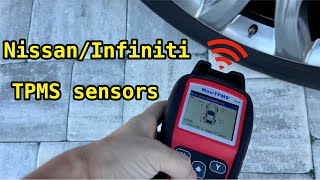
Typical fix: Use a TPMS scan tool to perform the sensor ID registration or 'relearn' procedure, assigning each sensor to its correct position in the BCM. 🎬 Watch: Step-by-step guide to programming Nissan and Infiniti TPMS sensors. Some older Nissan/Infiniti models had a manual reset procedure involving grounding a wire, but for the Q50, a tool is the standard method.
Est. part cost: $0 (if returning to the shop that did the work), or $50-$100 for a diagnostic/relearn service.
Rare But Worth Checking
- Faulty Body Control Module (BCM) or TPMS Receiver: While rare, a problem with the BCM or the TPMS antenna/receiver can prevent it from receiving the sensor's signal. This would typically be suspected if a new, correctly programmed sensor does not resolve the code. Other Infiniti TSBs have called for BCM replacement for various electrical issues, establishing it as a potential, though unlikely, point of failure.
- Leaking TPMS Valve Stem Seal: TSB ITB20-003 also addresses a condition where the seal between the valve stem and the wheel fails, causing a slow air leak. While this would typically set a low-pressure code (like C1706 for the RR tire), a related intermittent fault or confusion during diagnosis could be linked to C1732. If you have a slow leak and a TPMS fault, this should be investigated.
Diagnosis Steps
- Manually check the air pressure of all four tires and adjust to the specification on the driver's door jamb sticker.
- If the light remains, use an OBD-II scanner capable of reading chassis (C-prefix) codes to confirm C1732 is present.
- Use a dedicated TPMS diagnostic tool (e.g., Autel, Schrader) to scan the rear right wheel sensor. The tool will attempt to activate the sensor and read its data (ID, pressure, temperature, battery status).
- If the tool confirms the sensor has a dead battery or is not transmitting, the sensor must be replaced.
- If the sensor is transmitting but the code persists, verify that the sensor's ID is correctly registered to the BCM for the rear right position. This is a common issue after tire rotations or replacements.
- As per TSB ITB20-003, if you also have a slow leak, carefully inspect the TPMS valve stem for leaks using soapy water before condemning the sensor. A leaking seal can be replaced separately.
- After replacement, use the TPMS tool to perform the OBD-II relearn procedure, writing the new sensor ID to the BCM.
- Clear the trouble codes and drive the vehicle for 10-20 minutes at speeds above 25 mph (40 km/h) to confirm the fix and ensure the light does not return.
Parts You'll Likely Need
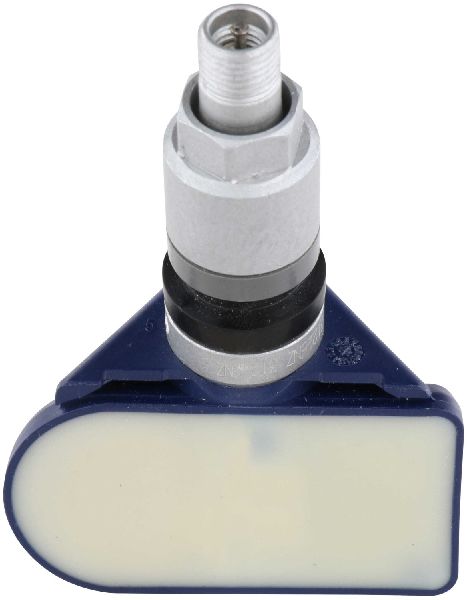
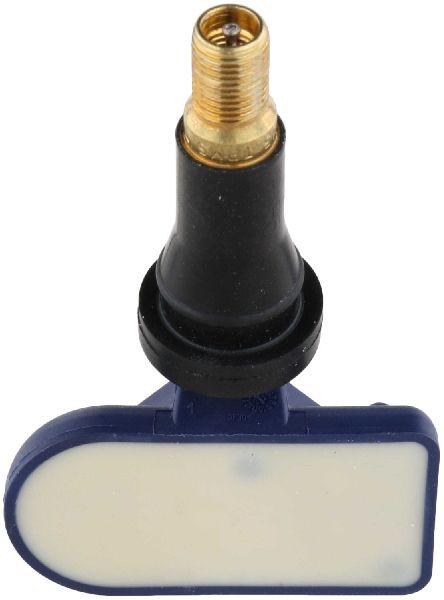
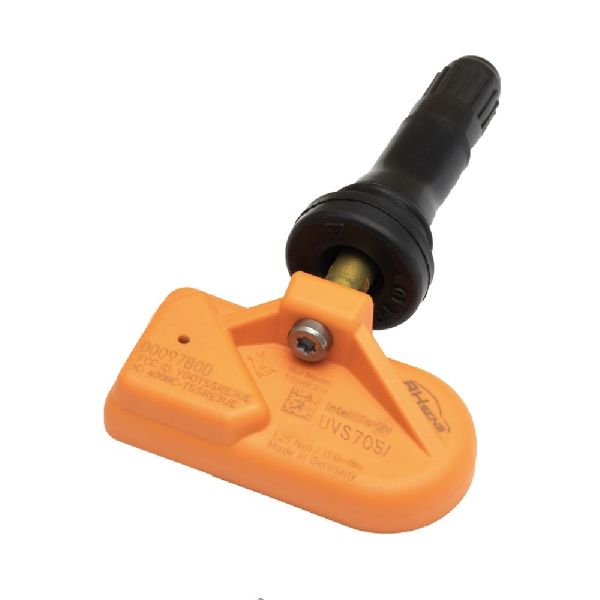
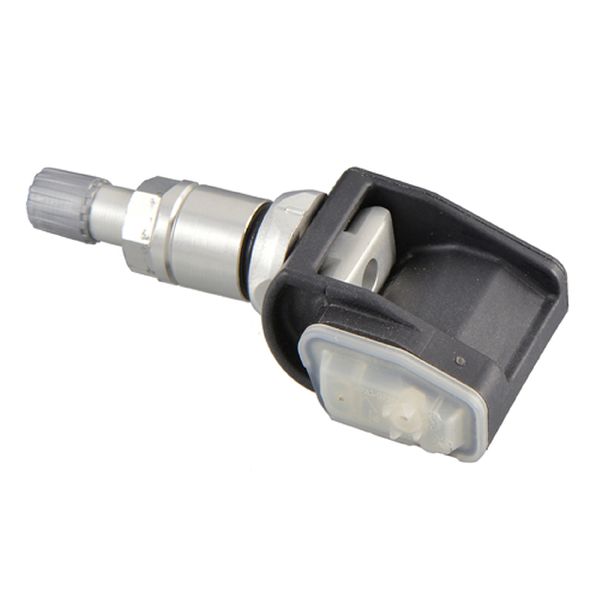
- Tire Pressure Monitoring System (TPMS) Sensor (433 MHz)
(OEM #40700-3JA0B)— This is the direct replacement for the failed sensor. The internal battery is not serviceable, so the entire unit must be replaced.
Trusted brands: Infiniti/Nissan (OEM), Continental/VDO, Schrader, Denso, Autel (programmable), Huf
OEM price range: $80-$120
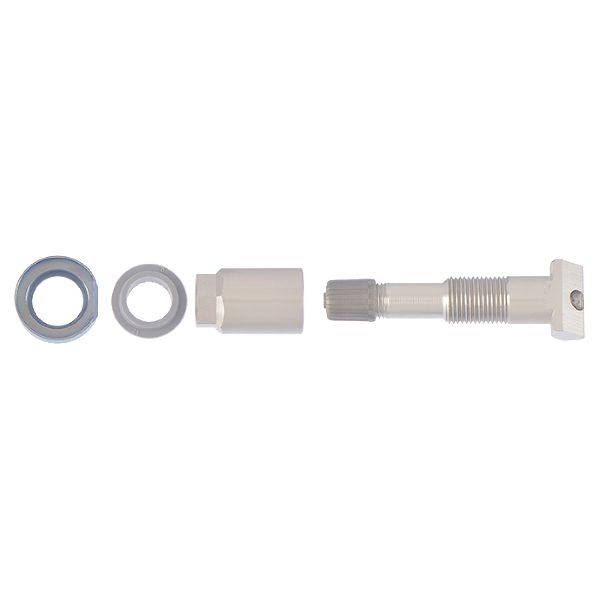
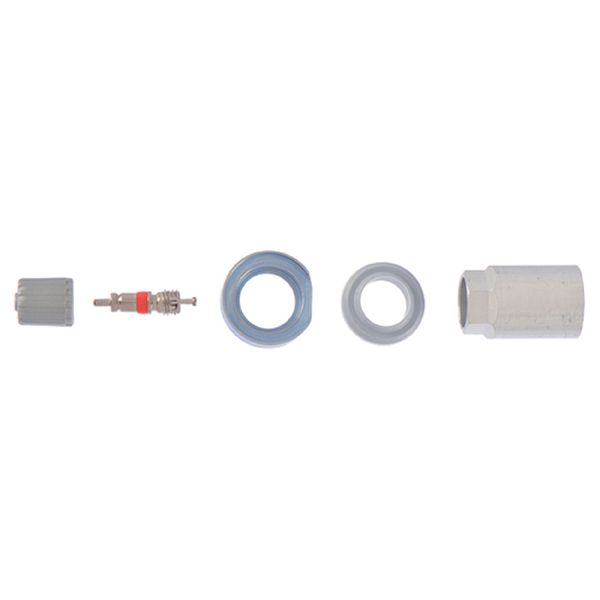
Aftermarket price range: $40-$70 - TPMS Sensor Service Kit — It is best practice to replace the sealing components when replacing the sensor or when addressing a leak per TSB ITB20-003.
Trusted brands: Schrader, Dorman
OEM price range: $5-$15
Aftermarket price range: $3-$10
Related Codes That Often Appear With This One
- C1730 — This code corresponds to the Front Left TPMS sensor. It's common for multiple sensors to fail around the same time as their batteries have a similar lifespan and have been exposed to the same conditions.
- C1731 — This code corresponds to the Front Right TPMS sensor. Seeing it with C1732 suggests multiple sensors are nearing the end of their service life.
- C1733 — This code corresponds to the Rear Left TPMS sensor. Finding multiple TPMS codes stored together is a strong indicator that the sensor batteries are failing due to age.
Technical Service Bulletins (TSBs) & Recalls
- ITB20-003: States that the TPMS warning lamp may be ON (not flashing) with DTC C1732 stored. Also provides a procedure to diagnose and fix air leaks from the TPMS sensor's valve stem seal by replacing the washer and nut.
Platform-Specific Known Issues
- TSB ITB20-003 notes that a solid TPMS light, which normally indicates low pressure, can be illuminated for this specific sensor fault code (C1732). This can cause diagnostic confusion.
- TSB ITB20-003 also identifies a common issue where the valve stem seal fails, causing a slow leak. This should be checked with soapy water at the valve stem base if a slow leak accompanies the TPMS light.
Mechanic-Grade Diagnostic Values
- TPMS Sensor Operating Frequency — expected: 433 MHz. Failure: A 315 MHz sensor will not communicate with the BCM on a 2016+ model.
- TPMS Sensor Battery Status (via TPMS Tool) — expected: OK. Failure: A 'LOW' or 'N/A' battery status reading indicates the sensor needs replacement.
Scan Tool Commands That Help
- Infiniti CONSULT-III plus: ID REGIST — This function is used to write the new, unique sensor IDs to the Body Control Module (BCM) after a sensor has been replaced.
- Infiniti CONSULT-III plus: Manual Configuration (under Re/programming, Configuration) — This special configuration must be performed whenever the BCM itself is replaced. If this step is skipped, the standard 'ID REGIST' function will fail to complete.
- Autel, ATEQ, or similar professional TPMS tool: OBD Relearn / Sensor ID Registration — Used by independent shops to write new sensor IDs to the BCM via the OBD-II port, serving the same purpose as the dealer's CONSULT 'ID REGIST' function.
Wiring & Ground Locations
- BCM (Body Control Module) — Located at the right end of the dashboard, accessible after removing trim panels.. The BCM contains the integrated TPMS receiver. A poor connection or fault within the BCM can mimic a sensor failure.
- Ground M134, M17 — These are ground points for the BCM harness.. A corroded or loose ground connection for the BCM could cause a variety of electrical issues, including the inability to receive signals from TPMS sensors. Checking continuity from the BCM harness ground pins to the chassis is a valid diagnostic step for persistent, hard-to-diagnose electrical faults.
Real Owner Repair Stories
- Reddit user 'vonscorpio' in r/infiniti (2015 Infiniti Q50 (V37 generation, but pre-frequency change)) — TPMS light flashed at startup and then stayed on solid after installing new wheels with new OEM TPMS sensors.
❌ Tried (didn't work) Driving the car, assuming it would auto-relearn., The initial tire shop (Costco) was unable to program them on the first attempt.
✅ What actually fixed it The owner returned to the tire shop, which then used a tool connected to the OBD-II port to program the new sensor IDs into the vehicle's computer. The process took less than a minute. The owner explicitly noted that the older Nissan 'paper clip hack' is not an option for this vehicle.
OEM Part Supersession History
40700-3JA0A→40700-3JA0B— Standard part revision/update.
Heads up: Part 40700-3JA0B is a 433 MHz sensor for 2016+ models. The changeover from the previous 315 MHz sensors occurred around December 2015 for the 2016 model year. Using the wrong frequency will result in total communication failure.
Model Year Variations Within This Range
- 2016-2020: Unlike some older Nissan/Infiniti platforms, this generation of Q50 does not have a manual 'paper clip' or grounding-wire method to enter TPMS relearn mode. Registration of new sensors requires a specialized TPMS tool with an OBD-II connection to write the IDs to the BCM.
Helpful Videos


We Have This Part in Stock

The information in this article is provided for general reference and educational purposes only. Vehicle specifications, procedures, and part compatibility can vary by production date, trim level, and region. Always consult your vehicle's factory service manual and verify part numbers before purchasing or performing repairs. Safety-critical components such as airbags, seat belts, and braking systems should be installed by a qualified professional.
- Infiniti Q50:
- 🧭 Diagnostic Flowchart
- 🎬 Helpful Videos
- 🛍️ Shop This Part
- What's Unique About the 2016-2020 Infiniti Q50
- Symptoms You May Notice
- Most Likely Causes
- Rare But Worth Checking
- Diagnosis Steps
- Parts You'll Likely Need
- Related Codes That Often Appear With This One
- Technical Service Bulletins (TSBs) & Recalls
- Platform-Specific Known Issues
- Mechanic-Grade Diagnostic Values
- Scan Tool Commands That Help
- Wiring & Ground Locations
- Real Owner Repair Stories
- OEM Part Supersession History
- Model Year Variations Within This Range
- 🎟️ Get 5% Off