

OBD-II Code C1752: Air Suspension Compressor Circuit Malfunction
What C1752 means, why it triggers, and how to fix it
- Code C1752 triggers when the suspension control module detects abnormal electrical current from the air compressor motor for 4 or more seconds.
- Always test the 40A or 50A 'AIR SUS' fuse and swap the suspension relay before spending $300 to $1,300 on a replacement compressor.
- A failed compressor is almost always the victim of a leaking air spring; failing to find and fix the leak guarantees the new compressor will burn out.
- On Ford and Mitsubishi vehicles, C1752 is a manufacturer-specific code for the speed sensor or cruise control radar, completely unrelated to the air suspension.
What Does C1752 Mean?
C1752 means the suspension control module (ECU) detected a fault in the air suspension compressor's electrical circuit. The ECU commanded the compressor to run, but the motor was locked, seized, or drew abnormal electrical current for 4 or more seconds.
Technical definition: The official SAE/ISO definition is "Height Control Compressor Motor Circuit Malfunction." This indicates the suspension ECU detected a locked motor or abnormal current draw from the compressor for 4 seconds or more while the relay was activated. If the current is too high (seized motor) or absent (open circuit), the ECU triggers the fault and disables the system.
Can I Drive With C1752?
Yes, But With Caution. Yes, but only for a few miles. The incorrect ride height causes a harsh, bouncy ride and poor handling. Driving on a deflated suspension accelerates tire wear, damages other suspension components, and compromises braking and stability. Ignoring a leak also burns out the compressor, adding $200-$1,200 to the repair bill.
Common Causes
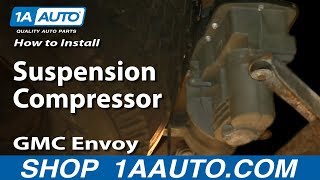
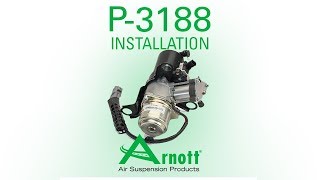
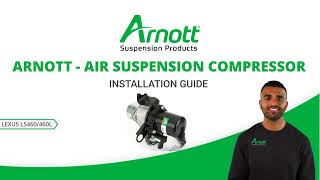
- Failed Air Suspension Compressor (Very Common) — The compressor motor wears out or seizes. 🎬 Watch: A complete walkthrough for replacing a failed air compressor. This is the most frequent direct cause, often triggered by leaks in the air springs that force it to overwork. Water intrusion also causes internal corrosion.
- Leaking Air Springs or Struts (Very Common) — The primary root cause of compressor failure. Small cracks in the rubber air bags leak air, forcing the compressor to run constantly. Replacing the compressor without fixing the leaks guarantees the new unit will fail quickly.
- Blown Fuse or Fusible Link (Common) — A surge in the circuit, often caused by a struggling or seized compressor motor, blows the main air suspension fuse to protect the system.
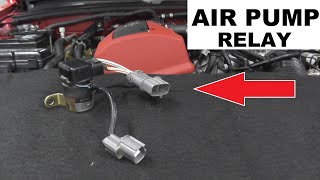
- Faulty Air Suspension Relay (Common) — This electronic switch sends power to the compressor. It fails from high electrical draw or age, preventing the compressor from turning on. Always check this low-cost part first. 🎬 Watch: How to test and replace an air suspension relay.
- Wiring Harness or Connector Damage (Less Common) — Wires leading to the compressor or relay corrode, break, or short to ground, interrupting the electrical signal and power supply.
- Stuck or Faulty Exhaust Solenoid (Less Common) — If the valve that releases air gets stuck, the system behaves erratically. On some Lexus models, continuous current to this solenoid triggers C1752.
- Saturated Compressor Dryer (Less Common) — If the desiccant becomes saturated, moisture passes into the compressor and air lines, causing internal corrosion and failure.
- Faulty Suspension Control ECU (Rare) — The electronic control unit fails internally. Rule out the compressor, relay, and wiring before suspecting the ECU.
Symptoms
- Vehicle Sagging or Sitting Low — One or all corners sit lower than normal and fail to raise when the car starts.
- "Check Air Suspension" Warning Light — A warning message or light illuminates on the instrument cluster.
- Compressor Does Not Run — The familiar humming sound of the air compressor is absent after starting the vehicle or adding weight.
- Compressor Runs Constantly — Before total failure, a leak causes the compressor to run excessively or cycle frequently. This precedes compressor burnout and code C1752.
- Harsh or Bouncy Ride — With deflated air springs, the vehicle rides on its internal bump stops, resulting in a jarring and unstable ride.
Diagnostic Flowchart
Tap your situation to follow the diagnostic path that matches what you're seeing on this code.
Common Fixes & Costs
- Replace Air Suspension Relay — Parts: $15-$55, Labor: $0-$50, ~0.2 hr book time (DIY)
- Replace Air Suspension Compressor — Parts: $220-$1,300, Labor: $150-$400, ~1.5 hr book time (Intermediate)
- Replace Air Springs/Struts — Parts: $200-$800, Labor: $150-$300, ~1.2 hr book time (Professional)
- Repair Wiring Harness or Connector — Parts: $10-$50, Labor: $100-$400, ~2.5 hr book time (Professional)
- Replace Suspension Control Module (ECU) — Parts: $400-$1000, Labor: $100-$200, ~1.0 hr book time (Professional)
DIY vs Professional
- Replace Fuse / Relay 🟢 Beginner
Tools: Fuse puller or pliers. - Replace Air Suspension Compressor 🟢 Beginner
Tools: Jack and jack stands, wheel removal tools, basic socket/wrench set, trim removal tools (for fender liner), airline disconnect tool (sometimes). - Replace Air Springs/Struts 🟢 Beginner
Tools: Full spring/strut compressor tools, extensive socket/wrench set, torque wrench, alignment tools (or plan for a professional alignment). - Repair Wiring Harness 🟢 Beginner
Tools: Multimeter, wire strippers, soldering iron or quality crimp connectors, heat shrink tubing, automotive-grade wiring.
Used vs. New Parts: Buying Guide
When a used part is worth it: A used OEM compressor from a low-mileage vehicle is cost-effective for older cars where new OEM parts are prohibitive.
Donor-vehicle mileage cap: roughly under 60000 miles for the part to have meaningful remaining life.
Donor quality checklist:
- Verify exact part number match.
- Inspect connector for corrosion.
- Avoid rust belt parts.
- Require a 30-90 day warranty.
Decision logic:
- If Underlying leak fixed → Buy new or remanufactured. The old compressor was overworked.
- If Vehicle over 10 years old, tight budget → Tested used OEM part is better than a cheap, low-quality aftermarket part.
- If Keeping vehicle long-term → Invest in a new OEM or high-quality remanufactured unit (e.g., Arnott) for longevity.
Warranty tradeoff: Used: 30-90 days. New aftermarket: 1-year to lifetime (often excludes leak-induced burnout). New OEM: 1-2 years.
Worst-case if a used part fails: $200-$500 for repeat labor if a cheap part fails prematurely.
What Happens If You Wait — Timeline
- 0-1 month (from initial leak): A small, undetected leak begins in an air spring. The compressor runs slightly more often to compensate. No warning lights are on. (MPG impact: 0%% · Added cost: $0)
- 1-3 months: The leak worsens. The compressor runs noticeably longer after startup. The vehicle sags slightly overnight. The increased load accelerates compressor wear. (MPG impact: 0-1%% · Added cost: $0-$50 in wasted fuel and minor compressor wear)
- 3-6 months: The compressor runs constantly to fight the leak, overheats, and burns out. Code C1752 triggers. The vehicle sags noticeably and rides harshly on the bump stops. (MPG impact: 1-2% (due to compressor load on alternator)% · Added cost: $220-$1,300 (the cost of a new compressor which is now required in addition to fixing the original leak))
- 6+ months (driving with failed suspension): Driving on a collapsed suspension causes rapid tire cupping and puts extreme stress on shocks, bushings, and ball joints. Handling and braking are severely compromised. (MPG impact: 1-2%% · Added cost: $1,500-$3,500+ (cost of new compressor + new tires + replacement of other damaged suspension components))
Cost of Not Fixing It
- Immediate: Harsh, bouncy ride and poor handling. Dashboard warning light active. (Added cost: Negligible)
- 0-3 months: Deflated suspension causes accelerated, uneven tire wear, requiring premature replacement. (Added cost: $600-$1,500)
- 3+ months: Excessive stress destroys shocks, control arm bushings, and ball joints, severely compromising safety. (Added cost: $500-$2,500+)
Diagnosis Steps
- Check the Air Suspension Fuse
Locate the fuse box in the engine bay or cabin. Find the fuse labeled for the air suspension system (often marked "AIR SUS" or similar) and visually inspect it to see if it is blown. This is the simplest first step.
Tools: Fuse puller or needle-nose pliers (Beginner) - Inspect and Test the Air Suspension Relay
The relay is usually in the main engine compartment fuse box. Test it by swapping it with an identical relay from a non-critical system (like the horn) to see if the compressor kicks on.
Tools: None (Beginner) - Pro Tip: Check for Power at the Relay Socket
Using a multimeter set to DC Volts, check for power at the relay's socket terminals. With the key on, you should find two terminals with 12V+ power: one that is always hot (from the fuse) and one that receives a 'turn on' signal from the ECU.
Tools: Multimeter (Intermediate) - Test for Power at the Compressor
With the relay installed and the key on, use a multimeter to check for 12V power at the compressor's main electrical connector. If 12V is present but the compressor doesn't run, the compressor motor has failed. If there is no power, the issue is upstream.
Tools: Multimeter (Intermediate) - Inspect the Compressor Wiring and Connector
Visually trace the wiring harness from the relay to the air compressor. Look for any signs of corrosion, breaks, chafing, or heat damage, paying close attention to the main connector at the compressor itself.
Tools: Flashlight, mirror (Intermediate) - Bench Test the Compressor Motor
Remove the compressor from the vehicle. Use fused jumper wires to directly connect its motor terminals to a 12V car battery. If it doesn't run, it is confirmed to be faulty. Do not run for more than 60 seconds.
Tools: Wrenches, fused jumper wires, 12V battery (Advanced) - Perform a System Leak Test
If the compressor is replaced, it is absolutely critical to check for leaks. Mix soap and water in a spray bottle and apply it to all air lines, fittings, and the air springs themselves. Look for bubbles forming.
Tools: Spray bottle, soapy water (Intermediate) - Pro Tip: Perform a Compressor Current Draw Test
Use a DC clamp-on ammeter around the compressor's main power wire. A healthy compressor draws 10-20 amps. A seized motor causes a very high initial current draw (over 30A), confirming an internal failure.
Tools: DC clamp-on ammeter (Advanced) - Advanced: Test Relay and Compressor Motor Resistance
Using a multimeter set to Ohms (Ω), test component integrity. A good relay switch side should show over 10 kΩ when off and less than 1 Ω when 12V is applied to the coil. A reading of infinite resistance indicates an open circuit.
Tools: Multimeter (Advanced) - Advanced: Check Wiring Harness Continuity
With components disconnected, use a multimeter to check for continuity (less than 1 Ω) between the relay socket and the compressor connector on both the power and ground wires.
Tools: Multimeter (Advanced)
When This Code Triggers (Freeze-Frame Conditions)
- System State: Self-Test or Height Adjustment (The code often triggers during the initial system self-test immediately after startup, which runs for 4-10 seconds.)
- Compressor Command: ON (The ECU has sent a 12V signal to the air suspension relay to activate the compressor.)
- Compressor Current Draw: 0A or >30A (The ECU detects an abnormal current. A reading near zero indicates an open circuit. A very high reading indicates a seized or shorted motor.)
- Time Duration: > 4 seconds (The abnormal current condition has persisted for longer than the system's specified fault time, confirming a hard fault.)
Related Codes
- C1782 — Fix C1782 first. It indicates a power supply issue to the suspension ECU. Without stable power, the ECU cannot control the compressor, making C1752 a secondary code.
- C1761 — Indicates an internal failure of the Suspension Control ECU. Suspect this only after confirming the compressor, relay, and wiring are fully functional.
- C174x — Relates to individual height sensor faults. A bad sensor commands incorrect adjustments, overworking the compressor until it fails and triggers C1752.
- C1751 — Indicates 'Continuous Current to Compressor Motor'. This is a warning that the compressor is running too long due to a leak, preceding the hard failure of C1752.
Climate & Environmental Factors
- Cold Weather: Cold temperatures make rubber air springs brittle and prone to leaking. Moisture in the lines freezes, causing blockages, and compressors struggle or fail in freezing conditions.
- High Humidity / Salt Belt Regions: Road salt and humidity corrode electrical connectors, causing high resistance. The compressor body rusts, and the air dryer saturates faster, leading to internal failure.
How to Talk to a Mechanic About This Code
Say this: "I have a C1752 code and my vehicle is sagging. Please check the fuse and relay first. If the compressor needs replacement, perform a full system leak test to find the root cause before authorizing the compressor job."
This signals you understand the failure progression (leaks cause compressor failure) and prevents a shop from replacing the compressor without fixing the underlying issue.
Avoid saying:
- 'My suspension is broken, fix it.'
- 'The car is bouncy, I think I need a new compressor.'
- 'Just do whatever it takes to get the light off.'
Questions to ask before authorizing the repair:
- Did you find the fuse or relay to be the problem?
- What was the result of the leak test on the air springs?
- Is the recommended part OEM or aftermarket, and what is the warranty?
- Can you provide an itemized quote for parts and labor?
Where to Take It: Dealer vs Independent vs Chain
- Dealer:
Recommended if the vehicle is under warranty or has a known TSB. Otherwise, an independent shop is more cost-effective.
Best for: Vehicles under warranty., Complex, brand-specific electronic issues (e.g., on newer Mercedes, Audi)., Diagnosing known issues covered by a Technical Service Bulletin (TSB), like on the Lexus LS460.
Downsides: Highest labor rates and part costs., May replace an entire assembly when a smaller component or repair would suffice. (Typical cost: +50% vs. baseline) - Independent Shop:
Best fit for most out-of-warranty vehicles. They accurately diagnose C1752 and offer flexibility with affordable aftermarket parts.
Best for: Out-of-warranty vehicles where cost is a major factor., Common vehicles with widely available aftermarket parts (e.g., GM SUVs, Ram trucks)., Shops specializing in your vehicle's brand often have dealer-level expertise at a lower cost.
Downsides: Quality and expertise vary widely; vet shops by reviews and ASE certifications., May lack the very latest specialized tools or software for brand-new models. (Typical cost: +0% vs. baseline) - Chain Shop:
AVOID for C1752. Air suspension systems are too complex for most chain shops, increasing the risk of misdiagnosis.
Best for: Simple, routine maintenance like oil changes and tire rotations.
Downsides: Technicians may lack the specialized training for complex air suspension diagnostics., High pressure to upsell can lead to misdiagnosis or recommending unnecessary part replacements. (Typical cost: -10% vs. baseline)
When to Walk Away From the Repair
If the total estimated repair cost exceeds 40-50% of the car's private-party value, consider selling as-is or installing a coil spring conversion kit.
- Car worth $8000, fix is $3500: Borderline. The repair approaches 50% of the car's value. Consider a cheaper aftermarket coil conversion kit.
- Car worth $20000, fix is $2500: Fix it. The repair is well below the threshold and restores a key feature.
- Car worth $4000, fix is $2800: Walk away. The repair exceeds 60% of the vehicle's value. Sell as-is or to a parts puller.
What Scan Tool You Need for This Code
Minimum: A scanner that reads Chassis (C-codes) and views live suspension data. Basic engine-only readers will not see C1752.
Basic readers cannot access the suspension module. You need live data from height sensors and bidirectional control to command the compressor on/off.
Budget: BlueDriver Pro (~$100) — Reads C1752 and displays live height sensor data to check for leaks, but lacks bidirectional control.
Mid-range: Foxwell NT510 Elite (~$160) — Reads C-codes and offers bidirectional control to actively test the compressor and relay.
Professional: Autel MaxiCOM MK808 / MK808BT (~$450-550) — Full bidirectional control for manufacturer tests, compressor pressure tests, and post-repair level calibration.
Rent vs buy: Auto parts stores do NOT rent scanners with Chassis or bidirectional capabilities. Buying a mid-range tool is required.
How to Clear the Code After You Fix It
- Use an OBD-II scan tool to clear the C1752 fault code.
- Start the engine on level ground and allow the suspension to run its self-test.
- Perform a 20-minute drive cycle to ensure the code does not return.
Drive cycle (~20 minutes): Idle for 2-3 minutes. Drive 15-20 minutes with a mix of city driving and steady speeds over 40 mph. Park, cycle the ignition, and check for warning lights.
Readiness monitors affected: Not applicable
Watch out for:
- Disconnecting the battery will not clear this code.
- The code returns immediately if the electrical fault remains.
- Skipping a leak test guarantees repeat compressor failure.
Will This Fail Emissions / State Inspection?
No — by itself this code doesn't fail OBD inspection (but it can keep readiness monitors from setting, which causes a separate fail).
- California: C-codes do not fail the emissions test, but technicians may refuse to test a vehicle with active warning lights.
- New York: An illuminated air suspension light and altered ride height are grounds for a safety inspection failure.
- Texas: While it passes emissions, the malfunctioning suspension will fail the mandatory state safety inspection.
Most Commonly Affected Vehicles
- Lexus LS460 (2013-2017) — A technical service bulletin (L-SB-0033-19) was issued for these models, noting that water intrusion into the air inlet tubes causes compressor corrosion and triggers code C1752.
- Ram 1500 (2013-2021) — The Active-Level Four-Corner Air Suspension is a known trouble spot. Compressor failure is very common, often due to leaks in the air springs, especially in cold weather.
- Cadillac Escalade (2002-2020) — The AutoRide air suspension system's compressor is a common failure point as the vehicle ages. Aftermarket parts are widely available.
- Lexus GX470 / GX460 (2003-2023) — These models use a rear-only air suspension system. The compressor and airbags are common failure points due to age and wear.
- Lincoln Navigator (2003-2017) — Equipped with a four-corner air suspension, the compressor is known to fail due to age and air spring leaks, causing this code and a sagging suspension.
- Toyota Land Cruiser / Sequoia (2008-2021) — Vehicles equipped with air suspension share a similar system architecture to Lexus models and are prone to the same compressor and relay faults.
- Mercedes-Benz S-Class (W220/W221), E-Class (W211), ML/GL-Class (W164) (2000-2013) — Vehicles with AIRMATIC suspension frequently experience compressor and relay failures. A generic OBD-II scanner may interpret the proprietary fault as C1752.
- Audi A8, Q7, allroad (2004-2018) — The adaptive air suspension systems in these models rely on a compressor that is a common failure point, almost always caused by leaks in the air struts.
Manufacturer-Specific Notes
- Ford: On Ford vehicles like the Ranger, C1752 means 'Vehicle Speed Sensor #1 Output Circuit Short to Ground' and relates to the ABS, not the suspension.
- Mitsubishi: Indicates 'ACC/FCM Radar Temperature Out of Range,' meaning the adaptive cruise control radar is too hot or cold. It is unrelated to suspension.
- Lexus/Toyota: Lifting the vehicle with the ignition on triggers a false C1752 code because the system misinterprets the unexpected sensor reading. Cycling the ignition clears it.
- General Motors (Cadillac/GMC/Chevrolet): The ESCM briefly runs the compressor at startup for a self-test. Failing this test logs a code and disables the system.
- Ram: While no recalls exist specifically for C1752, the 2013-2018 Ram 1500 air suspension is notorious for cold-weather compressor failures and electronic glitches.
Real Owner Stories
2015 Lexus LS460L with C1752
The 'Check air suspension' warning appeared, and the vehicle was leaning to the driver's side.
Outcome: The dealer replaced the height control compressor, filters, and tube cover cushion for $3,000. This aligns with Lexus TSB L-SB-0033-19, which addresses water intrusion causing this exact failure.
Lesson: On specific Lexus models, C1752 is caused by a known design flaw where water enters the compressor. The fix requires replacing the compressor and modifying the filter assembly.
Mercedes W220 with sagging suspension
The vehicle was sagging and the air compressor was running constantly. The owner ignored the initial signs.
Outcome: The constantly running compressor burned itself out, turning a single leaking air strut into a double failure. The final repair required replacing both the leaking shock and the dead compressor.
Lesson: A compressor that runs all the time is a clear sign of a leak. Replacing the leaking air spring quickly saves you the cost of a new compressor.
Lexus LS (2001-2006) with intermittent compressor operation
The compressor ran frequently on some days but not others, with no visible sagging. The owner pulled a C1752 code.
Outcome: The owner cleared the fault code using Techstream. The issue did not return, proving it was a transient fault triggered by the lift, not a hard part failure.
Lesson: If the car isn't sagging, a simple code reset is worth trying before replacing expensive parts, especially if the vehicle was recently lifted for service.
Lincoln Town Car with failed rear air suspension
The rear of the car was sagging, indicating a failure in the air suspension system.
Outcome: A novice DIYer successfully replaced the sagging rear air springs and dead compressor using aftermarket Arnott parts and video tutorials, saving thousands in shop labor.
Lesson: For common vehicles like the Town Car, Ram 1500, or Escalade, replacing the compressor and air springs is a DIY-friendly job with affordable aftermarket parts.
How to Prevent This Code From Triggering
- Perform a Leak Test Annually (Once per year) — Spray soapy water on air springs and lines to find small leaks before they overwork and burn out the compressor.
- Keep Components Clean (During regular car washes) — Rinse road salt and grime from the air springs and compressor to prevent corrosion of rubber and electrical connectors.
- Drain Moisture from the System (if applicable) (Monthly, especially in humid or cold climates) — For systems with an air tank, draining it removes accumulated water, preventing internal corrosion and winter freeze-ups.
- Avoid Overloading the Vehicle (Daily habit) — Consistently exceeding load capacity strains the air springs and compressor, causing premature wear.
- Use "Jack Mode" or Pull the Fuse/Relay When Lifting (Whenever lifting the vehicle for service) — Prevents the system from automatically adjusting height while wheels are off the ground, avoiding false fault codes and over-extension damage.
Frequently Asked Questions
What is the most common fix for code C1752?
The most common fix is replacing the entire air suspension compressor assembly. The motor inside it wears out or seizes, triggering the code. However, you must determine why it failed, as an undetected leak in the air springs is usually the root cause.
Can I replace the air suspension compressor myself?
Yes, a moderately skilled DIYer can replace the compressor in 1 to 3 hours. The job typically involves removing a wheel and inner fender liner, disconnecting air lines and electrical connectors, and unbolting the unit. Always perform a soapy water leak test on the system after installation.
What happens if I ignore code C1752?
Ignoring this code leaves your vehicle riding on its bump stops, causing a harsh ride and poor handling. Driving on a deflated suspension accelerates tire wear and damages expensive components like shocks and control arm bushings. Fix it immediately to prevent a $300 repair from becoming a $2,000 suspension overhaul.
Why did my new compressor fail and the code came back?
If a new compressor fails quickly, an unaddressed leak in the air springs or lines is almost always the culprit. The leak forces the new compressor to run constantly to maintain ride height until it overheats and burns out. Always perform a soapy water leak test after installing a new compressor.
My car doesn't have air suspension. Why did I get this code?
Some manufacturers use code C1752 for completely different systems. On a Ford, it indicates a vehicle speed sensor issue, while on a Mitsubishi, it points to an adaptive cruise control radar fault. Always verify the exact code definition for your specific make, model, and year.
What is the most common misdiagnosis for C1752?
The most common misdiagnosis is replacing the air compressor without checking the system for air leaks. Technicians often assume the compressor failed on its own, but a leaking strut usually overworks the motor until it dies. Overlooking the inexpensive air suspension fuse and relay is the second most common mistake.
The air suspension warning came on right after my car was on a lift. Is it related?
Yes, lifting a vehicle with the ignition on can trigger a false C1752 code, especially on Toyota and Lexus models. The suspension system tries to make a large adjustment, misinterprets the unexpected sensor readings as a fault, and disables the compressor. Cycling the ignition off and on usually clears this false code.
Key Takeaways
- Code C1752 triggers when the suspension control module detects abnormal electrical current from the air compressor motor for 4 or more seconds.
- Always test the 40A or 50A 'AIR SUS' fuse and swap the suspension relay before spending $300 to $1,300 on a replacement compressor.
- A failed compressor is almost always the victim of a leaking air spring; failing to find and fix the leak guarantees the new compressor will burn out.
- On Ford and Mitsubishi vehicles, C1752 is a manufacturer-specific code for the speed sensor or cruise control radar, completely unrelated to the air suspension.
Helpful Videos
Shop the Parts Behind C1752
Below are the parts most often responsible for code C1752, ranked by how frequently each one is the actual culprit (per the diagnosis above). Tap any to see what we have for your vehicle.



The information in this article is provided for general reference and educational purposes only. Vehicle specifications, procedures, and part compatibility can vary by production date, trim level, and region. Always consult your vehicle's factory service manual and verify part numbers before purchasing or performing repairs. Safety-critical components such as airbags, seat belts, and braking systems should be installed by a qualified professional.
- 🧭 Diagnostic Flowchart
- 🎬 Helpful Videos
- 🛍️ Shop This Part
- What Does C1752 Mean?
- Can I Drive With C1752?
- Common Causes
- Symptoms
- Common Fixes & Costs
- DIY vs Professional
- Used vs. New Parts: Buying Guide
- What Happens If You Wait — Timeline
- Cost of Not Fixing It
- Diagnosis Steps
- When This Code Triggers (Freeze-Frame Conditions)
- Related Codes
- Climate & Environmental Factors
- How to Talk to a Mechanic About This Code
- Where to Take It: Dealer vs Independent vs Chain
- When to Walk Away From the Repair
- What Scan Tool You Need for This Code
- How to Clear the Code After You Fix It
- Will This Fail Emissions / State Inspection?
- Most Commonly Affected Vehicles
- Manufacturer-Specific Notes
- Real Owner Stories
- 2015 Lexus LS460L with C1752
- Mercedes W220 with sagging suspension
- Lexus LS (2001-2006) with intermittent compressor operation
- Lincoln Town Car with failed rear air suspension
- How to Prevent This Code From Triggering
- Frequently Asked Questions
- What is the most common fix for code C1752?
- Can I replace the air suspension compressor myself?
- What happens if I ignore code C1752?
- Why did my new compressor fail and the code came back?
- My car doesn't have air suspension. Why did I get this code?
- What is the most common misdiagnosis for C1752?
- The air suspension warning came on right after my car was on a lift. Is it related?
- Key Takeaways
- 🎟️ Get 5% Off