

C1921 on 2014-2019 Mitsubishi Mirage: TPMS Reception Failure Explained
Code C1921 on a 2014-2019 Mitsubishi Mirage means the vehicle has failed to receive a signal from the TPMS sensor in 'Tire 2'. This is a known issue covered by Mitsubishi Technical Service Bulletins (TSBs). The fix often requires more than just a sensor replacement and may involve dealer-level diagnostics or re-registration procedures.
- C1921 means the TPMS sensor for 'Tire 2' isn't communicating with your Mirage.
- This is a known issue. Do not immediately assume the sensor is bad; a communication or registration error is very likely.
- This is not a simple DIY fix. The system requires specialized tools for diagnosis and programming.
- Show your mechanic the TSBs (TIN1931001REV, TIN-18-31-002). This may save diagnostic time and prevent the unnecessary replacement of a good sensor.
What's Unique About the 2014-2019 Mitsubishi MIRAGE
For the 2014-2019 Mirage and its sedan counterpart, the Mirage G4, this code is part of a well-documented pattern of TPMS communication failures. Mitsubishi issued specific Technical Information Notices (TINs) to dealers, acknowledging that many TPMS sensors were being replaced unnecessarily when no fault was found with the part. One bulletin, TIN1931001REV, instructs technicians to stop diagnosis when this code appears and contact Mitsubishi's Techline for a "scramble opportunity," suggesting a more complex underlying issue than a simple faulty sensor that may require factory-level intervention.
Diagnostic Flowchart
Tap your situation to follow the diagnostic path that matches what you're seeing on this vehicle.
Symptoms You May Notice
- Solid TPMS warning light on the dashboard after initially flashing for about 60-90 seconds upon starting the vehicle.
- Inability to see the pressure reading for one tire on a multi-information display (if equipped).
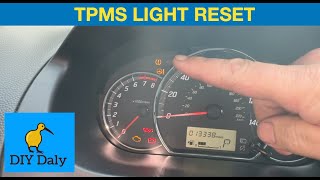
- The TPMS reset procedure via the dashboard menu does not resolve the issue. 🎬 Watch: How to perform a basic TPMS dashboard reset
- Replacing the TPMS sensor without attempting to re-register it first. TSB TIN-18-31-002 explicitly states that many sensors were being replaced when only re-registration was needed.
Most Likely Causes
- TPMS Sensor Failure (Internal Battery or Electronics) 🔴 High Probability → Shop Tire Pressure Monitoring System (TPMS) Sensor TPMS sensors have a finite battery life, typically 5-10 years. Vehicles in this year range are reaching the end of that lifespan. However, TSBs note that many sensors were replaced with 'No Trouble Found,' suggesting other causes are also very common.
How to confirm: A professional tire shop can use a TPMS diagnostic tool to attempt to 'wake up' or trigger the sensor. If the sensor does not respond, it has failed.
Typical fix: Replace the faulty TPMS sensor and perform the TPMS ID registration procedure using an OBD-II scan tool. 🎬 See how to perform a professional OBD-II TPMS relearn
Est. part cost: $40-$90 - TPMS ID Registration / Communication Error 🔴 High Probability Mitsubishi TSBs TIN-18-31-002 and TIN1931001REV specifically address this issue. They indicate that the root cause is often not the sensor itself but a communication breakdown between the sensor and the vehicle's receiver module (KOS-ECU or ETACS-ECU). This is the most likely cause if the sensor can be read by a handheld tool but the car still shows the code.
How to confirm: This is confirmed when a TPMS tool can read the sensor, but the car still sets the C1921 code. The official diagnostic step per Mitsubishi is to escalate to their Techline.
Typical fix: A dealer or qualified shop must perform a TPMS re-registration or follow the specific diagnostic path provided by Mitsubishi. This is primarily a software/procedural fix, not a parts replacement. One owner on MirageForum.com reported that the dealer had to perform a 'Forced Registration' with their MUT-3 scan tool after the standard registration failed.
Est. part cost: $0 - Faulty TPMS Receiver or ECU ⚪ Low Probability While less common, the module responsible for receiving the TPMS signals (often integrated into the KOS-ECU or ETACS-ECU) can fail.
How to confirm: This is typically diagnosed after confirming the sensor is working and the ID registration procedure fails to resolve the code. This requires advanced diagnostics, likely at a dealership.
Typical fix: Replace the faulty control unit and register all TPMS sensor IDs.
Est. part cost: $200-$500
Rare But Worth Checking
- CAN Bus Communication Fault: The TPMS system communicates with other vehicle modules over the CAN bus. A fault in this network can trigger various codes, including TPMS errors. Diagnostic procedures often recommend checking the CAN bus integrity first.
Diagnosis Steps
- Verify the tire pressures manually with a quality gauge. Inflate to the pressure listed on the driver's door jamb sticker.
- Use a professional scan tool to confirm C1921 is the active or stored code.
- Use a TPMS-specific tool to attempt to read the data from the sensor at 'Tire 2' (usually front right).
- If the sensor does not respond to the tool, the sensor itself has likely failed (dead battery or internal fault).
- If the sensor *does* respond to the tool, the issue is with the car's ability to receive or process the signal.
- At this point, consult Mitsubishi TSB TIN1931001REV and TIN-18-31-002. The official procedure is to stop diagnosis and create a Techline case for further instruction. This is because Mitsubishi Japan requested onsite inspections for vehicles with this specific issue.
- A common next step for a professional would be to attempt a TPMS ID re-registration procedure using a compatible scan tool (like the dealer's MUT-3). Unlike some vehicles, the Mirage does not 'auto-learn' new sensors; they must be programmed to the car via the OBD-II port. 🎬 Watch this walkthrough of the Mitsubishi TPMS registration process
Parts You'll Likely Need
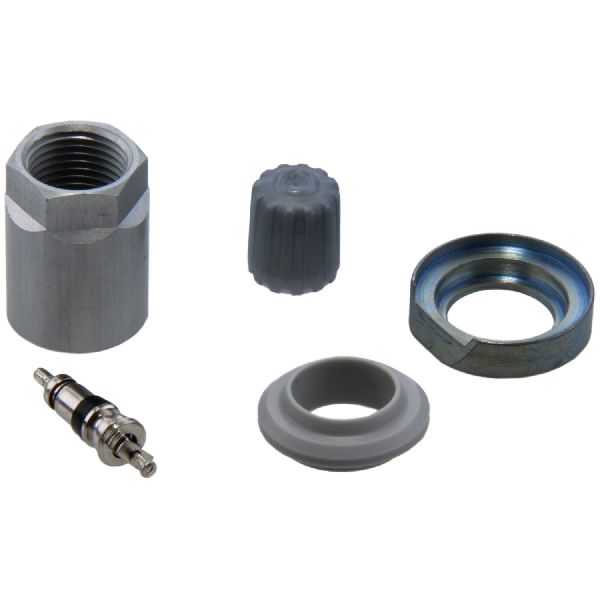
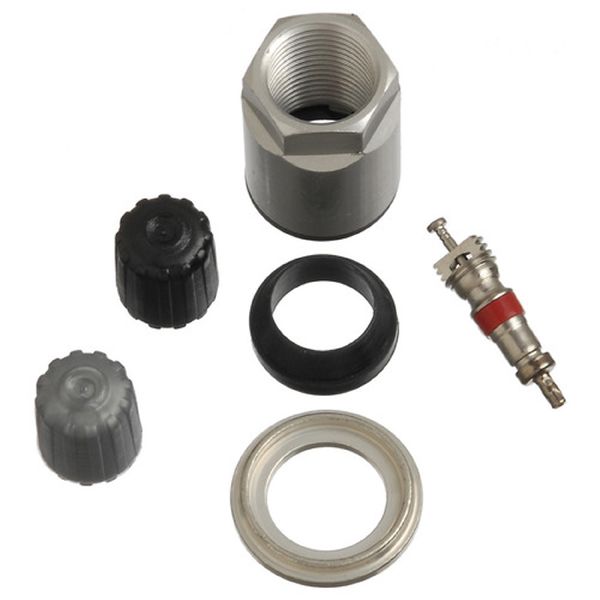
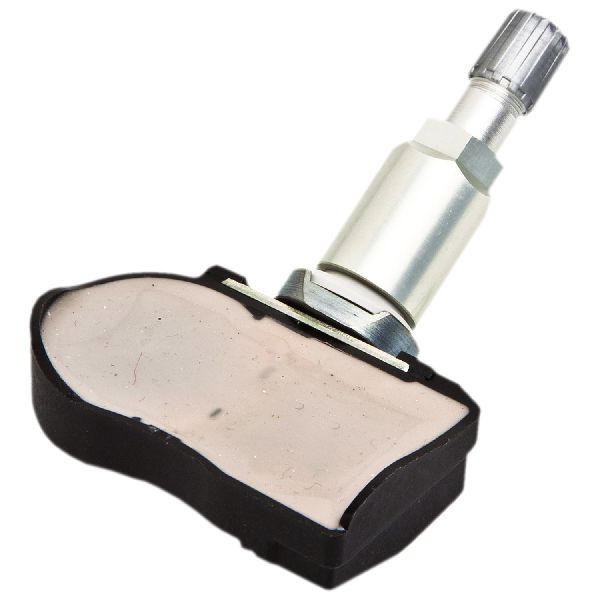
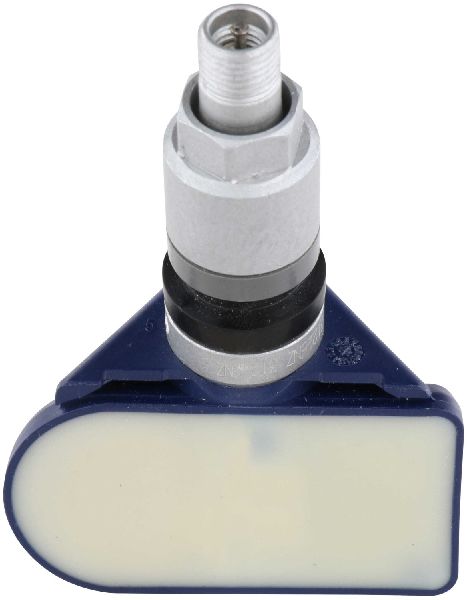
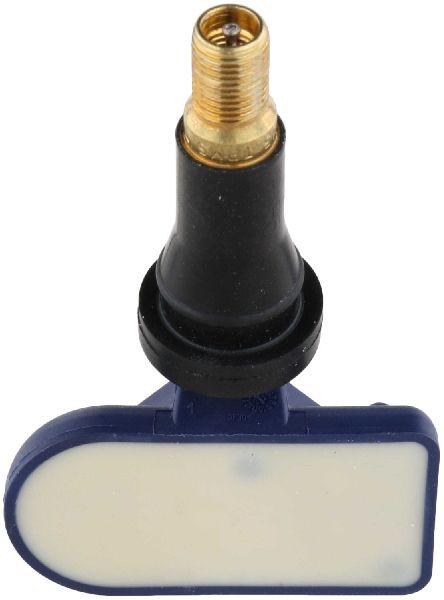
- Tire Pressure Monitoring System (TPMS) Sensor
(OEM #4250C275, 4250D585)— This is the most frequently replaced component for TPMS faults, typically due to battery failure. However, for this specific code on a Mirage, it may not be the root cause. Part number 4250C275 is widely cited for the 2014-2022 Mirage, operating at 433MHz for the European/Australian market and 315MHz in North America. Part 4250D585 is also listed for G4 models.
Trusted brands: Schrader, Continental/VDO, Huf, Bosch, ITM Engine Components
OEM price range: $70-$120
Aftermarket price range: $40-$90
Related Codes That Often Appear With This One
- C1911 — This code indicates a 'Tire ID Reception Fail' for Tire 1. It's common to see multiple reception failure codes if there is a central receiver issue or if multiple sensor batteries are failing around the same time.
- C1931 — This code indicates a 'Tire ID Reception Fail' for Tire 3. Seeing it with C1921 points towards a systemic issue rather than a single failed sensor.
- C1941 — This code indicates a 'Tire ID Reception Fail' for Tire 4. The presence of multiple codes from this series strongly suggests following the TSB to contact Mitsubishi's Techline.
- C1920 — This code indicates a low battery voltage for the transmitter in Tire 2. It can be a precursor to the C1921 reception failure code.
Technical Service Bulletins (TSBs) & Recalls
- TIN1931001REV: Instructs dealers to stop diagnosis for C19x1 codes on the Mirage and Mirage G4 and create a Techline case for a 'scramble opportunity,' as Mitsubishi Japan wants to perform an onsite inspection of vehicles with this condition.
- TIN-18-31-002: Notes that many TPMS transmitters are replaced with 'No Trouble Found' (NTF) and reminds technicians to perform a re-registration procedure before replacing parts, as per the service manual.
Platform-Specific Known Issues
- TSB TIN1931001REV & TIN-18-31-002: Mitsubishi issued notices to dealers regarding a high number of TPMS light issues with codes C1911, C1921, C1931, and C1941. They found that many replaced sensors had no actual fault. The bulletins instruct dealers to perform a re-registration before replacement and, in some cases, to stop diagnosis and contact Mitsubishi's engineering support (Techline) for a specific repair path.
- Owner Experience with Dealer Fix: A user on MirageForum.com with a 2017 Mirage G4 experiencing codes C1921 and C1931 shared their story. After an independent shop failed to register new sensors, the Mitsubishi dealer also initially failed. The dealer then contacted Techline as per the TSB. The final solution was to use the dealer's MUT-3 scan tool to perform a 'Forced Registration' of the new sensor IDs, which successfully resolved the codes. This highlights the necessity of dealer-specific tools and procedures for this problem.
Mechanic-Grade Diagnostic Values
- TPMS Sensor Operating Frequency (North America) — expected: 315 MHz. Failure: Using a 433 MHz sensor will result in a persistent communication failure and code C1921.
- Manual Sensor Trigger for MUT-3 Registration — expected: Reduce tire pressure to below 25 psi, then reduce by an additional 3+ psi.. Failure: If the sensor ID does not transmit to the scan tool after this pressure drop, the sensor may be faulty or asleep.
Hidden / Shadow Codes Worth Checking
- C1900: No Registration. This code is set if the TPMS ID registration procedure is started but not completed for all sensors within the allotted time (approx. 20 minutes). It indicates all sensor IDs have been erased from the ECU. (see via This is a standard DTC visible with a professional scan tool, including the Mitsubishi MUT-3.)
Scan Tool Commands That Help
- Mitsubishi MUT-3: Tire Pressure Sensor ID Registration — This special function is required whenever a TPMS sensor or the KOS/ETACS-ECU is replaced. It is also the primary fix for communication errors like C1921 when the sensor itself is confirmed to be working. The function writes the unique ID of each sensor to the vehicle's memory.
Wiring & Ground Locations
- TPMS Receiver / ETACS-ECU — The TPMS receiver is not a standalone module; its function is integrated into the Electronic Time and Alarm Control System (ETACS-ECU), which is a central body control computer. This module is typically located in the driver's side interior, often behind the fuse panel or under the dashboard.. Since the ETACS-ECU is the component that 'listens' for the TPMS sensor signals, a fault with the ECU itself, its power supply, its ground connection, or its associated wiring can cause reception failure codes like C1921 for one or all wheels. Checking the fuses related to the 'BCM' or 'ECU' is a valid preliminary step.
OEM Part Supersession History
4250C276→4250D585— Standard part evolution/update.
Heads up: Part 4250D585 is listed as a replacement for 4250C276, and is also listed as compatible with the Mirage.4250C275→
Heads up: CRITICAL: This part number is sold for multiple regions. For North American vehicles, the 315 MHz version must be used. Accidentally purchasing a 433 MHz version of the same part number, intended for European or Australian markets, will result in registration failure and a persistent C1921 code. Always verify frequency before purchase.
Model Year Variations Within This Range
- 2016-2021: The ETACS-ECU, which acts as the TPMS receiver, may have been updated around 2016. One known part number for 2016-2021 models is 8637B739. While the diagnostic principle remains the same, replacing this module requires programming specific to the newer part.
Helpful Videos

We Have This Part in Stock

The information in this article is provided for general reference and educational purposes only. Vehicle specifications, procedures, and part compatibility can vary by production date, trim level, and region. Always consult your vehicle's factory service manual and verify part numbers before purchasing or performing repairs. Safety-critical components such as airbags, seat belts, and braking systems should be installed by a qualified professional.
- Mitsubishi MIRAGE:
- 🧭 Diagnostic Flowchart
- 🎬 Helpful Videos
- 🛍️ Shop This Part
- What's Unique About the 2014-2019 Mitsubishi MIRAGE
- Symptoms You May Notice
- Most Likely Causes
- Rare But Worth Checking
- Diagnosis Steps
- Parts You'll Likely Need
- Related Codes That Often Appear With This One
- Technical Service Bulletins (TSBs) & Recalls
- Platform-Specific Known Issues
- Mechanic-Grade Diagnostic Values
- Hidden / Shadow Codes Worth Checking
- Scan Tool Commands That Help
- Wiring & Ground Locations
- OEM Part Supersession History
- Model Year Variations Within This Range
- 🎟️ Get 5% Off