

OBD-II Code C1931: A Dual-Meaning Diagnostic Guide for Air Suspension and TPMS Faults
Why C1931 means different things for Ford vs. Mitsubishi, and how to diagnose and fix it
- Code C1931 means 'Air Suspension Relay Circuit Short to Battery' on Ford and Ram vehicles, but translates to 'Tire ID Reception Fail' on Mitsubishi models.
- A burnt-out air suspension relay is usually a symptom of a failing compressor drawing over 25 amps or a severe air leak, not the root cause.
- On Mitsubishi vehicles, a dead battery in the left rear tire sensor triggers this code, requiring a $115-$295 sensor replacement and relearn procedure.
- Driving with a C1931 air suspension fault destroys the compressor motor within weeks and damages CV axles due to incorrect ride height.
What Does C1931 Mean?
Code C1931 is a manufacturer-specific code with two entirely different meanings. For Ford, Lincoln, and Ram, it signifies an 'Air Suspension Compressor Relay Circuit Failure,' where the computer detects a short to the battery in the relay's circuit, preventing compressor control. For Mitsubishi, C1931 means 'Tire ID Reception Fail,' indicating the TPMS lost communication with the left rear wheel sensor.
Technical definition: The official SAE/ISO definition for this code is "Air Suspension Front Compressor Relay Circuit Short To Battery". This indicates the suspension control module (SCM) registers a continuous high voltage signal on the compressor relay control circuit, even when commanded off. For Mitsubishi, the definition is "Tire ID reception fail, Tire3", meaning the TPMS control module has not received a signal from the left rear tire pressure sensor for approximately 20 minutes of driving.
Can I Drive With C1931?
Yes, But With Caution. Yes, but minimize driving. An air suspension issue alters ride height, causing poor handling, instability, and premature tire wear. Continued driving damages CV axle boots from rubbing (a $400 repair) and overheats the continuously running compressor, creating a fire risk. For Mitsubishi TPMS issues, you lose low tire pressure warnings, increasing blowout risks.
Common Causes
- Dead TPMS Sensor Battery (Mitsubishi) (Very Common) — For Mitsubishi models, the primary cause is a dead internal battery in the left rear TPMS sensor. These batteries last 5-10 years; when they fail, the sensor stops transmitting, triggering the code.
- Faulty Air Suspension Compressor Relay (Very Common) — The relay acts as an electrical switch for the high-power compressor. It frequently fails internally, getting stuck 'on' or developing a short, triggering the code in air suspension systems.
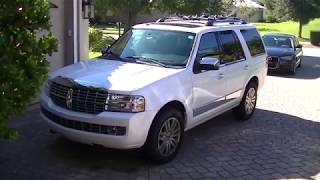
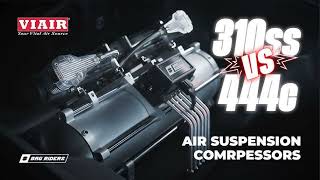
- Failing Air Suspension Compressor (Common) — A worn-out or seized air compressor motor draws excessive electrical current. This high amperage overheats and destroys the control relay. Here, the bad relay is merely a symptom of the failing compressor. 🎬 Watch: How to test an air suspension compressor for faults.
- Leaks in the Air Suspension System (Common) — Air leaks in the springs, lines, or seals force the compressor to run constantly. This extreme duty cycle overheats and burns out the control relay, leading to electrical failure.
- Corroded or Damaged Wiring/Connectors (Common) — Exposed wiring and connectors for the relay corrode, fray, or suffer water intrusion. This damage creates a short circuit to a nearby power wire, causing the constant high voltage signal.
- Faulty Suspension Control Module (SCM) (Rare) — An internal short in the control module's driver circuit sends constant voltage to the relay, falsely setting the code. This requires module replacement.
- Radio Frequency (RF) Interference (Mitsubishi) (Rare) — Aftermarket electronic devices, such as cheap phone chargers or dash cams, emit RF interference that blocks the signal from the TPMS sensor to the vehicle's receiver.
Symptoms
- Suspension or TPMS Warning Light On — A 'Check Suspension' light illuminates for air ride systems, or a solid/flashing TPMS warning light appears on Mitsubishi instrument clusters.
- Air Compressor Runs Constantly or Not at All — The compressor runs continuously, even after turning the vehicle off, pointing to a stuck relay. Conversely, it fails to turn on entirely, preventing ride height adjustment.
- Incorrect Vehicle Ride Height — The vehicle gets stuck at a high ride height, sags completely to the bump stops, or sits low in one corner.
- Poor Handling and Ride Quality — Incorrect ride height causes a harsh, bouncy, or unstable ride. Handling during turns and braking is severely compromised.
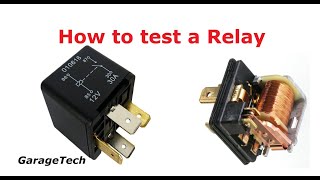
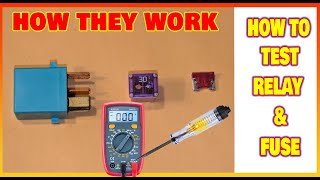
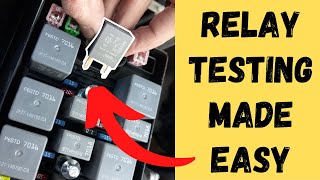
- Audible Buzzing or Clicking from Relay Box — A constant buzzing sound emits from the fuse/relay box, 🎬 See how to test a relay and understand how they work. caused by the shorted relay's coil being continuously energized.
Diagnostic Flowchart
Tap your situation to follow the diagnostic path that matches what you're seeing on this code.
Common Fixes & Costs
- Replace Air Suspension Compressor Relay — Parts: $15-$50, Labor: $25-$75, ~0.3 hr book time (DIY)
- Replace TPMS Sensor (Mitsubishi-specific) — Parts: $40-$120, Labor: $75-$175, ~0.8 hr book time (Professional)
- Replace Air Suspension Compressor and Relay — Parts: $450-$900, Labor: $200-$450, ~1.8 hr book time (Professional)
- Replace Air Springs/Shocks — Parts: $300-$800, Labor: $250-$500, ~2.2 hr book time (Intermediate)
- Repair Damaged Wiring or Connectors — Parts: $10-$40, Labor: $150-$400, ~2 hr book time (Intermediate)
- TPMS Sensor Re-Registration/Relearn Procedure — Parts: $0, Labor: $50-$100, ~0.5 hr book time (Professional)
Used vs. New Parts: Buying Guide
When a used part is worth it: A used OEM air compressor from a low-mileage, accident-damaged vehicle is a cost-effective alternative to a new aftermarket part. Avoid used parts from vehicles scrapped for suspension issues.
Donor-vehicle mileage cap: roughly under 70000 miles for the part to have meaningful remaining life.
Donor quality checklist:
- Verify the donor vehicle's mileage and reason for salvage.
- Inspect the compressor for corrosion, damaged wiring, or signs of overheating.
- Ensure the part number is an exact match.
Decision logic:
- If The part is a simple relay or a TPMS sensor → Always buy new. The cost is low and the failure rate of used electronics is high.
- If The part is an air compressor and budget is the primary concern → A used OEM part from a reputable salvage yard with a warranty is often better quality than a cheap aftermarket unit.
- If Reliability is the top priority → Buy a new OEM or a high-quality aftermarket compressor from a brand like Arnott or Dorman.
Warranty tradeoff: Used parts typically come with a 30-90 day warranty covering the part only. New aftermarket parts offer 1-year to limited lifetime warranties. OEM parts carry a 1-2 year warranty if installed by a dealer.
Worst-case if a used part fails: $400-$600 if a used compressor fails, requiring a second labor charge and replacement part.
What Happens If You Wait — Timeline
- 0-1 month (Suspension) / Immediate (TPMS): Suspension: A small air leak causes the compressor to run slightly more often. TPMS: The TPMS light flashes then stays on, setting code C1931. No low-pressure warnings are available. (MPG impact: 0-1%% · Added cost: $0)
- 1-4 months (Suspension): The air leak worsens. The compressor runs for long periods, overheating the relay. The vehicle sags noticeably when parked. C1931 sets as the relay shorts out. (MPG impact: 1-3%% · Added cost: $150-$350 (Risk of a dead battery from the compressor running after key-off))
- 4-6 months (Suspension): The compressor motor burns out. The vehicle is permanently sagged, riding on bump stops. Handling is unsafe, uneven tire wear begins, and CV axle boots are damaged. (MPG impact: 3-5%% · Added cost: $800-$1500 (Cost of new compressor, relay, and potentially new tires))
- 6+ months (Suspension) / Any time (TPMS): Suspension: Continued driving damages shocks, control arms, and ball joints. TPMS: A tire suffers a puncture, but the driver receives no warning, leading to a high-speed blowout. (MPG impact: 5-10% (Suspension)% · Added cost: $2000-$4000+ (Cost of major suspension repairs or accident damage))
Cost of Not Fixing It
- Immediate: Unsafe handling at speed (suspension) or no warning for a dangerously low tire (TPMS). (Added cost: N/A)
- 1-3 months: A stuck-on compressor drains the battery ($150-$350) and burns out the compressor motor ($450-$900). Sagging suspension causes uneven tire wear and damages CV axle boots ($400+). (Added cost: $600-$1650)
- 3+ months: Catastrophic suspension failure leading to loss of control. An overheating compressor poses a fire risk. A tire blowout causes accidents and extensive vehicle damage. (Added cost: $2000+)
Diagnosis Steps
- Verify Code Meaning and Inspect Fuses/Relay
Confirm if your vehicle uses C1931 for suspension or TPMS. For suspension, locate the air suspension fuse and relay in the owner's manual. Swap the suspension relay with an identical one from a non-essential system (like the horn). If the horn stays on or the suspension works correctly, the original relay is bad.
Tools: Owner's Manual (Beginner) - Visually Inspect Wiring and Components
For suspension systems, inspect all visible wiring to the compressor relay and compressor. Look for melted plastic, chafed wires, or corrosion. For Mitsubishi TPMS, inspect the left rear tire valve stem for physical damage.
Tools: Flashlight (Beginner) - Test the Relay Circuit for Voltage (Pro Tip)
Remove the relay. Set a multimeter to DC Volts and probe the 'control' terminal in the relay socket (from the Suspension Control Module). With the key off, this terminal must read 0V. A reading of 12V+ confirms a short to power in the control circuit wiring or the module itself.
Tools: Multimeter (Intermediate) - Test Relay Functionality and Coil Resistance
Test the removed relay. Measure resistance across the control coil pins (usually 85 and 86). A healthy relay reads 50-200 Ohms. A reading of 0 Ohms means a shorted coil; infinite (OL) means an open coil. Apply 12V to the control terminals; it should click, and the load terminals (30 and 87) should show continuity.
Tools: Multimeter, 12V Power Source (Intermediate) - Check Compressor Current Draw
If the relay and wiring are fine, test the compressor. Clamp an ammeter on the compressor's main power wire. Command the compressor on and measure the amperage. A draw significantly higher than the manufacturer's spec (typically over 20-25 amps) indicates a failing compressor killing the relays.
Tools: Ammeter / Amp Clamp, Scan Tool (optional) (Advanced) - Check for Air Leaks
If the compressor runs excessively, check for leaks. Air up the system and spray soapy water on air springs, fittings, and lines. Bubbles indicate a leak, which overworks the compressor and relay.
Tools: Spray Bottle, Soapy Water (Intermediate) - Monitor Air Suspension Live Data PIDs
Use an advanced scan tool to monitor live data from the Suspension Control Module. Watch 'Compressor Relay Command' (ON/OFF), 'Compressor Run Time', and 'System Pressure'. For C1931, the 'Compressor Relay Command' shows OFF, but physical testing shows the relay is stuck ON, confirming the electrical fault.
Tools: Advanced Scan Tool (Advanced) - Diagnose CAN Bus (Mitsubishi-Specific Pro Tip)
Before replacing TPMS parts on a Mitsubishi, check the CAN bus communication lines with a dealer-level scan tool. A network problem sometimes manifests as a TPMS fault code. Resolve any CAN errors first.
Tools: Advanced Scan Tool (M.U.T.-III or equivalent) (Professional) - Analyze Relay Control Circuit with Oscilloscope
Connect an oscilloscope to the relay's control wire. A healthy circuit shows a square wave pattern: 0V when off, 12V when commanded on. With a C1931 fault, the scope displays a flat line stuck at 12V+, visually confirming the 'short to battery' condition.
Tools: Oscilloscope (Advanced)
When This Code Triggers (Freeze-Frame Conditions)
- Vehicle Speed: 0 mph (at startup) or 20-50 mph (Sets when the module powers on and detects the short, or during driving when attempting a height adjustment.)
- System Voltage: 11.5-14.5V (Normal operating voltage; the fault is a short to this voltage, not caused by it.)
- Time Since Engine Start: Varies widely (Triggers within seconds of key-on for suspension. For Mitsubishi TPMS, it takes up to 20 minutes of continuous driving for the module to confirm the sensor is dead.)
- Suspension Command: OFF (The fault is detected specifically when the control module is NOT commanding the relay on, yet detects 12V on the control circuit.)
Related Codes
- C1932 — Means 'Air Suspension Front Compressor Relay Circuit Short To Ground'. It is the opposite of C1931. A multimeter test shows continuity to ground instead of constant voltage.
- C1930 — For air suspension, this means 'Relay Circuit Open' (a broken wire). For Mitsubishi, it means 'Transmitter low battery voltage abnormality 3,' appearing right before C1931 as the sensor dies.
- C1725 — A Ford code for 'Air Suspension Front Pneumatic Failure.' The electrical fault (C1931) prevents the compressor from running, causing this mechanical pressure fault. Always fix C1931 first.
- C1911, C1921, C1941 — Mitsubishi TPMS codes for the other wheels (Tire 1, Tire 2, Tire 4). They indicate the exact same 'Tire ID Reception Fail' issue as C1931, just for different locations.
Climate & Environmental Factors
- Cold Weather: Low temperatures cause air pressure to drop, making the compressor work harder. Moisture inside the system freezes, blocking lines or damaging the compressor. Rubber air springs become stiffer and prone to cracking.
- High Humidity: Humid air introduces excess moisture during compression cycles. This overwhelms the air dryer, leading to internal corrosion of components and freezing in cold climates.
- Road Salt (Rust Belt Regions): Corrosive road salt accelerates the deterioration of electrical connectors, wiring harnesses, relay terminals, and the metal compressor body, directly causing electrical shorts.
How to Talk to a Mechanic About This Code
Say this: "I have a C1931 code. For my Ford/Ram, my compressor runs constantly, so I suspect a shorted relay, but please check the compressor's amp draw before replacing the relay. For my Mitsubishi, the TPMS light is on, and I'd like you to try a TPMS relearn procedure based on TSB TIN-18-31-002 before replacing the sensor."
This directs the mechanic to find the root cause (the compressor) instead of just the symptom (the relay). For TPMS, it references a specific service bulletin to avoid paying for an unnecessary part.
Avoid saying:
- 'My suspension is broken, fix it.'
- 'My tire light is on, I probably need a new sensor.'
- 'Just do whatever it takes to fix the warning light.'
Questions to ask before authorizing the repair:
- For suspension: What was the amperage draw of the compressor compared to the spec? Did you find any air leaks?
- For Mitsubishi: Did you attempt the TPMS re-registration/relearn procedure first? Was it unsuccessful?
- Can you show me the damaged wiring or the failed component?
- What is the warranty on the new compressor/sensor and the labor?
Where to Take It: Dealer vs Independent vs Chain
- Dealer:
Best for: Vehicles under warranty., Complex Mitsubishi TPMS issues requiring a M.U.T.-III tool relearn procedure., Ram/Jeep nitrogen-filled systems to maintain the original factory setup.
Downsides: Highest labor rates and parts markups; quotes can exceed $4,800 for a Ram compressor and block., Less willing to install customer-supplied or aftermarket parts. (Typical cost: +75% vs. baseline) - Independent Shop:
Best fit for air suspension issues. A good independent shop diagnoses the entire system and saves money over the dealer. For Mitsubishi TPMS, a specialized tire shop is a better choice.
Best for: Out-of-warranty Ford, Lincoln, and Ram air suspension repairs., Diagnosing the root cause (leak vs. compressor vs. wiring) cost-effectively.
Downsides: Quality varies; ensure the shop has specific experience with air suspension systems., May lack specific TPMS tools for a Mitsubishi relearn, leading to unnecessary sensor replacement. (Typical cost: +0% vs. baseline) - Chain Shop:
Acceptable for Mitsubishi TPMS fixes if they confirm they can perform the relearn procedure. AVOID for diagnosing air suspension faults.
Best for: Mitsubishi TPMS sensor replacement (if they have the correct relearn tool)., Tire-related services if the suspension is sagging and causing wear.
Downsides: Technicians lack experience to diagnose complex air suspension electrical faults beyond a simple relay swap., High pressure to upsell expensive components without proper diagnosis. (Typical cost: -10% vs. baseline)
When to Walk Away From the Repair
If the estimated repair cost exceeds 40-50% of the car's private-party value, seriously consider selling or trading it in.
- Car worth $8000, fix is $4800: Walk away. A nearly $5,000 quote from a dealer for a compressor and valve block on an $8,000 truck is not economical.
- Car worth $15000, fix is $1350: Fix it. Replacing a compressor and relay for this price restores full vehicle function and value.
- Car worth $4000, fix is $250: Fix it. If the issue is a TPMS sensor on a Mitsubishi, the repair cost is minor compared to the car's value.
What Scan Tool You Need for This Code
Minimum: A code reader that accesses Chassis (C-codes) for ABS, Airbag, and Suspension systems. Basic $20 readers cannot do this.
A basic scanner won't see the C1931 code. Proper diagnosis requires a tool that reads live data from the suspension module or performs the TPMS relearn function for Mitsubishi.
Budget: BlueDriver Pro (~$100) — Reads and clears enhanced codes like C1931 from suspension and TPMS modules. Lacks bidirectional control.
Mid-range: Foxwell NT510 Elite / NT530 (~$180) — Offers OE-level diagnostics for specific brands. Features bidirectional controls to command the compressor relay on/off and performs TPMS reset functions.
Professional: Autel MaxiCOM MK808S-TS (~$500-800) — Provides full bidirectional control for the air suspension system. Includes comprehensive TPMS functions capable of performing the Mitsubishi relearn procedure without a separate tool.
Rent vs buy: AutoZone's 'Loan-A-Tool' program typically does NOT include advanced scanners capable of reading suspension/chassis codes. You will likely need to buy a capable scanner.
How to Clear the Code After You Fix It
- Use an OBD-II scan tool to clear the code from the specific module (Suspension or TPMS).
- For air suspension, cycle the ignition and listen for the compressor to run briefly then shut off.
- For Mitsubishi TPMS, perform a sensor relearn procedure with a specialized tool.
- Perform the recommended drive cycle to ensure the code does not return.
Drive cycle (~20 minutes): For air suspension, a short drive with several stops and starts is sufficient. For Mitsubishi TPMS, drive for at least 10 minutes at speeds above 25 mph to verify communication with the new sensor.
Readiness monitors affected: This is a Chassis ('C') code and does not affect emissions readiness monitors.
Watch out for:
- Disconnecting the battery will not clear this code from the control module or perform the required TPMS relearn.
- The code returns immediately if the underlying electrical short or failed sensor is not fixed.
Will This Fail Emissions / State Inspection?
No — by itself this code doesn't fail OBD inspection (but it can keep readiness monitors from setting, which causes a separate fail).
- California: A C-code like C1931 does not cause a smog check failure. Inspections focus on powertrain (P-codes) and emissions readiness.
- New York: An illuminated TPMS or suspension warning light does not cause a failure of the annual safety inspection unless it directly affects braking or steering safety.
- Texas: The Texas safety inspection checks for the physical presence and condition of suspension components, but does not fail vehicles for electronic TPMS or air suspension warning lights.
Most Commonly Affected Vehicles
- Ford Expedition (2007-2014) — Frequently experiences C1931 due to failing compressors drawing high current or leaking rear air springs destroying the relay. Often requires replacing the compressor and relay together.
- Lincoln Navigator (2007-2014) — Shares the T1 platform and air suspension system with the Expedition, making it equally prone to C1931.
- Ram 1500 (2013-2020) — The 'Active-Level Four-Corner Air Suspension' is a known source of faults. Repair costs are high due to system complexity.
- Jeep Grand Cherokee (2011-2021) — Models with 'Quadra-Lift' air suspension are known for air leaks and compressor failures leading to relay-related electrical codes.
- Land Rover / Range Rover Various (LR3, LR4, Range Rover Sport) (2005-2016) — Notorious for complex air suspension faults. C1931 points to a failed relay, wiring corrosion, or a worn-out Hitachi/AMK compressor.
- Mitsubishi Mirage / Mirage G4 (2014-2019) — C1931 means 'Tire ID Reception Fail' for the left rear tire. It is a common TPMS fault addressed by TSBs TIN-19-31-001REVII and TIN-18-31-002.
- Mercury Mountaineer (2002-2010) — Equipped with a similar air suspension system to the Ford Explorer, suffering from the same relay and compressor failures.
Manufacturer-Specific Notes
- Mitsubishi: C1931 is exclusively a TPMS code for the left rear wheel. Mitsubishi issued TSBs (TIN-19-31-001REVII, TIN-18-31-002) instructing dealers to attempt a sensor relearn procedure before replacing parts, as the root cause is often data corruption.
- Ford / Lincoln: On Expeditions and Navigators (2007-2014), C1931 is a chain reaction. Leaking rear air springs overwork the compressor, drawing excess current and burning out the relay. Replace the compressor, relay, and leaking springs as a set.
- Ram / Jeep: The Quadra-Lift system is sealed and filled with nitrogen. Repeated leaks and compressor cycles introduce damaging moisture. Full system replacements at a dealer can reach $10,000.
- Land Rover: A code similar to C1931 is often just the tip of the iceberg. Technicians frequently find corroded wiring harnesses in the wheel wells alongside failing height sensors and compressors.
Real Owner Stories
2008 Lincoln Navigator, mileage unknown
Vehicle was sagging and the 'Check Suspension' light was on. The owner decided to tackle the repair themselves.
What they tried:
- Replaced the air suspension compressor.
- Replaced both rear air bags (springs).
Outcome: The owner successfully replaced the compressor and air bags using affordable aftermarket parts (Arnott) and video tutorials, saving significant money over a shop quote.
Lesson: For common failures like Navigator/Expedition air suspension, online resources and aftermarket parts make a complex job manageable for a determined DIYer with the right tools.
2014 Mitsubishi Mirage, mileage unknown
The TPMS warning light was flashing, and a scan revealed code C1931.
What they tried:
- A tire shop attempted to fix the issue but was unsuccessful.
- The owner took the vehicle to a Mitsubishi dealership.
Outcome: The dealership technician performed a TPMS re-registration procedure using a professional tool, successfully clearing the code without replacing any parts.
Lesson: On Mitsubishi vehicles, C1931 is often a data corruption issue. Insist the shop attempts a sensor ID 'relearn' procedure first, per TSB TIN-18-31-002, before paying to replace the sensor.
2013 Ram 1500, ~100,000 miles
The air suspension compressor ran constantly, even when off, setting code C1931. The owner heard a buzzing from the relay.
What they tried:
- Replaced the visibly burnt air suspension relay. The new relay burned out quickly.
- A mechanic diagnosed a seized air compressor drawing excessive current.
Outcome: The owner replaced both the air compressor and the relay again, resolving the issue. The failed compressor was killing the relays.
Lesson: A burnt-out relay is a symptom. If you find a failed relay, test the compressor's amperage draw to find the root cause, otherwise you will destroy the new relay.
How to Prevent This Code From Triggering
- Periodically inspect and clean air springs and lines. (Every 6 months or during tire rotations.) — Dirt and debris trapped around air springs cause abrasions leading to leaks. Cleaning extends their life and helps spot wear early.
- Listen for changes in compressor run time. (Daily habit.) — A compressor running more frequently is the earliest sign of a small air leak. Fixing leaks early prevents the compressor and relay from burning out.
- Drain moisture from the air system (if applicable). (Monthly, especially in humid or cold climates.) — Moisture collects in the system and freezes in cold weather, blocking lines and damaging components. Draining prevents internal corrosion.
- Avoid overloading the vehicle. (Every trip.) — Exceeding the gross vehicle weight rating (GVWR) puts extreme stress on air suspension components, leading to premature failure.
Frequently Asked Questions
How do I know if C1931 on my car is for the suspension or the tires?
The meaning depends entirely on your vehicle's manufacturer. On a Mitsubishi, it is a TPMS code. On a Ford, Lincoln, Ram, or Jeep, it refers to the air suspension relay circuit.
I replaced the relay and the fuse, but the code came back. What's next?
This indicates the short circuit remains in the wiring or a component, meaning the relay was the victim. Measure the air compressor's current draw; if it exceeds 25 amps, the compressor is bad. If the amp draw is normal, trace the relay's control wire to find the short.
Can a bad vehicle battery cause code C1931?
A failing battery produces unstable voltage throughout the vehicle. Sensitive electronic modules misinterpret these voltage spikes as a circuit fault. Always ensure your battery is healthy before starting complex electrical diagnostics.
My compressor is always running. Is that related to C1931?
Yes, a constantly running compressor is a classic symptom. It indicates either a major air leak the system is trying to compensate for, or a relay electrically stuck in the 'on' position. A stuck relay creates the exact 'short to battery' condition that triggers code C1931.
Can I just pull the fuse to stop the compressor from running and draining my battery?
Yes, pulling the air suspension fuse prevents the compressor from draining your battery or catching fire. However, this disables the system entirely, causing the vehicle to sag to the bump stops. Only do this as a temporary measure to get the vehicle to a repair shop safely.
What is the difference between C1931 and C1932?
Both point to a fault in the relay control circuit but indicate opposite problems. C1931 is a 'Short to Battery' meaning the circuit is stuck with power ON. C1932 is a 'Short to Ground' meaning the circuit is stuck with a path to ground.
For a Mitsubishi, can I replace the TPMS sensor myself?
Replacing the sensor requires dismounting the tire from the wheel using a tire machine. Afterward, you need a special TPMS programming tool to sync the new sensor with the car's computer. Take this job to a tire shop or repair facility equipped with the right tools.
Key Takeaways
- Code C1931 means 'Air Suspension Relay Circuit Short to Battery' on Ford and Ram vehicles, but translates to 'Tire ID Reception Fail' on Mitsubishi models.
- A burnt-out air suspension relay is usually a symptom of a failing compressor drawing over 25 amps or a severe air leak, not the root cause.
- On Mitsubishi vehicles, a dead battery in the left rear tire sensor triggers this code, requiring a $115-$295 sensor replacement and relearn procedure.
- Driving with a C1931 air suspension fault destroys the compressor motor within weeks and damages CV axles due to incorrect ride height.
Helpful Videos




Shop the Parts Behind C1931
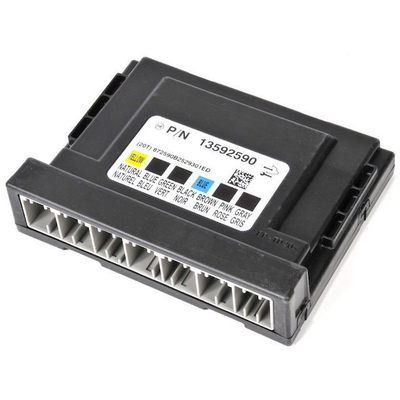
Below are the parts most often responsible for code C1931, ranked by how frequently each one is the actual culprit (per the diagnosis above). Tap any to see what we have for your vehicle.



The information in this article is provided for general reference and educational purposes only. Vehicle specifications, procedures, and part compatibility can vary by production date, trim level, and region. Always consult your vehicle's factory service manual and verify part numbers before purchasing or performing repairs. Safety-critical components such as airbags, seat belts, and braking systems should be installed by a qualified professional.
- 🧭 Diagnostic Flowchart
- 🎬 Helpful Videos
- 🛍️ Shop This Part
- What Does C1931 Mean?
- Can I Drive With C1931?
- Common Causes
- Symptoms
- Common Fixes & Costs
- Used vs. New Parts: Buying Guide
- What Happens If You Wait — Timeline
- Cost of Not Fixing It
- Diagnosis Steps
- When This Code Triggers (Freeze-Frame Conditions)
- Related Codes
- Climate & Environmental Factors
- How to Talk to a Mechanic About This Code
- Where to Take It: Dealer vs Independent vs Chain
- When to Walk Away From the Repair
- What Scan Tool You Need for This Code
- How to Clear the Code After You Fix It
- Will This Fail Emissions / State Inspection?
- Most Commonly Affected Vehicles
- Manufacturer-Specific Notes
- Real Owner Stories
- 2008 Lincoln Navigator, mileage unknown
- 2014 Mitsubishi Mirage, mileage unknown
- 2013 Ram 1500, ~100,000 miles
- How to Prevent This Code From Triggering
- Frequently Asked Questions
- How do I know if C1931 on my car is for the suspension or the tires?
- I replaced the relay and the fuse, but the code came back. What's next?
- Can a bad vehicle battery cause code C1931?
- My compressor is always running. Is that related to C1931?
- Can I just pull the fuse to stop the compressor from running and draining my battery?
- What is the difference between C1931 and C1932?
- For a Mitsubishi, can I replace the TPMS sensor myself?
- Key Takeaways
- 🎟️ Get 5% Off